
Project
Amazon Watch / Maíra Irigaray
Barragem de Belo Monte no rio Xingu: 10 anos de impactos na Amazônia e de busca por reparações
A usina hidrelétrica de Belo Monte causou um desastre ambiental e social no coração da Amazônia: um dos ecossistemas mais importantes do planeta.
Essa situação só piorou desde que a usina começou a operar em 2016. A busca por justiça e reparação para as comunidades indígenas e ribeirinhas afetadas continua até hoje.
Em 2011, a Comissão Interamericana de Direitos Humanos (CIDH) concedeu a essas comunidades medidas de proteção, que até hoje não foram totalmente implementadas pelo Estado brasileiro.
E, desde junho daquele mesmo ano, a CIDH mantém um processo contra o Estado por sua responsabilidade internacional no caso.
A CIDH pode encaminhar o caso à Corte Interamericana de Direitos Humanos, que tem o poder de emitir uma sentença condenatória contra o Estado brasileiro.
Consulta o expediente de fatos do caso
Após 10 anos de operação da usina hidrelétrica e mais de 15 anos de violações de direitos humanos documentadas, é hora da justiça ser feita para as comunidades afetadas.
Leia a carta aberta das organizações que levam o caso à CIDH
Leia nosso comunicado à imprensa
Contexto
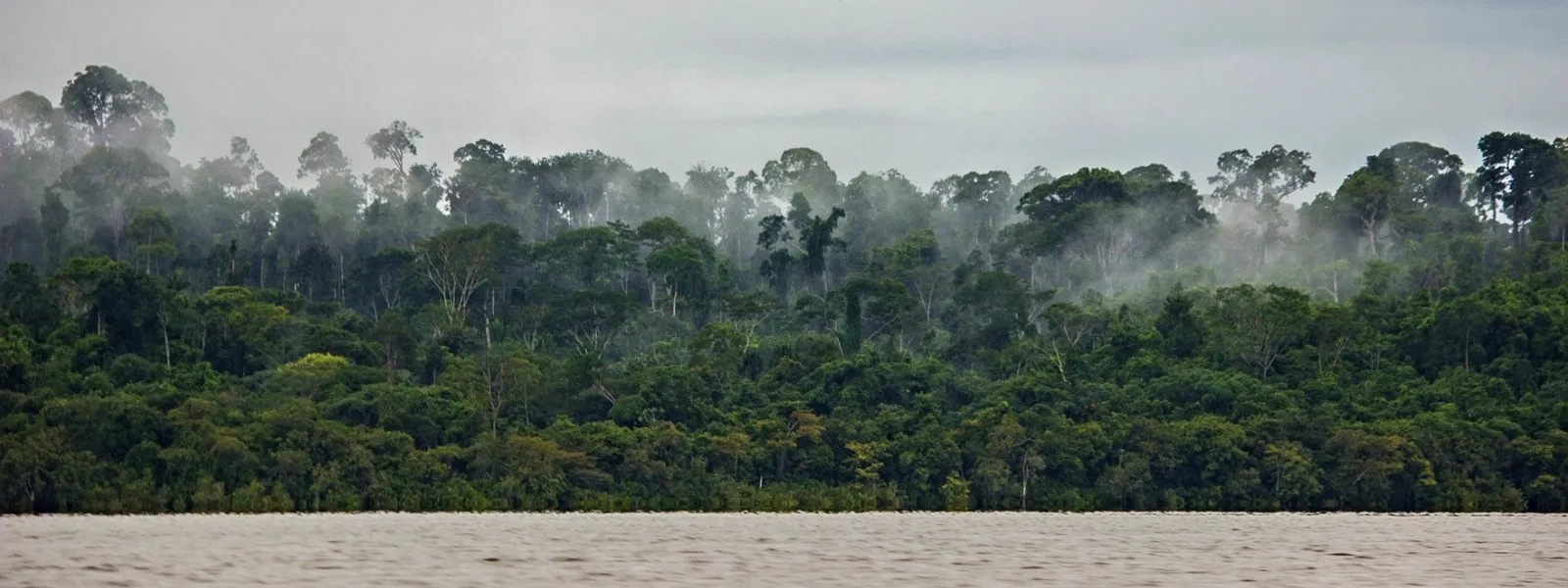
A usina hidrelétrica de Belo Monte — a quarta maior do mundo em capacidade instalada (11.233 MW) — foi construída no rio Xingu, no estado do Pará, norte do Brasil.
Foi inaugurada em 5 de maio de 2016, com uma única turbina. Naquela época, 80% do curso do rio foi desviado e 516 km² de terra foram inundados, uma área maior que a cidade de Chicago. Desse total, 400 km² eram de mata nativa. A usina começou a operar em plena capacidade em novembro de 2019.
Belo Monte foi construída e é operada pelo consórcio Norte Energia S.A., composto principalmente por empresas estatais. Foi financiada pelo Banco Nacional de Desenvolvimento Econômico e Social (BNDES), que aportou ao consórcio 25,4 bilhões de reais (aproximadamente US$ 10,16 bilhões), o maior investimento de sua história. Portanto, o BNDES também é legalmente responsável pelos impactos socioambientais associados ao projeto hidrelétrico.
Décadas de danos ambientais e humanos
As violações dos direitos humanos e a degradação da Amazônia remontam ao início do projeto. Em março de 2011, a Norte Energia iniciou a construção da barragem sem consulta adequada e sem o consentimento prévio, livre e informado das comunidades afetadas.
A construção levou ao deslocamento forçado de mais de 40.000 pessoas, rompendo laços sociais e culturais. O plano de reassentamento em Altamira — cidade diretamente afetada pelo projeto hidrelétrico — incluía moradias na periferia da cidade, sem serviços públicos adequados, moradias dignas para as famílias reassentadas e moradias diferenciadas para aqueles pertencentes a comunidades indígenas.
A operação da barragem de Belo Monte impôs uma seca permanente e artificial na Volta Grande do rio Xingu, agravada pelas secas históricas na Amazônia em 2023 e 2024. Como resultado, a morte de milhões de ovos de peixe foi documentada por quatro anos consecutivos (de 2021 a 2024) e, nos últimos três anos, não houve migração de peixes rio acima para desovar e se reproduzir. Assim, a pesca artesanal, principal fonte de proteína para os povos indígenas e comunidades ribeirinhas, foi severamente afetada: o consumo de peixe caiu de 50% para 30% do total de proteínas consumidas, sendo substituído por alimentos processados. Em suma, houve um colapso ambiental e humanitário que resultou no colapso da pesca como modo de vida tradicional, insegurança alimentar e falta de acesso à água potável para milhares de famílias, empobrecimento e doenças.
Além disso, a construção da barragem aumentou o desmatamento e intensificou a extração ilegal de madeira e a insegurança em terras indígenas e tribais, colocando em risco a sobrevivência dessas comunidades. Outra consequência foi o agravamento da pobreza e dos conflitos sociais, bem como a sobrecarga dos sistemas de saúde, educação e segurança pública em Altamira, cidade considerada a mais violenta do país em 2017, onde houve aumento do tráfico de pessoas e da violência sexual. Também foram registrados casos de violência contra defensores de direitos humanos envolvidos no caso.
Em 2025, durante a 30ª Conferência das Nações Unidas sobre Mudanças Climáticas (COP30), realizada no Brasil, o Ministério Público Federal classificou os danos causados por Belo Monte como ecocídio.
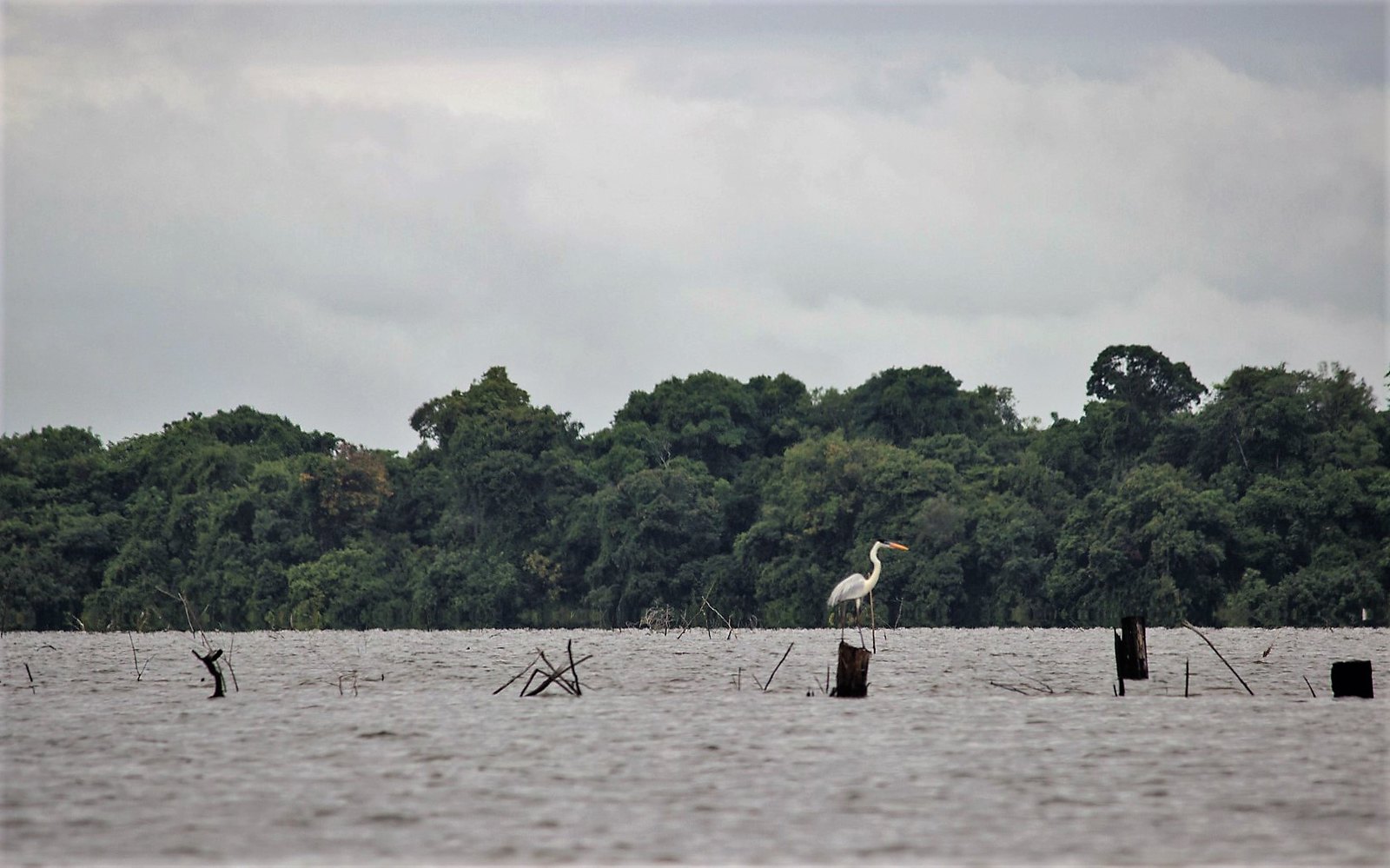
Foto: Amazon Watch / Maíra Irigaray.
A busca por justiça e reparação
Ao longo dos anos, o Ministério Público Federal do Pará, a Defensoria Pública e organizações da sociedade civil impetraram dezenas de ações judiciais em tribunais brasileiros para contestar as diversas irregularidades do projeto, bem como seus impactos. A maioria das ações permanece sem solução, algumas há mais de 10 anos.
Essas ações não obtiveram sucesso porque o governo federal tem reiteradamente anulado decisões favoráveis às comunidades afetadas, recorrendo a um mecanismo pelo qual o presidente do Supremo Tribunal Federal pode suspender uma decisão judicial com base unicamente em argumentos genéricos como "interesse nacional" ou "ordem econômica".
Diante da falta de respostas eficazes em nível nacional, a AIDA — juntamente com uma coalizão de organizações aliadas — levou o caso à Comissão Interamericana de Direitos Humanos (CIDH) e, em 2010, solicitou medidas cautelares para proteger a vida, a integridade e a saúde das comunidades indígenas afetadas.
Em 1º de abril de 2011, a CIDH concedeu essas medidas e solicitou ao Estado brasileiro a suspensão das licenças ambientais e de quaisquer obras de construção até que as condições relativas à consulta prévia e à proteção da saúde e integridade das comunidades fossem atendidas.
E, em 16 de junho de 2011, apresentamos uma denúncia formal à CIDH — juntamente com o Movimento Xingu Vivo Para Siempre, a Coordenação das Organizações Indígenas da Amazônia Brasileira, a Diocese de Altamira, o Conselho Missionário Indígena, a Sociedade Pará de Defesa dos Direitos Humanos e a Global Justice — contra o Estado brasileiro por sua responsabilidade internacional nas violações de direitos humanos contra os povos afetados neste caso. A denúncia foi apresentada em dezembro de 2015.
Em 3 de agosto de 2011, a CIDH modificou as medidas cautelares para solicitar — em vez da suspensão de licenças e obras — a proteção dos povos que vivem em isolamento voluntário, a saúde das comunidades indígenas e a regularização e proteção das terras ancestrais.
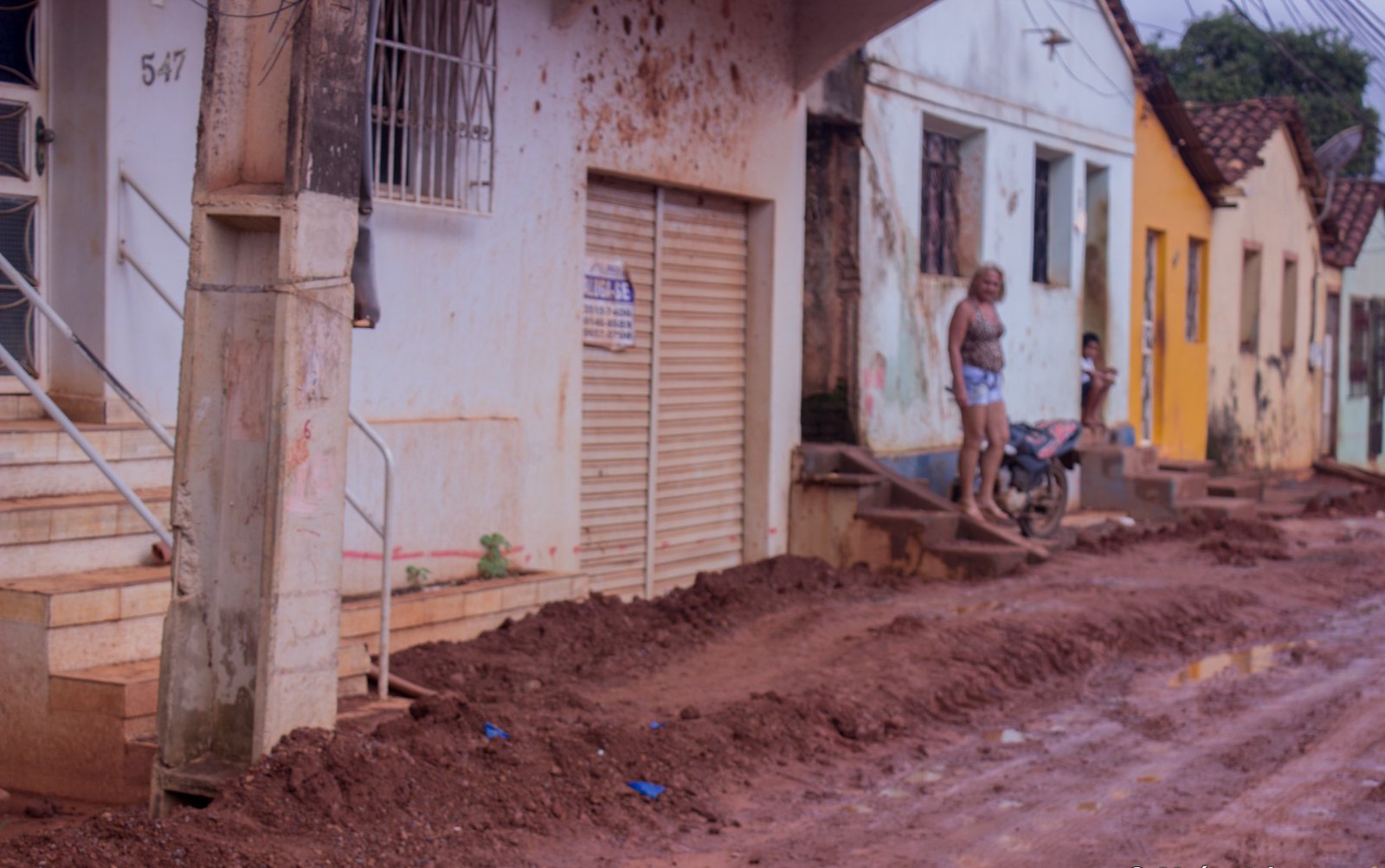
Foto: Amazon Watch / Maíra Irigaray.
Situação atual
As medidas de proteção concedidas pela CIDH permanecem em vigor, mas o Estado brasileiro não as cumpriu integralmente, relatando apenas ações genéricas. As comunidades documentaram as contínuas violações de seus direitos. A situação que motivou o pedido dessas medidas — o risco à vida, à segurança e aos meios de subsistência das comunidades — persiste e se agravou com a usina hidrelétrica operando em plena capacidade e com as recentes secas extremas na Amazônia.
Além do ocorrido em Belo Monte, existe o risco de maiores danos sociais e ambientais decorrentes da implementação de outro megaprojeto de mineração na Volta Grande do Xingu. Lá, a empresa canadense Belo Sun pretende construir a maior mina de ouro a céu aberto do Brasil.
Os impactos sinérgicos e cumulativos da usina e da mina não foram avaliados. O Estado excluiu povos indígenas, comunidades ribeirinhas e comunidades camponesas do processo de licenciamento ambiental do projeto. Apesar disso, dos protestos indígenas e de outras irregularidades em torno do projeto, o governo do estado do Pará autorizou formalmente a mina em abril de 2026.
Belo Monte, assim como outras usinas hidrelétricas, agrava a emergência climática ao gerar emissões de gases de efeito estufa em seu reservatório. Além disso, é ineficiente diante das secas prolongadas e intensas causadas pela crise, pois perde capacidade de geração de energia.
O caso perante a Comissão Interamericana
Em outubro de 2017, a CIDH anunciou que decidiria conjuntamente sobre a admissibilidade (se o caso preenche os requisitos para admissão) e o mérito (se houve, de fato, violação de direitos humanos) da denúncia internacional contra o Estado brasileiro.
Quinze anos após a apresentação da denúncia, as comunidades afetadas e as organizações que as representam ainda aguardam essa decisão. Caso a CIDH conclua que houve violações de direitos humanos e emita recomendações que o Estado brasileiro não cumpra, poderá encaminhar o caso à Corte Interamericana de Direitos Humanos, cujas decisões são vinculativas.
Uma possível decisão da Corte Internacional de Direitos Humanos neste caso estabeleceria um precedente jurídico regional em relação aos direitos dos povos indígenas e ribeirinhos, à participação pública em megaprojetos e à responsabilidade do Estado no contexto da crise climática. Isso é particularmente relevante à luz do Parecer Consultivo nº 32 da Corte, que reafirmou as obrigações dos Estados de proteger pessoas e comunidades em todo o continente da emergência climática.
Partners:
Related projects
Environmental racism and the differentiated harm of the pandemic
By Tayná Lemos and Marcella Ribeiro Brazil’s major cities are reopening—with packed bars in Rio de Janeiro and restaurants serving up crowds in São Paulo—despite the lethality of COVID-19, which had caused more than 112 thousand deaths as of August 20. The reopening of bars and restaurants during the height of the pandemic demonstrates how the virus differentially affects people of different races and socioeconomic levels. A study by the Health Operations and Intelligence Center (NOIS), an initiative involving several Brazilian universities, found that a Black person without schooling is four times more likely to die from the novel coronavirus in Brazil than a white person with a higher level of education. Based on cases through May, the study also shows that the overall mortality rate of 38 percent for the white population climbs to nearly 55 percent for the Brazil’s Black population. "The mortality rate in Brazil is influenced by inequalities in access to treatment," Silvio Hamacher, NOIS coordinator and one of the study's authors, told EFE. Painfully, this trend is repeated in countries like the United States and the United Kingdom. This demonstrates that one of the factors behind the high mortality rate of COVID-19 is environmental racism—a phenomenon in which the negative and unintended consequences of economic activities are unevenly distributed. Unequal Distribution of Damages The term environmental racism was coined in the United States by researcher Benjamin Chavis, after he observed that chemical pollution from industries was dumped only in Black neighborhoods. "Environmental racism is racial discrimination in environmental policy-making and enforcement of regulations and laws, the deliberate targeting of communities of color for toxic waste facilities, the official sanctioning of the presence of life threatening poisons and pollutants in communities of color, and the history of excluding people of color from leadership of the environmental movement,” Chavis wrote. While all activity generates some environmental impact, the territories chosen to carry it out are usually regions located on the outskirts of the city, inhabited by traditional or outlying communities. In Brazil, environmental racism affects both outlying urban communities and traditional rural communities. And, as in the United States, one of its characteristics is the disproportionate pollution suffered by these minority groups in comparison with the white middle class. This includes the contamination of air and water with toxic agents, heavy metals, pesticides, chemicals, plastics, and so on. In his 2019 report, Bashkut Tuncak, then-UN Special Rapporteur on the implications for human rights of the environmentally sound management and disposal of hazardous substances and wastes, warned that there is a silent pandemic of disease and disability resulting from the accumulation of toxic substances in our bodies. In 2020, following a country-visit to Brazil, he noted that there is a connection between environmental pollution and mortality from the novel coronavirus and that fewer people would die in Brazil if stricter environmental and public health policies were in place. "There are synergies between exposure to pollution and exposure to COVID-19. Toxic substances in the environment contribute to the Brazil’s elevated mortality rate," Tuncak affirmed. The underlying health conditions that exacerbate the pandemic are not "bad luck," but largely "the impacts of toxic substances in the air we breathe, the water we drink, the food we eat, the toys we give to our children, and the places where we work.” An Increase in Vulnerability Tuncak confirmed that those most vulnerable to the pandemic are the urban poor as well as traditional and indigenous communities, because they are also the most affected by environmental and public health problems. This leads to hyper-vulnerability. An example of this situation is that of the 17 quilombos (Afro-descendant settlements) in the municipality of Salvaterra, in the state of Pará, home to around 7,000 people. Twenty years ago, an open dump was installed without consulting the families living there. Children, adults and the elderly were forced to live with domestic garbage and toxic and hospital waste, among other refuse. Their vulnerability increased with the pandemic. Despite the size of the country, there are no territorial gaps in Brazil. When an industry, a landfill, a monoculture, a hydroelectric project, a mine, or a nuclear plant is installed, a historically forgotten community is impacted. The invisible damage of pollution caused by these activities is difficult to prove, but it profoundly affects the health and quality of life of people who live nearby and are already extremely vulnerable. Another example is that of the indigenous community of Tey Jusu, which in April 2015 received a rain of toxic agro-chemicals spilled by an airplane over a corn monoculture. The fumigation intoxicated people in the community, damaging their health. Unfortunately, the direct ingestion of pesticides by members of communities living near monoculture plantations is a recurring reality. What’s worse is that the current government authorized 118 new agrochemicals during the pandemic, adding to the 474 approved in 2019 and another 32 launched in the first months of 2020. These pesticides cause several diseases but it is not yet possible to determine their exact consequences on the human body, much less their interaction with other toxic substances or with diseases like COVID-19. According to an analysis by the Coordination of Indigenous Organizations of the Brazilian Amazon and the Amazon Research Institute, the death rate from the pandemic among indigenous people in the legal Amazon is 150 percent higher than the national average. The rate of COVID-19 infection among this population is also 84 percent higher than the national average. This is due to historical factors such as the lack of health posts, distance from hospitals, absence of any kind of assistance from the federal government, land invasion, and environmental degradation. In fact, one of the greatest threats to indigenous communities in Brazil is the invasion of their lands by illegal miners, which causes, among other human rights violations, mercury contamination in water sources. Last year, a study by the Oswaldo Cruz Foundation found that 56 percent of the Yanomami Indians had mercury concentrations above the limits set by the World Health Organization, which implies serious damage to public health. In this sense, environmental racism is a term that exposes a historical separation between those who reap the fruits of economic growth and those who become ill and die due to the environmental consequences of that same economic growth. The array of systemic damage to the health of these vulnerable communities makes them especially susceptible to the worst effects of COVID-19. Therefore, in discussing and addressing the pandemic, it is essential to know that it does not reach all people in the same way, that it puts traditional communities at risk of extinction, and that environmental issues are also public health issues. To overcome the global health crisis, we must bring this racism to the center of the debate.
Read more
Moving towards clean food production, without glyphosate
By Sofía García, AIDA intern, and Johans Isaza, former AIDA intern In recent decades, the practice of healthy eating, and with it the quality of the food we eat, has gained particular relevance in western society. Many have grown concerned about industrial food production and its negative impacts on the environment and public health. In response, environmental organizations, ethnic communities, rural farmers, international organizations and even some governments have spoken of the need to move towards an agro-ecological model. This model implies the development of sustainable agricultural practices to optimize food production, and do so without the use of agrotoxins, while also promoting social justice and recognizing ancestral knowledge and traditional practices. The serious harms of glyphosate, a popular herbicide In recent weeks, public debate around glyphosate—the most widely used agrotoxin in the world—has regained prominence in Mexico and Colombia. Glyphosate is used most frequently and intensively in the large-scale cultivation of genetically modified crops. In Mexico, roughly 45 percent of glyphosate usage is focused on transgenic soybean, corn, canola and cotton crops. The rest goes to the sowing of sugar cane and to forestry or fruit production. In Colombia, glyphosate is used primarily on cotton, corn, rice, tomato, sugar cane and palm plantations, as well as in the pastures where cattle are raised. Though a visible tool of the war on drugs, until 2013 less than 5 percent of total glyphosate usage in Colombia was destined to eradicate crops of illicit use. As a non-selective herbicide, glyphosate not only affects the crop to which it is applied. Retained in the most superficial layers of the soil, it throws entire ecosystems out of balance and harms the health of the plants and animals that depend on them. What’s more, glyphosate use affects biodiversity in a variety of ways and causes both direct and indirect short and long-term impacts. It damages aquifers, causing harm to aquatic organisms; can be deadly for some species of amphibians; causes biological malformations in animals like rats; reduces nutrient absorption in plants, increasing their likelihood of becoming sick or attracting pests; and affects pollination processes, which are fundamental for life on this planet. When looking at the harms of glyphosate, we mustn’t fail to mention the serious social damages it causes as it filters into bodies of water, and becomes present in the food we consume on a daily basis. Since 2015, the World Health Organization has classified glyphosate as a probable carcinogen (placing it in the second strongest category of evidence on a four-tier scale). Several studies have shown that glyphosate can irritate the eyes and skin, damage the respiratory system at the lung level, cause dizziness, lower blood pressure and destroy red blood cells. The negative impacts of glyphosate use can result in the violation of various human rights, among them the rights to a healthy environment, to water, to health, to life and to integrity. Its use in indigenous and traditional lands may also violate the rights to cultural identity and territory. The transition to sustainable agriculture Though evidence exists of glyphosate’s negative environmental and health impacts, it is not irrefutable. There is no scientific certainty that glyphosate impacts the environment or harms human health and wellbeing. There is also no scientific certainty that the herbicide is harmless. What is certain is that the above-described impacts are sufficient to necessitate the application of the precautionary principle. According to this principle, in cases that threaten serious and irreversible damage, and in the absence of scientific certainty, States have the obligation to adopt necessary and effective measures to prevent environmental degradation. There’s no justification for postponing the measures necessary to mitigate the harms supposedly caused by glyphosate, until it is proven with absolute scientific certainty that glyphosate is not harmful. Ongoing discussions in Mexico and Colombia provide an opportunity to reflect on our forms of food production and encourage a shift towards the agro-ecological model. The future of agriculture could be one that seeks wellbeing and prosperity, and promotes clean food production. To this end, it’s essential that governments implement regulations to protect and ensure the return of native seeds, gradually eliminate agro-industrial technologies, and promote a return to the use of natural pesticides. Public policies must be implemented that respect both farmers and the environment. The transition must include an intercultural approach that includes dialogue with and exchanges between rural farmers, indigenous peoples and scientists. Achieving such a system would contribute to a more peaceful coexistence with other forms of life, and a healthier planet for present and future generations.
Read more
Championing Lake Poopó’s recovery to protect the life it holds
Calixta Mamani thinks with nostalgia of the tall, green cattails growing along the shores of Lake Poopó, in the arid central plateau of the Bolivian Andes. She once used the reeds as feed for her livestock. "Now, everything has dried up,” she reflected. “There is no life here, the land no longer produces." She thinks also of the birds—Titicaca grebes and Andean flamingos—and of the fish that were once so abundant in the area. "Now you don't see them anymore,” she lamented. “Everything, our culture, is gone." The losses described by Calixta represent a plundering. The indigenous and rural communities living near Lake Poopó have been deprived, not only of their primary water source, but of their livelihood, their way of life, and their culture. Bolivia's second largest lake, Poopó has been damaged by the diversion of rivers, the climate crisis, and mining activities—which have continued despite the pandemic—to the point of putting at risk all the life systems that depend on it. Calixta is a member of the National Network of Women in Defense of Mother Earth (RENAMAT), an organization that defends the rights of indigenous and peasant women against the destructive impacts of extractive industries in the regions of Oruro, La Paz, and Potosí. Responsible for grazing the animals, food preparation, and other household tasks, Calixta and other local women live with the lake on a daily basis. As a result, they more acutely suffer the effects of its degradation. It’s because of the respectful relationship they have with Mother Earth and Mother Water that the communities around Lake Poopó are fighting to save it. Decades of Pollution According to a report by the Collective for the Coordination of Socio-Environmental Actions (Colectivo CASA), complaints related to Lake Poopó’s contamination by mining activities date back to 1981, when researchers revealed that 120 lead, tin, and gold mines were discharging their waste directly into its waters. The situation, which has continued over the years, has led to sedimentation. This means that considerable amounts of cadmium, zinc, arsenic, and lead have become sediment in the lake, making its waters unsuitable for human and animal consumption and of limited use for crop irrigation. "With the passage of time and the advance of mining, the exploitation of minerals has intensified,” said Petrona Lima, from Ayllu San Agustín de Puñaca, municipality of Poopó, in a testimony collected by the Center for Andean Communication and Development (CENDA). “Little by little all this has been disappearing, water veins have been cut, and everything has come to be as it is now; it looks like everything is burned." In an effort to preserve its biodiversity—which includes endemic and migratory birds and the largest number of flamingos in the Bolivian highlands—in 2002 Lake Poopó, along with Lake Uru Uru, was declared a Wetland of International Importance under the Ramsar Convention. Despite this protection, the ecosystem remains in serious danger. In December 2015, water levels in Poopó reduced to such an extent that the body of water actually disappeared—an event considered one of Bolivia’s greatest environmental catastrophes. Although the lake managed to recover its flow during the rainy season, the situation remains critical in the dry months. The Climate Crisis and River Diversion The degradation of the lake is also a result of the global climate crisis, which brings intense droughts and increased temperatures. If the global average temperature increased by 0.8°C due to climate change, in Lake Poopó the increase was 2.5°C, according to information published in 2015, accelerating the evaporation of its waters. Another major source of the degradation of these high-Andean lakes is the diversion of two of the rivers that feed it: the Desaguadero and Mauri rivers. The former has decreased due to mining and agricultural operations, while the later, located on the border with Peru, has been diverted. Currently threatening the Poopó Basin is the implementation of the second phase of a canal project that would divert more than 500 liters of water per second from the Mauri River to feed the agro-industry in Tacna, Peru. The implementation of the project’s first phase was one of the primary causes of the lake’s disappearance in 2015. Defending Their Source of Life Rural communities, the Aymara and Quechua peoples, the Uru Murato—among Bolivia’s oldest native nations—all depend on the Poopó and Uru Uru lakes. The Uru Murato used to live from fishing, but the contamination of Poopó has forced them to migrate to work in the salt mines. In addition to causing serious environmental damages, what’s happening to this ecosystem is a serious violation of affected peoples’ rights to water, health, territory, food, and work. That’s why AIDA and local organizations have joined forces to defend Lake Poopó, its biodiversity, and the communities that depend on it. In July of last year, we asked the Ramsar Convention Secretariat to send a mission of experts to the country to assess the health of Lakes Poopó and Uru Uru and make recommendations to the government for their recovery. This month, we launched the campaign #LagoPoopóEsVida to make the situation visible and to draw the attention of national and international authorities to the risks facing the lakes and its people. Protecting Lake Poopó would be tantamount to saving lives and preserving one of Bolivia’s cultural cornerstones.
Read more