
Project
Amazon Watch / Maíra Irigaray
Barragem de Belo Monte no rio Xingu: 10 anos de impactos na Amazônia e de busca por reparações
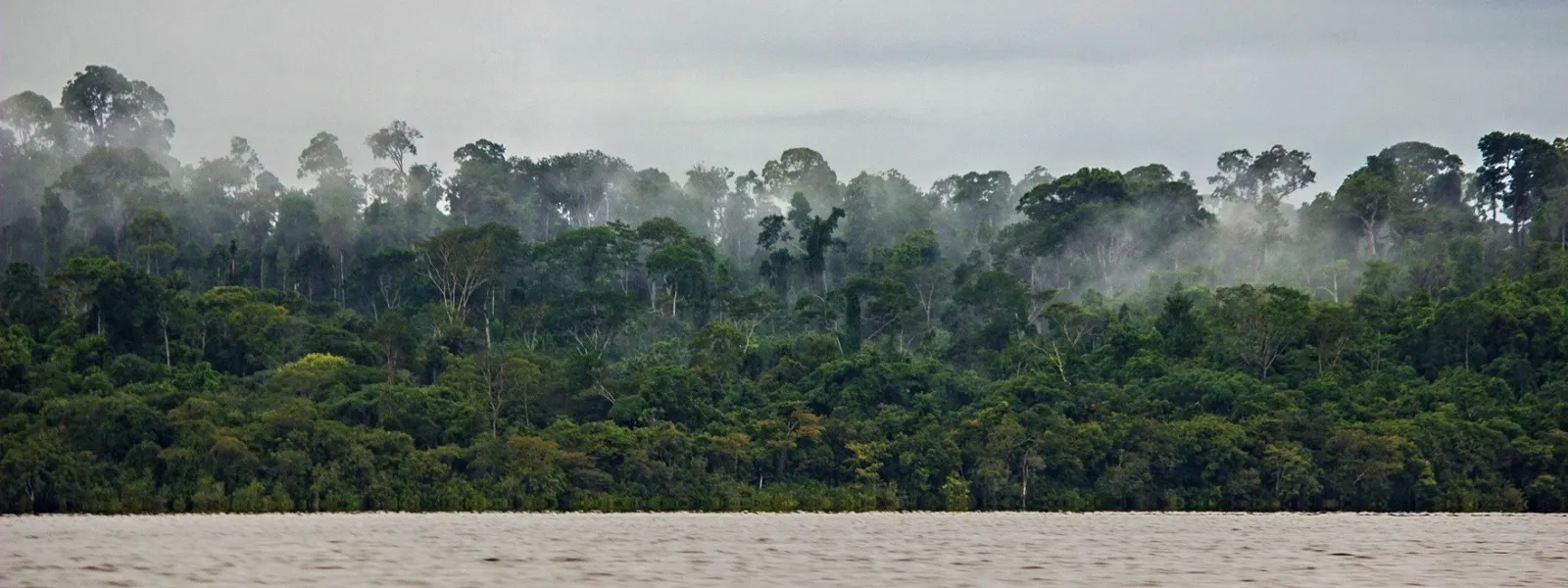
A usina hidrelétrica de Belo Monte causou um desastre ambiental e social no coração da Amazônia: um dos ecossistemas mais importantes do planeta.
Essa situação só piorou desde que a usina começou a operar em 2016. A busca por justiça e reparação para as comunidades indígenas e ribeirinhas afetadas continua até hoje.
Em 2011, a Comissão Interamericana de Direitos Humanos (CIDH) concedeu a essas comunidades medidas de proteção, que até hoje não foram totalmente implementadas pelo Estado brasileiro.
E, desde junho daquele mesmo ano, a CIDH mantém um processo contra o Estado por sua responsabilidade internacional no caso.
A CIDH pode encaminhar o caso à Corte Interamericana de Direitos Humanos, que tem o poder de emitir uma sentença condenatória contra o Estado brasileiro.
Consulta o expediente de fatos do caso
Após 10 anos de operação da usina hidrelétrica e mais de 15 anos de violações de direitos humanos documentadas, é hora da justiça ser feita para as comunidades afetadas.
Leia a carta aberta das organizações que levam o caso à CIDH
Leia nosso comunicado à imprensa
Contexto
A usina hidrelétrica de Belo Monte — a quarta maior do mundo em capacidade instalada (11.233 MW) — foi construída no rio Xingu, no estado do Pará, norte do Brasil.
Foi inaugurada em 5 de maio de 2016, com uma única turbina. Naquela época, 80% do curso do rio foi desviado e 516 km² de terra foram inundados, uma área maior que a cidade de Chicago. Desse total, 400 km² eram de mata nativa. A usina começou a operar em plena capacidade em novembro de 2019.
Belo Monte foi construída e é operada pelo consórcio Norte Energia S.A., composto principalmente por empresas estatais. Foi financiada pelo Banco Nacional de Desenvolvimento Econômico e Social (BNDES), que aportou ao consórcio 25,4 bilhões de reais (aproximadamente US$ 10,16 bilhões), o maior investimento de sua história. Portanto, o BNDES também é legalmente responsável pelos impactos socioambientais associados ao projeto hidrelétrico.
Décadas de danos ambientais e humanos
As violações dos direitos humanos e a degradação da Amazônia remontam ao início do projeto. Em março de 2011, a Norte Energia iniciou a construção da barragem sem consulta adequada e sem o consentimento prévio, livre e informado das comunidades afetadas.
A construção levou ao deslocamento forçado de mais de 40.000 pessoas, rompendo laços sociais e culturais. O plano de reassentamento em Altamira — cidade diretamente afetada pelo projeto hidrelétrico — incluía moradias na periferia da cidade, sem serviços públicos adequados, moradias dignas para as famílias reassentadas e moradias diferenciadas para aqueles pertencentes a comunidades indígenas.
A operação da barragem de Belo Monte impôs uma seca permanente e artificial na Volta Grande do rio Xingu, agravada pelas secas históricas na Amazônia em 2023 e 2024. Como resultado, a morte de milhões de ovos de peixe foi documentada por quatro anos consecutivos (de 2021 a 2024) e, nos últimos três anos, não houve migração de peixes rio acima para desovar e se reproduzir. Assim, a pesca artesanal, principal fonte de proteína para os povos indígenas e comunidades ribeirinhas, foi severamente afetada: o consumo de peixe caiu de 50% para 30% do total de proteínas consumidas, sendo substituído por alimentos processados. Em suma, houve um colapso ambiental e humanitário que resultou no colapso da pesca como modo de vida tradicional, insegurança alimentar e falta de acesso à água potável para milhares de famílias, empobrecimento e doenças.
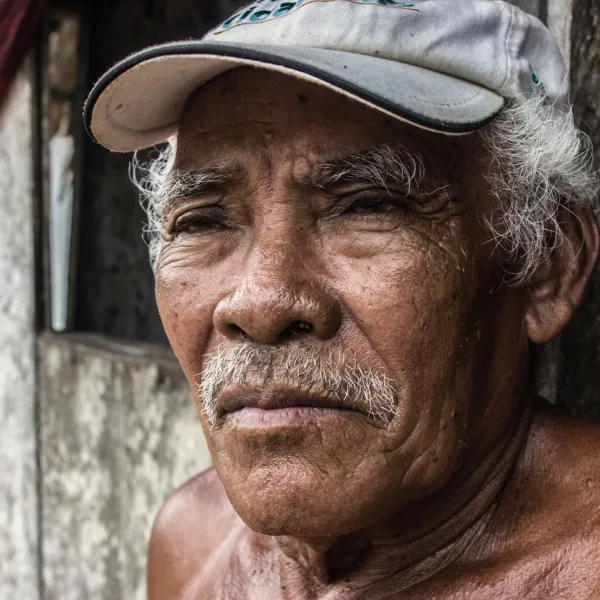
Além disso, a construção da barragem aumentou o desmatamento e intensificou a extração ilegal de madeira e a insegurança em terras indígenas e tribais, colocando em risco a sobrevivência dessas comunidades. Outra consequência foi o agravamento da pobreza e dos conflitos sociais, bem como a sobrecarga dos sistemas de saúde, educação e segurança pública em Altamira, cidade considerada a mais violenta do país em 2017, onde houve aumento do tráfico de pessoas e da violência sexual. Também foram registrados casos de violência contra defensores de direitos humanos envolvidos no caso.
Em 2025, durante a 30ª Conferência das Nações Unidas sobre Mudanças Climáticas (COP30), realizada no Brasil, o Ministério Público Federal classificou os danos causados por Belo Monte como ecocídio.
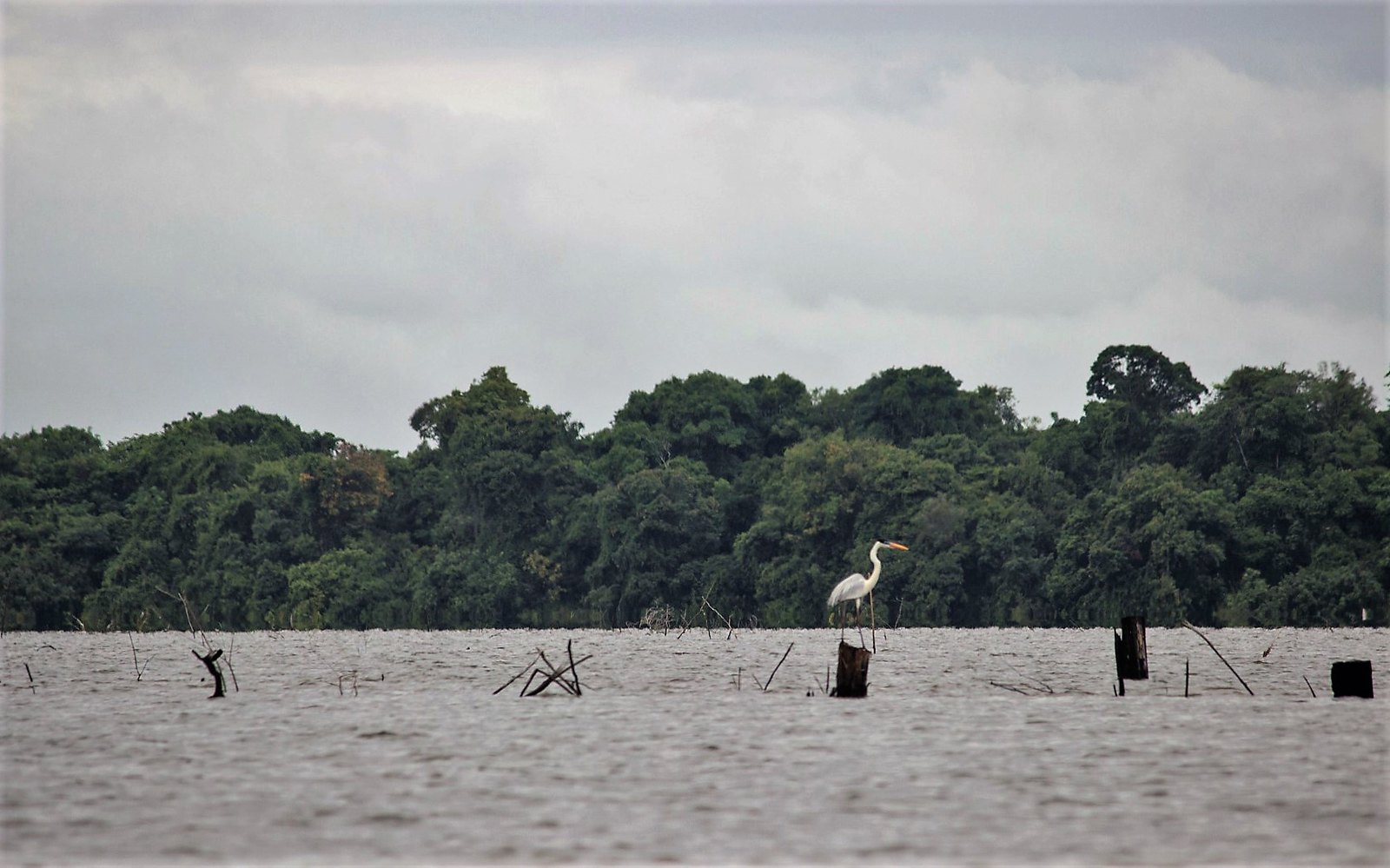
Foto: Amazon Watch / Maíra Irigaray.
A busca por justiça e reparação
Ao longo dos anos, o Ministério Público Federal do Pará, a Defensoria Pública e organizações da sociedade civil impetraram dezenas de ações judiciais em tribunais brasileiros para contestar as diversas irregularidades do projeto, bem como seus impactos. A maioria das ações permanece sem solução, algumas há mais de 10 anos.
Essas ações não obtiveram sucesso porque o governo federal tem reiteradamente anulado decisões favoráveis às comunidades afetadas, recorrendo a um mecanismo pelo qual o presidente do Supremo Tribunal Federal pode suspender uma decisão judicial com base unicamente em argumentos genéricos como "interesse nacional" ou "ordem econômica".
Diante da falta de respostas eficazes em nível nacional, a AIDA — juntamente com uma coalizão de organizações aliadas — levou o caso à Comissão Interamericana de Direitos Humanos (CIDH) e, em 2010, solicitou medidas cautelares para proteger a vida, a integridade e a saúde das comunidades indígenas afetadas.
Em 1º de abril de 2011, a CIDH concedeu essas medidas e solicitou ao Estado brasileiro a suspensão das licenças ambientais e de quaisquer obras de construção até que as condições relativas à consulta prévia e à proteção da saúde e integridade das comunidades fossem atendidas.
E, em 16 de junho de 2011, apresentamos uma denúncia formal à CIDH — juntamente com o Movimento Xingu Vivo Para Siempre, a Coordenação das Organizações Indígenas da Amazônia Brasileira, a Diocese de Altamira, o Conselho Missionário Indígena, a Sociedade Pará de Defesa dos Direitos Humanos e a Global Justice — contra o Estado brasileiro por sua responsabilidade internacional nas violações de direitos humanos contra os povos afetados neste caso. A denúncia foi apresentada em dezembro de 2015.
Em 3 de agosto de 2011, a CIDH modificou as medidas cautelares para solicitar — em vez da suspensão de licenças e obras — a proteção dos povos que vivem em isolamento voluntário, a saúde das comunidades indígenas e a regularização e proteção das terras ancestrais.
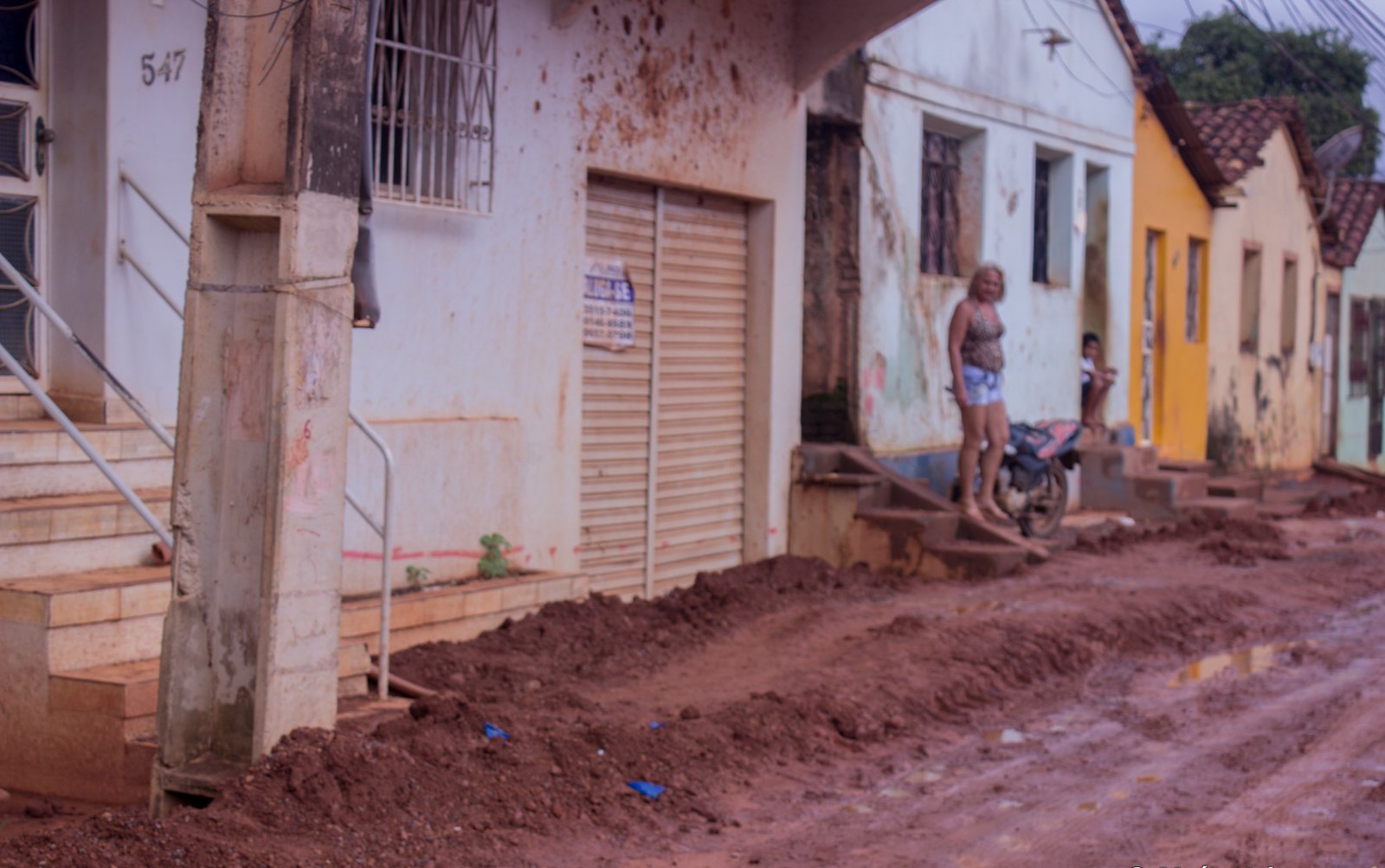
Foto: Amazon Watch / Maíra Irigaray.
Situação atual
As medidas de proteção concedidas pela CIDH permanecem em vigor, mas o Estado brasileiro não as cumpriu integralmente, relatando apenas ações genéricas. As comunidades documentaram as contínuas violações de seus direitos. A situação que motivou o pedido dessas medidas — o risco à vida, à segurança e aos meios de subsistência das comunidades — persiste e se agravou com a usina hidrelétrica operando em plena capacidade e com as recentes secas extremas na Amazônia.
Além do ocorrido em Belo Monte, existe o risco de maiores danos sociais e ambientais decorrentes da implementação de outro megaprojeto de mineração na Volta Grande do Xingu. Lá, a empresa canadense Belo Sun pretende construir a maior mina de ouro a céu aberto do Brasil.
Os impactos sinérgicos e cumulativos da usina e da mina não foram avaliados. O Estado excluiu povos indígenas, comunidades ribeirinhas e comunidades camponesas do processo de licenciamento ambiental do projeto. Apesar disso, dos protestos indígenas e de outras irregularidades em torno do projeto, o governo do estado do Pará autorizou formalmente a mina em abril de 2026.
Belo Monte, assim como outras usinas hidrelétricas, agrava a emergência climática ao gerar emissões de gases de efeito estufa em seu reservatório. Além disso, é ineficiente diante das secas prolongadas e intensas causadas pela crise, pois perde capacidade de geração de energia.
O caso perante a Comissão Interamericana
Em outubro de 2017, a CIDH anunciou que decidiria conjuntamente sobre a admissibilidade (se o caso preenche os requisitos para admissão) e o mérito (se houve, de fato, violação de direitos humanos) da denúncia internacional contra o Estado brasileiro.
Quinze anos após a apresentação da denúncia, as comunidades afetadas e as organizações que as representam ainda aguardam essa decisão. Caso a CIDH conclua que houve violações de direitos humanos e emita recomendações que o Estado brasileiro não cumpra, poderá encaminhar o caso à Corte Interamericana de Direitos Humanos, cujas decisões são vinculativas.
Uma possível decisão da Corte Internacional de Direitos Humanos neste caso estabeleceria um precedente jurídico regional em relação aos direitos dos povos indígenas e ribeirinhos, à participação pública em megaprojetos e à responsabilidade do Estado no contexto da crise climática. Isso é particularmente relevante à luz do Parecer Consultivo nº 32 da Corte, que reafirmou as obrigações dos Estados de proteger pessoas e comunidades em todo o continente da emergência climática.
Partners:
Related projects
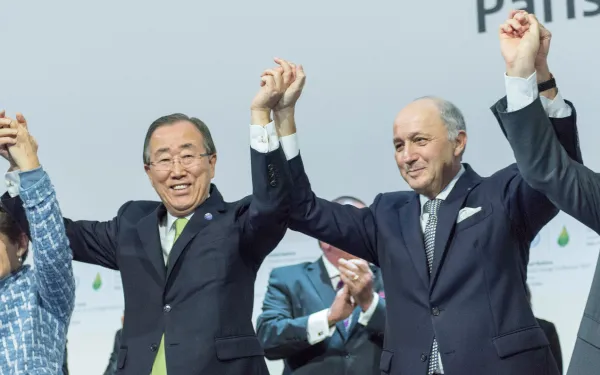
Five years after the Paris Agreement, climate justice is more urgent than ever
On December 12, 2015, the Paris Agreement was reached. Five years later, its effective implementation is more important than ever. One of the agreement’s most significant advances was to reiterate that States must, "when taking action to address climate change, respect, promote and consider their respective obligations on human rights, the right to health, the rights of indigenous peoples, local communities, migrants, children, persons with disabilities and people in vulnerable situations and the right to development, as well as gender equality, empowerment of women and intergenerational equity.” This aspect is one of the outstanding issues, and also one of the great opportunities, of the Paris Agreement. In 2015, I had the privilege of participating in the twenty-first Conference of the Parties (COP21) to the United Nations Framework Convention on Climate Change, where the agreement was adopted. Thanks to the live broadcast, I saw the last hammer blow of this historic summit on my phone while on the train to the airport. I traded celebratory hugs with dozens of colleagues for arriving a day earlier to celebrate with my family. It was worth it. After all, my contribution had concluded a few hours earlier. Over the five years prior, and with full intensity during the COP21, I reviewed drafts, and spoke with missions and colleagues about how crucial it was to include human rights in the climate agreement. My priority—shared by colleagues from organizations, some government representatives and international entities—was to ensure a strong agreement, including the obligation to consider and respect human rights. For some people, this was an obstacle, even inappropriate, as they saw the climate crisis as a purely technical issue. Some delegations told me that human rights issues are another area entirely. We insisted on the point until we achieved it, not out of stubbornness (although there may have been some of that), but because in essence the climate crisis affects our rights, our lives and all of us. That’s why it is vital to put human rights at the center of climate action. Otherwise, these actions are incomplete. This is evidenced by the reality of the climate crisis, translated for example into the damages sustained by millions of people and communities by the hurricanes and storms that have, in recent months, devastated coastal areas in Nicaragua, Guatemala, Mexico and the Caribbean; the floods in South Asia; the droughts in northern Mexico; and the devastating fires in the Amazon, California and Australia. The most vulnerable people and communities who have contributed least to the crisis are disproportionately affected. It is therefore possible, and necessary, to find balance through a human rights approach. It’s necessary to hold States, companies and even some sectors of the population accountable. Responsibility with a sense of equity is one of the fundamental principles of human rights. In fact, the 2020 UN Emissions Gap Report concludes by saying, "Equity is central to addressing lifestyles. The emissions of the richest 1 per cent of the global population account for more than twice the combined share of the poorest 50 per cent." Communities, movements and peoples around the world have demanded—even in court—effective climate action that respects their rights. This has been reiterated by the United Nations. But climate action is still largely considered a question of numbers, tons of emissions to be reduced and hectares to be conserved. People and communities, despite being the ones who live the consequences, remain on the periphery of this action. Ensuring a true human rights perspective would help raise ambition and the level of obligations and outcomes. It would also allow impacts to be considered in a comprehensive manner and, as the IPCC concluded, take into account ancestral knowledge and social justice, which are central elements in finding effective solutions. Therein lies the opportunity that is being lost. The scientific community today confirms the widening gap between the current situation and where we should be in reducing emissions. According to the recent UN emissions gap report, emissions were reduced in the last year due to the suspension of activities caused by the pandemic, while in the previous year they had continued to increase. In fact, despite the pandemic, which is also linked to environmental degradation, countries in Latin America and the Caribbean, as in other regions, continue to rely mostly on fossil fuels, even for the economic recovery following the pandemic. This trend ignores the provisions of the Paris Agreement on the obligation of States to reduce emissions and implement effective measures while respecting human rights. It’s an element yet to be fulfilled, and a fundamental tool for States to increase their ambition and move towards the solutions that have as yet proven elusive. The five-year anniversary of this Agreement is a good time to remember it and to demand its implementation. If not, the most vulnerable communities will continue to suffer the consequences, and global inequalities will continue to deepen. Then, there will also be an increase in lawsuits and demands for a solution that the agreement itself incorporated. One element of leadership would be to put people and communities at the center of climate action. This is what I mean when I talk about climate justice, a great opportunity that many of us will continue to promote.
Read more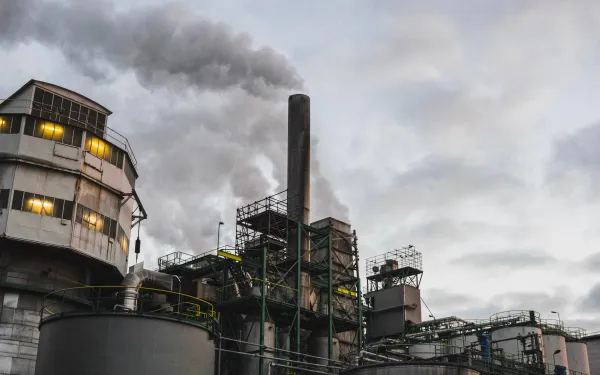
5 things you should know about methane
Although its presence in the atmosphere is less than that of carbon dioxide (CO2)—the most abundant and well-known greenhouse gas—methane is much more effective at retaining heat due to its chemical composition. Therefore, adding smaller amounts of methane to the atmosphere can have an effect equal to that of adding tremendous amounts of CO2. Since 2006, the amount of methane in the atmosphere has grown considerably—by about 25 million tons per year. Studies have associated this increase with the leakage and burning of methane from the extraction of unconventional hydrocarbons through the process of fracking, or hydraulic fracturing. Although extracting gas through fracking is sold as a “greener” alternative to other fossil fuels, it is a false narratiave that must be combatted. In general, all activities that cause methane emissions aggravate the climate crisis and the increasingly urgent need to combat air pollution. The common understanding of methane is inaccurate. Therefore, it’s necessary to generate more awareness about what it is and what its real impacts are. What follows are five basic facts about methane. 1. Methane is a short-lived greenhouse gas and climate pollutant Methane is a greenhouse gas.The Greenhouse Effect is a natural phenomena in which the atmosphere, composed of different gases, captures some rays of the sun and keeps them trapped in order to balance the temperature of the planet. When an excess of gases such as methane are emitted, the atmosphere traps more heat than necessary, leading to global warming. Methane has 67 times more power than CO2 to warm the planet over a 20-year period. Its emissions are responsible for nearly 25 percent of global warming. And since it stays less time in the atmosphere—12 years on average (CO2 stays for centuries)—it is among the Short Lived Climate Pollutants (SLCPs), which cause 40-45 percent of global warming and damage air quality. 2. Methane primarily is produced from human sources About 60 percent of the methane in the atmosphere is considered by scientists to be caused by human activity, while the other 40 percent comes from natural sources like wetlands, volcanoes, and permafrost. Human sources include livestock, gas and petroleum exploitation, rice farming, mining (particularly coal mining), and landfills. It should be noted that, according to scientific evidence, reservoirs are also an important source of methane. They generate 1.3 percent of all greenhouse gases worldwide each year, more than all of Canada's polluting emissions, and 80 percent of that pollution is from methane. 3. Methane directly and indirectly degrades air quality Large amounts of methane are intentionally leaked or released during the exploitation, processing, and transportation of oil and gas. In the United States alone, such direct emissions amount to 13 million tons each year. When released into the atmosphere, methane is accompanied by other toxic pollutants such as benzene, formaldehyde, and ethylbenzene. In addition, by interacting with solar radiation, methane promotes the formation of ground-level ozone (O3), another short-lived climate pollutant (CCVC) and the main component of smog. Methane gas flaring also produces black carbon and volatile organic compounds (VOCs), which are also CCVCs. 4. Methane causes serious damage to human health As mentioned, methane emissions promote the formation of ozone found in the lower layers of the atmosphere, which has serious impacts on public health. It irritates the airways, generates a feeling of burning and shortness of breath, complicates asthma, causes lung dysfunction and even premature death, and alters the immune system's response, reducing its ability to respond to diseases such as COVID-19, which mainly affects the airways. And since methane burning generates black carbon, it is relevant to point out that it is a key component of particulate matter (PM 2.5)—particles that are 35 times smaller than a grain of sand. These particles cannot be filtered or retained naturally in the nose, and can even enter the lungs. Particulate matter is the air pollutant most frequently associated with cardiovascular, respiratory, and pulmonary diseases, including lung cancer. 5. It is urgent to regulate and curb methane emissions Since methane, in addition to aggravating the climate crisis, deteriorates air quality and with it human health, it is urgent to act to curb its emissions. Civil society must demand that governments efficiently regulate methane emissions from the hydrocarbon industry and other sectors such as coal mining and industrial livestock. In addition, we must demand the monitoring of emissions, as well as the production and dissemination of timely information about methane’s damage to our air quality.
Read more5 things you should know about methane
Although its presence in the atmosphere is less than that of carbon dioxide (CO2)—the most abundant and well-known greenhouse gas—methane is much more effective at retaining heat due to its chemical composition. Therefore, adding smaller amounts of methane to the atmosphere can have an effect equal to that of adding tremendous amounts of CO2. Since 2006, the amount of methane in the atmosphere has grown considerably—by about 25 million tons per year. Studies have associated this increase with the leakage and burning of methane from the extraction of unconventional hydrocarbons through the process of fracking, or hydraulic fracturing. Although extracting gas through fracking is sold as a “greener” alternative to other fossil fuels, it is a false narratiave that must be combatted. In general, all activities that cause methane emissions aggravate the climate crisis and the increasingly urgent need to combat air pollution. The common understanding of methane is inaccurate. Therefore, it’s necessary to generate more awareness about what it is and what its real impacts are. What follows are five basic facts about methane. 1. Methane is a short-lived greenhouse gas and climate pollutant Methane is a greenhouse gas.The Greenhouse Effect is a natural phenomena in which the atmosphere, composed of different gases, captures some rays of the sun and keeps them trapped in order to balance the temperature of the planet. When an excess of gases such as methane are emitted, the atmosphere traps more heat than necessary, leading to global warming. Methane has 67 times more power than CO2 to warm the planet over a 20-year period. Its emissions are responsible for nearly 25 percent of global warming. And since it stays less time in the atmosphere—12 years on average (CO2 stays for centuries)—it is among the Short Lived Climate Pollutants (SLCPs), which cause 40-45 percent of global warming and damage air quality. 2. Methane primarily is produced from human sources About 60 percent of the methane in the atmosphere is considered by scientists to be caused by human activity, while the other 40 percent comes from natural sources like wetlands, volcanoes, and permafrost. Human sources include livestock, gas and petroleum exploitation, rice farming, mining (particularly coal mining), and landfills. It should be noted that, according to scientific evidence, reservoirs are also an important source of methane. They generate 1.3 percent of all greenhouse gases worldwide each year, more than all of Canada's polluting emissions, and 80 percent of that pollution is from methane. 3. Methane directly and indirectly degrades air quality Large amounts of methane are intentionally leaked or released during the exploitation, processing, and transportation of oil and gas. In the United States alone, such direct emissions amount to 13 million tons each year. When released into the atmosphere, methane is accompanied by other toxic pollutants such as benzene, formaldehyde, and ethylbenzene. In addition, by interacting with solar radiation, methane promotes the formation of ground-level ozone (O3), another short-lived climate pollutant (CCVC) and the main component of smog. Methane gas flaring also produces black carbon and volatile organic compounds (VOCs), which are also CCVCs. 4. Methane causes serious damage to human health As mentioned, methane emissions promote the formation of ozone found in the lower layers of the atmosphere, which has serious impacts on public health. It irritates the airways, generates a feeling of burning and shortness of breath, complicates asthma, causes lung dysfunction and even premature death, and alters the immune system's response, reducing its ability to respond to diseases such as COVID-19, which mainly affects the airways. And since methane burning generates black carbon, it is relevant to point out that it is a key component of particulate matter (PM 2.5)—particles that are 35 times smaller than a grain of sand. These particles cannot be filtered or retained naturally in the nose, and can even enter the lungs. Particulate matter is the air pollutant most frequently associated with cardiovascular, respiratory, and pulmonary diseases, including lung cancer. 5. It is urgent to regulate and curb methane emissions Since methane, in addition to aggravating the climate crisis, deteriorates air quality and with it human health, it is urgent to act to curb its emissions. Civil society must demand that governments efficiently regulate methane emissions from the hydrocarbon industry and other sectors such as coal mining and industrial livestock. In addition, we must demand the monitoring of emissions, as well as the production and dissemination of timely information about methane’s damage to our air quality.
Read more