
Project
Amazon Watch / Maíra Irigaray
Barragem de Belo Monte no rio Xingu: 10 anos de impactos na Amazônia e de busca por reparações
A usina hidrelétrica de Belo Monte causou um desastre ambiental e social no coração da Amazônia: um dos ecossistemas mais importantes do planeta.
Essa situação só piorou desde que a usina começou a operar em 2016. A busca por justiça e reparação para as comunidades indígenas e ribeirinhas afetadas continua até hoje.
Em 2011, a Comissão Interamericana de Direitos Humanos (CIDH) concedeu a essas comunidades medidas de proteção, que até hoje não foram totalmente implementadas pelo Estado brasileiro.
E, desde junho daquele mesmo ano, a CIDH mantém um processo contra o Estado por sua responsabilidade internacional no caso.
A CIDH pode encaminhar o caso à Corte Interamericana de Direitos Humanos, que tem o poder de emitir uma sentença condenatória contra o Estado brasileiro.
Consulta o expediente de fatos do caso
Após 10 anos de operação da usina hidrelétrica e mais de 15 anos de violações de direitos humanos documentadas, é hora da justiça ser feita para as comunidades afetadas.
Leia a carta aberta das organizações que levam o caso à CIDH
Leia nosso comunicado à imprensa
Contexto
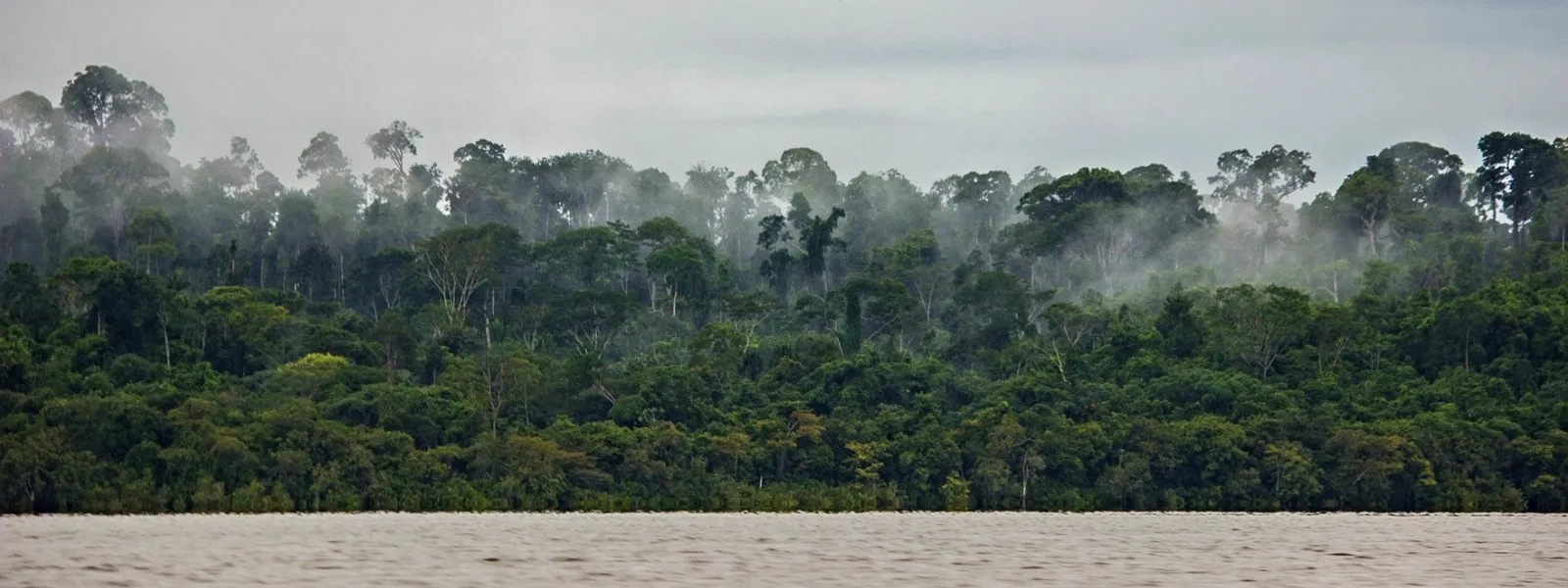
A usina hidrelétrica de Belo Monte — a quarta maior do mundo em capacidade instalada (11.233 MW) — foi construída no rio Xingu, no estado do Pará, norte do Brasil.
Foi inaugurada em 5 de maio de 2016, com uma única turbina. Naquela época, 80% do curso do rio foi desviado e 516 km² de terra foram inundados, uma área maior que a cidade de Chicago. Desse total, 400 km² eram de mata nativa. A usina começou a operar em plena capacidade em novembro de 2019.
Belo Monte foi construída e é operada pelo consórcio Norte Energia S.A., composto principalmente por empresas estatais. Foi financiada pelo Banco Nacional de Desenvolvimento Econômico e Social (BNDES), que aportou ao consórcio 25,4 bilhões de reais (aproximadamente US$ 10,16 bilhões), o maior investimento de sua história. Portanto, o BNDES também é legalmente responsável pelos impactos socioambientais associados ao projeto hidrelétrico.
Décadas de danos ambientais e humanos
As violações dos direitos humanos e a degradação da Amazônia remontam ao início do projeto. Em março de 2011, a Norte Energia iniciou a construção da barragem sem consulta adequada e sem o consentimento prévio, livre e informado das comunidades afetadas.
A construção levou ao deslocamento forçado de mais de 40.000 pessoas, rompendo laços sociais e culturais. O plano de reassentamento em Altamira — cidade diretamente afetada pelo projeto hidrelétrico — incluía moradias na periferia da cidade, sem serviços públicos adequados, moradias dignas para as famílias reassentadas e moradias diferenciadas para aqueles pertencentes a comunidades indígenas.
A operação da barragem de Belo Monte impôs uma seca permanente e artificial na Volta Grande do rio Xingu, agravada pelas secas históricas na Amazônia em 2023 e 2024. Como resultado, a morte de milhões de ovos de peixe foi documentada por quatro anos consecutivos (de 2021 a 2024) e, nos últimos três anos, não houve migração de peixes rio acima para desovar e se reproduzir. Assim, a pesca artesanal, principal fonte de proteína para os povos indígenas e comunidades ribeirinhas, foi severamente afetada: o consumo de peixe caiu de 50% para 30% do total de proteínas consumidas, sendo substituído por alimentos processados. Em suma, houve um colapso ambiental e humanitário que resultou no colapso da pesca como modo de vida tradicional, insegurança alimentar e falta de acesso à água potável para milhares de famílias, empobrecimento e doenças.
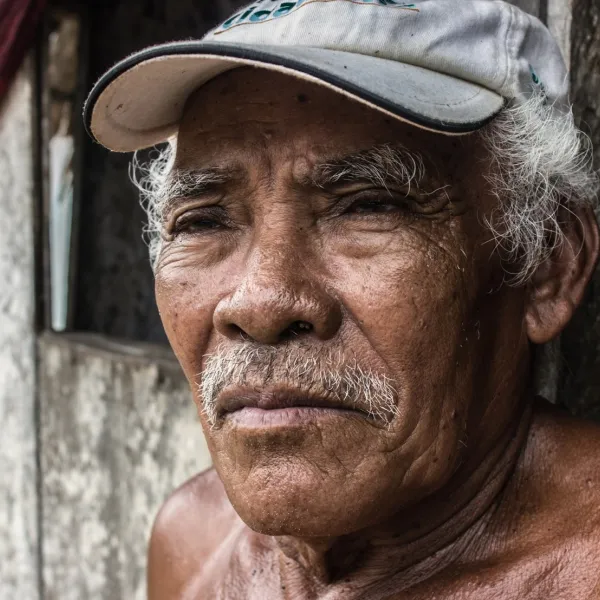
Além disso, a construção da barragem aumentou o desmatamento e intensificou a extração ilegal de madeira e a insegurança em terras indígenas e tribais, colocando em risco a sobrevivência dessas comunidades. Outra consequência foi o agravamento da pobreza e dos conflitos sociais, bem como a sobrecarga dos sistemas de saúde, educação e segurança pública em Altamira, cidade considerada a mais violenta do país em 2017, onde houve aumento do tráfico de pessoas e da violência sexual. Também foram registrados casos de violência contra defensores de direitos humanos envolvidos no caso.
Em 2025, durante a 30ª Conferência das Nações Unidas sobre Mudanças Climáticas (COP30), realizada no Brasil, o Ministério Público Federal classificou os danos causados por Belo Monte como ecocídio.
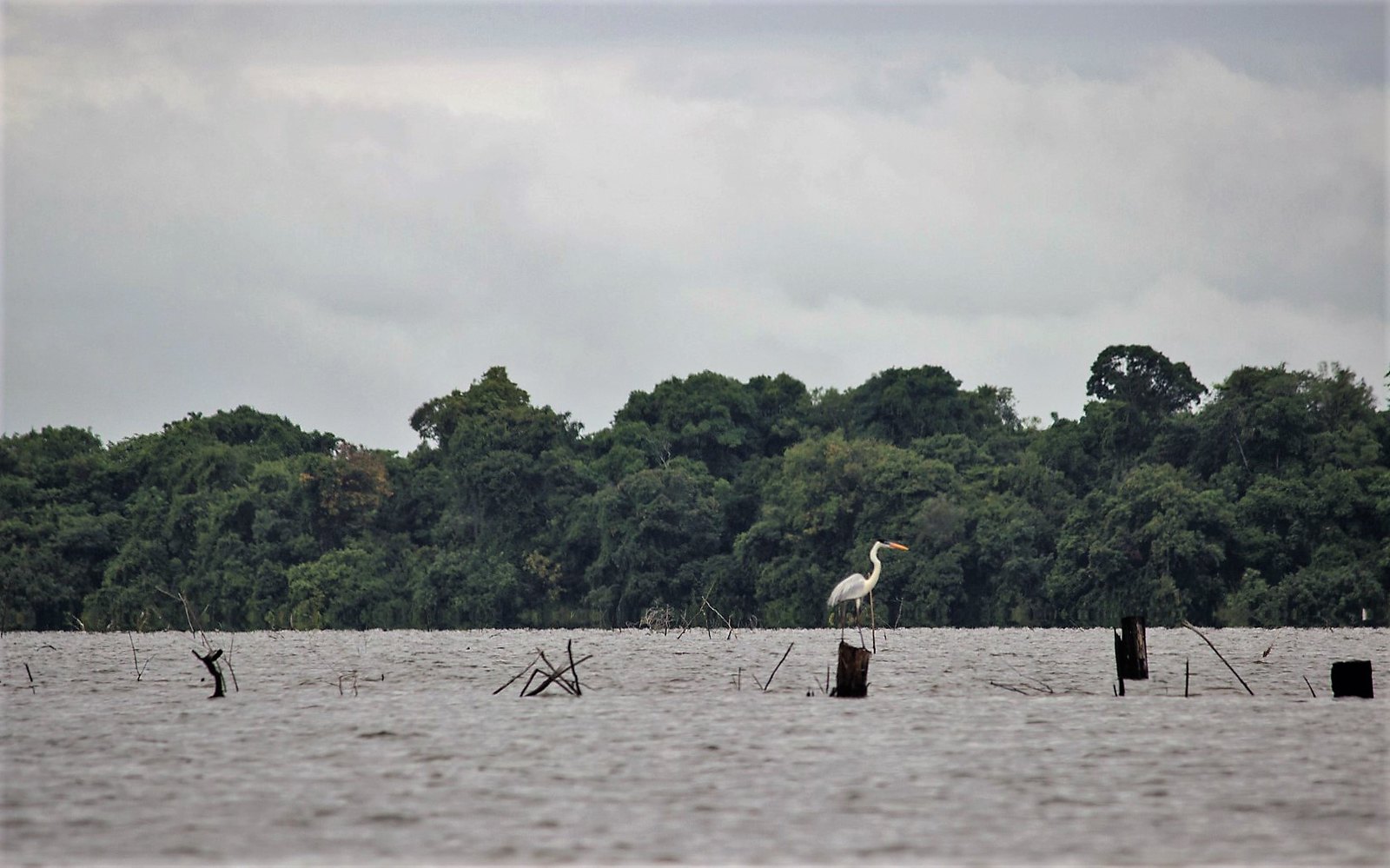
Foto: Amazon Watch / Maíra Irigaray.
A busca por justiça e reparação
Ao longo dos anos, o Ministério Público Federal do Pará, a Defensoria Pública e organizações da sociedade civil impetraram dezenas de ações judiciais em tribunais brasileiros para contestar as diversas irregularidades do projeto, bem como seus impactos. A maioria das ações permanece sem solução, algumas há mais de 10 anos.
Essas ações não obtiveram sucesso porque o governo federal tem reiteradamente anulado decisões favoráveis às comunidades afetadas, recorrendo a um mecanismo pelo qual o presidente do Supremo Tribunal Federal pode suspender uma decisão judicial com base unicamente em argumentos genéricos como "interesse nacional" ou "ordem econômica".
Diante da falta de respostas eficazes em nível nacional, a AIDA — juntamente com uma coalizão de organizações aliadas — levou o caso à Comissão Interamericana de Direitos Humanos (CIDH) e, em 2010, solicitou medidas cautelares para proteger a vida, a integridade e a saúde das comunidades indígenas afetadas.
Em 1º de abril de 2011, a CIDH concedeu essas medidas e solicitou ao Estado brasileiro a suspensão das licenças ambientais e de quaisquer obras de construção até que as condições relativas à consulta prévia e à proteção da saúde e integridade das comunidades fossem atendidas.
E, em 16 de junho de 2011, apresentamos uma denúncia formal à CIDH — juntamente com o Movimento Xingu Vivo Para Siempre, a Coordenação das Organizações Indígenas da Amazônia Brasileira, a Diocese de Altamira, o Conselho Missionário Indígena, a Sociedade Pará de Defesa dos Direitos Humanos e a Global Justice — contra o Estado brasileiro por sua responsabilidade internacional nas violações de direitos humanos contra os povos afetados neste caso. A denúncia foi apresentada em dezembro de 2015.
Em 3 de agosto de 2011, a CIDH modificou as medidas cautelares para solicitar — em vez da suspensão de licenças e obras — a proteção dos povos que vivem em isolamento voluntário, a saúde das comunidades indígenas e a regularização e proteção das terras ancestrais.
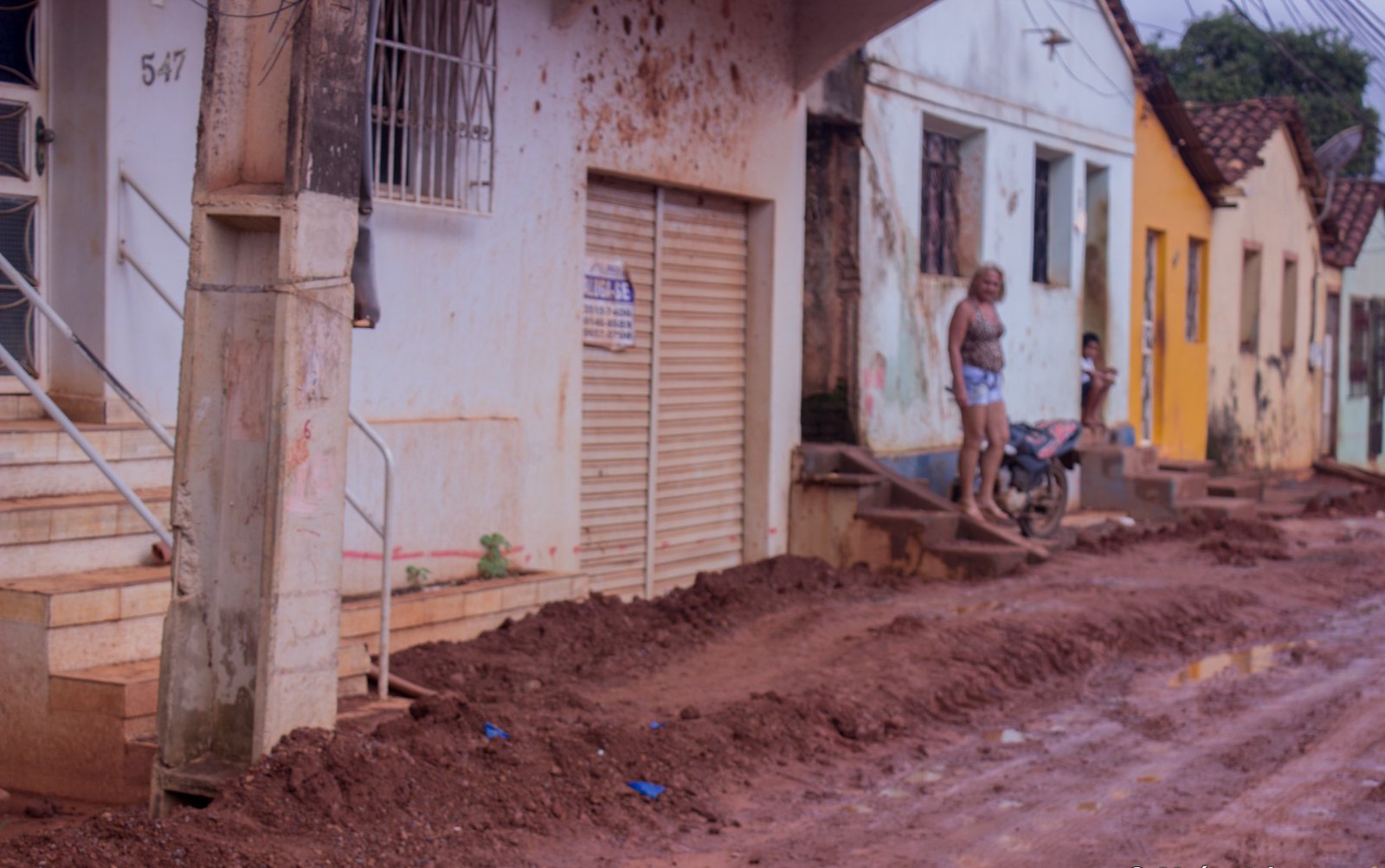
Foto: Amazon Watch / Maíra Irigaray.
Situação atual
As medidas de proteção concedidas pela CIDH permanecem em vigor, mas o Estado brasileiro não as cumpriu integralmente, relatando apenas ações genéricas. As comunidades documentaram as contínuas violações de seus direitos. A situação que motivou o pedido dessas medidas — o risco à vida, à segurança e aos meios de subsistência das comunidades — persiste e se agravou com a usina hidrelétrica operando em plena capacidade e com as recentes secas extremas na Amazônia.
Além do ocorrido em Belo Monte, existe o risco de maiores danos sociais e ambientais decorrentes da implementação de outro megaprojeto de mineração na Volta Grande do Xingu. Lá, a empresa canadense Belo Sun pretende construir a maior mina de ouro a céu aberto do Brasil.
Os impactos sinérgicos e cumulativos da usina e da mina não foram avaliados. O Estado excluiu povos indígenas, comunidades ribeirinhas e comunidades camponesas do processo de licenciamento ambiental do projeto. Apesar disso, dos protestos indígenas e de outras irregularidades em torno do projeto, o governo do estado do Pará autorizou formalmente a mina em abril de 2026.
Belo Monte, assim como outras usinas hidrelétricas, agrava a emergência climática ao gerar emissões de gases de efeito estufa em seu reservatório. Além disso, é ineficiente diante das secas prolongadas e intensas causadas pela crise, pois perde capacidade de geração de energia.
O caso perante a Comissão Interamericana
Em outubro de 2017, a CIDH anunciou que decidiria conjuntamente sobre a admissibilidade (se o caso preenche os requisitos para admissão) e o mérito (se houve, de fato, violação de direitos humanos) da denúncia internacional contra o Estado brasileiro.
Quinze anos após a apresentação da denúncia, as comunidades afetadas e as organizações que as representam ainda aguardam essa decisão. Caso a CIDH conclua que houve violações de direitos humanos e emita recomendações que o Estado brasileiro não cumpra, poderá encaminhar o caso à Corte Interamericana de Direitos Humanos, cujas decisões são vinculativas.
Uma possível decisão da Corte Internacional de Direitos Humanos neste caso estabeleceria um precedente jurídico regional em relação aos direitos dos povos indígenas e ribeirinhos, à participação pública em megaprojetos e à responsabilidade do Estado no contexto da crise climática. Isso é particularmente relevante à luz do Parecer Consultivo nº 32 da Corte, que reafirmou as obrigações dos Estados de proteger pessoas e comunidades em todo o continente da emergência climática.
Partners:
Related projects
OECD to investigate human rights abuses filed against the owners of Cerrejón coal mine; BHP, Anglo American and Glencore
Parallel complaints also filed in Ireland against state owned-company for purchasing coal and Dublin-based sales wing of mining enterprise. Multiple National Contact Points (NCPs) of the Organisation for Economic Co-operation and Development (OECD) will begin the process of investigating three international mining giants (BHP, Anglo American and Glencore) and Ireland’s state-owned energy provider, the ESB, over serious human rights abuses and devastating environmental pollution at the Cerrejón coal mine in Colombia. Parallel complaints were filed simultaneously in Australia, Ireland, Switzerland and the UK by the Global Legal Action Network (GLAN) with the support of international development agency Christian Aid Ireland as well as Colombian and international human rights and environmental NGOs - CINEP, CAJAR, AIDA, ABColombia and ASK. If successful, the three companies which jointly own the Cerrejón mine will have to take steps to comply with the OECD Guidelines for Multinational Enterprises, including progressively closing down the mine in full and environmental restoration. The complaints against the mining giants also call for the full compensation of communities for the harms they have suffered. The complaints outline how the Cerrejón mine, one of the largest open-pit mines in the world, is linked to the forced displacement of indigenous and Afro-Colombian communities and the widespread, persistent and extreme pollution of the air and water in the vicinity of the mine. High concentrations of harmful metals, which can cause diseases such as cancer, were found by Colombia’s Constitutional Court to exist in the blood of those living nearby. The complaints point to Cerrejón’s failure to comply with multiple Colombian court judgments against it. In September, several prominent UN human rights experts called for some of the mine’s operations to be suspended following a request to intervene by Wayuu indigenous people. The complaints allege that the parent companies of the Cerrejón mine, as its joint owners, are responsible under the OECD Guidelines for Multinational Enterprises for the harms caused by its operations. Separate complaints have also been lodged against Dublin-based Coal Marketing Company (CMC), which is the exclusive marketer of coal from the Colombian mine, as well as Ireland’s Electricity Supply Board (ESB), which has been a major purchaser of the mine’s coal. In 2019, the UN Committee on the Elimination of Racial Discrimination recommended that Ireland “consider stopping purchasing coal from the Cerrejón mine”. All five complaints have been lodged with the relevant National Contact Points for the OECD, which are tasked with ensuring that companies comply with the OECD Guidelines for Multinational Enterprises. Director of GLAN Dr Gearóid Ó Cuinn said: “These parallel complaints in four different countries point to a systematic failure to respect basic human rights standards from the extraction, to the marketing, to the purchasing of Cerrejon coal. The long-standing abuses at the mine have been so egregious that there is no way for enterprises to respect human rights law and do business with Cerrejón.” Sorley McCaughey of Christian Aid Ireland said: “We see the impact that corporate human rights abuses are having in every corner of the world and the Cerrejón case underscores the inadequacy of voluntary guidelines for multinational companies. Governments globally, including the UK and Ireland, must introduce mandatory human rights and environmental due diligence legislation for companies to ensure they do not undermine the human rights of workers or the communities in which they work.” Rosa María Mateus Parra, lawyer with CAJAR, a Colombian human rights organisation and signatory to the complaints, said: “This is a striking example of the role played by large multinational companies in fuelling injustice. The people of La Guajira have borne the huge social and environmental costs of the mine, while harmful fossil fuel coal is exported around the world in the midst of the climate crisis and a small number of companies record huge profits.” Notes for editors If upheld the complaints filed in Australia, Switzerland and the UK would require joint-owners BHP, Glencore and Anglo American to close down the Cerrejón mine and compensate the affected communities for the harms it has caused. If upheld the separate complaint in Ireland against Dublin-based CMC would require it to stop selling Cerrejón coal. The complaint was submitted by Global Legal Action Network (GLAN), supported by Christian Aid Ireland, the Centro de Investigación y Educación Popular (CINEP), the Colectivo de Abogados ‘José Alvear Restrepo’ (CAJAR), Interamerican Association for Environmental Defense (AIDA), ABColombia and ASK - Arbeitsgruppe Schweiz Kolumbien. The Global Legal Action Network (GLAN) is a non-profit organisation that works to pursue innovative legal actions across borders to challenge powerful actors involved in human rights violations and systemic injustice by working with affected communities. GLAN has offices in the UK (London) and Ireland (Galway) | @glan_law | www.glanlaw.org. press contacts: Victor Quintanilla (México), AIDA, [email protected], +5215570522107 Dr Gearóid Ó Cuinn (Director), GLAN, [email protected], +447521203427
Read more
Fact Sheet: SPAW Protocol (Specially Protected Areas and Wildlife)
The Convention for the Protection and Development of the Marine Environment in the Wider Caribbean Region (Cartagena Convention) and its Protocol for Specially Protected Areas and Wildlife (SPAW Protocol) establishes that Contracting Parties have the obligation to regulate the protection of the vulnerable species and ecosystems of the region.The revised criteria for the nomination of species (1, 3, 4, 5, 6 and 10) determines the need to include essential species for vulnerable ecosystems - such as coral reefs, mangroves and seagrasses - in the species lists of Annexes II and III of the SPAW Protocol.The national or regional measures imply in a different way protection processes, biological monitoring of species, fishing recovery zones; analysis of catch data, health status of ecosystems, population dynamics and size; closed periods; and regulation of the capture, possession, transport, trade or total prohibition of the use of the species.In 2018, the Scientific and Technical Advisory Committee (STAC) prioritized the evaluation of herbivorous fish and currently the Species Working Group carries out the evaluation of parrotfish through the integration and analysis of scientific and regulatory data.Eleven of the 17 countries that have signed the Protocol have generated regulatory measures on herbivorous fish. Some regulatory experiences are in force, others are not, and there are those that came into force recently. Download the Fact Sheet in EnglishDownload the Fact Sheet in SpanishDownload the Fact Sheet in French
Read more
7 AIDA Advances of 2020
It was a year unlike any other. This new reality makes our victories and daily accomplishments all the more sweet. So we’re especially proud to report on the progress we've made toward a healthy environment and climate justice in Latin America. 1. Safeguarding the High Seas More than 99% of the global high seas—waters beyond national jurisdiction—are unprotected. To remedy this, over the past year we have led Latin American representation in the High Seas Alliance, collaborating with governments to negotiate an ambitious United Nations treaty to protect these waters and key migratory species of sharks, whales, turtles and tuna. The high seas are both essential to long-term ocean health and a critical carbon sink that helps mitigate climate change. 2. Influencing Divestment in the Amazon For nearly a decade we have worked to halt Brazil’s Belo Monte dam, which has displaced thousands of indigenous people and devastated hundreds of rare species. This year, our testimony led the Norwegian Pension Fund, the world's largest state-owned fund, to exclude one of the dam’s main financers, Eletrobras, from its portfolio because of environmental and human rights violations caused by the dam. This is a notable step toward justice for affected communities. 3. Defending Páramos from Mining We continued to protect páramos in Colombia and Ecuador from mining. These biodiverse, high-altitude forests and wetlands are critical carbon sinks that also provide fresh water for millions of people and habitat for endangered species. Our team contributed legal and technical expertise, and, in the case of Santurbán in Colombia, helped build capacity among local attorneys who are now leading the lawsuit to protect this páramo. 4. Protecting Environmental Defenders Latin America is the most dangerous region in the world for environmental defenders. This year, AIDA brought together more than 70 prominent environment defenders from 14 countries across Latin America to share current information about risks and effective strategies for defense. Participants discussed their challenges, identified gaps in knowledge, and developed new approaches for protecting themselves and their territories. 5. Halting Extractive Energy Development Our ongoing legal and technical expertise was critical to halting fossil fuel expansion. We continued litigation to uphold the moratorium on fracking and, helped prevent further coal mining expansion in Colombia, supported communities in Chile affected by coal power plants, and led efforts to hold International Financial Institutions accountable for funding harmful hydropower Guatemala and Colombia. This work is key to promoting the just transition toward truly clean energy. 6. Preserving Marine Biodiversity in Patagonia The Chilean Magallanes region is home to some of the largest whales and dolphins and one of the most pristine areas on our planet. The greatest environmental threat for this region is the salmon farming industry. Building on our past work, we used the law to halt expanded salmon farming and expose the harms the industry brings. Our work closed one salmon farm and set a precedent for the closure of seven others, all of which are under review by Chilean courts. 7. Strengthening Indigenous Land Management in Colombia In coalition with four indigenous communities of the Sierra Nevada de Santa Marta, we continued protecting their lands from illegal mining. Facing hundreds of proposed projects, we helped implement legal strategies demanding a new territorial management plan that recognizes the traditional governing authority of the indigenous. We also helped strengthen community capacity through workshops on environmental protection.
Read more