
Project
Amazon Watch / Maíra Irigaray
Barragem de Belo Monte no rio Xingu: 10 anos de impactos na Amazônia e de busca por reparações
A usina hidrelétrica de Belo Monte causou um desastre ambiental e social no coração da Amazônia: um dos ecossistemas mais importantes do planeta.
Essa situação só piorou desde que a usina começou a operar em 2016. A busca por justiça e reparação para as comunidades indígenas e ribeirinhas afetadas continua até hoje.
Em 2011, a Comissão Interamericana de Direitos Humanos (CIDH) concedeu a essas comunidades medidas de proteção, que até hoje não foram totalmente implementadas pelo Estado brasileiro.
E, desde junho daquele mesmo ano, a CIDH mantém um processo contra o Estado por sua responsabilidade internacional no caso.
A CIDH pode encaminhar o caso à Corte Interamericana de Direitos Humanos, que tem o poder de emitir uma sentença condenatória contra o Estado brasileiro.
Consulta o expediente de fatos do caso
Após 10 anos de operação da usina hidrelétrica e mais de 15 anos de violações de direitos humanos documentadas, é hora da justiça ser feita para as comunidades afetadas.
Leia a carta aberta das organizações que levam o caso à CIDH
Leia nosso comunicado à imprensa
Contexto
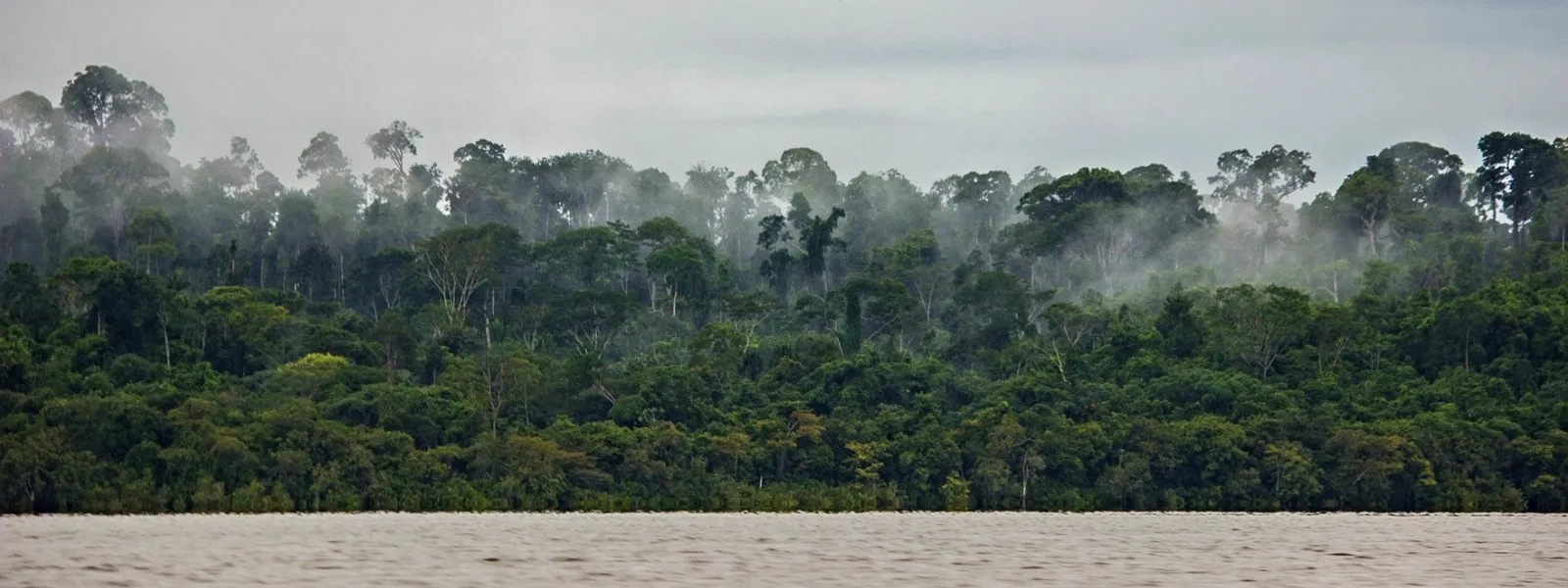
A usina hidrelétrica de Belo Monte — a quarta maior do mundo em capacidade instalada (11.233 MW) — foi construída no rio Xingu, no estado do Pará, norte do Brasil.
Foi inaugurada em 5 de maio de 2016, com uma única turbina. Naquela época, 80% do curso do rio foi desviado e 516 km² de terra foram inundados, uma área maior que a cidade de Chicago. Desse total, 400 km² eram de mata nativa. A usina começou a operar em plena capacidade em novembro de 2019.
Belo Monte foi construída e é operada pelo consórcio Norte Energia S.A., composto principalmente por empresas estatais. Foi financiada pelo Banco Nacional de Desenvolvimento Econômico e Social (BNDES), que aportou ao consórcio 25,4 bilhões de reais (aproximadamente US$ 10,16 bilhões), o maior investimento de sua história. Portanto, o BNDES também é legalmente responsável pelos impactos socioambientais associados ao projeto hidrelétrico.
Décadas de danos ambientais e humanos
As violações dos direitos humanos e a degradação da Amazônia remontam ao início do projeto. Em março de 2011, a Norte Energia iniciou a construção da barragem sem consulta adequada e sem o consentimento prévio, livre e informado das comunidades afetadas.
A construção levou ao deslocamento forçado de mais de 40.000 pessoas, rompendo laços sociais e culturais. O plano de reassentamento em Altamira — cidade diretamente afetada pelo projeto hidrelétrico — incluía moradias na periferia da cidade, sem serviços públicos adequados, moradias dignas para as famílias reassentadas e moradias diferenciadas para aqueles pertencentes a comunidades indígenas.
A operação da barragem de Belo Monte impôs uma seca permanente e artificial na Volta Grande do rio Xingu, agravada pelas secas históricas na Amazônia em 2023 e 2024. Como resultado, a morte de milhões de ovos de peixe foi documentada por quatro anos consecutivos (de 2021 a 2024) e, nos últimos três anos, não houve migração de peixes rio acima para desovar e se reproduzir. Assim, a pesca artesanal, principal fonte de proteína para os povos indígenas e comunidades ribeirinhas, foi severamente afetada: o consumo de peixe caiu de 50% para 30% do total de proteínas consumidas, sendo substituído por alimentos processados. Em suma, houve um colapso ambiental e humanitário que resultou no colapso da pesca como modo de vida tradicional, insegurança alimentar e falta de acesso à água potável para milhares de famílias, empobrecimento e doenças.
Além disso, a construção da barragem aumentou o desmatamento e intensificou a extração ilegal de madeira e a insegurança em terras indígenas e tribais, colocando em risco a sobrevivência dessas comunidades. Outra consequência foi o agravamento da pobreza e dos conflitos sociais, bem como a sobrecarga dos sistemas de saúde, educação e segurança pública em Altamira, cidade considerada a mais violenta do país em 2017, onde houve aumento do tráfico de pessoas e da violência sexual. Também foram registrados casos de violência contra defensores de direitos humanos envolvidos no caso.
Em 2025, durante a 30ª Conferência das Nações Unidas sobre Mudanças Climáticas (COP30), realizada no Brasil, o Ministério Público Federal classificou os danos causados por Belo Monte como ecocídio.
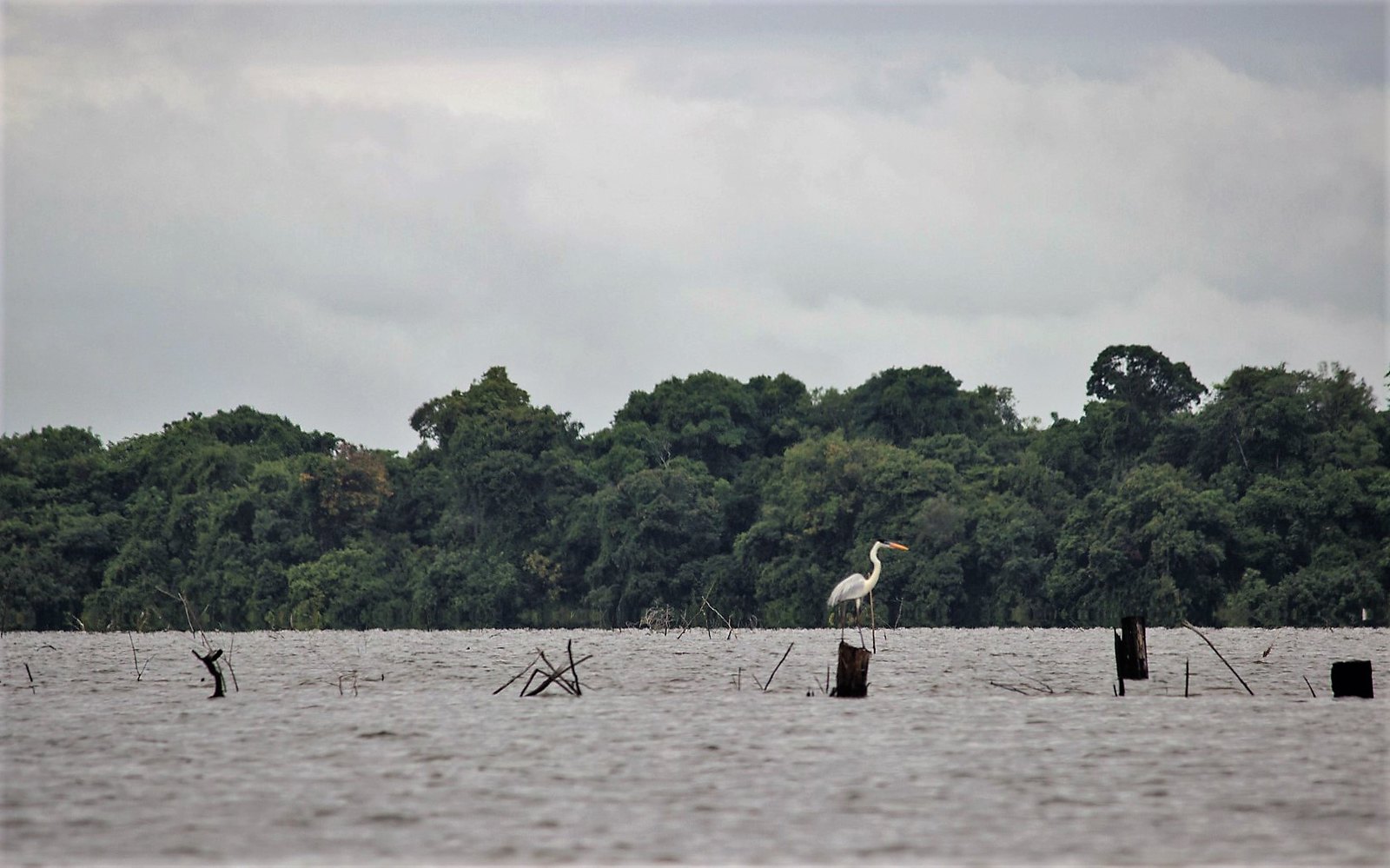
Foto: Amazon Watch / Maíra Irigaray.
A busca por justiça e reparação
Ao longo dos anos, o Ministério Público Federal do Pará, a Defensoria Pública e organizações da sociedade civil impetraram dezenas de ações judiciais em tribunais brasileiros para contestar as diversas irregularidades do projeto, bem como seus impactos. A maioria das ações permanece sem solução, algumas há mais de 10 anos.
Essas ações não obtiveram sucesso porque o governo federal tem reiteradamente anulado decisões favoráveis às comunidades afetadas, recorrendo a um mecanismo pelo qual o presidente do Supremo Tribunal Federal pode suspender uma decisão judicial com base unicamente em argumentos genéricos como "interesse nacional" ou "ordem econômica".
Diante da falta de respostas eficazes em nível nacional, a AIDA — juntamente com uma coalizão de organizações aliadas — levou o caso à Comissão Interamericana de Direitos Humanos (CIDH) e, em 2010, solicitou medidas cautelares para proteger a vida, a integridade e a saúde das comunidades indígenas afetadas.
Em 1º de abril de 2011, a CIDH concedeu essas medidas e solicitou ao Estado brasileiro a suspensão das licenças ambientais e de quaisquer obras de construção até que as condições relativas à consulta prévia e à proteção da saúde e integridade das comunidades fossem atendidas.
E, em 16 de junho de 2011, apresentamos uma denúncia formal à CIDH — juntamente com o Movimento Xingu Vivo Para Siempre, a Coordenação das Organizações Indígenas da Amazônia Brasileira, a Diocese de Altamira, o Conselho Missionário Indígena, a Sociedade Pará de Defesa dos Direitos Humanos e a Global Justice — contra o Estado brasileiro por sua responsabilidade internacional nas violações de direitos humanos contra os povos afetados neste caso. A denúncia foi apresentada em dezembro de 2015.
Em 3 de agosto de 2011, a CIDH modificou as medidas cautelares para solicitar — em vez da suspensão de licenças e obras — a proteção dos povos que vivem em isolamento voluntário, a saúde das comunidades indígenas e a regularização e proteção das terras ancestrais.
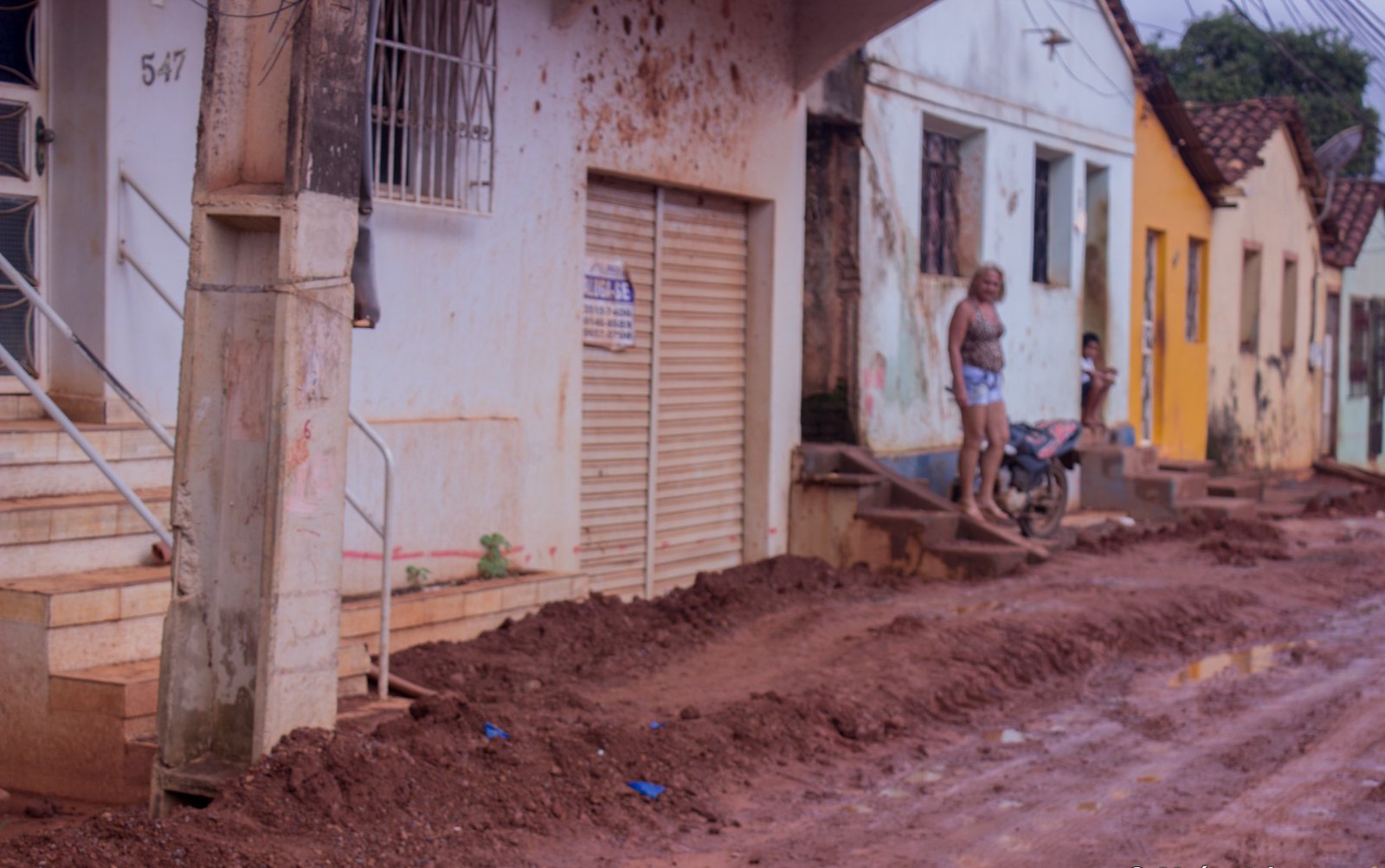
Foto: Amazon Watch / Maíra Irigaray.
Situação atual
As medidas de proteção concedidas pela CIDH permanecem em vigor, mas o Estado brasileiro não as cumpriu integralmente, relatando apenas ações genéricas. As comunidades documentaram as contínuas violações de seus direitos. A situação que motivou o pedido dessas medidas — o risco à vida, à segurança e aos meios de subsistência das comunidades — persiste e se agravou com a usina hidrelétrica operando em plena capacidade e com as recentes secas extremas na Amazônia.
Além do ocorrido em Belo Monte, existe o risco de maiores danos sociais e ambientais decorrentes da implementação de outro megaprojeto de mineração na Volta Grande do Xingu. Lá, a empresa canadense Belo Sun pretende construir a maior mina de ouro a céu aberto do Brasil.
Os impactos sinérgicos e cumulativos da usina e da mina não foram avaliados. O Estado excluiu povos indígenas, comunidades ribeirinhas e comunidades camponesas do processo de licenciamento ambiental do projeto. Apesar disso, dos protestos indígenas e de outras irregularidades em torno do projeto, o governo do estado do Pará autorizou formalmente a mina em abril de 2026.
Belo Monte, assim como outras usinas hidrelétricas, agrava a emergência climática ao gerar emissões de gases de efeito estufa em seu reservatório. Além disso, é ineficiente diante das secas prolongadas e intensas causadas pela crise, pois perde capacidade de geração de energia.
O caso perante a Comissão Interamericana
Em outubro de 2017, a CIDH anunciou que decidiria conjuntamente sobre a admissibilidade (se o caso preenche os requisitos para admissão) e o mérito (se houve, de fato, violação de direitos humanos) da denúncia internacional contra o Estado brasileiro.
Quinze anos após a apresentação da denúncia, as comunidades afetadas e as organizações que as representam ainda aguardam essa decisão. Caso a CIDH conclua que houve violações de direitos humanos e emita recomendações que o Estado brasileiro não cumpra, poderá encaminhar o caso à Corte Interamericana de Direitos Humanos, cujas decisões são vinculativas.
Uma possível decisão da Corte Internacional de Direitos Humanos neste caso estabeleceria um precedente jurídico regional em relação aos direitos dos povos indígenas e ribeirinhos, à participação pública em megaprojetos e à responsabilidade do Estado no contexto da crise climática. Isso é particularmente relevante à luz do Parecer Consultivo nº 32 da Corte, que reafirmou as obrigações dos Estados de proteger pessoas e comunidades em todo o continente da emergência climática.
Partners:
Related projects
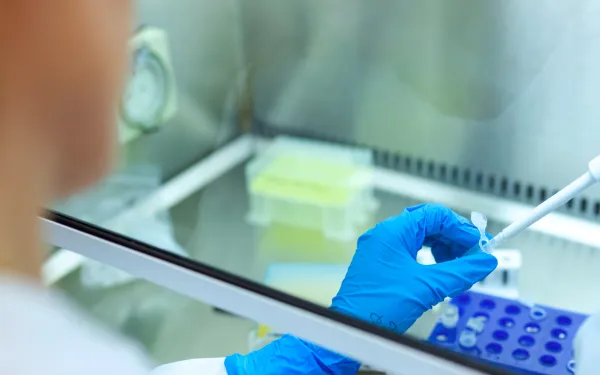
Science as a human right and a tool for environmental justice
By María Fernanda Ordoñez y Andrés Ángel According to the Encyclopedia Britannica, science is any system of knowledge that is concerned with the physical world and its phenomena and that entails unbiased observations and systematic experimentation. For its part, the United Nations (UN) defines science as the tool created by human beings to understand the world around them, and thus apply that knowledge to their benefit. If science is such an important tool, why is it not available to everyone? There is still a long way to go before science is recognized as a human right, and even the advances that have been made to that end are not well enough known. The so-called right to science was formed in the 1948 Universal Declaration of Human Rights, article 27 of which states that "everyone has the right to participate in scientific progress and in the benefits resulting therefrom.” It is also referred to in the Charter (Article 38) of the Organization of American States and in the American Declaration of the Rights and Duties of Man. In addition, the International Covenant on Economic, Social and Cultural Rights—which entered into force in 1976—recognizes in its Article 15 the right of every person to "enjoy the benefits of scientific progress and its applications.” It is precisely to raise public awareness of the responsible use of science for the benefit of society that World Science Day for Peace and Development is celebrated every November 10. The big gaps remaining Although the right to science is promoted by various world class scientific organizations, like the American Association for the Advancement of Science (AAAS), its application is still relatively unknown. This may be due in part to ignorance and economic difficulties in some countries. In Latin America and the Caribbean, socioeconomic, racial, and gender gaps are the major obstacles to the establishment of the universal right to science, which is closely linked to other rights, such as the right to education. According to UNESCO’s 2017-2018 World Education Report, 52 percent of children and adolescents in the region fail to reach minimum levels in mathematics and 36 percent fail in reading. In addition, in 2015 the rate of out-of-school youth of secondary school age reached 15.3 percent. A more telling indicator is the percentage of the Gross Domestic Product (GDP) allocated to public education, which stands at an average of 5 percent. In terms of the percentage of GDP allocated to research and development, the World Bank data shows that the countries that allocated the most resources for this purpose in 2017 were Brazil (1.26%) and Argentina (0.54%), followed by Cuba (0.43%) and Costa Rica (0.42%). The lowest figures were recorded in Guatemala (0.03%), Honduras (0.04%) and Peru (0.12%). These figures demonstrate that there are profound challenges to be faced in order to create the necessary conditions for the effective exercise of the right to science. Science in the Service of Environmental Justice Scientific advances allow us to find solutions to the new economic, social and environmental challenges we face on our way to a more just and sustainable future. Most communities in Latin America lack access to basic tools, or the training to develop programs for independent monitoring of environmental parameters, such as air or water quality. Thus, communities are at a serious disadvantage in the context of socio-ecological conflicts that may result from proposals for large mining, oil, and agro-industrial projects. However, it’s worth highlighting and promoting progress where it exists. It is encouraging to hear from empowered communities that have decided to implement community water quality monitoring programs, epidemiology initiatives, and many others. There is also hope because UNESCO data shows gross enrollment in higher education rose from 22 to 46 percent between 2000 and 2015. Likewise, many of the region’s civil society organizations are supporting the recognition of the right to science. At AIDA, scientific knowledge is used to strengthen our legal strategies to protect people and environments in the region. During the AAAS’s Conference on Science, Technology, and Human Rights in October 2019, we explained the link between science and human rights advocacy, and how we apply it in our work. Two months earlier, in August, UNESCO organized their first Latin American workshop in Argentina to discuss the development and implications of the right to science. There, the right to science was defined as a major focus of the organizattion’s work in the region. Strengthening the right to science in Latin America is vital for promoting more just and sustainable societies, where socioeconomic, racial, and gender gaps do not impede access to information as a common good. It’s essential to involve trained people committed to research in projects, organizations, and entities that promote social and environmental justice. In addition, the support of scientific professionals is fundamental to the process of knowledge transfer between countries and regions. This support is indispensable for the development of effective and efficient public policies. Finally, it should be noted that science should not only contribute to overcoming information asymmetries among actors in society, but should also be practiced and developed within a framework of respect for the rights of nature and human rights. At AIDA, we will continue to promote the right to science, building new capacities and strengthening existing ones, both for our partners and for the communities we support.
Read more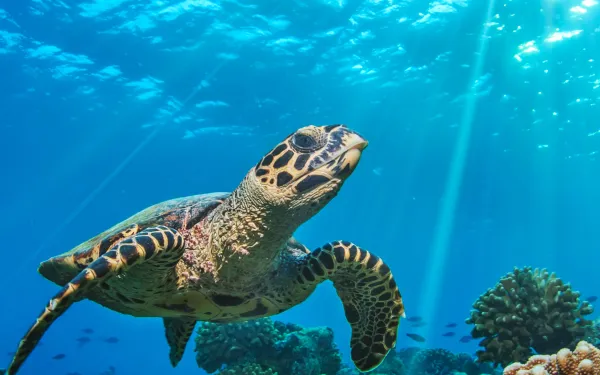
Three major opportunities to save the ocean and the climate
The novel coronavirus pandemic has brought a change in perspective on the importance of many issues, among them access to health and technology, and the inequalities present in many aspects of our lives. It has also renewed discussion about the need to act on the greatest threat facing humanity: the climate crisis. My intention is not to cause alarm or panic, but to emphasize that there is still much to be done. Life on the planet arose in the ocean and, after millions of years, adapted to be possible on land, eventually leading to human existence. Although we do not live in the ocean, it is key to sustaining life on Earth. The ocean is the planet’s main climate regulator. Marine currents set the tone for the seasons and their interaction with the air is the origin of tropical storms, hurricanes, and typhoons. Furthermore, mangroves—which serve as a link between the ocean and the land—and coral reefs are natural barriers against tropical storms. Therefore, a healthy ocean means a healthy climate, and we must seek to preserve it as soon as possible. Unfortunately, scientific evidence shows that the ocean suffers from overheating, acidification, and a loss of oxygen. In the face of this harsh reality, there are three major opportunities for climate-focused ocean protection measures. Despite being delayed due to the pandemic, these international negotiation processes still represent important windows of opportunity to save the ocean, the climate and our future. 1. United Nations Framework Convention on Climate Change The first scenario is within the negotiations of the United Nations Framework Convention on Climate Change, during which member nations meet to review their commitments, progress made in fulfilling them, and the ongoing challenges in the global fight against the climate emergency. During the 25th Conference of the Parties (COP25) in 2019, the possibility of initiating a dialogue on the importance of the ocean in climate action was opened. The country parties, observer organizations, and other institutions were asked to send their contributions on the subject for analysis at the next meeting of the Scientific and Technical Advisory Body. The idea is to more actively integrate marine ecosystems into climate change adaptation and mitigation plans, as well as to highlight their role in building planetary climate resilience. There is no definite date for the next meeting of the Scientific Advisory Body and we will have to wait until November 2021 for the next UN climate summit. 2. High Seas Treaty Conservation and sustainable management of marine resources is another key aspect of protecting oceans and the benefits they provide. This is precisely the goal of the negotiation of a High Seas Treaty within the framework of the United Nations. Marine areas outside national jurisdiction, known as the high seas, represent approximately half of the planet's surface. These areas are under little or no regulation. The treaty seeks to create an integrated legal framework to regulate productive activities on the high seas through environmental impact assessments, spatial management tools such as marine protected areas, management of marine genetic resources, technological capacity building, and technology transfer. Ecosystems in the high seas are highly productive and capable of sequestering carbon and regulating the climate. They are also essential for present and future food security. The last Intergovernmental Conference for the negotiation of the High Seas Treaty was scheduled for March 2020, but was postponed until March of next year. 3. Convention on Biological Diversity The negotiation of biodiversity management targets for the next decade, which are broad and cover a variety of ecosystems, are managed under the Convention on Biological Diversity. One idea that is being promoted is the protection of 30 percent of the ocean by 2030. This goal requires the creation of biologically significant, science-based, and properly managed marine protected areas. Without the High Seas Treaty, this goal is impossible to achieve. Negotiations on the Convention were planned for November 2020, but were postponed until the second quarter of 2021. The link between these three negotiations is undeniable and necessary. Without marine protected areas created with a scientific approach, and without an ocean whose resources are managed sustainably, we will not have effective climate action. This pause in the negotiations gives us time to inform ourselves and learn more about the importance of the ocean. It is a time to reflect on why it’s necessary to protect at least 30 percent of the world's oceans, including the high seas. At stake is our climate resilience, our food security, and our future. Now is the perfect time to reflect on the wise words of Sylvia Earle: “No water, no life. No blue, no green. WIth every drop of water you drink, every breath you take, you’re connected to the sea.”
Read more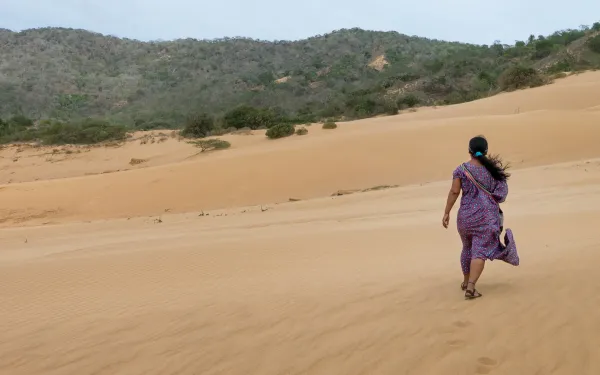
Defending the environment is defending our future from the climate crisis
It is estimated that, from December 2015, when the Paris Accord was adopted—seeking to strengthen the global response to the climate crisis—until December 2019, an average of four environmental defenders have been killed each week. This is in addition to countless violent attacks, arrests, death threats and legal actions by state and private agents. This is one of the principal findings of the Global Witness' report, Defending Tomorrow: The climate crisis and threats against land and environmental defenders, which was released in July. The document shows the undeniable link between attention to the climate crisis and the work of human rights defenders. The international NGO contributes to ending human rights and environmental abuses driven by the management and use of natural resources, as well as by corruption. Each year it publishes a report presenting its findings on socio-environmental conflicts and the situation of human rights defenders around the world. This report draws attention to a serious contradiction in the face of a critical problem: human rights defenders play a crucial role in the fight against the climate emergency, but too many governments, companies and financial institutions have failed to safeguard their lives and work. Failing to protect those who care for us The climate crisis is a real and tangible threat to life itself and requires drastic solutions. The international scientific community has warned of the serious consequences of not putting a limit on human activities that accelerate global warming. We need public policies for adaptation and mitigation, to put a stop to the use of fossil fuels, to protect nature and not to criminalize its defense. However, state mechanisms have been more effective in promoting extractive industries and have made little progress in what truly matters. The Global Witness report notes that large-scale agriculture, hydrocarbon extraction and especially mining are the main industries driving conflict and violence against defenders. At the same time, they lead the activities that aggravate the climate emergency, since they involve the clearcutting of forests and the emission of carbon dioxide into the atmosphere. Echoing recent research, the report notes that indigenous and local communities around the world care for forests that absorb the equivalent of 33 times our current annual carbon emissions. In other words, their role in mitigating the climate crisis is vital. It has also been shown that lands managed by indigenous peoples have lower deforestation rates and better conservation outcomes than protection areas that exclude these peoples. Despite this, Indigenous defenders suffer a disproportionate number of attacks. Between 2015 and 2019, they represent more than a third of attacks against defenders despite representing only 5 percent of the world's population, the report says. And last year alone, 40 percent of those killed belonged to Indigenous communities. The climate crisis and the violence against human rights defenders have different impacts. But in both cases, Indigenous peoples, Afro-descendants, peasant communities and women are disproportionately at risk. Women defenders not only face contextual violence like the rest of the community, but are often doubly stigmatized for their role as women and as defenders. In turn, they may become victims of sexual violence, a practice historically used to show power over bodies and territories. Increasing violence against defenders According to Global Witness, 2019 was the deadliest year on record for defenders, with 212 murders. More than two-thirds of the crimes were recorded in Latin America, which has consistently been the most affected region since the organization began publishing this data in 2012. In the Amazon alone, there were 33 deaths (90 percent of the murders in Brazil occurred there). In Colombia, there were 64 murders, a 150 percent increase from 2018 and the highest figure the organization has recorded in the country. And Honduras, with 14 deaths, became the most dangerous country in 2019 in terms of the number of murders per million people. The Philippines and Colombia combined represent more than half of all the murders of environmental defenders recorded last year. The report is very clear in mentioning that intimidation, harassment and violence against defenders have their structural causes in the linkage between governments, companies and unions. States' actions and omissions have resulted in stigmatization, criminalization and killings. The document includes a global map with concrete cases of violence and actions taken by human rights defenders and civil society. One of these cases is that of women in the micro-region of Ixquisis, Guatemala, who are defending their territory from two hydroelectric projects. Through their struggle, they have managed to have their complaint addressed by the accountability mechanism of the Inter-American Development Bank, one of the dams’ financiers. AIDA represents the community in that case. Putting defenders first It is increasingly clear that environmental defenders are at risk for opposing projects that exacerbate the climate crisis. It is therefore urgent to prioritize within climate action their protection and the eradication of all violence against them. The situation presented is serious and requires solutions that are committed to the planet and to people. It’s necessary to respect and guarantee the defenders’ rights to participation, association, access to information and justice. States must put an end to violence within the framework of their international obligations; provide immediate protection to defenders; and implement transformative measures through legal, political, and administrative actions, in accordance with international human rights standards. Such actions include the ratification of the Escazú Agreement and the normative adaptation necessary to guarantee the fundamental rights to life, integrity, and a healthy environment and to defend human rights. In addition, they should promote transitions that overcome the long chain of impacts on human rights and the environment from fossil fuel extraction. In light of this, and within the framework of the obligation of due diligence, corporate responsibility is key to stopping, preventing and investigating possible conflicts or violence against human rights defenders. Finally, a social, political and ecological transition is needed that fully respects environmental and human rights. The transition must ensure that inequality gaps are not widened, address the structural causes of conflict to achieve a violence-free planet, mitigate environmental and climate damage, and ensure justice for all.
Read more