
Project
Amazon Watch / Maíra Irigaray
Barragem de Belo Monte no rio Xingu: 10 anos de impactos na Amazônia e de busca por reparações
A usina hidrelétrica de Belo Monte causou um desastre ambiental e social no coração da Amazônia: um dos ecossistemas mais importantes do planeta.
Essa situação só piorou desde que a usina começou a operar em 2016. A busca por justiça e reparação para as comunidades indígenas e ribeirinhas afetadas continua até hoje.
Em 2011, a Comissão Interamericana de Direitos Humanos (CIDH) concedeu a essas comunidades medidas de proteção, que até hoje não foram totalmente implementadas pelo Estado brasileiro.
E, desde junho daquele mesmo ano, a CIDH mantém um processo contra o Estado por sua responsabilidade internacional no caso.
A CIDH pode encaminhar o caso à Corte Interamericana de Direitos Humanos, que tem o poder de emitir uma sentença condenatória contra o Estado brasileiro.
Consulta o expediente de fatos do caso
Após 10 anos de operação da usina hidrelétrica e mais de 15 anos de violações de direitos humanos documentadas, é hora da justiça ser feita para as comunidades afetadas.
Leia a carta aberta das organizações que levam o caso à CIDH
Leia nosso comunicado à imprensa
Contexto
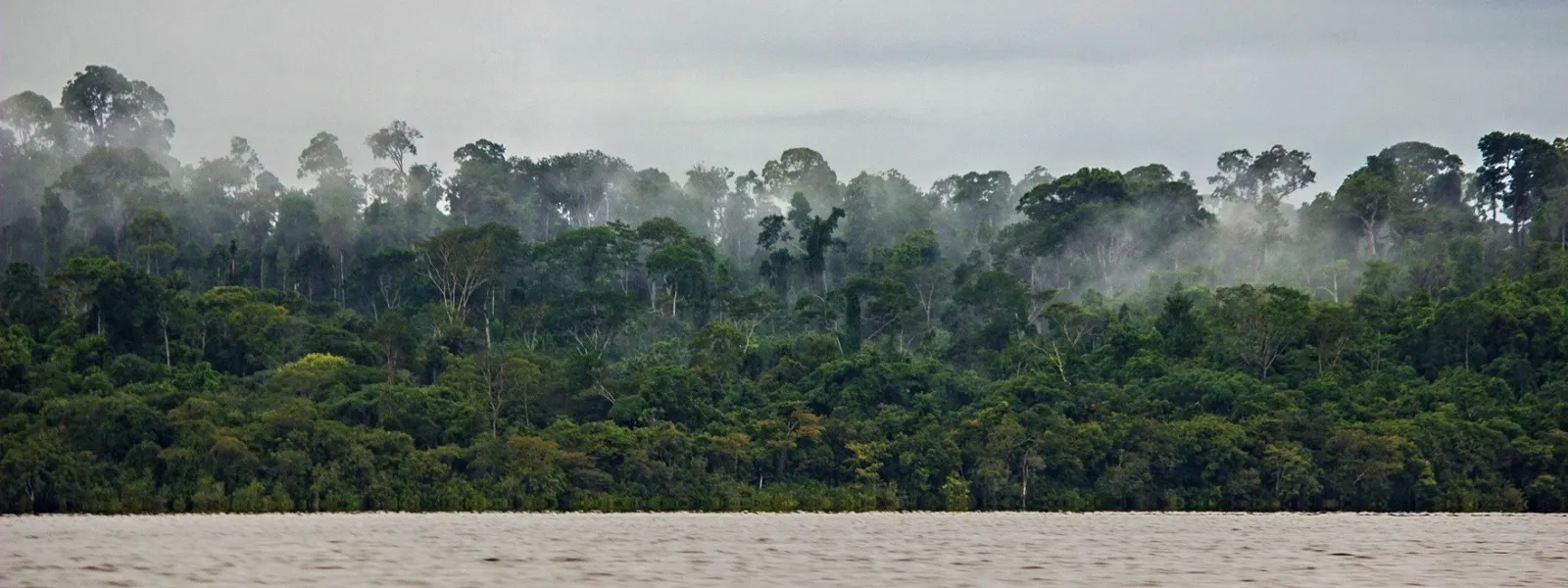
A usina hidrelétrica de Belo Monte — a quarta maior do mundo em capacidade instalada (11.233 MW) — foi construída no rio Xingu, no estado do Pará, norte do Brasil.
Foi inaugurada em 5 de maio de 2016, com uma única turbina. Naquela época, 80% do curso do rio foi desviado e 516 km² de terra foram inundados, uma área maior que a cidade de Chicago. Desse total, 400 km² eram de mata nativa. A usina começou a operar em plena capacidade em novembro de 2019.
Belo Monte foi construída e é operada pelo consórcio Norte Energia S.A., composto principalmente por empresas estatais. Foi financiada pelo Banco Nacional de Desenvolvimento Econômico e Social (BNDES), que aportou ao consórcio 25,4 bilhões de reais (aproximadamente US$ 10,16 bilhões), o maior investimento de sua história. Portanto, o BNDES também é legalmente responsável pelos impactos socioambientais associados ao projeto hidrelétrico.
Décadas de danos ambientais e humanos
As violações dos direitos humanos e a degradação da Amazônia remontam ao início do projeto. Em março de 2011, a Norte Energia iniciou a construção da barragem sem consulta adequada e sem o consentimento prévio, livre e informado das comunidades afetadas.
A construção levou ao deslocamento forçado de mais de 40.000 pessoas, rompendo laços sociais e culturais. O plano de reassentamento em Altamira — cidade diretamente afetada pelo projeto hidrelétrico — incluía moradias na periferia da cidade, sem serviços públicos adequados, moradias dignas para as famílias reassentadas e moradias diferenciadas para aqueles pertencentes a comunidades indígenas.
A operação da barragem de Belo Monte impôs uma seca permanente e artificial na Volta Grande do rio Xingu, agravada pelas secas históricas na Amazônia em 2023 e 2024. Como resultado, a morte de milhões de ovos de peixe foi documentada por quatro anos consecutivos (de 2021 a 2024) e, nos últimos três anos, não houve migração de peixes rio acima para desovar e se reproduzir. Assim, a pesca artesanal, principal fonte de proteína para os povos indígenas e comunidades ribeirinhas, foi severamente afetada: o consumo de peixe caiu de 50% para 30% do total de proteínas consumidas, sendo substituído por alimentos processados. Em suma, houve um colapso ambiental e humanitário que resultou no colapso da pesca como modo de vida tradicional, insegurança alimentar e falta de acesso à água potável para milhares de famílias, empobrecimento e doenças.
Além disso, a construção da barragem aumentou o desmatamento e intensificou a extração ilegal de madeira e a insegurança em terras indígenas e tribais, colocando em risco a sobrevivência dessas comunidades. Outra consequência foi o agravamento da pobreza e dos conflitos sociais, bem como a sobrecarga dos sistemas de saúde, educação e segurança pública em Altamira, cidade considerada a mais violenta do país em 2017, onde houve aumento do tráfico de pessoas e da violência sexual. Também foram registrados casos de violência contra defensores de direitos humanos envolvidos no caso.
Em 2025, durante a 30ª Conferência das Nações Unidas sobre Mudanças Climáticas (COP30), realizada no Brasil, o Ministério Público Federal classificou os danos causados por Belo Monte como ecocídio.
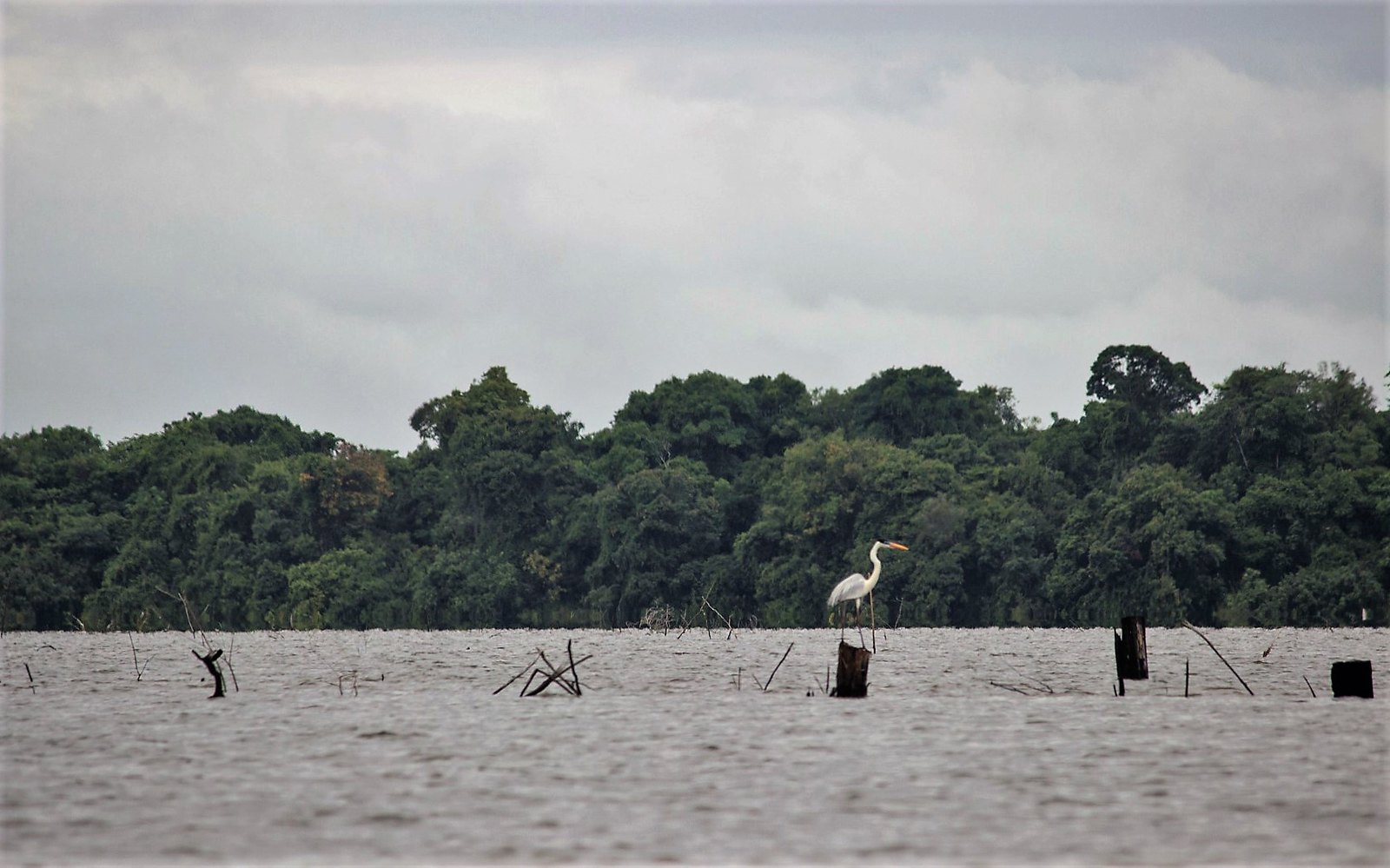
Foto: Amazon Watch / Maíra Irigaray.
A busca por justiça e reparação
Ao longo dos anos, o Ministério Público Federal do Pará, a Defensoria Pública e organizações da sociedade civil impetraram dezenas de ações judiciais em tribunais brasileiros para contestar as diversas irregularidades do projeto, bem como seus impactos. A maioria das ações permanece sem solução, algumas há mais de 10 anos.
Essas ações não obtiveram sucesso porque o governo federal tem reiteradamente anulado decisões favoráveis às comunidades afetadas, recorrendo a um mecanismo pelo qual o presidente do Supremo Tribunal Federal pode suspender uma decisão judicial com base unicamente em argumentos genéricos como "interesse nacional" ou "ordem econômica".
Diante da falta de respostas eficazes em nível nacional, a AIDA — juntamente com uma coalizão de organizações aliadas — levou o caso à Comissão Interamericana de Direitos Humanos (CIDH) e, em 2010, solicitou medidas cautelares para proteger a vida, a integridade e a saúde das comunidades indígenas afetadas.
Em 1º de abril de 2011, a CIDH concedeu essas medidas e solicitou ao Estado brasileiro a suspensão das licenças ambientais e de quaisquer obras de construção até que as condições relativas à consulta prévia e à proteção da saúde e integridade das comunidades fossem atendidas.
E, em 16 de junho de 2011, apresentamos uma denúncia formal à CIDH — juntamente com o Movimento Xingu Vivo Para Siempre, a Coordenação das Organizações Indígenas da Amazônia Brasileira, a Diocese de Altamira, o Conselho Missionário Indígena, a Sociedade Pará de Defesa dos Direitos Humanos e a Global Justice — contra o Estado brasileiro por sua responsabilidade internacional nas violações de direitos humanos contra os povos afetados neste caso. A denúncia foi apresentada em dezembro de 2015.
Em 3 de agosto de 2011, a CIDH modificou as medidas cautelares para solicitar — em vez da suspensão de licenças e obras — a proteção dos povos que vivem em isolamento voluntário, a saúde das comunidades indígenas e a regularização e proteção das terras ancestrais.
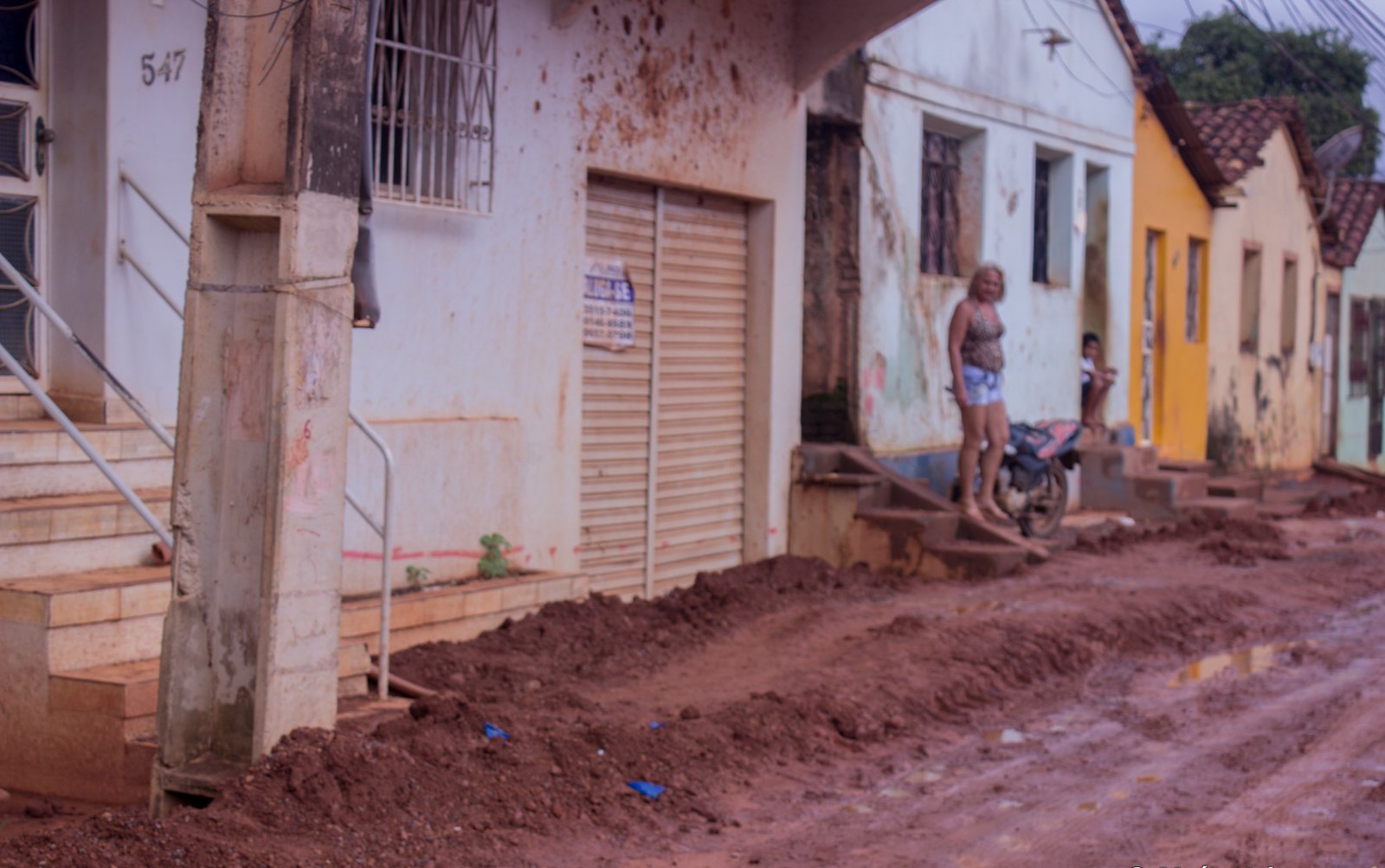
Foto: Amazon Watch / Maíra Irigaray.
Situação atual
As medidas de proteção concedidas pela CIDH permanecem em vigor, mas o Estado brasileiro não as cumpriu integralmente, relatando apenas ações genéricas. As comunidades documentaram as contínuas violações de seus direitos. A situação que motivou o pedido dessas medidas — o risco à vida, à segurança e aos meios de subsistência das comunidades — persiste e se agravou com a usina hidrelétrica operando em plena capacidade e com as recentes secas extremas na Amazônia.
Além do ocorrido em Belo Monte, existe o risco de maiores danos sociais e ambientais decorrentes da implementação de outro megaprojeto de mineração na Volta Grande do Xingu. Lá, a empresa canadense Belo Sun pretende construir a maior mina de ouro a céu aberto do Brasil.
Os impactos sinérgicos e cumulativos da usina e da mina não foram avaliados. O Estado excluiu povos indígenas, comunidades ribeirinhas e comunidades camponesas do processo de licenciamento ambiental do projeto. Apesar disso, dos protestos indígenas e de outras irregularidades em torno do projeto, o governo do estado do Pará autorizou formalmente a mina em abril de 2026.
Belo Monte, assim como outras usinas hidrelétricas, agrava a emergência climática ao gerar emissões de gases de efeito estufa em seu reservatório. Além disso, é ineficiente diante das secas prolongadas e intensas causadas pela crise, pois perde capacidade de geração de energia.
O caso perante a Comissão Interamericana
Em outubro de 2017, a CIDH anunciou que decidiria conjuntamente sobre a admissibilidade (se o caso preenche os requisitos para admissão) e o mérito (se houve, de fato, violação de direitos humanos) da denúncia internacional contra o Estado brasileiro.
Quinze anos após a apresentação da denúncia, as comunidades afetadas e as organizações que as representam ainda aguardam essa decisão. Caso a CIDH conclua que houve violações de direitos humanos e emita recomendações que o Estado brasileiro não cumpra, poderá encaminhar o caso à Corte Interamericana de Direitos Humanos, cujas decisões são vinculativas.
Uma possível decisão da Corte Internacional de Direitos Humanos neste caso estabeleceria um precedente jurídico regional em relação aos direitos dos povos indígenas e ribeirinhos, à participação pública em megaprojetos e à responsabilidade do Estado no contexto da crise climática. Isso é particularmente relevante à luz do Parecer Consultivo nº 32 da Corte, que reafirmou as obrigações dos Estados de proteger pessoas e comunidades em todo o continente da emergência climática.
Partners:
Related projects
Championing Lake Poopó’s recovery to protect the life it holds
Calixta Mamani thinks with nostalgia of the tall, green cattails growing along the shores of Lake Poopó, in the arid central plateau of the Bolivian Andes. She once used the reeds as feed for her livestock. "Now, everything has dried up,” she reflected. “There is no life here, the land no longer produces." She thinks also of the birds—Titicaca grebes and Andean flamingos—and of the fish that were once so abundant in the area. "Now you don't see them anymore,” she lamented. “Everything, our culture, is gone." The losses described by Calixta represent a plundering. The indigenous and rural communities living near Lake Poopó have been deprived, not only of their primary water source, but of their livelihood, their way of life, and their culture. Bolivia's second largest lake, Poopó has been damaged by the diversion of rivers, the climate crisis, and mining activities—which have continued despite the pandemic—to the point of putting at risk all the life systems that depend on it. Calixta is a member of the National Network of Women in Defense of Mother Earth (RENAMAT), an organization that defends the rights of indigenous and peasant women against the destructive impacts of extractive industries in the regions of Oruro, La Paz, and Potosí. Responsible for grazing the animals, food preparation, and other household tasks, Calixta and other local women live with the lake on a daily basis. As a result, they more acutely suffer the effects of its degradation. It’s because of the respectful relationship they have with Mother Earth and Mother Water that the communities around Lake Poopó are fighting to save it. Decades of Pollution According to a report by the Collective for the Coordination of Socio-Environmental Actions (Colectivo CASA), complaints related to Lake Poopó’s contamination by mining activities date back to 1981, when researchers revealed that 120 lead, tin, and gold mines were discharging their waste directly into its waters. The situation, which has continued over the years, has led to sedimentation. This means that considerable amounts of cadmium, zinc, arsenic, and lead have become sediment in the lake, making its waters unsuitable for human and animal consumption and of limited use for crop irrigation. "With the passage of time and the advance of mining, the exploitation of minerals has intensified,” said Petrona Lima, from Ayllu San Agustín de Puñaca, municipality of Poopó, in a testimony collected by the Center for Andean Communication and Development (CENDA). “Little by little all this has been disappearing, water veins have been cut, and everything has come to be as it is now; it looks like everything is burned." In an effort to preserve its biodiversity—which includes endemic and migratory birds and the largest number of flamingos in the Bolivian highlands—in 2002 Lake Poopó, along with Lake Uru Uru, was declared a Wetland of International Importance under the Ramsar Convention. Despite this protection, the ecosystem remains in serious danger. In December 2015, water levels in Poopó reduced to such an extent that the body of water actually disappeared—an event considered one of Bolivia’s greatest environmental catastrophes. Although the lake managed to recover its flow during the rainy season, the situation remains critical in the dry months. The Climate Crisis and River Diversion The degradation of the lake is also a result of the global climate crisis, which brings intense droughts and increased temperatures. If the global average temperature increased by 0.8°C due to climate change, in Lake Poopó the increase was 2.5°C, according to information published in 2015, accelerating the evaporation of its waters. Another major source of the degradation of these high-Andean lakes is the diversion of two of the rivers that feed it: the Desaguadero and Mauri rivers. The former has decreased due to mining and agricultural operations, while the later, located on the border with Peru, has been diverted. Currently threatening the Poopó Basin is the implementation of the second phase of a canal project that would divert more than 500 liters of water per second from the Mauri River to feed the agro-industry in Tacna, Peru. The implementation of the project’s first phase was one of the primary causes of the lake’s disappearance in 2015. Defending Their Source of Life Rural communities, the Aymara and Quechua peoples, the Uru Murato—among Bolivia’s oldest native nations—all depend on the Poopó and Uru Uru lakes. The Uru Murato used to live from fishing, but the contamination of Poopó has forced them to migrate to work in the salt mines. In addition to causing serious environmental damages, what’s happening to this ecosystem is a serious violation of affected peoples’ rights to water, health, territory, food, and work. That’s why AIDA and local organizations have joined forces to defend Lake Poopó, its biodiversity, and the communities that depend on it. In July of last year, we asked the Ramsar Convention Secretariat to send a mission of experts to the country to assess the health of Lakes Poopó and Uru Uru and make recommendations to the government for their recovery. This month, we launched the campaign #LagoPoopóEsVida to make the situation visible and to draw the attention of national and international authorities to the risks facing the lakes and its people. Protecting Lake Poopó would be tantamount to saving lives and preserving one of Bolivia’s cultural cornerstones.
Read more
The unbridled use of disposable plastic: A new global crisis
The massive spread of COVID-19 has created a global health crisis, leaving millions of people sick and thousands dead. Due to the nature of the disease and the ease of contagion, protective and biosecurity measures have been implemented on a massive scale. These include confinement and safe distancing, constant disinfection of hands and surfaces, and the use disinfectant bottles, bags, and personal protective equipment like mouthpieces, masks, gloves, and other objects. Unfortunately, plastic—single-use plastic, in particular—is the primary material used to make these objects, which implies an indiscriminate increase in the use and disposal of this material. The processes needed to manage those single-use plastics have become another major challenge in the face of a crisis that is collapsing economies and health systems. It’s clear that our greatest global concern is to defeat the pandemic, and prevent more deaths and infections. But also of concern are the side effects it’s producing, like the backsliding of global efforts to reduce plastic waste and prevent environmental damage. Before the pandemic, contamination by plastic waste was already considered one of the main threats to the environment and biodiversity. According to a recent study, only 9 percent of the plastic produced worldwide is recycled. The rest is left as accumulated waste that damages ecosystems, mainly the oceans, and the species that live in them. Plastic pollution directly affects thousands of species, like marine mammals or birds that get entangled in the waste. Other species confuse the debris with food, as is the case with fish and sea turtles. Our greatest global concern right now must be overcoming the pandemic and preventing further death and infection. But let’s also be aware that, because of it, we’re moving backwards in the reduction of plastic waste and the prevention of the damages it causes. Backsliding in the Regulation of Plastics In December 2018, the European Union's parliament approved a ban on single-use plastics, which was due to come into effect next year. However, due to the pandemic, the plastic products industry has asked the European Commission to delay the implementation of the standard by at least one year. Although many countries had committed themselves to reducing the use of plastics this year, the pandemic has forced some of them to postpone such plans. In California, the governor temporarily lifted the ban on single-use grocery bags because of the risk of transmission through reusable bags. In Thailand, where single-use bags had been banned since January, officials expect up to a 30 percent increase in their use. According to that country's Environment Institute, 62 percent more plastic was consumed in Bangkok in April compared to the previous year, most of it being food packaging, which is difficult to recycle. In Latin America, the situation is similar. In the Mexican state of Jalisco, an era free from plastic bags and disposable straws was set to begin in January 2020, after a rule banning their use came into force. When the pandemic struck, the ban was abandoned and consumption of these products by establishments and citizens was only 10 percent less than last year, according to recent data. Greenpeace denounced the plastic industry in Mexico for seeking to reverse local bans using the argument that plastic is the ideal material to avoid COVID-19 infections. The environmental organization warned that nothing replaces continuous hand washing and surface disinfection. It explained that using disposable plastic containers, utensils, and cutlery neither guarantees hygiene nor prevents infection since the virus can remain on these surfaces for two to six days. The Importance of Debate and Seeking Alternatives Before the pandemic, there was greater social awareness of the need to reduce the use of plastics, especially single-use plastics. However, the need to contain the spread of the virus and industry strategies to capitalize on the health concerns of the population have led to the re-emergence of plastic as an indispensable material. Now more than ever, we must take care of each other. We also must protect the natural world that sustains life. The pandemic has exposed our weaknesses, and one of them is vulnerability to pollution. It’s possible that when containment measures are lifted or relaxed we’ll find that our dependence on plastic has increased significantly and that our planet is in more danger than before. We must continue the global debate on plastics and work together to find effective alternatives, taking into account the economic recovery of the sectors most affected by the crisis. Some urgent actions that could be taken in short and medium term include: Promoting environmental awareness and responsible consumption, encouraging non-healthcare workers to use reusable personal protection items made from environmentally friendly materials. Adopting best practices for recycling and policies against pollution by plastics at the national level, as part of a global action plan. Promoting the development of the circular economy, which aims to eliminate waste through the continuous reuse of resources. Requiring companies to make greater investments in sustainability, ensuring compliance with their environmental policies and corporate social responsibility. Encouraging investment in the research and development of alternative materials, which are more biodegradable and recyclable, as well as progress in the design of new, less contaminating, chemical additives. When it comes to plastics, we cannot control everything. But these actions can help give the new normal a more sustainable form.
Read more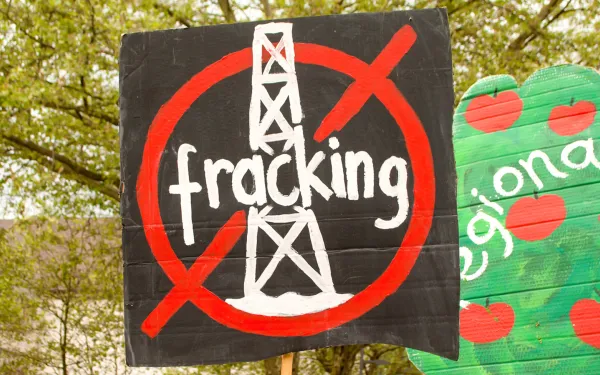
Why fracking is not an energy transition
The current global health crisis is forcing society to reflect on our ever increasing need for change. It’s putting us face-to-face with the fragility and unfeasibility of an energy system based on fossil fuels. This is evidenced by the historic collapse of oil prices associated with lower international demand for hydrocarbons—due to measures adopted in response to the pandemic—as well as overproduction and speculation in oil contracts, among other factors. Demand for gas is also expected to fall by 5 percent, following a decade of uninterrupted growth. Latin America is highly dependent on fossil fuels, both as an export commodity and for its own domestic consumption—88 percent of the energy used on the continent comes from nonrenewable resources. Since 2010, governments and private businesses have been pushing for fracking, or hydraulic fracturing of unconventional deposits, due in large part to the overexploitation of conventional hydrocarbons. Some countries describe fracking as a ‘bridge’ to reducing dependence on coal and petroleum as energy sources, claiming it gives them time to develop alternatives to fossil fuels. Following this logic, fracking has been promoted as a step toward energy transition. But how can a process that demonstrates a clear lack of economic, environmental, and social viability be labeled a transition? Reasons to say “No!” to fracking To resort to fracking is to continue to promote an energy system characterized by high private ownership and appropriation, the use of non-renewable resources, and negative impacts on affected populations and territories. What’s more, this system is defined by a great inequity in terms of access to, and use of, energy. Hydraulic fracturing involves the injection of toxic substances into the subsoil, which can cause the contamination of aquifers and air due to the volatility of some compounds. What’s more, leaks in the production and transport of gas and oil extracted vía fracking have been related to the increase in global emissions of methane, a pollutant responsible for about a quarter of all global warming. The technique also requires large amounts of water, which is especially relevant in a region that continues to confront serious problems concerning access to this basic resource. The use of fracking affects the ways of life of communities, both in terms of health—due to toxic substances in the air, water and soil—and in the violation of human rights and democracy. Many communities, particularly indigenous ones, lack access to information and are not properly consulted on fracking projects in their territories. The damages may be more serious for women, aggravating previously existing structural inequities. In economic terms, hydraulic fracturing requires large investments and, in order to be viable, it needs a market with high prices. In that sense, the unpredictability of oil prices makes it so that any nation that depends on hydrocarbons for its energy sovereignty is taking a dubious risk. Also, in fracking the rate of return on energy is lower. This means that the extraction process demands much more energy that it can capture. All this results in an energy benefit that is sometimes non-existent, and in which profits come from financial speculation. To promote fracking today would be to take a step backward, rather than forward. It simply does not meet the definition of a transition away from fossil fuels, and the logic of fracking has little to do with satisfying the social and economic needs of the people, among them environmental sustainability. A Movement for Change A growing number of organizations, institutions, communities and individuals throughout the Americas have organized to prevent the advance of fracking. These joint efforts, like the Latin American Alliance On Fracking, promote access to information and dismantle the position of businessmen and governments that claim fracking and more extractive activities are the only way out. Initiatives have emerged that seek energy alternatives by promoting dialogue and creating working groups on a just transition. Examples range from the experience of energy autonomy through small community hydroelectric plants in Guatemala, the Rio Negro Production and Energy Transition Working Group in Argentina, and the various experiences of Censat Agua Viva in Colombia, including a Social Working Group for a New Mining, Energy and Environmental Model. Meanwhile, using legal and administrative mechanisms, several municipalities and communities in Argentina, Mexico, Brazil and Uruguay have prohibited or declared a moratorium on fracking in their territories. Thinking about another society requires thinking about another energy system, one that is just and democratic. These spaces of resistance and the construction of alternatives give us a roadmap to promote structural changes and to jointly confront our society’s health, economic, and climate crises. Only then can we move beyond a system in which what was once considered "normal" simply wasn’t working.
Read more