
Project
Shutterstock.
Pollution of the Motagua River in Guatemala: The Poqomam Maya people’s quest for environmental justice
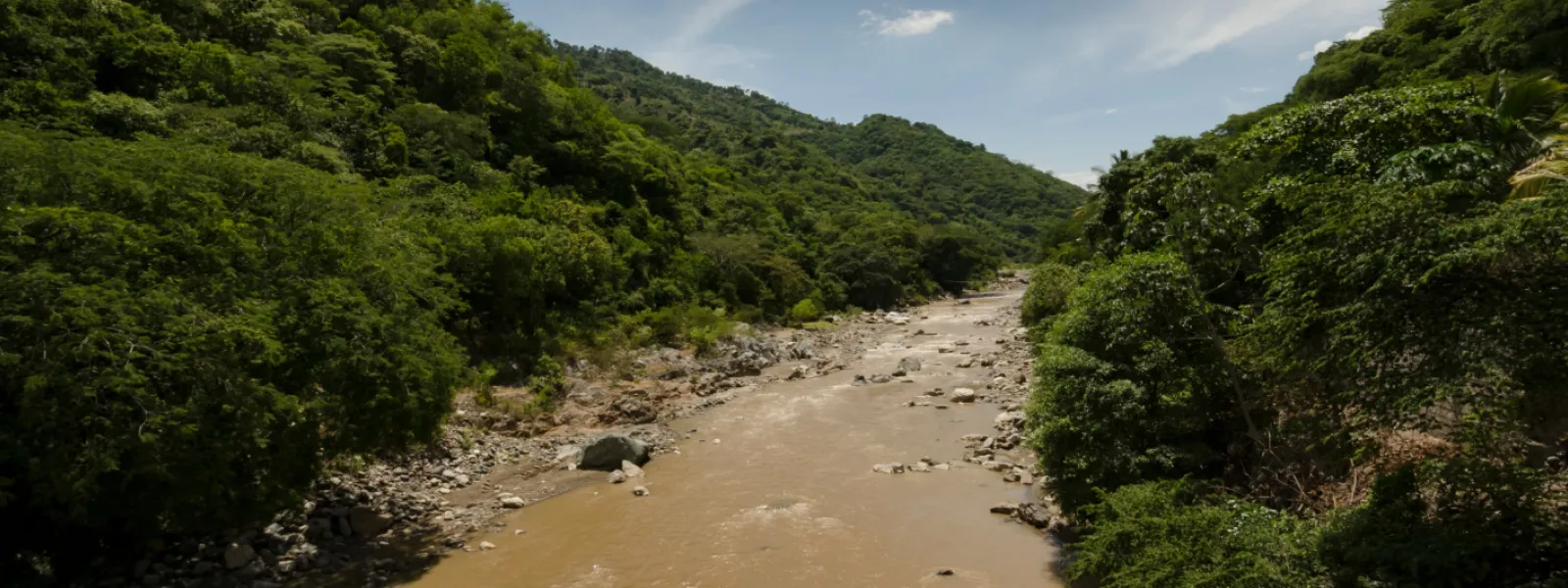
The Motagua River basin—Guatemala’s largest and most important river—is severely polluted with wastewater, solid waste, and other types of debris.
This is a cross-border issue because the Motagua’s polluted waters flow into the Caribbean Sea, reach the coast of Honduras, and threaten the Mesoamerican Reef System.
For decades, this has violated the rights to health, water, development, and a healthy environment of all the people living in the river basin.
In June 2025, the Poqomam Maya community of Santa Cruz Chinautla—supported by AIDA, the Indigenous Peoples’ Law Firm, and allied organizations—achieved an unprecedented legal victory to halt degradation in the basin. In response to the lawsuit it filed, a Guatemalan court ordered the municipality of Chinautla to comply with a series of obligations to curb the pollution of the area’s rivers and soil.
The government's response to the ruling has so far been limited to technical working group meetings. Meanwhile, the community continues to work toward the proper implementation of the ruling and to take other actions to defend its territory and its rights.
Background
The Motagua River, which is 486 km long, flows through 96 municipalities and 14 departments in Guatemala. It originates in Quiché, a department located in the northwest, and empties into the Caribbean Sea.
Polluting activities occur throughout the entire basin, including sub-basins and micro-basins. The largest volume of pollution comes from Guatemala City, the country’s capital, and is carried by the waters of the Las Vacas River, which in turn receives a large amount of waste from the Chinautla River.
The Chinautla River, which flows through the municipality of the same name, carries solid waste from a landfill located in Zone 3 of the capital—where trash from at least 14 municipalities in the department of Guatemala is dumped—as well as sewage generated by some 500,000 people living in the northern part of the capital, which undergoes no prior treatment.
Other sources of pollution include the numerous illegal dumps in the municipality of Chinautla, the waste that private vehicles and garbage trucks dump along the banks of its rivers, as well as the sand-mining companies—which began setting up operations in the area between 1996 and 1997—whose activities weaken the rivers' basins, causing solid waste to be more easily carried away by the river currents.
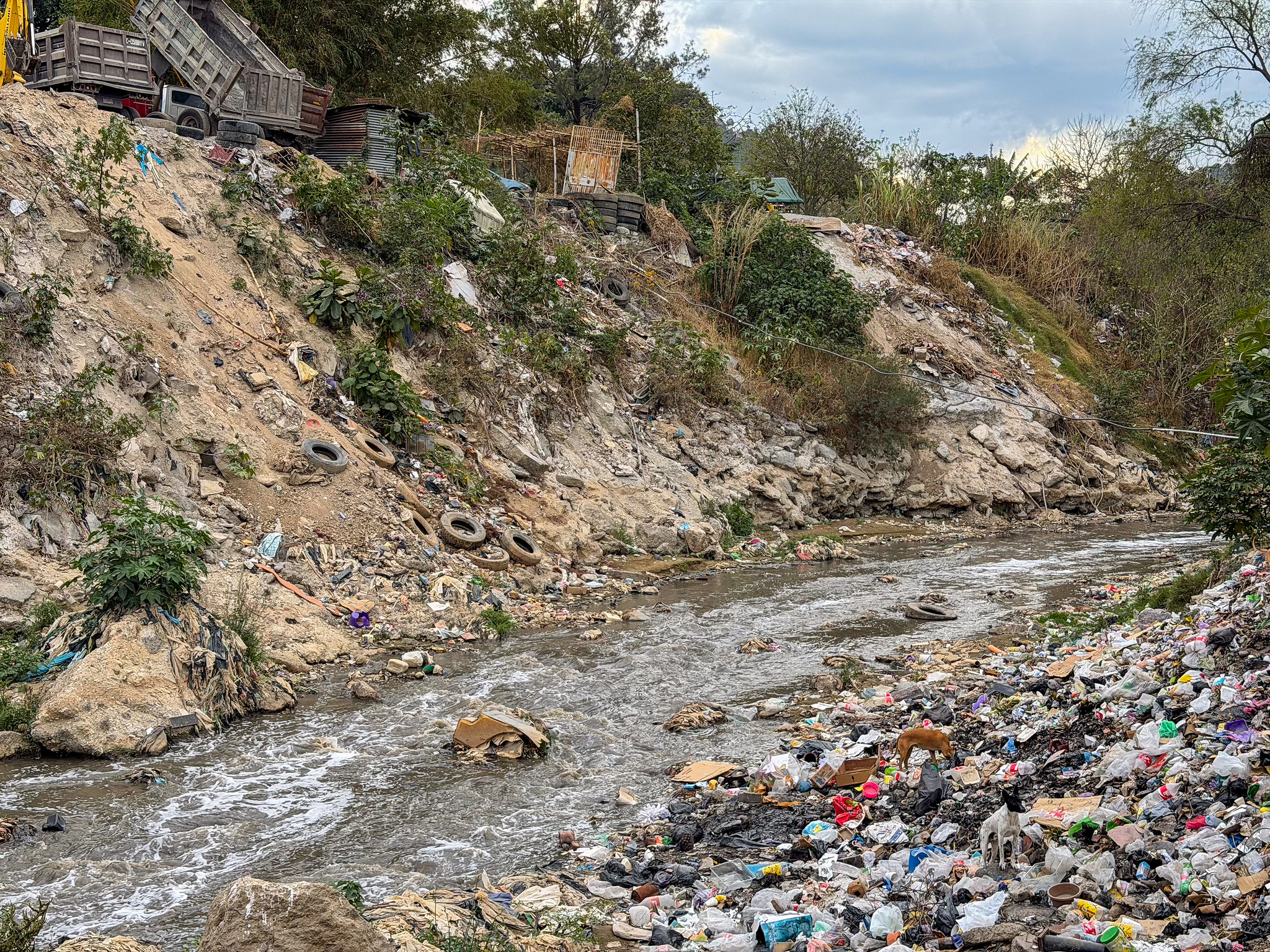
Photo: Mayela Sánchez García.
The situation extends beyond national borders. Every year, the Motagua River discharges some 20,000 metric tons of plastic into the Caribbean Sea, making it one of the rivers that contributes the most plastic pollution to the ocean worldwide, according to estimates contained in a 2025 report by the Inter-American Commission on Human Rights (IACHR).
The river flows into the Mesoamerican Reef at its mouth, so pollution also threatens to degrade one of the largest and most biodiverse transboundary reefs on the planet, which spans the territorial waters of Belize, Guatemala, Honduras, and Mexico.
In addition, the contaminated water reaches the coast of Honduras and spreads into Amatique Bay, located along the eastern coast of Guatemala, affecting the Caribbean Sea.
The roots of this chronic, cross-border problem are structural. Data from the Integrated Environmental Management of the Motagua River Basin project, funded by the United Nations Development Program (UNDP), show that in Guatemala, 66% of municipal solid waste is not collected, and there is no guarantee that the remaining 34% is disposed of properly. Furthermore, of all landfills nationwide, 88.32% are illegal or lack municipal authorization.
In other words, the core issues that need to be addressed are the mismanagement of solid waste and water resources in Guatemala; noncompliance with existing regulations on wastewater discharge and the disposal and treatment of solid waste and residues; and the lack of a water law.
The Poqomam Maya people's quest for justice
The rivers of Santa Cruz Chinautla, a community of the Poqomam Maya people located just twelve kilometers from Guatemala City, have become conduits of pollution that are degrading the Motagua River.
For decades, the local population has seen its health and livelihoods—including pottery, one of the main economic activities and a source of identity—damaged due to the lack of waste management in the municipality of Chinautla and the urban area of the country’s capital, as well as the activities of sand-mining companies.
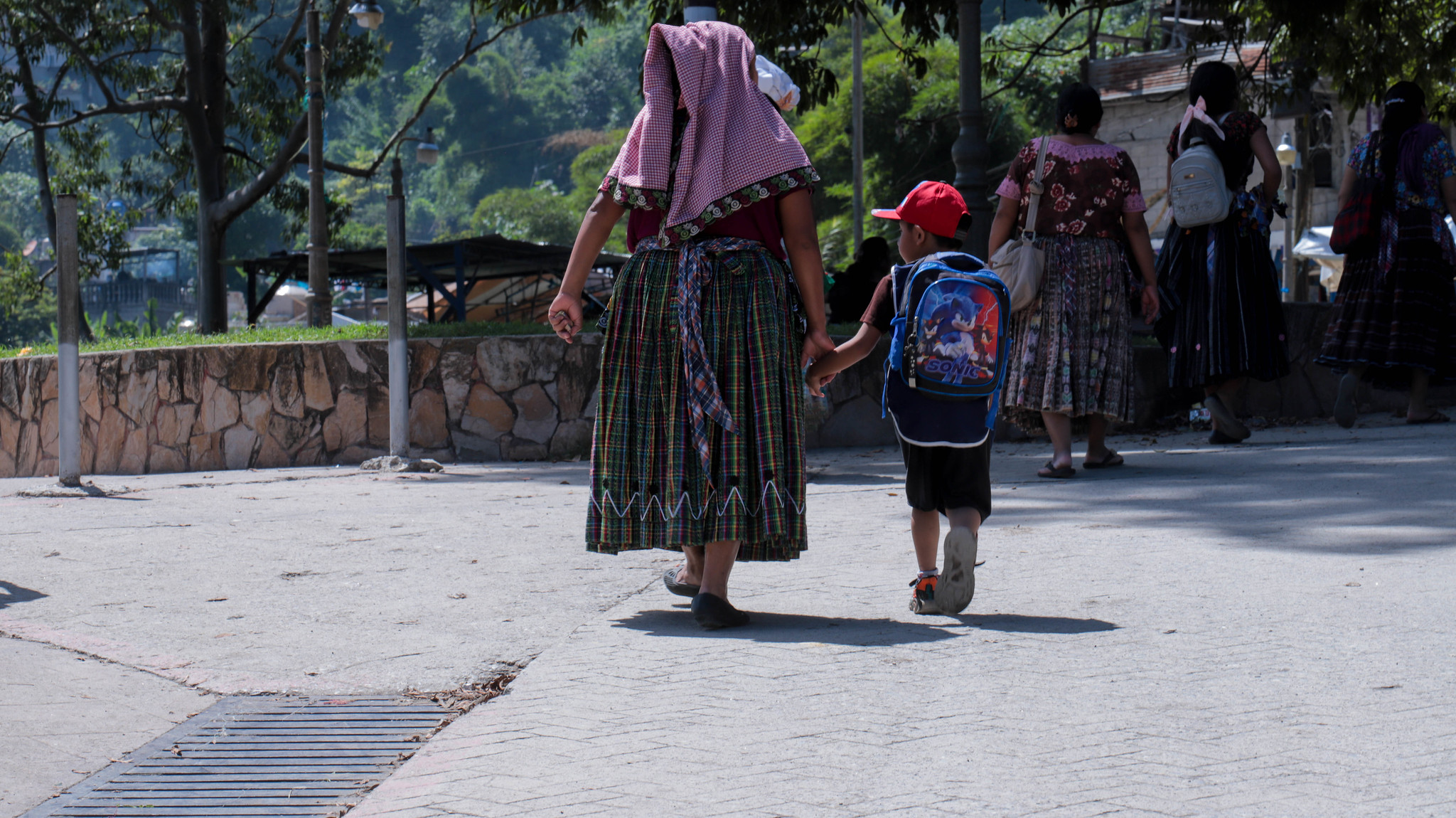
Photo: Mario Winter.
Voices for the Motagua River: Olga Vázquez.
Voices for the Motagua River: Nazario Pascual.
In early 2000, the Maya community organized to stop sand mining on their territory. At that time, the companies held mining permits that remained valid through 2021 and 2022. And although the permits expired, some companies continued to operate after requesting extensions. In June 2022, the indigenous authorities of the Poqomam people began a sit-in protest in front of the Piedrinera San Luis company, which they maintained for four years.
In July 2024, the Special Rapporteur on Economic, Social, Cultural, and Environmental Rights of the IACHR visited Santa Cruz Chinautla. During his visit, traditional authorities and community members spoke about the environmental, water-related, health, economic, and cultural impacts of the pollution in their rivers.
That same year, in October, the community—with support from AIDA, the Indigenous Peoples’ Law Firm, and partner organizations—filed a lawsuit (petition for amparo) against the municipality of Chinautla over its failure to take measures to address the contamination of its rivers and soil caused by improper solid waste management and the existence of illegal landfills.
AIDA’s scientific team, together with local residents and community authorities, collected key information on illegal landfills in the area. This community science initiative supported the litigation by highlighting the severity of the pollution, demonstrating the ongoing use of such practices, and providing evidence of the municipal authorities’ failure to fulfill their legal obligations regarding waste management.
Learn more about this community science initiative.
In June 2025, the Poqomam community won the support of the Guatemalan justice system when a constitutional court ordered the municipality of Chinautla to effectively address the claims in the lawsuit aimed at stopping the pollution of the rivers and soil in Santa Cruz Chinautla.
This is the first time a Guatemalan court has recognized a community's right to a healthy environment and its central role in finding solutions.
Find out the details of the legal victory.
Current situation
Since the ruling was issued, the municipality of Chinautla has held a series of “technical working groups” with representatives from the central government, civil society, and the community. A smaller group of technical experts was later created to develop a work plan with clear goals. Several months have passed without the municipality convening these working groups.
Furthermore, in December 2025, the IACHR noted in its report Human Rights Situation in Guatemala that the Motagua River basin is facing a severe pollution crisis that has had profound impacts on biodiversity and has resulted in systematic violations of the human rights of local communities, including the Maya Poqomam people.
And in May 2026, the Ministry of the Environment and Natural Resources revoked the license of the sand mining company Piedrinera San Luis for "failure to comply with environmental commitments."
AIDA continues to monitor the implementation of the court ruling to ensure the right to a healthy environment for the Poqomam Maya community and all those living in the Motagua River basin. Meanwhile, the residents of Santa Cruz Chinautla remain organized and mobilized to improve their environment and defend their rights.
Related projects
The GCF should thoroughly assess the policies and practices of the BNDES and require conditions for its accreditation
The Board of the Green Climate Fund (GCF) is considering an application for accreditation of the Brazilian National Development Bank (BNDES, Banco Nacional de Desenvolvimento Econômico e Social). The accreditation process of the BNDES is an opportunity to strengthen the Bank’s policies and procedures designed to identify, address and remediate environmental and social impacts linked to its activities and operations. With the new administration of President Jair Bolsonaro, Brazil is suffering severe setbacks in its environmental, social and climate policies and agenda. Brazilian environmental agencies are being dismantled, while renowned and effective mechanisms such as the Amazon Fund are at risk of becoming inoperative or even eliminated. In such a context, the effectiveness of the country’s environmental and social (E&S) governance and its instruments, agencies and institutions, risks being severely undermined. In order to fulfil its mandate to promote a paradigm shift towards low-emission and climate resilient development pathways within the context of sustainable developmentthe GCF should ensure that local systems and institutions are adequately equipped to deliver the sustainability outcomes intended by the Fund. The GCF should carefully assess BNDES’ existing E&S policies and procedures and ensure that approval is conditioned upon commitments and measurable steps by the Bank, with political support from the Brazilian government, to further strengthen its policies and procedures to address following shortcomings related to: Disclosure of environmental and social (E&S) information; Design of E&S policies and monitoring tools; Human rights standards and the rights of indigenous peoples and other traditional communities; Grievance mechanism; Commitments concerning climate change. Read the full statement here
Read more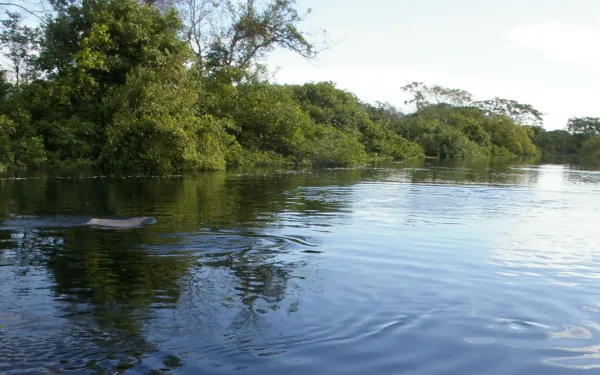
International tribunal supports indigenous struggle for the Amazon
“The most beautiful jungle in the world,” wrote Alcides D’orbigny, a French biologist, of the Isiboro Sécure Indigenous Territory and National Park (known locally as Tipnis, for its Spanish initials) in the 1830s. Located between the departments of Beni and Cochabamba, Tipnis is a natural protected area that extends over 12,363 square kilometers of Bolivian Amazon. It’s one of the world’s most biodiverse sites and home to many indigenous cultures—among them the Mojeño Trinitarios, the Tsiman and the Turacaré. Despite its recognition as a National Park and Indigenous Territory, the area has for decades been threatened by a proposed highway that would effectively divide it in two. The construction would cause grave social and environmental damages, some of which have already occurred—two of three proposed stretches of road have already been built. As long as the highway has been proposed, the indigenous people of Tipnis have stood strong in their resistence, calling to protect the rainforest and the life it holds. Their efforts paid off last month in a precedent-setting legal victory for the protection of human rights and the environment. The International Rights of Nature Tribunal ruled that the Bolivian State had “violated” the rights of nature and of the indigenous people that inhabit Tipnis by encouraging the highway’s construction. The Tribunal was created in April 2010 at the People’s Conference on Climate Change and the Rights of Mother Earth, when the Universal Declaration of Rights of Mother Earth was also signed. Its role is to establish and investigate any violation of the rights outlined in the Declaration and found in the internal laws of each country. The Tribunal determines whether there was a violation and, if so, who was responsible. It emits recommendations, advisory opinions, and can determine provisional measures. Indigenous defense of the Bolivian Amazon The proposed highway through Tipnis has spurred strong indigenous resistance, and has also caused great suffering. The most painful incident happened in 2011 when more than 100 indigenous people marching on La Paz, headquarters of the Bolivian government, were brutally repressed by police. Despite the conflict, that demonstration achieved the enactment of a law that bestowed the national park the status of “intangible zone” or absolute reserve. Unfortunately, six years later, that law was null and void when the government enacted a new law through more expeditious process. Tipnis indigenous representatives denounced this and other acts before the International Rights of Nature Tribunal, which agreed to consider the case in January 2018, and then sent an international commission of observers to visit the zone and interview stakeholders. Indigenous representatives denounced that, despite being a single roadway, the project was actually presented separately, in three separate phases. Currently, only the final section remains unconstructed. Other irregularities included the awarding of the project to a Brazilian company without first completing an environmental impact assessment, and the lack of adequate consultation with affected indigenous communities. The Tribunal's sentence, issued May 15, finds the Bolivian government responsible for rights violations and calls for immediate compliance with measures including: Definitively stopping of any progress on construction; Recognizing the faculties of indigenous peoples to guarantee their control in Tipnis, including territorial autonomy and the right to prior consultation; Annuling a law that removed the status of intangible zone from Tipnis; Stopping the advance of colonization toward the central zone of the national park; Canceling plans for oil expansion on the site; Effectively applying the law to guarantee the protection of the rights of Mother Earth; and Guaranteeing indigenous peoples their fundamental role as defenders of Mother Earth. What’s next for Tipnis? Although the Tribunal’s judgment is not binding, it is a precedent established by a recognized and ethical court. For this reason, the Coordinator of Indigenous Organizations of the Amazon River Basin—an international indigenous organization—announced it would use the ruling as an instrument of proof to bring the case before the Inter-American Commission on Human Rights. The situation in Tipnis is complex. While construction of the missing section was suspended after losing credit for its execution, some actors continue to defend the road as fundamental to connecting the center and the north of the country, facilitating access to basic services and other development opportunities for the communities of Tipnis. The other side of that argument is the extensive environmental degradation to an area rich in biodiversity—acknowleding that the road would be just the beginning of activities within the protected area. I don’t believe anyone has the absolute answer. And so my analysis isn’t about making a value judgment, but about complying with the law, which resides in reason and justice. Although part of the road is constructed, there is much more to go, and so the resistance continues. The Tribunal’s decision can and should be used as an added impulse toward protecting the land. In the end, every effort is worthwhile knowing that the destruction of such a valuable natural ecosystem represents a point of no return.
Read more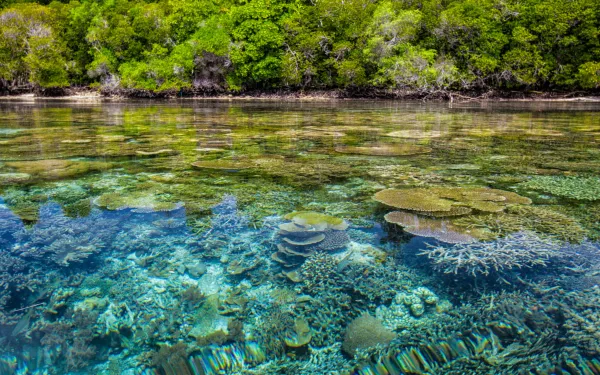
In historic decree, Costa Rica legally protects its corals
On the occasion of World Oceans Day, Costa Rica issued a decree to protect its vast coral ecosystems. We congratulate the government for taking this important step and setting a legal precedent for the protection of marine environments in the region. San José, Costa Rica. The Costa Rican government issued a precedent-setting decree today that legally protects its vast coral ecosystems from harmful human activities. Following years of work on the issue, the Interamerican Association for Environmental Defense (AIDA) and Conservation International celebrate this important instrument for the conservation of these fragile and vital marine environments. “We are very pleased with this advance, promoted by the Vice Ministry of Water and Seas, which guarantees the survival of coral reefs and the various species that contribute to their conservation—species like the parrotfish, which feed on the algae that can deprive reefs of oxygen,” said Gladys Martínez, senior attorney of AIDA’s Marine Biodiversity and Coastal Protection Program. The decree provides a series of measures the government must adopt in order to preserve reef ecosystems and the species that depend on them, threatened by a combination of unsustainable use, climate change, inadequate management, and invasive species. The measures include: the creation and implementation of science-based strategies and policies to confront the effects of climate change; and the restoration of degraded reefs. The law also prohibits harmful activities like the extraction and commercialization of reefs, dumping of waste, and anchoring. “It’s our hope that the legal precedent established by this decree will be replicated in other countries of the Americas that, like Costa Rica, are bound by international treaties to safeguard their corals,” said Magie Rodríguez, AIDA attorney. “In the coming years, we will be closely monitoring the decree’s implementation.” In 2012, AIDA and Conservation International joined forces with national experts to prepare a report detailing the economic and environmental benefits of corals, urging the creation of legislation in Costa Rica to protect them. AIDA also supported the Vice Ministry in the preparation of the decree based on the organization’s experience in international law and understanding of regulations in other countries of the region. “Costa Rica is a nation privileged by the dimensions of its marine spaces and biodiversity. The coral systems are incredibly productive, but they are also threatened by human activity and climate change,” said Marco A. Quesada Alpízar, director of Conservation International - Costa Rica. “By taking action on this issue, Costa Rica has assumed responsibility for the conservation and management of its marine ecosystems, and has set an example that can be replicated in other countries.” The decree answers a years-long call for Costa Rica to comply with international obligations and protect its threatened marine ecosystems. Scientific studies have shown that a large part of the coral reefs in the country are at great risk due to human activities including land-based pollution and destructive fishing practices. Their conservation must be a priority. “This decree fills an important gap in the regulation of coral reefs in Costa Rica. It recognizes, once again, that marine resources provide people with services and well-being, which requires they be adequately protected and managed,” explained Quesada. “Costa Rica is globally recognized for its ecotourism and natural richness,” added Ana Gloria Guzmán of Conservation International’s Oceans Center. “With this decree, the nation is setting an example about the protection and management of essential marine ecosystems as a means to ensure the health of the oceans and safeguard the well-being of coastal communities that depend on the services they provide.” press contacts: Victor Quintanilla, AIDA, +521 5570522107, [email protected] Kipp Lanham, Conservation International, (202) 412-5533, [email protected] Marco Quesada, Conservation International, +506 2253-0500 ext. 139, [email protected]
Read more