
Project
Shutterstock.
Pollution of the Motagua River in Guatemala: The Poqomam Maya people’s quest for environmental justice
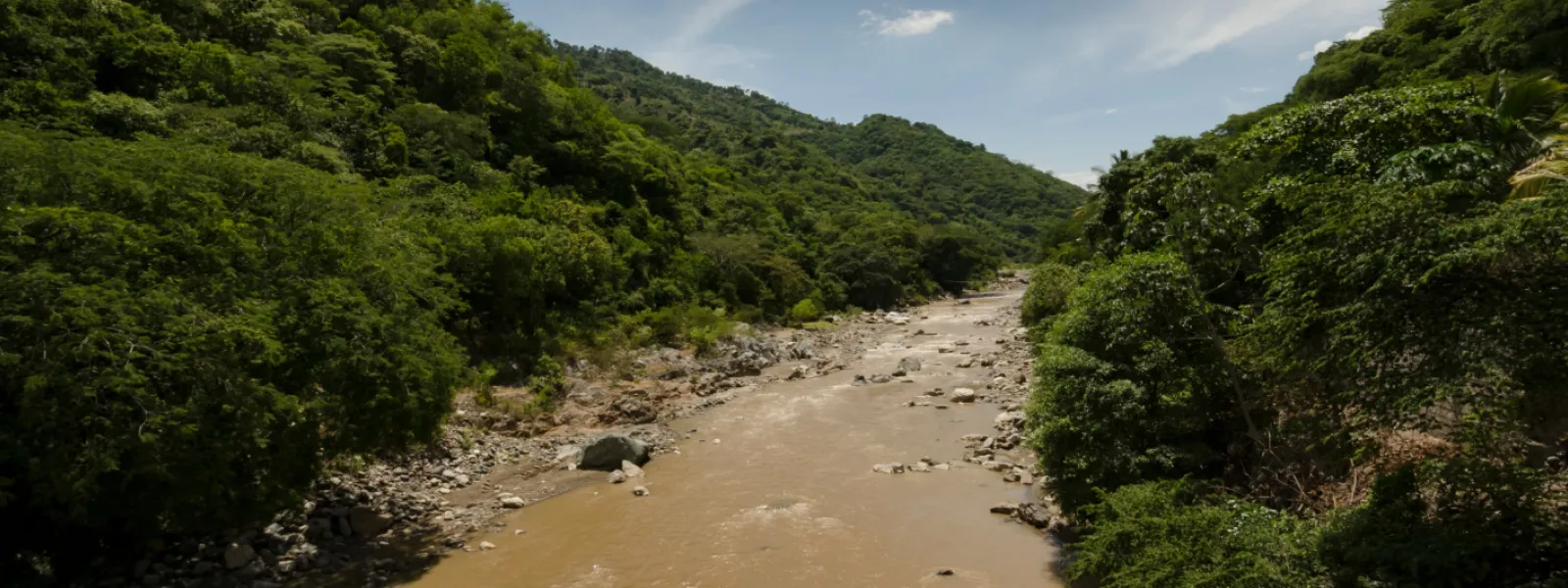
The Motagua River basin—Guatemala’s largest and most important river—is severely polluted with wastewater, solid waste, and other types of debris.
This is a cross-border issue because the Motagua’s polluted waters flow into the Caribbean Sea, reach the coast of Honduras, and threaten the Mesoamerican Reef System.
For decades, this has violated the rights to health, water, development, and a healthy environment of all the people living in the river basin.
In June 2025, the Poqomam Maya community of Santa Cruz Chinautla—supported by AIDA, the Indigenous Peoples’ Law Firm, and allied organizations—achieved an unprecedented legal victory to halt degradation in the basin. In response to the lawsuit it filed, a Guatemalan court ordered the municipality of Chinautla to comply with a series of obligations to curb the pollution of the area’s rivers and soil.
The government's response to the ruling has so far been limited to technical working group meetings. Meanwhile, the community continues to work toward the proper implementation of the ruling and to take other actions to defend its territory and its rights.
Background
The Motagua River, which is 486 km long, flows through 96 municipalities and 14 departments in Guatemala. It originates in Quiché, a department located in the northwest, and empties into the Caribbean Sea.
Polluting activities occur throughout the entire basin, including sub-basins and micro-basins. The largest volume of pollution comes from Guatemala City, the country’s capital, and is carried by the waters of the Las Vacas River, which in turn receives a large amount of waste from the Chinautla River.
The Chinautla River, which flows through the municipality of the same name, carries solid waste from a landfill located in Zone 3 of the capital—where trash from at least 14 municipalities in the department of Guatemala is dumped—as well as sewage generated by some 500,000 people living in the northern part of the capital, which undergoes no prior treatment.
Other sources of pollution include the numerous illegal dumps in the municipality of Chinautla, the waste that private vehicles and garbage trucks dump along the banks of its rivers, as well as the sand-mining companies—which began setting up operations in the area between 1996 and 1997—whose activities weaken the rivers' basins, causing solid waste to be more easily carried away by the river currents.
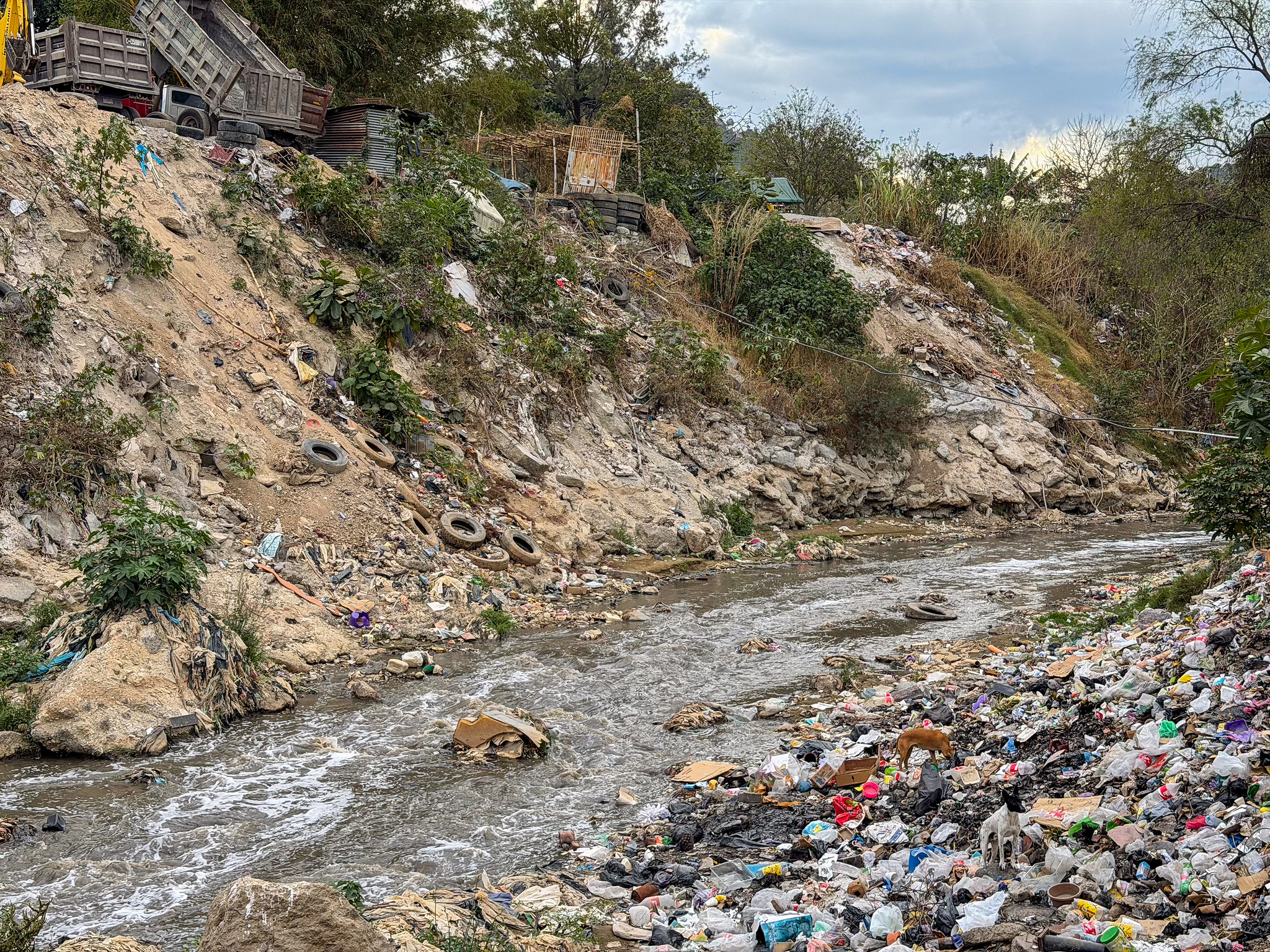
Photo: Mayela Sánchez García.
The situation extends beyond national borders. Every year, the Motagua River discharges some 20,000 metric tons of plastic into the Caribbean Sea, making it one of the rivers that contributes the most plastic pollution to the ocean worldwide, according to estimates contained in a 2025 report by the Inter-American Commission on Human Rights (IACHR).
The river flows into the Mesoamerican Reef at its mouth, so pollution also threatens to degrade one of the largest and most biodiverse transboundary reefs on the planet, which spans the territorial waters of Belize, Guatemala, Honduras, and Mexico.
In addition, the contaminated water reaches the coast of Honduras and spreads into Amatique Bay, located along the eastern coast of Guatemala, affecting the Caribbean Sea.
The roots of this chronic, cross-border problem are structural. Data from the Integrated Environmental Management of the Motagua River Basin project, funded by the United Nations Development Program (UNDP), show that in Guatemala, 66% of municipal solid waste is not collected, and there is no guarantee that the remaining 34% is disposed of properly. Furthermore, of all landfills nationwide, 88.32% are illegal or lack municipal authorization.
In other words, the core issues that need to be addressed are the mismanagement of solid waste and water resources in Guatemala; noncompliance with existing regulations on wastewater discharge and the disposal and treatment of solid waste and residues; and the lack of a water law.
The Poqomam Maya people's quest for justice
The rivers of Santa Cruz Chinautla, a community of the Poqomam Maya people located just twelve kilometers from Guatemala City, have become conduits of pollution that are degrading the Motagua River.
For decades, the local population has seen its health and livelihoods—including pottery, one of the main economic activities and a source of identity—damaged due to the lack of waste management in the municipality of Chinautla and the urban area of the country’s capital, as well as the activities of sand-mining companies.
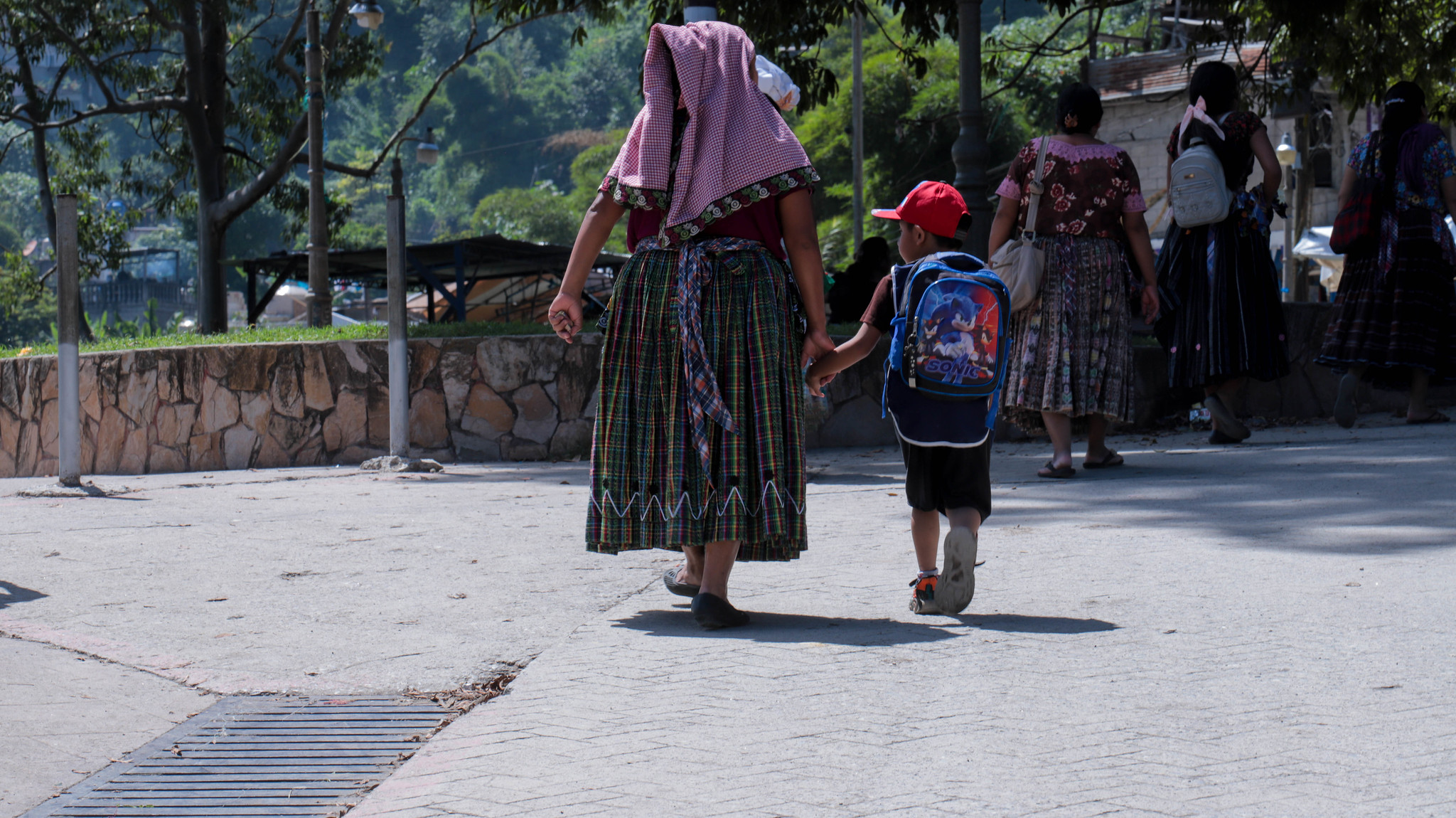
Photo: Mario Winter.
Voices for the Motagua River: Olga Vázquez.
Voices for the Motagua River: Nazario Pascual.
In early 2000, the Maya community organized to stop sand mining on their territory. At that time, the companies held mining permits that remained valid through 2021 and 2022. And although the permits expired, some companies continued to operate after requesting extensions. In June 2022, the indigenous authorities of the Poqomam people began a sit-in protest in front of the Piedrinera San Luis company, which they maintained for four years.
In July 2024, the Special Rapporteur on Economic, Social, Cultural, and Environmental Rights of the IACHR visited Santa Cruz Chinautla. During his visit, traditional authorities and community members spoke about the environmental, water-related, health, economic, and cultural impacts of the pollution in their rivers.
That same year, in October, the community—with support from AIDA, the Indigenous Peoples’ Law Firm, and partner organizations—filed a lawsuit (petition for amparo) against the municipality of Chinautla over its failure to take measures to address the contamination of its rivers and soil caused by improper solid waste management and the existence of illegal landfills.
AIDA’s scientific team, together with local residents and community authorities, collected key information on illegal landfills in the area. This community science initiative supported the litigation by highlighting the severity of the pollution, demonstrating the ongoing use of such practices, and providing evidence of the municipal authorities’ failure to fulfill their legal obligations regarding waste management.
Learn more about this community science initiative.
In June 2025, the Poqomam community won the support of the Guatemalan justice system when a constitutional court ordered the municipality of Chinautla to effectively address the claims in the lawsuit aimed at stopping the pollution of the rivers and soil in Santa Cruz Chinautla.
This is the first time a Guatemalan court has recognized a community's right to a healthy environment and its central role in finding solutions.
Find out the details of the legal victory.
Current situation
Since the ruling was issued, the municipality of Chinautla has held a series of “technical working groups” with representatives from the central government, civil society, and the community. A smaller group of technical experts was later created to develop a work plan with clear goals. Several months have passed without the municipality convening these working groups.
Furthermore, in December 2025, the IACHR noted in its report Human Rights Situation in Guatemala that the Motagua River basin is facing a severe pollution crisis that has had profound impacts on biodiversity and has resulted in systematic violations of the human rights of local communities, including the Maya Poqomam people.
And in May 2026, the Ministry of the Environment and Natural Resources revoked the license of the sand mining company Piedrinera San Luis for "failure to comply with environmental commitments."
AIDA continues to monitor the implementation of the court ruling to ensure the right to a healthy environment for the Poqomam Maya community and all those living in the Motagua River basin. Meanwhile, the residents of Santa Cruz Chinautla remain organized and mobilized to improve their environment and defend their rights.
Related projects
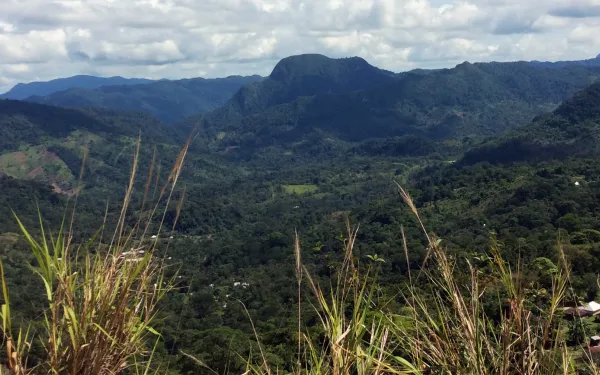
The day that the indigenous struggle bore fruit in Guatemala
September 22, 2021 will be an iconic date for the men and women of the micro-region of Yich K'isis (Ixquisis), Guatemala, whose lives were abruptly changed by the construction of the San Mateo and San Andres hydroelectric dams, financed by IDB Invest. On that day, the IDB Group's Independent Consultation and Investigation Mechanism (MICI) upheld most of their claims, contained in the complaint they filed three years ago. Their final report acknowledges that the bank failed to verify the information about the affected population provided by the company responsible for the projects, which ignored the presence of indigenous peoples in the area. It also points out the failure to consider the differentiated impacts that women would experience in any of the project implementation phases, overlooking the role that the local rivers play in their daily lives and in their ways of inhabiting the territory. On the environmental issue, essential to indigenous peoples' ways of life, MICI also establishes non-compliance, recognizing that "IDB Invest did not ensure that the projects properly identified and delimited critical habitats and internationally recognized zones, nor that risks and impacts were established." In terms of access to information for the communities, the bank "failed to comply with its own operational policies, as no meaningful consultation with the communities took place in the development of the projects," the document reads. The indigenous men and women of Ixquisis see the report as recognition of what they’ve been denouncing for years. Along with its conclusions, MICI also makes a series of recommendations aimed at correcting the mistakes made by the bank in the San Mateo and San Andres projects, as well as avoiding repeating them in other cases. In its last recommendation, the accountability mechanism establishes, for the first time in the IDB's history, the possibility for the bank to responsibly withdraw from projects it finances. For the communities of Ixquisis, this recommendation represents the best hope for the restoration of their lives, abruptly transformed by the arrival of the projects. Indeed, ever since the complaint process began, the communities have been demanding the cessation of project funding. They consider it unsustainable that projects that fail to recognize their existence, and cause so much damage to their territory, some of it irreparable, should be financed by an international institution whose main mandate is to promote development. In the scenarios in which they were able to express their feelings to bank and MICI officials, their request was heard: the bank cannot continue financing projects that have impacted their lives in such severe and unjust ways, and its exit must be responsible. This means that the bank’s withdrawal must be based on a plan built with the effective participation of the communities and must contemplate all the damages caused in relation to social dynamics, the increased conflict in the region, the failure to acknowledge the existence of indigenous peoples and their rights, the affects on the ancestral cultural heritage, the differentiated impacts on women, and the lack of prevention and consequent environmental degradation. The bank must now propose an action plan to comply with MICI’s report, a mission that is undoubtedly transcendental. The bank now has the historic opportunity to correct its mistakes and legitimize its actions, honor its institutional mandate to promote development, respect and recognize indigenous peoples, and contribute to making the Ixquisis micro-region a place where indigenous men and women can once again develop their life in harmony with nature, and alongside their community.
Read more
Gladys Martínez, Executive Director of AIDA
After a rigorous recruitment process spearheaded by AIDA’s Board of Directors, Gladys Martínez de Lemos has accepted the position of AIDA Executive Director, effective immediately. Gladys Martínez has a long trajectory with AIDA, having helped to build and strengthen the organization for the past 15 years. She is recognized as a positive, empathetic, and dynamic leader who believes deeply in AIDA, and encourages the team’s professional and personal growth. Throughout the recruitment process, entrusted to an independent search firm and involving a committee of representatives from the Board and AIDA team, Gladys proved herself to be the most qualified candidate for the position. For the past eight years, Gladys has led AIDA’s Marine Biodiversity and Coastal Protection Program, overseeing its growth into a multidisciplinary team of attorneys and scientists advocating for species and ecosystem preservation, responsible management practices, and the protection of coastal communities. She has represented AIDA before international negotiating bodies, championed relationships with governments, and grown alliances with organizations and advocates across the Americas. Gladys has a law degree from the University of Costa Rica and a master's degree in Environmental Security and Peace from the United Nations University for Peace. Most recently, she became a Kellog Executive Scholar in Nonprofit Management through Northwestern University's Kellogg School of Management. "My journey with AIDA has been a great adventure for the defense of the people and natural places of Latin America," she said. "Important parts of my heart and mind were formed here at this organization and, now, I’m honored to have the opportunity to lead it into its next stage. Supported by my experience and the tools I’ve acquired in recent years, I’m looking forward to maximizing the talents of AIDA’s team and, together, advancing our efforts for environmental and climate justice on the continent.” This executive leadership transition represents an important organizational evolution as AIDA shifts to a single executive director model following the departure of former co-director Astrid Puentes Riaño. In the new structure, the Board has named former co-director Anna Cederstav Chief Financial Officer. Anna will also serve as Deputy Executive Director to help continue growing and strengthening the institution. AIDA owes both Astrid and Anna a debt of gratitude for their 18 years of co-direction, and for having built AIDA into the dynamic regional organization it is today. With the team’s knowledge, skills, and experience, and the strong foundation on which the organization is built, AIDA will continue to advance environmental and climate justice in Latin America and champion the systemic changes that the region, and the world, so desperately needs.
Read more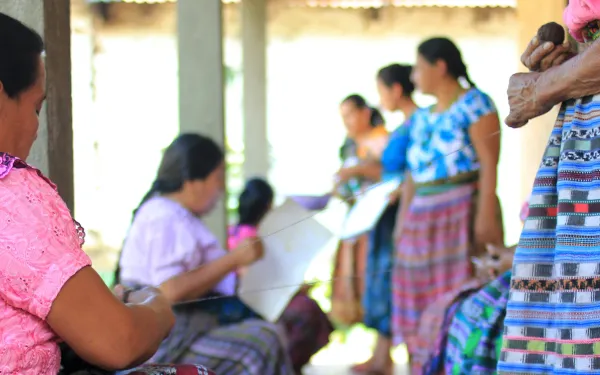
"Portraits of a feminist energy transition"
The energy transition is essential and underway, but what are the risks and opportunities that the green energy revolution represents for the realisation of women's rights? How can we prevent the replication of extractive practices commonly associated with fossil industries? How can we promote renewable energy models that promote women's participation and the eradication of energy poverty? The series "Portraits of a Feminist Energy Transition" seeks to showcase the stories of women activists and human rights defenders advcating for a just energy transition. A new energy system that protects the environment, advances gender equality and provides safe, affordable and sustainable access to energy. Although women play a critical role in the management and use of energy resources in households and their communities, they face common challenges linked to systemic discrimination, energy poverty and lack of representation in the development of the new renewable energy sector. We cannot accelerate the move towards sustainable energy systems without bringing to the centre the voices of women and communities who have historically been left behind in energy decision-making spaces. In the context of COP26 and when discussing an energy transition that involves an unprecedented technical and technological shift from one source of energy to another and counteracting the effects of climate change, the civil society organisations, Global Initiative for Economic, Social and Cultural Rights (GI-ESCR) and the Interamerican Association for Environmental Defense (AIDA), with the support of FES-Geneva, launch the first video in the series that tells the story of Maria, an indigenous woman from the Maya Chuj ethnic group living in the Yich K'isis micro-region of Guatemala. It is only through women's stories and experiences that we can reduce the potential risks of the energy transition and catalyse the transformative power of renewable energy to advance gender equality and a low carbon future for all. Listen to María’s story!
Read more