
Project
Amazon Watch / Maíra Irigaray
Barragem de Belo Monte no rio Xingu: 10 anos de impactos na Amazônia e de busca por reparações
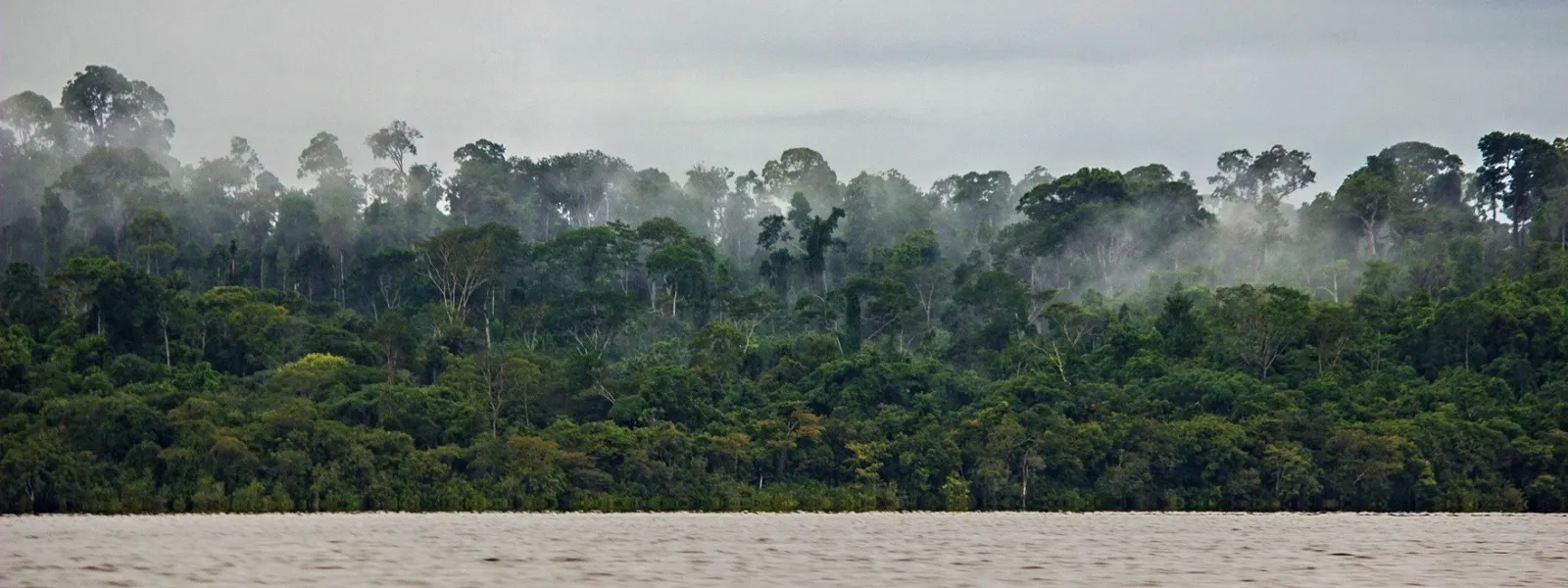
A usina hidrelétrica de Belo Monte causou um desastre ambiental e social no coração da Amazônia: um dos ecossistemas mais importantes do planeta.
Essa situação só piorou desde que a usina começou a operar em 2016. A busca por justiça e reparação para as comunidades indígenas e ribeirinhas afetadas continua até hoje.
Em 2011, a Comissão Interamericana de Direitos Humanos (CIDH) concedeu a essas comunidades medidas de proteção, que até hoje não foram totalmente implementadas pelo Estado brasileiro.
E, desde junho daquele mesmo ano, a CIDH mantém um processo contra o Estado por sua responsabilidade internacional no caso.
A CIDH pode encaminhar o caso à Corte Interamericana de Direitos Humanos, que tem o poder de emitir uma sentença condenatória contra o Estado brasileiro.
Consulta o expediente de fatos do caso
Após 10 anos de operação da usina hidrelétrica e mais de 15 anos de violações de direitos humanos documentadas, é hora da justiça ser feita para as comunidades afetadas.
Leia a carta aberta das organizações que levam o caso à CIDH
Leia nosso comunicado à imprensa
Contexto
A usina hidrelétrica de Belo Monte — a quarta maior do mundo em capacidade instalada (11.233 MW) — foi construída no rio Xingu, no estado do Pará, norte do Brasil.
Foi inaugurada em 5 de maio de 2016, com uma única turbina. Naquela época, 80% do curso do rio foi desviado e 516 km² de terra foram inundados, uma área maior que a cidade de Chicago. Desse total, 400 km² eram de mata nativa. A usina começou a operar em plena capacidade em novembro de 2019.
Belo Monte foi construída e é operada pelo consórcio Norte Energia S.A., composto principalmente por empresas estatais. Foi financiada pelo Banco Nacional de Desenvolvimento Econômico e Social (BNDES), que aportou ao consórcio 25,4 bilhões de reais (aproximadamente US$ 10,16 bilhões), o maior investimento de sua história. Portanto, o BNDES também é legalmente responsável pelos impactos socioambientais associados ao projeto hidrelétrico.
Décadas de danos ambientais e humanos
As violações dos direitos humanos e a degradação da Amazônia remontam ao início do projeto. Em março de 2011, a Norte Energia iniciou a construção da barragem sem consulta adequada e sem o consentimento prévio, livre e informado das comunidades afetadas.
A construção levou ao deslocamento forçado de mais de 40.000 pessoas, rompendo laços sociais e culturais. O plano de reassentamento em Altamira — cidade diretamente afetada pelo projeto hidrelétrico — incluía moradias na periferia da cidade, sem serviços públicos adequados, moradias dignas para as famílias reassentadas e moradias diferenciadas para aqueles pertencentes a comunidades indígenas.
A operação da barragem de Belo Monte impôs uma seca permanente e artificial na Volta Grande do rio Xingu, agravada pelas secas históricas na Amazônia em 2023 e 2024. Como resultado, a morte de milhões de ovos de peixe foi documentada por quatro anos consecutivos (de 2021 a 2024) e, nos últimos três anos, não houve migração de peixes rio acima para desovar e se reproduzir. Assim, a pesca artesanal, principal fonte de proteína para os povos indígenas e comunidades ribeirinhas, foi severamente afetada: o consumo de peixe caiu de 50% para 30% do total de proteínas consumidas, sendo substituído por alimentos processados. Em suma, houve um colapso ambiental e humanitário que resultou no colapso da pesca como modo de vida tradicional, insegurança alimentar e falta de acesso à água potável para milhares de famílias, empobrecimento e doenças.
Além disso, a construção da barragem aumentou o desmatamento e intensificou a extração ilegal de madeira e a insegurança em terras indígenas e tribais, colocando em risco a sobrevivência dessas comunidades. Outra consequência foi o agravamento da pobreza e dos conflitos sociais, bem como a sobrecarga dos sistemas de saúde, educação e segurança pública em Altamira, cidade considerada a mais violenta do país em 2017, onde houve aumento do tráfico de pessoas e da violência sexual. Também foram registrados casos de violência contra defensores de direitos humanos envolvidos no caso.
Em 2025, durante a 30ª Conferência das Nações Unidas sobre Mudanças Climáticas (COP30), realizada no Brasil, o Ministério Público Federal classificou os danos causados por Belo Monte como ecocídio.
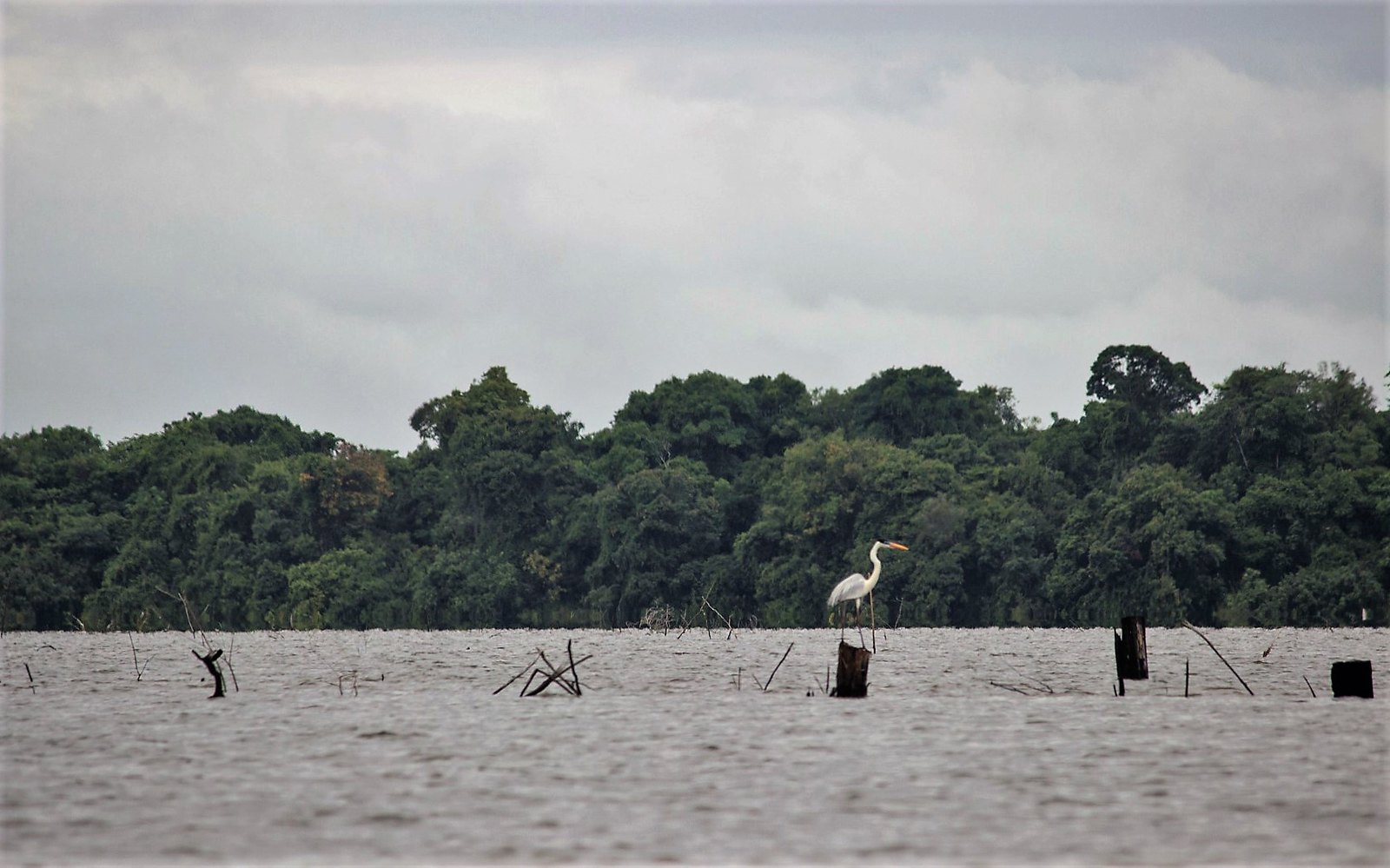
Foto: Amazon Watch / Maíra Irigaray.
A busca por justiça e reparação
Ao longo dos anos, o Ministério Público Federal do Pará, a Defensoria Pública e organizações da sociedade civil impetraram dezenas de ações judiciais em tribunais brasileiros para contestar as diversas irregularidades do projeto, bem como seus impactos. A maioria das ações permanece sem solução, algumas há mais de 10 anos.
Essas ações não obtiveram sucesso porque o governo federal tem reiteradamente anulado decisões favoráveis às comunidades afetadas, recorrendo a um mecanismo pelo qual o presidente do Supremo Tribunal Federal pode suspender uma decisão judicial com base unicamente em argumentos genéricos como "interesse nacional" ou "ordem econômica".
Diante da falta de respostas eficazes em nível nacional, a AIDA — juntamente com uma coalizão de organizações aliadas — levou o caso à Comissão Interamericana de Direitos Humanos (CIDH) e, em 2010, solicitou medidas cautelares para proteger a vida, a integridade e a saúde das comunidades indígenas afetadas.
Em 1º de abril de 2011, a CIDH concedeu essas medidas e solicitou ao Estado brasileiro a suspensão das licenças ambientais e de quaisquer obras de construção até que as condições relativas à consulta prévia e à proteção da saúde e integridade das comunidades fossem atendidas.
E, em 16 de junho de 2011, apresentamos uma denúncia formal à CIDH — juntamente com o Movimento Xingu Vivo Para Siempre, a Coordenação das Organizações Indígenas da Amazônia Brasileira, a Diocese de Altamira, o Conselho Missionário Indígena, a Sociedade Pará de Defesa dos Direitos Humanos e a Global Justice — contra o Estado brasileiro por sua responsabilidade internacional nas violações de direitos humanos contra os povos afetados neste caso. A denúncia foi apresentada em dezembro de 2015.
Em 3 de agosto de 2011, a CIDH modificou as medidas cautelares para solicitar — em vez da suspensão de licenças e obras — a proteção dos povos que vivem em isolamento voluntário, a saúde das comunidades indígenas e a regularização e proteção das terras ancestrais.
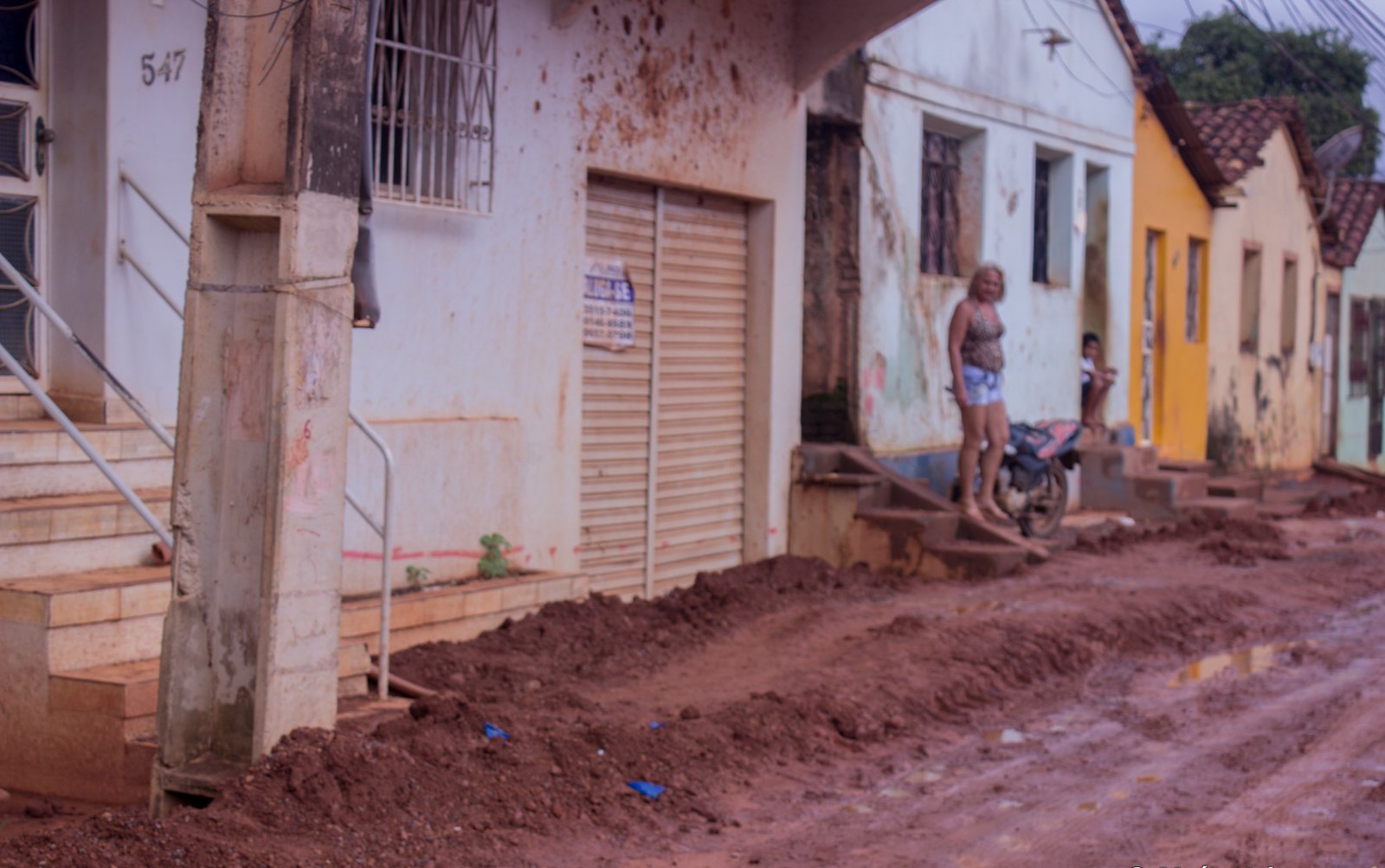
Foto: Amazon Watch / Maíra Irigaray.
Situação atual
As medidas de proteção concedidas pela CIDH permanecem em vigor, mas o Estado brasileiro não as cumpriu integralmente, relatando apenas ações genéricas. As comunidades documentaram as contínuas violações de seus direitos. A situação que motivou o pedido dessas medidas — o risco à vida, à segurança e aos meios de subsistência das comunidades — persiste e se agravou com a usina hidrelétrica operando em plena capacidade e com as recentes secas extremas na Amazônia.
Além do ocorrido em Belo Monte, existe o risco de maiores danos sociais e ambientais decorrentes da implementação de outro megaprojeto de mineração na Volta Grande do Xingu. Lá, a empresa canadense Belo Sun pretende construir a maior mina de ouro a céu aberto do Brasil.
Os impactos sinérgicos e cumulativos da usina e da mina não foram avaliados. O Estado excluiu povos indígenas, comunidades ribeirinhas e comunidades camponesas do processo de licenciamento ambiental do projeto. Apesar disso, dos protestos indígenas e de outras irregularidades em torno do projeto, o governo do estado do Pará autorizou formalmente a mina em abril de 2026.
Belo Monte, assim como outras usinas hidrelétricas, agrava a emergência climática ao gerar emissões de gases de efeito estufa em seu reservatório. Além disso, é ineficiente diante das secas prolongadas e intensas causadas pela crise, pois perde capacidade de geração de energia.
O caso perante a Comissão Interamericana
Em outubro de 2017, a CIDH anunciou que decidiria conjuntamente sobre a admissibilidade (se o caso preenche os requisitos para admissão) e o mérito (se houve, de fato, violação de direitos humanos) da denúncia internacional contra o Estado brasileiro.
Quinze anos após a apresentação da denúncia, as comunidades afetadas e as organizações que as representam ainda aguardam essa decisão. Caso a CIDH conclua que houve violações de direitos humanos e emita recomendações que o Estado brasileiro não cumpra, poderá encaminhar o caso à Corte Interamericana de Direitos Humanos, cujas decisões são vinculativas.
Uma possível decisão da Corte Internacional de Direitos Humanos neste caso estabeleceria um precedente jurídico regional em relação aos direitos dos povos indígenas e ribeirinhos, à participação pública em megaprojetos e à responsabilidade do Estado no contexto da crise climática. Isso é particularmente relevante à luz do Parecer Consultivo nº 32 da Corte, que reafirmou as obrigações dos Estados de proteger pessoas e comunidades em todo o continente da emergência climática.
Partners:
Related projects

Six advances for Latin America’s reefs in 2018
In 2018, we joined people and organizations around the world in celebrating the International Year of the Reef. AIDA was part of a global movement to increase awareness of the value of reefs and the threats they’re facing. To advance reef conservation in the Americas, we took part in a variety of legal actions to protect reefs in Mexico and the Caribbean. As always, we’re proud to celebrate the small victories we’ve achieved on the road to environmental justice in 2018. Together with our supporters and allies we: Supported a case in defense of the Veracruz Reef In February, we presented an amicus brief in support of an amparo filed by local residents against the expansion of the Port of Veracruz. We outlined how Mexico’s approval of the project in 2013 violated the nation’s international environmental and human rights commitments. Just a year earlier, the government had reduced the area of the reef system, changing its boundaries to make the project viable. At the time of authorization, adequate scientific information was not available to understand how to avoid damaging the reefs and protect the services they provide to the people of Veracruz. To raise awareness of the issue, we also co-produced a documentary, Battle for the Reefs of Veracruz. Alerted the Ramsar Convention to threats to Puerto Morelos Reef We sent an Urgent Alert to the Secretariat of the Ramsar Convention, alerting them to the threats to Puerto Morelos Reef National Park, a national protected area and Wetland of International Importance. Together with a coalition of civil society organizations, we solicited a visit of international experts to evaluate the risks facing the site, particularly changes in land use in coastal ecosystems due to massive and unsustainable tourism development. Created a Working Group on Threats to Mexico’s Wetlands In May, the Working Group on Threats was created within the National Wetlands Committee, which AIDA helped create in order to motivate Mexico to comply with its obligations to protect at-risk wetlands of international importance. Within the framework of this Group, efforts are being made to strengthen national actions to protect Ramsar ecosystems, including reefs and the herbivorous fish that make their home in them. Supported the protection of 10 species of parrotfish in Mexico’s Caribbean In October we presented a letter of support outlining international environmental and human rights arguments for the inclusion of 10 species of parrotfish on Mexico’s national list of at-risk species. While the inclusion has been acknowledged and accepted, official confirmation is expected early this year. Our efforts supported a proposal of the Health Reefs Initiative that seeks to legally protect parrotfish species, which are critical to maintaining a healthy coral reef ecosystem. Parrotfish and other herbivorous fish feed on algae that compete with corals for light and oxygen, thus enabling the reef to flourish. Helped Establish a Working Group on Corals in Costa Rica In coordination with the Ministry of Environment, we helped organize a working group of academic experts, members of civil society and competent governmental authorities that will propose comprehensive solutions to the problems facing the country’s coral ecosystems. Together we will work to ensure integral solutions to protect Costa Rica’s coral reefs. Supported a Working Group on Herbivorous Fish in Guatemala In coordination with the Healthy Reefs Initiative, academics from San Carlos University and members of the government, we’ve supported the creation of a working group to draft a technical-scientific document that outlines the information necessary for a ministerial decree to prohibit the fishing of herbivorous fish in the Guatemalan Caribbean and, thus, protect the nation’s reefs.
Read moreSix advances for Latin America’s reefs in 2018
In 2018, we joined people and organizations around the world in celebrating the International Year of the Reef. AIDA was part of a global movement to increase awareness of the value of reefs and the threats they’re facing. To advance reef conservation in the Americas, we took part in a variety of legal actions to protect reefs in Mexico and the Caribbean. As always, we’re proud to celebrate the small victories we’ve achieved on the road to environmental justice in 2018. Together with our supporters and allies we: Supported a case in defense of the Veracruz Reef In February, we presented an amicus brief in support of an amparo filed by local residents against the expansion of the Port of Veracruz. We outlined how Mexico’s approval of the project in 2013 violated the nation’s international environmental and human rights commitments. Just a year earlier, the government had reduced the area of the reef system, changing its boundaries to make the project viable. At the time of authorization, adequate scientific information was not available to understand how to avoid damaging the reefs and protect the services they provide to the people of Veracruz. To raise awareness of the issue, we also co-produced a documentary, Battle for the Reefs of Veracruz. Alerted the Ramsar Convention to threats to Puerto Morelos Reef We sent an Urgent Alert to the Secretariat of the Ramsar Convention, alerting them to the threats to Puerto Morelos Reef National Park, a national protected area and Wetland of International Importance. Together with a coalition of civil society organizations, we solicited a visit of international experts to evaluate the risks facing the site, particularly changes in land use in coastal ecosystems due to massive and unsustainable tourism development. Created a Working Group on Threats to Mexico’s Wetlands In May, the Working Group on Threats was created within the National Wetlands Committee, which AIDA helped create in order to motivate Mexico to comply with its obligations to protect at-risk wetlands of international importance. Within the framework of this Group, efforts are being made to strengthen national actions to protect Ramsar ecosystems, including reefs and the herbivorous fish that make their home in them. Supported the protection of 10 species of parrotfish in Mexico’s Caribbean In October we presented a letter of support outlining international environmental and human rights arguments for the inclusion of 10 species of parrotfish on Mexico’s national list of at-risk species. While the inclusion has been acknowledged and accepted, official confirmation is expected early this year. Our efforts supported a proposal of the Health Reefs Initiative that seeks to legally protect parrotfish species, which are critical to maintaining a healthy coral reef ecosystem. Parrotfish and other herbivorous fish feed on algae that compete with corals for light and oxygen, thus enabling the reef to flourish. Helped Establish a Working Group on Corals in Costa Rica In coordination with the Ministry of Environment, we helped organize a working group of academic experts, members of civil society and competent governmental authorities that will propose comprehensive solutions to the problems facing the country’s coral ecosystems. Together we will work to ensure integral solutions to protect Costa Rica’s coral reefs. Supported a Working Group on Herbivorous Fish in Guatemala In coordination with the Healthy Reefs Initiative, academics from San Carlos University and members of the government, we’ve supported the creation of a working group to draft a technical-scientific document that outlines the information necessary for a ministerial decree to prohibit the fishing of herbivorous fish in the Guatemalan Caribbean and, thus, protect the nation’s reefs.
Read more