
Project
Amazon Watch / Maíra Irigaray
Barragem de Belo Monte no rio Xingu: 10 anos de impactos na Amazônia e de busca por reparações
A usina hidrelétrica de Belo Monte causou um desastre ambiental e social no coração da Amazônia: um dos ecossistemas mais importantes do planeta.
Essa situação só piorou desde que a usina começou a operar em 2016. A busca por justiça e reparação para as comunidades indígenas e ribeirinhas afetadas continua até hoje.
Em 2011, a Comissão Interamericana de Direitos Humanos (CIDH) concedeu a essas comunidades medidas de proteção, que até hoje não foram totalmente implementadas pelo Estado brasileiro.
E, desde junho daquele mesmo ano, a CIDH mantém um processo contra o Estado por sua responsabilidade internacional no caso.
A CIDH pode encaminhar o caso à Corte Interamericana de Direitos Humanos, que tem o poder de emitir uma sentença condenatória contra o Estado brasileiro.
Consulta o expediente de fatos do caso
Após 10 anos de operação da usina hidrelétrica e mais de 15 anos de violações de direitos humanos documentadas, é hora da justiça ser feita para as comunidades afetadas.
Leia a carta aberta das organizações que levam o caso à CIDH
Leia nosso comunicado à imprensa
Contexto
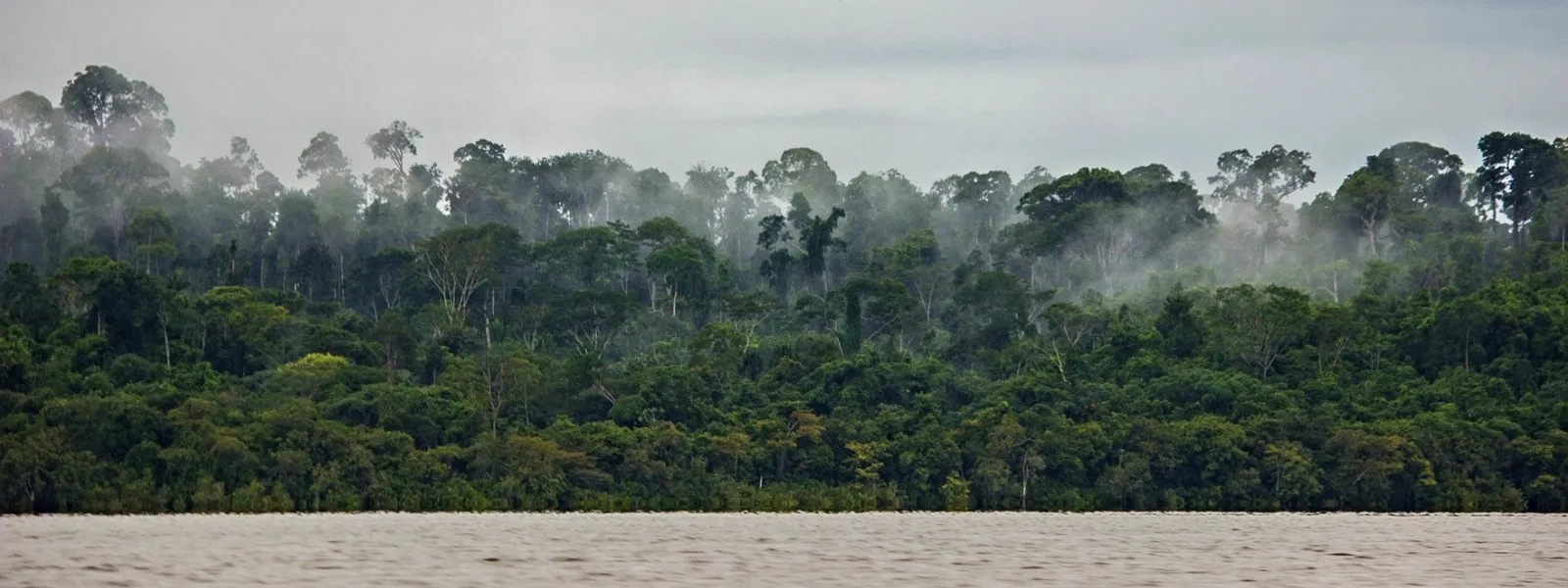
A usina hidrelétrica de Belo Monte — a quarta maior do mundo em capacidade instalada (11.233 MW) — foi construída no rio Xingu, no estado do Pará, norte do Brasil.
Foi inaugurada em 5 de maio de 2016, com uma única turbina. Naquela época, 80% do curso do rio foi desviado e 516 km² de terra foram inundados, uma área maior que a cidade de Chicago. Desse total, 400 km² eram de mata nativa. A usina começou a operar em plena capacidade em novembro de 2019.
Belo Monte foi construída e é operada pelo consórcio Norte Energia S.A., composto principalmente por empresas estatais. Foi financiada pelo Banco Nacional de Desenvolvimento Econômico e Social (BNDES), que aportou ao consórcio 25,4 bilhões de reais (aproximadamente US$ 10,16 bilhões), o maior investimento de sua história. Portanto, o BNDES também é legalmente responsável pelos impactos socioambientais associados ao projeto hidrelétrico.
Décadas de danos ambientais e humanos
As violações dos direitos humanos e a degradação da Amazônia remontam ao início do projeto. Em março de 2011, a Norte Energia iniciou a construção da barragem sem consulta adequada e sem o consentimento prévio, livre e informado das comunidades afetadas.
A construção levou ao deslocamento forçado de mais de 40.000 pessoas, rompendo laços sociais e culturais. O plano de reassentamento em Altamira — cidade diretamente afetada pelo projeto hidrelétrico — incluía moradias na periferia da cidade, sem serviços públicos adequados, moradias dignas para as famílias reassentadas e moradias diferenciadas para aqueles pertencentes a comunidades indígenas.
A operação da barragem de Belo Monte impôs uma seca permanente e artificial na Volta Grande do rio Xingu, agravada pelas secas históricas na Amazônia em 2023 e 2024. Como resultado, a morte de milhões de ovos de peixe foi documentada por quatro anos consecutivos (de 2021 a 2024) e, nos últimos três anos, não houve migração de peixes rio acima para desovar e se reproduzir. Assim, a pesca artesanal, principal fonte de proteína para os povos indígenas e comunidades ribeirinhas, foi severamente afetada: o consumo de peixe caiu de 50% para 30% do total de proteínas consumidas, sendo substituído por alimentos processados. Em suma, houve um colapso ambiental e humanitário que resultou no colapso da pesca como modo de vida tradicional, insegurança alimentar e falta de acesso à água potável para milhares de famílias, empobrecimento e doenças.
Além disso, a construção da barragem aumentou o desmatamento e intensificou a extração ilegal de madeira e a insegurança em terras indígenas e tribais, colocando em risco a sobrevivência dessas comunidades. Outra consequência foi o agravamento da pobreza e dos conflitos sociais, bem como a sobrecarga dos sistemas de saúde, educação e segurança pública em Altamira, cidade considerada a mais violenta do país em 2017, onde houve aumento do tráfico de pessoas e da violência sexual. Também foram registrados casos de violência contra defensores de direitos humanos envolvidos no caso.
Em 2025, durante a 30ª Conferência das Nações Unidas sobre Mudanças Climáticas (COP30), realizada no Brasil, o Ministério Público Federal classificou os danos causados por Belo Monte como ecocídio.
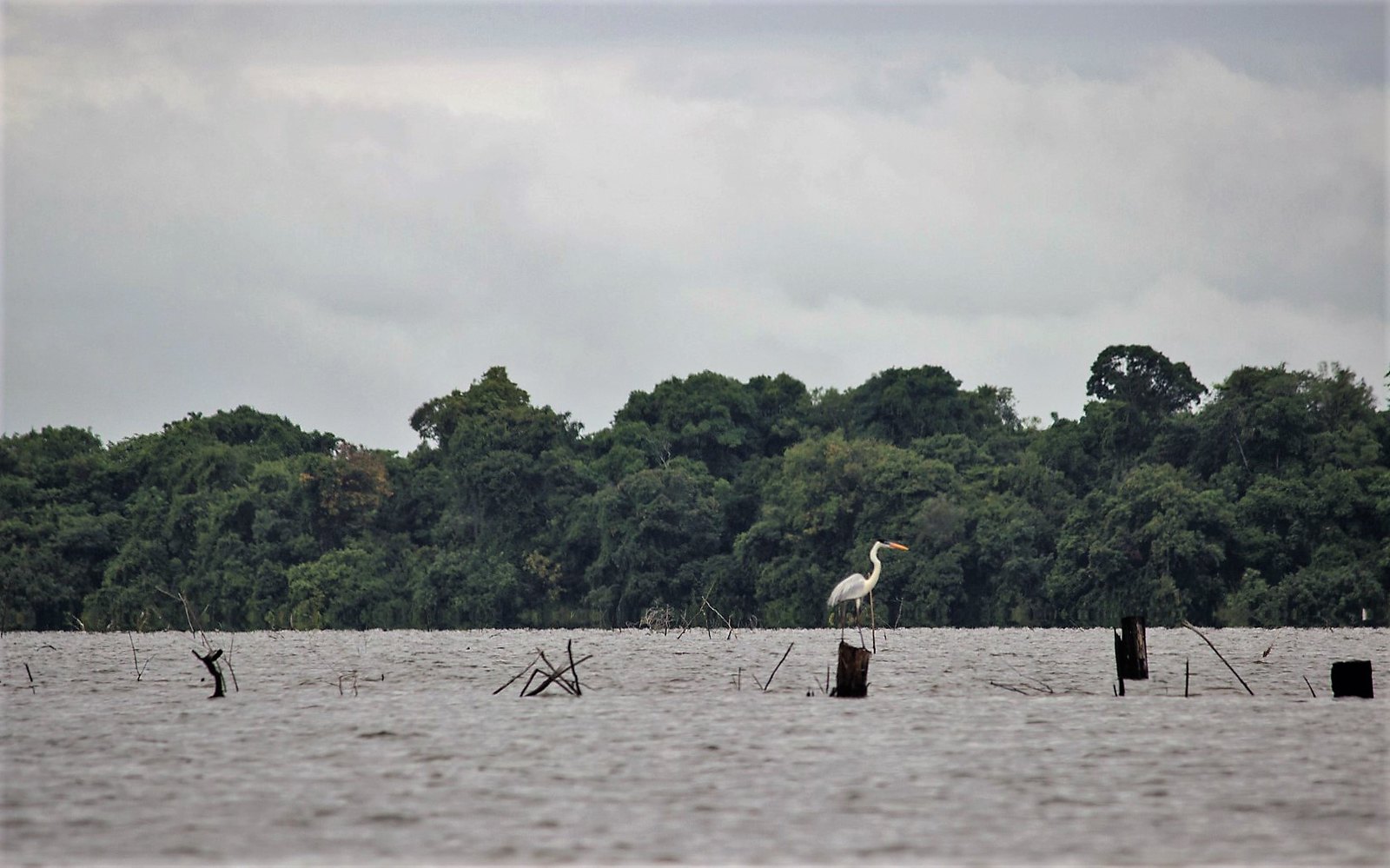
Foto: Amazon Watch / Maíra Irigaray.
A busca por justiça e reparação
Ao longo dos anos, o Ministério Público Federal do Pará, a Defensoria Pública e organizações da sociedade civil impetraram dezenas de ações judiciais em tribunais brasileiros para contestar as diversas irregularidades do projeto, bem como seus impactos. A maioria das ações permanece sem solução, algumas há mais de 10 anos.
Essas ações não obtiveram sucesso porque o governo federal tem reiteradamente anulado decisões favoráveis às comunidades afetadas, recorrendo a um mecanismo pelo qual o presidente do Supremo Tribunal Federal pode suspender uma decisão judicial com base unicamente em argumentos genéricos como "interesse nacional" ou "ordem econômica".
Diante da falta de respostas eficazes em nível nacional, a AIDA — juntamente com uma coalizão de organizações aliadas — levou o caso à Comissão Interamericana de Direitos Humanos (CIDH) e, em 2010, solicitou medidas cautelares para proteger a vida, a integridade e a saúde das comunidades indígenas afetadas.
Em 1º de abril de 2011, a CIDH concedeu essas medidas e solicitou ao Estado brasileiro a suspensão das licenças ambientais e de quaisquer obras de construção até que as condições relativas à consulta prévia e à proteção da saúde e integridade das comunidades fossem atendidas.
E, em 16 de junho de 2011, apresentamos uma denúncia formal à CIDH — juntamente com o Movimento Xingu Vivo Para Siempre, a Coordenação das Organizações Indígenas da Amazônia Brasileira, a Diocese de Altamira, o Conselho Missionário Indígena, a Sociedade Pará de Defesa dos Direitos Humanos e a Global Justice — contra o Estado brasileiro por sua responsabilidade internacional nas violações de direitos humanos contra os povos afetados neste caso. A denúncia foi apresentada em dezembro de 2015.
Em 3 de agosto de 2011, a CIDH modificou as medidas cautelares para solicitar — em vez da suspensão de licenças e obras — a proteção dos povos que vivem em isolamento voluntário, a saúde das comunidades indígenas e a regularização e proteção das terras ancestrais.
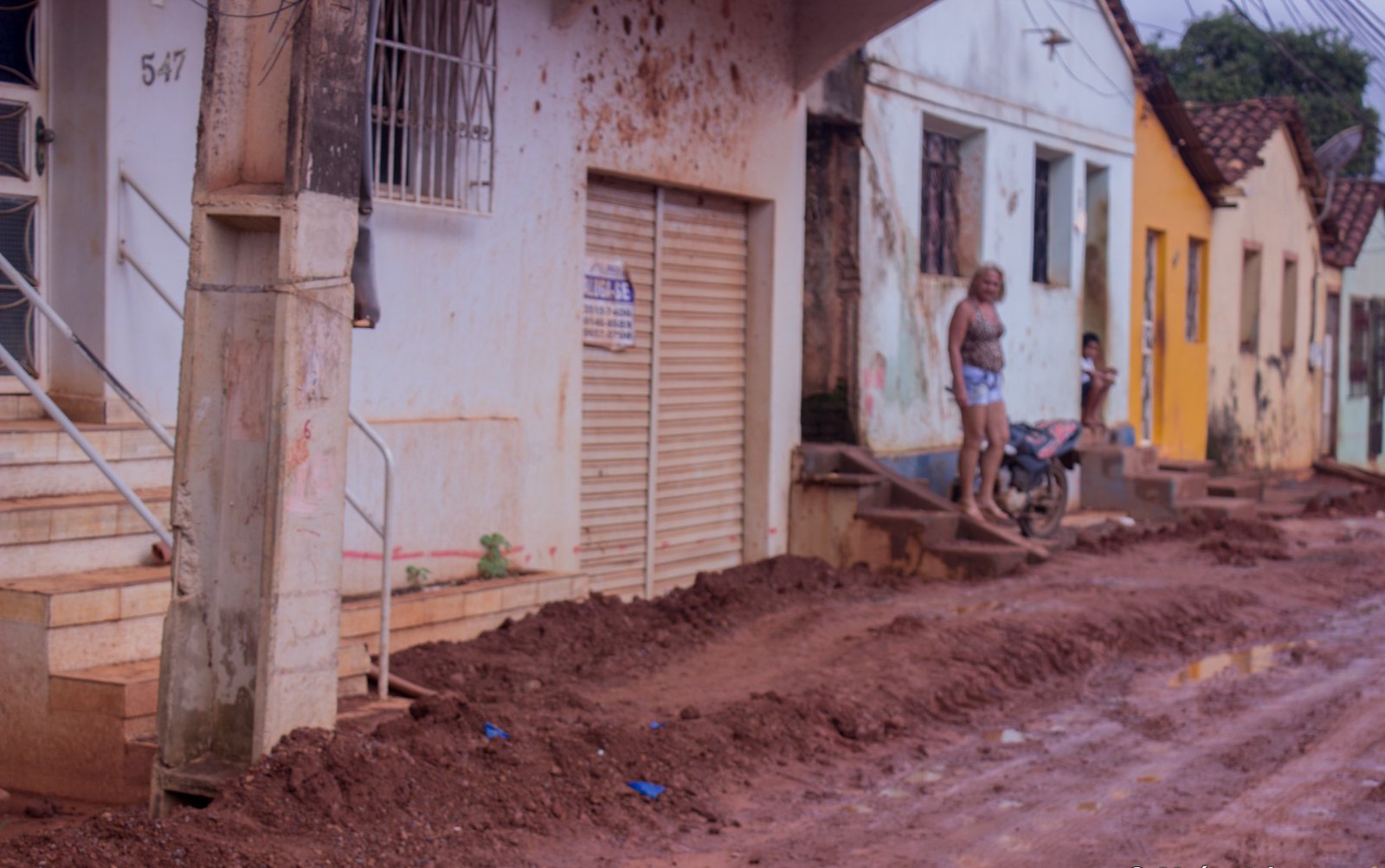
Foto: Amazon Watch / Maíra Irigaray.
Situação atual
As medidas de proteção concedidas pela CIDH permanecem em vigor, mas o Estado brasileiro não as cumpriu integralmente, relatando apenas ações genéricas. As comunidades documentaram as contínuas violações de seus direitos. A situação que motivou o pedido dessas medidas — o risco à vida, à segurança e aos meios de subsistência das comunidades — persiste e se agravou com a usina hidrelétrica operando em plena capacidade e com as recentes secas extremas na Amazônia.
Além do ocorrido em Belo Monte, existe o risco de maiores danos sociais e ambientais decorrentes da implementação de outro megaprojeto de mineração na Volta Grande do Xingu. Lá, a empresa canadense Belo Sun pretende construir a maior mina de ouro a céu aberto do Brasil.
Os impactos sinérgicos e cumulativos da usina e da mina não foram avaliados. O Estado excluiu povos indígenas, comunidades ribeirinhas e comunidades camponesas do processo de licenciamento ambiental do projeto. Apesar disso, dos protestos indígenas e de outras irregularidades em torno do projeto, o governo do estado do Pará autorizou formalmente a mina em abril de 2026.
Belo Monte, assim como outras usinas hidrelétricas, agrava a emergência climática ao gerar emissões de gases de efeito estufa em seu reservatório. Além disso, é ineficiente diante das secas prolongadas e intensas causadas pela crise, pois perde capacidade de geração de energia.
O caso perante a Comissão Interamericana
Em outubro de 2017, a CIDH anunciou que decidiria conjuntamente sobre a admissibilidade (se o caso preenche os requisitos para admissão) e o mérito (se houve, de fato, violação de direitos humanos) da denúncia internacional contra o Estado brasileiro.
Quinze anos após a apresentação da denúncia, as comunidades afetadas e as organizações que as representam ainda aguardam essa decisão. Caso a CIDH conclua que houve violações de direitos humanos e emita recomendações que o Estado brasileiro não cumpra, poderá encaminhar o caso à Corte Interamericana de Direitos Humanos, cujas decisões são vinculativas.
Uma possível decisão da Corte Internacional de Direitos Humanos neste caso estabeleceria um precedente jurídico regional em relação aos direitos dos povos indígenas e ribeirinhos, à participação pública em megaprojetos e à responsabilidade do Estado no contexto da crise climática. Isso é particularmente relevante à luz do Parecer Consultivo nº 32 da Corte, que reafirmou as obrigações dos Estados de proteger pessoas e comunidades em todo o continente da emergência climática.
Partners:
Related projects
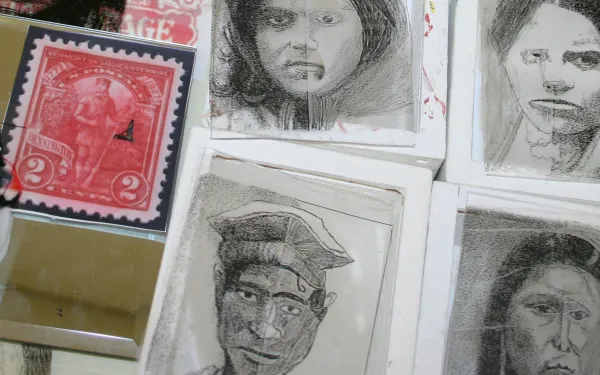
Open Letter to States and Development Financiers
On the anniversaries of the United Nations Declaration on the Right to Development (December 4th), the Declaration on Human Rights Defenders (December 9th), and the Universal Declaration of Human Rights (December 10th), civil society groups around the world are drawing attention to the unique threats faced by human rights defenders in the context of megaprojects and other development interventions. Human rights defenders are a critical force for the protection of human rights and integral to the achievement of sustainable development. They are vital to protecting the land and the environment, securing just and safe conditions of work, combating corruption, respecting traditional cultures, and holding governments accountable. Yet those who voice their opinions or seek to shape development and investments are routinely stigmatized as “anti-development,” and subjected to judicial harassment, threats, and violent attacks. Since the adoption of the Declaration on Human Rights Defenders 20 years ago, an estimated 3,500 human rights defenders have been killed because of their peaceful work defending the rights of others. In 2017 alone, at least 312 human rights defenders were murdered, 67 percent of whom were working in defense of land and territory in the context of large investments, extractive industries and big business. Today, the same governments who adopted these important human rights instruments may actually be undermining those efforts through the actions of their national development banks or bilateral and multilateral development cooperation. Where development interventions ignore human rights, or are imposed upon communities without their consent or participation, they often fail to deliver development or alleviate poverty, and instead end up contributing to rights abuses and putting defenders at risk. That is why the Defenders in Development Campaign is calling on development banks, States, and other development actors to honor these human rights anniversaries by highlighting the important role that defenders play in sustainable development and making a public commitment to: Ensure that development interventions support the realization of human rights and avoid abuses, Promote an enabling environment for public participation within development processes, and Take necessary measures to safeguard defenders in the context of development activities. Read the Open Letter signed by over 200 groups Find more information here
Read more
The first time fracking was discussed before the Inter-American Commission
We heard the news at an exceptional moment. The Latin American Alliance on Fracking had organized a conference; activists, lawyers, NGOs, community organizers, and scientists from seven Latin American countries were meeting face to face in Colombia to work against hydraulic fracturing in the region. It was there we learned that the Inter-American Commission on Human Rights had accepted our request for a hearing. We erupted in collective joy! Not only would we have a new audience, but also fracking would be discussed for the first time before the Commission. Immediately, we channeled our excitement into hard work. We had just 20 days to prepare a 20-minute case that would summarize every negative impact fracking has had in the Americas. We worked day and night to prepare our case for the October 3 hearing in Boulder, Colorado. It was so little time that Gabriel Cherqui, spokesperson for Mapuche communities affected by the Vaca Muerta mega-project in Neuquén, Argentina, couldn’t obtain a visa in time to travel to the United States. Years of work, converted into minutes Perhaps the most difficult aspect of preparing our case was summarizing thousands of documents and stories into such a short amount of time. It had taken years to systematize our specialized research on fracking in the region and to have our case before the Commission—requested with more than 120 supporting signatures—accepted. Another challenge was to demonstrate the solid connection between fracking and human rights violations, an argument we knew the Commission would be interested in addressing, given the scale and complexity of the problem. So we developed a strategy: Roberto Ochandio, a geographer and former petroleum engineer, presented the technical details necessary to understand how fracking works; AIDA attorney Liliana Ávila explained how the technique has violated the rights to a healthy environment, to life, health, and the informed consent of the affected communities; Alejandra Jiménez from the Mexican Alliance Against Fracking presented case studies from Mexico, where communities’ access to water had been compromised by fracking operations; Santiago Cané, from Argentina’s Environmental and Natural Resources Foundation (FARN), exposed the pollution, direct harms, lack of consultation with, and persecution of the communities of Neuquén; and Doris Estela Gutiérrez, president of the Corporation for the Defense of Water, Territory, and Ecosystems (CORDATEC), spoke about the promotion of public consultations in Colombia, as well as the criminalization of and threats to environmental defenders in the country. We emphasized that betting on hydrocarbons and promoting fracking undermines the fight against climate change, since fracking emits methane and other greenhouse gases that accelerate global warming. It was a challenge, to be sure. But we wanted to ensure everyone’s voice was heard. To listen, and learn: a window of hope Based on the response of the Commissioners, it was clear that our case had opened a window of hope. The multifaceted character of fracking—including aspects of development, pollution, climate change and human rights—had captured their interest. Not only was this the first time that fracking had been discussed before of the Commission, it’s worth noting that five speakers had summarized the concerns of more than 120 petitioners, all of whom shared one common cause. What came next was a dialogue in which we responded to the Commissioners’ questions about the technique, their concerns about development in the region, water quality, harms to public health, and concerns about fracking moving nations further away from their climate goals. We requested that the Commission urge States to: adopt measures to avoid human rights violations caused by fracking; generate public, truthful and impartial information based on scientific evidence; and protect human rights protections in cases where the technique is advancing blindly. Going forward, we asked that the Commission follow up on the issue, particularly on the negative impacts fracking has on economic, social and cultural rights; on the lives of women, children and adolescents; and on the lives and territories of indigenous peoples. We requested that the Commission follow up on the attacks against human rights defenders and seek protective measures for those at risk. Of course, questions remain, and at the Alliance we’ve identified many more concerns for the region. But this moment has strengthened us. The hearing set regional precedents and made use of the arguments of Advisory Opinion 23, which the Inter-American Court of Human Rights issued on human rights and the environment. It is clear that this moment was a small, but vital, step forward, and that there are ears willing to listen. For our part, we will continue doing everything in our power—making use of all available international legal tools—to protect the communities of the Americas that are and could be affected by fracking.
Read more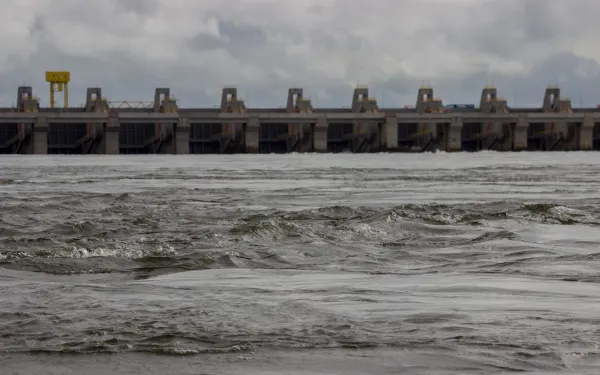
Behind the Dams: BNDES Investments in Belo Monte and Hidroituango
To change, one must understand. To understand, discuss. And to discuss, we present this report. In it, we analyze the application of existing international standards for hydroelectric plants through the lens of two of the most significant investments in the history of the BNDES: Hidroituango and Belo Monte. The analysis reveals evidence and offers conclusions and recommendations to the Bank, as well as to the organizations and communities involved. They are concrete elements to help improve the future performance of the financial institution. We hope that these contributions strengthen the dialogue with the BNDES, and facilitate the identification of options toward greater compliance with the values the bank has adopted, particularly those of transparency and social and environmental responsibility. Read the executive summary Read the complete report in Spanish Download the Executive Summary in Spanish Read the complete report in Portuguese Read the Executive Summary in Portuguese
Read more