
Project
Amazon Watch / Maíra Irigaray
Barragem de Belo Monte no rio Xingu: 10 anos de impactos na Amazônia e de busca por reparações
A usina hidrelétrica de Belo Monte causou um desastre ambiental e social no coração da Amazônia: um dos ecossistemas mais importantes do planeta.
Essa situação só piorou desde que a usina começou a operar em 2016. A busca por justiça e reparação para as comunidades indígenas e ribeirinhas afetadas continua até hoje.
Em 2011, a Comissão Interamericana de Direitos Humanos (CIDH) concedeu a essas comunidades medidas de proteção, que até hoje não foram totalmente implementadas pelo Estado brasileiro.
E, desde junho daquele mesmo ano, a CIDH mantém um processo contra o Estado por sua responsabilidade internacional no caso.
A CIDH pode encaminhar o caso à Corte Interamericana de Direitos Humanos, que tem o poder de emitir uma sentença condenatória contra o Estado brasileiro.
Consulta o expediente de fatos do caso
Após 10 anos de operação da usina hidrelétrica e mais de 15 anos de violações de direitos humanos documentadas, é hora da justiça ser feita para as comunidades afetadas.
Leia a carta aberta das organizações que levam o caso à CIDH
Leia nosso comunicado à imprensa
Contexto
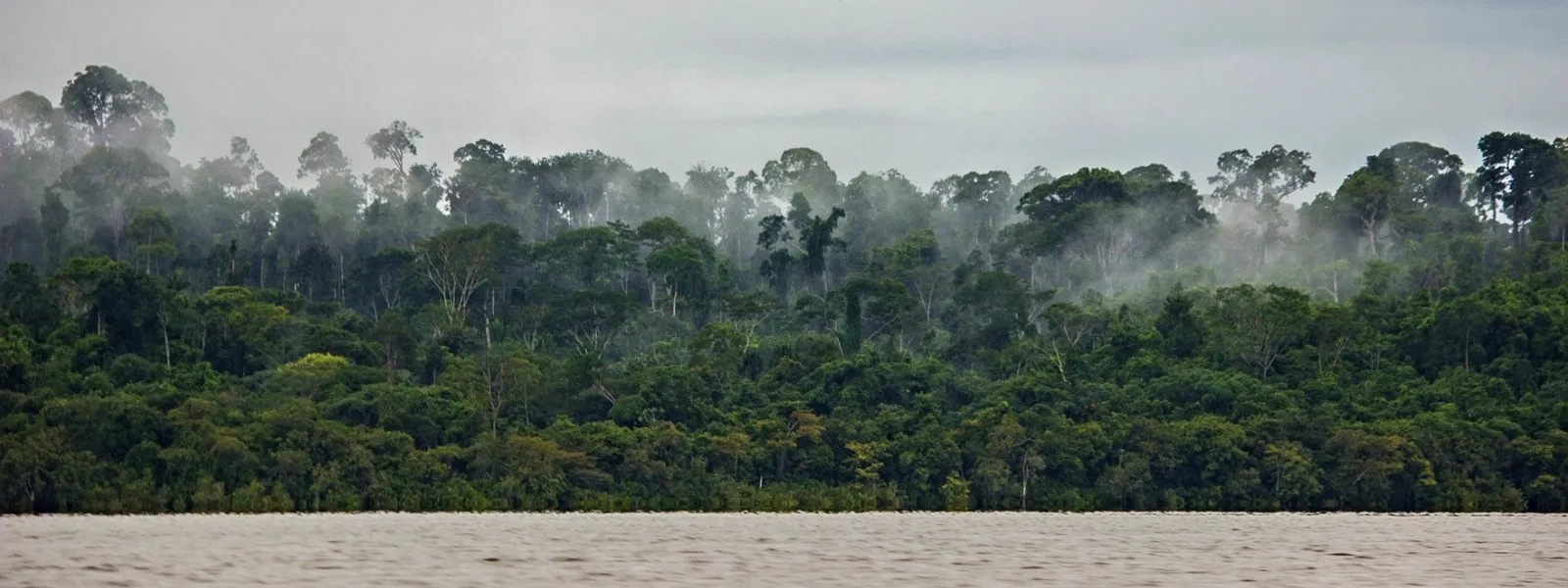
A usina hidrelétrica de Belo Monte — a quarta maior do mundo em capacidade instalada (11.233 MW) — foi construída no rio Xingu, no estado do Pará, norte do Brasil.
Foi inaugurada em 5 de maio de 2016, com uma única turbina. Naquela época, 80% do curso do rio foi desviado e 516 km² de terra foram inundados, uma área maior que a cidade de Chicago. Desse total, 400 km² eram de mata nativa. A usina começou a operar em plena capacidade em novembro de 2019.
Belo Monte foi construída e é operada pelo consórcio Norte Energia S.A., composto principalmente por empresas estatais. Foi financiada pelo Banco Nacional de Desenvolvimento Econômico e Social (BNDES), que aportou ao consórcio 25,4 bilhões de reais (aproximadamente US$ 10,16 bilhões), o maior investimento de sua história. Portanto, o BNDES também é legalmente responsável pelos impactos socioambientais associados ao projeto hidrelétrico.
Décadas de danos ambientais e humanos
As violações dos direitos humanos e a degradação da Amazônia remontam ao início do projeto. Em março de 2011, a Norte Energia iniciou a construção da barragem sem consulta adequada e sem o consentimento prévio, livre e informado das comunidades afetadas.
A construção levou ao deslocamento forçado de mais de 40.000 pessoas, rompendo laços sociais e culturais. O plano de reassentamento em Altamira — cidade diretamente afetada pelo projeto hidrelétrico — incluía moradias na periferia da cidade, sem serviços públicos adequados, moradias dignas para as famílias reassentadas e moradias diferenciadas para aqueles pertencentes a comunidades indígenas.
A operação da barragem de Belo Monte impôs uma seca permanente e artificial na Volta Grande do rio Xingu, agravada pelas secas históricas na Amazônia em 2023 e 2024. Como resultado, a morte de milhões de ovos de peixe foi documentada por quatro anos consecutivos (de 2021 a 2024) e, nos últimos três anos, não houve migração de peixes rio acima para desovar e se reproduzir. Assim, a pesca artesanal, principal fonte de proteína para os povos indígenas e comunidades ribeirinhas, foi severamente afetada: o consumo de peixe caiu de 50% para 30% do total de proteínas consumidas, sendo substituído por alimentos processados. Em suma, houve um colapso ambiental e humanitário que resultou no colapso da pesca como modo de vida tradicional, insegurança alimentar e falta de acesso à água potável para milhares de famílias, empobrecimento e doenças.
Além disso, a construção da barragem aumentou o desmatamento e intensificou a extração ilegal de madeira e a insegurança em terras indígenas e tribais, colocando em risco a sobrevivência dessas comunidades. Outra consequência foi o agravamento da pobreza e dos conflitos sociais, bem como a sobrecarga dos sistemas de saúde, educação e segurança pública em Altamira, cidade considerada a mais violenta do país em 2017, onde houve aumento do tráfico de pessoas e da violência sexual. Também foram registrados casos de violência contra defensores de direitos humanos envolvidos no caso.
Em 2025, durante a 30ª Conferência das Nações Unidas sobre Mudanças Climáticas (COP30), realizada no Brasil, o Ministério Público Federal classificou os danos causados por Belo Monte como ecocídio.
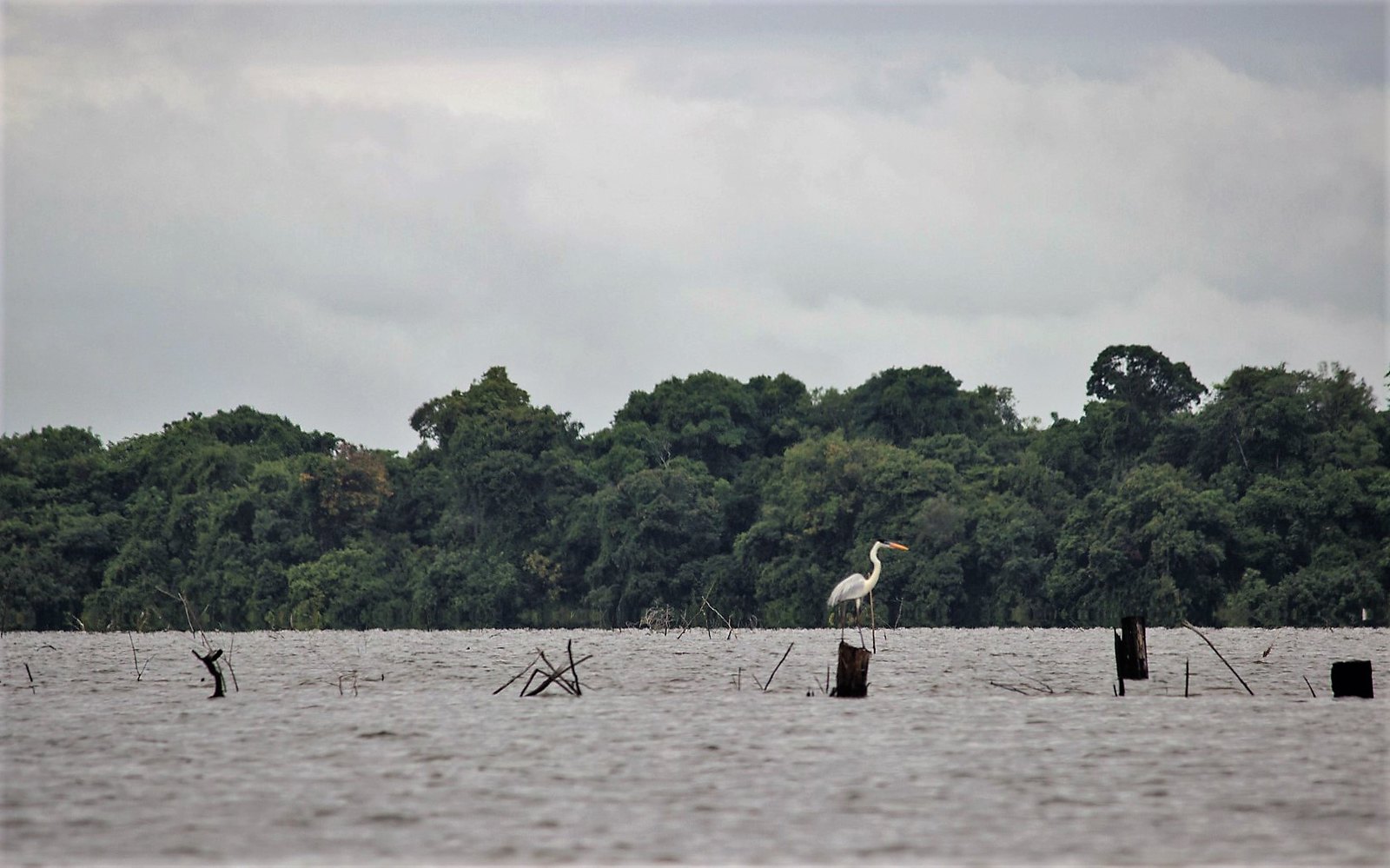
Foto: Amazon Watch / Maíra Irigaray.
A busca por justiça e reparação
Ao longo dos anos, o Ministério Público Federal do Pará, a Defensoria Pública e organizações da sociedade civil impetraram dezenas de ações judiciais em tribunais brasileiros para contestar as diversas irregularidades do projeto, bem como seus impactos. A maioria das ações permanece sem solução, algumas há mais de 10 anos.
Essas ações não obtiveram sucesso porque o governo federal tem reiteradamente anulado decisões favoráveis às comunidades afetadas, recorrendo a um mecanismo pelo qual o presidente do Supremo Tribunal Federal pode suspender uma decisão judicial com base unicamente em argumentos genéricos como "interesse nacional" ou "ordem econômica".
Diante da falta de respostas eficazes em nível nacional, a AIDA — juntamente com uma coalizão de organizações aliadas — levou o caso à Comissão Interamericana de Direitos Humanos (CIDH) e, em 2010, solicitou medidas cautelares para proteger a vida, a integridade e a saúde das comunidades indígenas afetadas.
Em 1º de abril de 2011, a CIDH concedeu essas medidas e solicitou ao Estado brasileiro a suspensão das licenças ambientais e de quaisquer obras de construção até que as condições relativas à consulta prévia e à proteção da saúde e integridade das comunidades fossem atendidas.
E, em 16 de junho de 2011, apresentamos uma denúncia formal à CIDH — juntamente com o Movimento Xingu Vivo Para Siempre, a Coordenação das Organizações Indígenas da Amazônia Brasileira, a Diocese de Altamira, o Conselho Missionário Indígena, a Sociedade Pará de Defesa dos Direitos Humanos e a Global Justice — contra o Estado brasileiro por sua responsabilidade internacional nas violações de direitos humanos contra os povos afetados neste caso. A denúncia foi apresentada em dezembro de 2015.
Em 3 de agosto de 2011, a CIDH modificou as medidas cautelares para solicitar — em vez da suspensão de licenças e obras — a proteção dos povos que vivem em isolamento voluntário, a saúde das comunidades indígenas e a regularização e proteção das terras ancestrais.
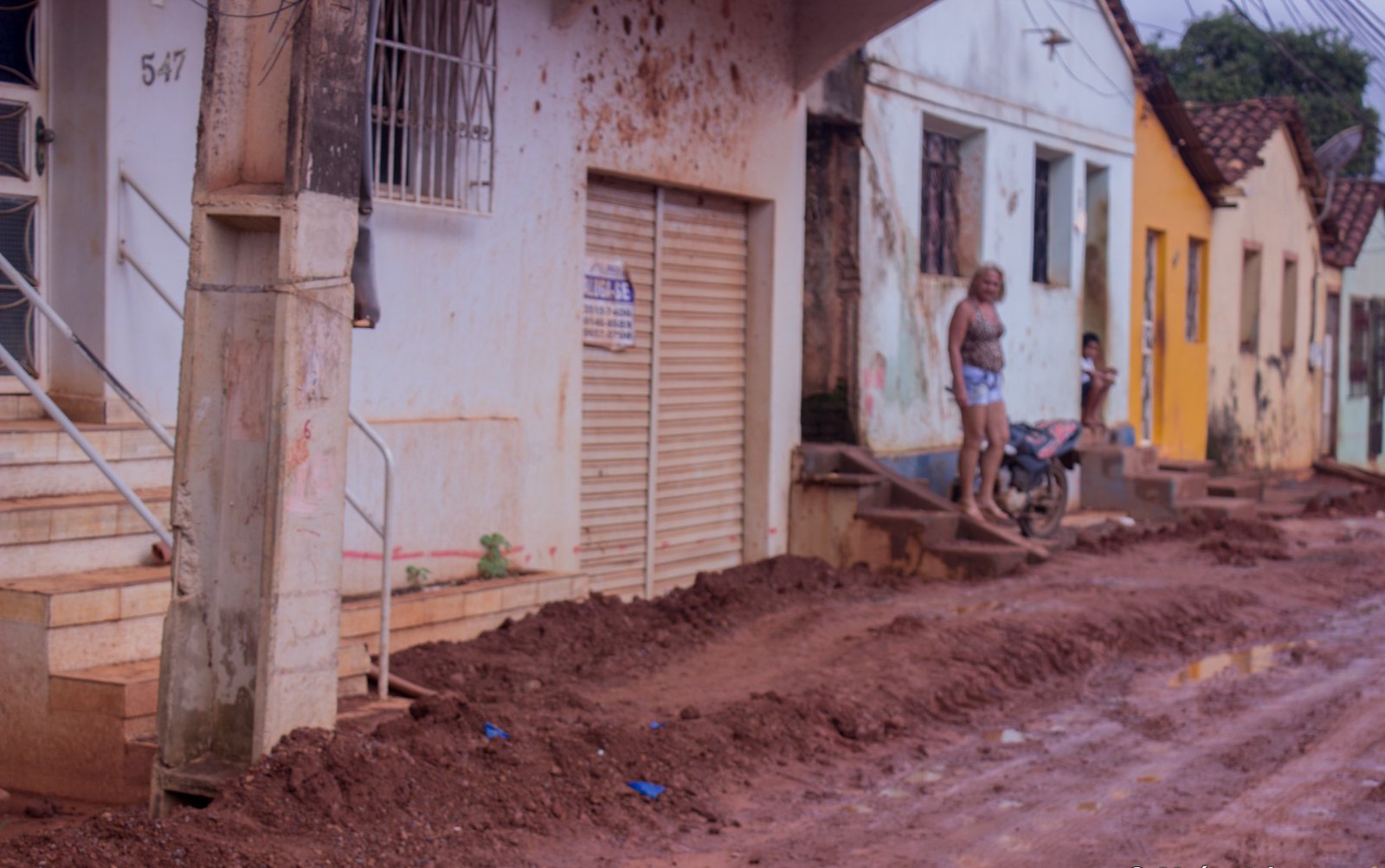
Foto: Amazon Watch / Maíra Irigaray.
Situação atual
As medidas de proteção concedidas pela CIDH permanecem em vigor, mas o Estado brasileiro não as cumpriu integralmente, relatando apenas ações genéricas. As comunidades documentaram as contínuas violações de seus direitos. A situação que motivou o pedido dessas medidas — o risco à vida, à segurança e aos meios de subsistência das comunidades — persiste e se agravou com a usina hidrelétrica operando em plena capacidade e com as recentes secas extremas na Amazônia.
Além do ocorrido em Belo Monte, existe o risco de maiores danos sociais e ambientais decorrentes da implementação de outro megaprojeto de mineração na Volta Grande do Xingu. Lá, a empresa canadense Belo Sun pretende construir a maior mina de ouro a céu aberto do Brasil.
Os impactos sinérgicos e cumulativos da usina e da mina não foram avaliados. O Estado excluiu povos indígenas, comunidades ribeirinhas e comunidades camponesas do processo de licenciamento ambiental do projeto. Apesar disso, dos protestos indígenas e de outras irregularidades em torno do projeto, o governo do estado do Pará autorizou formalmente a mina em abril de 2026.
Belo Monte, assim como outras usinas hidrelétricas, agrava a emergência climática ao gerar emissões de gases de efeito estufa em seu reservatório. Além disso, é ineficiente diante das secas prolongadas e intensas causadas pela crise, pois perde capacidade de geração de energia.
O caso perante a Comissão Interamericana
Em outubro de 2017, a CIDH anunciou que decidiria conjuntamente sobre a admissibilidade (se o caso preenche os requisitos para admissão) e o mérito (se houve, de fato, violação de direitos humanos) da denúncia internacional contra o Estado brasileiro.
Quinze anos após a apresentação da denúncia, as comunidades afetadas e as organizações que as representam ainda aguardam essa decisão. Caso a CIDH conclua que houve violações de direitos humanos e emita recomendações que o Estado brasileiro não cumpra, poderá encaminhar o caso à Corte Interamericana de Direitos Humanos, cujas decisões são vinculativas.
Uma possível decisão da Corte Internacional de Direitos Humanos neste caso estabeleceria um precedente jurídico regional em relação aos direitos dos povos indígenas e ribeirinhos, à participação pública em megaprojetos e à responsabilidade do Estado no contexto da crise climática. Isso é particularmente relevante à luz do Parecer Consultivo nº 32 da Corte, que reafirmou as obrigações dos Estados de proteger pessoas e comunidades em todo o continente da emergência climática.
Partners:
Related projects

What motivates us to preserve our freshwater sources?
The professionals of AIDA’s freshwater program defend one of Earth’s most precious resources—water. The earth provides us with water in many ways, and the ways those water sources are threatened are just as widespread—but chief among them are extractive activities like mining and fracking. At AIDA, we understand the risks and we won’t let our guard down. Learn more about what motivates us to care for our greatest life source! “WITHOUT WATER, THERE IS NO FUTURE.” Carlos Lozano Acosta, Senior Attorney “Water is a life force not just in nature, but in our societies as well. It is a distinct characteristic of our experience on the planet. Cultures, economies and ecosystems depend on water and, for that reason, there is no future for us on this planet without it.” As a child, Carlos and his family used go for hikes near his father’s farm, on the outskirts of a páramo—a unique high altitude wetland that captures moisture from the fog and sends water to lower elevations via streams. Since those early days, Carlos has understood that páramos are vital to the water supply in his native Colombia. “I GREW UP WITH THE IDEA THAT CLEAN WATER IS A RIGHT, NOT A PRIVILEGE.” Claudia Velarde, Legal Advisor “What motivates me to care for our water sources is life itself. Clean water is an indispensable resource, a common good and a basic human right; the reproduction of our life systems is not possible without it. I grew up with the idea that clean water is a right, not a privilege.” Claudia was born in Cochabamba, Bolivia, a city whose name in the indigenous Quechua language means “the plain of lakes.” Despite its name, the city has suffered from decades of drought and water scarcity. Cochabamba is infamous for the Water War of 2000, during which residents flooded the streets to defend their water from privatization. Claudia grew up in that context and, like many women from Cochabamba, she has a strong connection to water and its inherent value. “MY STRONGEST MOTIVATION IS AN AWARENESS THAT THE HEALTH OF EARTH’S ECOSYSTEMS DEPENDS ON FUNCTIONING WATER FLOWS.” Andres Angel, Scientific Advisor “My strongest motivation is an awareness that the health of Earth’s ecosystems depends in large part on functioning surface and subterranean water flows. Understanding that our economic activities have the potential to irreversibly disrupt those flows is to realize the urgent need to protect the sources and quality of water throughout the Americas.” It wasn’t easy for Andres to study geology, a career that often promotes extractivism. His principal motivation was to understand the conflicts and socio-ecological dangers caused by mining and fossil fuel exploitation in his country, Colombia. Understanding those impacts to be perpetual, Andres decided to devote his professional life to questioning the development model and providing alternatives. “TO PROTECT WATER IS TO DEFEND THE SOURCE AND MEANING OF LIFE.” Juana Hofman, Legal Coordinator for the Network for Environmental Justice in Colombia “Life is what motivates me. To protect freshwater ecosystems and the people that depend on them is to defend the source and meaning of life. I’m motivated by a deep respect for ecosystems, because I feel a part of them, and they need protection. I’m motivated by the frailejones, ancient plants that serve as water factories, and by the mountains, vast landscapes that have sheltered me since my birth. It is their strength and beauty that allow us to truly live.” Juana was born in a small town in the mountains of Colombia. When she was a child, her father taught her of the greatness of the oak trees, which for Juana came to signify strength and wisdom. Ever since, her life has been deeply linked to the mountains, rivers, and páramos of Colombia.
Read moreWhat motivates us to preserve our freshwater sources?
The professionals of AIDA’s freshwater program defend one of Earth’s most precious resources—water. The earth provides us with water in many ways, and the ways those water sources are threatened are just as widespread—but chief among them are extractive activities like mining and fracking. At AIDA, we understand the risks and we won’t let our guard down. Learn more about what motivates us to care for our greatest life source! “WITHOUT WATER, THERE IS NO FUTURE.” Carlos Lozano Acosta, Senior Attorney “Water is a life force not just in nature, but in our societies as well. It is a distinct characteristic of our experience on the planet. Cultures, economies and ecosystems depend on water and, for that reason, there is no future for us on this planet without it.” As a child, Carlos and his family used go for hikes near his father’s farm, on the outskirts of a páramo—a unique high altitude wetland that captures moisture from the fog and sends water to lower elevations via streams. Since those early days, Carlos has understood that páramos are vital to the water supply in his native Colombia. “I GREW UP WITH THE IDEA THAT CLEAN WATER IS A RIGHT, NOT A PRIVILEGE.” Claudia Velarde, Legal Advisor “What motivates me to care for our water sources is life itself. Clean water is an indispensable resource, a common good and a basic human right; the reproduction of our life systems is not possible without it. I grew up with the idea that clean water is a right, not a privilege.” Claudia was born in Cochabamba, Bolivia, a city whose name in the indigenous Quechua language means “the plain of lakes.” Despite its name, the city has suffered from decades of drought and water scarcity. Cochabamba is infamous for the Water War of 2000, during which residents flooded the streets to defend their water from privatization. Claudia grew up in that context and, like many women from Cochabamba, she has a strong connection to water and its inherent value. “MY STRONGEST MOTIVATION IS AN AWARENESS THAT THE HEALTH OF EARTH’S ECOSYSTEMS DEPENDS ON FUNCTIONING WATER FLOWS.” Andres Angel, Scientific Advisor “My strongest motivation is an awareness that the health of Earth’s ecosystems depends in large part on functioning surface and subterranean water flows. Understanding that our economic activities have the potential to irreversibly disrupt those flows is to realize the urgent need to protect the sources and quality of water throughout the Americas.” It wasn’t easy for Andres to study geology, a career that often promotes extractivism. His principal motivation was to understand the conflicts and socio-ecological dangers caused by mining and fossil fuel exploitation in his country, Colombia. Understanding those impacts to be perpetual, Andres decided to devote his professional life to questioning the development model and providing alternatives. “TO PROTECT WATER IS TO DEFEND THE SOURCE AND MEANING OF LIFE.” Juana Hofman, Legal Coordinator for the Network for Environmental Justice in Colombia “Life is what motivates me. To protect freshwater ecosystems and the people that depend on them is to defend the source and meaning of life. I’m motivated by a deep respect for ecosystems, because I feel a part of them, and they need protection. I’m motivated by the frailejones, ancient plants that serve as water factories, and by the mountains, vast landscapes that have sheltered me since my birth. It is their strength and beauty that allow us to truly live.” Juana was born in a small town in the mountains of Colombia. When she was a child, her father taught her of the greatness of the oak trees, which for Juana came to signify strength and wisdom. Ever since, her life has been deeply linked to the mountains, rivers, and páramos of Colombia.
Read more
UN Committee recommends Argentina “reconsider” the use of fracking
The Committee on Economic, Social and Cultural Rights of the United Nations expressed its concern about Argentina’s intention to exploit unconventional oil and gas reserves in Vaca Muerta, one of the world’s largest shale deposits. It recommended the goverment reconsider those plans to ensure compliance with the nation’s international commitments on climate change. Geneva, Switzerland. The Committee of Economic, Social and Cultural Rights of the United Nations recommended that Argentina reconsider its plans for the large-scale exploitation of shale gas and oil in Vaca Muerta, one of the world’s largest deposits of unconventional hydrocarbons. The Committee expressed its concern after reviewing the nation’s fourth report to the Universal Periodic Review on human rights, encouraging the government to reconsider the use of fracking in order to ensure compliance with its international obligations on climate change. "The Committee is concerned that this hydraulic fracturing project contradicts the State’s commitments to the Paris Agreement, and would have a negative impact on global warming and the enjoyment of economic and social rights by the global population and future generations," read the concluding observations on Argentina's report, approved by the Committee at its 64th session, which took place from September 24 to October 12, 2018. The Committee urged the State "to promote alternative and renewable energies, reduce greenhouse gas emissions and establish national targets with benchmarks defined over time." The Committee also expressed concern about the lack of adequate evaluation of fracking’s negative impacts on the environment and human health, and about the absence of prior consultation with affected local populations. In that sense, the Committee entrusted the Argentine State to: "... adopt a regulatory framework for fracking that includes assessments of its impact in all provinces, preceded by consultations with affected communities, and with appropriate documentation of its effects on air and water pollution, radioactive emissions, risks to health and safety at work, its effects on public health, noise pollution, light and stress, potential seismic activity, threats to agriculture, soil quality, and the climate system." The UN Universal Periodic Review is a process that offers each State the opportunity to declare what measures it has adopted to improve the human rights situation in the country and to comply with its obligations in this area. Its objective is to improve that situation and address human rights violations wherever they occur. PRESS CONTACTS: Víctor Quintanilla (Mexico), AIDA, [email protected], +5215570522107 Fernando Cabrera, Opsur, [email protected], +5492995864313
Read more