
Project
Amazon Watch / Maíra Irigaray
Barragem de Belo Monte no rio Xingu: 10 anos de impactos na Amazônia e de busca por reparações
A usina hidrelétrica de Belo Monte causou um desastre ambiental e social no coração da Amazônia: um dos ecossistemas mais importantes do planeta.
Essa situação só piorou desde que a usina começou a operar em 2016. A busca por justiça e reparação para as comunidades indígenas e ribeirinhas afetadas continua até hoje.
Em 2011, a Comissão Interamericana de Direitos Humanos (CIDH) concedeu a essas comunidades medidas de proteção, que até hoje não foram totalmente implementadas pelo Estado brasileiro.
E, desde junho daquele mesmo ano, a CIDH mantém um processo contra o Estado por sua responsabilidade internacional no caso.
A CIDH pode encaminhar o caso à Corte Interamericana de Direitos Humanos, que tem o poder de emitir uma sentença condenatória contra o Estado brasileiro.
Consulta o expediente de fatos do caso
Após 10 anos de operação da usina hidrelétrica e mais de 15 anos de violações de direitos humanos documentadas, é hora da justiça ser feita para as comunidades afetadas.
Leia a carta aberta das organizações que levam o caso à CIDH
Leia nosso comunicado à imprensa
Contexto
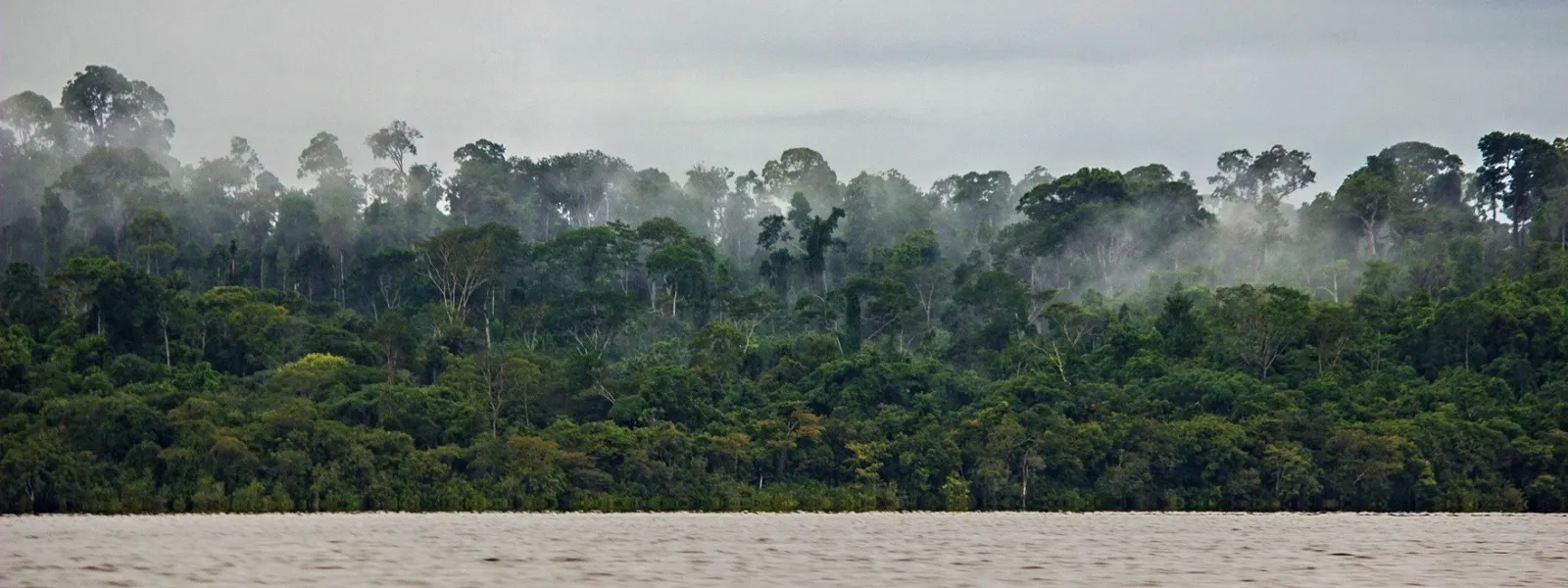
A usina hidrelétrica de Belo Monte — a quarta maior do mundo em capacidade instalada (11.233 MW) — foi construída no rio Xingu, no estado do Pará, norte do Brasil.
Foi inaugurada em 5 de maio de 2016, com uma única turbina. Naquela época, 80% do curso do rio foi desviado e 516 km² de terra foram inundados, uma área maior que a cidade de Chicago. Desse total, 400 km² eram de mata nativa. A usina começou a operar em plena capacidade em novembro de 2019.
Belo Monte foi construída e é operada pelo consórcio Norte Energia S.A., composto principalmente por empresas estatais. Foi financiada pelo Banco Nacional de Desenvolvimento Econômico e Social (BNDES), que aportou ao consórcio 25,4 bilhões de reais (aproximadamente US$ 10,16 bilhões), o maior investimento de sua história. Portanto, o BNDES também é legalmente responsável pelos impactos socioambientais associados ao projeto hidrelétrico.
Décadas de danos ambientais e humanos
As violações dos direitos humanos e a degradação da Amazônia remontam ao início do projeto. Em março de 2011, a Norte Energia iniciou a construção da barragem sem consulta adequada e sem o consentimento prévio, livre e informado das comunidades afetadas.
A construção levou ao deslocamento forçado de mais de 40.000 pessoas, rompendo laços sociais e culturais. O plano de reassentamento em Altamira — cidade diretamente afetada pelo projeto hidrelétrico — incluía moradias na periferia da cidade, sem serviços públicos adequados, moradias dignas para as famílias reassentadas e moradias diferenciadas para aqueles pertencentes a comunidades indígenas.
A operação da barragem de Belo Monte impôs uma seca permanente e artificial na Volta Grande do rio Xingu, agravada pelas secas históricas na Amazônia em 2023 e 2024. Como resultado, a morte de milhões de ovos de peixe foi documentada por quatro anos consecutivos (de 2021 a 2024) e, nos últimos três anos, não houve migração de peixes rio acima para desovar e se reproduzir. Assim, a pesca artesanal, principal fonte de proteína para os povos indígenas e comunidades ribeirinhas, foi severamente afetada: o consumo de peixe caiu de 50% para 30% do total de proteínas consumidas, sendo substituído por alimentos processados. Em suma, houve um colapso ambiental e humanitário que resultou no colapso da pesca como modo de vida tradicional, insegurança alimentar e falta de acesso à água potável para milhares de famílias, empobrecimento e doenças.
Além disso, a construção da barragem aumentou o desmatamento e intensificou a extração ilegal de madeira e a insegurança em terras indígenas e tribais, colocando em risco a sobrevivência dessas comunidades. Outra consequência foi o agravamento da pobreza e dos conflitos sociais, bem como a sobrecarga dos sistemas de saúde, educação e segurança pública em Altamira, cidade considerada a mais violenta do país em 2017, onde houve aumento do tráfico de pessoas e da violência sexual. Também foram registrados casos de violência contra defensores de direitos humanos envolvidos no caso.
Em 2025, durante a 30ª Conferência das Nações Unidas sobre Mudanças Climáticas (COP30), realizada no Brasil, o Ministério Público Federal classificou os danos causados por Belo Monte como ecocídio.
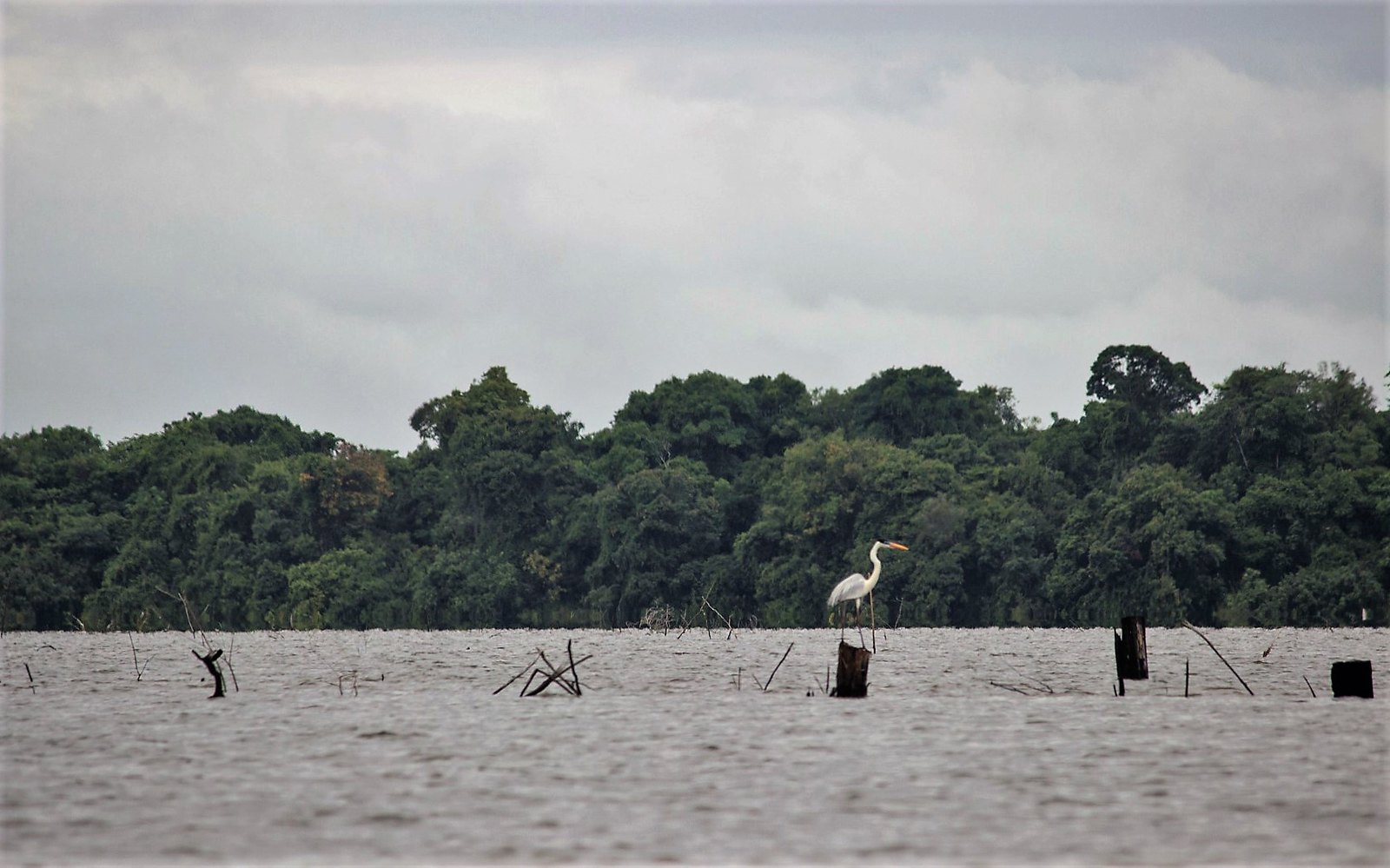
Foto: Amazon Watch / Maíra Irigaray.
A busca por justiça e reparação
Ao longo dos anos, o Ministério Público Federal do Pará, a Defensoria Pública e organizações da sociedade civil impetraram dezenas de ações judiciais em tribunais brasileiros para contestar as diversas irregularidades do projeto, bem como seus impactos. A maioria das ações permanece sem solução, algumas há mais de 10 anos.
Essas ações não obtiveram sucesso porque o governo federal tem reiteradamente anulado decisões favoráveis às comunidades afetadas, recorrendo a um mecanismo pelo qual o presidente do Supremo Tribunal Federal pode suspender uma decisão judicial com base unicamente em argumentos genéricos como "interesse nacional" ou "ordem econômica".
Diante da falta de respostas eficazes em nível nacional, a AIDA — juntamente com uma coalizão de organizações aliadas — levou o caso à Comissão Interamericana de Direitos Humanos (CIDH) e, em 2010, solicitou medidas cautelares para proteger a vida, a integridade e a saúde das comunidades indígenas afetadas.
Em 1º de abril de 2011, a CIDH concedeu essas medidas e solicitou ao Estado brasileiro a suspensão das licenças ambientais e de quaisquer obras de construção até que as condições relativas à consulta prévia e à proteção da saúde e integridade das comunidades fossem atendidas.
E, em 16 de junho de 2011, apresentamos uma denúncia formal à CIDH — juntamente com o Movimento Xingu Vivo Para Siempre, a Coordenação das Organizações Indígenas da Amazônia Brasileira, a Diocese de Altamira, o Conselho Missionário Indígena, a Sociedade Pará de Defesa dos Direitos Humanos e a Global Justice — contra o Estado brasileiro por sua responsabilidade internacional nas violações de direitos humanos contra os povos afetados neste caso. A denúncia foi apresentada em dezembro de 2015.
Em 3 de agosto de 2011, a CIDH modificou as medidas cautelares para solicitar — em vez da suspensão de licenças e obras — a proteção dos povos que vivem em isolamento voluntário, a saúde das comunidades indígenas e a regularização e proteção das terras ancestrais.
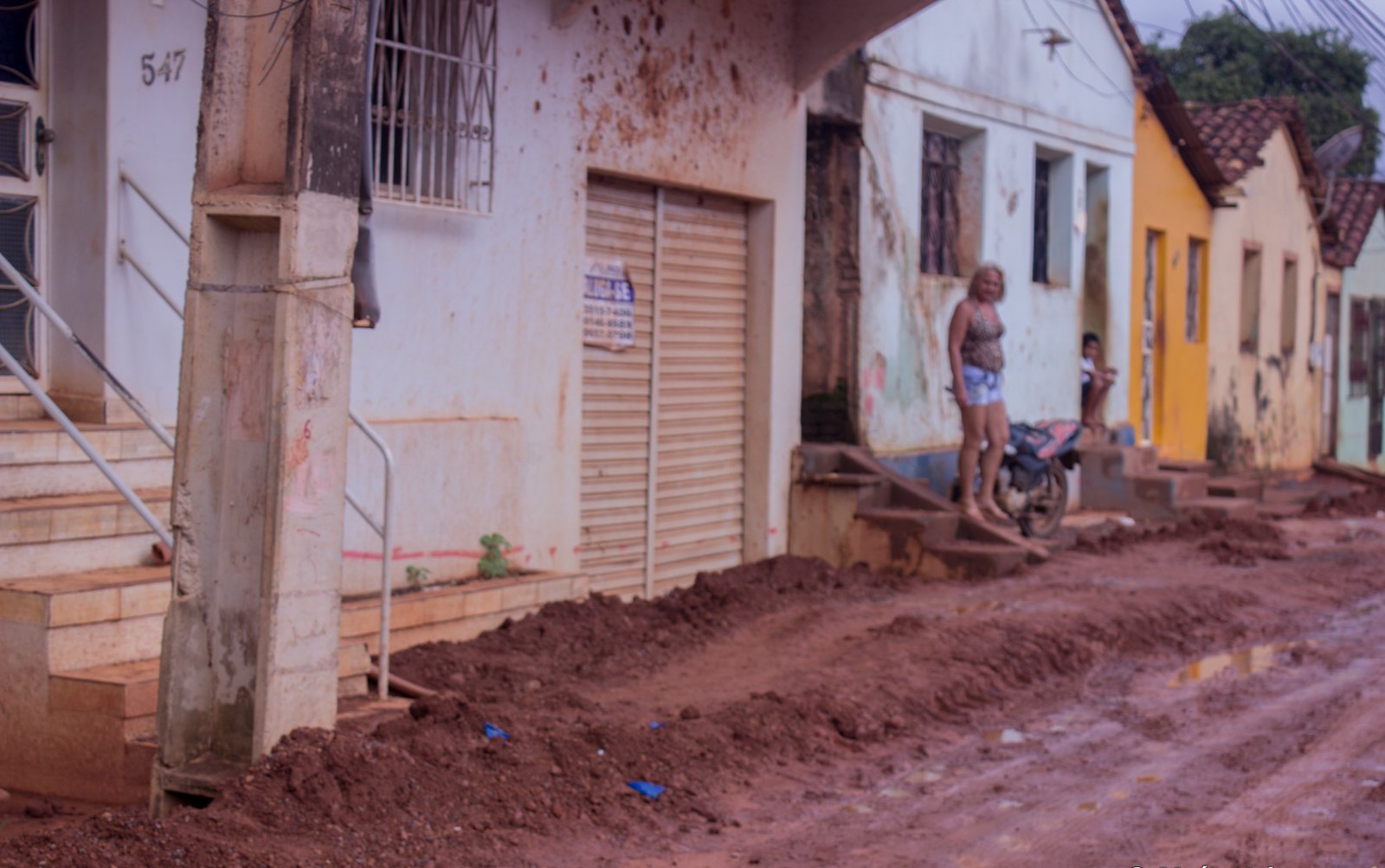
Foto: Amazon Watch / Maíra Irigaray.
Situação atual
As medidas de proteção concedidas pela CIDH permanecem em vigor, mas o Estado brasileiro não as cumpriu integralmente, relatando apenas ações genéricas. As comunidades documentaram as contínuas violações de seus direitos. A situação que motivou o pedido dessas medidas — o risco à vida, à segurança e aos meios de subsistência das comunidades — persiste e se agravou com a usina hidrelétrica operando em plena capacidade e com as recentes secas extremas na Amazônia.
Além do ocorrido em Belo Monte, existe o risco de maiores danos sociais e ambientais decorrentes da implementação de outro megaprojeto de mineração na Volta Grande do Xingu. Lá, a empresa canadense Belo Sun pretende construir a maior mina de ouro a céu aberto do Brasil.
Os impactos sinérgicos e cumulativos da usina e da mina não foram avaliados. O Estado excluiu povos indígenas, comunidades ribeirinhas e comunidades camponesas do processo de licenciamento ambiental do projeto. Apesar disso, dos protestos indígenas e de outras irregularidades em torno do projeto, o governo do estado do Pará autorizou formalmente a mina em abril de 2026.
Belo Monte, assim como outras usinas hidrelétricas, agrava a emergência climática ao gerar emissões de gases de efeito estufa em seu reservatório. Além disso, é ineficiente diante das secas prolongadas e intensas causadas pela crise, pois perde capacidade de geração de energia.
O caso perante a Comissão Interamericana
Em outubro de 2017, a CIDH anunciou que decidiria conjuntamente sobre a admissibilidade (se o caso preenche os requisitos para admissão) e o mérito (se houve, de fato, violação de direitos humanos) da denúncia internacional contra o Estado brasileiro.
Quinze anos após a apresentação da denúncia, as comunidades afetadas e as organizações que as representam ainda aguardam essa decisão. Caso a CIDH conclua que houve violações de direitos humanos e emita recomendações que o Estado brasileiro não cumpra, poderá encaminhar o caso à Corte Interamericana de Direitos Humanos, cujas decisões são vinculativas.
Uma possível decisão da Corte Internacional de Direitos Humanos neste caso estabeleceria um precedente jurídico regional em relação aos direitos dos povos indígenas e ribeirinhos, à participação pública em megaprojetos e à responsabilidade do Estado no contexto da crise climática. Isso é particularmente relevante à luz do Parecer Consultivo nº 32 da Corte, que reafirmou as obrigações dos Estados de proteger pessoas e comunidades em todo o continente da emergência climática.
Partners:
Related projects
Why we’re working for climate justice in Latin America
“The world has many problems, but to me none seem as ubiquitous or as dangerous as climate change,” says AIDA attorney Florencia Ortúzar. “It really is the great challenge of our generation.” At AIDA we understand the magnitude of the problem. That’s why we incorporate climate justice as a key concept in all our lines of work. It’s why we advocate for sustainable development that respects the environment and the rights of vulnerable communities and, at the same time, why we work to stop climate-aggravating activities. “What motivates me to fight climate change is my awareness of the huge problem we’re facing, and my steadfast determination—I know we can’t give up,” Florencia says. She shares that motivation with AIDA’s entire team of attorneys, scientists, communicators, fundraisers and administrators. When she was a child, Florencia received a very special gift from her father: a badge that said “world saver.” That very day, on a beach in her native Chile, Florencia hooked the badge to her clothes and began picking up trash, cleaning the beach. That small gift jumpstarted her life’s mission. Florencia went on to study law, with the goal of working for the protection of forests, rivers, animals, and all the elements of the natural world. “Luck was with me when I found AIDA, the organization that has trained me and has enabled me to make my contribution to a better world,” she says. Florencia is part of AIDA’s Climate Change program. Our objective is to help Latin America—one of the regions most vulnerable to the climate crisis—be a leader in the type of changes required on a global level to avoid catastrophe. In partnership with allied organizations and hand-in-hand with communities, we work to stop the blind advance of fracking and large dams, mega-projects which imply significant emissions of methane, a greenhouse gas 34 times more powerful than carbon dioxide. We also work to raise awareness and educate public policy makers on the importance of controlling short-lived climate pollutants. We seek to protect terrestrial and marine ecosystems that capture carbon emissions—such as coral reefs, mangroves, wetlands and páramos—which, in turn, helps to mitigate climate change. We monitor international climate negotiations, advocate for Latin American nations to have the necessary economic resources to deal with climate change, and work to ensure that climate finance respects human rights. “Although many of the effects of climate change are inevitable, and may already be occurring, the efforts we make to stop the problem and to adapt to it will help future generations, who had nothing to do with causing the problem,” Florencia explains. She shares her message wherever she goes, encouraging others to join the fight. “I refuse to be part of the last generation to enjoy the natural wonders of our planet.”
Read moreWhy we’re working for climate justice in Latin America
“The world has many problems, but to me none seem as ubiquitous or as dangerous as climate change,” says AIDA attorney Florencia Ortúzar. “It really is the great challenge of our generation.” At AIDA we understand the magnitude of the problem. That’s why we incorporate climate justice as a key concept in all our lines of work. It’s why we advocate for sustainable development that respects the environment and the rights of vulnerable communities and, at the same time, why we work to stop climate-aggravating activities. “What motivates me to fight climate change is my awareness of the huge problem we’re facing, and my steadfast determination—I know we can’t give up,” Florencia says. She shares that motivation with AIDA’s entire team of attorneys, scientists, communicators, fundraisers and administrators. When she was a child, Florencia received a very special gift from her father: a badge that said “world saver.” That very day, on a beach in her native Chile, Florencia hooked the badge to her clothes and began picking up trash, cleaning the beach. That small gift jumpstarted her life’s mission. Florencia went on to study law, with the goal of working for the protection of forests, rivers, animals, and all the elements of the natural world. “Luck was with me when I found AIDA, the organization that has trained me and has enabled me to make my contribution to a better world,” she says. Florencia is part of AIDA’s Climate Change program. Our objective is to help Latin America—one of the regions most vulnerable to the climate crisis—be a leader in the type of changes required on a global level to avoid catastrophe. In partnership with allied organizations and hand-in-hand with communities, we work to stop the blind advance of fracking and large dams, mega-projects which imply significant emissions of methane, a greenhouse gas 34 times more powerful than carbon dioxide. We also work to raise awareness and educate public policy makers on the importance of controlling short-lived climate pollutants. We seek to protect terrestrial and marine ecosystems that capture carbon emissions—such as coral reefs, mangroves, wetlands and páramos—which, in turn, helps to mitigate climate change. We monitor international climate negotiations, advocate for Latin American nations to have the necessary economic resources to deal with climate change, and work to ensure that climate finance respects human rights. “Although many of the effects of climate change are inevitable, and may already be occurring, the efforts we make to stop the problem and to adapt to it will help future generations, who had nothing to do with causing the problem,” Florencia explains. She shares her message wherever she goes, encouraging others to join the fight. “I refuse to be part of the last generation to enjoy the natural wonders of our planet.”
Read more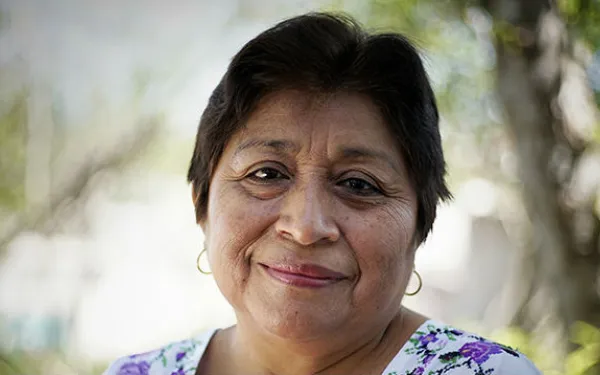
Leydy Pech, the guardian of the bees
“They’re part of my very being,” Leydy Araceli Pech Martin says of her bees. She feeds them pumpkin candy, and she identifies with them. Seeing how they organize and work together to produce honey reaffirms her confidence in collective action. In her native town of Ich Eq, a name that in Maya means “Star Eye,” families live in the same way: united and supporting each other. Of all the objectives that Leydy shares with her community, perhaps the most vital is the defense of their territory and traditional ways of life—threatened now by growing deforestation and the toxic contamination of industrial agriculture. The expansion of soy cultivation in Leydy’s town—located in the municipality of Hopelchén, in the Mexican State of Campeche—is killing large areas of tropical forest and indiscriminately spreading toxic pesticides through the land and water. It is harmful to both human health and the natural environment, particularly those ecosystems that depend on bees and, thus, beekeepers. Knocking down obstacles With a sweet look and a soft voice, Leydy is an agile woman. She does many things in a day, dividing her time between beekeeping, housework, caring for her mother and uncle, and keeping an eye on her son Diego Alberto, 17. She also manages the shop of Koolel-Kab (“women who work with bees”), an organization she founded with other women from Hopelchén in 1995. Together they breed and work for the preservation of melipona beecheii, a wild bee species that has been domesticated by the Maya people for hundred of years. Using what the bees produce, the women make and sell honeys, soaps and creams in the organization’s store. For Leydy, dedicating herself to beekeeping, a trade she learned from grandfather, which in the area is done mostly by men, has not been easy. She’s had to break down barriers. “We live in a world where only men have been able to speak and make decisions,” Leydy explained. “I’ve broken with that and they’ve questioned me.” At the beginning, the community underestimated the women’s potential. “They told us we wouldn’t achieve anything,” she said. “But little by little we demonstrated our abilities. The men saw the results of our work and publically recognized that the organization is an example of struggle, and success.” The women of Koolel-Kab work for the recognition of and respect for indigenous rights in the region. Leydy says their struggle began when they realized that other people were making decisions about the territory and natural resources of their town, about job opportunities and quality of life for their youngest members. Mennonites and industrial agribusiness have been cultivating genetically modified soybeans in Hopelchén, leading to mass deforestation and public health risks. The Mexican government authorized the cultivation without consulting affected communities. Although Mexico’s Supreme Court has recognized this human rights violation, the illegal planting of GMO soy has not stopped and the sowing of traditional soy has expanded. In addition, the aerial fumigation of crops is causing a harmful mixture of chemicals to reach houses, water sources, and the flowers the bees rely on. “I cannot sit idly by when I know what is happening,” explained Leydy, with the firmness that characterizes her. “It has become my responsibility. Not doing anything would be like betraying my own identity.” Leydy is motivated by the search for justice. Her organization of Maya women is part of the Collective of Maya Communities of los Chenes, which has presented national and international legal actions to stop the damages of agroindustry. AIDA, together with partner organizations, supports their efforts and has taken the case, on behalf of the communities, before the Inter-American Commission on Human Rights. The strength of unity Leydy is convinced that the strength of the Collective is its unity. Those in the Collective work for the needs of their own communities, but are also in the process of seeing themselves as one—something that applies not only to the people of Campeche, but also to those of the nearby States of Yucatan and Quintana Roo. “The Maya people are many, and everything that we’ve achieved is not for only one person, it is for all.” Leydy shares her leadership and her natural ability for teamwork. Her son, Diego Alberto, is part of that effort. “He’s happy, he understands a lot about bees and has his own projects,” she says. Like Diego Albert, other young members of Leydy’s family are choosing to dedicate themselves to beekeeping. “That tells me I’m doing something right,” she says, proudly.
Read more