
Project
Amazon Watch / Maíra Irigaray
Barragem de Belo Monte no rio Xingu: 10 anos de impactos na Amazônia e de busca por reparações
A usina hidrelétrica de Belo Monte causou um desastre ambiental e social no coração da Amazônia: um dos ecossistemas mais importantes do planeta.
Essa situação só piorou desde que a usina começou a operar em 2016. A busca por justiça e reparação para as comunidades indígenas e ribeirinhas afetadas continua até hoje.
Em 2011, a Comissão Interamericana de Direitos Humanos (CIDH) concedeu a essas comunidades medidas de proteção, que até hoje não foram totalmente implementadas pelo Estado brasileiro.
E, desde junho daquele mesmo ano, a CIDH mantém um processo contra o Estado por sua responsabilidade internacional no caso.
A CIDH pode encaminhar o caso à Corte Interamericana de Direitos Humanos, que tem o poder de emitir uma sentença condenatória contra o Estado brasileiro.
Consulta o expediente de fatos do caso
Após 10 anos de operação da usina hidrelétrica e mais de 15 anos de violações de direitos humanos documentadas, é hora da justiça ser feita para as comunidades afetadas.
Leia a carta aberta das organizações que levam o caso à CIDH
Leia nosso comunicado à imprensa
Contexto
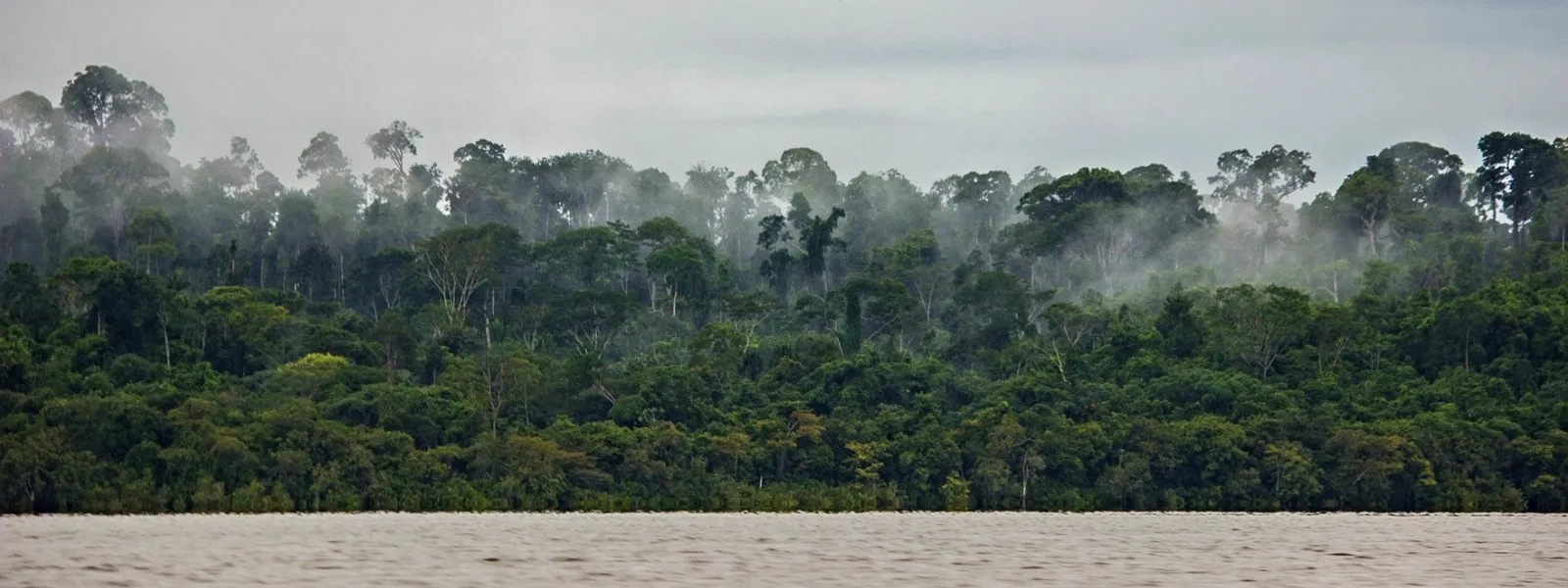
A usina hidrelétrica de Belo Monte — a quarta maior do mundo em capacidade instalada (11.233 MW) — foi construída no rio Xingu, no estado do Pará, norte do Brasil.
Foi inaugurada em 5 de maio de 2016, com uma única turbina. Naquela época, 80% do curso do rio foi desviado e 516 km² de terra foram inundados, uma área maior que a cidade de Chicago. Desse total, 400 km² eram de mata nativa. A usina começou a operar em plena capacidade em novembro de 2019.
Belo Monte foi construída e é operada pelo consórcio Norte Energia S.A., composto principalmente por empresas estatais. Foi financiada pelo Banco Nacional de Desenvolvimento Econômico e Social (BNDES), que aportou ao consórcio 25,4 bilhões de reais (aproximadamente US$ 10,16 bilhões), o maior investimento de sua história. Portanto, o BNDES também é legalmente responsável pelos impactos socioambientais associados ao projeto hidrelétrico.
Décadas de danos ambientais e humanos
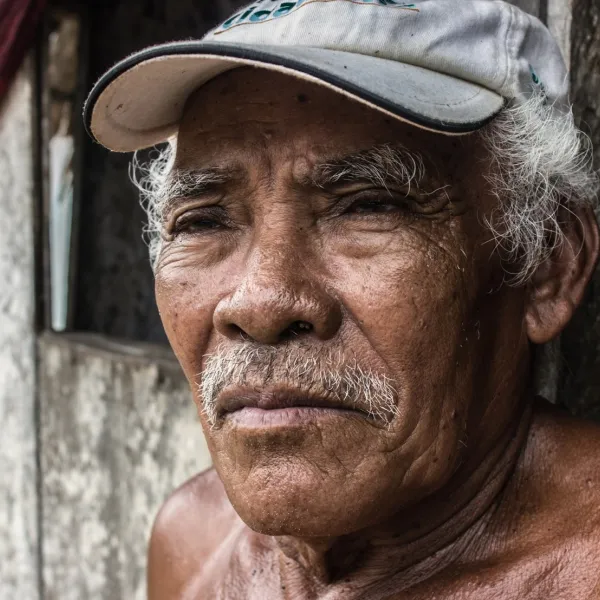
As violações dos direitos humanos e a degradação da Amazônia remontam ao início do projeto. Em março de 2011, a Norte Energia iniciou a construção da barragem sem consulta adequada e sem o consentimento prévio, livre e informado das comunidades afetadas.
A construção levou ao deslocamento forçado de mais de 40.000 pessoas, rompendo laços sociais e culturais. O plano de reassentamento em Altamira — cidade diretamente afetada pelo projeto hidrelétrico — incluía moradias na periferia da cidade, sem serviços públicos adequados, moradias dignas para as famílias reassentadas e moradias diferenciadas para aqueles pertencentes a comunidades indígenas.
A operação da barragem de Belo Monte impôs uma seca permanente e artificial na Volta Grande do rio Xingu, agravada pelas secas históricas na Amazônia em 2023 e 2024. Como resultado, a morte de milhões de ovos de peixe foi documentada por quatro anos consecutivos (de 2021 a 2024) e, nos últimos três anos, não houve migração de peixes rio acima para desovar e se reproduzir. Assim, a pesca artesanal, principal fonte de proteína para os povos indígenas e comunidades ribeirinhas, foi severamente afetada: o consumo de peixe caiu de 50% para 30% do total de proteínas consumidas, sendo substituído por alimentos processados. Em suma, houve um colapso ambiental e humanitário que resultou no colapso da pesca como modo de vida tradicional, insegurança alimentar e falta de acesso à água potável para milhares de famílias, empobrecimento e doenças.
Além disso, a construção da barragem aumentou o desmatamento e intensificou a extração ilegal de madeira e a insegurança em terras indígenas e tribais, colocando em risco a sobrevivência dessas comunidades. Outra consequência foi o agravamento da pobreza e dos conflitos sociais, bem como a sobrecarga dos sistemas de saúde, educação e segurança pública em Altamira, cidade considerada a mais violenta do país em 2017, onde houve aumento do tráfico de pessoas e da violência sexual. Também foram registrados casos de violência contra defensores de direitos humanos envolvidos no caso.
Em 2025, durante a 30ª Conferência das Nações Unidas sobre Mudanças Climáticas (COP30), realizada no Brasil, o Ministério Público Federal classificou os danos causados por Belo Monte como ecocídio.
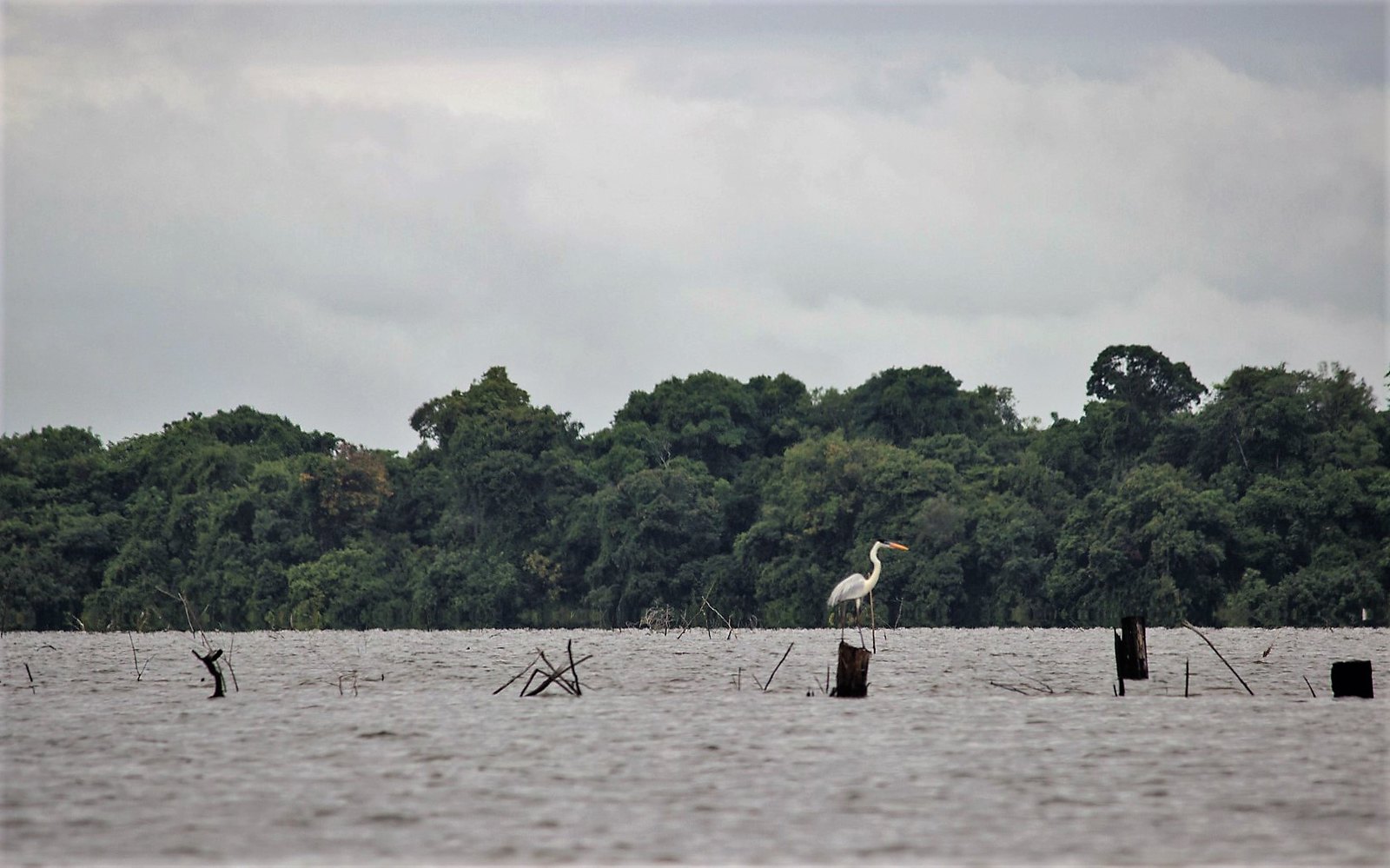
Foto: Amazon Watch / Maíra Irigaray.
A busca por justiça e reparação
Ao longo dos anos, o Ministério Público Federal do Pará, a Defensoria Pública e organizações da sociedade civil impetraram dezenas de ações judiciais em tribunais brasileiros para contestar as diversas irregularidades do projeto, bem como seus impactos. A maioria das ações permanece sem solução, algumas há mais de 10 anos.
Essas ações não obtiveram sucesso porque o governo federal tem reiteradamente anulado decisões favoráveis às comunidades afetadas, recorrendo a um mecanismo pelo qual o presidente do Supremo Tribunal Federal pode suspender uma decisão judicial com base unicamente em argumentos genéricos como "interesse nacional" ou "ordem econômica".
Diante da falta de respostas eficazes em nível nacional, a AIDA — juntamente com uma coalizão de organizações aliadas — levou o caso à Comissão Interamericana de Direitos Humanos (CIDH) e, em 2010, solicitou medidas cautelares para proteger a vida, a integridade e a saúde das comunidades indígenas afetadas.
Em 1º de abril de 2011, a CIDH concedeu essas medidas e solicitou ao Estado brasileiro a suspensão das licenças ambientais e de quaisquer obras de construção até que as condições relativas à consulta prévia e à proteção da saúde e integridade das comunidades fossem atendidas.
E, em 16 de junho de 2011, apresentamos uma denúncia formal à CIDH — juntamente com o Movimento Xingu Vivo Para Siempre, a Coordenação das Organizações Indígenas da Amazônia Brasileira, a Diocese de Altamira, o Conselho Missionário Indígena, a Sociedade Pará de Defesa dos Direitos Humanos e a Global Justice — contra o Estado brasileiro por sua responsabilidade internacional nas violações de direitos humanos contra os povos afetados neste caso. A denúncia foi apresentada em dezembro de 2015.
Em 3 de agosto de 2011, a CIDH modificou as medidas cautelares para solicitar — em vez da suspensão de licenças e obras — a proteção dos povos que vivem em isolamento voluntário, a saúde das comunidades indígenas e a regularização e proteção das terras ancestrais.
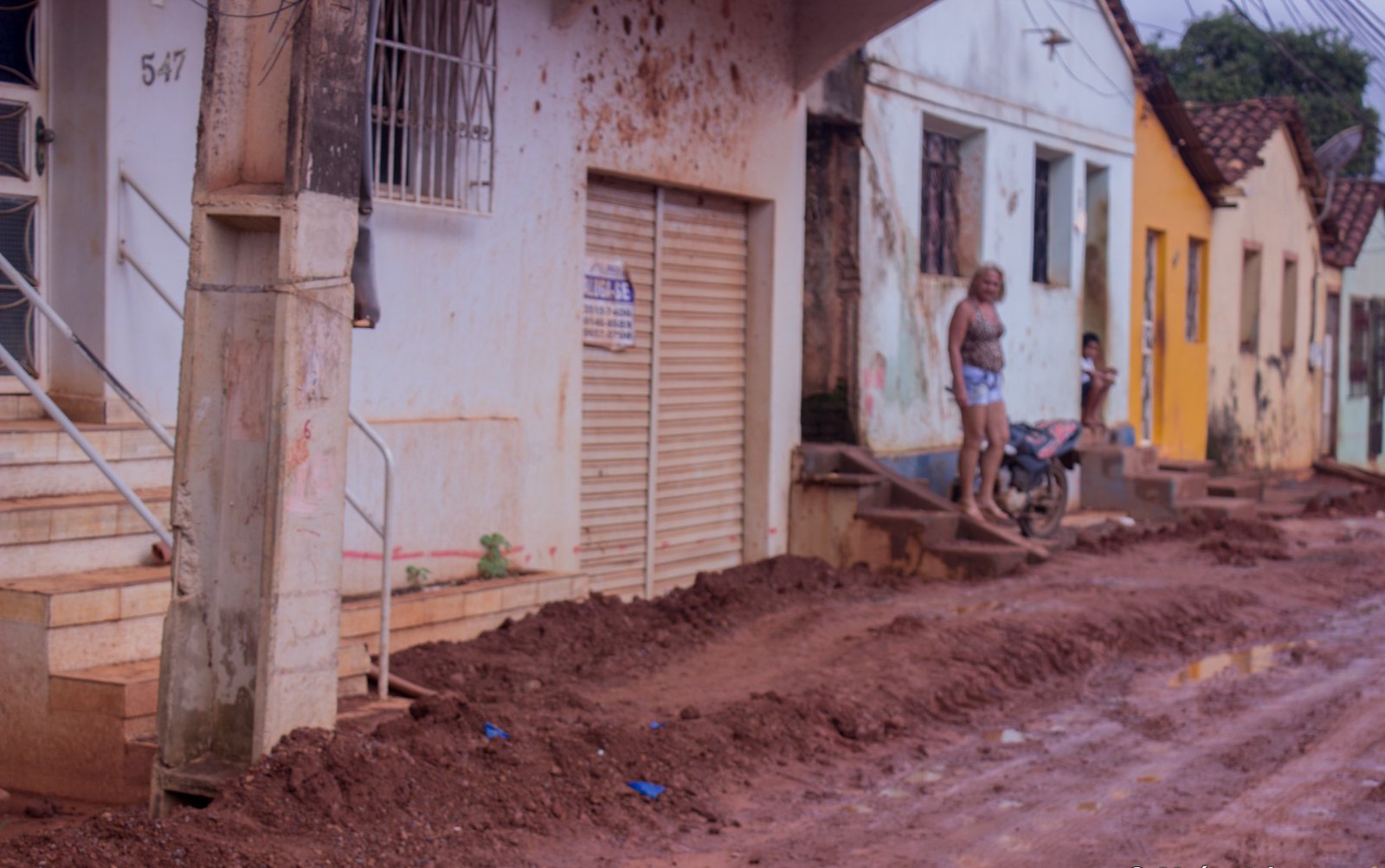
Foto: Amazon Watch / Maíra Irigaray.
Situação atual
As medidas de proteção concedidas pela CIDH permanecem em vigor, mas o Estado brasileiro não as cumpriu integralmente, relatando apenas ações genéricas. As comunidades documentaram as contínuas violações de seus direitos. A situação que motivou o pedido dessas medidas — o risco à vida, à segurança e aos meios de subsistência das comunidades — persiste e se agravou com a usina hidrelétrica operando em plena capacidade e com as recentes secas extremas na Amazônia.
Além do ocorrido em Belo Monte, existe o risco de maiores danos sociais e ambientais decorrentes da implementação de outro megaprojeto de mineração na Volta Grande do Xingu. Lá, a empresa canadense Belo Sun pretende construir a maior mina de ouro a céu aberto do Brasil.
Os impactos sinérgicos e cumulativos da usina e da mina não foram avaliados. O Estado excluiu povos indígenas, comunidades ribeirinhas e comunidades camponesas do processo de licenciamento ambiental do projeto. Apesar disso, dos protestos indígenas e de outras irregularidades em torno do projeto, o governo do estado do Pará autorizou formalmente a mina em abril de 2026.
Belo Monte, assim como outras usinas hidrelétricas, agrava a emergência climática ao gerar emissões de gases de efeito estufa em seu reservatório. Além disso, é ineficiente diante das secas prolongadas e intensas causadas pela crise, pois perde capacidade de geração de energia.
O caso perante a Comissão Interamericana
Em outubro de 2017, a CIDH anunciou que decidiria conjuntamente sobre a admissibilidade (se o caso preenche os requisitos para admissão) e o mérito (se houve, de fato, violação de direitos humanos) da denúncia internacional contra o Estado brasileiro.
Quinze anos após a apresentação da denúncia, as comunidades afetadas e as organizações que as representam ainda aguardam essa decisão. Caso a CIDH conclua que houve violações de direitos humanos e emita recomendações que o Estado brasileiro não cumpra, poderá encaminhar o caso à Corte Interamericana de Direitos Humanos, cujas decisões são vinculativas.
Uma possível decisão da Corte Internacional de Direitos Humanos neste caso estabeleceria um precedente jurídico regional em relação aos direitos dos povos indígenas e ribeirinhos, à participação pública em megaprojetos e à responsabilidade do Estado no contexto da crise climática. Isso é particularmente relevante à luz do Parecer Consultivo nº 32 da Corte, que reafirmou as obrigações dos Estados de proteger pessoas e comunidades em todo o continente da emergência climática.
Partners:
Related projects
World’s first legally binding treaty to protect the high seas: Landmark UN negotiations open
New York. Treaty negotiations to conserve and protect nearly two thirds of the ocean open today at the United Nations (UN) in what is widely regarded as the greatest opportunity in a generation to turn the tide on ocean degradation and biodiversity loss. Following over a decade of discussions at the UN, the two-week Intergovernmental Conference (IGC) is the first of a series of four negotiating sessions through 2020 for a new legally-binding treaty to protect marine biodiversity in areas beyond national jurisdiction*, commonly known as the high seas. The ocean beyond 200 nautical miles (370 kilometres) from a country’s shorelines is considered international waters – “the high seas” - and is globally shared. There is no overarching law in place to safeguard its biodiversity or its vital role in provisioning services – such as generating oxygen and regulating the climate. “The high seas cover half our planet and are vital to the functioning of the whole ocean and all life on Earth. The current high seas governance system is weak, fragmented and unfit to address the threats we now face in the 21st century from climate change, illegal and overfishing, plastics pollution and habitat loss. This is an historic opportunity to protect the biodiversity and functions of the high seas through legally binding commitments” said Peggy Kalas, Coordinator of the High Seas Alliance, a partnership of 40+ non-governmental organisations and the International Union for the Conservation of Nature (IUCN). The ocean’s key role in mitigating climate change, which includes absorbing 90% of the extra heat and 26% of the excess carbon dioxide created by human sources, has had a devastating effect on the ocean itself. Managing the multitude of other anthropogenic stressors exerted on it will increase its resilience to climate change and ocean acidification and protect unique marine ecosystems, many of which are still unexplored and undiscovered. Because these are international waters, the conservation measures needed can only be put into place via a global treaty. Professor Alex Rogers of Oxford University who has provided evidence to inform the UN process towards a treaty said: “The half of our planet which is high seas is protecting terrestrial life from the worst impacts of climate change. Yet we do too little to safeguard that or to protect the life within the ocean which is intrinsic to our collective survival. Protecting the biodiversity of the high seas by bringing good governance and law to the whole ocean is the single most important thing we can do to turn the tide for the blue heart of our planet.” Through the UN, states will discuss how to protect and conserve the high seas by establishing: Marine Protected Areas (MPAs): MPAs are widely acknowledged as essential for building ocean resilience, but without a treaty there is no mechanism to enable their creation on the high seas. Environmental Impact Assessments (EIAs): Although some activities are partially regulated in some areas of the high seas, there is no legal framework for conducting EIAs to guard against potential environmental harm. Benefit sharing and technological transfer: Many countries are concerned that they will not benefit from research into high seas species and will lose out on potentially vast new ocean genetic resources, such as discoveries of marine genetic resources (MGRs) that could provide new pharmaceuticals, nutraceuticals and other uses. The negotiations will also aim at improving mechanisms to build capacity and transfer technology in developing countries relating to the high seas. Gladys Martínez, senior attorney of the Interamerican Association for Environmental Defense (AIDA)’s Marine Program, said: “We’re hopeful that this intergovernmental conference will achieve important advances toward the creation of a treaty for the conservation and sustainable use of high seas biodiversity. We’re particularly pleased to see the commitment with which Latin American nations are approaching this important negotiation.” Notes to editors: * ‘Areas beyond national jurisdiction’ means the areas of ocean outside the EEZs and continental shelves of individual states i.e. in most cases beyond 200 nautical miles offshore. It includes, as well as the high seas, the deep sea Area as defined in Part XI of the United Nations Convention on the Law of the Sea (known as UNCLOS), which is the deep seabed beyond the continental shelves of coastal States. For more information see http://highseasalliance.org The process so far: Treaty timeline Press contacts Victor Quintanilla (Mexico), [email protected], +521 5570522107 Mirella von Lindenfels (at the UN during the negotiations), + 44 7717 844 352
Read more
We have to talk about the bees
When I was three years old, I threw rocks at a hive until I was attacked by an enraged swarm of bees. It was one of my first memories and, despite the pain it caused me, I harbor no resentment toward bees, wasps, or bumblebees. It was my fault, my mother told me. They were just defending themselves. She taught me about their stingers, the queen bee, and the honey the produce. She told me how they feed on pollen and flower nectar, something a three-year-old can understand. With time, I learned that plants like coffee, apples, and cotton all rely on pollination by bees to reproduce. Twenty-five years ago, the bees didn’t seem to be in any danger — they were everywhere in my small town in the state of Veracruz, Mexico. Later, I moved to Mexico City, where people “reported” bees to the Civil Protection agency, and firefighters were called in to kill them. To prevent attacks, the city made life difficult for bees: in city parks, trees and flowers were sprayed with chemicals and pesticides, and water sources were dried up. That tactic has spread to agricultural fields around the world. Today, it is rare to see bees, bumblebees, or wasps flying around those spaces. The problem with pesticides The problem with bees became visible around 2006, when beekeepers and farmers in the United States reported losing 70 percent of their bee colonies during one winter season. Until that point, keepers would lose around 15 percent of their colonies during the coldest months. But the decline of bee populations wasn’t isolated that season. Various European nations also began reporting losses in the early 2000’s. According to a European Union report published in 2014, the region loses a third of its bee population every year. Unfortunately, little data exists for Latin America and efforts to monitor bee populations have only just begun. We know that beekeepers in Mexico have reported losses of between 30 and 80 percent of their colonies. Chile reportedly loses nearly half its colonies in the winter, a percentage that was previously between 15 and 20 percent. The Abejas Vivas (Living Bees) collective has recorded the disappearance of more than 10,000 hives in Colombia, and some regions of Argentina have reported the sudden death of nearly 90 percent of their hives. Why should we care? Seventy-five percent of our food production relies on pollinators—vertebrates and invertebrates alike—including bees. The UN Food and Agriculture Organization (FAO) asked countries to adopt policies and food systems that are more favorable to pollinators. “We cannot continue focusing on growing our food production with processes based on the general use of pesticides and chemical products that threaten our crops and our pollinators,” said FAO Director José Graziano da Silvo. The sudden mass death of bees—known as Colony Collapse Disorder—is caused by a number of factors: an increasingly extreme and unstable global climate, the increased use of pesticides and fungicides, parasites like the varroa destructor (a mite that attacks bee hives), and the deterioration of ecosystems that bees rely on for food. Each of these factors creates stress for the bees. According to an article in Science, “exposure to chemicals and a lack of food can endanger bees’ immune systems, making them more susceptible to parasites.” Taking steps to protect bees In April, the European Union banned three neonicotinoide insecticides, which are commonly used for producing corn, cotton, and sunflowers. These pesticides are a risk to not just honeybees, but also to wild bees, other insects, and some larger animals. Of course the ban—a decision passed down by the European Food Safety Authority—has not made pesticide companies happy, but the European Union’s objective is critical: to guarantee food production in its member nations. In the United States, despite the fact that the Environmental Protection Agency has called for the protection of pollinators, the current government reversed the ban on certain insecticides in natural protected areas, a policy enacted by the previous administration. While scientists are working to better understand Colony Collapse Disorder, bees continue to die, putting our food security at greater risk. Many studies are focused on domesticated honeybees, whose columns are the easiest to count. But there exist around 20,000 species of pollinators—including wild bees, wasps, bumblebees, other insects, and vertebrates like birds and bats. There are few studies on the impacts of pesticides, changes in soil makeup, and climate variations on wild pollinating species, but these species are also likely to be at risk. Some plants depend exclusively on certain wild pollinators—plants like orchids, cacao (chocolate), coffee, and agave (tequila). That’s why we have to talk about the bees, and the other animals that help provide us with fruits, vegetables, and grains. Losing these species endangers the livelihoods of small-scale food producers, and a drop in food production would disproportionately affect society’s most vulnerable populations. What can we do? Twenty-five years ago, my mother planted flowers and told me that they would attract bees, which would ensure there would always be more flowers. Beyond the simple but meaningful act of sowing native flowers for local pollinators, we must demand that our food production systems respect the natural environment they depend on. And finally, it’s important to note that although bee deaths are caused by a number of different factors, human activity is the one thing they all have in common.
Read more
Open letter to American States on the signing of a regional environmental treaty
Dear Presidents, On 27 September 2018, countries in Latin America and the Caribbean will have the opportunity to put in place a new instrument to protect the environment: The Regional Agreement on Access to Information, Public Participation and Access to Justice on Environmental Matters in Latin America and the Caribbean (the Escazú Agreement). Your governments can make history and become leaders in environmental protection by signing the agreement during the opening for signature ceremony which will be held in the context of the Annual General Debate of the United Nations General Assembly in New York. The Escazú Agreement is a key tool that will allow for a more participatory approach to decision-making, policymaking and projects relating to the environment and decreasing and mitigating conflicts driven by a lack of effective participation of affected communities. The Agreement delves into the human rights obligations that the countries in the region previously acquired through other international instruments with regard to the right of access to public information; participation in decision-making, including the adoption of inclusive, participatory and representative decisions at all levels; the right to a healthy environment; equal access to justice with regard to environmental rights; and the protection of human and environmental rights defenders, among others. These obligations acquired by the countries of Latin America and the Caribbean, together with the commitments made within the framework of the Sustainable Development Goals and other international agreements, reflect a commitment to environmentally friendly development that respect human rights and future generations. In addition, at the 48th General Assembly of the Organization of American States (OAS) in June this year, your governments welcomed the signing of the Escazú Agreement with the acknowledgment that the human person is the central subject of sustainable development and should be an active participant in this. You also acknowledged that the Agreement is a means to guarantee a safe environment in which individuals, groups and organizations that promote and defend human rights related to the environment can act without facing threats, restrictions, attacks or danger. Signing the Escazú Agreement is the first step required to include environmental access rights into the government agenda. It represents a historic opportunity for your governments to send a clear message to your citizens and the international community regarding your firm commitment to this global agenda for the protection of human rights associated with a healthy and sustainable environment. A global agenda that will benefit everyone in the region and around the world. We call on your governments to sign the Escazú Agreement on 27 September 2018 and submit it to the competent national bodies for its immediate ratification. Now is the time to deliver real steps for real change. Latin America and the Caribbean need you to make the promise of the Escazú Agreement a reality for millions of people in the region. We also urge your governments to adopt rapid and effective measures to implement the provisions of the Agreement.
Read more