
Project
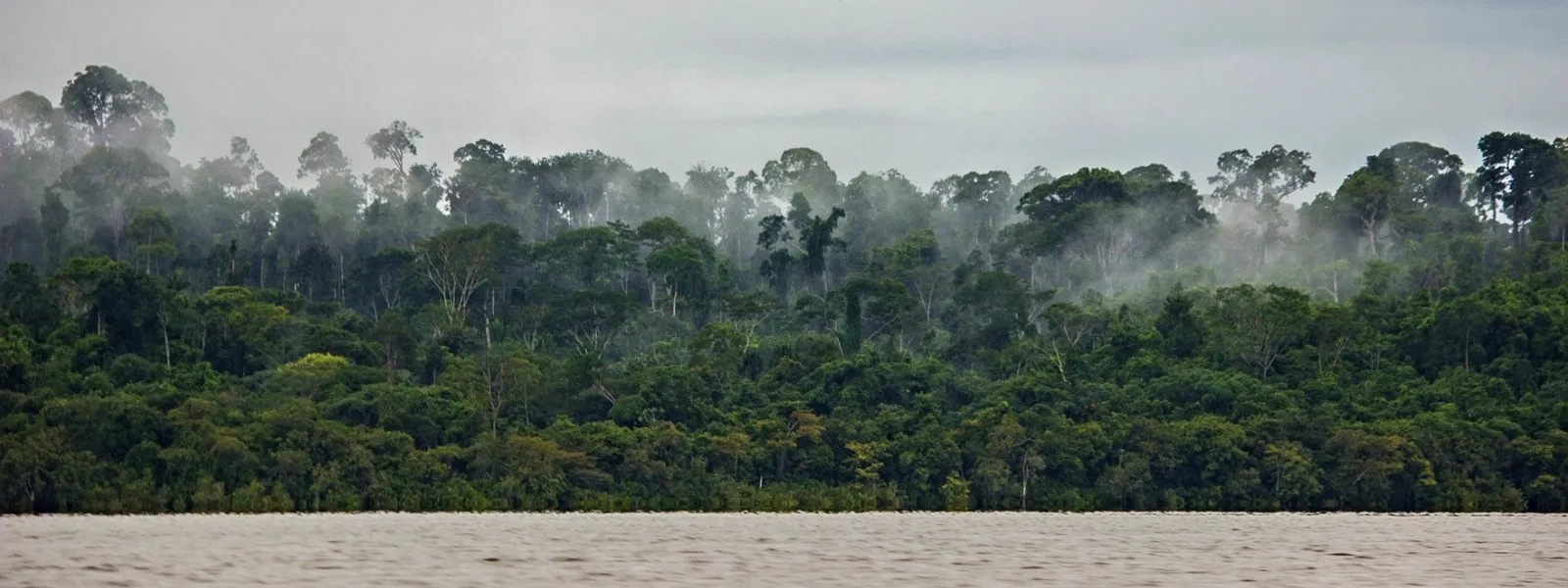
Amazon Watch / Maíra Irigaray
Barragem de Belo Monte no rio Xingu: 10 anos de impactos na Amazônia e de busca por reparações
A usina hidrelétrica de Belo Monte causou um desastre ambiental e social no coração da Amazônia: um dos ecossistemas mais importantes do planeta.
Essa situação só piorou desde que a usina começou a operar em 2016. A busca por justiça e reparação para as comunidades indígenas e ribeirinhas afetadas continua até hoje.
Em 2011, a Comissão Interamericana de Direitos Humanos (CIDH) concedeu a essas comunidades medidas de proteção, que até hoje não foram totalmente implementadas pelo Estado brasileiro.
E, desde junho daquele mesmo ano, a CIDH mantém um processo contra o Estado por sua responsabilidade internacional no caso.
A CIDH pode encaminhar o caso à Corte Interamericana de Direitos Humanos, que tem o poder de emitir uma sentença condenatória contra o Estado brasileiro.
Consulta o expediente de fatos do caso
Após 10 anos de operação da usina hidrelétrica e mais de 15 anos de violações de direitos humanos documentadas, é hora da justiça ser feita para as comunidades afetadas.
Leia a carta aberta das organizações que levam o caso à CIDH
Leia nosso comunicado à imprensa
Contexto
A usina hidrelétrica de Belo Monte — a quarta maior do mundo em capacidade instalada (11.233 MW) — foi construída no rio Xingu, no estado do Pará, norte do Brasil.
Foi inaugurada em 5 de maio de 2016, com uma única turbina. Naquela época, 80% do curso do rio foi desviado e 516 km² de terra foram inundados, uma área maior que a cidade de Chicago. Desse total, 400 km² eram de mata nativa. A usina começou a operar em plena capacidade em novembro de 2019.
Belo Monte foi construída e é operada pelo consórcio Norte Energia S.A., composto principalmente por empresas estatais. Foi financiada pelo Banco Nacional de Desenvolvimento Econômico e Social (BNDES), que aportou ao consórcio 25,4 bilhões de reais (aproximadamente US$ 10,16 bilhões), o maior investimento de sua história. Portanto, o BNDES também é legalmente responsável pelos impactos socioambientais associados ao projeto hidrelétrico.
Décadas de danos ambientais e humanos
As violações dos direitos humanos e a degradação da Amazônia remontam ao início do projeto. Em março de 2011, a Norte Energia iniciou a construção da barragem sem consulta adequada e sem o consentimento prévio, livre e informado das comunidades afetadas.
A construção levou ao deslocamento forçado de mais de 40.000 pessoas, rompendo laços sociais e culturais. O plano de reassentamento em Altamira — cidade diretamente afetada pelo projeto hidrelétrico — incluía moradias na periferia da cidade, sem serviços públicos adequados, moradias dignas para as famílias reassentadas e moradias diferenciadas para aqueles pertencentes a comunidades indígenas.
A operação da barragem de Belo Monte impôs uma seca permanente e artificial na Volta Grande do rio Xingu, agravada pelas secas históricas na Amazônia em 2023 e 2024. Como resultado, a morte de milhões de ovos de peixe foi documentada por quatro anos consecutivos (de 2021 a 2024) e, nos últimos três anos, não houve migração de peixes rio acima para desovar e se reproduzir. Assim, a pesca artesanal, principal fonte de proteína para os povos indígenas e comunidades ribeirinhas, foi severamente afetada: o consumo de peixe caiu de 50% para 30% do total de proteínas consumidas, sendo substituído por alimentos processados. Em suma, houve um colapso ambiental e humanitário que resultou no colapso da pesca como modo de vida tradicional, insegurança alimentar e falta de acesso à água potável para milhares de famílias, empobrecimento e doenças.
Além disso, a construção da barragem aumentou o desmatamento e intensificou a extração ilegal de madeira e a insegurança em terras indígenas e tribais, colocando em risco a sobrevivência dessas comunidades. Outra consequência foi o agravamento da pobreza e dos conflitos sociais, bem como a sobrecarga dos sistemas de saúde, educação e segurança pública em Altamira, cidade considerada a mais violenta do país em 2017, onde houve aumento do tráfico de pessoas e da violência sexual. Também foram registrados casos de violência contra defensores de direitos humanos envolvidos no caso.
Em 2025, durante a 30ª Conferência das Nações Unidas sobre Mudanças Climáticas (COP30), realizada no Brasil, o Ministério Público Federal classificou os danos causados por Belo Monte como ecocídio.
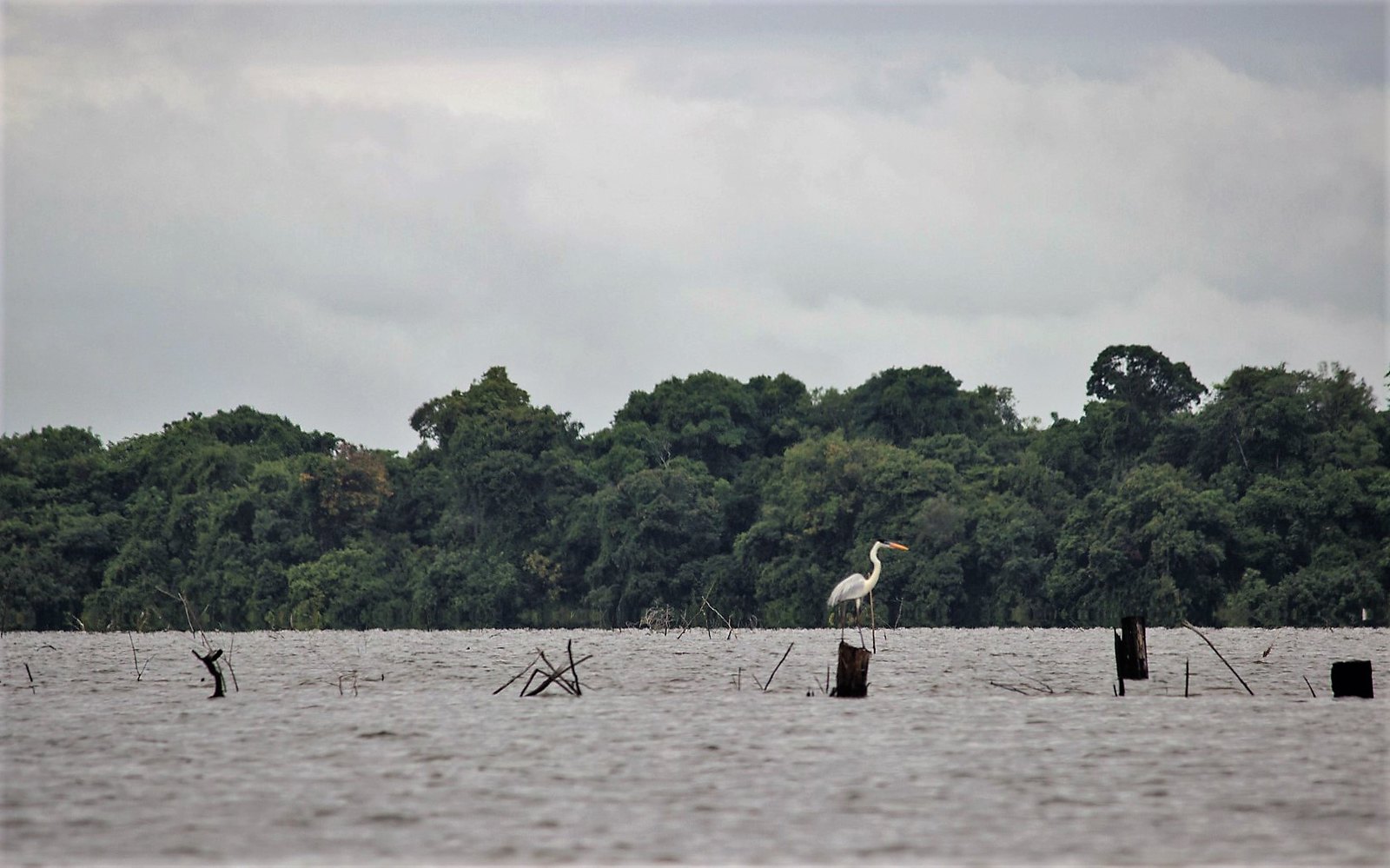
Foto: Amazon Watch / Maíra Irigaray.
A busca por justiça e reparação
Ao longo dos anos, o Ministério Público Federal do Pará, a Defensoria Pública e organizações da sociedade civil impetraram dezenas de ações judiciais em tribunais brasileiros para contestar as diversas irregularidades do projeto, bem como seus impactos. A maioria das ações permanece sem solução, algumas há mais de 10 anos.
Essas ações não obtiveram sucesso porque o governo federal tem reiteradamente anulado decisões favoráveis às comunidades afetadas, recorrendo a um mecanismo pelo qual o presidente do Supremo Tribunal Federal pode suspender uma decisão judicial com base unicamente em argumentos genéricos como "interesse nacional" ou "ordem econômica".
Diante da falta de respostas eficazes em nível nacional, a AIDA — juntamente com uma coalizão de organizações aliadas — levou o caso à Comissão Interamericana de Direitos Humanos (CIDH) e, em 2010, solicitou medidas cautelares para proteger a vida, a integridade e a saúde das comunidades indígenas afetadas.
Em 1º de abril de 2011, a CIDH concedeu essas medidas e solicitou ao Estado brasileiro a suspensão das licenças ambientais e de quaisquer obras de construção até que as condições relativas à consulta prévia e à proteção da saúde e integridade das comunidades fossem atendidas.
E, em 16 de junho de 2011, apresentamos uma denúncia formal à CIDH — juntamente com o Movimento Xingu Vivo Para Siempre, a Coordenação das Organizações Indígenas da Amazônia Brasileira, a Diocese de Altamira, o Conselho Missionário Indígena, a Sociedade Pará de Defesa dos Direitos Humanos e a Global Justice — contra o Estado brasileiro por sua responsabilidade internacional nas violações de direitos humanos contra os povos afetados neste caso. A denúncia foi apresentada em dezembro de 2015.
Em 3 de agosto de 2011, a CIDH modificou as medidas cautelares para solicitar — em vez da suspensão de licenças e obras — a proteção dos povos que vivem em isolamento voluntário, a saúde das comunidades indígenas e a regularização e proteção das terras ancestrais.
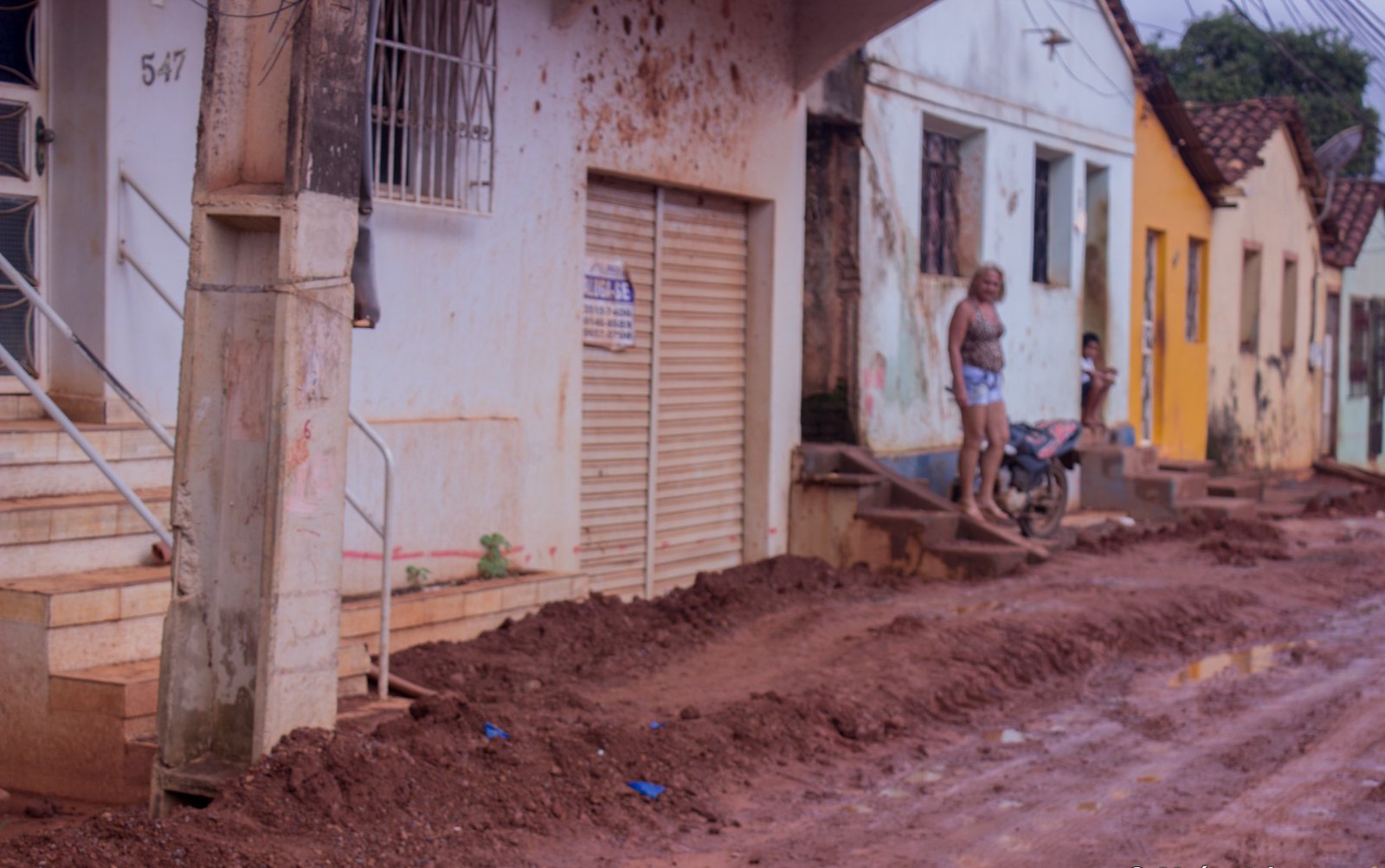
Foto: Amazon Watch / Maíra Irigaray.
Situação atual
As medidas de proteção concedidas pela CIDH permanecem em vigor, mas o Estado brasileiro não as cumpriu integralmente, relatando apenas ações genéricas. As comunidades documentaram as contínuas violações de seus direitos. A situação que motivou o pedido dessas medidas — o risco à vida, à segurança e aos meios de subsistência das comunidades — persiste e se agravou com a usina hidrelétrica operando em plena capacidade e com as recentes secas extremas na Amazônia.
Além do ocorrido em Belo Monte, existe o risco de maiores danos sociais e ambientais decorrentes da implementação de outro megaprojeto de mineração na Volta Grande do Xingu. Lá, a empresa canadense Belo Sun pretende construir a maior mina de ouro a céu aberto do Brasil.
Os impactos sinérgicos e cumulativos da usina e da mina não foram avaliados. O Estado excluiu povos indígenas, comunidades ribeirinhas e comunidades camponesas do processo de licenciamento ambiental do projeto. Apesar disso, dos protestos indígenas e de outras irregularidades em torno do projeto, o governo do estado do Pará autorizou formalmente a mina em abril de 2026.
Belo Monte, assim como outras usinas hidrelétricas, agrava a emergência climática ao gerar emissões de gases de efeito estufa em seu reservatório. Além disso, é ineficiente diante das secas prolongadas e intensas causadas pela crise, pois perde capacidade de geração de energia.
O caso perante a Comissão Interamericana
Em outubro de 2017, a CIDH anunciou que decidiria conjuntamente sobre a admissibilidade (se o caso preenche os requisitos para admissão) e o mérito (se houve, de fato, violação de direitos humanos) da denúncia internacional contra o Estado brasileiro.
Quinze anos após a apresentação da denúncia, as comunidades afetadas e as organizações que as representam ainda aguardam essa decisão. Caso a CIDH conclua que houve violações de direitos humanos e emita recomendações que o Estado brasileiro não cumpra, poderá encaminhar o caso à Corte Interamericana de Direitos Humanos, cujas decisões são vinculativas.
Uma possível decisão da Corte Internacional de Direitos Humanos neste caso estabeleceria um precedente jurídico regional em relação aos direitos dos povos indígenas e ribeirinhos, à participação pública em megaprojetos e à responsabilidade do Estado no contexto da crise climática. Isso é particularmente relevante à luz do Parecer Consultivo nº 32 da Corte, que reafirmou as obrigações dos Estados de proteger pessoas e comunidades em todo o continente da emergência climática.
Partners:
Related projects
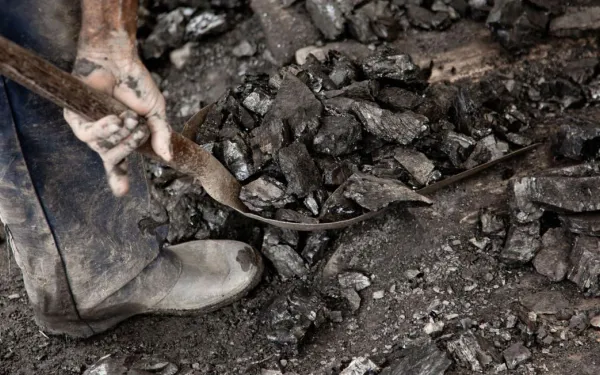
The Colombian town that’s taking on coal mining
“To leave for good is painful,” Flower Aria Rivera, 58, said with nostalgia. He doesn’t want to leave his land, his home. Doing so would mean leaving behind his identity, his story. Flower is from Boquerón, Colombia, a town of nearly 900 residents in the northwest department of Cesar. His ancestors, directly descended from Africans, were among the first inhabitants of his small town and many others in the region. They lived from raising cattle and growing rice. But that simple life is no more. The once-fertile soils of Boquerón have for more than 30 years been overtaken by large-scale coal mining operations. Since the corporations arrived, the town has been absorbed by coal and the many damages it leaves behind—like unhealthy levels of air pollution, and the depletion of water from rivers and other natural sources. The contamination had gotten so bad that, in 2010, the government ordered the mining company to relocate Boquerón’s residents. Eight years later, and that still hasn’t happened. On the contrary, new families have been arriving to Boquerón in search of the compensation that will surely be distributed when relocation finally does occur. “We want the mines to move, we want them to stop polluting our town,” said Flower, one of the most respected of the community, which has peacefully resisted despite the outbreak of skin and respiratory diseases. Flower is not a conventional leader. He speaks softly, while smiling. His deep black skin contrasts with his pure white hair. He’s sweet and calm and, above all, full of faith and hope. I met him two months ago when he participated with other leaders in a public forum co-organized by AIDA, Tierra Digna, CENSAT Agua Viva, University of Magdalena, the Environmental Justice Network of Colombia, and the Rosa Luxembourg Foundation. There, participants discussed what’s needed to enable Colombia to move its economy away from coal exploitation and toward alternative energies—those that respect the both climate and communities. “Coal has left us with nothing, only sadness,” Flower lamented. Colombia is the fourth largest coal exporter in the world. As such, the government has the ethical and moral obligation to reduce its carbon emissions, which have contributed to exacerbating the climate crisis. At AIDA, we believe in a clean energy future, and our work will continue to support the move towards a coal-free Latin America. To close, I’d like to share a poem Flower wrote. In it, he expresses longing and love for his land, and his fear of the “damned black stone.” A mi Boquerón Boquerón del alma mía Terruño de mis entrañas Estoy perdiendo mi alegría Mis costumbres y mis esperanzas Camino lento y con tristeza Con solo pensar en tu partida Historia mía, historia tuya Es como un llanto en noche buena Quisiera morirme en tus recuerdos Donde viví muchas nostalgias De amores y vivencias de este mundo Cómo te llevo Boquerón en el alma Voces de recuerdos se escuchan a lo lejos De un niño y un viejo Como añorando el pasado De Boquerón y sus hermosos tiempos Partir sin regreso es doloroso Y un diciembre sin ti es morir Como regresar después a pajuil Cuando mis zapatos se han roto Ya inerme camina un boqueronero Y la historia del tucuy, el manantial y la lomita está muriendo Hoy hasta el mismo cielo está llorando En gotas de agua convertidas en desespero Quisiera regresar a las faldas de mi madre Como cuando niño me escondía debajo de ella Escucho a lo lejos la voz del patriarca Rivera Ángel Que desde su tumba como deseando una esperanza Adiós diablito caño, palma y paralú donde di mi grito de libertad y olvidé mi esclavitud de mi raza palenquera y también de chambacú y olvidé por mis ancestros lo juro por ese cielo azul Maldita piedra negra Que hizo cambiar mi historia Un humilde pueblo llora La funesta partida de toda una vida
Read moreThe Colombian town that’s taking on coal mining
“To leave for good is painful,” Flower Aria Rivera, 58, said with nostalgia. He doesn’t want to leave his land, his home. Doing so would mean leaving behind his identity, his story. Flower is from Boquerón, Colombia, a town of nearly 900 residents in the northwest department of Cesar. His ancestors, directly descended from Africans, were among the first inhabitants of his small town and many others in the region. They lived from raising cattle and growing rice. But that simple life is no more. The once-fertile soils of Boquerón have for more than 30 years been overtaken by large-scale coal mining operations. Since the corporations arrived, the town has been absorbed by coal and the many damages it leaves behind—like unhealthy levels of air pollution, and the depletion of water from rivers and other natural sources. The contamination had gotten so bad that, in 2010, the government ordered the mining company to relocate Boquerón’s residents. Eight years later, and that still hasn’t happened. On the contrary, new families have been arriving to Boquerón in search of the compensation that will surely be distributed when relocation finally does occur. “We want the mines to move, we want them to stop polluting our town,” said Flower, one of the most respected of the community, which has peacefully resisted despite the outbreak of skin and respiratory diseases. Flower is not a conventional leader. He speaks softly, while smiling. His deep black skin contrasts with his pure white hair. He’s sweet and calm and, above all, full of faith and hope. I met him two months ago when he participated with other leaders in a public forum co-organized by AIDA, Tierra Digna, CENSAT Agua Viva, University of Magdalena, the Environmental Justice Network of Colombia, and the Rosa Luxembourg Foundation. There, participants discussed what’s needed to enable Colombia to move its economy away from coal exploitation and toward alternative energies—those that respect the both climate and communities. “Coal has left us with nothing, only sadness,” Flower lamented. Colombia is the fourth largest coal exporter in the world. As such, the government has the ethical and moral obligation to reduce its carbon emissions, which have contributed to exacerbating the climate crisis. At AIDA, we believe in a clean energy future, and our work will continue to support the move towards a coal-free Latin America. To close, I’d like to share a poem Flower wrote. In it, he expresses longing and love for his land, and his fear of the “damned black stone.” A mi Boquerón Boquerón del alma mía Terruño de mis entrañas Estoy perdiendo mi alegría Mis costumbres y mis esperanzas Camino lento y con tristeza Con solo pensar en tu partida Historia mía, historia tuya Es como un llanto en noche buena Quisiera morirme en tus recuerdos Donde viví muchas nostalgias De amores y vivencias de este mundo Cómo te llevo Boquerón en el alma Voces de recuerdos se escuchan a lo lejos De un niño y un viejo Como añorando el pasado De Boquerón y sus hermosos tiempos Partir sin regreso es doloroso Y un diciembre sin ti es morir Como regresar después a pajuil Cuando mis zapatos se han roto Ya inerme camina un boqueronero Y la historia del tucuy, el manantial y la lomita está muriendo Hoy hasta el mismo cielo está llorando En gotas de agua convertidas en desespero Quisiera regresar a las faldas de mi madre Como cuando niño me escondía debajo de ella Escucho a lo lejos la voz del patriarca Rivera Ángel Que desde su tumba como deseando una esperanza Adiós diablito caño, palma y paralú donde di mi grito de libertad y olvidé mi esclavitud de mi raza palenquera y también de chambacú y olvidé por mis ancestros lo juro por ese cielo azul Maldita piedra negra Que hizo cambiar mi historia Un humilde pueblo llora La funesta partida de toda una vida
Read more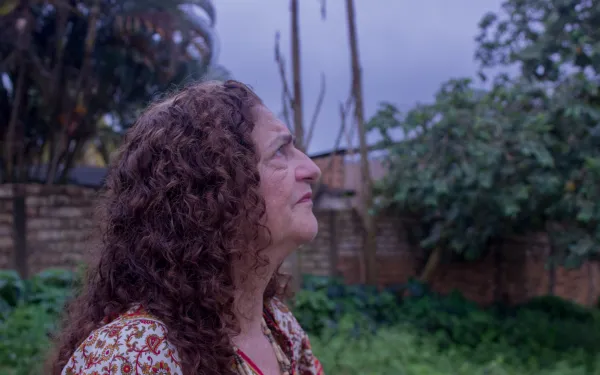
Why Brazil must respond for Belo Monte's human rights violations
We did it! We’re proud to say we recently submitted the final arguments in our case against Brazil before the Inter-American Commission on Human Rights. In them, we demonstrate the damages Belo Monte has caused to indigenous and traditional communities, and residents of Altamira, the city closest to the dam. We’re working for them—to bring the government of Brazil to justice. “Human rights violations are a daily occurrence for those of us affected by the dam,” explained Antônia Melo, coordinator of the Movimento Xingu Vivo para Sempre, a citizens’ collective formed in the face of the dam’s implementation. “It’s urgent that our petition before the Commission advance to sanction the government and guarantee our rights.” We argue that the damages to local communities resulted from a severe lack of foresight and inadequate evaluation, as well as from failure to comply with the conditions for operation established by the government. The many risks denounced prior to the dam’s construction have since become long-term damages—many of which have affected men and women, and youth and the elderly, in different ways. Our report documents the displacement of indigenous and traditional communities forced to leave their territories without adequate alternatives, placing their cultural survival at risk. Among the affected populations are communities dedicated to fishing, who have not yet been compensated for the loss of livelihood. The dam has caused mass die-offs of fish and, although authorities have imposed millions in fines, the report demonstrates that the underlying problem has not been resolved. Local communities now have limited use of the Xingu River as a source of food, sustenance, transportation and entertainment. We have also noted—among other serious harms—the disappearance of traditional trades, such as brickmakers and cart drivers, and of traditional cultural practices. Women, for example, have stopped giving birth in their homes and must now go to a hospital, a reality that has drastically worsened due to the oversaturation of health and education services in Altamira caused by the recent population surge. Our case is now in the hands of the Commission. They will prepare their own report, concluding whether or not human rights violations occurred as a result of the Belo Monte Dam. If violations did occur, they may issue recommendations for remediation. If Brazil fails to respond, the case may be referred to the Inter-American Court on Human Rights, which has the power to issue a ruling condemning Brazil. The completion of this report brings us—and, more importantly, the communities we represent—one big step closer to achieving justice for the many wrongs committed in the name of the Belo Monte Dam, and energy development in the Amazon.
Read more