
Project
Amazon Watch / Maíra Irigaray
Barragem de Belo Monte no rio Xingu: 10 anos de impactos na Amazônia e de busca por reparações
A usina hidrelétrica de Belo Monte causou um desastre ambiental e social no coração da Amazônia: um dos ecossistemas mais importantes do planeta.
Essa situação só piorou desde que a usina começou a operar em 2016. A busca por justiça e reparação para as comunidades indígenas e ribeirinhas afetadas continua até hoje.
Em 2011, a Comissão Interamericana de Direitos Humanos (CIDH) concedeu a essas comunidades medidas de proteção, que até hoje não foram totalmente implementadas pelo Estado brasileiro.
E, desde junho daquele mesmo ano, a CIDH mantém um processo contra o Estado por sua responsabilidade internacional no caso.
A CIDH pode encaminhar o caso à Corte Interamericana de Direitos Humanos, que tem o poder de emitir uma sentença condenatória contra o Estado brasileiro.
Consulta o expediente de fatos do caso
Após 10 anos de operação da usina hidrelétrica e mais de 15 anos de violações de direitos humanos documentadas, é hora da justiça ser feita para as comunidades afetadas.
Leia a carta aberta das organizações que levam o caso à CIDH
Leia nosso comunicado à imprensa
Contexto
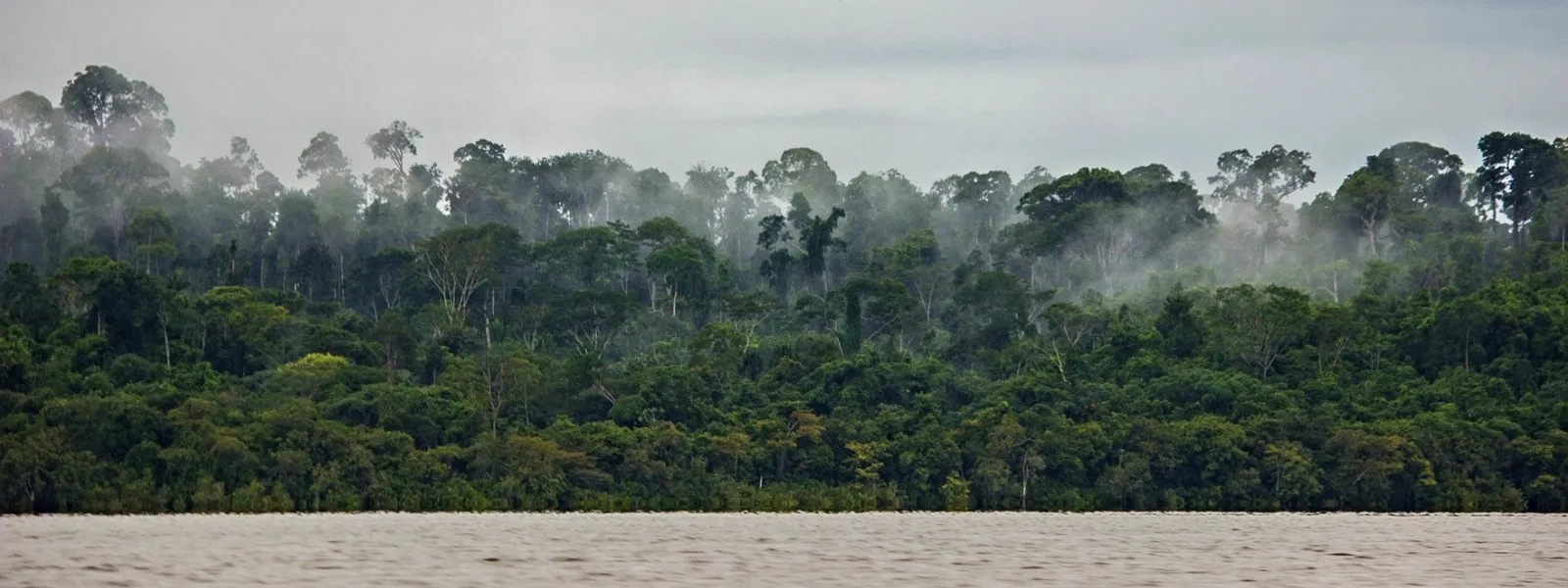
A usina hidrelétrica de Belo Monte — a quarta maior do mundo em capacidade instalada (11.233 MW) — foi construída no rio Xingu, no estado do Pará, norte do Brasil.
Foi inaugurada em 5 de maio de 2016, com uma única turbina. Naquela época, 80% do curso do rio foi desviado e 516 km² de terra foram inundados, uma área maior que a cidade de Chicago. Desse total, 400 km² eram de mata nativa. A usina começou a operar em plena capacidade em novembro de 2019.
Belo Monte foi construída e é operada pelo consórcio Norte Energia S.A., composto principalmente por empresas estatais. Foi financiada pelo Banco Nacional de Desenvolvimento Econômico e Social (BNDES), que aportou ao consórcio 25,4 bilhões de reais (aproximadamente US$ 10,16 bilhões), o maior investimento de sua história. Portanto, o BNDES também é legalmente responsável pelos impactos socioambientais associados ao projeto hidrelétrico.
Décadas de danos ambientais e humanos
As violações dos direitos humanos e a degradação da Amazônia remontam ao início do projeto. Em março de 2011, a Norte Energia iniciou a construção da barragem sem consulta adequada e sem o consentimento prévio, livre e informado das comunidades afetadas.
A construção levou ao deslocamento forçado de mais de 40.000 pessoas, rompendo laços sociais e culturais. O plano de reassentamento em Altamira — cidade diretamente afetada pelo projeto hidrelétrico — incluía moradias na periferia da cidade, sem serviços públicos adequados, moradias dignas para as famílias reassentadas e moradias diferenciadas para aqueles pertencentes a comunidades indígenas.
A operação da barragem de Belo Monte impôs uma seca permanente e artificial na Volta Grande do rio Xingu, agravada pelas secas históricas na Amazônia em 2023 e 2024. Como resultado, a morte de milhões de ovos de peixe foi documentada por quatro anos consecutivos (de 2021 a 2024) e, nos últimos três anos, não houve migração de peixes rio acima para desovar e se reproduzir. Assim, a pesca artesanal, principal fonte de proteína para os povos indígenas e comunidades ribeirinhas, foi severamente afetada: o consumo de peixe caiu de 50% para 30% do total de proteínas consumidas, sendo substituído por alimentos processados. Em suma, houve um colapso ambiental e humanitário que resultou no colapso da pesca como modo de vida tradicional, insegurança alimentar e falta de acesso à água potável para milhares de famílias, empobrecimento e doenças.
Além disso, a construção da barragem aumentou o desmatamento e intensificou a extração ilegal de madeira e a insegurança em terras indígenas e tribais, colocando em risco a sobrevivência dessas comunidades. Outra consequência foi o agravamento da pobreza e dos conflitos sociais, bem como a sobrecarga dos sistemas de saúde, educação e segurança pública em Altamira, cidade considerada a mais violenta do país em 2017, onde houve aumento do tráfico de pessoas e da violência sexual. Também foram registrados casos de violência contra defensores de direitos humanos envolvidos no caso.
Em 2025, durante a 30ª Conferência das Nações Unidas sobre Mudanças Climáticas (COP30), realizada no Brasil, o Ministério Público Federal classificou os danos causados por Belo Monte como ecocídio.
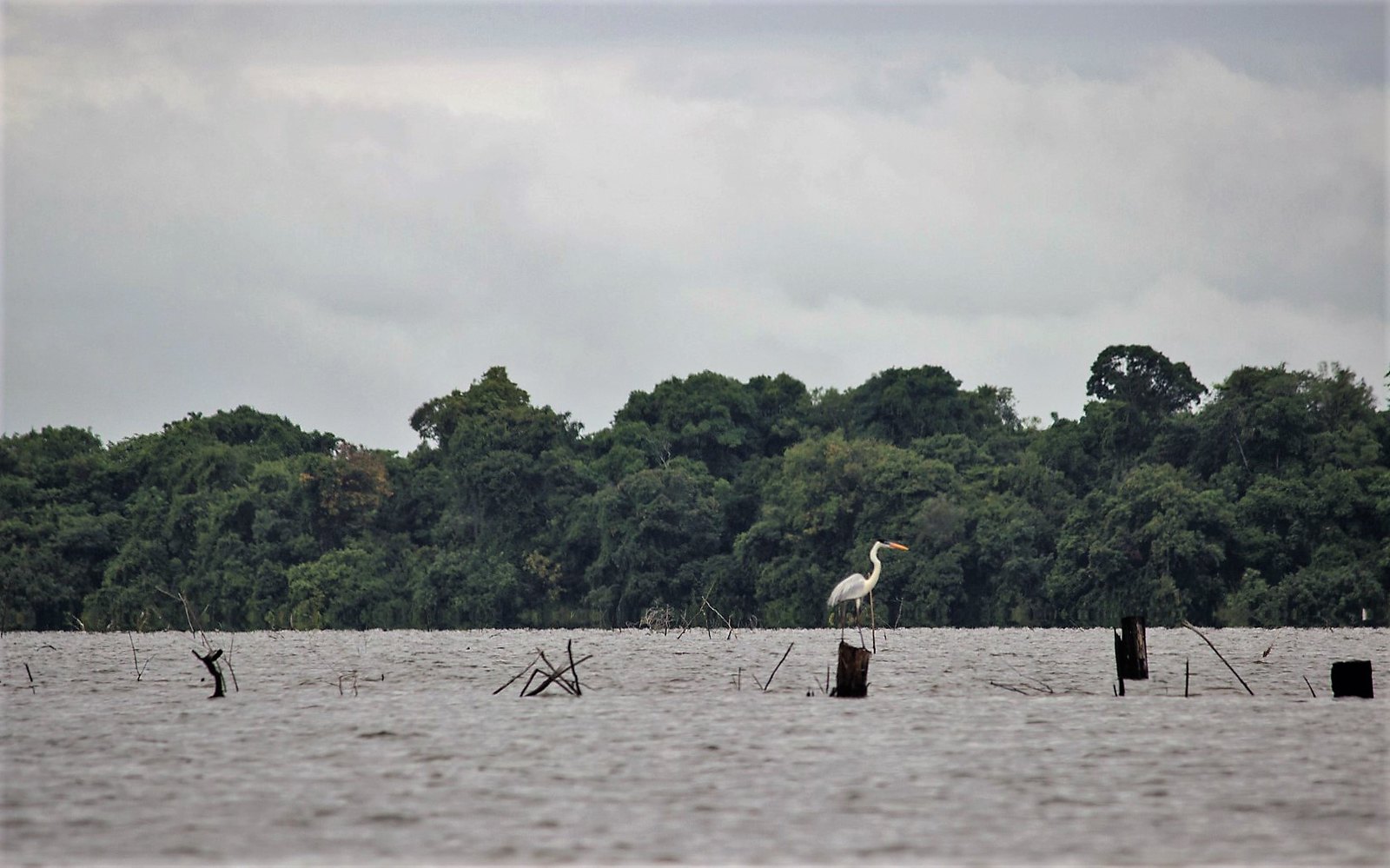
Foto: Amazon Watch / Maíra Irigaray.
A busca por justiça e reparação
Ao longo dos anos, o Ministério Público Federal do Pará, a Defensoria Pública e organizações da sociedade civil impetraram dezenas de ações judiciais em tribunais brasileiros para contestar as diversas irregularidades do projeto, bem como seus impactos. A maioria das ações permanece sem solução, algumas há mais de 10 anos.
Essas ações não obtiveram sucesso porque o governo federal tem reiteradamente anulado decisões favoráveis às comunidades afetadas, recorrendo a um mecanismo pelo qual o presidente do Supremo Tribunal Federal pode suspender uma decisão judicial com base unicamente em argumentos genéricos como "interesse nacional" ou "ordem econômica".
Diante da falta de respostas eficazes em nível nacional, a AIDA — juntamente com uma coalizão de organizações aliadas — levou o caso à Comissão Interamericana de Direitos Humanos (CIDH) e, em 2010, solicitou medidas cautelares para proteger a vida, a integridade e a saúde das comunidades indígenas afetadas.
Em 1º de abril de 2011, a CIDH concedeu essas medidas e solicitou ao Estado brasileiro a suspensão das licenças ambientais e de quaisquer obras de construção até que as condições relativas à consulta prévia e à proteção da saúde e integridade das comunidades fossem atendidas.
E, em 16 de junho de 2011, apresentamos uma denúncia formal à CIDH — juntamente com o Movimento Xingu Vivo Para Siempre, a Coordenação das Organizações Indígenas da Amazônia Brasileira, a Diocese de Altamira, o Conselho Missionário Indígena, a Sociedade Pará de Defesa dos Direitos Humanos e a Global Justice — contra o Estado brasileiro por sua responsabilidade internacional nas violações de direitos humanos contra os povos afetados neste caso. A denúncia foi apresentada em dezembro de 2015.
Em 3 de agosto de 2011, a CIDH modificou as medidas cautelares para solicitar — em vez da suspensão de licenças e obras — a proteção dos povos que vivem em isolamento voluntário, a saúde das comunidades indígenas e a regularização e proteção das terras ancestrais.
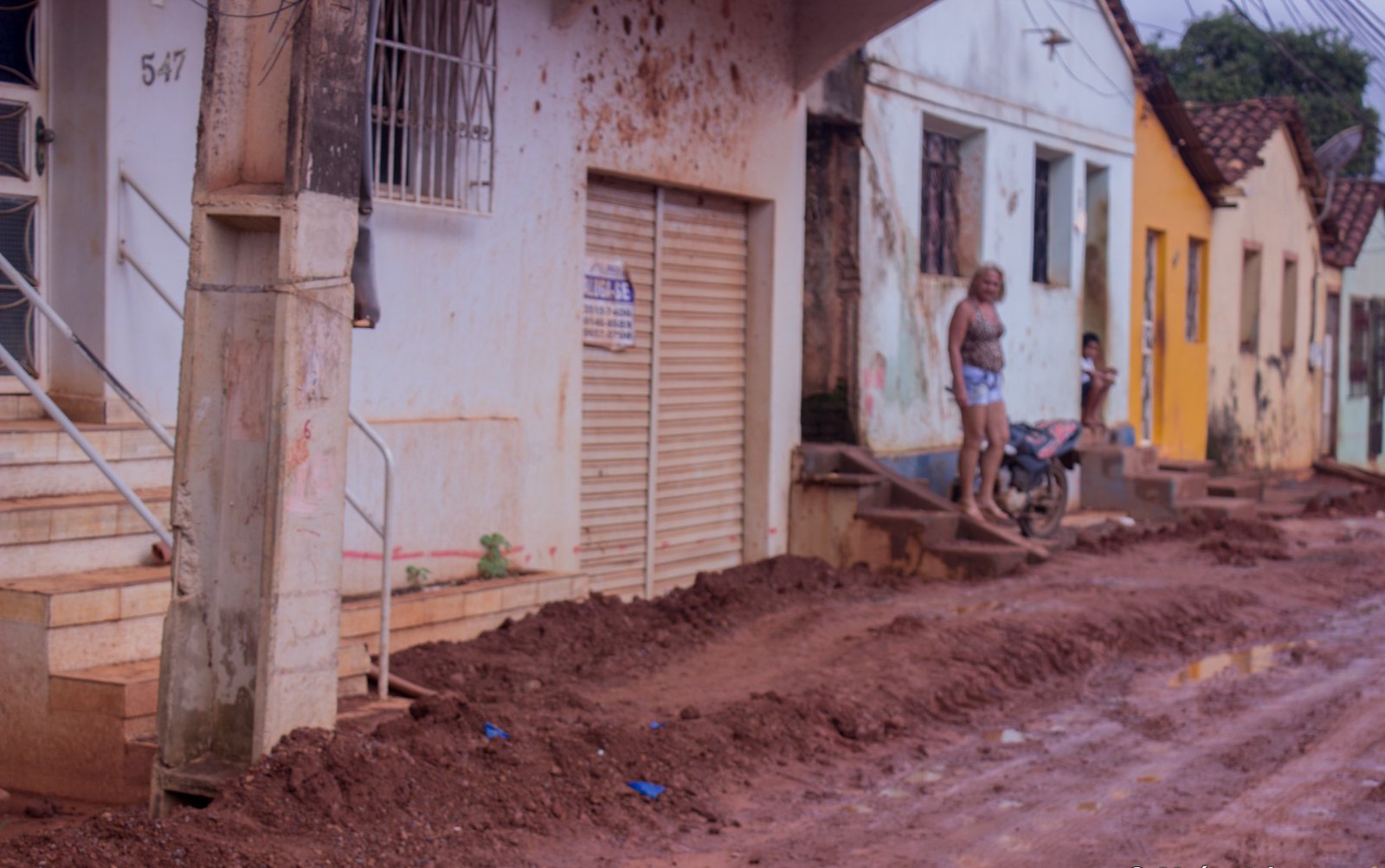
Foto: Amazon Watch / Maíra Irigaray.
Situação atual
As medidas de proteção concedidas pela CIDH permanecem em vigor, mas o Estado brasileiro não as cumpriu integralmente, relatando apenas ações genéricas. As comunidades documentaram as contínuas violações de seus direitos. A situação que motivou o pedido dessas medidas — o risco à vida, à segurança e aos meios de subsistência das comunidades — persiste e se agravou com a usina hidrelétrica operando em plena capacidade e com as recentes secas extremas na Amazônia.
Além do ocorrido em Belo Monte, existe o risco de maiores danos sociais e ambientais decorrentes da implementação de outro megaprojeto de mineração na Volta Grande do Xingu. Lá, a empresa canadense Belo Sun pretende construir a maior mina de ouro a céu aberto do Brasil.
Os impactos sinérgicos e cumulativos da usina e da mina não foram avaliados. O Estado excluiu povos indígenas, comunidades ribeirinhas e comunidades camponesas do processo de licenciamento ambiental do projeto. Apesar disso, dos protestos indígenas e de outras irregularidades em torno do projeto, o governo do estado do Pará autorizou formalmente a mina em abril de 2026.
Belo Monte, assim como outras usinas hidrelétricas, agrava a emergência climática ao gerar emissões de gases de efeito estufa em seu reservatório. Além disso, é ineficiente diante das secas prolongadas e intensas causadas pela crise, pois perde capacidade de geração de energia.
O caso perante a Comissão Interamericana
Em outubro de 2017, a CIDH anunciou que decidiria conjuntamente sobre a admissibilidade (se o caso preenche os requisitos para admissão) e o mérito (se houve, de fato, violação de direitos humanos) da denúncia internacional contra o Estado brasileiro.
Quinze anos após a apresentação da denúncia, as comunidades afetadas e as organizações que as representam ainda aguardam essa decisão. Caso a CIDH conclua que houve violações de direitos humanos e emita recomendações que o Estado brasileiro não cumpra, poderá encaminhar o caso à Corte Interamericana de Direitos Humanos, cujas decisões são vinculativas.
Uma possível decisão da Corte Internacional de Direitos Humanos neste caso estabeleceria um precedente jurídico regional em relação aos direitos dos povos indígenas e ribeirinhos, à participação pública em megaprojetos e à responsabilidade do Estado no contexto da crise climática. Isso é particularmente relevante à luz do Parecer Consultivo nº 32 da Corte, que reafirmou as obrigações dos Estados de proteger pessoas e comunidades em todo o continente da emergência climática.
Partners:
Related projects
Renewing AIDA’s Board of Directors
We proudly welcome the new members of our Board: Xavier Martínez Esponda, Monica Roa and Manuel Pulgar-Vidal. All three are outstanding legal professionals dedicated to the defense of the environment and human rights in Latin America. AIDA’s Board of Directors has been renewed following internal elections, with the incorporation of three new members for the next period of three years. We’re honored to welcome: Xavier Martínez Esponda, a prominent Mexican attorney and Technical Operating Director of the Mexican Center for Environmental Law (CEMDA); Monica Roa, an accomplished Colombian attorney and defender of women’s rights; and Manuel Pulgar-Vidal, a renowned Peruvian environmental attorney, former Minister of Environment of Peru and current leader of the Climate and Energy Practice at WWF International. Manuel Pulgar-Vidal is returning to AIDA’s Board of Directors, which he chaired for eight years after helping to found the organization in 1998. The Board is currently chaired by Manolo Morales of Ecuador, Executive Director of the ECOLEX Management and Environmental Law Corporation. It has as Vice President, Jerónimo Rodríguez of Colombia, Sub-director of Natural Wealth Program at Chemonics International; as Chief Financial Officer, Martin Wagner of the United States, Director of the International Program at Earthjustice; and as Secretary, Margot Venton of Canada, attorney at Ecojustice. Other members include Rafael González of Costa Rica, President of Justice for Nature (JPN) and Pedro Solano of Peru, Executive Director of the Peruvian Society for Environmental Law (SPDA). AIDA is the only regional organization of Latin American experts providing free legal and technical support in defense of the environment and human rights in the Americas. We are constantly seeking new ways to strength the organization, including through the important roles of our Board members.
Read more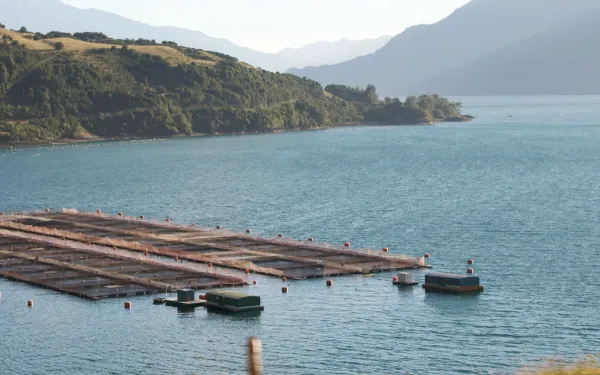
Opening our eyes to the dangers of salmon farming in Chile
Recently, I went to dinner with some friends. Two of them ordered salmon. The dish was expensive because, although Chile is the world’s second largest producer, salmon is a non-native species and one of the most popular fish in the country. I respectfully asked my friends if they were aware of the toll commercial salmon production takes on our oceans. Their response was glib: “That’s an exaggeration,” they said. “I don’t think it’s that bad.” Unfortunately, I expected that response. The environmental dangers of salmon farming in Chile are largely hidden, but that doesn’t make them any less serious. An unsustainable industry On July 5, nearly 700,000 salmon escaped from their pens at a farm off of Huar Island in Patagonia’s Los Lagos region. The escape has revived public debate on the dangers of Chile’s salmon industry. Caused by damage the pens sustained during a storm, the escape could represent one of the largest environmental catastrophes since salmon farming began in Chile in the 1980’s. But what’s the bigger problem? As it turns out, it’s not just one problem — it’s many. The problems of salmon farming first became visible in 2007 when scientists recorded the first case of infectious salmon anemia, a lethal illness for the fish. Although the industry adopted new infrastructure and sanitary standards, the root of the problem remained unaddressed—the overpopulation of marine habitats, packed with more fish than they could support, was causing oxygen depletion and, eventually, oceanic dead zones. Those poor farming practices also led to the excessive use of antibiotics to treat illnesses and infections. Eventually, other problems arose—algae blooms, and the so-called red tides that have devastated the area’s marine life. The recent massive salmon escape has posed serious public health risks because the fish had been treated with excessive amounts of antibiotics, making them inapt for consumption by humans or other animals. But, despite warnings from the authorities in the days following the escape, fishermen in the area began capturing salmon and selling them at extremely low prices. As an invasive predator, the salmon also posted a threat to the ecosystem, since they are aggressive fish prone to devastating anything in their path, including native species. Greenpeace said the escape was equivalent to a plague of 140 million rats eating anything in their path. Although the company was required to re-capture at least 10 percent of the salmon, they failed to reach that goal, despite offering up to $11 per fish. The work was further complicated since salmon are prey to sea lions and other predators. All this has revealed a clear structural problem—the lack of government control and regulation of an unsustainable industry. The most recent escape, from a farm owned by Marine Harvest Company, is yet another example of how the entire industry is failing to comply with environmental standards. According to Chile’s National Fish Service, some 3.3 million salmon have escaped from different fisheries in the Los Lagos, Aysén and Magallanes regions in the last eight years. Urgent Measures If this malpractice continues, salmon farming could destroy Chile’s marine biodiversity. Other countries have taken drastic actions in response to cases similar to the one on Huar Island. In the United States, for example, Washington State decided to gradually eliminate salmon farms after 300 salmon escape from a hatchery there. At AIDA, we are working to protect Chilean Patagonia, the country’s most pristine region, into which the salmon industry continues to expand. In May 2017, we filed a complaint with the Chile’s Superintendent of the Environment asking they investigate the damages salmon farms are causing to the Magallanes region, and sanction the companies responsible. We also commissioned a scientific report demonstrating how susceptible the region is to the risks of salmon farming. Hopefully my compatriots will realize that we share a common interest in protecting our most pristine waters from the damages of salmon farming. Because at the end of the day, that bite of salmon may be more expensive than they think.
Read more
Guatemalan indigenous communities file complaint for dams’ damages
Affected communities have called on the Inter-American Development Bank to withdraw funding for the Pojom II and San Andrés dams for failure to comply with its operational policies. The mega-projects have damaged water sources and harmed the livelihoods of local indigenous people, particularly women. Washington, D.C. Indigenous communities affected by Guatemala’s Pojom II and San Andrés dams have called on the Inter-American Development Bank to withdraw its investment in the mega-projects. A complaint filed before the Bank’s independent accountability mechanism explains how the serious social and environmental damages caused by the planning and construction of the dams resulted from the projects’ failure to comply with the Bank’s operational policies. The communities are represented by the Interamerican Association for Environmental Defense (AIDA), the International Platform Against Impunity, and the Plurinational Ancestral Government of Q’anjob’al, Popti, Chuj and Akateko. “The damages caused by the projects’ implementation are the result of non-compliance with the Bank’s operational policies, particularly its policies on environment and sustainability, indigenous people, gender, and information disclosure,” explained Liliana Ávila, AIDA attorney. The complaint details how the dams were authorized without adequate community consultation, and how those affected did not receive sufficient information on the risks. In addition, community members who have peacefully resisted the projects have suffered attacks, threats, and harassment; in 2017, they reported the murder of one local resident, which has yet to be resolved. The construction of the dams has also caused severe environmental damage, including water scarcity and pollution, which have affected local people’s ability to fish, grow food, and maintain their tradition lifestyle. The affected people of the microregion of Ixquisis, in the department of Huehuetenango, are primarily indigenous Mayans including the Chu, Q’anjob’al and Akateko ethnic groups. “The damages from the dams are differentially suffered by women, since they are the primary managers of water use in their homes,” said Anabella Sibrián from the International Platform Against Impunity. “The women of Ixquisis face stigmatization and live in fear of retaliation for their peaceful opposition to the projects.” The Pojom II hydroelectric plant is operated by Generadora San Mateo S.A, while San Andrés is run by Generadora San Andrés S.A. Both are subsidiaries of Promoción y Desarrollos Hídricos S.A., a Guatemalan company. In 2013, IDB Invest, a private arm of the Inter-American Development Bank, approved loans of up to $9 million USD for the construction of Pojom II and up to $6 million USD for the San Andrés project. “We our hope that the Bank’s accountability mechanism confirms the projects have violated internal policies and thus recommends that IDB Invest withdraw its investment from these harmful mega-dams,” Ávila said. The Ixquisis communities were recently awarded the 2018 Front Line Defenders award for Human Rights Defenders at Risk for their valiant, peaceful struggle to defend their water and their territory. Find more information on the case here. Press Contact Victor Quintanilla (México), AIDA, [email protected], +521 5570522107
Read more