
Project
Amazon Watch / Maíra Irigaray
Barragem de Belo Monte no rio Xingu: 10 anos de impactos na Amazônia e de busca por reparações
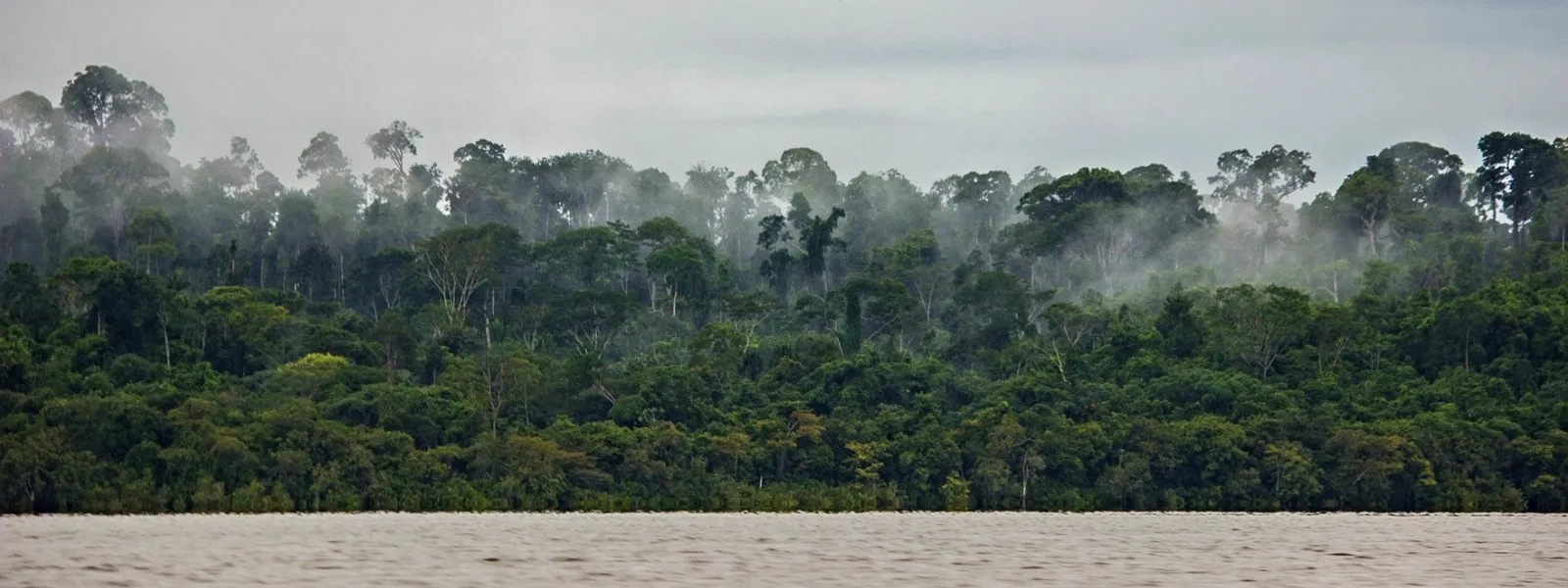
A usina hidrelétrica de Belo Monte causou um desastre ambiental e social no coração da Amazônia: um dos ecossistemas mais importantes do planeta.
Essa situação só piorou desde que a usina começou a operar em 2016. A busca por justiça e reparação para as comunidades indígenas e ribeirinhas afetadas continua até hoje.
Em 2011, a Comissão Interamericana de Direitos Humanos (CIDH) concedeu a essas comunidades medidas de proteção, que até hoje não foram totalmente implementadas pelo Estado brasileiro.
E, desde junho daquele mesmo ano, a CIDH mantém um processo contra o Estado por sua responsabilidade internacional no caso.
A CIDH pode encaminhar o caso à Corte Interamericana de Direitos Humanos, que tem o poder de emitir uma sentença condenatória contra o Estado brasileiro.
Consulta o expediente de fatos do caso
Após 10 anos de operação da usina hidrelétrica e mais de 15 anos de violações de direitos humanos documentadas, é hora da justiça ser feita para as comunidades afetadas.
Leia a carta aberta das organizações que levam o caso à CIDH
Leia nosso comunicado à imprensa
Contexto
A usina hidrelétrica de Belo Monte — a quarta maior do mundo em capacidade instalada (11.233 MW) — foi construída no rio Xingu, no estado do Pará, norte do Brasil.
Foi inaugurada em 5 de maio de 2016, com uma única turbina. Naquela época, 80% do curso do rio foi desviado e 516 km² de terra foram inundados, uma área maior que a cidade de Chicago. Desse total, 400 km² eram de mata nativa. A usina começou a operar em plena capacidade em novembro de 2019.
Belo Monte foi construída e é operada pelo consórcio Norte Energia S.A., composto principalmente por empresas estatais. Foi financiada pelo Banco Nacional de Desenvolvimento Econômico e Social (BNDES), que aportou ao consórcio 25,4 bilhões de reais (aproximadamente US$ 10,16 bilhões), o maior investimento de sua história. Portanto, o BNDES também é legalmente responsável pelos impactos socioambientais associados ao projeto hidrelétrico.
Décadas de danos ambientais e humanos
As violações dos direitos humanos e a degradação da Amazônia remontam ao início do projeto. Em março de 2011, a Norte Energia iniciou a construção da barragem sem consulta adequada e sem o consentimento prévio, livre e informado das comunidades afetadas.
A construção levou ao deslocamento forçado de mais de 40.000 pessoas, rompendo laços sociais e culturais. O plano de reassentamento em Altamira — cidade diretamente afetada pelo projeto hidrelétrico — incluía moradias na periferia da cidade, sem serviços públicos adequados, moradias dignas para as famílias reassentadas e moradias diferenciadas para aqueles pertencentes a comunidades indígenas.
A operação da barragem de Belo Monte impôs uma seca permanente e artificial na Volta Grande do rio Xingu, agravada pelas secas históricas na Amazônia em 2023 e 2024. Como resultado, a morte de milhões de ovos de peixe foi documentada por quatro anos consecutivos (de 2021 a 2024) e, nos últimos três anos, não houve migração de peixes rio acima para desovar e se reproduzir. Assim, a pesca artesanal, principal fonte de proteína para os povos indígenas e comunidades ribeirinhas, foi severamente afetada: o consumo de peixe caiu de 50% para 30% do total de proteínas consumidas, sendo substituído por alimentos processados. Em suma, houve um colapso ambiental e humanitário que resultou no colapso da pesca como modo de vida tradicional, insegurança alimentar e falta de acesso à água potável para milhares de famílias, empobrecimento e doenças.
Além disso, a construção da barragem aumentou o desmatamento e intensificou a extração ilegal de madeira e a insegurança em terras indígenas e tribais, colocando em risco a sobrevivência dessas comunidades. Outra consequência foi o agravamento da pobreza e dos conflitos sociais, bem como a sobrecarga dos sistemas de saúde, educação e segurança pública em Altamira, cidade considerada a mais violenta do país em 2017, onde houve aumento do tráfico de pessoas e da violência sexual. Também foram registrados casos de violência contra defensores de direitos humanos envolvidos no caso.
Em 2025, durante a 30ª Conferência das Nações Unidas sobre Mudanças Climáticas (COP30), realizada no Brasil, o Ministério Público Federal classificou os danos causados por Belo Monte como ecocídio.
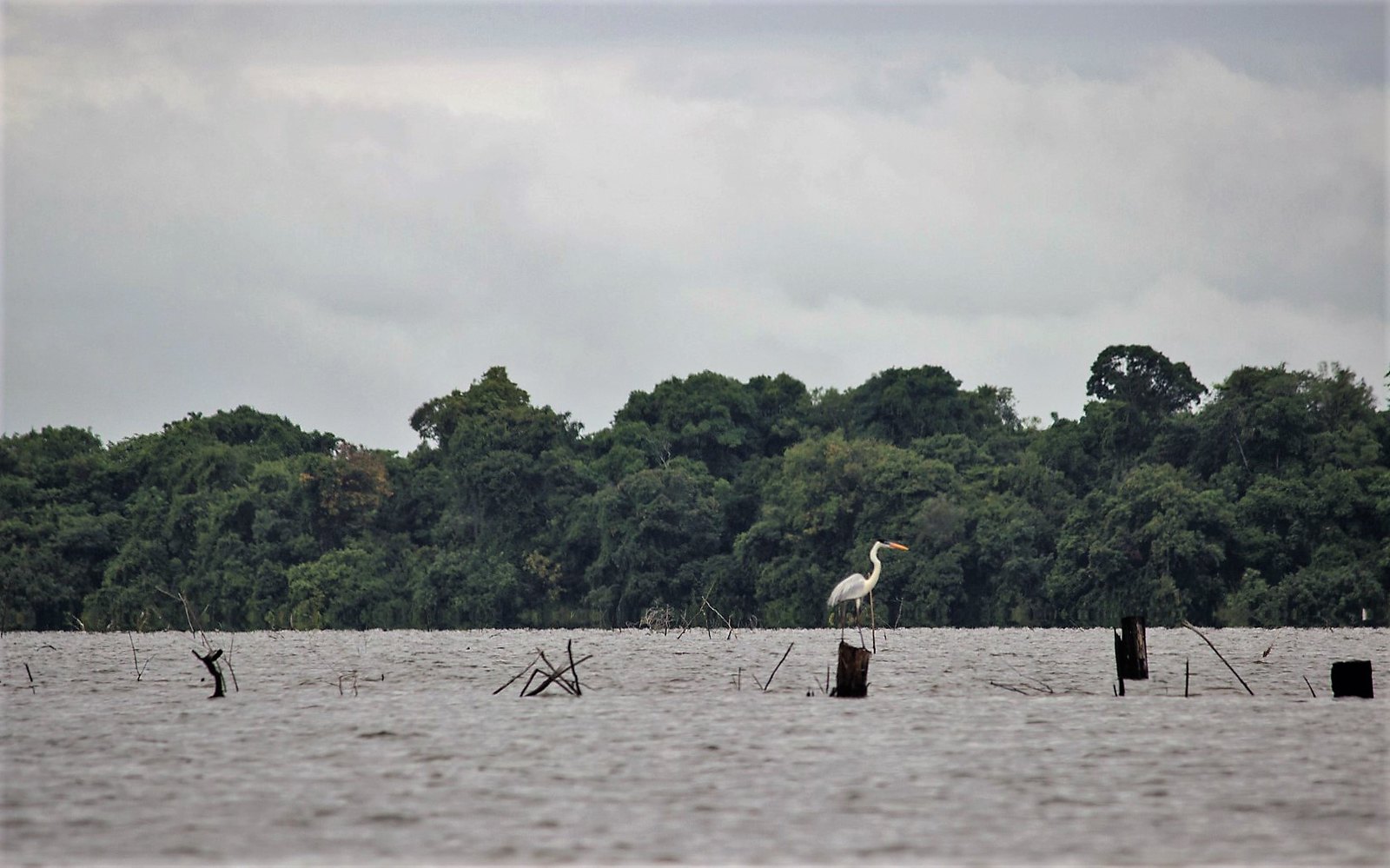
Foto: Amazon Watch / Maíra Irigaray.
A busca por justiça e reparação
Ao longo dos anos, o Ministério Público Federal do Pará, a Defensoria Pública e organizações da sociedade civil impetraram dezenas de ações judiciais em tribunais brasileiros para contestar as diversas irregularidades do projeto, bem como seus impactos. A maioria das ações permanece sem solução, algumas há mais de 10 anos.
Essas ações não obtiveram sucesso porque o governo federal tem reiteradamente anulado decisões favoráveis às comunidades afetadas, recorrendo a um mecanismo pelo qual o presidente do Supremo Tribunal Federal pode suspender uma decisão judicial com base unicamente em argumentos genéricos como "interesse nacional" ou "ordem econômica".
Diante da falta de respostas eficazes em nível nacional, a AIDA — juntamente com uma coalizão de organizações aliadas — levou o caso à Comissão Interamericana de Direitos Humanos (CIDH) e, em 2010, solicitou medidas cautelares para proteger a vida, a integridade e a saúde das comunidades indígenas afetadas.
Em 1º de abril de 2011, a CIDH concedeu essas medidas e solicitou ao Estado brasileiro a suspensão das licenças ambientais e de quaisquer obras de construção até que as condições relativas à consulta prévia e à proteção da saúde e integridade das comunidades fossem atendidas.
E, em 16 de junho de 2011, apresentamos uma denúncia formal à CIDH — juntamente com o Movimento Xingu Vivo Para Siempre, a Coordenação das Organizações Indígenas da Amazônia Brasileira, a Diocese de Altamira, o Conselho Missionário Indígena, a Sociedade Pará de Defesa dos Direitos Humanos e a Global Justice — contra o Estado brasileiro por sua responsabilidade internacional nas violações de direitos humanos contra os povos afetados neste caso. A denúncia foi apresentada em dezembro de 2015.
Em 3 de agosto de 2011, a CIDH modificou as medidas cautelares para solicitar — em vez da suspensão de licenças e obras — a proteção dos povos que vivem em isolamento voluntário, a saúde das comunidades indígenas e a regularização e proteção das terras ancestrais.
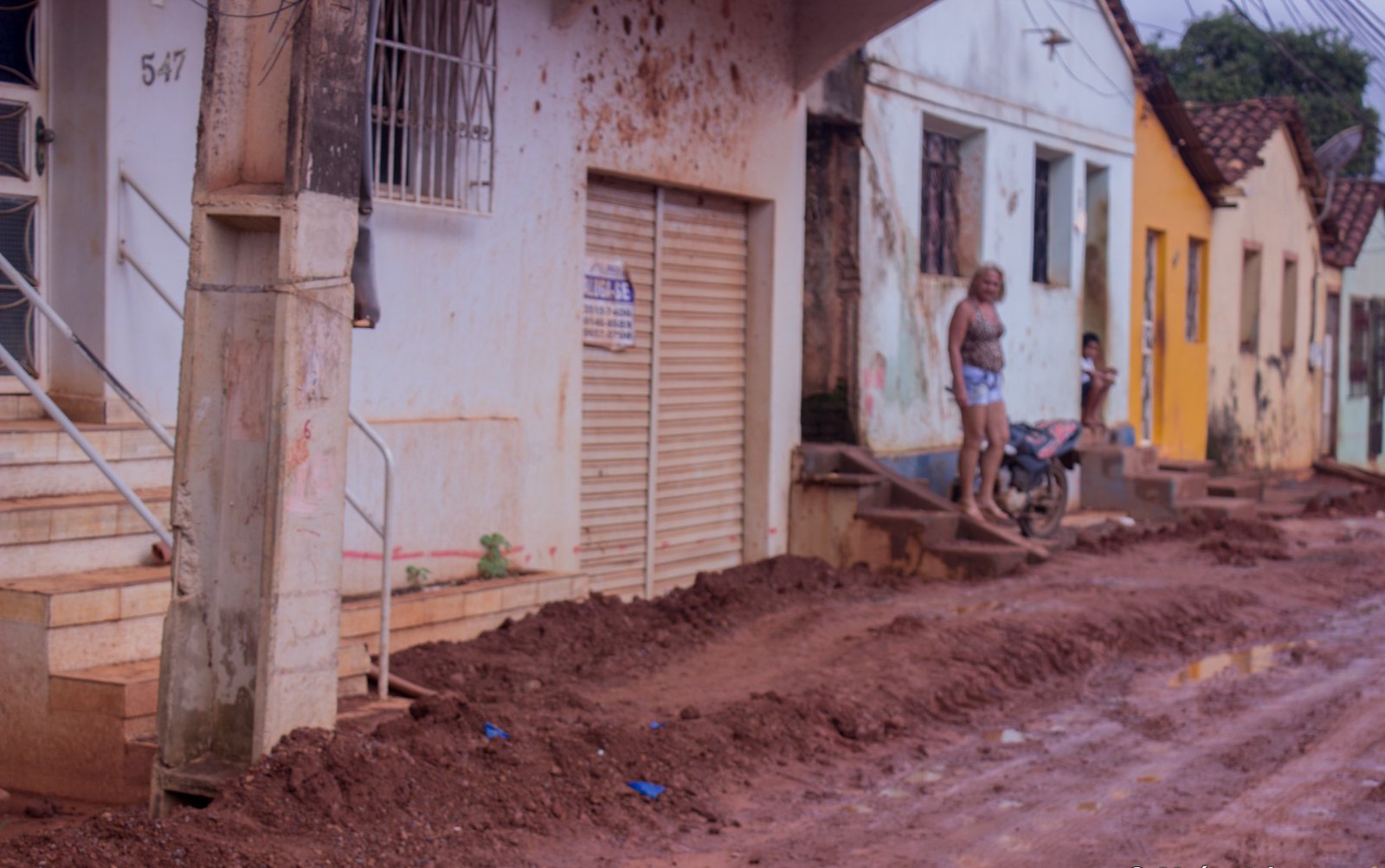
Foto: Amazon Watch / Maíra Irigaray.
Situação atual
As medidas de proteção concedidas pela CIDH permanecem em vigor, mas o Estado brasileiro não as cumpriu integralmente, relatando apenas ações genéricas. As comunidades documentaram as contínuas violações de seus direitos. A situação que motivou o pedido dessas medidas — o risco à vida, à segurança e aos meios de subsistência das comunidades — persiste e se agravou com a usina hidrelétrica operando em plena capacidade e com as recentes secas extremas na Amazônia.
Além do ocorrido em Belo Monte, existe o risco de maiores danos sociais e ambientais decorrentes da implementação de outro megaprojeto de mineração na Volta Grande do Xingu. Lá, a empresa canadense Belo Sun pretende construir a maior mina de ouro a céu aberto do Brasil.
Os impactos sinérgicos e cumulativos da usina e da mina não foram avaliados. O Estado excluiu povos indígenas, comunidades ribeirinhas e comunidades camponesas do processo de licenciamento ambiental do projeto. Apesar disso, dos protestos indígenas e de outras irregularidades em torno do projeto, o governo do estado do Pará autorizou formalmente a mina em abril de 2026.
Belo Monte, assim como outras usinas hidrelétricas, agrava a emergência climática ao gerar emissões de gases de efeito estufa em seu reservatório. Além disso, é ineficiente diante das secas prolongadas e intensas causadas pela crise, pois perde capacidade de geração de energia.
O caso perante a Comissão Interamericana
Em outubro de 2017, a CIDH anunciou que decidiria conjuntamente sobre a admissibilidade (se o caso preenche os requisitos para admissão) e o mérito (se houve, de fato, violação de direitos humanos) da denúncia internacional contra o Estado brasileiro.
Quinze anos após a apresentação da denúncia, as comunidades afetadas e as organizações que as representam ainda aguardam essa decisão. Caso a CIDH conclua que houve violações de direitos humanos e emita recomendações que o Estado brasileiro não cumpra, poderá encaminhar o caso à Corte Interamericana de Direitos Humanos, cujas decisões são vinculativas.
Uma possível decisão da Corte Internacional de Direitos Humanos neste caso estabeleceria um precedente jurídico regional em relação aos direitos dos povos indígenas e ribeirinhos, à participação pública em megaprojetos e à responsabilidade do Estado no contexto da crise climática. Isso é particularmente relevante à luz do Parecer Consultivo nº 32 da Corte, que reafirmou as obrigações dos Estados de proteger pessoas e comunidades em todo o continente da emergência climática.
Partners:
Related projects
The women defending Guatemala’s rivers from large dams
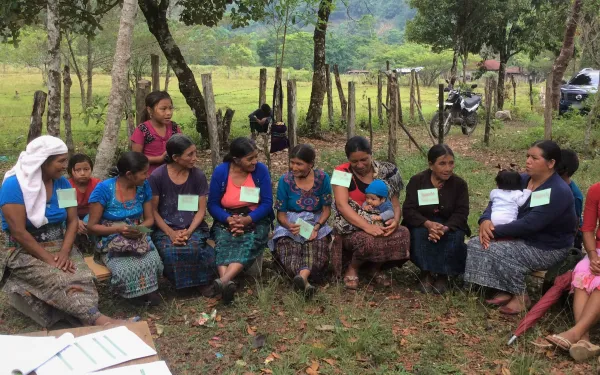
When Maria gets up each morning, the first thing she does is open the tap in her house to see if there’s any water. If there is, she prepares coffee and, within a few hours, food for her family. Her house is alive with plants and animals. Dogs, cats and chickens surround her as she lights the wood stove, carrying her young son on her back. Maria lives in Ixquisis, a region of northwestern Guatemala near the Mexican border, in the department of Huehuetenango. There, water springs from the earth and large rivers like the Pojom and the Negro flow through the mountains. For Maria, the river is a special place. There, she meets with other women and washes clothes, a traditional activity for women in her community, most of whom are indigenous. Each afternoon, as the water flows steadily downstream, they talk about their families, their to-do lists, their joys and their worries. Last month, Maria joined with the other women of Ixquisis to speak about the threats the dams pose to their way of life. They were part of a workshop AIDA organized in collaboration with Protection International and the International Platform Against Impunity. Maria’s life has changed a lot since they started building the Pojom II and San Andrés dams, and she’s been losing sleep. Before the construction of the dams began, Maria used to fish. By submerging a basket in the river, she gathered—as if by magic—snails, shrimp and small fish. These are riches the river no longer provides. Instead, the once pristine river has become filled with garbage, rubble and other debris. The workers use its water to wash cars and machinery. “One day we will run out of water and we won’t be able to live,” Maria said, echoing the primary fear of the women of Ixquisis. “Our children will suffer.” Their fear is well founded. Many families like Maria’s already suffer from stomach and skin diseases that they associate with water pollution. Before the workshop, the women of Ixquisis hadn’t had the opportunity to speak publicly about the importance of water and the rivers in their lives. They hadn’t been able to explain how their rivers had changed since the dams’ construction began. They had also never been provided with information about the projects. But even without knowing the details of the dams, Maria and her neighbors understood that the water in their homes no longer arrived as cleanly or as regularly as before. Time and again, they have peacefully expressed their opposition to the dams. But their voices have been stigmatized and shaken by fear of reprisal. Before Maria walked calmly through her community, even at night. She now leaves the house in fear. But the people of Ixquisis have the support of people and organizations that work to protect the environment and human rights. The international organization Front Line Defenders, for example, recently awarded them the 2018 Award for Human Rights Defenders at Risk. One day after the women’s workshop, we organized a second meeting attended by the men of the region. The lack of water has affected their main subsistence activity: the cultivation of bananas, cardamom, vegetables and other products they take to market. Because their harvests have decreased, they must now work more hours to obtain the same profit. I learned a lot from Maria. Her strength, as well as that of all the residents of Ixquisis, comes from her respect for nature and all it offers them. I share that feeling and channel it into my work as an AIDA attorney, legally advising the men and women of Ixquisis on how to defend their territory. I work so that water will continue to flow from their taps, and so that they can one day walk again without fear, in search of a healthier future for their children.
Read more
The many reasons we care for our oceans
At AIDA, we work to protect our oceans. It’s not an easy task, especially considering the serious threats facing our vast seas—from warming waters to tons of plastic waste. But the members of our marine team believe it’s a valuable one. And they’re committed to conserving our region’s marine ecosystems, no matter what. Learn what motivates them. "Any effort I make to protect the oceans will benefit my children." Gladys Martinez, Senior Attorney "My greatest motivation is the thought that any work I do to protect the oceans will benefit my children and the other boys and girls on our planet, both present and future generations. To care for our oceans is to guarantee life, because our oceans truly are the lungs of our planet.” Playing in the sand, swimming, searching for fish among the rocks or walking on the beach at sunset… in all the most beautiful memories of Gladys' childhood, there is the sea. "It motivates me to know that we have the opportunity to change." Camilo Thompson, Legal Advisor "It motivates me to know that we have the opportunity to change, that respecting nature and caring for our ocean will bring a smile to our faces. The ocean brings us equilibrium. We cannot continue to destroy our corals, overexploit fish stocks or damage the coastal environments so closely linked to the sea. The opportunity for change is here and now. " Camilo currently lives very close to the sea, in La Paz, a coastal city of Baja California Sur, Mexico. He enjoys it very much. “I like to think I can help us understand all that our oceans provide us, and help to conserve the life within.” Magie Rodríguez, Legal Assistant “I’ve always been intrigued by the immensity of the oceans, and the relatively little we know about them. I like to think I can help us understand all that our oceans provide us, and help to conserve the life within. Although they make up the majority of our planet, for years we have neglected them, filling them with garbage and stripping them of their resources. Many fight to protect our terrestrial treasures, but few have turned their eyes to the seas.” When she was in grade school, Magie visited the beach where the Tarcoles River meets the sea. There she saw all that the most contaminated river in Central America carried to the sea. It was rght then she decided she had to do something to protect her country’s beaches from pollution and degradation. “I want future generations to enjoy the majesty of the oceans.” Maria José Gonzalez-Bernat, Scientific Advisor “I want future generations to enjoy the majesty of the oceans. It’s my greatest motivation. The oceans are one of the primary reserves of biodiversity on our planet, essential to maintaining its health. They’re a source of food and income for millions of people. Their social, environmental and economic importance motivates me to continue researching the oceans and finding new ways to promote their conservation and sustainable use. I will continue this work with governments, organizations and fishing communities alike.” One of Maria José’s most treasured memories is her first scuba diving trip. She can still see the different shades of blue and the many-hued plants and animals she visited below the surface.
Read more
Communities affected by Hidroituango dam in Colombia file complaint at IDB
In the midst of the humanitarian crisis caused by the Hidroituango dam project in the Cauca river basin, local communities request that the Inter-American Development Bank (IDB)’s accountability mechanism investigate whether the financial entity violated its environmental and social standards when investing in the project. Washington, D.C. Communities affected by the construction of the Hidroituango dam in Antioquia, Colombia, filed a complaint with the Independent Consultation and Investigation Mechanism (MICI) of the Inter-American Development Bank (IDB) at its Washington, DC headquarters today. The complaint requests that this accountability office investigate whether the IDB, through both its public and private lending arms, violated its own social and environmental standards when it invested in the project. Through the complaint, the affected communities, represented by Movimiento Ríos Vivos Antioquia, highlight that the bank did not follow its policies that investment projects must be sustainable, participatory and respectful of national legislation in the case of HidroItuango. There was no adequate environmental impact assessment, communities did not have access to participation or information, and the project occurs in a context of human rights violations and disproportionate use of force. It has also endangered the lives of thousands of people, who have had to be evacuated ad hoc due to the dam crisis. This contradicts the social and environmental standards required of IDB investments. The hydroelectric plant will be the largest in Colombia, with a 49 mile (79 km) reservoir that will flood a surface of 11,120 acres (4,500 hectares). The IDB Group has financed the project through various types of investment. In 2012, it approved a $2 million in technical cooperation for the Colombian State and in 2016, $550 million in direct investments to the company in charge of the project, Empresas Públicas de Medellín (EPM). In addition, the IDB manages a $1 billion loan package for the project, with funds from multiple institutional investors, including banks in Europe (KfW IPEX (Germany), BNP Paribas (France), BBVA y Banco Santander (Spain)), Asia (ICBC (China), Sumitomo Mitsui (Japan)), and Canada (CDPQ). The MICI responds to complaints from individuals and communities affected by IDB-financed development projects. The communities settled in the Cauca river basin and its tributaries that are affected by Hidroituango, are accompanied in the complaint process by the Center for International Environmental Law (CIEL), Interamerican Association for Environmental Defense (AIDA) and International Accountability Project (IAP). The claim comes amid a humanitarian crisis in the dam construction area and a wave of increasing violence against people who are defending their territory and water and oppose the project. What began on April 28 with the obstruction of one of the dam's tunnels has resulted in landslides, floods, and thousands of people displaced from their homes. All this has exposed the inadequate evaluation of project impacts and the poor environmental regulation under which the project was authorized on every front. The state of emergency in the area is still in effect, and neither the Colombian government or the company has ruled out the risk of the dam collapsing. The members of Movimiento Ríos Vivos have suffered multiple threats, intimidations, and rights violations. Between May 2 and 8, two of its members were killed. In addition, the region where the dam is located has been affected by historical violence and armed conflict. press contacts Isabel Zuleta, Movimiento Ríos Vivos Antioquia, +57 3217347264, [email protected] Carla García, Center for International Environmental Law, [email protected] Astrid Puentes, Interamerican Association for Environmental Defense, [email protected] Carlos Lozano, Interamerican Association for Environmental Defense, [email protected] Alexandre Sampaio, International Accountability Project, [email protected]
Read more