
Project
Amazon Watch / Maíra Irigaray
Barragem de Belo Monte no rio Xingu: 10 anos de impactos na Amazônia e de busca por reparações
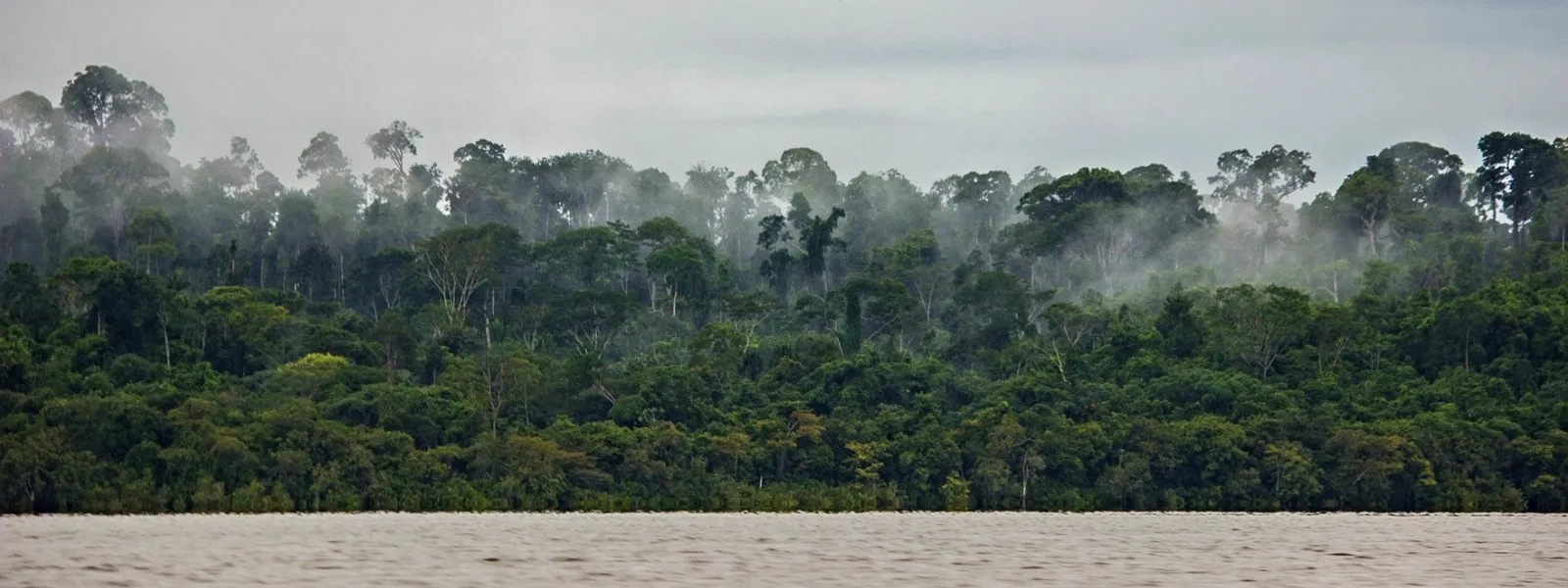
A usina hidrelétrica de Belo Monte causou um desastre ambiental e social no coração da Amazônia: um dos ecossistemas mais importantes do planeta.
Essa situação só piorou desde que a usina começou a operar em 2016. A busca por justiça e reparação para as comunidades indígenas e ribeirinhas afetadas continua até hoje.
Em 2011, a Comissão Interamericana de Direitos Humanos (CIDH) concedeu a essas comunidades medidas de proteção, que até hoje não foram totalmente implementadas pelo Estado brasileiro.
E, desde junho daquele mesmo ano, a CIDH mantém um processo contra o Estado por sua responsabilidade internacional no caso.
A CIDH pode encaminhar o caso à Corte Interamericana de Direitos Humanos, que tem o poder de emitir uma sentença condenatória contra o Estado brasileiro.
Consulta o expediente de fatos do caso
Após 10 anos de operação da usina hidrelétrica e mais de 15 anos de violações de direitos humanos documentadas, é hora da justiça ser feita para as comunidades afetadas.
Leia a carta aberta das organizações que levam o caso à CIDH
Leia nosso comunicado à imprensa
Contexto
A usina hidrelétrica de Belo Monte — a quarta maior do mundo em capacidade instalada (11.233 MW) — foi construída no rio Xingu, no estado do Pará, norte do Brasil.
Foi inaugurada em 5 de maio de 2016, com uma única turbina. Naquela época, 80% do curso do rio foi desviado e 516 km² de terra foram inundados, uma área maior que a cidade de Chicago. Desse total, 400 km² eram de mata nativa. A usina começou a operar em plena capacidade em novembro de 2019.
Belo Monte foi construída e é operada pelo consórcio Norte Energia S.A., composto principalmente por empresas estatais. Foi financiada pelo Banco Nacional de Desenvolvimento Econômico e Social (BNDES), que aportou ao consórcio 25,4 bilhões de reais (aproximadamente US$ 10,16 bilhões), o maior investimento de sua história. Portanto, o BNDES também é legalmente responsável pelos impactos socioambientais associados ao projeto hidrelétrico.
Décadas de danos ambientais e humanos
As violações dos direitos humanos e a degradação da Amazônia remontam ao início do projeto. Em março de 2011, a Norte Energia iniciou a construção da barragem sem consulta adequada e sem o consentimento prévio, livre e informado das comunidades afetadas.
A construção levou ao deslocamento forçado de mais de 40.000 pessoas, rompendo laços sociais e culturais. O plano de reassentamento em Altamira — cidade diretamente afetada pelo projeto hidrelétrico — incluía moradias na periferia da cidade, sem serviços públicos adequados, moradias dignas para as famílias reassentadas e moradias diferenciadas para aqueles pertencentes a comunidades indígenas.
A operação da barragem de Belo Monte impôs uma seca permanente e artificial na Volta Grande do rio Xingu, agravada pelas secas históricas na Amazônia em 2023 e 2024. Como resultado, a morte de milhões de ovos de peixe foi documentada por quatro anos consecutivos (de 2021 a 2024) e, nos últimos três anos, não houve migração de peixes rio acima para desovar e se reproduzir. Assim, a pesca artesanal, principal fonte de proteína para os povos indígenas e comunidades ribeirinhas, foi severamente afetada: o consumo de peixe caiu de 50% para 30% do total de proteínas consumidas, sendo substituído por alimentos processados. Em suma, houve um colapso ambiental e humanitário que resultou no colapso da pesca como modo de vida tradicional, insegurança alimentar e falta de acesso à água potável para milhares de famílias, empobrecimento e doenças.
Além disso, a construção da barragem aumentou o desmatamento e intensificou a extração ilegal de madeira e a insegurança em terras indígenas e tribais, colocando em risco a sobrevivência dessas comunidades. Outra consequência foi o agravamento da pobreza e dos conflitos sociais, bem como a sobrecarga dos sistemas de saúde, educação e segurança pública em Altamira, cidade considerada a mais violenta do país em 2017, onde houve aumento do tráfico de pessoas e da violência sexual. Também foram registrados casos de violência contra defensores de direitos humanos envolvidos no caso.
Em 2025, durante a 30ª Conferência das Nações Unidas sobre Mudanças Climáticas (COP30), realizada no Brasil, o Ministério Público Federal classificou os danos causados por Belo Monte como ecocídio.
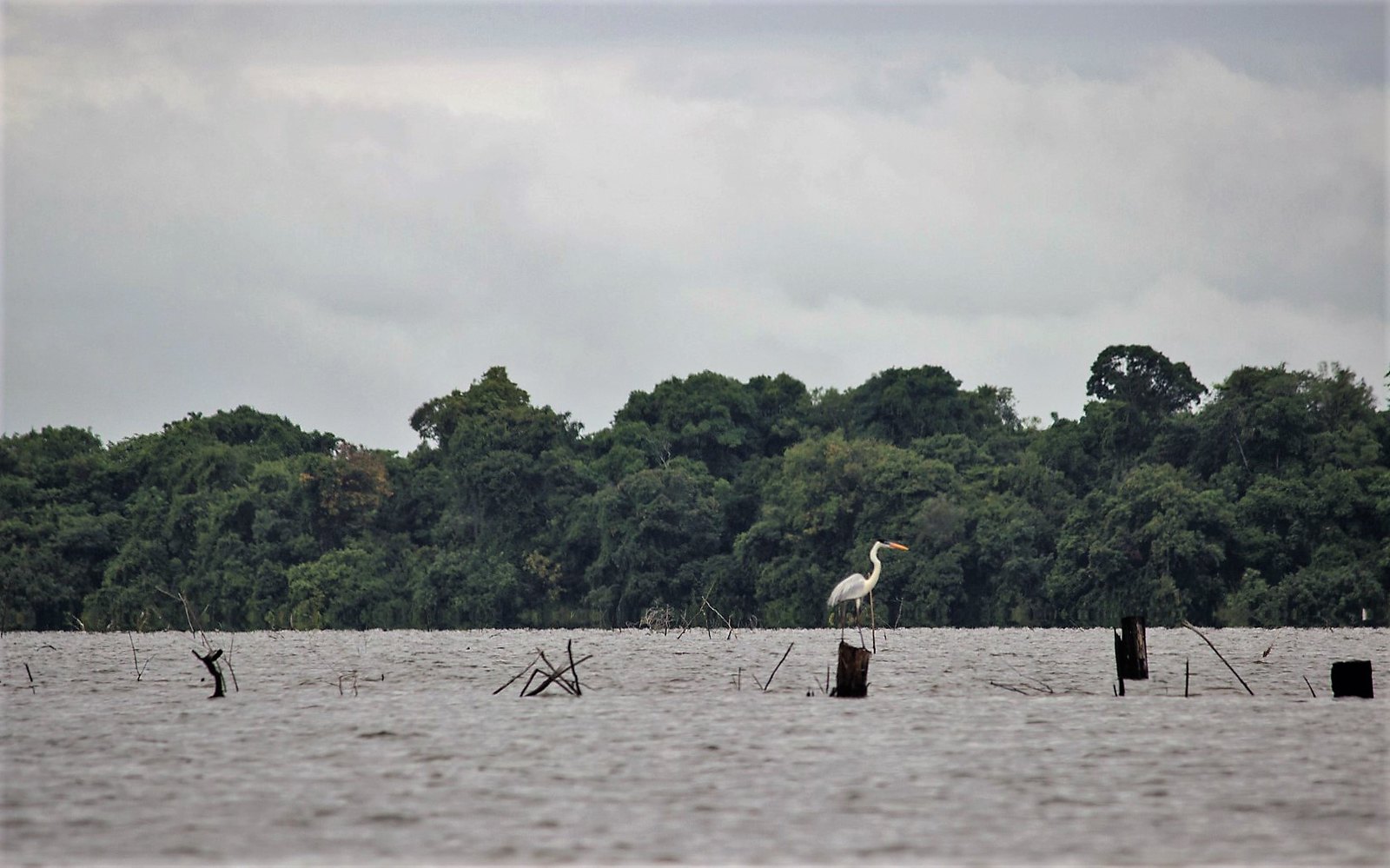
Foto: Amazon Watch / Maíra Irigaray.
A busca por justiça e reparação
Ao longo dos anos, o Ministério Público Federal do Pará, a Defensoria Pública e organizações da sociedade civil impetraram dezenas de ações judiciais em tribunais brasileiros para contestar as diversas irregularidades do projeto, bem como seus impactos. A maioria das ações permanece sem solução, algumas há mais de 10 anos.
Essas ações não obtiveram sucesso porque o governo federal tem reiteradamente anulado decisões favoráveis às comunidades afetadas, recorrendo a um mecanismo pelo qual o presidente do Supremo Tribunal Federal pode suspender uma decisão judicial com base unicamente em argumentos genéricos como "interesse nacional" ou "ordem econômica".
Diante da falta de respostas eficazes em nível nacional, a AIDA — juntamente com uma coalizão de organizações aliadas — levou o caso à Comissão Interamericana de Direitos Humanos (CIDH) e, em 2010, solicitou medidas cautelares para proteger a vida, a integridade e a saúde das comunidades indígenas afetadas.
Em 1º de abril de 2011, a CIDH concedeu essas medidas e solicitou ao Estado brasileiro a suspensão das licenças ambientais e de quaisquer obras de construção até que as condições relativas à consulta prévia e à proteção da saúde e integridade das comunidades fossem atendidas.
E, em 16 de junho de 2011, apresentamos uma denúncia formal à CIDH — juntamente com o Movimento Xingu Vivo Para Siempre, a Coordenação das Organizações Indígenas da Amazônia Brasileira, a Diocese de Altamira, o Conselho Missionário Indígena, a Sociedade Pará de Defesa dos Direitos Humanos e a Global Justice — contra o Estado brasileiro por sua responsabilidade internacional nas violações de direitos humanos contra os povos afetados neste caso. A denúncia foi apresentada em dezembro de 2015.
Em 3 de agosto de 2011, a CIDH modificou as medidas cautelares para solicitar — em vez da suspensão de licenças e obras — a proteção dos povos que vivem em isolamento voluntário, a saúde das comunidades indígenas e a regularização e proteção das terras ancestrais.
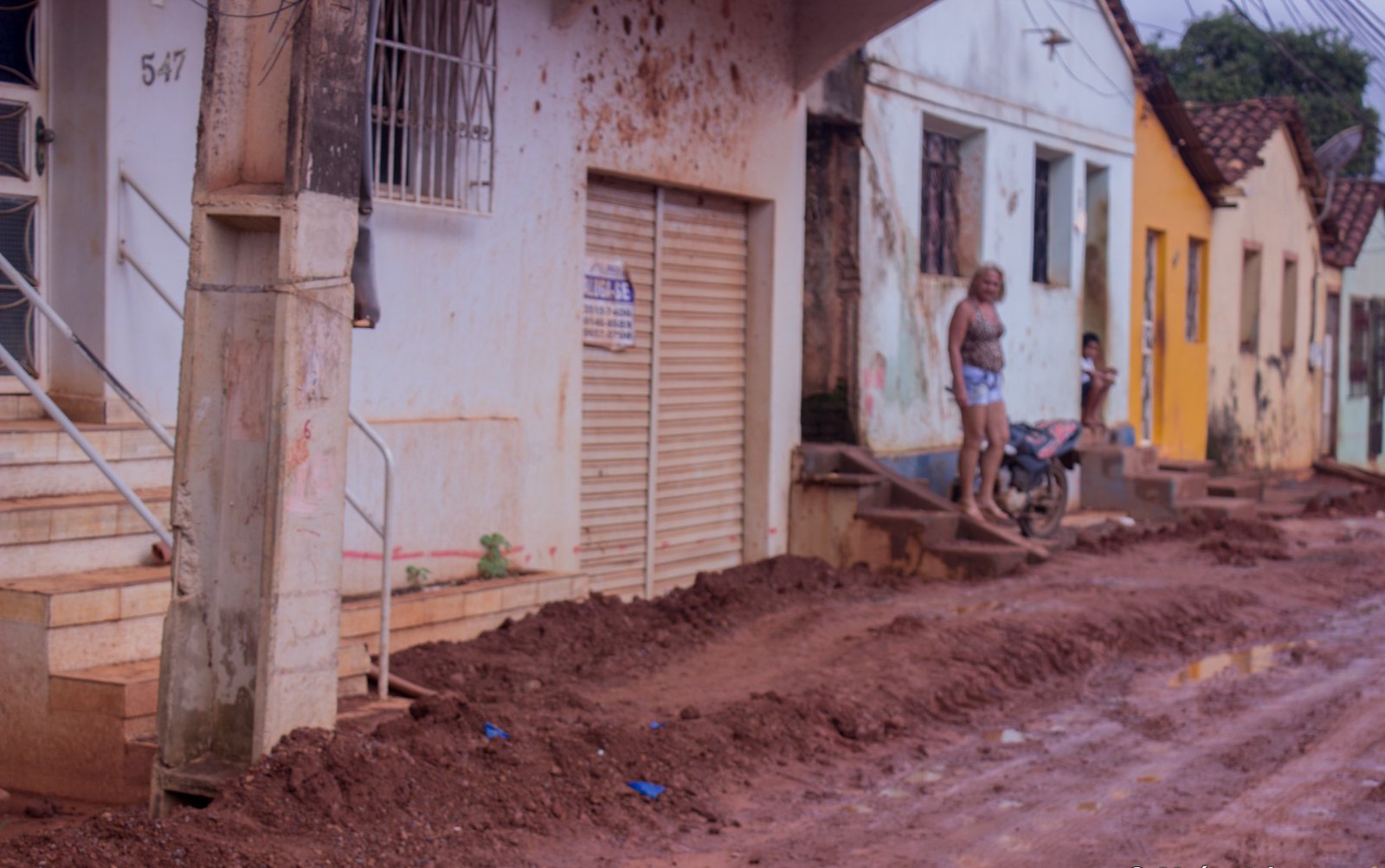
Foto: Amazon Watch / Maíra Irigaray.
Situação atual
As medidas de proteção concedidas pela CIDH permanecem em vigor, mas o Estado brasileiro não as cumpriu integralmente, relatando apenas ações genéricas. As comunidades documentaram as contínuas violações de seus direitos. A situação que motivou o pedido dessas medidas — o risco à vida, à segurança e aos meios de subsistência das comunidades — persiste e se agravou com a usina hidrelétrica operando em plena capacidade e com as recentes secas extremas na Amazônia.
Além do ocorrido em Belo Monte, existe o risco de maiores danos sociais e ambientais decorrentes da implementação de outro megaprojeto de mineração na Volta Grande do Xingu. Lá, a empresa canadense Belo Sun pretende construir a maior mina de ouro a céu aberto do Brasil.
Os impactos sinérgicos e cumulativos da usina e da mina não foram avaliados. O Estado excluiu povos indígenas, comunidades ribeirinhas e comunidades camponesas do processo de licenciamento ambiental do projeto. Apesar disso, dos protestos indígenas e de outras irregularidades em torno do projeto, o governo do estado do Pará autorizou formalmente a mina em abril de 2026.
Belo Monte, assim como outras usinas hidrelétricas, agrava a emergência climática ao gerar emissões de gases de efeito estufa em seu reservatório. Além disso, é ineficiente diante das secas prolongadas e intensas causadas pela crise, pois perde capacidade de geração de energia.
O caso perante a Comissão Interamericana
Em outubro de 2017, a CIDH anunciou que decidiria conjuntamente sobre a admissibilidade (se o caso preenche os requisitos para admissão) e o mérito (se houve, de fato, violação de direitos humanos) da denúncia internacional contra o Estado brasileiro.
Quinze anos após a apresentação da denúncia, as comunidades afetadas e as organizações que as representam ainda aguardam essa decisão. Caso a CIDH conclua que houve violações de direitos humanos e emita recomendações que o Estado brasileiro não cumpra, poderá encaminhar o caso à Corte Interamericana de Direitos Humanos, cujas decisões são vinculativas.
Uma possível decisão da Corte Internacional de Direitos Humanos neste caso estabeleceria um precedente jurídico regional em relação aos direitos dos povos indígenas e ribeirinhos, à participação pública em megaprojetos e à responsabilidade do Estado no contexto da crise climática. Isso é particularmente relevante à luz do Parecer Consultivo nº 32 da Corte, que reafirmou as obrigações dos Estados de proteger pessoas e comunidades em todo o continente da emergência climática.
Partners:
Related projects
Salmon farms in Chilean Patagonia approved without adequate environmental evaluation
A study commissioned by the Interamerican Association for Environmental Defense found that more than half of the salmon farms currently operating in the Magallanes region of Southern Patagonia have generated a partial or total lack of oxygen in the water. Nine of those are located in naturally protected areas. Santiago, Chile. A recent study, commissioned by the Interamerican Association for Environmental Defense (AIDA), concluded that salmon farms located in the Magallanes region of southern Patagonia were authorized without the scientific assessments needed to ensure they would do no harm to marine life. “After twenty years of development in other regions, the salmon industry now seeks to expand to the country’s last virgin coasts, without the necessary precautions,” explained Gladys Martínez, senior attorney of AIDA’s Marine Program. “This study demonstrates that neither the companies nor that State have done enough to avoid in Magallanes the severe environmental damage already perpetuated in other regions of the country.” Chilean biologist Héctor Kol produced the report for AIDA, with the support of the Waitt Foundation, analyzing 261 salmon farm projects. Of them, a little less than half have already been authorized and the rest could receive their permits in the short- and medium-term. Of the 126 authorized projects, only 35 are currently in operation. The information produced on each project includes location maps and estimations of the amount of waste being discharged into the waters. The research shows that there are large differences in the quantity of waste that the government authorized for different subsectors of the same geographic areas, without any available explanation as to why. “This demonstrates a clear lack of scientific evaluation, necessary to guarantee the aquatic environment will be able to receive and process the authorized quantity of waste,” said Florencia Ortúzar, AIDA attorney. “More than half of the projects that are currently in operation have already generated a total or partial lack of oxygen in the waters, which seriously impacts marine life. In addition, at least nine of these oxygen-depriving projects are located in natural protected areas.” On May 22, 2017, AIDA filed a complaint before the Superintendency of the Environment requesting the investigation of damages caused by salmon farms in Magallanes, and the sanctioning of the companies responsible. Consult the report here. Interactive Map of Salmon Farms here. More information on salmon farms in Patagonia is available here. Press contact: Florencia Ortúzar, AIDA attorney, +56973353135, [email protected]
Read more
The Risks of the Salmon Industry’s Expansion in Chilean Patagonia
In Chile, the salmon industry has grown rapidly over the last 20 years, often at the expense of the environment, as has been made evident in the regions of Los Lagos and Aysén, where salmon farms have been firmly established. In search of more pristine waters, the industry is now settling into the country’s last virgin coasts, in the region of Magallanes, in Southern Patagonia. The expansion is taking place without scientific evidence or serious studies to establish the limits of production in terms of water capacity. This could have catastrophic consequences for local ecosystems, a fact that has sparked concern among environmental organizations. The purpose of this report, written for AIDA by the biologist Héctor Kol, with the support of the Waitt Foundation, is to contribute to the understanding of the current and potential damages that the industrial production of salmon implies for Magallanes. With this, it also seeks to contribute to the effective protection of the aquatic-marine environment of Patagonia, through the use of existing legal tools. The document presents a detailed analysis of the situation of salmon farms in Magallanes, responding to the following questions: How many exist? Where are they? How much do they produce and in what conditions do they do so? The study includes the farms already authorized by the government and those whose permits are in process. These were divided by geographical sectors to facilitate the analysis. The information on each project includes a location map and estimates of the amount of waste left in the waters, a key aspect to determining their impact on marine life. In this way, the author illustrates the magnitude of the problem. The report also contains basic information on the authorization process for this type of project and on the regulations that exist for the sector, as well as an annex with scientific and legal documents related to each project. The analysis leads to several important conclusions, including the following: Of the 261 projects analyzed, a little less than half have been authorized and the rest could receive their authorizations in the short- and medium- term. This demonstrates the rapid growth of the industry in the region and alerts to the need for constant monitoring, above all of the environmental and sanitary conditions in which they operate. Of the authorized projects only 35 (equivalent to 25 percent of the total) are effectively in operation. There exist, in a same geographic sector and without explanation, large differences in the production and quantity of waste that the government has authorized for different subsectors. This demonstrates the lack of a scientific evaluation that would guarantee the water’s capacity to safely receive the authorized amounts of waste. More than half of the projects currently in operation have generated a total or partial lack of oxygen in the water, which gravely affects marine life. Even more serious is that at least nine of them are located in protected natural areas. This demonstrates that, before operating permits were authorized, adequate studies were not conducted to ensure that the capacity of the waters would not be exceeded by the quantity of fish authorized for breeding. It also means that projects are not subject to appropriate environmental impact assessments. There is not environmental information available for all the authorized projects, which makes it impossible to determine with greater precision the potential damages that the salmon industry could cause in Magallanes. In short, the study concludes that neither the State nor the salmon companies have done enough to prevent the damages already caused by the industry in other regions of Chile, which may now be repeated in one of the country’s most pristine natural areas. Consult and download the complete report (in Spanish) MAP - Salmon farms by geographic area Red icons and polygons: projects with authorized aquaculture concession, approved Technical Project and available environmental assessment (104 in total). White icons and red polygons: projects with authorized aquaculture concession and approved Technical Project, but without RCA or environmental information available (22 in total). Yellow icons and polygons: pending projects, without approved aquaculture concession, but with approved Technical Project (10 in total). Icons and green polygons: pending projects, without approved aquaculture concession and without approved Technical Project, but considered viable by the SUBPESCA (124 in total). View larger map
Read more
Eight key themes for Colombia’s environmental agenda in 2018
For Colombia, 2017 was a year marked by debate on the right of communities to be consulted about decisions that affect their territories and ecosystems. We saw it through the organization of popular consultations and mobilizations that questioned mining and fracking projects and, in short, the continuity of extractivism. It was also evident in the decision of the Constitutional Court, the highest court in the country, to invalidate the delimitation of the Santurbán páramo, a water source for millions, because the government’s decision did not take into account the population. On the other hand, Colombia joined the global debate on climate change and the need to promote a model of economic development free of fossil fuels. Now, in the face of the presidential elections and the implementation of the peace accord, environmental participation, territorial autonomy and fracking remain particularly important issues. What follows are eight topics key to Colombia’s environmental agenda in 2018: Environmental participation: Popular consultations, as an expression of empowered communities seeking to have a say on projects that will affect them, will continue holding a privileged place in public debate. Territorial autonomy: Although constitutionally recognized, the ability of departments and municipalities to govern themselves autonomously in various areas, including the environment, is not entirely defined. It remains to be answered: Who should decide? And about what can they decide? Indigenous authorities: Following on the heels of the above, the autonomy and decision-making ability of indigenous authorities in relation to environmental issues will give us much to discuss this year. Fracking: The key question is, faced with fracking’s expansion throughout the region, will Colombia adopt the position of social organizations on the application of the precautionary principle to avoid the health and environmental damages associated with fracking? Decarbonization: As an energy producer, will Colombia join France, the United Kingdom and Italy, nations that recently signed an alliance to close coal plants before 2030 and comply with the Paris climate agreement? La Niña: The strong winds and rains of the La Niña climate phenomenon will return to the country this year. Adequate measures to mitigate the risk will be fundamental, as will the application of lessons learned in 2010, when the phenomenon left hundreds dead and the loss of millions of pesos. Páramos: Following the decision of the Constitutional Court to invalidate the delimitation of the Santurbán páramo, this year promises to be full of controversies about the new delimitation of this important ecosystem. Also key will be the issue of community participation in the demarcation of the rest of Colombia’s páramos, a measure oriented to protect them against harmful projects like mining. Principle 10: The negotiation of a regional agreement on the access to information, to justice and to public participation on environmental issues, remains underway. The agreement seeks the application of Principle 10 of the Rio Declaration on Environment and Development, key to guaranteeing the right to a healthy and sustainable environment for present and future generations. At AIDA, and through the Network for Environmental Justice in Colombia, we will continue to promote solutions to the country’s environmental conflicts based on the effective application of national and international standards.
Read more