

Project
Amazon Watch / Maíra Irigaray
Barragem de Belo Monte no rio Xingu: 10 anos de impactos na Amazônia e de busca por reparações
A usina hidrelétrica de Belo Monte causou um desastre ambiental e social no coração da Amazônia: um dos ecossistemas mais importantes do planeta.
Essa situação só piorou desde que a usina começou a operar em 2016. A busca por justiça e reparação para as comunidades indígenas e ribeirinhas afetadas continua até hoje.
Em 2011, a Comissão Interamericana de Direitos Humanos (CIDH) concedeu a essas comunidades medidas de proteção, que até hoje não foram totalmente implementadas pelo Estado brasileiro.
E, desde junho daquele mesmo ano, a CIDH mantém um processo contra o Estado por sua responsabilidade internacional no caso.
A CIDH pode encaminhar o caso à Corte Interamericana de Direitos Humanos, que tem o poder de emitir uma sentença condenatória contra o Estado brasileiro.
Consulta o expediente de fatos do caso
Após 10 anos de operação da usina hidrelétrica e mais de 15 anos de violações de direitos humanos documentadas, é hora da justiça ser feita para as comunidades afetadas.
Leia a carta aberta das organizações que levam o caso à CIDH
Leia nosso comunicado à imprensa
Contexto
A usina hidrelétrica de Belo Monte — a quarta maior do mundo em capacidade instalada (11.233 MW) — foi construída no rio Xingu, no estado do Pará, norte do Brasil.
Foi inaugurada em 5 de maio de 2016, com uma única turbina. Naquela época, 80% do curso do rio foi desviado e 516 km² de terra foram inundados, uma área maior que a cidade de Chicago. Desse total, 400 km² eram de mata nativa. A usina começou a operar em plena capacidade em novembro de 2019.
Belo Monte foi construída e é operada pelo consórcio Norte Energia S.A., composto principalmente por empresas estatais. Foi financiada pelo Banco Nacional de Desenvolvimento Econômico e Social (BNDES), que aportou ao consórcio 25,4 bilhões de reais (aproximadamente US$ 10,16 bilhões), o maior investimento de sua história. Portanto, o BNDES também é legalmente responsável pelos impactos socioambientais associados ao projeto hidrelétrico.
Décadas de danos ambientais e humanos
As violações dos direitos humanos e a degradação da Amazônia remontam ao início do projeto. Em março de 2011, a Norte Energia iniciou a construção da barragem sem consulta adequada e sem o consentimento prévio, livre e informado das comunidades afetadas.
A construção levou ao deslocamento forçado de mais de 40.000 pessoas, rompendo laços sociais e culturais. O plano de reassentamento em Altamira — cidade diretamente afetada pelo projeto hidrelétrico — incluía moradias na periferia da cidade, sem serviços públicos adequados, moradias dignas para as famílias reassentadas e moradias diferenciadas para aqueles pertencentes a comunidades indígenas.
A operação da barragem de Belo Monte impôs uma seca permanente e artificial na Volta Grande do rio Xingu, agravada pelas secas históricas na Amazônia em 2023 e 2024. Como resultado, a morte de milhões de ovos de peixe foi documentada por quatro anos consecutivos (de 2021 a 2024) e, nos últimos três anos, não houve migração de peixes rio acima para desovar e se reproduzir. Assim, a pesca artesanal, principal fonte de proteína para os povos indígenas e comunidades ribeirinhas, foi severamente afetada: o consumo de peixe caiu de 50% para 30% do total de proteínas consumidas, sendo substituído por alimentos processados. Em suma, houve um colapso ambiental e humanitário que resultou no colapso da pesca como modo de vida tradicional, insegurança alimentar e falta de acesso à água potável para milhares de famílias, empobrecimento e doenças.
Além disso, a construção da barragem aumentou o desmatamento e intensificou a extração ilegal de madeira e a insegurança em terras indígenas e tribais, colocando em risco a sobrevivência dessas comunidades. Outra consequência foi o agravamento da pobreza e dos conflitos sociais, bem como a sobrecarga dos sistemas de saúde, educação e segurança pública em Altamira, cidade considerada a mais violenta do país em 2017, onde houve aumento do tráfico de pessoas e da violência sexual. Também foram registrados casos de violência contra defensores de direitos humanos envolvidos no caso.
Em 2025, durante a 30ª Conferência das Nações Unidas sobre Mudanças Climáticas (COP30), realizada no Brasil, o Ministério Público Federal classificou os danos causados por Belo Monte como ecocídio.
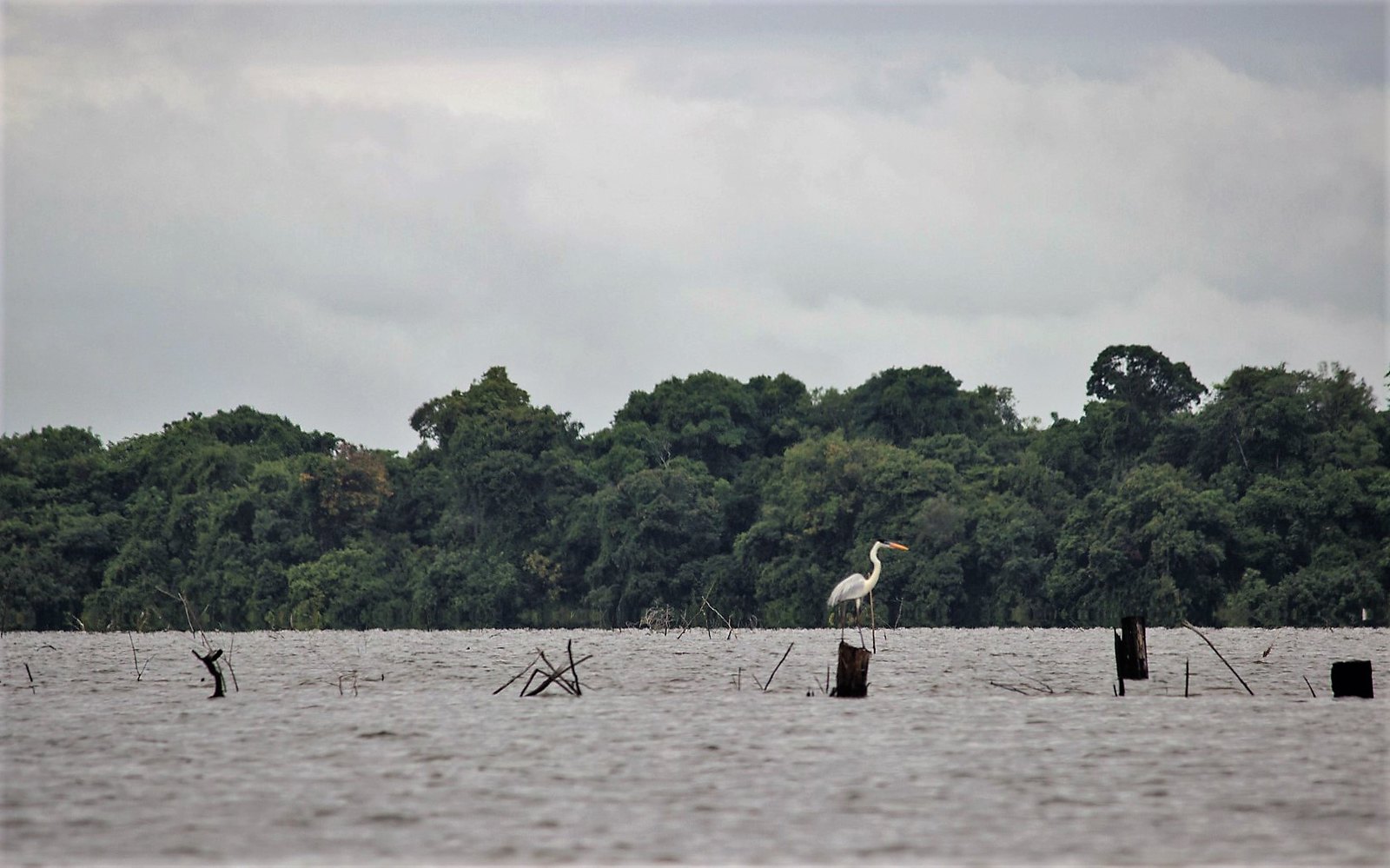
Foto: Amazon Watch / Maíra Irigaray.
A busca por justiça e reparação
Ao longo dos anos, o Ministério Público Federal do Pará, a Defensoria Pública e organizações da sociedade civil impetraram dezenas de ações judiciais em tribunais brasileiros para contestar as diversas irregularidades do projeto, bem como seus impactos. A maioria das ações permanece sem solução, algumas há mais de 10 anos.
Essas ações não obtiveram sucesso porque o governo federal tem reiteradamente anulado decisões favoráveis às comunidades afetadas, recorrendo a um mecanismo pelo qual o presidente do Supremo Tribunal Federal pode suspender uma decisão judicial com base unicamente em argumentos genéricos como "interesse nacional" ou "ordem econômica".
Diante da falta de respostas eficazes em nível nacional, a AIDA — juntamente com uma coalizão de organizações aliadas — levou o caso à Comissão Interamericana de Direitos Humanos (CIDH) e, em 2010, solicitou medidas cautelares para proteger a vida, a integridade e a saúde das comunidades indígenas afetadas.
Em 1º de abril de 2011, a CIDH concedeu essas medidas e solicitou ao Estado brasileiro a suspensão das licenças ambientais e de quaisquer obras de construção até que as condições relativas à consulta prévia e à proteção da saúde e integridade das comunidades fossem atendidas.
E, em 16 de junho de 2011, apresentamos uma denúncia formal à CIDH — juntamente com o Movimento Xingu Vivo Para Siempre, a Coordenação das Organizações Indígenas da Amazônia Brasileira, a Diocese de Altamira, o Conselho Missionário Indígena, a Sociedade Pará de Defesa dos Direitos Humanos e a Global Justice — contra o Estado brasileiro por sua responsabilidade internacional nas violações de direitos humanos contra os povos afetados neste caso. A denúncia foi apresentada em dezembro de 2015.
Em 3 de agosto de 2011, a CIDH modificou as medidas cautelares para solicitar — em vez da suspensão de licenças e obras — a proteção dos povos que vivem em isolamento voluntário, a saúde das comunidades indígenas e a regularização e proteção das terras ancestrais.
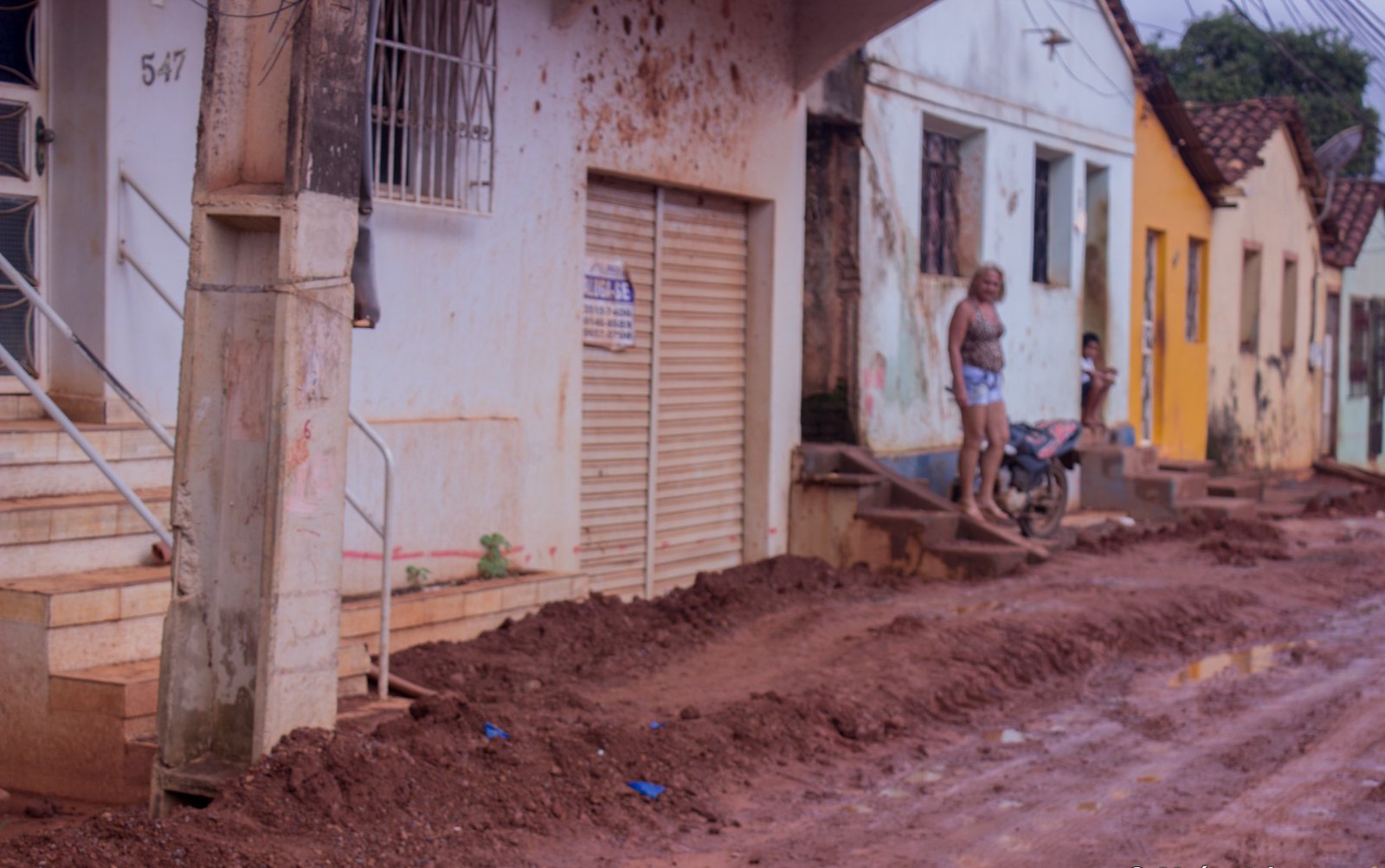
Foto: Amazon Watch / Maíra Irigaray.
Situação atual
As medidas de proteção concedidas pela CIDH permanecem em vigor, mas o Estado brasileiro não as cumpriu integralmente, relatando apenas ações genéricas. As comunidades documentaram as contínuas violações de seus direitos. A situação que motivou o pedido dessas medidas — o risco à vida, à segurança e aos meios de subsistência das comunidades — persiste e se agravou com a usina hidrelétrica operando em plena capacidade e com as recentes secas extremas na Amazônia.
Além do ocorrido em Belo Monte, existe o risco de maiores danos sociais e ambientais decorrentes da implementação de outro megaprojeto de mineração na Volta Grande do Xingu. Lá, a empresa canadense Belo Sun pretende construir a maior mina de ouro a céu aberto do Brasil.
Os impactos sinérgicos e cumulativos da usina e da mina não foram avaliados. O Estado excluiu povos indígenas, comunidades ribeirinhas e comunidades camponesas do processo de licenciamento ambiental do projeto. Apesar disso, dos protestos indígenas e de outras irregularidades em torno do projeto, o governo do estado do Pará autorizou formalmente a mina em abril de 2026.
Belo Monte, assim como outras usinas hidrelétricas, agrava a emergência climática ao gerar emissões de gases de efeito estufa em seu reservatório. Além disso, é ineficiente diante das secas prolongadas e intensas causadas pela crise, pois perde capacidade de geração de energia.
O caso perante a Comissão Interamericana
Em outubro de 2017, a CIDH anunciou que decidiria conjuntamente sobre a admissibilidade (se o caso preenche os requisitos para admissão) e o mérito (se houve, de fato, violação de direitos humanos) da denúncia internacional contra o Estado brasileiro.
Quinze anos após a apresentação da denúncia, as comunidades afetadas e as organizações que as representam ainda aguardam essa decisão. Caso a CIDH conclua que houve violações de direitos humanos e emita recomendações que o Estado brasileiro não cumpra, poderá encaminhar o caso à Corte Interamericana de Direitos Humanos, cujas decisões são vinculativas.
Uma possível decisão da Corte Internacional de Direitos Humanos neste caso estabeleceria um precedente jurídico regional em relação aos direitos dos povos indígenas e ribeirinhos, à participação pública em megaprojetos e à responsabilidade do Estado no contexto da crise climática. Isso é particularmente relevante à luz do Parecer Consultivo nº 32 da Corte, que reafirmou as obrigações dos Estados de proteger pessoas e comunidades em todo o continente da emergência climática.
Partners:
Related projects
Organizations alert authorities of threats to Puerto Morelos Reef
Mexico’s Puerto Morelos Reef National Park, a national protected area and Wetland of International Importance, is at risk due to massive and unsustainable tourism activities. Civil society organizations solicited a visit of international experts from the Ramsar Convention to evaluate the risks facing the site. A coalition of local, national and international organizations presented an urgent alert before the Ramsar Convention, an intergovernmental treaty on wetlands, warning of the threats facing Mexico’s Puerto Morelos Reef National Park due to massive and unsustainable tourism. The Interamerican Association for Environmental Defense (AIDA)—with the support of the Mexican Center for Environmental Law (CEMDA), Voces Unidas for Puerto Morelos, the Puerto Morelos House of Culture, Flora and Fauna of Mexico, and the Center for Innovation and Investigation for Sustainable Development— solicited a visit of international experts to evaluate the risks. "Because some of the area’s tourism projects were not subjected to a rigorous environmental impact assessment, they have transformed the coastal territory, degrading and contaminating ecosystems, particularly coral reefs and mangroves," explained Sandra Moguel, regional director of CEMDA’s Southeast office. The National Park was created as a natural protected area in 1998 and was registered in 2004 as a Wetland of International Importance under the Ramsar Convention. It is a unique site due to its high biodiversity—its coral reefs provide habitat for fish, sharks, pink snails and sea turtles, while its mangroves harbor crocodiles and herons. In addition, like other wetlands, it helps prevent coastal erosion and provides breeding and feeding grounds for the area’s fish. "The site’s ecological and scenic beauty attracts tourism projects which, because they’re not properly evaluated, promote the irrational use of natural resources," said Camilo Thompson, AIDA marine attorney. "A Ramsar mission is urgently needed to evaluate the damages, propose compensation, issue recommendations on the growth of tourism and real estate, and identify alternatives to ensure the rational use of the park’s ecosystems." The Puerto Morelos Reef forms part of the Mesoamerican Reef System, considered the second largest barrier reef in the world. "Any activity carried out in the reef requires a strategic environmental assessment that considers the cumulative and synergistic impacts on the coastal wetlands, sea grasses and reefs of Puerto Morelos," Thompson added. "The Mexican State must apply the precautionary principal and ecosystem approach to confront the threats to the biodiversity of this unique site." Download the alert presented before the Ramsar Convention (in Spanish). Press Contacts: Camilo Thompson, AIDA Attorney, +521 9671302346, [email protected] Ricardo Ruiz, CEMDA, + 55 5211 2457, [email protected]
Read more
Authorization of port expansion violates Mexico's international commitments
Mexico’s approval of the Port of Veracruz expansion project violates the nation’s international environmental and human rights commitments. To highlight this conflict, AIDA filed an amicus brief supporting residents of Veracruz in their attempt to protect the Veracruz Reef System, currently threatened by the port’s expansion. Veracruz, Mexico. In support of an amparo filed by local residents against the expansion of the Port of Veracruz, the Interamerican Association for Environmental Defense (AIDA) filed an amicus brief before Mexico’s Fifth Circuit Court with detailed information on international standards and treaties to which Mexico is party, and which the government violated upon authorizing the project. “By putting at risk the Veracruz Reef System—the largest in the Gulf of Mexico, whose protection is a matter of public interest—the government also threatens the right to a healthy environment of the people who depend on it,” explained Camilo Thompson, AIDA attorney. “The expansion project was authorized without an adequate evaluation of the impacts it would have.” Mexico granted the project’s environmental permit on November 21, 2013. Just a year earlier, it had reduced the area of the reef system, changing its boundaries to make the project viable. At the time of authorization, adequate scientific information was not available to understand how to avoid damaging the reefs and protect the services they provide to the people of Veracruz. Among their many benefits, the reefs provide income to coastal residents through fishing and tourism, and they act as a natural barrier against storms and hurricanes. Upholding these ecosystem services, local residents, advised by the Mexican Center for Environmental Law, filed an amparo against the project’s authorization, which was admitted by the court in March 2017. In their supporting brief, AIDA argues that, in authorizing the project, the government breached international obligations to protect its natural environment and the people that depend on it. Many of those obligations are outlined in treaties to which Mexico is party, including the Convention on Biological Diversity, the Ramsar Convention on Wetlands, the Inter-American Convention for the Protection and Conservation of Sea Turtles, the United Nations Framework Convention on Climate Change, and the American Convention on Human Rights. The Veracruz Reef System is a Natural Protected Area nationally, and is listed as a Wetland of International Importance under the Ramsar Convention. It serves as a refuge for many marine animals, among them endangered species of sea turtles. “The reefs of Veracruz contain a rich natural wealth that must be protected,” Thompson said. “The expansion project would destroy part of that habitat and lead to the loss of a great amount of biological diversity. It also could lead to stranded vessels, contaminating spills, and the loss of fishing resources that sustain the local economy.” Press contact: Camilo Thompson, AIDA attorney, +521 9671302346, [email protected]
Read more
Brazil and the example that should be followed
In an apparent turnaround, the Brazilian government has signaled an end to the construction of large dams in the Amazon. If materialized, it will be a step worthy of imitation. Then the region, and the world, can move towards truly sustainable energy generation that respects the environment and human rights. 2018 began with encouraging news for the energy sector, and for rivers and human rights in Latin America. A senior official with the Brazilian government signaled, in an interview with the newspaper O Globo, the beginning of the end of large dams in the Amazon nation. That statement is backed up by the notable absence of several of these projects in Brazil’s new Ten-Year Plan for Energy Expansion. The about-face is particularly significant since Brazil is a world leader in the construction of large hydroelectric projects, which until a few months ago were relied on to meet the nation’s rising energy demands. Between corruption and lack of financing The decision is a response to various factors, including the social conflicts and environmental impacts that large dams have caused in the Amazon, and major opposition from indigenous communities and civil society organizations. In addition, these projects have involved high costs from the start and, as Edvaldo Santana, former director of the National Electric Energy Agency (ANEEL) told O Globo, they “end up costing much more, despite the licenses.” Large dams have also been at the center of the largest corruption scandal in the history of Brazil, uncovered by the Lava Jato investigation, which went beyond borders to involve politicians and businessmen from 11 Latin American nations. The evidence gathered then prompted the initiation of Leviathan, a special investigation into the Belo Monte Dam due to the signs of high payments of bribes related to its construction. All of the above is in addition to the requirements for environment licenses with which several projects have failed to comply. This is the case of Belo Monte, whose license has been suspended for months, and of the Tapajós Dam, who license was denied last year. On the other hand, the Brazilian government announced the privatization of Electrobras, a public company with a fundamental role in the construction of these large infrastructure projects. With this and the economic crisis that has affected the ability of the Brazilian National Bank for Economic Development (BNDES) to support these mega-projects, the large dams have lost their primary sources of funding. Therefore—and in the face of technological advances and clean energy alternatives—Brazil is beginning to leave behind large dams and take and important step towards truly sustainable energy, and development that respects human rights. This advance could have an important impact on the entire American continent. It could begin a wave of change toward a more modern energy matrix, further removed from the increasingly obsolete large dams. A necessary change In the Amazon basin alone, more than 275 new large dams are planned, the majority in the Andean region. And hundreds more are lined up in Central America and Mexico. To echo Brazil’s announcement, these initiatives could incorporate adequate and comprehensive energy planning with serious cost and risk assessments. In these terms, Pablo Pedrosa, Executive Secretary of Brazil’s Ministry of Mines and Energy, told O Globo, “We are not willing to make moves to disguise the costs and the risks.” Even global entities such as the International Finance Corporation (IFC), part of the World Bank Group, have experienced first-hand the financial, reputational and socio-environmental costs of inadequately evaluating large dam projects. In 2012, the IFC, through the Latin American Fund for Renewable Infrastructure, provided $15 million USD to fund the Santa Rita Dam, which was to be built on the Ictobay River in Alta Verapaz, Guatemala. At the end of last year, the entity’s accountability mechanism concluded that the investment had breached the IFC’s operational policies. The project had failed to comply with the affected community’s right to free, prior and informed consent. Although IFC management denied the findings of its accountability mechanism, the project has been suspended since 2013 and the indigenous communities of the area maintain their opposition to it. Brazil’s recent decision reinforces the global trend of moving away from large dams. Over the last several years in the United States, large dams have been removed to rescue rivers and the benefits they provide, like wild salmon runs on the Snake River in Washington State. Given this good start to the year, it will be essential to ensure the effective implementation of Brazil’s decision. And, following that example, perhaps other Andean-Amazonian countries will also move towards modernity, consider the real costs of large dams, and begin to promote better, cheaper energy alternatives that don’t sacrifice natural ecosystems and the communities that depend on them.
Read more