
Project
Amazon Watch / Maíra Irigaray
Barragem de Belo Monte no rio Xingu: 10 anos de impactos na Amazônia e de busca por reparações
A usina hidrelétrica de Belo Monte causou um desastre ambiental e social no coração da Amazônia: um dos ecossistemas mais importantes do planeta.
Essa situação só piorou desde que a usina começou a operar em 2016. A busca por justiça e reparação para as comunidades indígenas e ribeirinhas afetadas continua até hoje.
Em 2011, a Comissão Interamericana de Direitos Humanos (CIDH) concedeu a essas comunidades medidas de proteção, que até hoje não foram totalmente implementadas pelo Estado brasileiro.
E, desde junho daquele mesmo ano, a CIDH mantém um processo contra o Estado por sua responsabilidade internacional no caso.
A CIDH pode encaminhar o caso à Corte Interamericana de Direitos Humanos, que tem o poder de emitir uma sentença condenatória contra o Estado brasileiro.
Consulta o expediente de fatos do caso
Após 10 anos de operação da usina hidrelétrica e mais de 15 anos de violações de direitos humanos documentadas, é hora da justiça ser feita para as comunidades afetadas.
Leia a carta aberta das organizações que levam o caso à CIDH
Leia nosso comunicado à imprensa
Contexto
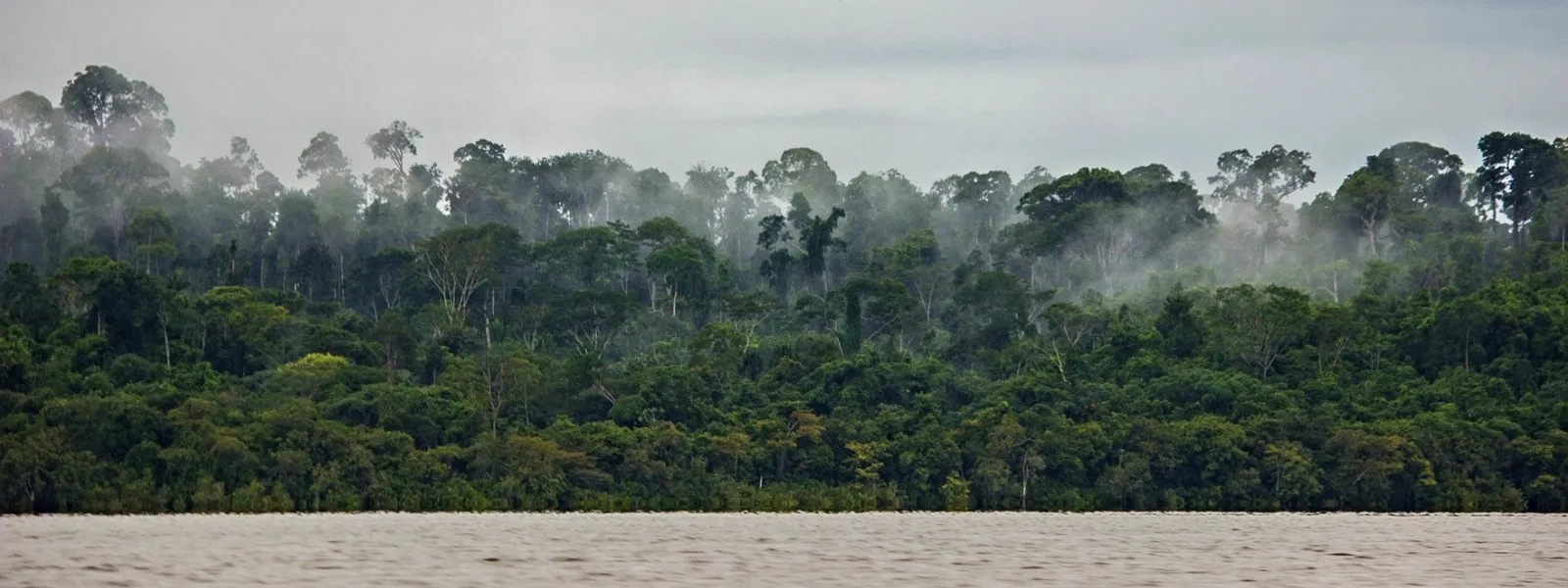
A usina hidrelétrica de Belo Monte — a quarta maior do mundo em capacidade instalada (11.233 MW) — foi construída no rio Xingu, no estado do Pará, norte do Brasil.
Foi inaugurada em 5 de maio de 2016, com uma única turbina. Naquela época, 80% do curso do rio foi desviado e 516 km² de terra foram inundados, uma área maior que a cidade de Chicago. Desse total, 400 km² eram de mata nativa. A usina começou a operar em plena capacidade em novembro de 2019.
Belo Monte foi construída e é operada pelo consórcio Norte Energia S.A., composto principalmente por empresas estatais. Foi financiada pelo Banco Nacional de Desenvolvimento Econômico e Social (BNDES), que aportou ao consórcio 25,4 bilhões de reais (aproximadamente US$ 10,16 bilhões), o maior investimento de sua história. Portanto, o BNDES também é legalmente responsável pelos impactos socioambientais associados ao projeto hidrelétrico.
Décadas de danos ambientais e humanos
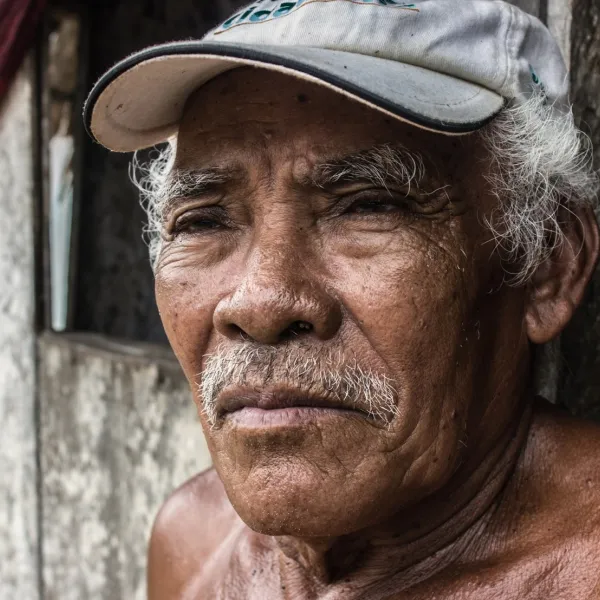
As violações dos direitos humanos e a degradação da Amazônia remontam ao início do projeto. Em março de 2011, a Norte Energia iniciou a construção da barragem sem consulta adequada e sem o consentimento prévio, livre e informado das comunidades afetadas.
A construção levou ao deslocamento forçado de mais de 40.000 pessoas, rompendo laços sociais e culturais. O plano de reassentamento em Altamira — cidade diretamente afetada pelo projeto hidrelétrico — incluía moradias na periferia da cidade, sem serviços públicos adequados, moradias dignas para as famílias reassentadas e moradias diferenciadas para aqueles pertencentes a comunidades indígenas.
A operação da barragem de Belo Monte impôs uma seca permanente e artificial na Volta Grande do rio Xingu, agravada pelas secas históricas na Amazônia em 2023 e 2024. Como resultado, a morte de milhões de ovos de peixe foi documentada por quatro anos consecutivos (de 2021 a 2024) e, nos últimos três anos, não houve migração de peixes rio acima para desovar e se reproduzir. Assim, a pesca artesanal, principal fonte de proteína para os povos indígenas e comunidades ribeirinhas, foi severamente afetada: o consumo de peixe caiu de 50% para 30% do total de proteínas consumidas, sendo substituído por alimentos processados. Em suma, houve um colapso ambiental e humanitário que resultou no colapso da pesca como modo de vida tradicional, insegurança alimentar e falta de acesso à água potável para milhares de famílias, empobrecimento e doenças.
Além disso, a construção da barragem aumentou o desmatamento e intensificou a extração ilegal de madeira e a insegurança em terras indígenas e tribais, colocando em risco a sobrevivência dessas comunidades. Outra consequência foi o agravamento da pobreza e dos conflitos sociais, bem como a sobrecarga dos sistemas de saúde, educação e segurança pública em Altamira, cidade considerada a mais violenta do país em 2017, onde houve aumento do tráfico de pessoas e da violência sexual. Também foram registrados casos de violência contra defensores de direitos humanos envolvidos no caso.
Em 2025, durante a 30ª Conferência das Nações Unidas sobre Mudanças Climáticas (COP30), realizada no Brasil, o Ministério Público Federal classificou os danos causados por Belo Monte como ecocídio.
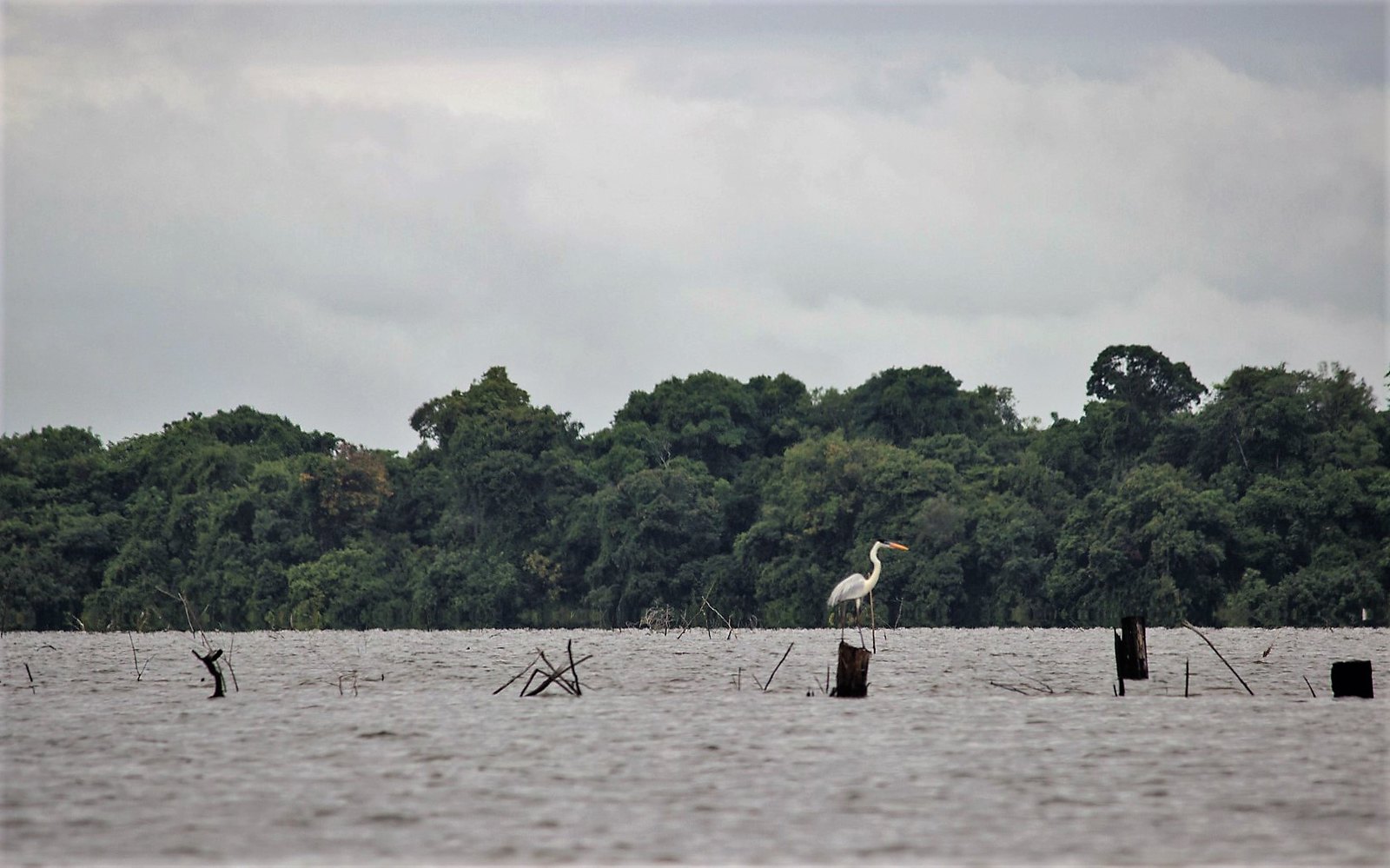
Foto: Amazon Watch / Maíra Irigaray.
A busca por justiça e reparação
Ao longo dos anos, o Ministério Público Federal do Pará, a Defensoria Pública e organizações da sociedade civil impetraram dezenas de ações judiciais em tribunais brasileiros para contestar as diversas irregularidades do projeto, bem como seus impactos. A maioria das ações permanece sem solução, algumas há mais de 10 anos.
Essas ações não obtiveram sucesso porque o governo federal tem reiteradamente anulado decisões favoráveis às comunidades afetadas, recorrendo a um mecanismo pelo qual o presidente do Supremo Tribunal Federal pode suspender uma decisão judicial com base unicamente em argumentos genéricos como "interesse nacional" ou "ordem econômica".
Diante da falta de respostas eficazes em nível nacional, a AIDA — juntamente com uma coalizão de organizações aliadas — levou o caso à Comissão Interamericana de Direitos Humanos (CIDH) e, em 2010, solicitou medidas cautelares para proteger a vida, a integridade e a saúde das comunidades indígenas afetadas.
Em 1º de abril de 2011, a CIDH concedeu essas medidas e solicitou ao Estado brasileiro a suspensão das licenças ambientais e de quaisquer obras de construção até que as condições relativas à consulta prévia e à proteção da saúde e integridade das comunidades fossem atendidas.
E, em 16 de junho de 2011, apresentamos uma denúncia formal à CIDH — juntamente com o Movimento Xingu Vivo Para Siempre, a Coordenação das Organizações Indígenas da Amazônia Brasileira, a Diocese de Altamira, o Conselho Missionário Indígena, a Sociedade Pará de Defesa dos Direitos Humanos e a Global Justice — contra o Estado brasileiro por sua responsabilidade internacional nas violações de direitos humanos contra os povos afetados neste caso. A denúncia foi apresentada em dezembro de 2015.
Em 3 de agosto de 2011, a CIDH modificou as medidas cautelares para solicitar — em vez da suspensão de licenças e obras — a proteção dos povos que vivem em isolamento voluntário, a saúde das comunidades indígenas e a regularização e proteção das terras ancestrais.
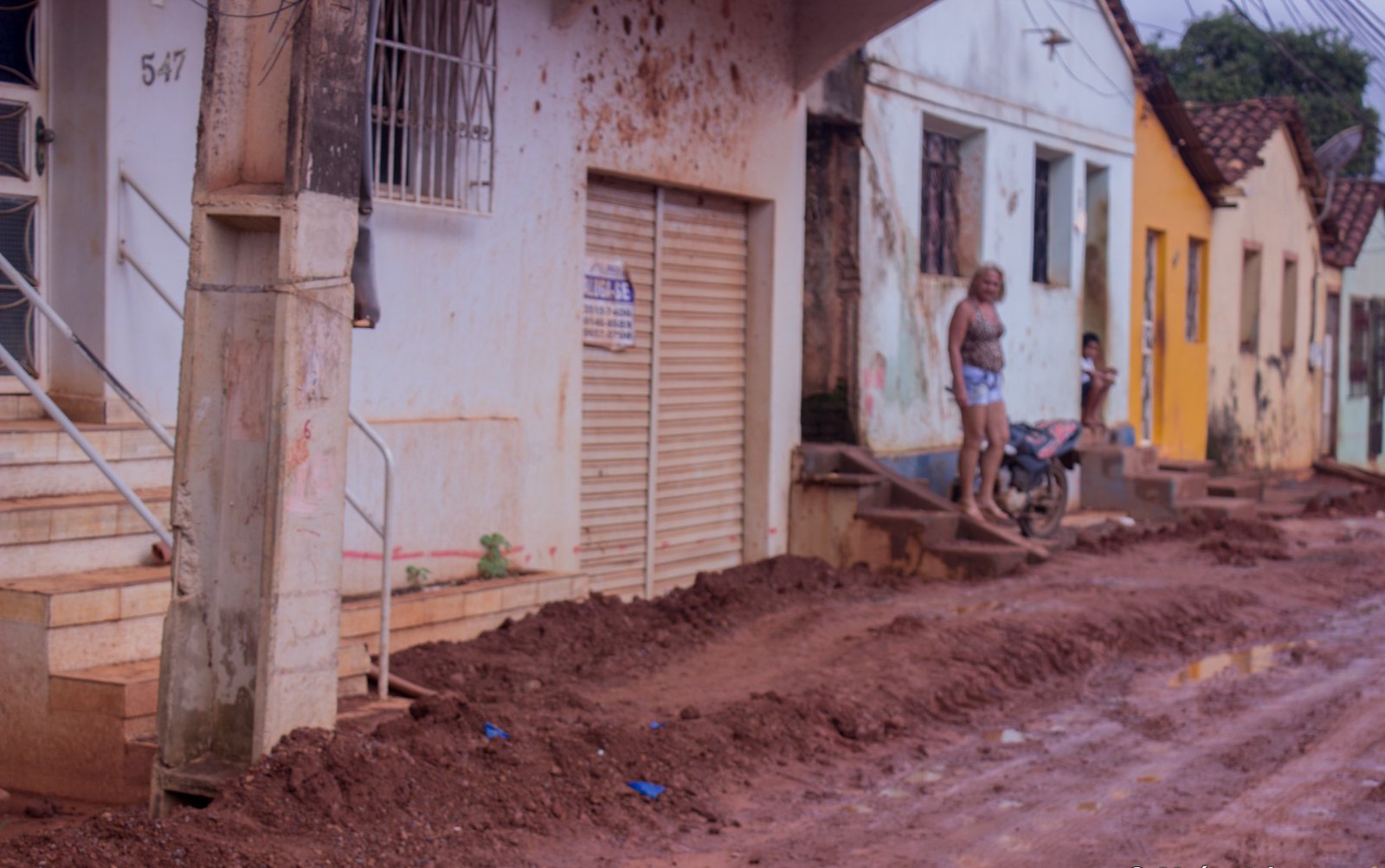
Foto: Amazon Watch / Maíra Irigaray.
Situação atual
As medidas de proteção concedidas pela CIDH permanecem em vigor, mas o Estado brasileiro não as cumpriu integralmente, relatando apenas ações genéricas. As comunidades documentaram as contínuas violações de seus direitos. A situação que motivou o pedido dessas medidas — o risco à vida, à segurança e aos meios de subsistência das comunidades — persiste e se agravou com a usina hidrelétrica operando em plena capacidade e com as recentes secas extremas na Amazônia.
Além do ocorrido em Belo Monte, existe o risco de maiores danos sociais e ambientais decorrentes da implementação de outro megaprojeto de mineração na Volta Grande do Xingu. Lá, a empresa canadense Belo Sun pretende construir a maior mina de ouro a céu aberto do Brasil.
Os impactos sinérgicos e cumulativos da usina e da mina não foram avaliados. O Estado excluiu povos indígenas, comunidades ribeirinhas e comunidades camponesas do processo de licenciamento ambiental do projeto. Apesar disso, dos protestos indígenas e de outras irregularidades em torno do projeto, o governo do estado do Pará autorizou formalmente a mina em abril de 2026.
Belo Monte, assim como outras usinas hidrelétricas, agrava a emergência climática ao gerar emissões de gases de efeito estufa em seu reservatório. Além disso, é ineficiente diante das secas prolongadas e intensas causadas pela crise, pois perde capacidade de geração de energia.
O caso perante a Comissão Interamericana
Em outubro de 2017, a CIDH anunciou que decidiria conjuntamente sobre a admissibilidade (se o caso preenche os requisitos para admissão) e o mérito (se houve, de fato, violação de direitos humanos) da denúncia internacional contra o Estado brasileiro.
Quinze anos após a apresentação da denúncia, as comunidades afetadas e as organizações que as representam ainda aguardam essa decisão. Caso a CIDH conclua que houve violações de direitos humanos e emita recomendações que o Estado brasileiro não cumpra, poderá encaminhar o caso à Corte Interamericana de Direitos Humanos, cujas decisões são vinculativas.
Uma possível decisão da Corte Internacional de Direitos Humanos neste caso estabeleceria um precedente jurídico regional em relação aos direitos dos povos indígenas e ribeirinhos, à participação pública em megaprojetos e à responsabilidade do Estado no contexto da crise climática. Isso é particularmente relevante à luz do Parecer Consultivo nº 32 da Corte, que reafirmou as obrigações dos Estados de proteger pessoas e comunidades em todo o continente da emergência climática.
Partners:
Related projects
To keep corals healthy, we must protect herbivorous fish
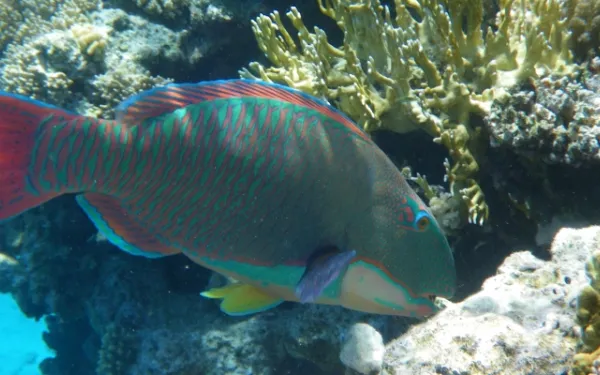
We all know coral reefs are fragile environments, highly vulnerable to climate change and pollution. But did you know they also had to compete for light and oxygen with the tiny macro-algae that cover their surface? That’s why some of corals' best friends are herbivorous fish—species like parrotfish and surgeonfish that feed on algae, helping to keep corals healthy. But in the Caribbean, unsustainable fishing practices are causing a decline in populations of parrotfish (and other herbivorous fish), putting the health of corals at risk. That’s why, in AIDA’s marine program, we’re launching a large-scale project dedicated to the conservation of herbivorous fish throughout Latin America—focused on the nations of Colombia, Costa Rica, Guatemala, Honduras, Mexico and Panama. Herbivorous fish conservation The parrotfish is one of the most important fish living in coral reefs. They spend most of the day nibbling on corals, cleaning algae from their surface. They also eat dead corals—those bits and pieces that protrude from the reef—and later excrete them as white sand. A key element to maintaining sustainable fisheries is catching only adult fish—those that have already matured and reproduced. But in the Caribbean right now, people are fishing juvenile parrotfish. Though not a commercial species, parrotfish are being captured because they’re some of the only fish left in the reef. The irresponsible nature of commercial fishing in the region has caused a drastic decline in both commercial and herbivorous fish. “A key element of maintaining a sustainable fishery is catching only adult fish, which have already matured and reproduced. But what’s happening in the Caribbean is the fishing of young parrotfish,” explained Magie Rodríguez, AIDA marine attorney. Most fishing is done with gillnets and hooks, which cause high levels of by-catch—unwanted populations of marine species caught in commercial fishing. Harpoons and traps are also used, which prevent younger, smaller fish from escaping and continuing their life cycle. Surgeonfish and damselfish are two other herbivorous fish—both small and quite beautiful—falling victim to irresponsible fishing practices. Their popularity in tropical home aquariums has led to a decline in their wild populations. Remember Dory, from Finding Nemo? She was a surgeonfish, and the movie’s popularity led to an increased demand for her species in aquariums. What the movie didn’t tell you is that the surgeonfish’s small, sharp teeth are highly adept at chewing algae, preventing the plantlife from essentially choking coral reefs of oxygen and light. Conservation strategies AIDA’s project for the conservation of herbivorous fish in the Caribbean is in its initial phases. Our objective is the implementation of diverse strategies, across the six Latin American nations, to protect these fish and, by extension, the reefs they call home. “To restore the balance of the coral ecosystem, it’s necessary to achieve the recovery not just of herbivorous fish populations, but also of commercial species,” Rodríguez said. So we’re talking not just about fishing bans, but also about the general adoption of sustainable fishing tools that take into account the tourism potential of coral reefs. The project will also contemplate adequate wastewater management strategies, consumer education, and collaboration between governments, NGOs, universities and scientists. Corals are, among other things, a source of economic income and food for coastal communities that live from fishing and tourism. Plus, they are natural barriers against storms and hurricanes. “Corals do a lot for us and we have to take care of them,” Rodríguez added. “We’ve come to find that the best thing we can do to keep corals healthy is to protect the herbivorous fish that call them home.”
Read more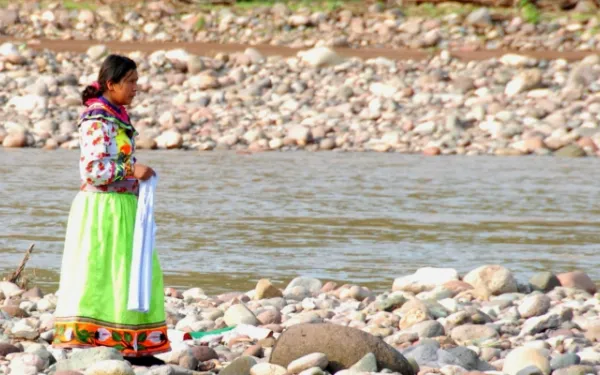
Women, water and life: the vital connection
As a woman and an environmental defender, I find it necessary to commemorate the role of women in the protection of our natural heritage. I feel a special pull toward making visible the links between environmental defense, courage, and gender. Women are the first victims of environmental deterioration, but they’re also the greatest protagonists in the defense and conservation of nature. Although it may seem like women and the environment are two different topics, there are subtle—but strong—links between the two, particularly when it comes to water. Women have an important relationship with water—they are both sources of life and fundamental to existence. It’s not surprising, then, that women can often be seen leading struggles in defense of water, especially within indigenous and rural populations. Joan Martínez Alier, professor of economics at the Autonomous University of Barcelona and an expert in political ecology, explained to Agencia EFE that often, socio-environmental conflicts involving mining or the privatization of water directly affect the survival of communities and, for that reason, women act in defense of water as they would in defense of their land or their family: bravely and completely. Little is known, however, about the knowledge and experience of women in water management. In many cases, especially in the Global South, the administration of water resources, as well as the elaboration and implementation of related policies, doesn’t take into account gender roles and lacks a differentiated approach. In rural Colombia, for example, women bring water to their homes from rivers or springs, boil it for use in the kitchen, and care for it. Despite their central role, they are not consulted when decisions are made locally or nationally about the water supply. It’s necessary to bring visibility to the role women play in water management, give equal recognition to the interests of men and women, and promote equal access to decision-making spaces. Only in that way can we advance towards greater equality. It’s important to remember that Latin America is one of the most dangerous regions in the world to be an environmental defender, and more dangerous still for women. Many women, who fight silently from their communities or from their leadership roles, have suffered the violence and injustice that comes with defending what is theirs. I must take a moment now to remember and honor Berta Cáceres, the indigenous activist and leader of the Civil Council of Popular and Indigenous Organizations of Honduras (COPINH), who dedicated her life to the defense of the Gualcarque River. Berta was murdered in March 2016, after years of threats stemming from her opposition of the Agua Zarca Dam. She may be gone, but her spirit, and her commitment to justice, is still very much alive. I’d also like to mention my colleagues, courageous friends, and allies who through their struggles are shaping a more just and equitable world. They believe, with all their hearts, that gender justice comes hand-in-hand with environmental justice. In our current reality, equality, more than a starting point, is a goal we must work towards. Concrete actions are needed to counterbalance the discrimination that affects us all. That’s why it is fundamental to incorporate the gender approach in any plan, program, project or mechanism of public administration. As the World Bank mentions in a 2002 report, the way to ensure both men and women benefit more equitably from policies is to make their needs and experiences an integral part of them. Life depends on women, as it does on water. That’s why we proudly act as stubborn defenders of not just water, but of all natural resources and of those who depend on them. Although not always visible, our struggle is as present as the water that travels in so many ways across our planet. It’s important that we come together in support of one another—in our victories and our defeats. May we continue sharing our fears and our fights and, above all else, may we never abandon the defense of our territory—because it defines us and to it we owe everything. I’ve always thought that water has the face of a woman. Every day now, I see it more clearly.
Read more
Inter-American Court establishes historic precedent for the protection of human rights in the Americas
In response to a consultation made by Colombia, the Court recognized the right to a healthy environment as fundamental to human existence. They also recognized the impact of climate change on human rights. At AIDA we celebrate this decision, which strengthens the obligations of States to protect the natural environment and those who depend on it. The Inter-American Court of Human Rights established a historic precedent for the protection of the people of the Americas in its response (Advisory Opinion) to Colombia’s consultation on the scope of States’ obligations to protect human rights from damages to the marine environment in the Greater Caribbean region. “We celebrate this decision, which will undoubtedly serve as a global example and a fundamental legal tool for those of us who work for environmental and climate justice,” said Astrid Puentes Riaño, co-executive director of AIDA. “It will also serve as an impetus for the States of the region to protect key ecosystems, such as the Guarani Aquifer, the Andes, the Amazon, the Pacific and the Greater Caribbean region.” The Court concluded that a healthy environment is an autonomous right, “fundamental to the existence of humanity,” in the first time they have developed the subject. It also recognized the impact of climate change on the effective enjoyment of human rights, particularly for the most vulnerable populations, such as indigenous peoples, children, and those living in extreme poverty. With this decision, taken in November and made public yesterday, the Court welcomed and enhanced similar recognition by organisms of the United Nations and regional courts. The Court established that the obligation of States to respect the rights to life and personal integrity, in relation to environmental protection, implies that they must: Avoid causing “significant” environmental damage in and outside their territory, for which they must regulate, supervise and monitor activities that could cause harm. Assure, among other things, the realization of effective and independent environmental impact studies, as well as mitigation and contingency plans for potential damages. Cooperate with other States and provide them with information regarding risks to their natural environment. Apply the precautionary principle to protect the rights to life and personal integrity due to serious and irrevocable environmental degradation, even when scientific uncertainty exists. Guarantee the rights to public participation, access to information related to potential environmental harms, and access to justice in decision-making that could affect the environment. In January of 2017, AIDA presented observations on Colombia’s consultation and, in March of that year, participated in a hearing before the Inter-American Court. We argued that the implementation of large infrastructure projects in the Greater Caribbean and other areas could affect the environment to such a point that they could put at risk the life and personal integrity, among other human rights, of the people living there. “The Court has taken an important step towards the protection of the oceans and other key ecosystems by incorporating international commitments to environmental protection as part of the obligation of States to protect human rights,” said Gladys Martínez, senior attorney of AIDA’s Marine Program. Consult and download a summary of the Court decision here. Press contact: Victor Quintanilla,+521 5570522107, [email protected]
Read more