
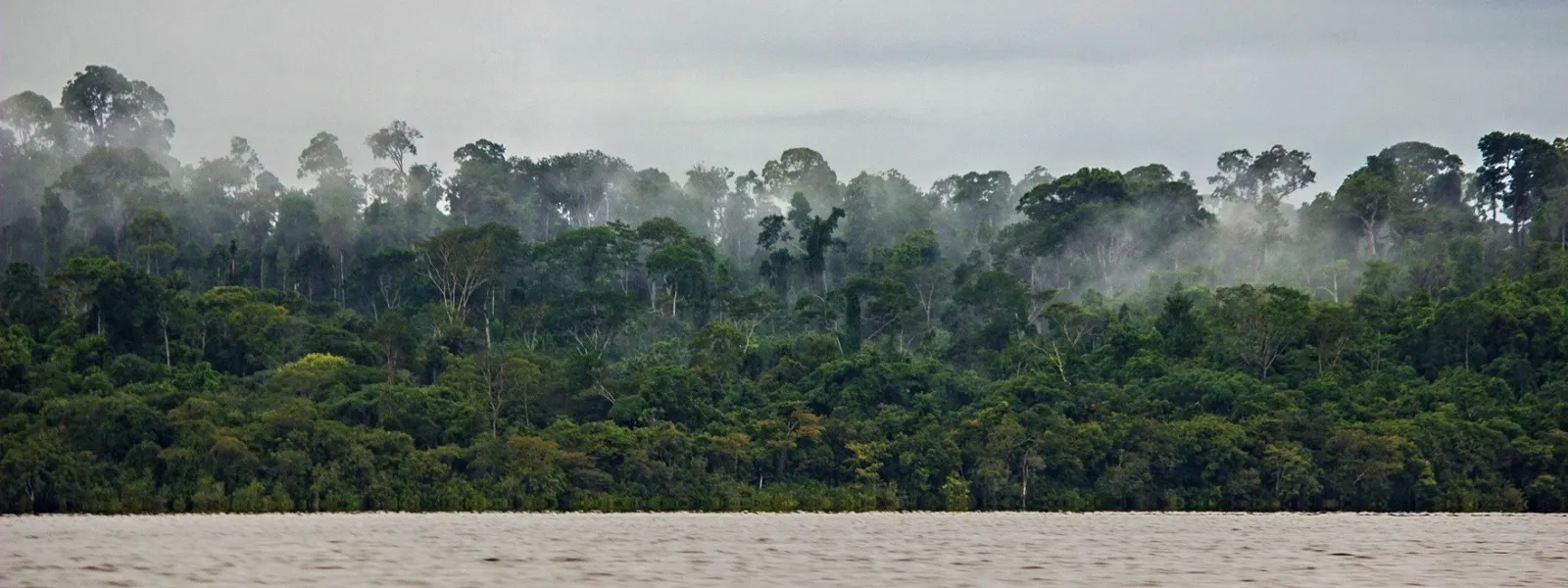
Project
Amazon Watch / Maíra Irigaray
Barragem de Belo Monte no rio Xingu: 10 anos de impactos na Amazônia e de busca por reparações
A usina hidrelétrica de Belo Monte causou um desastre ambiental e social no coração da Amazônia: um dos ecossistemas mais importantes do planeta.
Essa situação só piorou desde que a usina começou a operar em 2016. A busca por justiça e reparação para as comunidades indígenas e ribeirinhas afetadas continua até hoje.
Em 2011, a Comissão Interamericana de Direitos Humanos (CIDH) concedeu a essas comunidades medidas de proteção, que até hoje não foram totalmente implementadas pelo Estado brasileiro.
E, desde junho daquele mesmo ano, a CIDH mantém um processo contra o Estado por sua responsabilidade internacional no caso.
A CIDH pode encaminhar o caso à Corte Interamericana de Direitos Humanos, que tem o poder de emitir uma sentença condenatória contra o Estado brasileiro.
Consulta o expediente de fatos do caso
Após 10 anos de operação da usina hidrelétrica e mais de 15 anos de violações de direitos humanos documentadas, é hora da justiça ser feita para as comunidades afetadas.
Leia a carta aberta das organizações que levam o caso à CIDH
Leia nosso comunicado à imprensa
Contexto
A usina hidrelétrica de Belo Monte — a quarta maior do mundo em capacidade instalada (11.233 MW) — foi construída no rio Xingu, no estado do Pará, norte do Brasil.
Foi inaugurada em 5 de maio de 2016, com uma única turbina. Naquela época, 80% do curso do rio foi desviado e 516 km² de terra foram inundados, uma área maior que a cidade de Chicago. Desse total, 400 km² eram de mata nativa. A usina começou a operar em plena capacidade em novembro de 2019.
Belo Monte foi construída e é operada pelo consórcio Norte Energia S.A., composto principalmente por empresas estatais. Foi financiada pelo Banco Nacional de Desenvolvimento Econômico e Social (BNDES), que aportou ao consórcio 25,4 bilhões de reais (aproximadamente US$ 10,16 bilhões), o maior investimento de sua história. Portanto, o BNDES também é legalmente responsável pelos impactos socioambientais associados ao projeto hidrelétrico.
Décadas de danos ambientais e humanos
As violações dos direitos humanos e a degradação da Amazônia remontam ao início do projeto. Em março de 2011, a Norte Energia iniciou a construção da barragem sem consulta adequada e sem o consentimento prévio, livre e informado das comunidades afetadas.
A construção levou ao deslocamento forçado de mais de 40.000 pessoas, rompendo laços sociais e culturais. O plano de reassentamento em Altamira — cidade diretamente afetada pelo projeto hidrelétrico — incluía moradias na periferia da cidade, sem serviços públicos adequados, moradias dignas para as famílias reassentadas e moradias diferenciadas para aqueles pertencentes a comunidades indígenas.
A operação da barragem de Belo Monte impôs uma seca permanente e artificial na Volta Grande do rio Xingu, agravada pelas secas históricas na Amazônia em 2023 e 2024. Como resultado, a morte de milhões de ovos de peixe foi documentada por quatro anos consecutivos (de 2021 a 2024) e, nos últimos três anos, não houve migração de peixes rio acima para desovar e se reproduzir. Assim, a pesca artesanal, principal fonte de proteína para os povos indígenas e comunidades ribeirinhas, foi severamente afetada: o consumo de peixe caiu de 50% para 30% do total de proteínas consumidas, sendo substituído por alimentos processados. Em suma, houve um colapso ambiental e humanitário que resultou no colapso da pesca como modo de vida tradicional, insegurança alimentar e falta de acesso à água potável para milhares de famílias, empobrecimento e doenças.
Além disso, a construção da barragem aumentou o desmatamento e intensificou a extração ilegal de madeira e a insegurança em terras indígenas e tribais, colocando em risco a sobrevivência dessas comunidades. Outra consequência foi o agravamento da pobreza e dos conflitos sociais, bem como a sobrecarga dos sistemas de saúde, educação e segurança pública em Altamira, cidade considerada a mais violenta do país em 2017, onde houve aumento do tráfico de pessoas e da violência sexual. Também foram registrados casos de violência contra defensores de direitos humanos envolvidos no caso.
Em 2025, durante a 30ª Conferência das Nações Unidas sobre Mudanças Climáticas (COP30), realizada no Brasil, o Ministério Público Federal classificou os danos causados por Belo Monte como ecocídio.
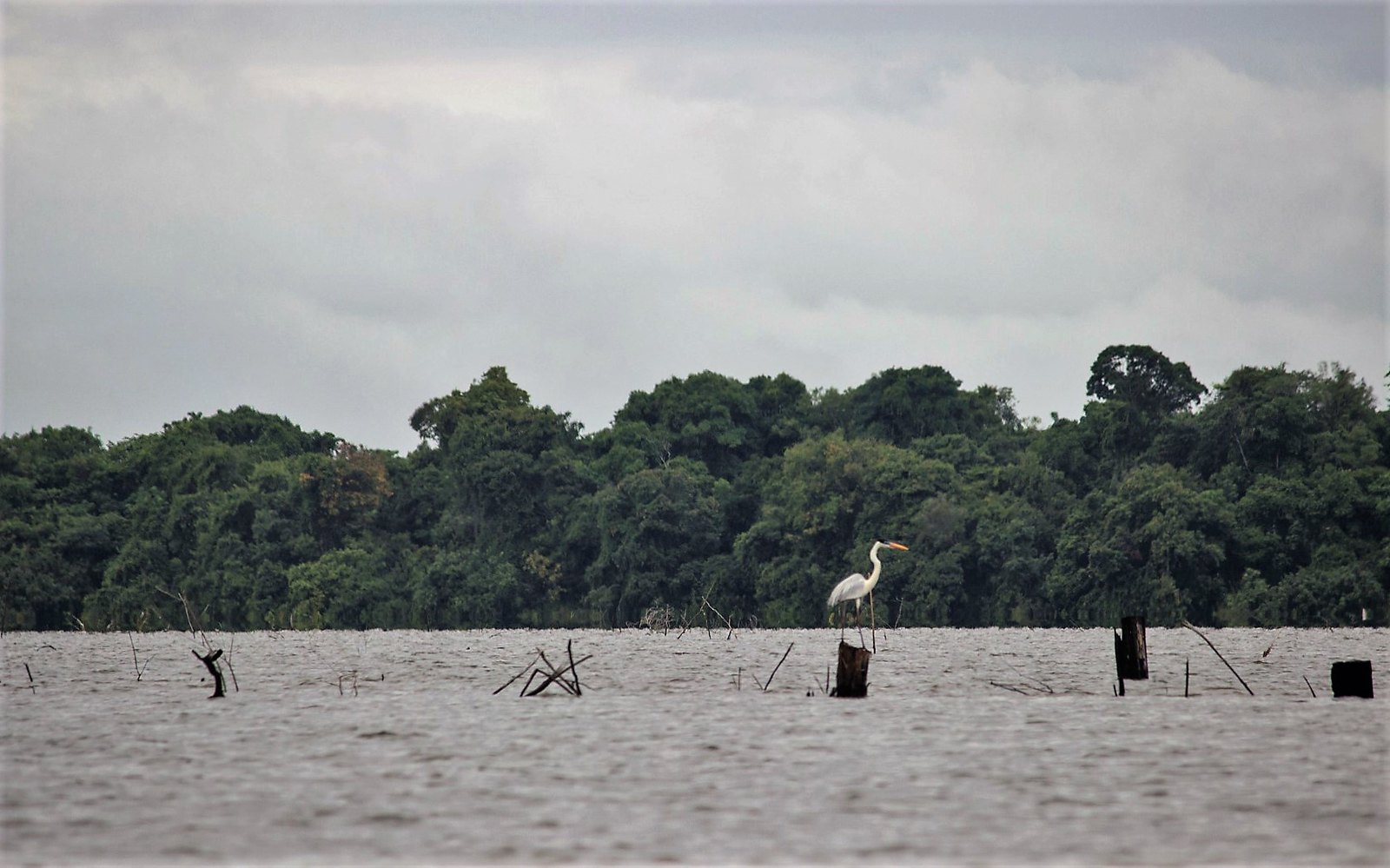
Foto: Amazon Watch / Maíra Irigaray.
A busca por justiça e reparação
Ao longo dos anos, o Ministério Público Federal do Pará, a Defensoria Pública e organizações da sociedade civil impetraram dezenas de ações judiciais em tribunais brasileiros para contestar as diversas irregularidades do projeto, bem como seus impactos. A maioria das ações permanece sem solução, algumas há mais de 10 anos.
Essas ações não obtiveram sucesso porque o governo federal tem reiteradamente anulado decisões favoráveis às comunidades afetadas, recorrendo a um mecanismo pelo qual o presidente do Supremo Tribunal Federal pode suspender uma decisão judicial com base unicamente em argumentos genéricos como "interesse nacional" ou "ordem econômica".
Diante da falta de respostas eficazes em nível nacional, a AIDA — juntamente com uma coalizão de organizações aliadas — levou o caso à Comissão Interamericana de Direitos Humanos (CIDH) e, em 2010, solicitou medidas cautelares para proteger a vida, a integridade e a saúde das comunidades indígenas afetadas.
Em 1º de abril de 2011, a CIDH concedeu essas medidas e solicitou ao Estado brasileiro a suspensão das licenças ambientais e de quaisquer obras de construção até que as condições relativas à consulta prévia e à proteção da saúde e integridade das comunidades fossem atendidas.
E, em 16 de junho de 2011, apresentamos uma denúncia formal à CIDH — juntamente com o Movimento Xingu Vivo Para Siempre, a Coordenação das Organizações Indígenas da Amazônia Brasileira, a Diocese de Altamira, o Conselho Missionário Indígena, a Sociedade Pará de Defesa dos Direitos Humanos e a Global Justice — contra o Estado brasileiro por sua responsabilidade internacional nas violações de direitos humanos contra os povos afetados neste caso. A denúncia foi apresentada em dezembro de 2015.
Em 3 de agosto de 2011, a CIDH modificou as medidas cautelares para solicitar — em vez da suspensão de licenças e obras — a proteção dos povos que vivem em isolamento voluntário, a saúde das comunidades indígenas e a regularização e proteção das terras ancestrais.
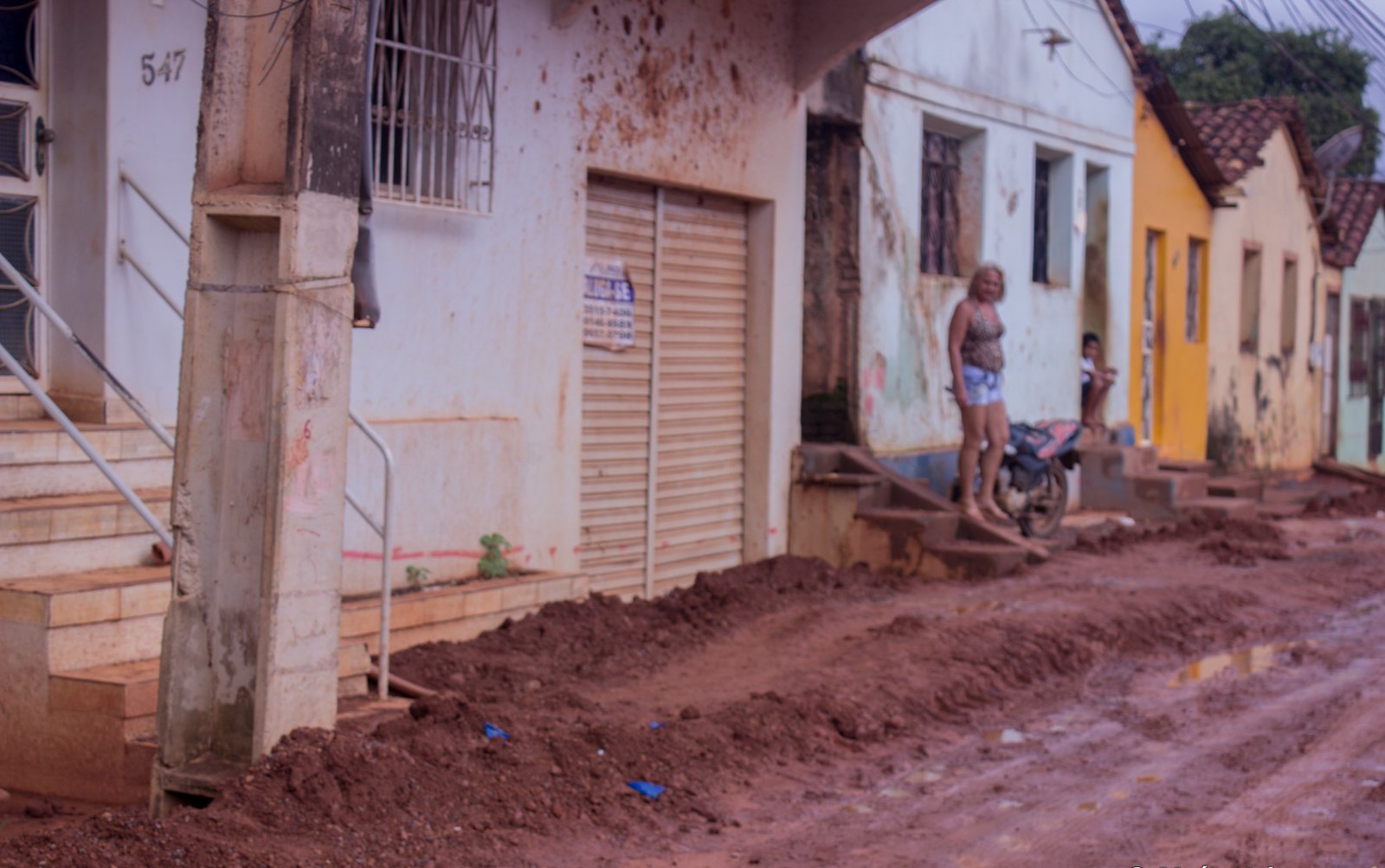
Foto: Amazon Watch / Maíra Irigaray.
Situação atual
As medidas de proteção concedidas pela CIDH permanecem em vigor, mas o Estado brasileiro não as cumpriu integralmente, relatando apenas ações genéricas. As comunidades documentaram as contínuas violações de seus direitos. A situação que motivou o pedido dessas medidas — o risco à vida, à segurança e aos meios de subsistência das comunidades — persiste e se agravou com a usina hidrelétrica operando em plena capacidade e com as recentes secas extremas na Amazônia.
Além do ocorrido em Belo Monte, existe o risco de maiores danos sociais e ambientais decorrentes da implementação de outro megaprojeto de mineração na Volta Grande do Xingu. Lá, a empresa canadense Belo Sun pretende construir a maior mina de ouro a céu aberto do Brasil.
Os impactos sinérgicos e cumulativos da usina e da mina não foram avaliados. O Estado excluiu povos indígenas, comunidades ribeirinhas e comunidades camponesas do processo de licenciamento ambiental do projeto. Apesar disso, dos protestos indígenas e de outras irregularidades em torno do projeto, o governo do estado do Pará autorizou formalmente a mina em abril de 2026.
Belo Monte, assim como outras usinas hidrelétricas, agrava a emergência climática ao gerar emissões de gases de efeito estufa em seu reservatório. Além disso, é ineficiente diante das secas prolongadas e intensas causadas pela crise, pois perde capacidade de geração de energia.
O caso perante a Comissão Interamericana
Em outubro de 2017, a CIDH anunciou que decidiria conjuntamente sobre a admissibilidade (se o caso preenche os requisitos para admissão) e o mérito (se houve, de fato, violação de direitos humanos) da denúncia internacional contra o Estado brasileiro.
Quinze anos após a apresentação da denúncia, as comunidades afetadas e as organizações que as representam ainda aguardam essa decisão. Caso a CIDH conclua que houve violações de direitos humanos e emita recomendações que o Estado brasileiro não cumpra, poderá encaminhar o caso à Corte Interamericana de Direitos Humanos, cujas decisões são vinculativas.
Uma possível decisão da Corte Internacional de Direitos Humanos neste caso estabeleceria um precedente jurídico regional em relação aos direitos dos povos indígenas e ribeirinhos, à participação pública em megaprojetos e à responsabilidade do Estado no contexto da crise climática. Isso é particularmente relevante à luz do Parecer Consultivo nº 32 da Corte, que reafirmou as obrigações dos Estados de proteger pessoas e comunidades em todo o continente da emergência climática.
Partners:
Related projects

Costa Rican court issues first criminal sanction against shark finning
In a historic decision, a Puntarenas court convicted a businesswoman for shark finning. The woman had brought shark fins to port separated from the body, a practice illegal in Costa Rica, with intentions of selling them abroad. The Public Prosecutor’s indictment was supported by civil society organizations that argued her actions violated national and international laws protecting marine life. Puntarenas, Costa Rica. On February 7, the Trial Court of Puntarenas imposed a six-month prison sentence on a Taiwanese businesswoman for illegally trading in shark fins. The woman had brought to port shark fins detached from the animals body and gathered together with a wire, a process know as finning. She had intended to sell the fins abroad. This ruling is the first time the practice, illegal under national and international law, has been punished in Costa Rica. “We are pleased that, from the power of the Judiciary, Costa Rica has sent a clear signal that its priority is to protect the country’s sustainability. The response to the finning was appropriate, and responsible fishermen and environmental authorities will applaud it as such. At Conservation International, we reiterate our commitment to sustainable fisheries, transparent management of marine resources, and control of the country’s environmental regulations,” said Marco Quesada, director of the Costa Rica Program of Conservation International (CI). In 2011, justice failed in favor of the businesswoman. That decision was rebutted by the Public Prosecutor’s Office, which obtained a second trial in which the crime was finally punished. The final sentence indicates that the businesswoman is responsible “for the crime of ordering the removal of the shark fin without the respective body, to the detriment of the natural resources” of Costa Rica. “This is a truly historic sentence, as it’s the first time there has been a criminal conviction for shark finning. We applaud the efforts of the Public Prosecutor’s Office to enforce the national laws and international commitments of Costa Rica. We hope this case will be a precedent that helps prevent this practice from happening again,” said Gladys Martínez, attorney with the Interamerican Association for Environmental Defense (AIDA). AIDA and CI assisted in the resolution of the case, which dates from 2011, by advising the Public Prosecutor’s Office on arguments of international law. According to Costa Rican law, shark fins must arrive to port naturally attached to the shark’s body. In cases such as this one, the fins are removed and the body tossed back to sea so the fishing boats can hold as many fins as possible. “Shark finning is a crime punishable in Costa Rica by articles 139 and 40 of the Fisheries and Aquaculture Law. In addition, Costa Rica has ratified various international treaties that oblige it to protect the environment. These obligations include the protection, conservation and sustainable use of marine resources,” reads the document provided by both organizations to the Public Prosecutor’s Office for use during the trial. Press contacts: Gladys Martínez, AIDA, [email protected], +506 8321 4263 Marco Quesada, CI, [email protected] +506 2253-0500 ext. 129/IP 5484
Read more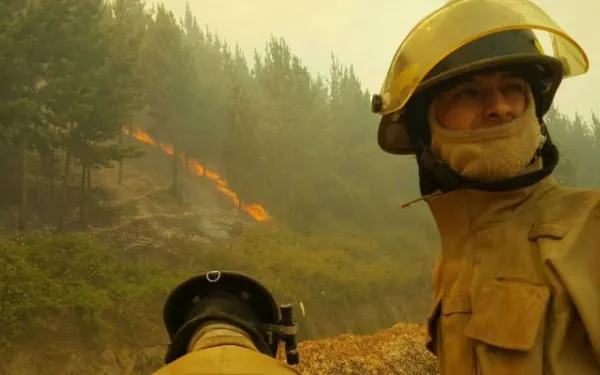
Why Chile is burning and what we can do about it
Uncontrollable wildfires in Chile have burned more than 500,000 hectares, an area three times the size of Mexico City. With each day that passes, the figure grows. It’s the worst environmental catastrophe the country has seen. Eleven people have died and nearly 4,000 have been affected. The flames have engulfed at least six of Chile’s 15 regions. Causes of the tragedy Much has been said about what could have started these voracious fires. Below is a compilation of the various causes, in hopes that understanding them may help us avoid and better control such fires in the future: Climate change. With the extreme changes in climate, temperatures have risen, causing an eight-year-old drought in the center of the country. This reality has enabled the fulfillment of the so-called “30-30-30” rule, which facilitates the perfect scenario for wildfires: a temperature of 30 degrees Celsius, 30 percent humidity, and winds of 30 kilometers per hour. The human factor. According to the National Forestry Corporation (CONAF), the organization responsible for fighting wildfires in Chile, the vast majority of fires are actually caused by human neglect. In this case, there have been indications that some of the fires were started intentionally. Forest plantations. This cause has the deepest roots. In the central and southern regions of the country, forest plantations have been replacing native forest. That means heterogeneous and biodiverse forests have been transformed into thousands of hectares of one single species, eliminating the natural barriers against fire. These monocultures, mostly pine and eucalyptus, quickly absorb large amounts of water, drying the soil around them and stifling most other life. In addition, both of these trees contain flammable elements that contribute to the spread of fire. Inadequate legislation. Decree Law 701, issued in 1974, sought to boost forestry development through economic incentives, leading to the explosion of large-scale pine and eucalyptus plantations in Chile. By financing up to 75 percent of monocultures, the decree most benefited those who already owned large tracts of land. It promoted the felling and burning of native forest to replace it with monocultures of exotic species. High voltage cables. When passing over forests, these cables generate high-temperature heat waves. If a branch falls on a cable, it can easily cause a fire. Lack of prevention and preparedness. The factors mentioned above were all known realities; the risk of the current fires was latent. More should have been done to prevent them, and to have been better prepared to face them. Chile has no public policy to address the issue. There is no law on fighting wildfires or confronting other such emergencies. Prevention would involve actions ranging from regulating the activities of forest companies, to implementing effective firefighting, to avoiding the accumulation of garbage in places where fires may emerge. What we can do about it Institutional and forestry planning appropriate for a changing climate. Changes in weather patterns have made wildfires far more likely to occur. For this reason, adequate plans and policies must be developed to deal with such situations, which will continue to be an underlying threat. Planning should be geared towards building a forest landscape resilient to a drier and hotter future. Strengthening firefighting capacities. The budget afforded to CONAF and the firefighting companies must be sufficient to cover the necessary equipment and human capacity needed to effectively battle such blazes. Regulations to prevent and protect. Legal measures must be taken to ensure that reforestation incorporates firebreaks and ample buffer zones around sensitive areas (villages, water sources and productive areas, among others). This reduces the ability of wildfires to progress and protects local biodiversity and ecosystem services. Impose responsibilities. The owners of forest plantations must be responsible for setting up firewalls and other safeguards, as well as for having emergency plans. Stop promoting monocultures and reestablish native forest. Because they are harmful to the environment and propagate wildfires, the State must stop encouraging monocultures and instead encourage the cultivation of diverse and native forests. Plan reforestation after the fire. Local development must be ensured throughout the process of reforestation, involving affected communities and stakeholders. Education and training of residents and local authorities. Those who live and keep watch over high-risk areas should know how to respond in the case of an emergency, and they must know how to prevent it. How YOU can help now The platform “movidos x Chile” has information on how to help those affected by the fires (donations, volunteering, etc.). The following organizations are receiving money to help victims: Desafío Levantemos Chile (includes information on how to donate from abroad). Un Techo para Chile. Hogar de Cristo. Ministry of the Interior (includes information on how to donate from abroad). The Red Cross (receives in-kind and monetary donations). There are also organizations focused on helping affected animals: Veterinary Medical College of Chile (receives in-kind and monetary donations). The website abandonados.cl (contains information on various organizations that offer help to the animals affected by the fires). Also, on this page you can find information about all the organizations and institutions that are receiving donations for both victims and animals, including locations across the country where material support can be provided.
Read more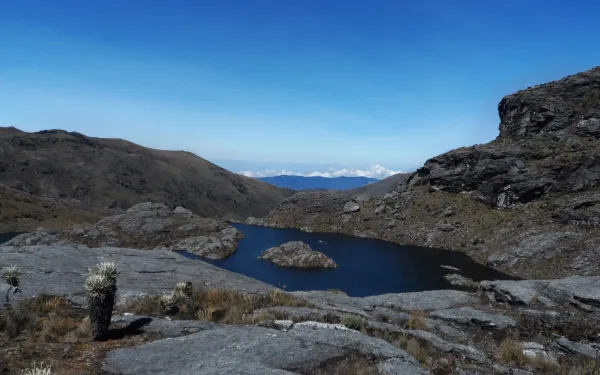
The Santurbán páramo: Closer to the sky
By Laura Yaniz The International Finance Corporation, part of the World Bank Group, said “No” to the Angostura mining project in Colombia’s Santurbán páramo. What does this decision mean? It’s one step closer to the protection of this priceless ecosytem. In Santurbán, the rocks become guardians of mirrors of water that reflect the sky. Frailejones stand watch over the remains of glaciers. Condors gaze down upon tiny visitors. The world sits closer to the sky. Santurbán is a páramo, an ecosystem only found high in the Andes Mountains. The Canadian company Eco Oro Mineral has set their sights on these lands because, as rich as they are in water, they are rich too in minerals. The IFC had invested in the company’s Angostura mining project but, at the end of 2016, they made the wise decision to withdraw that investment. It was an important victory in the ongoing fight to save Santurbán, the water source of millions of Colombians. But what exactly would be saved? And what is the allure of Santurbán? Alberto Peña Kay, a local hiker and photographer, speaks through the images he captures of the many reasons this unique ecosystem must be protected: Frailejones (espeletias) are endemic plants that, because of the extreme conditions of the high-Andean climate, have uniquely adapted to protect themselves from the cold, the high levels of UV radiation, and the lack of nutrients. Their succulent leaves absorb water from the clouds, which they then store in their trunk. Some of these plants grow just one centimeter a year. “When I first came to this páramo and photographed it, I knew I had to keep coming back. This place inspired my passion for photography.” “Many don’t see this place as I do; they look upon it with economic eyes, eyes set on mining and extraction.” “At our best, we see the potential here, and recognize that it’s something we can’t lose. There are so many reasons to conserve these lands.” Why? "First, it’s my department, the great Santander. Second, the biodiversity: here live icons like the condor, the puma and the frailejone. Third, this páramo supplies water to more than half of the people who live in Santander and Northern Santander.” "[In Santurbán], I realized I could get closer to the sky." Really, Santurbán speaks for itself. We must save this piece of heaven on Earth, it's well worth the fight!
Read more