
Project
Amazon Watch / Maíra Irigaray
Barragem de Belo Monte no rio Xingu: 10 anos de impactos na Amazônia e de busca por reparações
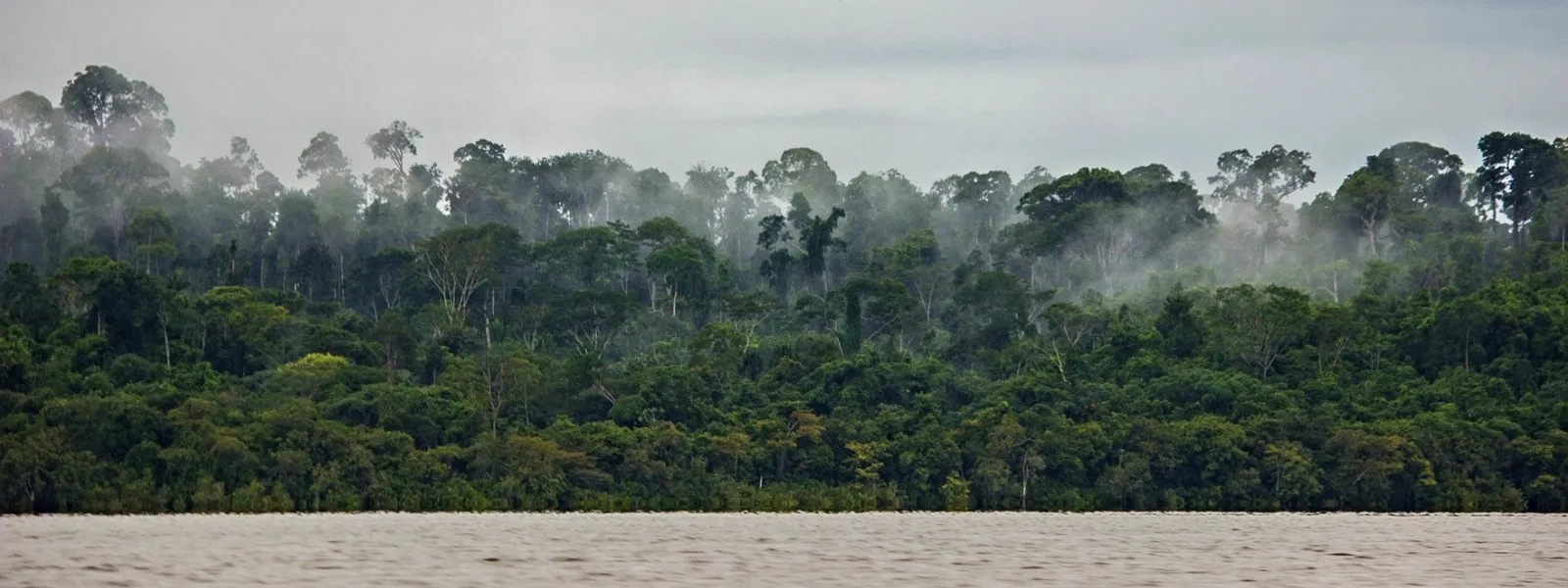
A usina hidrelétrica de Belo Monte causou um desastre ambiental e social no coração da Amazônia: um dos ecossistemas mais importantes do planeta.
Essa situação só piorou desde que a usina começou a operar em 2016. A busca por justiça e reparação para as comunidades indígenas e ribeirinhas afetadas continua até hoje.
Em 2011, a Comissão Interamericana de Direitos Humanos (CIDH) concedeu a essas comunidades medidas de proteção, que até hoje não foram totalmente implementadas pelo Estado brasileiro.
E, desde junho daquele mesmo ano, a CIDH mantém um processo contra o Estado por sua responsabilidade internacional no caso.
A CIDH pode encaminhar o caso à Corte Interamericana de Direitos Humanos, que tem o poder de emitir uma sentença condenatória contra o Estado brasileiro.
Consulta o expediente de fatos do caso
Após 10 anos de operação da usina hidrelétrica e mais de 15 anos de violações de direitos humanos documentadas, é hora da justiça ser feita para as comunidades afetadas.
Leia a carta aberta das organizações que levam o caso à CIDH
Leia nosso comunicado à imprensa
Contexto
A usina hidrelétrica de Belo Monte — a quarta maior do mundo em capacidade instalada (11.233 MW) — foi construída no rio Xingu, no estado do Pará, norte do Brasil.
Foi inaugurada em 5 de maio de 2016, com uma única turbina. Naquela época, 80% do curso do rio foi desviado e 516 km² de terra foram inundados, uma área maior que a cidade de Chicago. Desse total, 400 km² eram de mata nativa. A usina começou a operar em plena capacidade em novembro de 2019.
Belo Monte foi construída e é operada pelo consórcio Norte Energia S.A., composto principalmente por empresas estatais. Foi financiada pelo Banco Nacional de Desenvolvimento Econômico e Social (BNDES), que aportou ao consórcio 25,4 bilhões de reais (aproximadamente US$ 10,16 bilhões), o maior investimento de sua história. Portanto, o BNDES também é legalmente responsável pelos impactos socioambientais associados ao projeto hidrelétrico.
Décadas de danos ambientais e humanos
As violações dos direitos humanos e a degradação da Amazônia remontam ao início do projeto. Em março de 2011, a Norte Energia iniciou a construção da barragem sem consulta adequada e sem o consentimento prévio, livre e informado das comunidades afetadas.
A construção levou ao deslocamento forçado de mais de 40.000 pessoas, rompendo laços sociais e culturais. O plano de reassentamento em Altamira — cidade diretamente afetada pelo projeto hidrelétrico — incluía moradias na periferia da cidade, sem serviços públicos adequados, moradias dignas para as famílias reassentadas e moradias diferenciadas para aqueles pertencentes a comunidades indígenas.
A operação da barragem de Belo Monte impôs uma seca permanente e artificial na Volta Grande do rio Xingu, agravada pelas secas históricas na Amazônia em 2023 e 2024. Como resultado, a morte de milhões de ovos de peixe foi documentada por quatro anos consecutivos (de 2021 a 2024) e, nos últimos três anos, não houve migração de peixes rio acima para desovar e se reproduzir. Assim, a pesca artesanal, principal fonte de proteína para os povos indígenas e comunidades ribeirinhas, foi severamente afetada: o consumo de peixe caiu de 50% para 30% do total de proteínas consumidas, sendo substituído por alimentos processados. Em suma, houve um colapso ambiental e humanitário que resultou no colapso da pesca como modo de vida tradicional, insegurança alimentar e falta de acesso à água potável para milhares de famílias, empobrecimento e doenças.
Além disso, a construção da barragem aumentou o desmatamento e intensificou a extração ilegal de madeira e a insegurança em terras indígenas e tribais, colocando em risco a sobrevivência dessas comunidades. Outra consequência foi o agravamento da pobreza e dos conflitos sociais, bem como a sobrecarga dos sistemas de saúde, educação e segurança pública em Altamira, cidade considerada a mais violenta do país em 2017, onde houve aumento do tráfico de pessoas e da violência sexual. Também foram registrados casos de violência contra defensores de direitos humanos envolvidos no caso.
Em 2025, durante a 30ª Conferência das Nações Unidas sobre Mudanças Climáticas (COP30), realizada no Brasil, o Ministério Público Federal classificou os danos causados por Belo Monte como ecocídio.
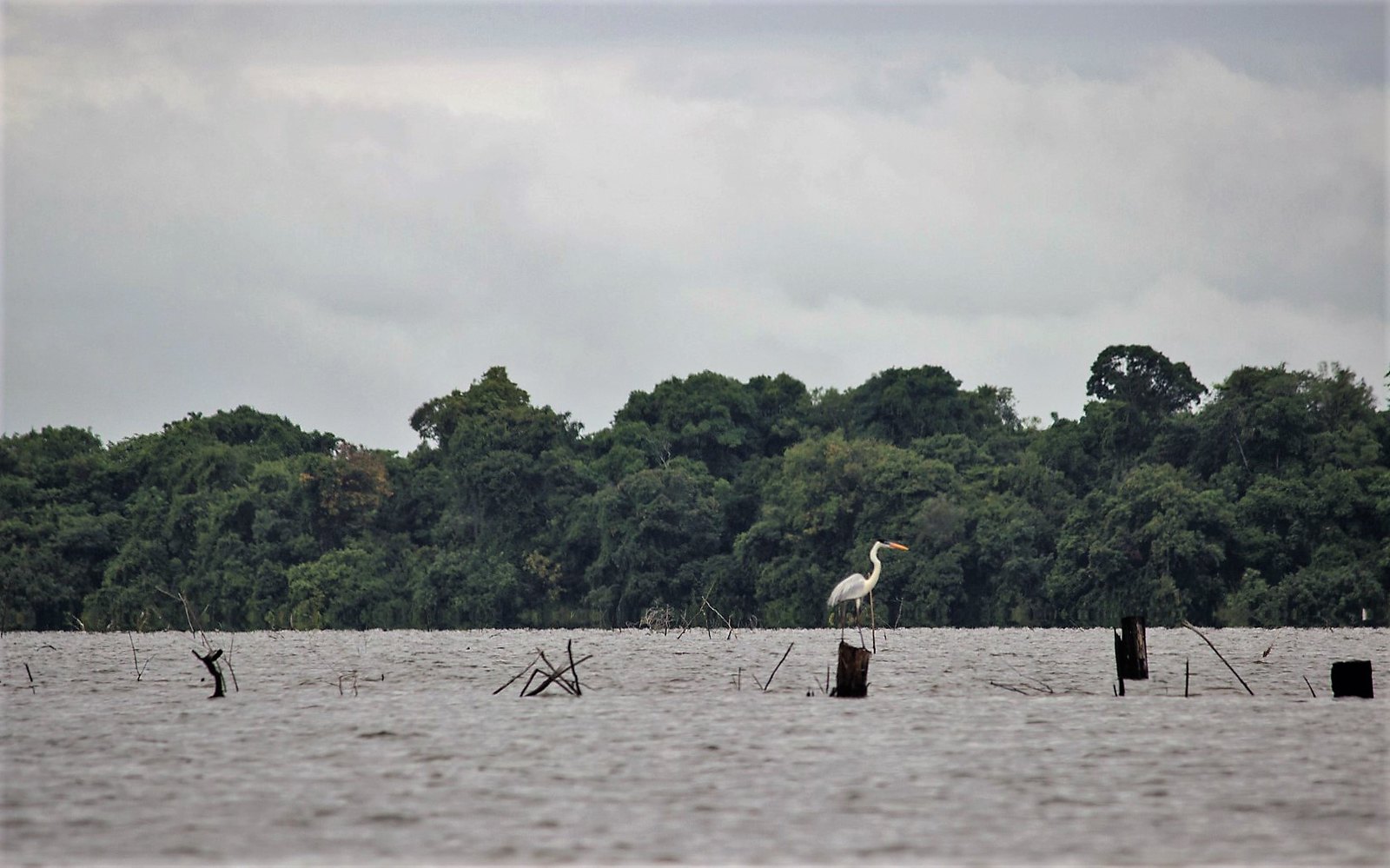
Foto: Amazon Watch / Maíra Irigaray.
A busca por justiça e reparação
Ao longo dos anos, o Ministério Público Federal do Pará, a Defensoria Pública e organizações da sociedade civil impetraram dezenas de ações judiciais em tribunais brasileiros para contestar as diversas irregularidades do projeto, bem como seus impactos. A maioria das ações permanece sem solução, algumas há mais de 10 anos.
Essas ações não obtiveram sucesso porque o governo federal tem reiteradamente anulado decisões favoráveis às comunidades afetadas, recorrendo a um mecanismo pelo qual o presidente do Supremo Tribunal Federal pode suspender uma decisão judicial com base unicamente em argumentos genéricos como "interesse nacional" ou "ordem econômica".
Diante da falta de respostas eficazes em nível nacional, a AIDA — juntamente com uma coalizão de organizações aliadas — levou o caso à Comissão Interamericana de Direitos Humanos (CIDH) e, em 2010, solicitou medidas cautelares para proteger a vida, a integridade e a saúde das comunidades indígenas afetadas.
Em 1º de abril de 2011, a CIDH concedeu essas medidas e solicitou ao Estado brasileiro a suspensão das licenças ambientais e de quaisquer obras de construção até que as condições relativas à consulta prévia e à proteção da saúde e integridade das comunidades fossem atendidas.
E, em 16 de junho de 2011, apresentamos uma denúncia formal à CIDH — juntamente com o Movimento Xingu Vivo Para Siempre, a Coordenação das Organizações Indígenas da Amazônia Brasileira, a Diocese de Altamira, o Conselho Missionário Indígena, a Sociedade Pará de Defesa dos Direitos Humanos e a Global Justice — contra o Estado brasileiro por sua responsabilidade internacional nas violações de direitos humanos contra os povos afetados neste caso. A denúncia foi apresentada em dezembro de 2015.
Em 3 de agosto de 2011, a CIDH modificou as medidas cautelares para solicitar — em vez da suspensão de licenças e obras — a proteção dos povos que vivem em isolamento voluntário, a saúde das comunidades indígenas e a regularização e proteção das terras ancestrais.
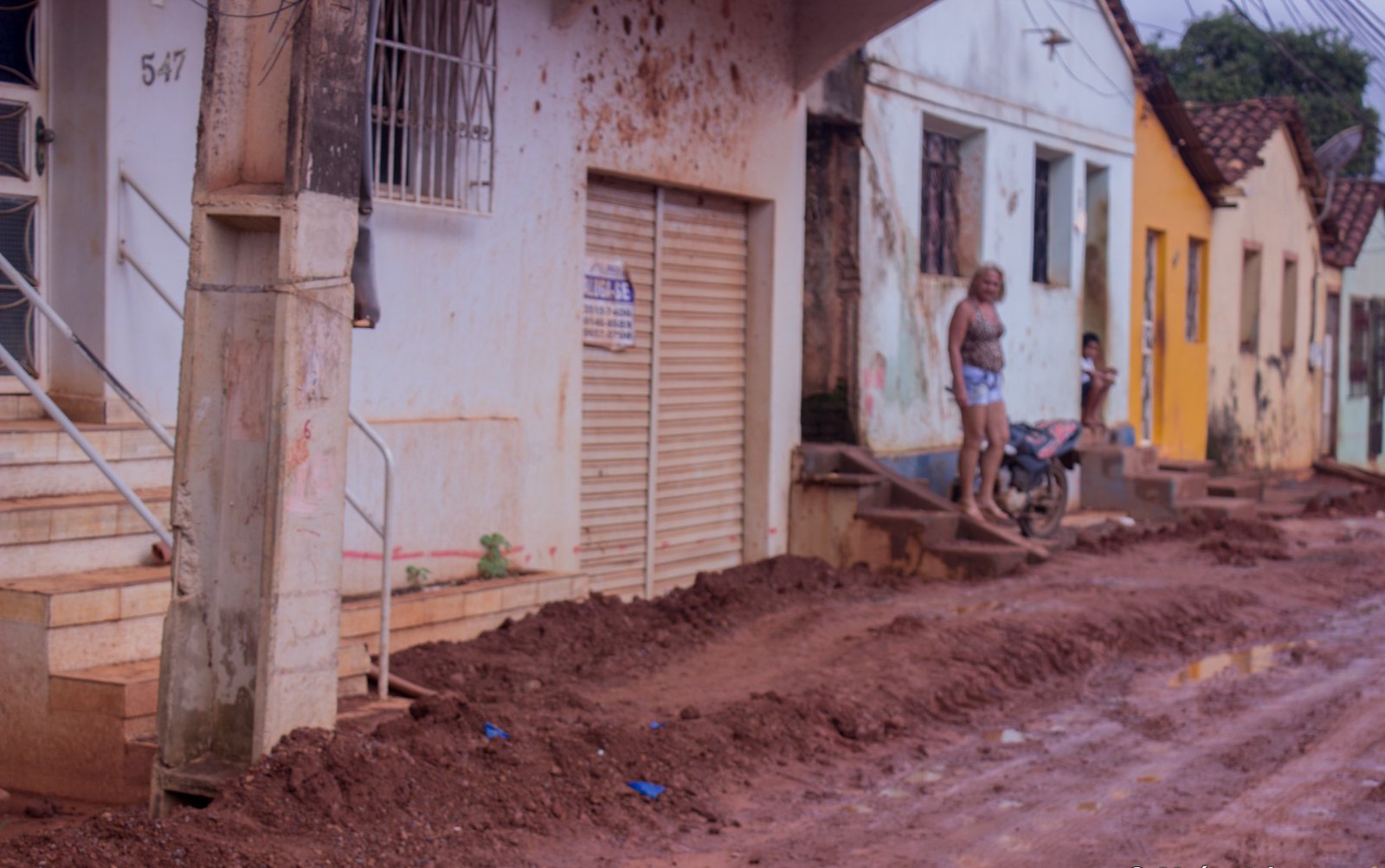
Foto: Amazon Watch / Maíra Irigaray.
Situação atual
As medidas de proteção concedidas pela CIDH permanecem em vigor, mas o Estado brasileiro não as cumpriu integralmente, relatando apenas ações genéricas. As comunidades documentaram as contínuas violações de seus direitos. A situação que motivou o pedido dessas medidas — o risco à vida, à segurança e aos meios de subsistência das comunidades — persiste e se agravou com a usina hidrelétrica operando em plena capacidade e com as recentes secas extremas na Amazônia.
Além do ocorrido em Belo Monte, existe o risco de maiores danos sociais e ambientais decorrentes da implementação de outro megaprojeto de mineração na Volta Grande do Xingu. Lá, a empresa canadense Belo Sun pretende construir a maior mina de ouro a céu aberto do Brasil.
Os impactos sinérgicos e cumulativos da usina e da mina não foram avaliados. O Estado excluiu povos indígenas, comunidades ribeirinhas e comunidades camponesas do processo de licenciamento ambiental do projeto. Apesar disso, dos protestos indígenas e de outras irregularidades em torno do projeto, o governo do estado do Pará autorizou formalmente a mina em abril de 2026.
Belo Monte, assim como outras usinas hidrelétricas, agrava a emergência climática ao gerar emissões de gases de efeito estufa em seu reservatório. Além disso, é ineficiente diante das secas prolongadas e intensas causadas pela crise, pois perde capacidade de geração de energia.
O caso perante a Comissão Interamericana
Em outubro de 2017, a CIDH anunciou que decidiria conjuntamente sobre a admissibilidade (se o caso preenche os requisitos para admissão) e o mérito (se houve, de fato, violação de direitos humanos) da denúncia internacional contra o Estado brasileiro.
Quinze anos após a apresentação da denúncia, as comunidades afetadas e as organizações que as representam ainda aguardam essa decisão. Caso a CIDH conclua que houve violações de direitos humanos e emita recomendações que o Estado brasileiro não cumpra, poderá encaminhar o caso à Corte Interamericana de Direitos Humanos, cujas decisões são vinculativas.
Uma possível decisão da Corte Internacional de Direitos Humanos neste caso estabeleceria um precedente jurídico regional em relação aos direitos dos povos indígenas e ribeirinhos, à participação pública em megaprojetos e à responsabilidade do Estado no contexto da crise climática. Isso é particularmente relevante à luz do Parecer Consultivo nº 32 da Corte, que reafirmou as obrigações dos Estados de proteger pessoas e comunidades em todo o continente da emergência climática.
Partners:
Related projects
AIDA statement on the death of thousands of fish in Costa Rica
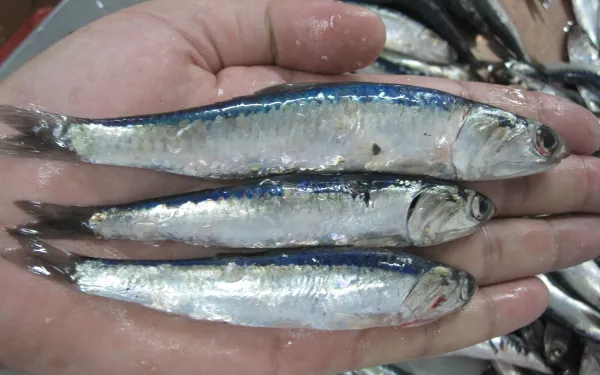
The recent mass die-off of anchovy—a species on which birds, marine mammals, and other fish depend for nutrition—must be analyzed in detail. Upon finding the cause, an integrated solution must be implemented at the national and regional levels. San José, Costa Rica. On February 15, thousands of anchovy washed onto the beaches of Puntarenas, two kilometers from the gulf of Nicoya. Experts from the National University of Costa Rica have ruled out algae-producing toxins and a red ride—which occurs from excessive proliferation of microalgae—as possible causes. At this point, authorities do not know why the fish died. The anchovy is a species that contributes greatly to the balance of the marine environment. Many species of birds and marine mammals, as well as other fish, depend on the anchovy as a vital source of nutritients and protein. Responding to the incident, Gladys Martínez, attorney with AIDA’s Marine Biodiversity and Coastal Protection Program, said: “It is vital that we analyze in detail the factors that may have caused this mass anchovy die-off. We have to determine what is affecting them and prevent a similar situation from happening again. Once the cause is found, a solution must be implemented that takes into account all components of the marine environment. “In addition, it is important that Costa Rica work both nationally and regionally on a comprehensive solution. Anchovy is a common species in the region and, although not highly migratory, it does move over short distances, warranting the involvement of surrounding nations as well.” Press contact: Gladys Martínez, AIDA, [email protected], +506 8321 4263
Read more16 Highlights of 2016: Year in Review
Thanks to the help of our partners and supporters, AIDA achieved many important advances in the defense of human rights and the environment in 2016.
Read more
The role of civil society in the Green Climate Fund
Climate change is real, and its impacts are here to stay. The nations of the world have agreed that, to get out of this mess, they must act together. But beyond setting intentions, little progress has been made. One important opportunity to get things done is the Green Climate Fund, the primary financial mechanism of the United Nations Framework Convention on Climate Change (UNFCCC). It’s a relatively new institution with the ability to move large quantities of money from rich countries to those in development. With these resources, the most vulnerable and least financially equipped nations can develop the projects and programs they need to confront climate change. How the Fund works in practice The Fund is a complex mechanism in which diverse actors interact. The Board of Directors, in charge of governing and supervising the Fund, is made up of 24 members, 12 representatives from developed nations and 12 from developing ones. The Independent Secretariat implements the decisions adopted by the Board. The Fund relates to countries through the National Designated Authorities or Focal Points, which are entities designated within each nation. The Fund also accredits national, regional and international institutions to channel economic resources through the presentation and implementation of climate proposals. These are called Accredited Entities. Last, but certainly not least, observers from civil society and the private sector play a key role in ensuring that the Fund takes into account the needs of local populations, especially the most vulnerable, when approving projects and programs to combat climate change. How decisions get made In practice, the Fund has been built at meetings of its Board of Directors, held every three months. There, board members discuss and decide on the policies that shape the Fund. They also grant accreditation to entities that will channel funds from the GCF to the different countries, and approve the projects and programs that the Fund will finance. Last October, I was fortunate to participate, as a civil society observer, at the 14th meeting of the Board, which was held at the Fund’s headquarters in Songdo, South Korea. I had the opportunity to see, on the ground, how this complex international mechanism works and, above all, how civil society contributes. It quickly became clear to me that the working conditions of civil society are not easy. To begin with, there is no economic support for civil society representatives that must travel and stay abroad at least three times a year to attend the board meetings. Inside the meetings of the Board, only “active observers” can participate: two from civil society and two from the private sector. The remaining observers sit in an adjoining room, following the meeting on television screens. Civil society has the right to speak, but this right can only be exercised by the two active observers, and only if the Co-Chairmen of the Board of Directors approve. All civil society interventions are previously discussed, prepared and perfected by the coalition of observers. This leads to many sleepless nights, since the subjects are broad and complex. In practice, civil society contributions are relegated to the end of the Board’s discussions. When time is scarce, a common reality, many times the right to speak is denied. This can be extremely frustrating, since crucial contributions are lost. Why civil society support is important Civil society contributes to the construction of the Fund’s policies with the objective of elevating its standards. Among other tasks, each funding proposal is studied, and the communities potentially affected by or benefitting from it are contacted, in order to understand what the project or program may actually involve, beyond what appears on paper. That’s why the informal work that civil society does “behind the scenes” is so important. It is the work done during recess, at lunchtime, and in the corridors. Gradually, civil society observers build relationships with decision makers (Board members and advisors) and are able to share their ideas, concerns and suggestions with them. The results of civil society’s work are being seen in decision-making, slowly but surely. The Green Climate Fund offers hope because its guidelines are correctly posed: it seeks to promote transformation and paradigmatic change, promises transparency, and its decisions are made giving equal weight to representatives of developed and developing nations. Its mandate is to promote “country ownership” of the programs and projects it finances, that is, to ensure they are guided by the needs and priorities of the beneficiary countries. In addition, the Fund has an obligation to act with a gender approach. However, the Fund also has problems and shortcomings. That’s why involvement of civil society is critical. Because they do not represent any government, political party or other interest, civil society observers ensure the protection of the environment, respect for human rights, and the participation and inclusion of people directly affected by climate change. The physical participation of civil society in Board meetings is vital. They ensure the Fund takes into account the voices of the communities directly affected by or benefitting from the financing. Learn more about the Fund on our website!
Read more