
Project
Amazon Watch / Maíra Irigaray
Barragem de Belo Monte no rio Xingu: 10 anos de impactos na Amazônia e de busca por reparações
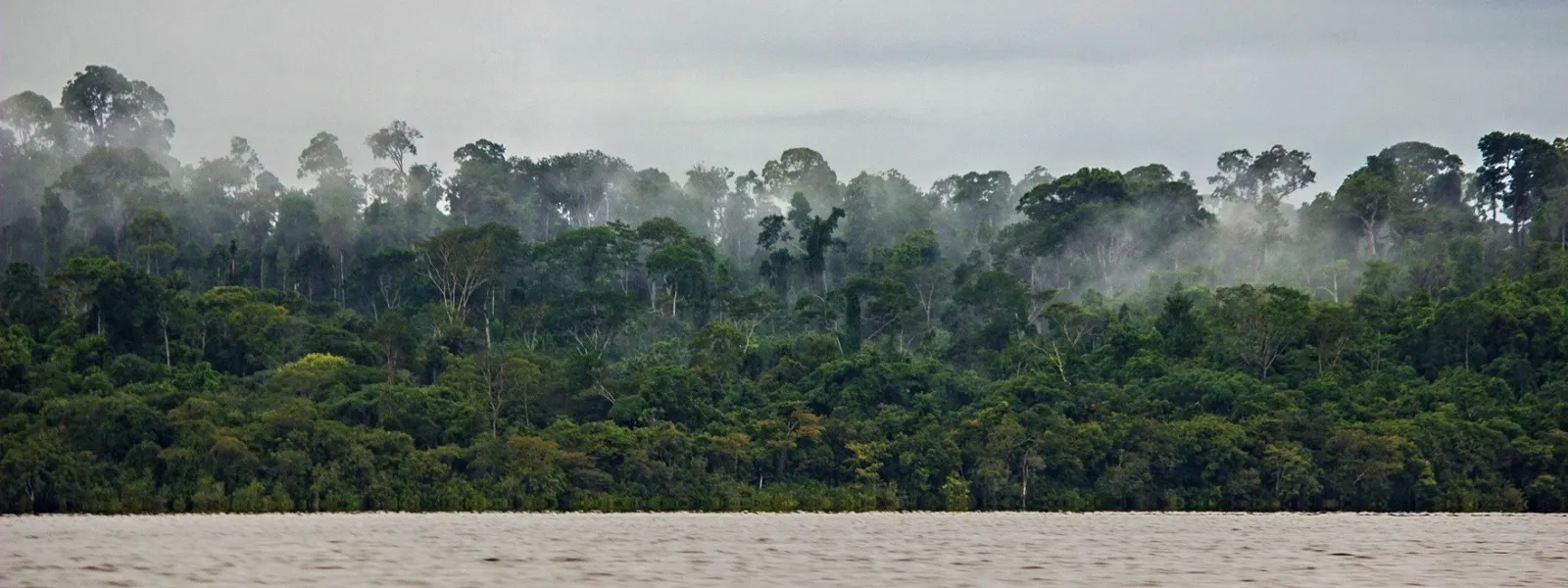
A usina hidrelétrica de Belo Monte causou um desastre ambiental e social no coração da Amazônia: um dos ecossistemas mais importantes do planeta.
Essa situação só piorou desde que a usina começou a operar em 2016. A busca por justiça e reparação para as comunidades indígenas e ribeirinhas afetadas continua até hoje.
Em 2011, a Comissão Interamericana de Direitos Humanos (CIDH) concedeu a essas comunidades medidas de proteção, que até hoje não foram totalmente implementadas pelo Estado brasileiro.
E, desde junho daquele mesmo ano, a CIDH mantém um processo contra o Estado por sua responsabilidade internacional no caso.
A CIDH pode encaminhar o caso à Corte Interamericana de Direitos Humanos, que tem o poder de emitir uma sentença condenatória contra o Estado brasileiro.
Consulta o expediente de fatos do caso
Após 10 anos de operação da usina hidrelétrica e mais de 15 anos de violações de direitos humanos documentadas, é hora da justiça ser feita para as comunidades afetadas.
Leia a carta aberta das organizações que levam o caso à CIDH
Leia nosso comunicado à imprensa
Contexto
A usina hidrelétrica de Belo Monte — a quarta maior do mundo em capacidade instalada (11.233 MW) — foi construída no rio Xingu, no estado do Pará, norte do Brasil.
Foi inaugurada em 5 de maio de 2016, com uma única turbina. Naquela época, 80% do curso do rio foi desviado e 516 km² de terra foram inundados, uma área maior que a cidade de Chicago. Desse total, 400 km² eram de mata nativa. A usina começou a operar em plena capacidade em novembro de 2019.
Belo Monte foi construída e é operada pelo consórcio Norte Energia S.A., composto principalmente por empresas estatais. Foi financiada pelo Banco Nacional de Desenvolvimento Econômico e Social (BNDES), que aportou ao consórcio 25,4 bilhões de reais (aproximadamente US$ 10,16 bilhões), o maior investimento de sua história. Portanto, o BNDES também é legalmente responsável pelos impactos socioambientais associados ao projeto hidrelétrico.
Décadas de danos ambientais e humanos
As violações dos direitos humanos e a degradação da Amazônia remontam ao início do projeto. Em março de 2011, a Norte Energia iniciou a construção da barragem sem consulta adequada e sem o consentimento prévio, livre e informado das comunidades afetadas.
A construção levou ao deslocamento forçado de mais de 40.000 pessoas, rompendo laços sociais e culturais. O plano de reassentamento em Altamira — cidade diretamente afetada pelo projeto hidrelétrico — incluía moradias na periferia da cidade, sem serviços públicos adequados, moradias dignas para as famílias reassentadas e moradias diferenciadas para aqueles pertencentes a comunidades indígenas.
A operação da barragem de Belo Monte impôs uma seca permanente e artificial na Volta Grande do rio Xingu, agravada pelas secas históricas na Amazônia em 2023 e 2024. Como resultado, a morte de milhões de ovos de peixe foi documentada por quatro anos consecutivos (de 2021 a 2024) e, nos últimos três anos, não houve migração de peixes rio acima para desovar e se reproduzir. Assim, a pesca artesanal, principal fonte de proteína para os povos indígenas e comunidades ribeirinhas, foi severamente afetada: o consumo de peixe caiu de 50% para 30% do total de proteínas consumidas, sendo substituído por alimentos processados. Em suma, houve um colapso ambiental e humanitário que resultou no colapso da pesca como modo de vida tradicional, insegurança alimentar e falta de acesso à água potável para milhares de famílias, empobrecimento e doenças.
Além disso, a construção da barragem aumentou o desmatamento e intensificou a extração ilegal de madeira e a insegurança em terras indígenas e tribais, colocando em risco a sobrevivência dessas comunidades. Outra consequência foi o agravamento da pobreza e dos conflitos sociais, bem como a sobrecarga dos sistemas de saúde, educação e segurança pública em Altamira, cidade considerada a mais violenta do país em 2017, onde houve aumento do tráfico de pessoas e da violência sexual. Também foram registrados casos de violência contra defensores de direitos humanos envolvidos no caso.
Em 2025, durante a 30ª Conferência das Nações Unidas sobre Mudanças Climáticas (COP30), realizada no Brasil, o Ministério Público Federal classificou os danos causados por Belo Monte como ecocídio.
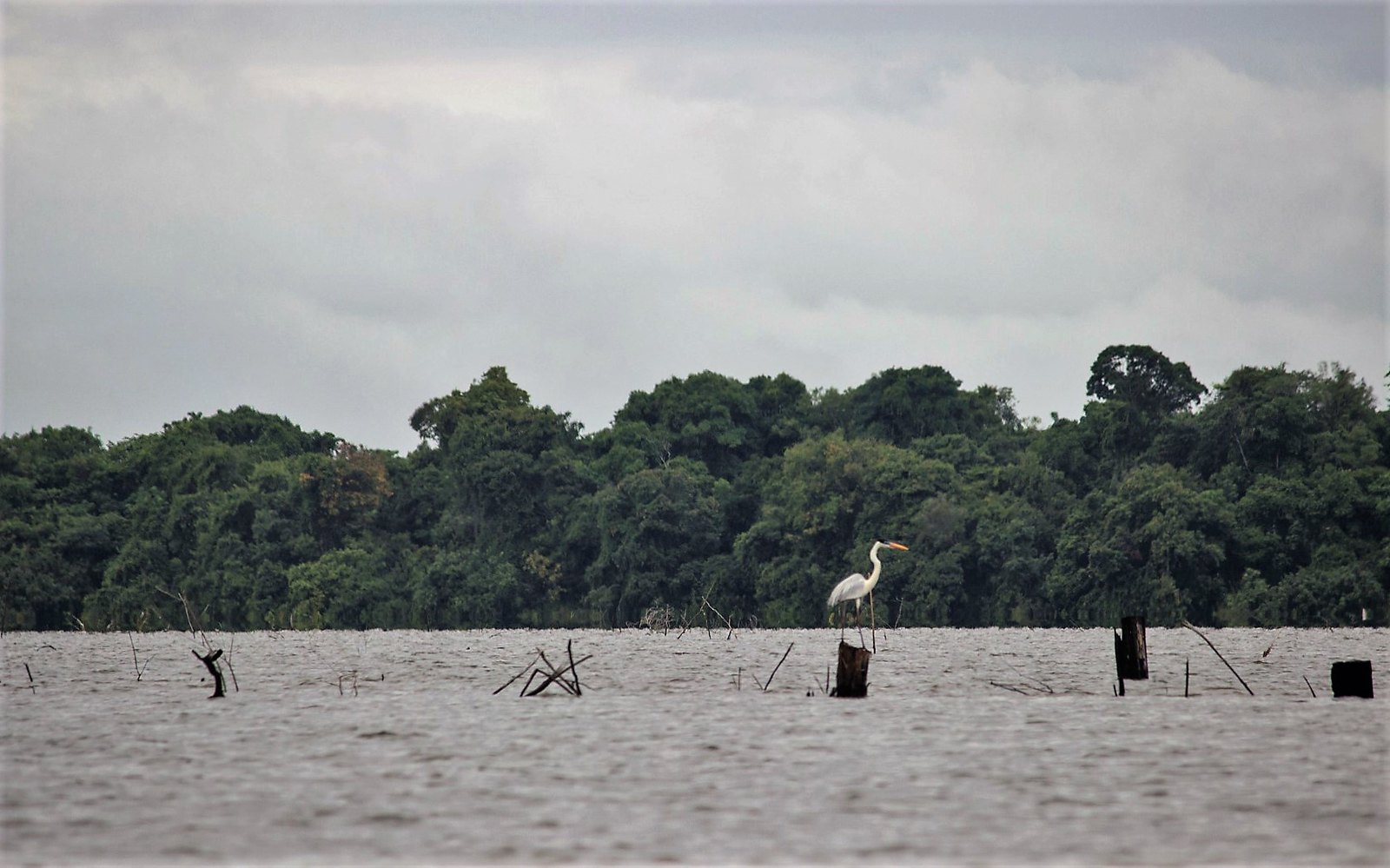
Foto: Amazon Watch / Maíra Irigaray.
A busca por justiça e reparação
Ao longo dos anos, o Ministério Público Federal do Pará, a Defensoria Pública e organizações da sociedade civil impetraram dezenas de ações judiciais em tribunais brasileiros para contestar as diversas irregularidades do projeto, bem como seus impactos. A maioria das ações permanece sem solução, algumas há mais de 10 anos.
Essas ações não obtiveram sucesso porque o governo federal tem reiteradamente anulado decisões favoráveis às comunidades afetadas, recorrendo a um mecanismo pelo qual o presidente do Supremo Tribunal Federal pode suspender uma decisão judicial com base unicamente em argumentos genéricos como "interesse nacional" ou "ordem econômica".
Diante da falta de respostas eficazes em nível nacional, a AIDA — juntamente com uma coalizão de organizações aliadas — levou o caso à Comissão Interamericana de Direitos Humanos (CIDH) e, em 2010, solicitou medidas cautelares para proteger a vida, a integridade e a saúde das comunidades indígenas afetadas.
Em 1º de abril de 2011, a CIDH concedeu essas medidas e solicitou ao Estado brasileiro a suspensão das licenças ambientais e de quaisquer obras de construção até que as condições relativas à consulta prévia e à proteção da saúde e integridade das comunidades fossem atendidas.
E, em 16 de junho de 2011, apresentamos uma denúncia formal à CIDH — juntamente com o Movimento Xingu Vivo Para Siempre, a Coordenação das Organizações Indígenas da Amazônia Brasileira, a Diocese de Altamira, o Conselho Missionário Indígena, a Sociedade Pará de Defesa dos Direitos Humanos e a Global Justice — contra o Estado brasileiro por sua responsabilidade internacional nas violações de direitos humanos contra os povos afetados neste caso. A denúncia foi apresentada em dezembro de 2015.
Em 3 de agosto de 2011, a CIDH modificou as medidas cautelares para solicitar — em vez da suspensão de licenças e obras — a proteção dos povos que vivem em isolamento voluntário, a saúde das comunidades indígenas e a regularização e proteção das terras ancestrais.
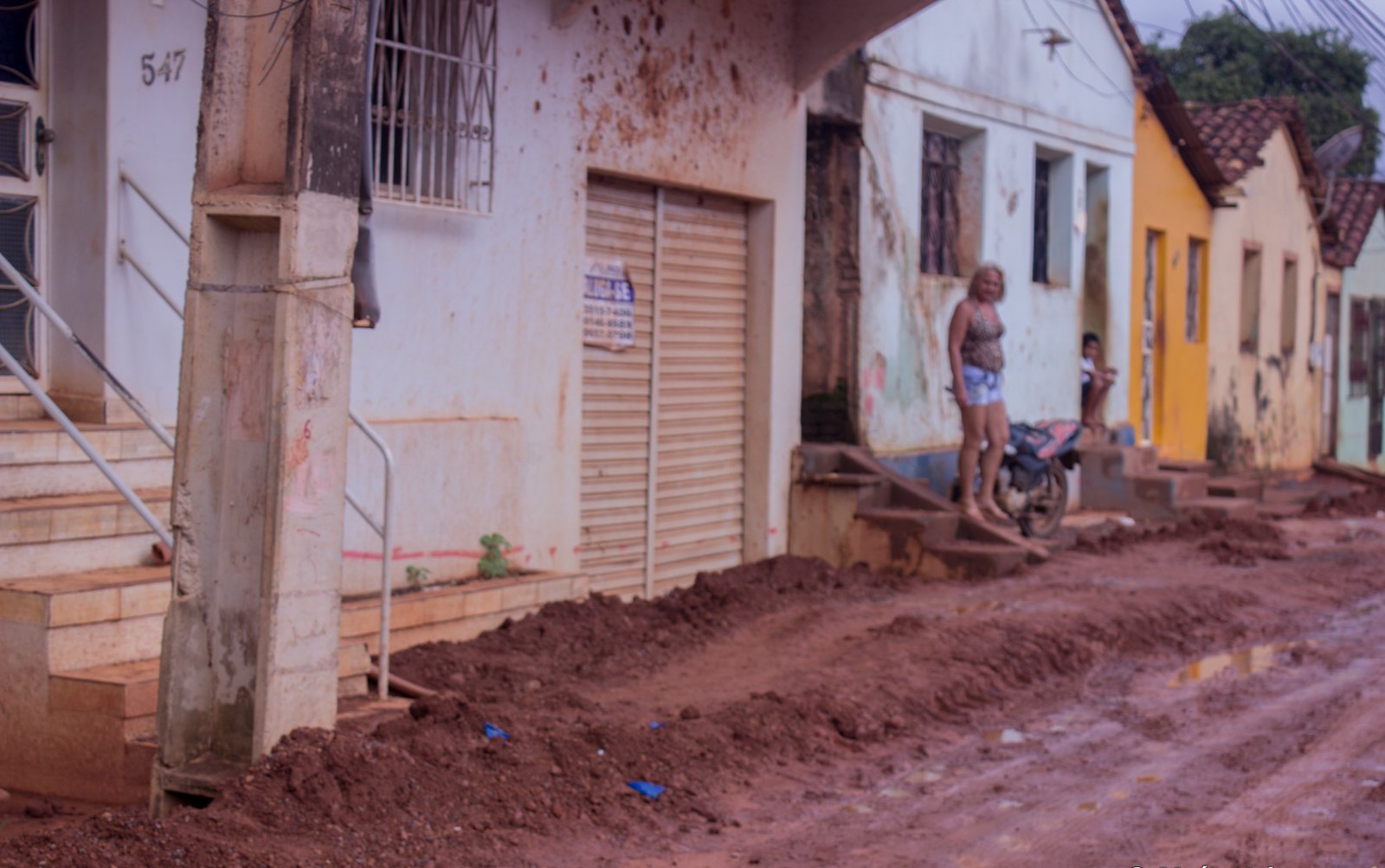
Foto: Amazon Watch / Maíra Irigaray.
Situação atual
As medidas de proteção concedidas pela CIDH permanecem em vigor, mas o Estado brasileiro não as cumpriu integralmente, relatando apenas ações genéricas. As comunidades documentaram as contínuas violações de seus direitos. A situação que motivou o pedido dessas medidas — o risco à vida, à segurança e aos meios de subsistência das comunidades — persiste e se agravou com a usina hidrelétrica operando em plena capacidade e com as recentes secas extremas na Amazônia.
Além do ocorrido em Belo Monte, existe o risco de maiores danos sociais e ambientais decorrentes da implementação de outro megaprojeto de mineração na Volta Grande do Xingu. Lá, a empresa canadense Belo Sun pretende construir a maior mina de ouro a céu aberto do Brasil.
Os impactos sinérgicos e cumulativos da usina e da mina não foram avaliados. O Estado excluiu povos indígenas, comunidades ribeirinhas e comunidades camponesas do processo de licenciamento ambiental do projeto. Apesar disso, dos protestos indígenas e de outras irregularidades em torno do projeto, o governo do estado do Pará autorizou formalmente a mina em abril de 2026.
Belo Monte, assim como outras usinas hidrelétricas, agrava a emergência climática ao gerar emissões de gases de efeito estufa em seu reservatório. Além disso, é ineficiente diante das secas prolongadas e intensas causadas pela crise, pois perde capacidade de geração de energia.
O caso perante a Comissão Interamericana
Em outubro de 2017, a CIDH anunciou que decidiria conjuntamente sobre a admissibilidade (se o caso preenche os requisitos para admissão) e o mérito (se houve, de fato, violação de direitos humanos) da denúncia internacional contra o Estado brasileiro.
Quinze anos após a apresentação da denúncia, as comunidades afetadas e as organizações que as representam ainda aguardam essa decisão. Caso a CIDH conclua que houve violações de direitos humanos e emita recomendações que o Estado brasileiro não cumpra, poderá encaminhar o caso à Corte Interamericana de Direitos Humanos, cujas decisões são vinculativas.
Uma possível decisão da Corte Internacional de Direitos Humanos neste caso estabeleceria um precedente jurídico regional em relação aos direitos dos povos indígenas e ribeirinhos, à participação pública em megaprojetos e à responsabilidade do Estado no contexto da crise climática. Isso é particularmente relevante à luz do Parecer Consultivo nº 32 da Corte, que reafirmou as obrigações dos Estados de proteger pessoas e comunidades em todo o continente da emergência climática.
Partners:
Related projects
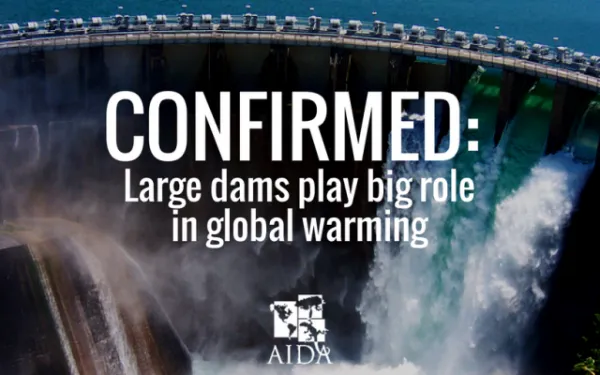
Clear accounting for dams and climate change
By Astrid Puentes Riaño (column originally published in El País) “Our climate is warming at an alarming, unprecedented rate and we have an urgent duty to respond,” world leaders concluded at the 22nd United Nations Climate Conference (COP22). Representatives from more than 200 nations gathered in Morocco from November 7 to 18 for the first global meeting since the Paris Agreement on climate change entered into force. We should respond with urgency, but also with intelligence. Today, thousands of large dams are being planned and built around the world. More than a million dams already block half the rivers on the planet. Hundreds of hydropower projects are planned or under construction in the Amazon alone. Many are promoted as clean energy and as solutions to climate change. But that’s just not true. Researchers at Washington State University recently concluded that dams are an important source of greenhouse gas emissions. In addition to carbon dioxide and nitrous oxide, dams release large amounts of methane, a gas that traps 34 times more heat than carbon dioxide. The findings were published in the scientific journal Bioscience. Far from being a solution, dams actually aggravate climate change. Until now, scientific evidence had suggested that dams in tropical areas emit greenhouse gases. The WSU study, however, concluded that reservoirs emit greenhouse gases regardless of their latitude or their purpose (power generation, flood control, navigation or irrigation). The researchers concluded that, globally, reservoirs emit approximately 1.3 percent of all greenhouse gas emissions generated by mankind. That’s greater than the total annual emissions of Canada. Further studies are required to quantify exactly how much dams emit and to understand how they vary according to the particular conditions of each reservoir. For now, it seems that variables such as temperature and eutrophication (increased nutrients in water that increase algae and decrease oxygen) may be the most relevant. Currently, greenhouse gas emissions from dams aren’t monitored. Yet every day, they’re released into the atmosphere, contributing to climate change. Globally, our climate accounts aren’t complete. The WSU study marks a milestone in our understanding of the true role dams play in creating climate change. It’s essential that scientific policies, programs, standards, and analyses take these emissions into account. National and international bodies—including the Intergovernmental Panel on Climate Change, the World Bank, the Inter-American Development Bank, the Green Climate Fund, and private companies—must incorporate current and future dam emissions in their assessments. Only then will be have clear accounts. Only then can we avoid, by ignoring clear evidence, continuing to make climate change worse—particularly for the most vulnerable among us. It’s worth noting that dams have severe impacts on human rights. They’re also very expensive and take decades to plan and complete. What’s more, viable alternatives to dams have already been found—cheaper, more efficient, and quicker to build. To respond to climate change with urgency, intelligence, and effectiveness, we have to be clear on its causes. We have to account for all significant contributors, including dams. We have this opportunity today. And we have no more time to lose.
Read more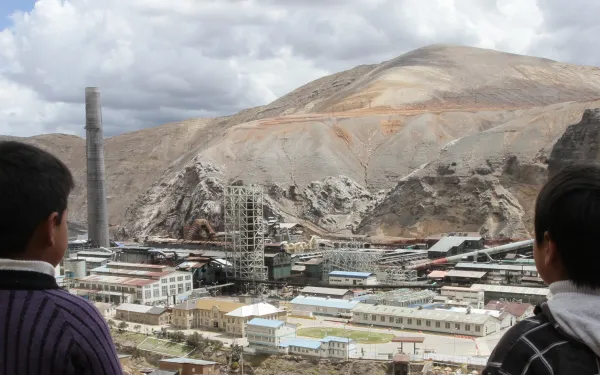
La Oroya: Over a decade’s wait for justice
From the time Isabel* was born, she has breathed toxic air.She’s had heavy metals in her blood for all 13 years of her young life.Her hometown, La Oroya, a small city in the Peruvian Andes, was labeled in 2007 as one of the world’s most polluted places. A metal smelter has been operating there for nearly a century, with little regulation and no attention to human health.Children like Isabel suffer most from toxic pollution. Their developing brains and bodies are terribly vulnerable to lead and other heavy metals, which inhibit growth and often cause permanent damage.Nearly all of La Oroya’s children have heavy metals in their blood, at concentrations many times limits established by the World Health Organization. And many residents suffer from chronic respiratory illness.Their health issues result directly from corporate leaders’ disregard for the environment and for the people who live near the smelter. The State of Peru also bears responsibility for its inaction.That’s why a group of residents joined together to fight for the their children’s health and their city’s future.Isabel’s father, Pablo, has been a vocal leader in the community’s struggle against the government and the US-owned corporation responsible for contaminating their air, their land, even their water. He sees no other way forward.“What kind of world will we leave for our children if we don’t defend our land, if we don’t defend our biodiversity?” he said in a recent interview. A group of 65 residents joined as petitioners in a case AIDA and other organizations brought before the Inter-American Commission on Human Rights 10 years ago. Since then 14 more have added their names to the complaint; four have died. Today, they still wait for justice.In 2007 the Commission recommended precautionary measures that urged the State to adopt adequate measures to diagnose the beneficiaries and treat those at risk of irreparable damage. Since then, air quality in La Oroya has improved somewhat, but the recommended health system is still woefully inadequate.The Commission has yet to file its report on the merits of the case. A finding of merit would include more forceful recommendations. If the State still doesn’t respond, AIDA will take the case to trial before the Inter-American Court of Human Rights.For now, all the petitioners can do is wait some more.Despite the years gone by, we won’t stop fighting until the people of La Oroya see justice.We believe their courage and struggle will have an impact beyond their community, setting a precedent for future cases across the Americas. Because a victory would establish in international law that damages from toxic contamination are human rights violations.And that would mean a brighter future not just for Isabel and La Oroya, but also for communities wherever shortsighted corporations dump their toxic by-products. __* Name changed to protect privacy.
Read more
Letter to Green Climate Fund Board: Improve Decision Making
Letter signed by 70 international civil society organizations: As members of civil society following the Green Climate Fund (GCF), we are writing to express our concern about the way the Board reached some of its most important decisions during the 14th Board Meeting (B.14). We would also like to share some thoughts on how to improve upon this process in the future. We are especially referring to the practice of “package approval” that was used to approve funding proposals and new accredited entities. Weak process. The Board approved 10 proposals worth $745 million without discussing each one separately. The Board’s assessment of each of the funding proposals should be made individually and with the utmost care, to ensure that the objectives, principles, policies, and operational modalities of the Fund are respected and complied with. Furthermore, there was no opportunity for active observers to highlight individual comments for each of the funding proposals (they could merely air some concerns during the overarching discussion of all funding proposals). The same can be said with regard to the package approval of eight accredited entities. There was no public discussion of the merits and/or shortcomings of each approved applicant entity and no possibility of civil society input. Civil society has vital contributions to make, and for our engagement to be meaningful, active observers must be given the opportunity to share important points regarding each proposal and accreditation application during Board meetings. Indeed, the Board’s way of working has actually been in conflict with the GCF’s own Governing Instrument, which states that “the Fund will operate in a transparent and accountable manner”. Approval despite clear failures of GCF policy compliance. The Board repeatedly overlooked the failure of a number of proposals to comply with GCF policies and procedures. For example, public notification for a number of projects was out of compliance with the Fund’s information disclosure policy, which requires a 120-day notification period for proposals with high social and environmental risk. Mandatory gender action plans were missing from several projects, and stakeholder consultations in some cases were highly inadequate. Yet the Board approved all of the projects with one package decision. The Board even pushed through proposals without the requisite guiding policy in place. For example, programs to be implemented via sub-projects were approved, yet the GCF does not have a policy regarding whether or not high risk sub-projects must come back to the Board for approval. We believe they should, to ensure the GCF’s accountability, and to preempt some of the serious environmental, development, and social shortcomings widely seen at other multilateral institutions that finance sub-projects via financial intermediaries. Precedent-setting. While the Board stated that “the approach taken to approving funding proposals at B.14 does not constitute a precedent,” we are concerned that, at this point, the Board has taken such an approach multiple times. Steps to put a stop to these modalities becoming the de facto modus operandi must be taken in the lead up to B.15, including: Timely public disclosure on the GCF’s own website that, at minimum, follows GCF rules (i.e. 120 days for ESIAs for high risk funding proposals, 30 days for medium risk, and three weeks prior to board meetings for all other materials). All annexes and the Secretariat’s due diligence should also be disclosed for funding proposals; Publication of applications for accreditation as soon as they are filed, as well as operationalization of formal mechanisms for third party input (from affected communities, indigenous peoples, civil society, etc.); Individual consideration of each funding proposal and each applicant for accreditation during public sessions of the Board; Opportunities to consider civil society interventions during the debate on each individual proposal, rather than at the end of agenda items; Where formal (or informal) working groups are established to consider conditions to be placed on proposals, there should be a clear process to allow the consideration of civil society feedback, at a minimum in writing, but preferably through the direct participation of the CSO active observers or their alternates; Discussions on more complex and/or controversial proposals require several rounds of debate. In these cases, civil society observers should be given the opportunity to make further interventions responding to new proposals, conditions and amendments. Civil society observers are committed to working with the Board to improve the accountability and transparency of Board decisions, in particular on funding and accreditation approvals. As a learning institution, the GCF needs to take the time to look at the merits of individual proposals and applicants in order to clearly elaborate how they can support the paradigm shift in recipient countries. We therefore urge the Board to better prioritize valuable time during the upcoming Board meetings to allow for meaningful discussions.
Read more