
Project
Amazon Watch / Maíra Irigaray
Barragem de Belo Monte no rio Xingu: 10 anos de impactos na Amazônia e de busca por reparações
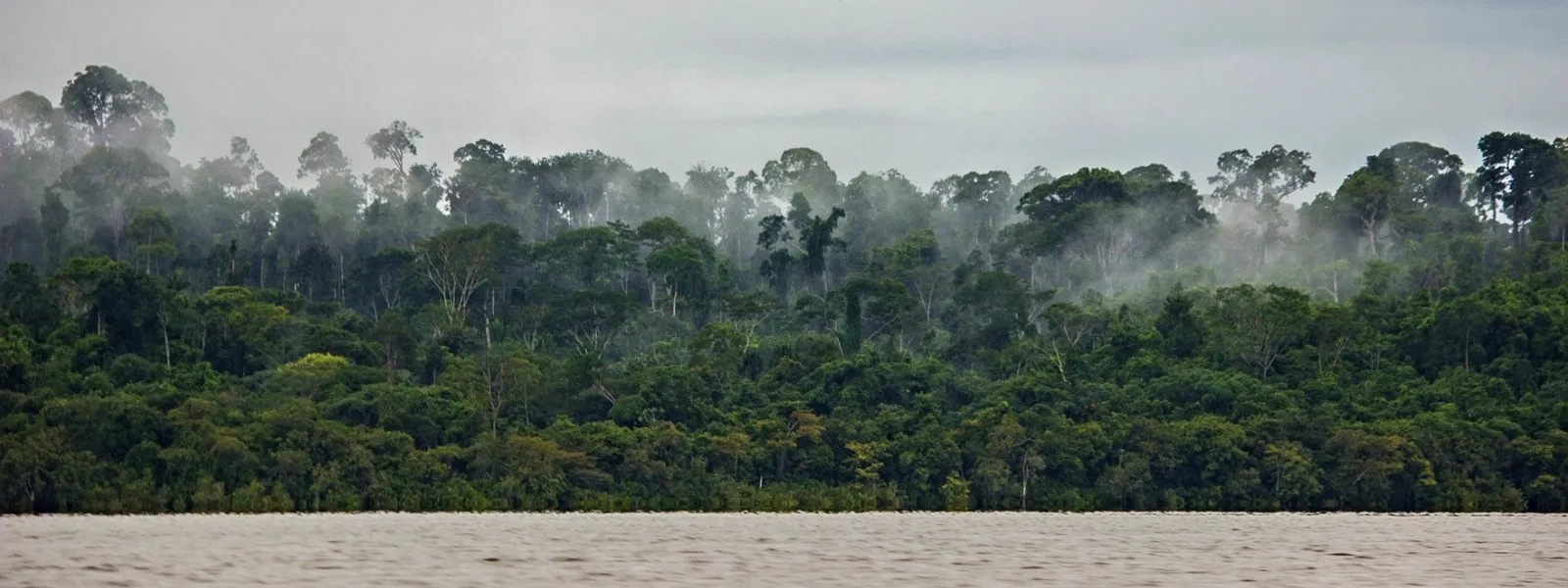
A usina hidrelétrica de Belo Monte causou um desastre ambiental e social no coração da Amazônia: um dos ecossistemas mais importantes do planeta.
Essa situação só piorou desde que a usina começou a operar em 2016. A busca por justiça e reparação para as comunidades indígenas e ribeirinhas afetadas continua até hoje.
Em 2011, a Comissão Interamericana de Direitos Humanos (CIDH) concedeu a essas comunidades medidas de proteção, que até hoje não foram totalmente implementadas pelo Estado brasileiro.
E, desde junho daquele mesmo ano, a CIDH mantém um processo contra o Estado por sua responsabilidade internacional no caso.
A CIDH pode encaminhar o caso à Corte Interamericana de Direitos Humanos, que tem o poder de emitir uma sentença condenatória contra o Estado brasileiro.
Consulta o expediente de fatos do caso
Após 10 anos de operação da usina hidrelétrica e mais de 15 anos de violações de direitos humanos documentadas, é hora da justiça ser feita para as comunidades afetadas.
Leia a carta aberta das organizações que levam o caso à CIDH
Leia nosso comunicado à imprensa
Contexto
A usina hidrelétrica de Belo Monte — a quarta maior do mundo em capacidade instalada (11.233 MW) — foi construída no rio Xingu, no estado do Pará, norte do Brasil.
Foi inaugurada em 5 de maio de 2016, com uma única turbina. Naquela época, 80% do curso do rio foi desviado e 516 km² de terra foram inundados, uma área maior que a cidade de Chicago. Desse total, 400 km² eram de mata nativa. A usina começou a operar em plena capacidade em novembro de 2019.
Belo Monte foi construída e é operada pelo consórcio Norte Energia S.A., composto principalmente por empresas estatais. Foi financiada pelo Banco Nacional de Desenvolvimento Econômico e Social (BNDES), que aportou ao consórcio 25,4 bilhões de reais (aproximadamente US$ 10,16 bilhões), o maior investimento de sua história. Portanto, o BNDES também é legalmente responsável pelos impactos socioambientais associados ao projeto hidrelétrico.
Décadas de danos ambientais e humanos
As violações dos direitos humanos e a degradação da Amazônia remontam ao início do projeto. Em março de 2011, a Norte Energia iniciou a construção da barragem sem consulta adequada e sem o consentimento prévio, livre e informado das comunidades afetadas.
A construção levou ao deslocamento forçado de mais de 40.000 pessoas, rompendo laços sociais e culturais. O plano de reassentamento em Altamira — cidade diretamente afetada pelo projeto hidrelétrico — incluía moradias na periferia da cidade, sem serviços públicos adequados, moradias dignas para as famílias reassentadas e moradias diferenciadas para aqueles pertencentes a comunidades indígenas.
A operação da barragem de Belo Monte impôs uma seca permanente e artificial na Volta Grande do rio Xingu, agravada pelas secas históricas na Amazônia em 2023 e 2024. Como resultado, a morte de milhões de ovos de peixe foi documentada por quatro anos consecutivos (de 2021 a 2024) e, nos últimos três anos, não houve migração de peixes rio acima para desovar e se reproduzir. Assim, a pesca artesanal, principal fonte de proteína para os povos indígenas e comunidades ribeirinhas, foi severamente afetada: o consumo de peixe caiu de 50% para 30% do total de proteínas consumidas, sendo substituído por alimentos processados. Em suma, houve um colapso ambiental e humanitário que resultou no colapso da pesca como modo de vida tradicional, insegurança alimentar e falta de acesso à água potável para milhares de famílias, empobrecimento e doenças.
Além disso, a construção da barragem aumentou o desmatamento e intensificou a extração ilegal de madeira e a insegurança em terras indígenas e tribais, colocando em risco a sobrevivência dessas comunidades. Outra consequência foi o agravamento da pobreza e dos conflitos sociais, bem como a sobrecarga dos sistemas de saúde, educação e segurança pública em Altamira, cidade considerada a mais violenta do país em 2017, onde houve aumento do tráfico de pessoas e da violência sexual. Também foram registrados casos de violência contra defensores de direitos humanos envolvidos no caso.
Em 2025, durante a 30ª Conferência das Nações Unidas sobre Mudanças Climáticas (COP30), realizada no Brasil, o Ministério Público Federal classificou os danos causados por Belo Monte como ecocídio.
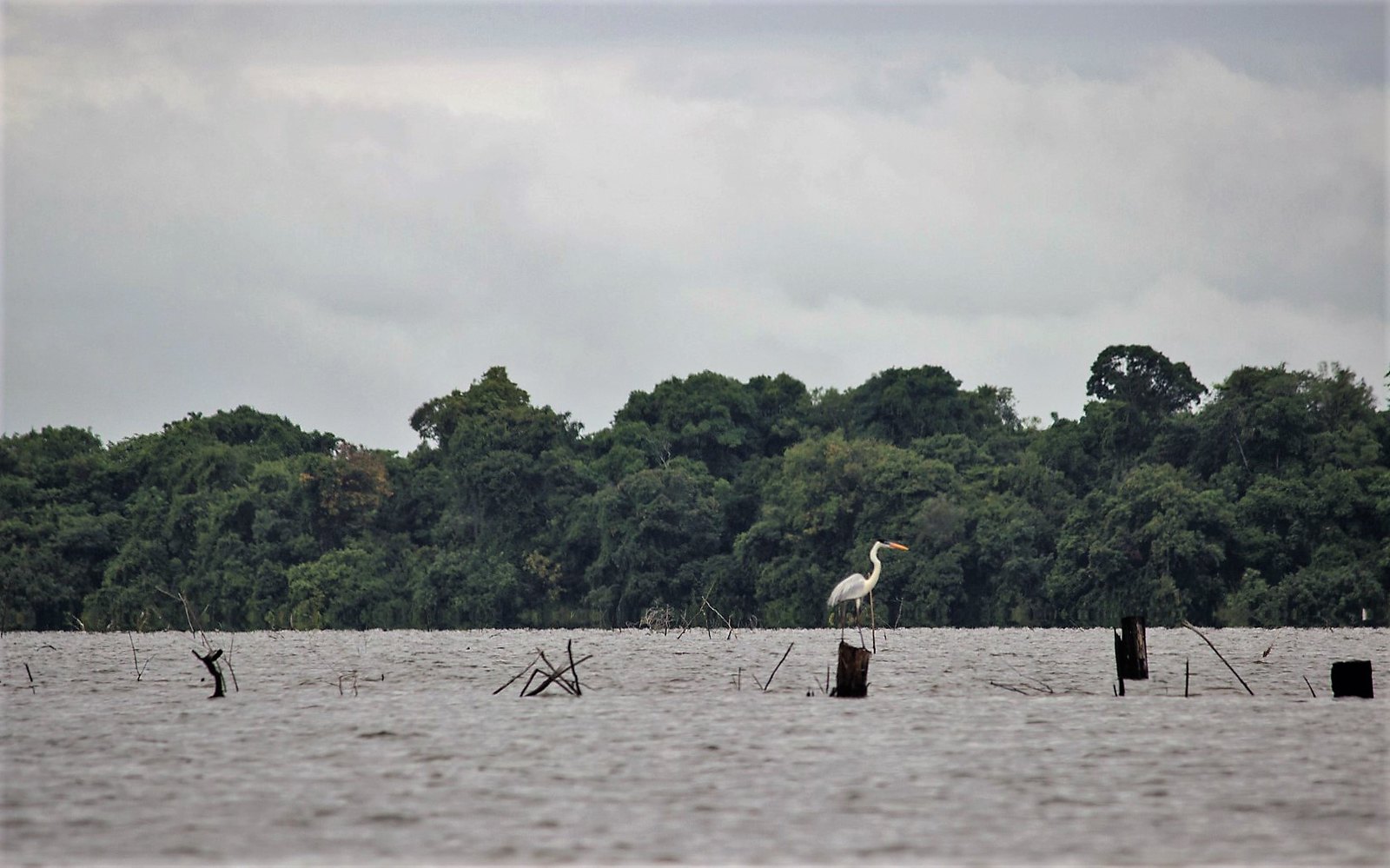
Foto: Amazon Watch / Maíra Irigaray.
A busca por justiça e reparação
Ao longo dos anos, o Ministério Público Federal do Pará, a Defensoria Pública e organizações da sociedade civil impetraram dezenas de ações judiciais em tribunais brasileiros para contestar as diversas irregularidades do projeto, bem como seus impactos. A maioria das ações permanece sem solução, algumas há mais de 10 anos.
Essas ações não obtiveram sucesso porque o governo federal tem reiteradamente anulado decisões favoráveis às comunidades afetadas, recorrendo a um mecanismo pelo qual o presidente do Supremo Tribunal Federal pode suspender uma decisão judicial com base unicamente em argumentos genéricos como "interesse nacional" ou "ordem econômica".
Diante da falta de respostas eficazes em nível nacional, a AIDA — juntamente com uma coalizão de organizações aliadas — levou o caso à Comissão Interamericana de Direitos Humanos (CIDH) e, em 2010, solicitou medidas cautelares para proteger a vida, a integridade e a saúde das comunidades indígenas afetadas.
Em 1º de abril de 2011, a CIDH concedeu essas medidas e solicitou ao Estado brasileiro a suspensão das licenças ambientais e de quaisquer obras de construção até que as condições relativas à consulta prévia e à proteção da saúde e integridade das comunidades fossem atendidas.
E, em 16 de junho de 2011, apresentamos uma denúncia formal à CIDH — juntamente com o Movimento Xingu Vivo Para Siempre, a Coordenação das Organizações Indígenas da Amazônia Brasileira, a Diocese de Altamira, o Conselho Missionário Indígena, a Sociedade Pará de Defesa dos Direitos Humanos e a Global Justice — contra o Estado brasileiro por sua responsabilidade internacional nas violações de direitos humanos contra os povos afetados neste caso. A denúncia foi apresentada em dezembro de 2015.
Em 3 de agosto de 2011, a CIDH modificou as medidas cautelares para solicitar — em vez da suspensão de licenças e obras — a proteção dos povos que vivem em isolamento voluntário, a saúde das comunidades indígenas e a regularização e proteção das terras ancestrais.
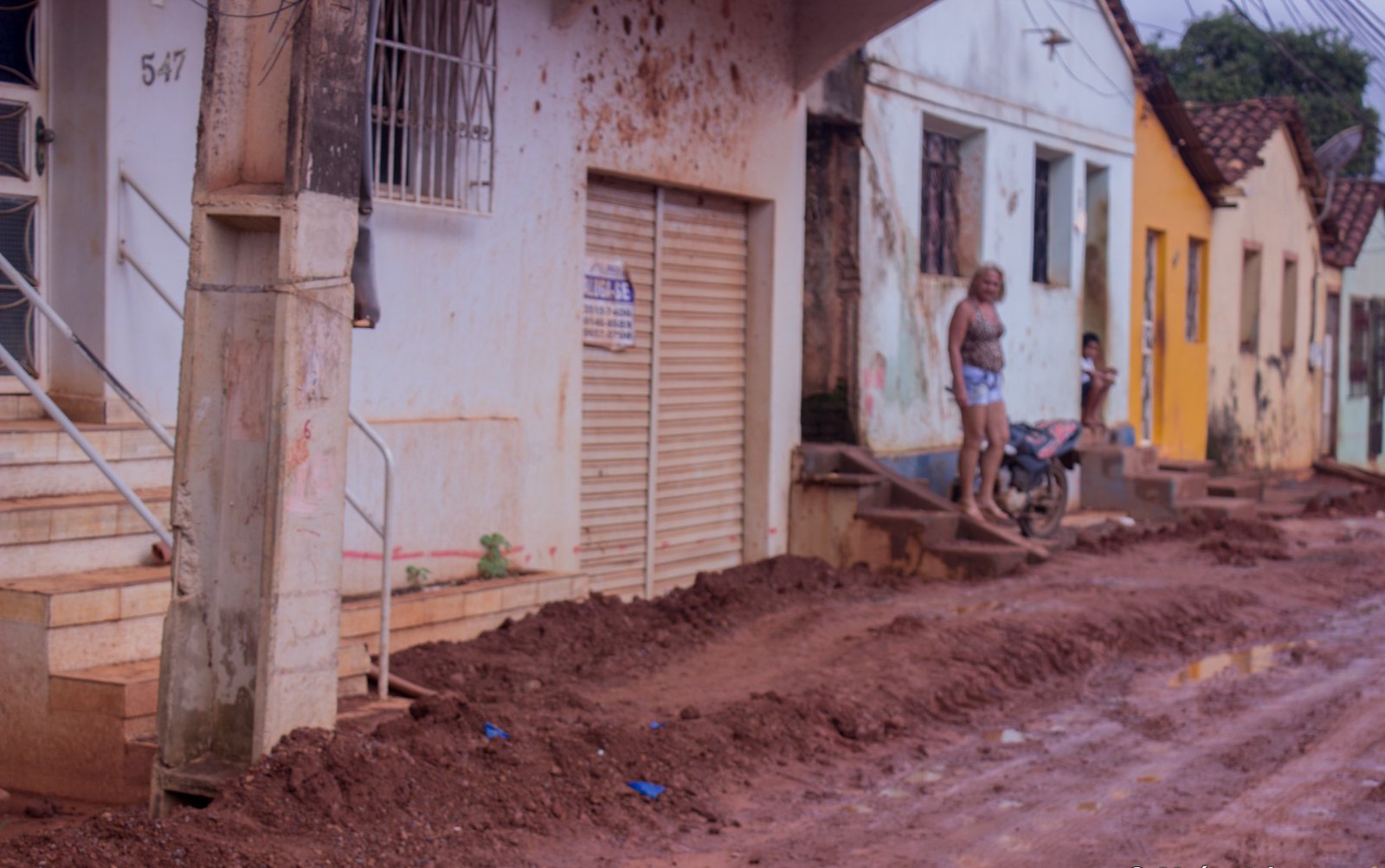
Foto: Amazon Watch / Maíra Irigaray.
Situação atual
As medidas de proteção concedidas pela CIDH permanecem em vigor, mas o Estado brasileiro não as cumpriu integralmente, relatando apenas ações genéricas. As comunidades documentaram as contínuas violações de seus direitos. A situação que motivou o pedido dessas medidas — o risco à vida, à segurança e aos meios de subsistência das comunidades — persiste e se agravou com a usina hidrelétrica operando em plena capacidade e com as recentes secas extremas na Amazônia.
Além do ocorrido em Belo Monte, existe o risco de maiores danos sociais e ambientais decorrentes da implementação de outro megaprojeto de mineração na Volta Grande do Xingu. Lá, a empresa canadense Belo Sun pretende construir a maior mina de ouro a céu aberto do Brasil.
Os impactos sinérgicos e cumulativos da usina e da mina não foram avaliados. O Estado excluiu povos indígenas, comunidades ribeirinhas e comunidades camponesas do processo de licenciamento ambiental do projeto. Apesar disso, dos protestos indígenas e de outras irregularidades em torno do projeto, o governo do estado do Pará autorizou formalmente a mina em abril de 2026.
Belo Monte, assim como outras usinas hidrelétricas, agrava a emergência climática ao gerar emissões de gases de efeito estufa em seu reservatório. Além disso, é ineficiente diante das secas prolongadas e intensas causadas pela crise, pois perde capacidade de geração de energia.
O caso perante a Comissão Interamericana
Em outubro de 2017, a CIDH anunciou que decidiria conjuntamente sobre a admissibilidade (se o caso preenche os requisitos para admissão) e o mérito (se houve, de fato, violação de direitos humanos) da denúncia internacional contra o Estado brasileiro.
Quinze anos após a apresentação da denúncia, as comunidades afetadas e as organizações que as representam ainda aguardam essa decisão. Caso a CIDH conclua que houve violações de direitos humanos e emita recomendações que o Estado brasileiro não cumpra, poderá encaminhar o caso à Corte Interamericana de Direitos Humanos, cujas decisões são vinculativas.
Uma possível decisão da Corte Internacional de Direitos Humanos neste caso estabeleceria um precedente jurídico regional em relação aos direitos dos povos indígenas e ribeirinhos, à participação pública em megaprojetos e à responsabilidade do Estado no contexto da crise climática. Isso é particularmente relevante à luz do Parecer Consultivo nº 32 da Corte, que reafirmou as obrigações dos Estados de proteger pessoas e comunidades em todo o continente da emergência climática.
Partners:
Related projects

Bleeding Green Hearts: The constant state of danger for environmental activists in Latin America
“Wake up humanity, there is no time left!” Berta Cáceres, Goldman Prize acceptance speech, 2015 By María José Veramendi Villa (originally published in Disrupt&Innovate) Being an environmental human rights defender in Latin America is not an easy task. On the contrary, it is one of the most dangerous jobs you can have. Whether you belong to an indigenous, afro-descendant, or peasant community, whether you are an independent activist or affiliated with a civil society organisation, you are at risk. In its most recent report, On Dangerous Ground, Global Witness documented 2015 as the worst year on record for killings of land and environmental activists.[1] The report documented 185 killings in 16 countries, making Brazil (50 killings), Colombia (26 killings), Peru (12 killings), and Nicaragua (12 killings) the most dangerous in Latin America.[2] Unfortunately, the murder of environmental defenders represents a tragic end of the road of a larger problem. We, as a society, all want economic and social progress and governments are mostly elected on this promise. However, increasingly States and various private actors are routinely complicit in actions that aim to silence legitimate voices and the work of environmental defenders. Threats, harassment, and campaigns to discredit or criminalize take a toll on the work of environmental defenders, who end up spending significant time defending themselves before often-complicit criminal justice systems, or even physically protecting themselves from attempts on their lives. Several United Nations Special Rapporteurs and the Inter-American Commission on Human Rights have recognised the important role that environmental defenders play in our societies and, as such, have recommended that States protect them. Nevertheless, the level of danger has continued to rise. Environmental defenders such as Berta Cáceres, whose lives should be protected by precautionary measures recommended by the Commission, continue being threatened or murdered in plain view of authorities — often with the complicity of a State. The Yanacocha mining company keeps harassing Máxima Acuña with the intent of forcing her out of her house to make way for the Conga Mining project, even after a Peruvian Court determined that she had not violated the company’s property rights. In La Oroya, a Peruvian Andean city, a metallurgical complex has operated since 1922. Dozens of victims of toxic pollution have been struggling for years to defend their health and environment, and keep seeking remedy in national and international courts. Their struggle has been plagued by attacks and campaigns to discredit them and the organizations that have assumed their legal representation. They have been labeled “anti-mining” and “anti-development,” harassed in the streets, and intimidated with hanging dead dogs in front of their houses. The list of such incidents in Latin America just keeps getting longer. Poorly planned and developed mines, dams, and other infrastructure projects are linked to them. As members of societies that strive for economic and social development, we need to stop pretending that these and other countless attacks against environmental defenders do not happen or have no impact on the financial, political and social costs that we all end up paying eventually. The costs will come and they will be high. Governments need to wake up now and take action to defend the defenders. There is no time left! To the memory of those who have died defending something that should be precious to all but somehow is cared for by a few: our earth. [1] Global Witness. On Dangerous Ground, June 2016, p. 4. [2] Global Witness. On Dangerous Ground, June 2016, pp. 8 -9.
Read more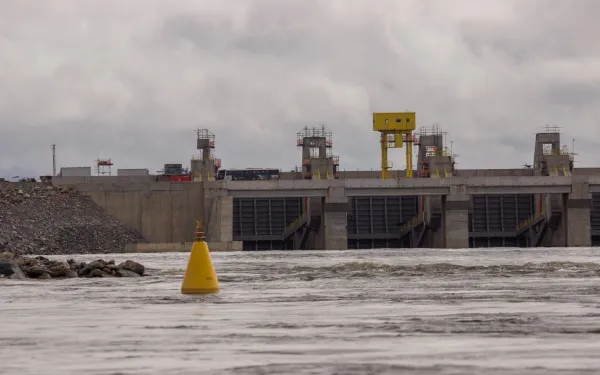
New study confirms large dams to be a principle source of greenhouse gas emissions
Researchers from the Washington State University found that the world’s reservoirs generate 1.3 percent of all greenhouse gases produced by humankind. The finding confirms once more than large dams are unsustainable energy sources that cause great harm to the climate. Seattle, United States. An important new study by researchers at the Washington State University found that large dams are an “underestimated” source of greenhouse gas. The findings show that all reservoirs, not only those built in tropical zones, release far greater quantities of emissions into the atmosphere than previously believed. According to the study, gases are released from the decomposition of organic matter after artificial reservoirs flood natural areas. In fact, over the course of a year reservoirs were found to generate 1.3 percent of the world’s greenhouse gases (more than all of Canada). Eighty percent of those emissions were methane, a pollutant 34 times stronger than carbon dioxide. “Across the Americas, governments are pushing for the construction of hundreds of new large dams, arguing that dams are clean energy and will help to mitigate climate change,” explained Astrid Puentes Riaño, co-director of the Interamerican Association for Environmental Defense (AIDA). “It’s become increasingly clear that large dams are more of a problem than a solution. World leaders must urgently start to plan and implement alternative energy solutions in order to achieve real progress in the fight against climate change.” Along with a coaltion of civil society organizations, AIDA, Amazon Watch and International Rivers have been insisting for years that operating large hydroelectric projects—such as the Belo Monte Dam in Brazil—causes severe damage to the environment, the climate, and the rights of affected communities. “Large dams are one of the most significant causes of environmental destruction in the Amazon,” said Leila Salazar-López, executive director of Amazon Watch. “In addition to emiting methane, they destroy biodiversity and the ancestral forest of thousands of indigenous and traditional communities that have lived for centuries from river ecosystems. It is imperative to calculate the true costs of large dams to understand all their impacts, and avoid causing more harm than good.” As organizations working to promote real solutions to climate change, we are committed to sharing scientific evidence about the harms of large dams to governments, international bodies, and financial institutions. "The new findings lay to rest the myth of hydropower as a clean source of electricity and underline why large hydropower should not receive climate finance," said Kate Horner, executive director of International Rivers. The results of Washington State University's study must be considered in the inventory of emissions that contribute to climate change, as well as in the execution of program and plans aimed at solving energy needs. For more information consult: Washington State University's study. Washington State University’s press release on the study. Short video from Astrid Puentes Riaño, AIDA co-director, with a brief explanation of the research and why it is important. Our Manifesto on 10 reasons why climate initiatives should not include large dams. An open letter to governments, international institutions and financial mechanisms to stop considering large dams as clean energy and to implement real solutions to climate change.
Read more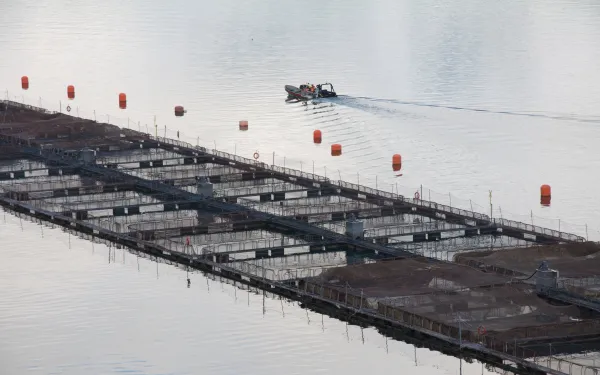
Chile’s Salmon Farms: Sustainability is Impossible
By Florencia Ortúzar Chile is the second largest producer of salmon in the world. For more than 20 years, the industry has put profit above environmental protection. In the absence of government regulation, large-scale salmon farms release contaminating chemicals and create oceanic dead zones. They hurt other species and harm the people and communities that depend on the ocean for sustenance. The situation is bad, but it could get worse as the industry looks to expand into new areas of pristine waters. Bad Practices Salmon farming in Chile will never be sustainable because it requires much more protein to operate than it generates. Salmon are carnivorous. To produce one kilo of salmon you need about five kilos of wild fish for feed. Years of bad business practices and lack of government regulation have resulted in serious environmental damage, which has, in turn, brought grave social consequences to those who depend on seafood for their livelihoods. On the Big Island of Chiloé, for example, seaweed and shellfish gatherers, artisanal fishermen and people who work in plants that process wild-caught fish are experiencing massive unemployment. This social crisis is a direct result of the environmental catastrophe caused in large part by the salmon industry, which has extensive operations in the area. In Chile, developers must present declarations or environmental impact studies that examine their project’s potential to harm nature. Despite the great risk to ecosystems, salmon farms are supported by mere affidavits, and not by studies that would allow for the identification and proper handling of potential negative impacts. The result is thousands of salmon hatcheries. Each one consists of floating cages that, without sufficient spacing or adequate sanitation, house thousands of salmon crammed into small spaces (half the space allowed in Europe). Although it seems difficult to believe, and despite the law saying otherwise, in Chile no studies have been done on the ability of the ocean, lakes, and rivers to accommodate the number of salmon that are grown. These captive salmon are fed pellets that contain a mix of wild fishmeal, pesticides, dyes, fungicides, and chemicals used to speed growth. A majority of these pellets are not consumed and simply fall to the seabed. Additionally, each salmon is injected with an exorbitant quantity of antibiotics (up to 5,000 times more than used in Norway). Finally, the waste generated by the fish, which contains chemicals, also accumulates on the ocean floor. More than 20 years of these practices have caused dead zones in the ocean where life is no longer possible. Another serious problem with the industry is that salmon often escape from their cages. According to a report by the NGO Terram, escaped salmon in Chile represent 1.5 percent of the total production, equivalent to more than 9,000 tons per year. Some studies report that this percentage could reach as high as five percent. Although by law farms must have recapture plans, they rarely succeed. Salmon are an aggressive fish. When free, they compete with native fish for food and shelter, and transmit disease. Crisis in the Sea In May, Chile’s coasts were devastated by an unprecedented red tide, believed to be the country’s worst recent environmental crisis. The natural phenomenon, characterized by an excessive increase in microalgae, resulted in the beaching of whales, squid, sardines and even birds. Captive salmon were also affected and the industry suffered huge losses: thousands of tons of salmon carcasses rotted in floating cages. The death rate was such that the national maritime authority authorized the release of 9,000 tons of dead salmon into the sea. According to the salmon industry and the government, the red tide was caused by El Niño, which was aggravated by global warming. However, some scientists have said that the salmon industry is largely to blame for submitting the ocean to their bad practices for so many years. Patagonia Without Salmon Farming! Not only has the salmon industry not learned from its mistakes, but it is also looking to expand into new, uncontaminated waters. It’s happening in the Patagonia regions of Magallanes and Aysen, where approximately 3,100 applications for salmon farms are awaiting approval. Farms were even proposed for places declared as priority conservation sites. Together with our allies, AIDA is working to ensure salmon farming and other industries comply with environmental standards. But there’s something you can do too, as citizens and consumers. Vote with your pocketbook. By purchasing only sustainable seafood products, you can help prevent the creation of more dead zones in our oceans.
Read more