
Project
Amazon Watch / Maíra Irigaray
Barragem de Belo Monte no rio Xingu: 10 anos de impactos na Amazônia e de busca por reparações
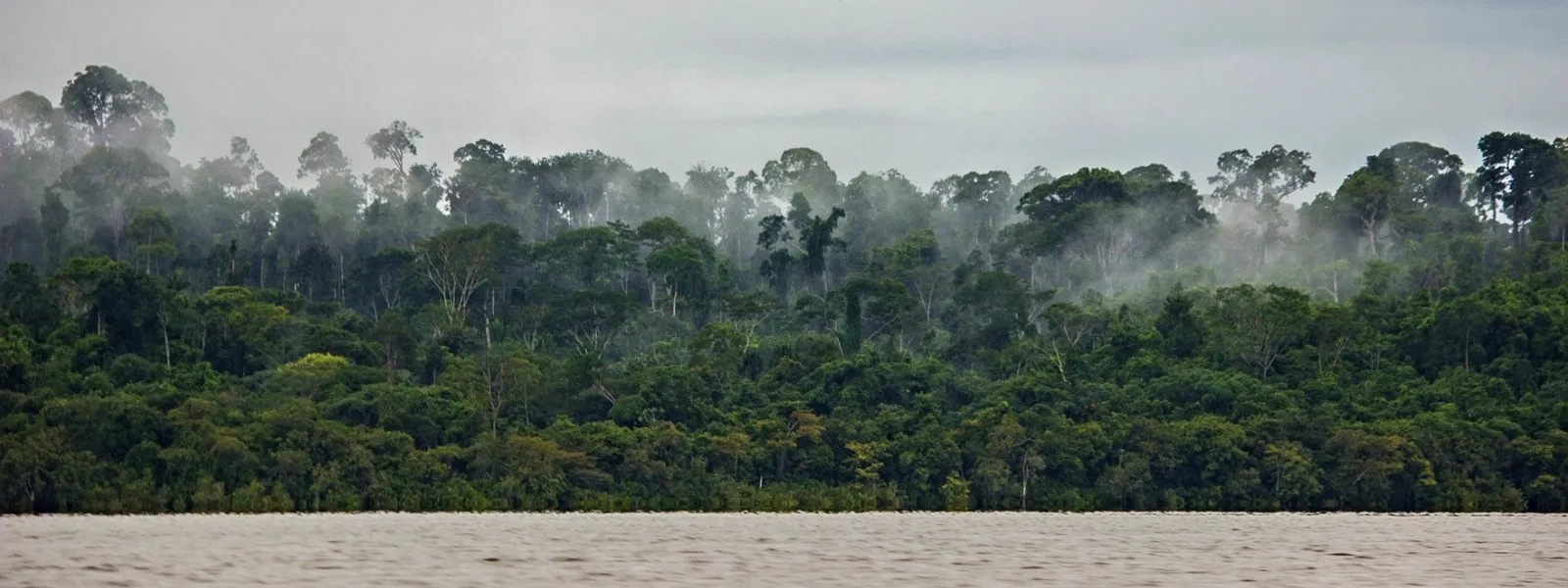
A usina hidrelétrica de Belo Monte causou um desastre ambiental e social no coração da Amazônia: um dos ecossistemas mais importantes do planeta.
Essa situação só piorou desde que a usina começou a operar em 2016. A busca por justiça e reparação para as comunidades indígenas e ribeirinhas afetadas continua até hoje.
Em 2011, a Comissão Interamericana de Direitos Humanos (CIDH) concedeu a essas comunidades medidas de proteção, que até hoje não foram totalmente implementadas pelo Estado brasileiro.
E, desde junho daquele mesmo ano, a CIDH mantém um processo contra o Estado por sua responsabilidade internacional no caso.
A CIDH pode encaminhar o caso à Corte Interamericana de Direitos Humanos, que tem o poder de emitir uma sentença condenatória contra o Estado brasileiro.
Consulta o expediente de fatos do caso
Após 10 anos de operação da usina hidrelétrica e mais de 15 anos de violações de direitos humanos documentadas, é hora da justiça ser feita para as comunidades afetadas.
Leia a carta aberta das organizações que levam o caso à CIDH
Leia nosso comunicado à imprensa
Contexto
A usina hidrelétrica de Belo Monte — a quarta maior do mundo em capacidade instalada (11.233 MW) — foi construída no rio Xingu, no estado do Pará, norte do Brasil.
Foi inaugurada em 5 de maio de 2016, com uma única turbina. Naquela época, 80% do curso do rio foi desviado e 516 km² de terra foram inundados, uma área maior que a cidade de Chicago. Desse total, 400 km² eram de mata nativa. A usina começou a operar em plena capacidade em novembro de 2019.
Belo Monte foi construída e é operada pelo consórcio Norte Energia S.A., composto principalmente por empresas estatais. Foi financiada pelo Banco Nacional de Desenvolvimento Econômico e Social (BNDES), que aportou ao consórcio 25,4 bilhões de reais (aproximadamente US$ 10,16 bilhões), o maior investimento de sua história. Portanto, o BNDES também é legalmente responsável pelos impactos socioambientais associados ao projeto hidrelétrico.
Décadas de danos ambientais e humanos
As violações dos direitos humanos e a degradação da Amazônia remontam ao início do projeto. Em março de 2011, a Norte Energia iniciou a construção da barragem sem consulta adequada e sem o consentimento prévio, livre e informado das comunidades afetadas.
A construção levou ao deslocamento forçado de mais de 40.000 pessoas, rompendo laços sociais e culturais. O plano de reassentamento em Altamira — cidade diretamente afetada pelo projeto hidrelétrico — incluía moradias na periferia da cidade, sem serviços públicos adequados, moradias dignas para as famílias reassentadas e moradias diferenciadas para aqueles pertencentes a comunidades indígenas.
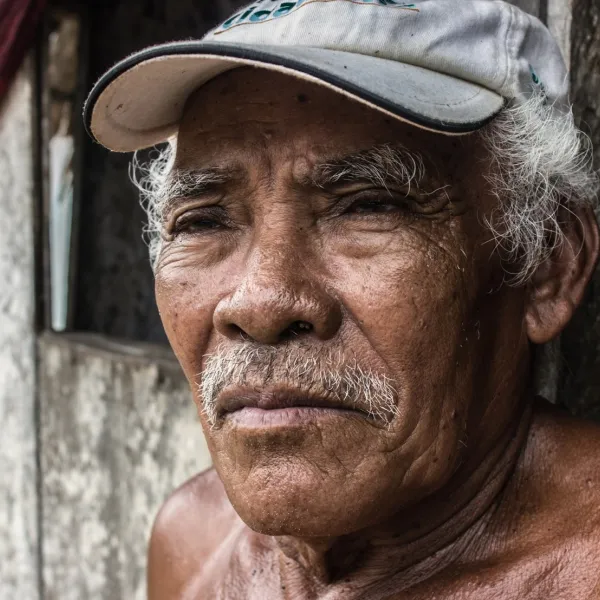
A operação da barragem de Belo Monte impôs uma seca permanente e artificial na Volta Grande do rio Xingu, agravada pelas secas históricas na Amazônia em 2023 e 2024. Como resultado, a morte de milhões de ovos de peixe foi documentada por quatro anos consecutivos (de 2021 a 2024) e, nos últimos três anos, não houve migração de peixes rio acima para desovar e se reproduzir. Assim, a pesca artesanal, principal fonte de proteína para os povos indígenas e comunidades ribeirinhas, foi severamente afetada: o consumo de peixe caiu de 50% para 30% do total de proteínas consumidas, sendo substituído por alimentos processados. Em suma, houve um colapso ambiental e humanitário que resultou no colapso da pesca como modo de vida tradicional, insegurança alimentar e falta de acesso à água potável para milhares de famílias, empobrecimento e doenças.
Além disso, a construção da barragem aumentou o desmatamento e intensificou a extração ilegal de madeira e a insegurança em terras indígenas e tribais, colocando em risco a sobrevivência dessas comunidades. Outra consequência foi o agravamento da pobreza e dos conflitos sociais, bem como a sobrecarga dos sistemas de saúde, educação e segurança pública em Altamira, cidade considerada a mais violenta do país em 2017, onde houve aumento do tráfico de pessoas e da violência sexual. Também foram registrados casos de violência contra defensores de direitos humanos envolvidos no caso.
Em 2025, durante a 30ª Conferência das Nações Unidas sobre Mudanças Climáticas (COP30), realizada no Brasil, o Ministério Público Federal classificou os danos causados por Belo Monte como ecocídio.
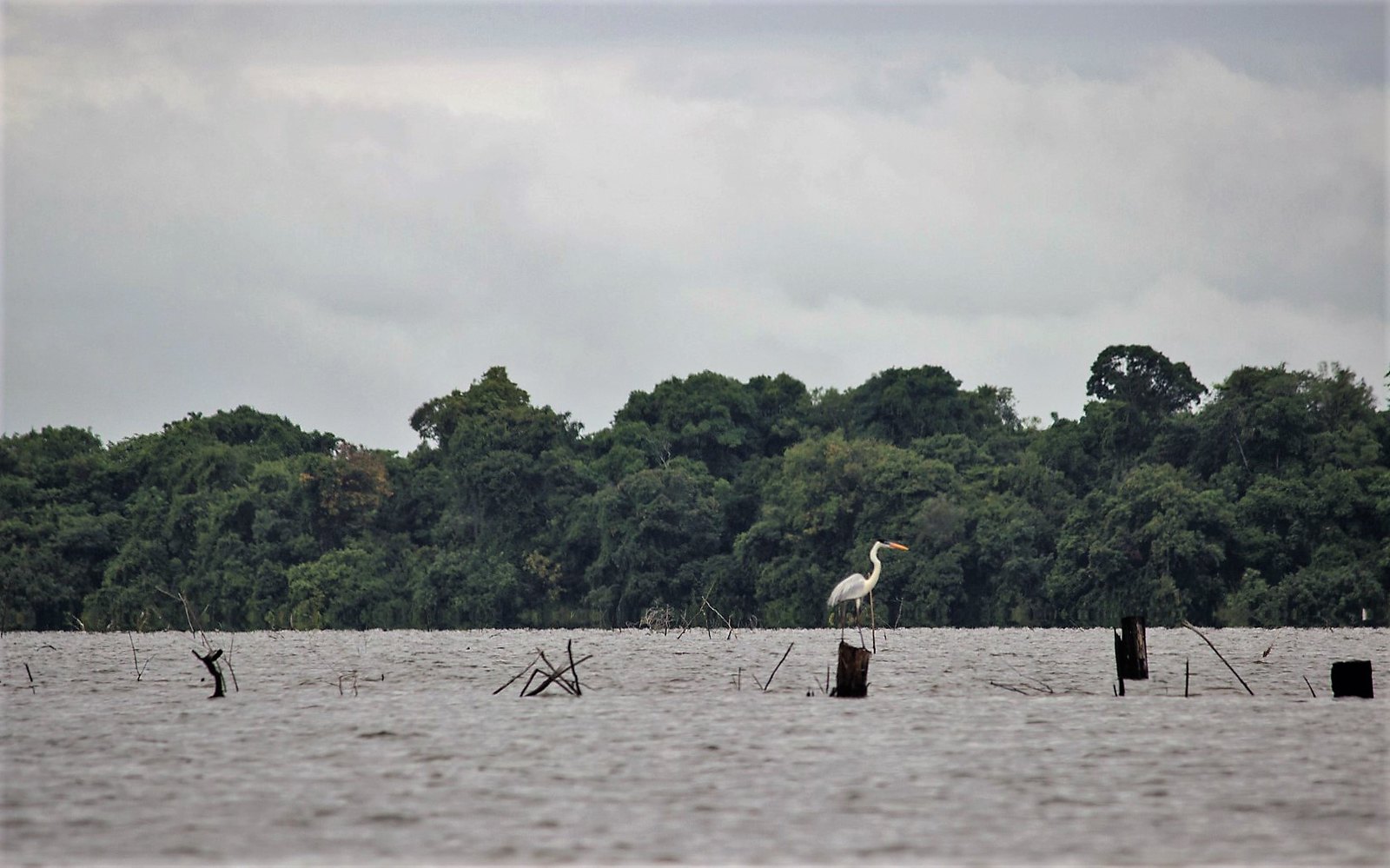
Foto: Amazon Watch / Maíra Irigaray.
A busca por justiça e reparação
Ao longo dos anos, o Ministério Público Federal do Pará, a Defensoria Pública e organizações da sociedade civil impetraram dezenas de ações judiciais em tribunais brasileiros para contestar as diversas irregularidades do projeto, bem como seus impactos. A maioria das ações permanece sem solução, algumas há mais de 10 anos.
Essas ações não obtiveram sucesso porque o governo federal tem reiteradamente anulado decisões favoráveis às comunidades afetadas, recorrendo a um mecanismo pelo qual o presidente do Supremo Tribunal Federal pode suspender uma decisão judicial com base unicamente em argumentos genéricos como "interesse nacional" ou "ordem econômica".
Diante da falta de respostas eficazes em nível nacional, a AIDA — juntamente com uma coalizão de organizações aliadas — levou o caso à Comissão Interamericana de Direitos Humanos (CIDH) e, em 2010, solicitou medidas cautelares para proteger a vida, a integridade e a saúde das comunidades indígenas afetadas.
Em 1º de abril de 2011, a CIDH concedeu essas medidas e solicitou ao Estado brasileiro a suspensão das licenças ambientais e de quaisquer obras de construção até que as condições relativas à consulta prévia e à proteção da saúde e integridade das comunidades fossem atendidas.
E, em 16 de junho de 2011, apresentamos uma denúncia formal à CIDH — juntamente com o Movimento Xingu Vivo Para Siempre, a Coordenação das Organizações Indígenas da Amazônia Brasileira, a Diocese de Altamira, o Conselho Missionário Indígena, a Sociedade Pará de Defesa dos Direitos Humanos e a Global Justice — contra o Estado brasileiro por sua responsabilidade internacional nas violações de direitos humanos contra os povos afetados neste caso. A denúncia foi apresentada em dezembro de 2015.
Em 3 de agosto de 2011, a CIDH modificou as medidas cautelares para solicitar — em vez da suspensão de licenças e obras — a proteção dos povos que vivem em isolamento voluntário, a saúde das comunidades indígenas e a regularização e proteção das terras ancestrais.
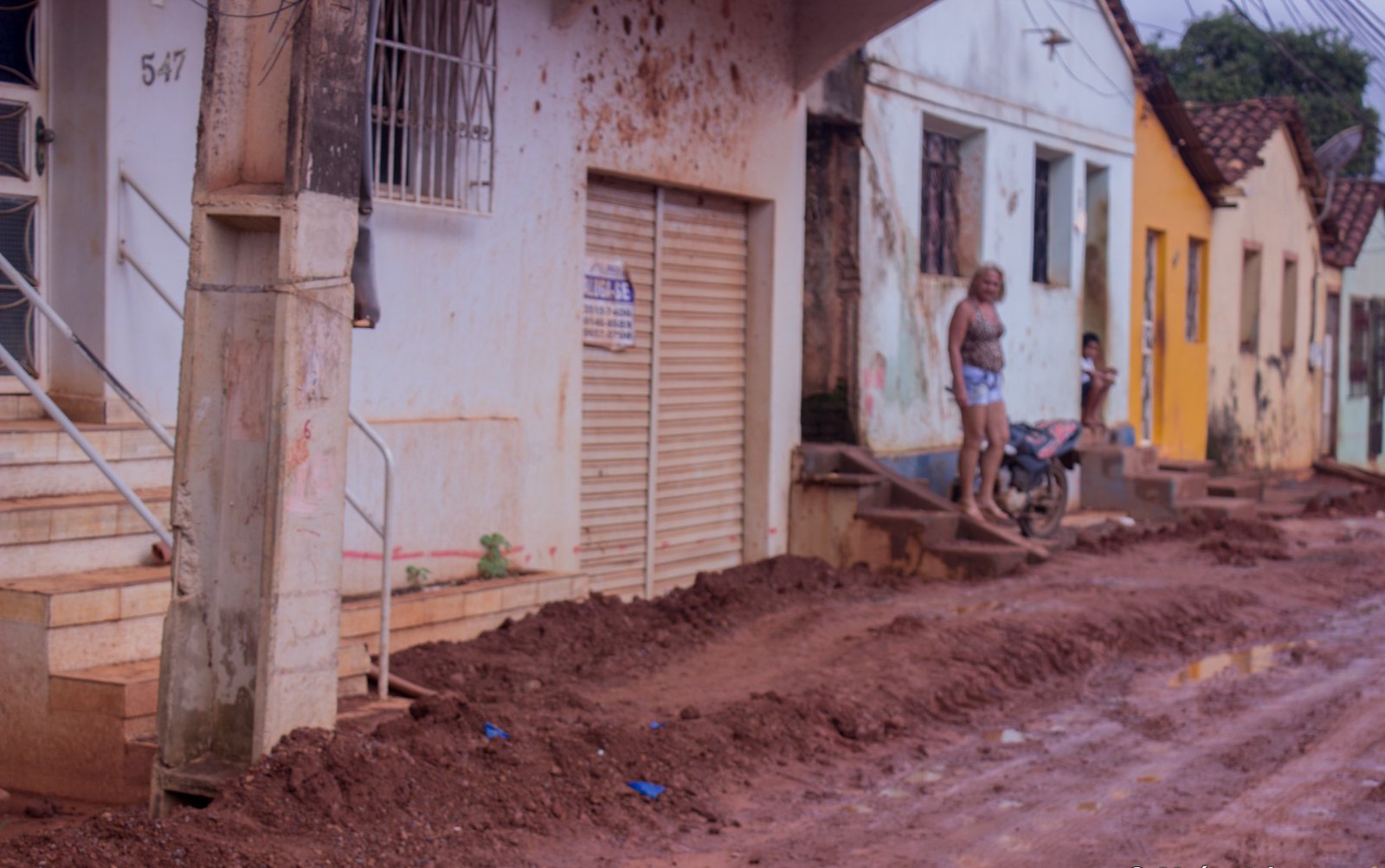
Foto: Amazon Watch / Maíra Irigaray.
Situação atual
As medidas de proteção concedidas pela CIDH permanecem em vigor, mas o Estado brasileiro não as cumpriu integralmente, relatando apenas ações genéricas. As comunidades documentaram as contínuas violações de seus direitos. A situação que motivou o pedido dessas medidas — o risco à vida, à segurança e aos meios de subsistência das comunidades — persiste e se agravou com a usina hidrelétrica operando em plena capacidade e com as recentes secas extremas na Amazônia.
Além do ocorrido em Belo Monte, existe o risco de maiores danos sociais e ambientais decorrentes da implementação de outro megaprojeto de mineração na Volta Grande do Xingu. Lá, a empresa canadense Belo Sun pretende construir a maior mina de ouro a céu aberto do Brasil.
Os impactos sinérgicos e cumulativos da usina e da mina não foram avaliados. O Estado excluiu povos indígenas, comunidades ribeirinhas e comunidades camponesas do processo de licenciamento ambiental do projeto. Apesar disso, dos protestos indígenas e de outras irregularidades em torno do projeto, o governo do estado do Pará autorizou formalmente a mina em abril de 2026.
Belo Monte, assim como outras usinas hidrelétricas, agrava a emergência climática ao gerar emissões de gases de efeito estufa em seu reservatório. Além disso, é ineficiente diante das secas prolongadas e intensas causadas pela crise, pois perde capacidade de geração de energia.
O caso perante a Comissão Interamericana
Em outubro de 2017, a CIDH anunciou que decidiria conjuntamente sobre a admissibilidade (se o caso preenche os requisitos para admissão) e o mérito (se houve, de fato, violação de direitos humanos) da denúncia internacional contra o Estado brasileiro.
Quinze anos após a apresentação da denúncia, as comunidades afetadas e as organizações que as representam ainda aguardam essa decisão. Caso a CIDH conclua que houve violações de direitos humanos e emita recomendações que o Estado brasileiro não cumpra, poderá encaminhar o caso à Corte Interamericana de Direitos Humanos, cujas decisões são vinculativas.
Uma possível decisão da Corte Internacional de Direitos Humanos neste caso estabeleceria um precedente jurídico regional em relação aos direitos dos povos indígenas e ribeirinhos, à participação pública em megaprojetos e à responsabilidade do Estado no contexto da crise climática. Isso é particularmente relevante à luz do Parecer Consultivo nº 32 da Corte, que reafirmou as obrigações dos Estados de proteger pessoas e comunidades em todo o continente da emergência climática.
Partners:
Related projects
Brazil & The Olympics: Signs of Danger, Signs of Hope
By Rodrigo da Costa Sales, AIDA attorney As the Brazilian flag was raised at the Rio Olympics to the soft sounds of acoustic guitar, the familiar words of my country’s national anthem struck me: Giant by thine own nature, Thou art beautiful, thou art strong, an intrepid colossus, And thy future mirrors that greatness. For centuries, it’s been easy, a point of pride, to celebrate the natural bounty of our landscape, from the mighty Amazon basin to the thousands of miles of pristine coastline. What’s proved most difficult is defending it. Last year Brazil was the world’s most dangerous country for environmental defenders. At least 50 of us were killed; so far this year, 23 have been assassinated. The Amazon, where I was born and spent my childhood, is the epicenter of these crimes. Plantations and ranches have been built on land where homes once stood. Indigenous and Afro-Brazilian communities, guardians of the natural world, have been evicted from lands passed down through the generations. It’s clear that economics and development have been prioritized above public health and wellbeing. Increasingly, large dams are also becoming agents of dispossession in the Amazon. On the mighty Rio Xingu, the massive Belo Monte hydro dam displaced indigenous communities that depended on and cared for the river basin. Vast amounts of rainforest were destroyed, with disastrous impacts on wildlife. Several plant and animal species are now extinct; literally tons of fish died, likely from contamination. Altamira, the city closest to the dam, is now ranked third in Brazil for violence and inequality. Belo Monte is hardly bringing equitable and just development to Brazil. There are reasons for hope, though. A couple of things that happened last week made me believe we might see some positive changes in the near future. First, the government denied the environmental license for a Tapajós River mega-dam that would have repeated the destruction of Belo Monte, devastating the lands and culture of the Muduruku people. The second is more symbolic – the opening ceremony of the Olympic games. I was particularly moved by the focus on two issues that Brazil must make a priority in coming years: deforestation and climate change. The attention to environmental crisis was powerful. It would have been even stronger, though, if indigenous people hadn’t been portrayed only as relics of Brazil’s ancient origins. In reality, our indigenous groups are crucial players in present and future efforts to achieve sustainability. To a certain extent, hope is what the Olympics are all about. They bring the world together for a common good, and, at their best, aid in the development of a peaceful society concerned with preserving human dignity across all continents. Although I have deep personal disagreements with the execution of the Olympics in Rio, I hope Brazil takes seriously the symbolic commitment demonstrated in the opening ceremony. I hope Belo Monte is the last case of its kind. I hope human rights and environmental defenders can work safely and without fear. I hope future generations grow up in a country that really is “giant by thine own nature.” Only then will our future truly be as great as the magnificent lands we call home. Please consider making a donation to AIDA today to help us make the future great for people in Brazil and throughout Latin America.
Read more
Indigenous People of the Americas Have New Hope for Justice
By Astrid Puentes Riaño (text originally published in Animal Político) June 15 was a historic day. After 17 years of negotiations, the American Declaration on the Rights of Indigenous Peoples was approved. That’s cause for celebration. The Declaration brings advances on many fronts. It means States must commit to respecting the rights of indigenous peoples, including their rights to land, territory, and a healthy environment. It means respecting sustainable development. It recognizes that violence against indigenous women “prevents and nullifies the enjoyment of human rights and fundamental freedoms.” And it reinforces the rights of indigenous peoples to participation; to prior consultation; and to free, prior, and informed consent – particularly when they’re faced with harm to their territories. The need for effective justice As the Organization of American States was approving the Declaration, activists held a Global Day of Action to call for justice for Berta Cáceres, the Honduran indigenous rights defender assassinated on March 3. These simultaneous events demonstrate the lack of effective justice in the region. Latin America yearns for justice, particularly with regard to human rights violations caused by extractive, energy, tourism, and infrastructure projects. The events also highlight the urgent need to put declarations and international obligations into practice. Berta’s death was foreshadowed. The Inter-American Commission on Human Rights asked the Honduran government to take precautionary measures to protect her life, which the government did not do. Two days after her death, the Commission also requested protective measures for the organization she led, the Civic Council of Popular and Indigenous Organizations of Honduras (COPINH). Just days later, however, Nelson García, another of the organization’s members, was assassinated. The primary demand on the Global Day of Action was to create a commission of independent experts to investigate the murders and to help uncover the truth. The assassinations of Berta and Nelson are not exceptions. More than 100 people dedicated to protecting their lands, forests, and rivers have been murdered in Honduras since 2010. And it’s not only there. Brazil, Colombia, Nicaragua, and Peru are four of the five most violent countries in the world for environmental defenders (alongside the Philippines). 2015 has been widely recognized as “the worst year on record” for those who defend the Earth. Towards real development Berta dedicated her life to defending rivers. At the time of her death, she was working to save her people’s territory from being flooded by the Agua Zarca Dam on the Gualquarque River. Indigenous communities there have taken stands against more than 50 extractive and energy projects affecting their land, the majority of which violate national and international law. Her case has thrust into the spotlight the realities of development in Latin America. Although governments—with the help of international financial institutions, national banks, and foreign investors—promote extractive, energy, tourism, and infrastructure projects as essential to development and poverty alleviation, the reality is quite different. Systematically, these projects are built in violation of laws and without adequate planning or evaluation of impacts on the environment and human rights. Sustainable alternatives are rarely evaluated at all. In fact, many of the projects pushed through in Latin America would not be viable in developed countries, where better technologies and safeguards are the norm. Special Rapporteurs to the United Nations have been calling attention to this issue for years. The Inter-American Commission on Human Rights also recognized it in a recent report on extractive industries and their impacts on tribal and indigenous peoples. Unfortunately, the Commission is undergoing an unprecedented financial crisis because States aren’t making sufficient contributions. Some have delayed or withdrawn funding because of conflicts over the Commission’s rulings on extractive and energy projects in their territories. The clearest example can be found in Brazil, which reacted to the Commission’s call to suspend Belo Monte Dam construction by withdrawing its ambassador, initiating a thorough review of the Commission, and freezing financial contributions. Brazil has yet to re-establish a regular contribution to the body. Hope and opportunity For all these reasons, approval of the American Declaration on the Rights of Indigenous Peoples is encouraging news. It’s essential that the rights and obligations it contains be upheld immediately. Starting with Berta’s case, States must demonstrate their seriousness. They must show, through action, that they recognize the problems facing the region; that they’re reaching for truth and justice; and that they favor real development to uplift their people. Latin America has a historic opportunity. Governments can finally join the 21st Century by respecting the rule of law, practicing what they preach, and promoting development that cares for our natural resources and those who most intimately depend on them.
Read more
NGOs call on Mexico to protect Mayan beekeeping communities affected by cultivation of genetically modified soy
The lives, health, and integrity of indigenous people are threatened by deforestation and contamination of their land caused by the cultivation of genetically modified soy. The situation is worsening because the Mexican government has not adopted effective measures to safeguard the rights of the communities. Washington D.C., United States. Traditional Mayan beekeeping communities, alongside a coalition of national and international organizations, have denounced the cultivation of genetically modified soy in the Mexican states of Campeche and Yucatan as damaging to the lives, health, and integrity of Mayan people, and to the health of the environment on which they depend. On July 25, a coalition of organizations filed a complaint on behalf of Mayan communities with the Inter-American Commission on Human Rights (IACHR). The organizations are the Interamerican Association for Environmental Defense (AIDA); Centro Mexicano de Derecho Ambiental (CEMDA); Greenpeace Mexico; Indignación, Promoción y Defensa de los Derechos Humanos, A.C. (Indignación); and Litiga, Organización de Litigio Estratégico de Derechos Humanos A.C. (Litiga OLE). The health and way of life of affected people—especially children, pregnant women, and the elderly—are at increasing risk from deforestation and the use, during planting, of the toxic herbicide glyphosate, which has been proved to contaminate soil and water sources. The crops have been genetically modified to resist the herbicide, which leads growers to apply it in ever greater concentrations. The organizations asked the Commission to grant precautionary measures, an action that would urge the Mexican government to implement actions that protect the rights of communities and effectively halt the cultivation of genetically modified soy in Campeche and Yucatan. Leydy Pech, representative of the Mayan communities, said, “planting genetically modified soy in Mayan territory violates our rights and our culture, which has been passed down to us from our ancestors. Because of the cultivation of soy on our lands, we have lost medicinal plants, vital trees for local bee populations, and animals, and have even seen some of our archeological sites destroyed. This harms our Mayan identity and denies us the possibility of passing that knowledge on to our children; traditional knowledge that allows us to preserve the forest and generate wellbeing for our communities.” AIDA attorney María José Veramendi added, “the Mexican government has an obligation to apply the precautionary principle and take into account the health risks that come with glyphosate and the cultivation of genetically modified soy. By not doing so, the State is failing to comply with its duty to prevent violations of the rights of Mayan communities, who are exposed to the herbicide as it drifts on wind and contaminates water sources.” The affected Mayan communities live in the municipalities of Hopelchén, in the state of Campeche, and Mérida, Tekax and Teabo, in the state of Yucatan. Permits to cultivate genetically modified soy also affect other communities in the seven states of the Mexican Republic. The communities were not consulted, nor did they give their free, prior, and informed consent, before Mexico granted the permits necessary for the cultivation of genetically modified soy in their territory. Under international law, indigenous communities must be guaranteed the right to prior consultation and informed consent. What’s more, the planting has seriously affected traditional beekeeping practices, part of Mayan culture and one of the main sources of livelihood for the communities. In addition to requesting precautionary measures, the organizations filed a petition with the IACHR denouncing violations of the rights to land and communal property, to life and personal integrity, to a healthy environment, to work, and to judicial protection and access to justice. According to the organizations, the State has not taken effective measures to safeguard the rights of affected populations despite their efforts to seek justice in domestic courts. “Although the Mayan communities obtained a favorable ruling from the Second Chamber of the Supreme Court last November, the judgment did not resolve all the human rights violations,” explained Francisco Xavier Martínez Esponda, legal representative of CEMDA. “During the consultation process, authorities neither respect traditional manners of decision-making nor meet Inter-American standards for upholding this fundamental right. Since the Mexican State could not rule on all instances of rights violations or order their rectification, we have now brought the case before the Inter-American Commission on Human Rights.”
Read more