
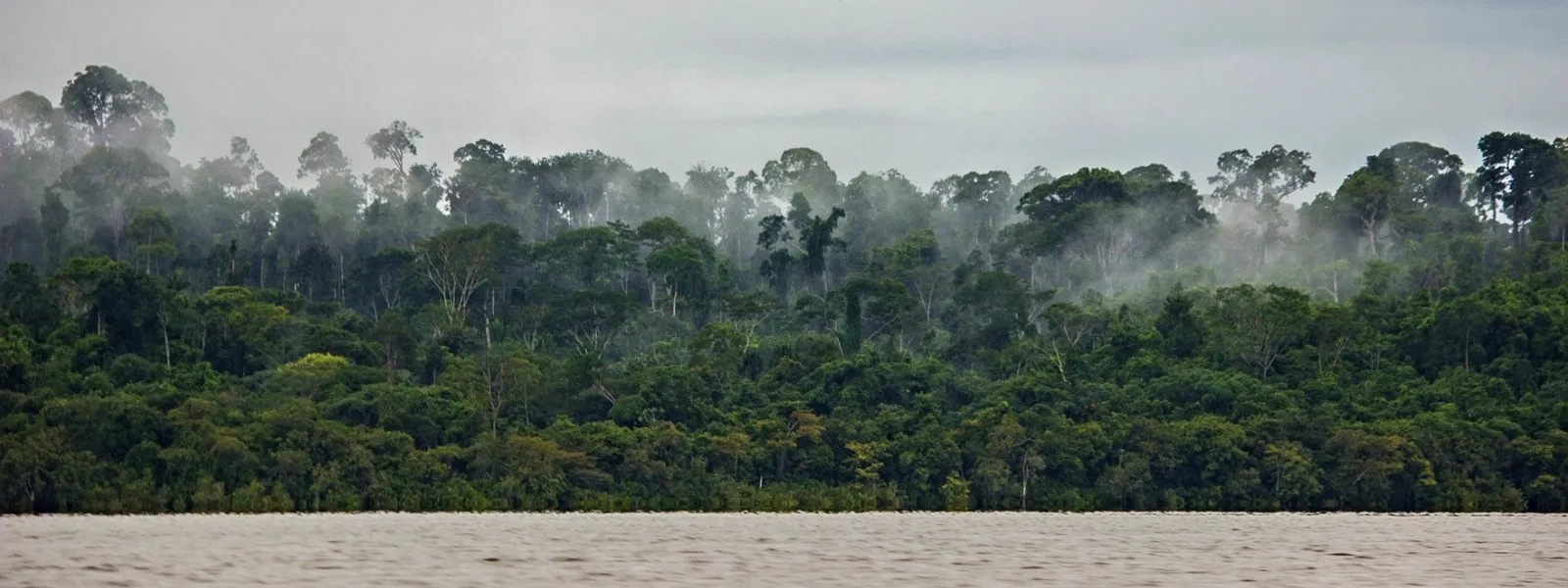
Project
Amazon Watch / Maíra Irigaray
Barragem de Belo Monte no rio Xingu: 10 anos de impactos na Amazônia e de busca por reparações
A usina hidrelétrica de Belo Monte causou um desastre ambiental e social no coração da Amazônia: um dos ecossistemas mais importantes do planeta.
Essa situação só piorou desde que a usina começou a operar em 2016. A busca por justiça e reparação para as comunidades indígenas e ribeirinhas afetadas continua até hoje.
Em 2011, a Comissão Interamericana de Direitos Humanos (CIDH) concedeu a essas comunidades medidas de proteção, que até hoje não foram totalmente implementadas pelo Estado brasileiro.
E, desde junho daquele mesmo ano, a CIDH mantém um processo contra o Estado por sua responsabilidade internacional no caso.
A CIDH pode encaminhar o caso à Corte Interamericana de Direitos Humanos, que tem o poder de emitir uma sentença condenatória contra o Estado brasileiro.
Consulta o expediente de fatos do caso
Após 10 anos de operação da usina hidrelétrica e mais de 15 anos de violações de direitos humanos documentadas, é hora da justiça ser feita para as comunidades afetadas.
Leia a carta aberta das organizações que levam o caso à CIDH
Leia nosso comunicado à imprensa
Contexto
A usina hidrelétrica de Belo Monte — a quarta maior do mundo em capacidade instalada (11.233 MW) — foi construída no rio Xingu, no estado do Pará, norte do Brasil.
Foi inaugurada em 5 de maio de 2016, com uma única turbina. Naquela época, 80% do curso do rio foi desviado e 516 km² de terra foram inundados, uma área maior que a cidade de Chicago. Desse total, 400 km² eram de mata nativa. A usina começou a operar em plena capacidade em novembro de 2019.
Belo Monte foi construída e é operada pelo consórcio Norte Energia S.A., composto principalmente por empresas estatais. Foi financiada pelo Banco Nacional de Desenvolvimento Econômico e Social (BNDES), que aportou ao consórcio 25,4 bilhões de reais (aproximadamente US$ 10,16 bilhões), o maior investimento de sua história. Portanto, o BNDES também é legalmente responsável pelos impactos socioambientais associados ao projeto hidrelétrico.
Décadas de danos ambientais e humanos
As violações dos direitos humanos e a degradação da Amazônia remontam ao início do projeto. Em março de 2011, a Norte Energia iniciou a construção da barragem sem consulta adequada e sem o consentimento prévio, livre e informado das comunidades afetadas.
A construção levou ao deslocamento forçado de mais de 40.000 pessoas, rompendo laços sociais e culturais. O plano de reassentamento em Altamira — cidade diretamente afetada pelo projeto hidrelétrico — incluía moradias na periferia da cidade, sem serviços públicos adequados, moradias dignas para as famílias reassentadas e moradias diferenciadas para aqueles pertencentes a comunidades indígenas.
A operação da barragem de Belo Monte impôs uma seca permanente e artificial na Volta Grande do rio Xingu, agravada pelas secas históricas na Amazônia em 2023 e 2024. Como resultado, a morte de milhões de ovos de peixe foi documentada por quatro anos consecutivos (de 2021 a 2024) e, nos últimos três anos, não houve migração de peixes rio acima para desovar e se reproduzir. Assim, a pesca artesanal, principal fonte de proteína para os povos indígenas e comunidades ribeirinhas, foi severamente afetada: o consumo de peixe caiu de 50% para 30% do total de proteínas consumidas, sendo substituído por alimentos processados. Em suma, houve um colapso ambiental e humanitário que resultou no colapso da pesca como modo de vida tradicional, insegurança alimentar e falta de acesso à água potável para milhares de famílias, empobrecimento e doenças.
Além disso, a construção da barragem aumentou o desmatamento e intensificou a extração ilegal de madeira e a insegurança em terras indígenas e tribais, colocando em risco a sobrevivência dessas comunidades. Outra consequência foi o agravamento da pobreza e dos conflitos sociais, bem como a sobrecarga dos sistemas de saúde, educação e segurança pública em Altamira, cidade considerada a mais violenta do país em 2017, onde houve aumento do tráfico de pessoas e da violência sexual. Também foram registrados casos de violência contra defensores de direitos humanos envolvidos no caso.
Em 2025, durante a 30ª Conferência das Nações Unidas sobre Mudanças Climáticas (COP30), realizada no Brasil, o Ministério Público Federal classificou os danos causados por Belo Monte como ecocídio.
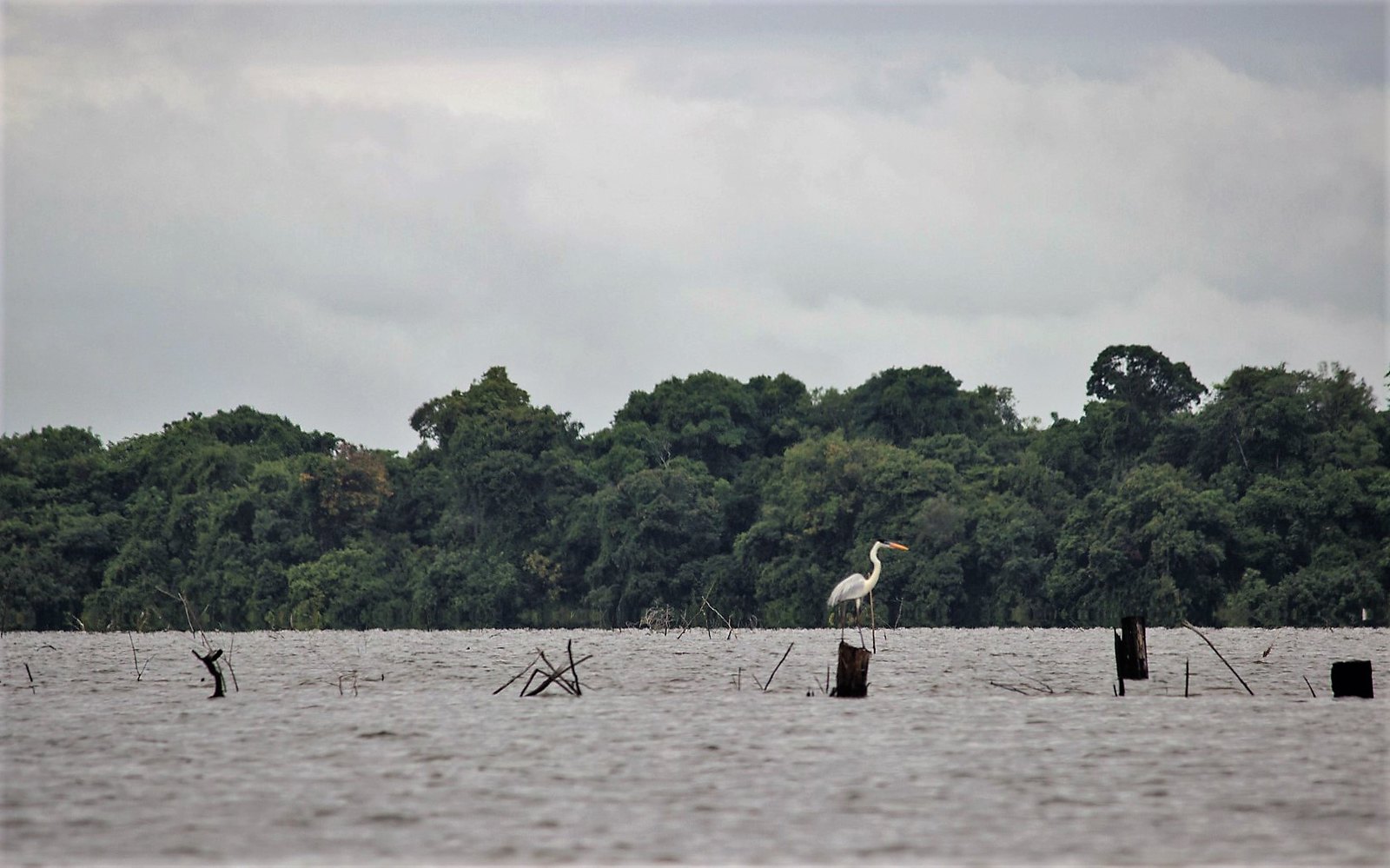
Foto: Amazon Watch / Maíra Irigaray.
A busca por justiça e reparação
Ao longo dos anos, o Ministério Público Federal do Pará, a Defensoria Pública e organizações da sociedade civil impetraram dezenas de ações judiciais em tribunais brasileiros para contestar as diversas irregularidades do projeto, bem como seus impactos. A maioria das ações permanece sem solução, algumas há mais de 10 anos.
Essas ações não obtiveram sucesso porque o governo federal tem reiteradamente anulado decisões favoráveis às comunidades afetadas, recorrendo a um mecanismo pelo qual o presidente do Supremo Tribunal Federal pode suspender uma decisão judicial com base unicamente em argumentos genéricos como "interesse nacional" ou "ordem econômica".
Diante da falta de respostas eficazes em nível nacional, a AIDA — juntamente com uma coalizão de organizações aliadas — levou o caso à Comissão Interamericana de Direitos Humanos (CIDH) e, em 2010, solicitou medidas cautelares para proteger a vida, a integridade e a saúde das comunidades indígenas afetadas.
Em 1º de abril de 2011, a CIDH concedeu essas medidas e solicitou ao Estado brasileiro a suspensão das licenças ambientais e de quaisquer obras de construção até que as condições relativas à consulta prévia e à proteção da saúde e integridade das comunidades fossem atendidas.
E, em 16 de junho de 2011, apresentamos uma denúncia formal à CIDH — juntamente com o Movimento Xingu Vivo Para Siempre, a Coordenação das Organizações Indígenas da Amazônia Brasileira, a Diocese de Altamira, o Conselho Missionário Indígena, a Sociedade Pará de Defesa dos Direitos Humanos e a Global Justice — contra o Estado brasileiro por sua responsabilidade internacional nas violações de direitos humanos contra os povos afetados neste caso. A denúncia foi apresentada em dezembro de 2015.
Em 3 de agosto de 2011, a CIDH modificou as medidas cautelares para solicitar — em vez da suspensão de licenças e obras — a proteção dos povos que vivem em isolamento voluntário, a saúde das comunidades indígenas e a regularização e proteção das terras ancestrais.
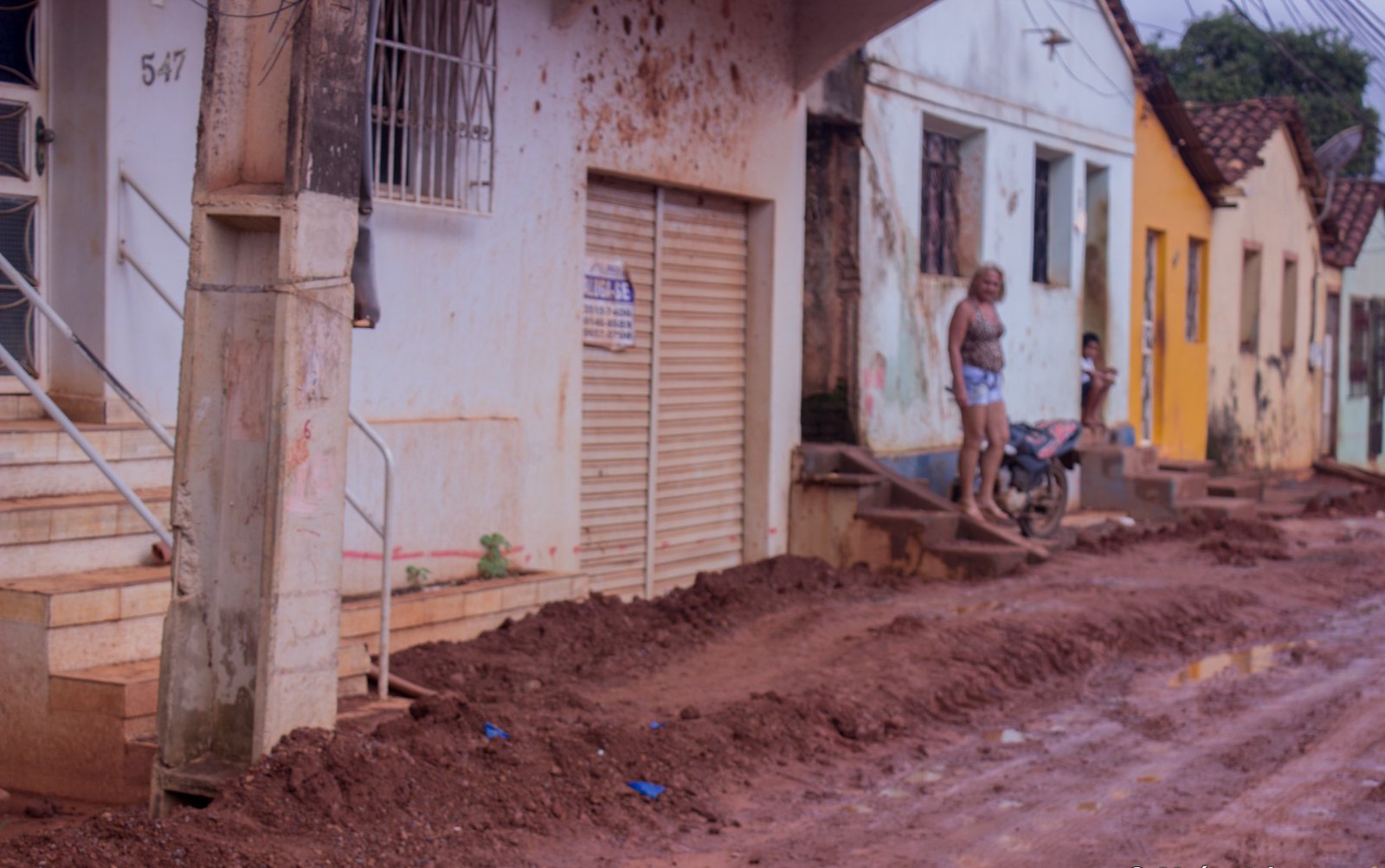
Foto: Amazon Watch / Maíra Irigaray.
Situação atual
As medidas de proteção concedidas pela CIDH permanecem em vigor, mas o Estado brasileiro não as cumpriu integralmente, relatando apenas ações genéricas. As comunidades documentaram as contínuas violações de seus direitos. A situação que motivou o pedido dessas medidas — o risco à vida, à segurança e aos meios de subsistência das comunidades — persiste e se agravou com a usina hidrelétrica operando em plena capacidade e com as recentes secas extremas na Amazônia.
Além do ocorrido em Belo Monte, existe o risco de maiores danos sociais e ambientais decorrentes da implementação de outro megaprojeto de mineração na Volta Grande do Xingu. Lá, a empresa canadense Belo Sun pretende construir a maior mina de ouro a céu aberto do Brasil.
Os impactos sinérgicos e cumulativos da usina e da mina não foram avaliados. O Estado excluiu povos indígenas, comunidades ribeirinhas e comunidades camponesas do processo de licenciamento ambiental do projeto. Apesar disso, dos protestos indígenas e de outras irregularidades em torno do projeto, o governo do estado do Pará autorizou formalmente a mina em abril de 2026.
Belo Monte, assim como outras usinas hidrelétricas, agrava a emergência climática ao gerar emissões de gases de efeito estufa em seu reservatório. Além disso, é ineficiente diante das secas prolongadas e intensas causadas pela crise, pois perde capacidade de geração de energia.
O caso perante a Comissão Interamericana
Em outubro de 2017, a CIDH anunciou que decidiria conjuntamente sobre a admissibilidade (se o caso preenche os requisitos para admissão) e o mérito (se houve, de fato, violação de direitos humanos) da denúncia internacional contra o Estado brasileiro.
Quinze anos após a apresentação da denúncia, as comunidades afetadas e as organizações que as representam ainda aguardam essa decisão. Caso a CIDH conclua que houve violações de direitos humanos e emita recomendações que o Estado brasileiro não cumpra, poderá encaminhar o caso à Corte Interamericana de Direitos Humanos, cujas decisões são vinculativas.
Uma possível decisão da Corte Internacional de Direitos Humanos neste caso estabeleceria um precedente jurídico regional em relação aos direitos dos povos indígenas e ribeirinhos, à participação pública em megaprojetos e à responsabilidade do Estado no contexto da crise climática. Isso é particularmente relevante à luz do Parecer Consultivo nº 32 da Corte, que reafirmou as obrigações dos Estados de proteger pessoas e comunidades em todo o continente da emergência climática.
Partners:
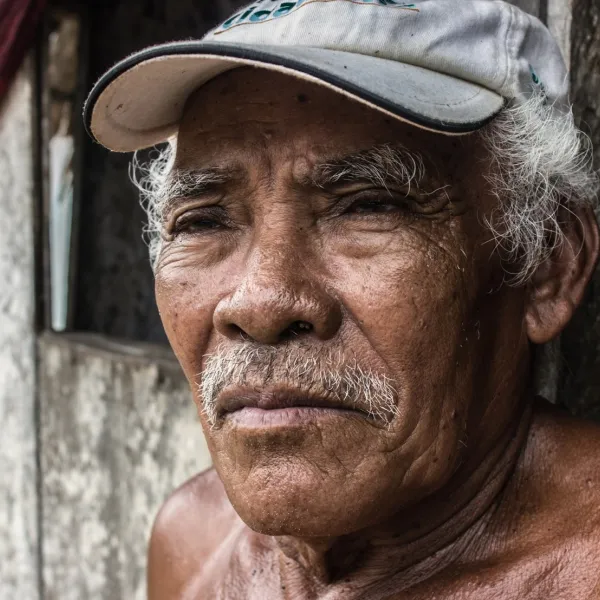
Related projects
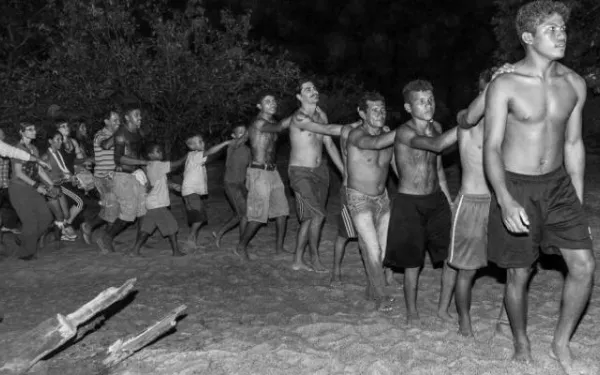
In the Hamlet of Mïratu, the Juruna mourn the death of Jarliel
By Marcelo Salazar, Instituto Socioambiental (ISA) AIDA translation of a blog originally published by ISA Jarliel died while diving for fish in water 25 meters deep. One of his brothers blames the Belo Monte Dam, which pushed all the fish into deeper waters, forcing fishermen to follow. Before the dam, fish were plentiful in the waterfalls and shallows of the river. Jarliel Juruna, known as Jarla, died on October 26, 2016 while diving for brown acari, a common Amazonian catfish. He was 20 years old. Jarliel was roughly 25 meters deep when he stopped breathing; his lifeless body floated to the surface. It was a tragedy for Mïratu, in the Paquiçamba indigenous territory; it was a tragedy for the Juruna people* of the Volta Grande; and it was a tragedy for the Xingu River, in the Brazilian Amazon. He left his parents, siblings, wife, and newborn son, all in shock. They had no idea where to go or what to do next. In near total silence, Giliarde Juruna, chief of Mïratu and one of Jarliel’s brothers, kept his gaze fixed on the forest behind the straw house that holds the community kitchen. Another brother, Jair Juruna, known as Negão, was outraged: "We’ve never had to fish acari in such deep waters. But because of the dam, the fish that have always been right here, in the waterfalls and in the shallows, have disappeared. And we have families to support. Norte Energía [the dam-building consortium] is playing with our lives. Where are the productive projects? If things were working, we would have other jobs and we wouldn’t need to risk our lives to support our families. Now look what’s happened." On the other side of the continent, Bel Juruna was in Peru representing her people in a meeting of Latin American indigenous leaders. She was speaking about the violence that the Belo Monte operators brought to her community and the people of the Xingu. When she heard the news, she was devastated. She wasn’t able get home in time to attend Jarliel’s burial; to say goodbye to her youngest brother, whom she had helped to raise. Jarla was a happy and playful young man, dedicated, completing his high school degree and dreaming of college. He was one of his village’s fighters, present in many of the peaceful occupations of the Belo Monte Dam complex, fighting for the rights of the indigenous people of the Xingu. One day, the full story behind Belo Monte will be told. The very real impacts the dam has had on the life of the people of the Xingu will be recognized. May Jarla now join the great Mïratu fighters on another plane—and unite his efforts with those who remain on Earth to fight against Belo Monte and against other forms of destruction of the indigenous and traditional communities of the Xingu. *Proprietors of the River The Yudja, or Juruna (as they’re know in the region), live on the islands and banks of the Xingu. They are known as “proprietors of the river” for their great ancestral knowledge of its flow, and for having migrated for centuries from the mouth of the Xingu to its headwaters. Mïratu, one of the villages in Paquiçamba indigenous territory, sits roughly 10 km below one of Belo Monte’s reservoirs. The hamlet suffers various impacts from the dam, including changes in their traditional fisheries. In collaboration with (the?) Universidad Federal do Pará and ISA, and with the support of the Mott Foundation, the Juruna people are engaged in independent monitoring of their fisheries, which reveals the damages suffered in recent years. Jariel was one of the monitors in Mïratu.
Read more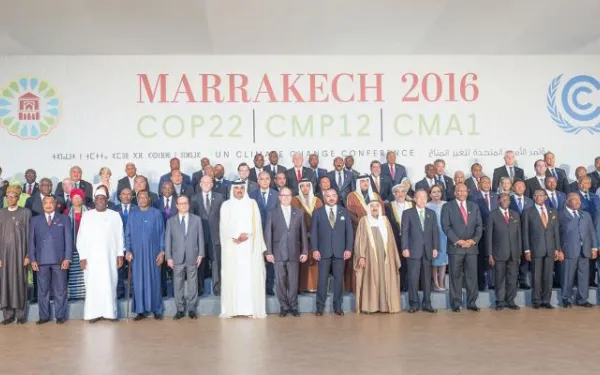
Climate finance advances, but lacks ambition
The 22nd Conference of the Parties to the United Nations Framework Convention on Climate Change (COP22) was held in Morocco from November 7-18, 2016. The delegates made progress on issues related to finance for developing countries facing the impacts of climate change. But their decisions needed to be more ambitious. Global governments must provide adequate and predictable financial contributions so countries can plan and execute adaptation and mitigation strategies. COP22 was the first climate conference held after the Paris Agreement became binding on November 4. In Marrakech, signatory countries began to establish procedures to implement the new global accord. “The meeting sent a strong political message to the world: the commitments established under the Paris Agreement will stand above the results of the US presidential elections, whose winner has denied the very existence of climate change,” said Andrea Rodriguez, AIDA attorney and civil society participant in the climate negotiations. Funding the fight against climate change Important progress was made at COP22 in terms of climate finance, a key component in the global fight against climate change. Developing countries presented a roadmap for mobilizing $100 billion per year by 2020, a commitment made in the Paris Agreement. Although the plan is valid, the contributions of developed nations must be even more ambitious to achieve the financial target and ensure that economic resources will be available when required. Important recommendations were made to the Green Climate Fund—the largest fund for climate adaptation and mitigation. They focused on increasing direct access to funding and simplifying the process of accessing funds. But the recommendations did not, as hoped, focus on helping to develop and implement climate plans agreed under the Convention (such as Nationally Appropriate Mitigation Actions, National Adaptation Programs of Action, and Intended Nationally Determined Contributions). Together with our allies, AIDA organized two side events to share views on progress made in the Green Climate Fund, from the perspective of several actors involved in the process. The panelists emphasized the need to strengthen national governments’ capacities to plan and design funding proposals based on each country’s priority needs. Such increased capacity would allow developing countries not to rely on outside entities to make decisions with far-reaching consequences for the environment and national economies. Emphasis was also placed on the importance of including non-governmental actors in decisions about how to use climate finance, so more comprehensive and legitimate proposals can be produced. The event educated a wide variety of participants from organizations and governments, and provided an opportunity for them to exchange views with the Secretariat and with Accredited Entities on ways to improve processes ahead. The fate of the Adaptation Fund, which was created under the Kyoto Protocol to support adaptation activities in developing countries, was uncertain throughout the two weeks of COP22 negotiations. Fortunately, Parties decided that the Adaptation Fund will also serve to implement the Paris Agreement. Its continuity was guaranteed thanks to an infusion of $81 million from four developed nations (Germany, Belgium, Italy and Sweden). In terms of long-term financing, Parties decided to prioritize the mobilization of public resources and guarantee financial support for adaptation actions, with greater participation of the private sector. We were also hoping the Parties would make new financial commitments for the post-2020 period, but this did not happen.
Read more
Now, more than ever, it’s time to work for our planet
The results of the United States election have shocked the world. Many of us feel hurt, angry and, above all, worried. For those of us who work to protect our planet and our shared environment a Trump presidency is deeply troubling. The president-elect has called climate change a hoax and promised to back out of the Paris Agreement, to dismantle President Obama’s Clean Power Plan, and to rebuild the coal industry. In the challenging years ahead, the movement to protect Earth will be more important than ever. We must all be a part of it. Today, more than ever, we reiterate our commitment to justice—for the environment and for all those whose lives depend so intimately on it. Now is the time to act. The world needs leadership, ours and yours. Each one of us at AIDA is committed to making our planet a better place to live. We are dedicated to defending it from destructive climate policies, and to uplifting its most vulnerable populations. We know what’s coming will be difficult. That’s why your support is so important. Coming together now is imperative. We have a historic responsibility to demonstrate leadership, to find peaceful solutions, and to ensure a brighter future for present and future generations. We must react with unity, engage, and collaborate. It’s time to build hope and lay the path to a peaceful, prosperous, respectful, and tolerant future. With our valued supporters and partners, AIDA will keep working to protect the Earth, its defenders, their culture, and their way of life.
Read more