
Project
Amazon Watch / Maíra Irigaray
Barragem de Belo Monte no rio Xingu: 10 anos de impactos na Amazônia e de busca por reparações
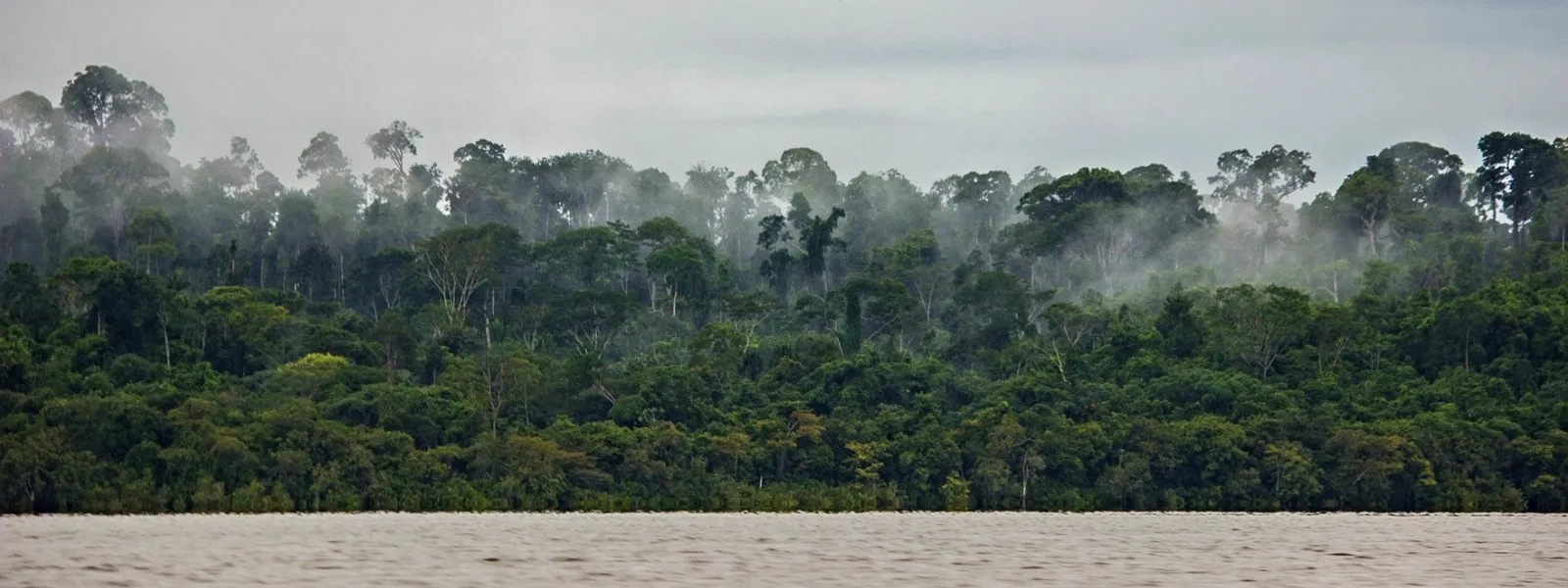
A usina hidrelétrica de Belo Monte causou um desastre ambiental e social no coração da Amazônia: um dos ecossistemas mais importantes do planeta.
Essa situação só piorou desde que a usina começou a operar em 2016. A busca por justiça e reparação para as comunidades indígenas e ribeirinhas afetadas continua até hoje.
Em 2011, a Comissão Interamericana de Direitos Humanos (CIDH) concedeu a essas comunidades medidas de proteção, que até hoje não foram totalmente implementadas pelo Estado brasileiro.
E, desde junho daquele mesmo ano, a CIDH mantém um processo contra o Estado por sua responsabilidade internacional no caso.
A CIDH pode encaminhar o caso à Corte Interamericana de Direitos Humanos, que tem o poder de emitir uma sentença condenatória contra o Estado brasileiro.
Consulta o expediente de fatos do caso
Após 10 anos de operação da usina hidrelétrica e mais de 15 anos de violações de direitos humanos documentadas, é hora da justiça ser feita para as comunidades afetadas.
Leia a carta aberta das organizações que levam o caso à CIDH
Leia nosso comunicado à imprensa
Contexto
A usina hidrelétrica de Belo Monte — a quarta maior do mundo em capacidade instalada (11.233 MW) — foi construída no rio Xingu, no estado do Pará, norte do Brasil.
Foi inaugurada em 5 de maio de 2016, com uma única turbina. Naquela época, 80% do curso do rio foi desviado e 516 km² de terra foram inundados, uma área maior que a cidade de Chicago. Desse total, 400 km² eram de mata nativa. A usina começou a operar em plena capacidade em novembro de 2019.
Belo Monte foi construída e é operada pelo consórcio Norte Energia S.A., composto principalmente por empresas estatais. Foi financiada pelo Banco Nacional de Desenvolvimento Econômico e Social (BNDES), que aportou ao consórcio 25,4 bilhões de reais (aproximadamente US$ 10,16 bilhões), o maior investimento de sua história. Portanto, o BNDES também é legalmente responsável pelos impactos socioambientais associados ao projeto hidrelétrico.
Décadas de danos ambientais e humanos
As violações dos direitos humanos e a degradação da Amazônia remontam ao início do projeto. Em março de 2011, a Norte Energia iniciou a construção da barragem sem consulta adequada e sem o consentimento prévio, livre e informado das comunidades afetadas.
A construção levou ao deslocamento forçado de mais de 40.000 pessoas, rompendo laços sociais e culturais. O plano de reassentamento em Altamira — cidade diretamente afetada pelo projeto hidrelétrico — incluía moradias na periferia da cidade, sem serviços públicos adequados, moradias dignas para as famílias reassentadas e moradias diferenciadas para aqueles pertencentes a comunidades indígenas.
A operação da barragem de Belo Monte impôs uma seca permanente e artificial na Volta Grande do rio Xingu, agravada pelas secas históricas na Amazônia em 2023 e 2024. Como resultado, a morte de milhões de ovos de peixe foi documentada por quatro anos consecutivos (de 2021 a 2024) e, nos últimos três anos, não houve migração de peixes rio acima para desovar e se reproduzir. Assim, a pesca artesanal, principal fonte de proteína para os povos indígenas e comunidades ribeirinhas, foi severamente afetada: o consumo de peixe caiu de 50% para 30% do total de proteínas consumidas, sendo substituído por alimentos processados. Em suma, houve um colapso ambiental e humanitário que resultou no colapso da pesca como modo de vida tradicional, insegurança alimentar e falta de acesso à água potável para milhares de famílias, empobrecimento e doenças.
Além disso, a construção da barragem aumentou o desmatamento e intensificou a extração ilegal de madeira e a insegurança em terras indígenas e tribais, colocando em risco a sobrevivência dessas comunidades. Outra consequência foi o agravamento da pobreza e dos conflitos sociais, bem como a sobrecarga dos sistemas de saúde, educação e segurança pública em Altamira, cidade considerada a mais violenta do país em 2017, onde houve aumento do tráfico de pessoas e da violência sexual. Também foram registrados casos de violência contra defensores de direitos humanos envolvidos no caso.
Em 2025, durante a 30ª Conferência das Nações Unidas sobre Mudanças Climáticas (COP30), realizada no Brasil, o Ministério Público Federal classificou os danos causados por Belo Monte como ecocídio.
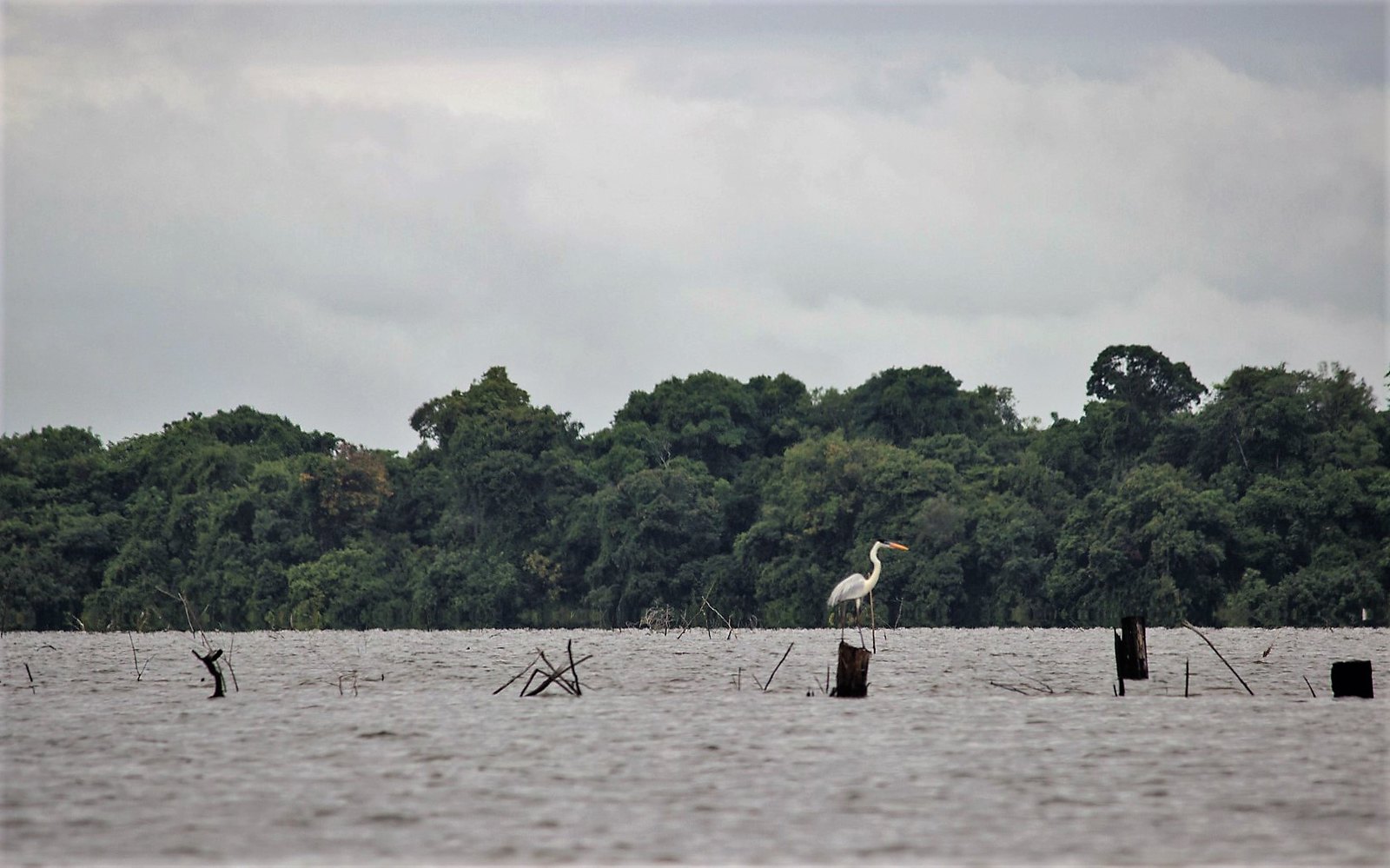
Foto: Amazon Watch / Maíra Irigaray.
A busca por justiça e reparação
Ao longo dos anos, o Ministério Público Federal do Pará, a Defensoria Pública e organizações da sociedade civil impetraram dezenas de ações judiciais em tribunais brasileiros para contestar as diversas irregularidades do projeto, bem como seus impactos. A maioria das ações permanece sem solução, algumas há mais de 10 anos.
Essas ações não obtiveram sucesso porque o governo federal tem reiteradamente anulado decisões favoráveis às comunidades afetadas, recorrendo a um mecanismo pelo qual o presidente do Supremo Tribunal Federal pode suspender uma decisão judicial com base unicamente em argumentos genéricos como "interesse nacional" ou "ordem econômica".
Diante da falta de respostas eficazes em nível nacional, a AIDA — juntamente com uma coalizão de organizações aliadas — levou o caso à Comissão Interamericana de Direitos Humanos (CIDH) e, em 2010, solicitou medidas cautelares para proteger a vida, a integridade e a saúde das comunidades indígenas afetadas.
Em 1º de abril de 2011, a CIDH concedeu essas medidas e solicitou ao Estado brasileiro a suspensão das licenças ambientais e de quaisquer obras de construção até que as condições relativas à consulta prévia e à proteção da saúde e integridade das comunidades fossem atendidas.
E, em 16 de junho de 2011, apresentamos uma denúncia formal à CIDH — juntamente com o Movimento Xingu Vivo Para Siempre, a Coordenação das Organizações Indígenas da Amazônia Brasileira, a Diocese de Altamira, o Conselho Missionário Indígena, a Sociedade Pará de Defesa dos Direitos Humanos e a Global Justice — contra o Estado brasileiro por sua responsabilidade internacional nas violações de direitos humanos contra os povos afetados neste caso. A denúncia foi apresentada em dezembro de 2015.
Em 3 de agosto de 2011, a CIDH modificou as medidas cautelares para solicitar — em vez da suspensão de licenças e obras — a proteção dos povos que vivem em isolamento voluntário, a saúde das comunidades indígenas e a regularização e proteção das terras ancestrais.
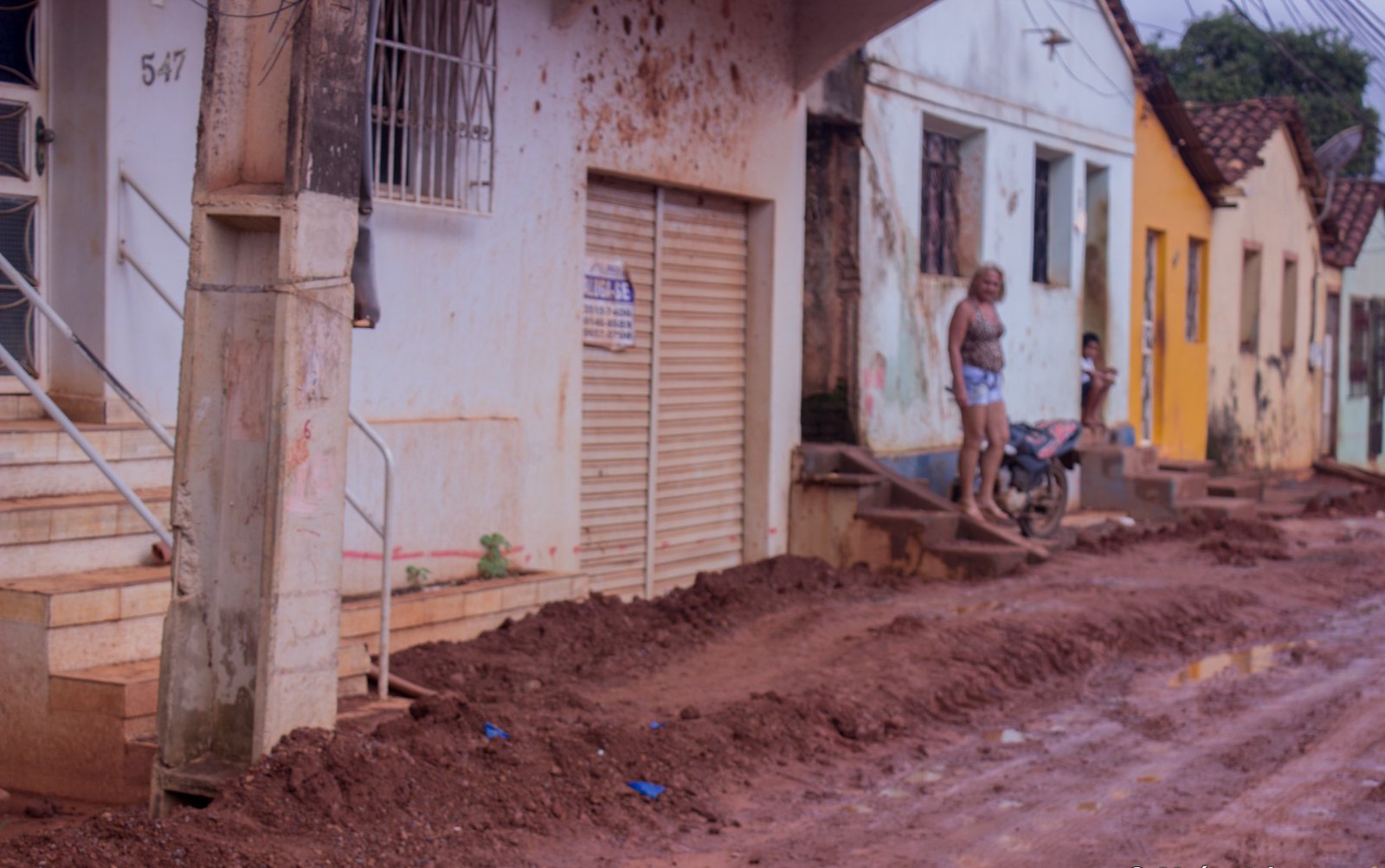
Foto: Amazon Watch / Maíra Irigaray.
Situação atual
As medidas de proteção concedidas pela CIDH permanecem em vigor, mas o Estado brasileiro não as cumpriu integralmente, relatando apenas ações genéricas. As comunidades documentaram as contínuas violações de seus direitos. A situação que motivou o pedido dessas medidas — o risco à vida, à segurança e aos meios de subsistência das comunidades — persiste e se agravou com a usina hidrelétrica operando em plena capacidade e com as recentes secas extremas na Amazônia.
Além do ocorrido em Belo Monte, existe o risco de maiores danos sociais e ambientais decorrentes da implementação de outro megaprojeto de mineração na Volta Grande do Xingu. Lá, a empresa canadense Belo Sun pretende construir a maior mina de ouro a céu aberto do Brasil.
Os impactos sinérgicos e cumulativos da usina e da mina não foram avaliados. O Estado excluiu povos indígenas, comunidades ribeirinhas e comunidades camponesas do processo de licenciamento ambiental do projeto. Apesar disso, dos protestos indígenas e de outras irregularidades em torno do projeto, o governo do estado do Pará autorizou formalmente a mina em abril de 2026.
Belo Monte, assim como outras usinas hidrelétricas, agrava a emergência climática ao gerar emissões de gases de efeito estufa em seu reservatório. Além disso, é ineficiente diante das secas prolongadas e intensas causadas pela crise, pois perde capacidade de geração de energia.
O caso perante a Comissão Interamericana
Em outubro de 2017, a CIDH anunciou que decidiria conjuntamente sobre a admissibilidade (se o caso preenche os requisitos para admissão) e o mérito (se houve, de fato, violação de direitos humanos) da denúncia internacional contra o Estado brasileiro.
Quinze anos após a apresentação da denúncia, as comunidades afetadas e as organizações que as representam ainda aguardam essa decisão. Caso a CIDH conclua que houve violações de direitos humanos e emita recomendações que o Estado brasileiro não cumpra, poderá encaminhar o caso à Corte Interamericana de Direitos Humanos, cujas decisões são vinculativas.
Uma possível decisão da Corte Internacional de Direitos Humanos neste caso estabeleceria um precedente jurídico regional em relação aos direitos dos povos indígenas e ribeirinhos, à participação pública em megaprojetos e à responsabilidade do Estado no contexto da crise climática. Isso é particularmente relevante à luz do Parecer Consultivo nº 32 da Corte, que reafirmou as obrigações dos Estados de proteger pessoas e comunidades em todo o continente da emergência climática.
Partners:
Related projects
Letter: Concerning the Green Climate Fund and large hydropower
The 282 undersigned organizations write to express our significant concern regarding the use of GCF resources to support large hydropower, and, in particular, the following proposals in the GCF’s pipeline: (i) Qairokkum Hydropower Rehabilitation, Tajikistan; (ii) Upper Trishuli-1, Nepal; and (iii) Tina River Hydro Project, Solomon Islands. The GCF can and should help pay for the incremental costs of renewable energy sources, which are often less “bankable” (though less so all the time). However, we wish to highlight that large dams are different from wind, solar and other technologies because they fail to fulfill the GCF Investment Criteria. For example: (i) Impact potential: Dams emit significant amounts of greenhouse gases, particularly methane, and damage carbon sinks; (ii) Paradigm shift potential: Large hydro is a non-innovative technology that has not seen significant technical or financial breakthroughs in decades; (iii) Sustainable development: Dams have high negative co-impacts with regard to the environment, human rights, and economic cost. By interrupting rivers and flooding lands, they irreversibly harm livelihoods and ecosystems. Because they routinely cost double their estimates, large dams stretch government budgets and increase borrowing costs; (iv) Needs of the recipient: Hydropower projects are particularly vulnerable to climate change, and many countries are already alarmingly over-dependent on hydropower (as is the case with Tajikistan and Nepal). GCF should support efforts in these countries to diversify their energy mix, helping them improve their resilience and adaptive capacities; and, (v) Efficiency and effectiveness: Dams all over the world are losing generation capacity because of climate change-induced droughts. In addition, each of the dam-related projects in the GCF’s pipeline suffers significant deficiencies: Qairokkum Hydropower Rehabilitation: This funding proposal is expected at the April board meeting. The board should reject it. The project aims to extend the life of a Soviet-era dam, built in the 1950s. It is not innovative in any way, deepens Tajikistan’s already alarming overdependence on climate-vulnerable hydro, and fails to address critical environmental problems of the original dam, among other concerns. Upper Trishuli-1: Though not up for consideration at the April board meeting, Upper Trishuli has been in the project pipeline for many months and should be expeditiously removed from it. With more than 30 hydro projects either operating, in construction, or planned on the Trishuli River, the project would have no transformational impact. It faces severe climate and disaster risks, would deepen Nepal’s overdependence on climate-vulnerable hydro, and would have significant impacts on indigenous communities and the environment that have not been adequately studied or addressed. There is also no assessment of the project’s vulnerability to earthquakes, despite the area being highly seismic. Tina River Hydro Project: Expected at the April board meeting, this 15 MW project is intended to reduce the Solomon Islands’ reliance on imported diesel. The project does not include an assessment of climate vulnerability, threatens a world-class biodiversity hotspot, and is very costly. Meanwhile, Solomon Islands has considerable renewable energy potential that has not been sufficiently studied. These issues and others are detailed in a letter sent previously to the Board. Thank you for your attention to this most important matter. We look forward to working with you and the Secretariat to ensure that the GCF is a transformational institution of the highest social and environmental caliber. That cannot be accomplished if the GCF finances large hydropower.
Read more
My time before the region's leading court on human rights
“Our deepest fear is not that we are inadequate. Our deepest fear is that we are powerful beyond measure. It is our light, not our darkness, that most frightens us.” - Marianne Williamson As I sat before the Court, one woman in a long line of observers, my pulse raced. For the first time in my life I was speechless, even awestruck. Towering regally over me sat six men and one woman, dressed in robes. The seven judges of the Inter-American Court on Human Rights. Public speaking is something I do regularly and with ease, but I was seriously nervous! My heart was going to explode; my throat was tight. I was acutely aware of the power of what I was about to say. I felt deep within myself the strength of my colleagues at AIDA. I sat up straight, took a deep breath, and leaned in closer to the microphone. As I began to speak, my words bore the influence of the last 20 years. I was representing AIDA in our very first intervention before the most important international human rights body in the Americas. We had been invited by the Court to comment on the consultative opinion raised by Colombian government on the link between environmental degradation and human rights; an issue reflecting the very core of our mission. The basic question to be addressed was this: If a megaproject damages the marine environment in the Greater Caribbean and, as a result, human rights are threaten or violated, should the State implementing the project be held accountable under international human rights law? When I began my career in environmental law 20 years ago, this very moment was one of my goals. I dreamt of engaging in this type of conversation before the Court; of influencing jurisprudence in the institution charged with protecting the human rights of the people of the Americas. Now, because I sit proudly as co-director of AIDA, those dreams have come true. Not just for myself, but also for all the brave and thoughtful attorneys I work alongside. The document we drafted represents countless hours of research and analysis, the contributions of human rights experts and environmental attorneys, decades of experience, lifetimes of dedication. We drafted it so the Court would recognize environmental protection as a human rights issue; that a healthy environment is essential to the enjoyment of all human rights. We hope it will show the judges of the Inter-American Human Rights System that incorporating international environmental law and standards can help them implement their mission. Remembering the months of work and the expert opinions in the document calmed me that day. The testimonies I heard were like music to my ears—more than 20 people, one after the other, from States and civil society organizations, spoke of the relationship between the environment and human rights; they spoke of the power of using international environmental law to protect people and communities. The arguments we crafted, together, made the link between the environment and human rights crystal clear. We had the historic opportunity to highlight how, in some situations, environmental degradation violates human rights. Protecting our environment, therefore, is an international obligation of all States in the Americas. When I finished speaking, I took a deep breath, and sat back in my chair. A smile broke across my face, as my phone began to light up with messages from my colleagues from every corner of the Americas. I left that day happily reflecting on the past 20 years, and wholly re-invigorated for 20 more. I left full of gratitude and pride for my team. And I left convinced of the power we have—as AIDA, as attorneys, as citizens, as human beings—to create change. It all goes to show that, while we may be small, we are not alone. Together we are powerful and, together, we are capable of building a better world. The decision is now in the hands of the Court, whose opinion has the power to influence the future of development in the Americas.
Read more
Costa Rica launches wetlands protection policy
On March 6, Costa Rica’s rivers, lakes, mangroves and other wetlands became better protected when the government launched its first national policy for their sustainable management. The National Wetlands Policy (2017-2030) was created to preserve and revitalize the nation’s wetlands and the great biodiversity they house. The Ministry of the Environment, the National System of Conservation Areas, and the United Nations Development Program created the historic public policy instrument over the last year and a half. AIDA helped develop the policy, providing comments based on international environmental law. We drew from our experience helping Mexico craft its own wetlands policy in 2014. “We sought to ensure that the National Wetlands Policy was in alignment with Costa Rica’s obligations under the Ramsar Convention, an intergovernmental treaty that states all countries should have a wetlands policy and provides governments with assistance protecting wetlands in their territory,” explained Gladys Martínez, senior attorney with AIDA’s Marine Biodiversity and Coastal Protection Program. Costa Rica’s Organic Law of the Environment defines wetlands as ecosystems that depend on both sweet and brackish water, are natural or artificial, and which can be permanent or temporary. Therefore, wetlands are not just bodies of water like rivers and lakes; they’re also marshes, mangroves, flood plains, and coral reefs, among others. “In Costa Rica we have thousands of wetlands that represent roughly seven percent of the national territory,” stated Edgar Gutiérrez, the Minister of Environment and Energy, in a statement released to mark the launch of the policy. “This policy will help improve the governance and protection of these resources, paying off a historic debt to our vital ecosystems.” Five main components The policy’s action plan is based on five strategic themes: Conservation of wetlands, their goods and services: Avoid future losses of wetlands and mitigate factors that endanger their health and wellbeing. It also proposes the creation of a National Inventory of Wetlands. Climate adaptation and rational use: Identify which wetlands are the most vulnerable to climate change and to carry out mitigation actions. Ecological rehabilitation: Once vulnerable wetlands are identified, recovery actions will be planned. Strengthening institutional support for adequate management: Better coordination and communication between the entities in charge of the management and conservation of wetlands. Inclusive participation: Citizens should be involved and participate actively in wetland-conservation processes. Community consultation It’s particularly important to celebrate the participatory nature of the policy. Many Costa Ricans base their lives and livelihoods on the health of wetlands and other natural environments. Now, instead of removing the public from decision-making, the government officially recognizes the importance of consultation. “The most important aspect of the policy is that, in addition to complying with the Ramsar Convention, the government is also complying with other international conventions that promote consultation,” Martínez explained. Costa Rica’s new policy represents a significant advance in defense of the environment. It shows the region that progressive environmental policies are possible. At AIDA we’re happy to say “Pura Vida!” to the wetlands. We hope more countries will join in their protection.
Read more