
Project
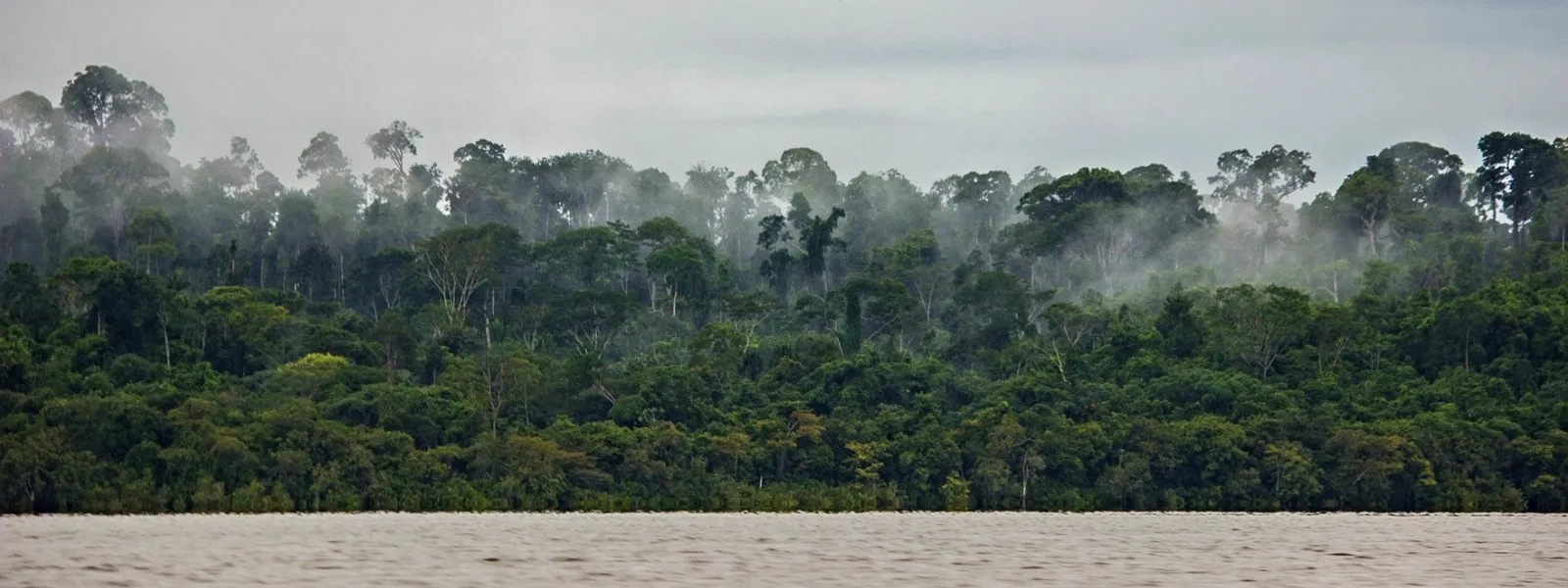
Amazon Watch / Maíra Irigaray
Barragem de Belo Monte no rio Xingu: 10 anos de impactos na Amazônia e de busca por reparações
A usina hidrelétrica de Belo Monte causou um desastre ambiental e social no coração da Amazônia: um dos ecossistemas mais importantes do planeta.
Essa situação só piorou desde que a usina começou a operar em 2016. A busca por justiça e reparação para as comunidades indígenas e ribeirinhas afetadas continua até hoje.
Em 2011, a Comissão Interamericana de Direitos Humanos (CIDH) concedeu a essas comunidades medidas de proteção, que até hoje não foram totalmente implementadas pelo Estado brasileiro.
E, desde junho daquele mesmo ano, a CIDH mantém um processo contra o Estado por sua responsabilidade internacional no caso.
A CIDH pode encaminhar o caso à Corte Interamericana de Direitos Humanos, que tem o poder de emitir uma sentença condenatória contra o Estado brasileiro.
Consulta o expediente de fatos do caso
Após 10 anos de operação da usina hidrelétrica e mais de 15 anos de violações de direitos humanos documentadas, é hora da justiça ser feita para as comunidades afetadas.
Leia a carta aberta das organizações que levam o caso à CIDH
Leia nosso comunicado à imprensa
Contexto
A usina hidrelétrica de Belo Monte — a quarta maior do mundo em capacidade instalada (11.233 MW) — foi construída no rio Xingu, no estado do Pará, norte do Brasil.
Foi inaugurada em 5 de maio de 2016, com uma única turbina. Naquela época, 80% do curso do rio foi desviado e 516 km² de terra foram inundados, uma área maior que a cidade de Chicago. Desse total, 400 km² eram de mata nativa. A usina começou a operar em plena capacidade em novembro de 2019.
Belo Monte foi construída e é operada pelo consórcio Norte Energia S.A., composto principalmente por empresas estatais. Foi financiada pelo Banco Nacional de Desenvolvimento Econômico e Social (BNDES), que aportou ao consórcio 25,4 bilhões de reais (aproximadamente US$ 10,16 bilhões), o maior investimento de sua história. Portanto, o BNDES também é legalmente responsável pelos impactos socioambientais associados ao projeto hidrelétrico.
Décadas de danos ambientais e humanos
As violações dos direitos humanos e a degradação da Amazônia remontam ao início do projeto. Em março de 2011, a Norte Energia iniciou a construção da barragem sem consulta adequada e sem o consentimento prévio, livre e informado das comunidades afetadas.
A construção levou ao deslocamento forçado de mais de 40.000 pessoas, rompendo laços sociais e culturais. O plano de reassentamento em Altamira — cidade diretamente afetada pelo projeto hidrelétrico — incluía moradias na periferia da cidade, sem serviços públicos adequados, moradias dignas para as famílias reassentadas e moradias diferenciadas para aqueles pertencentes a comunidades indígenas.
A operação da barragem de Belo Monte impôs uma seca permanente e artificial na Volta Grande do rio Xingu, agravada pelas secas históricas na Amazônia em 2023 e 2024. Como resultado, a morte de milhões de ovos de peixe foi documentada por quatro anos consecutivos (de 2021 a 2024) e, nos últimos três anos, não houve migração de peixes rio acima para desovar e se reproduzir. Assim, a pesca artesanal, principal fonte de proteína para os povos indígenas e comunidades ribeirinhas, foi severamente afetada: o consumo de peixe caiu de 50% para 30% do total de proteínas consumidas, sendo substituído por alimentos processados. Em suma, houve um colapso ambiental e humanitário que resultou no colapso da pesca como modo de vida tradicional, insegurança alimentar e falta de acesso à água potável para milhares de famílias, empobrecimento e doenças.
Além disso, a construção da barragem aumentou o desmatamento e intensificou a extração ilegal de madeira e a insegurança em terras indígenas e tribais, colocando em risco a sobrevivência dessas comunidades. Outra consequência foi o agravamento da pobreza e dos conflitos sociais, bem como a sobrecarga dos sistemas de saúde, educação e segurança pública em Altamira, cidade considerada a mais violenta do país em 2017, onde houve aumento do tráfico de pessoas e da violência sexual. Também foram registrados casos de violência contra defensores de direitos humanos envolvidos no caso.
Em 2025, durante a 30ª Conferência das Nações Unidas sobre Mudanças Climáticas (COP30), realizada no Brasil, o Ministério Público Federal classificou os danos causados por Belo Monte como ecocídio.
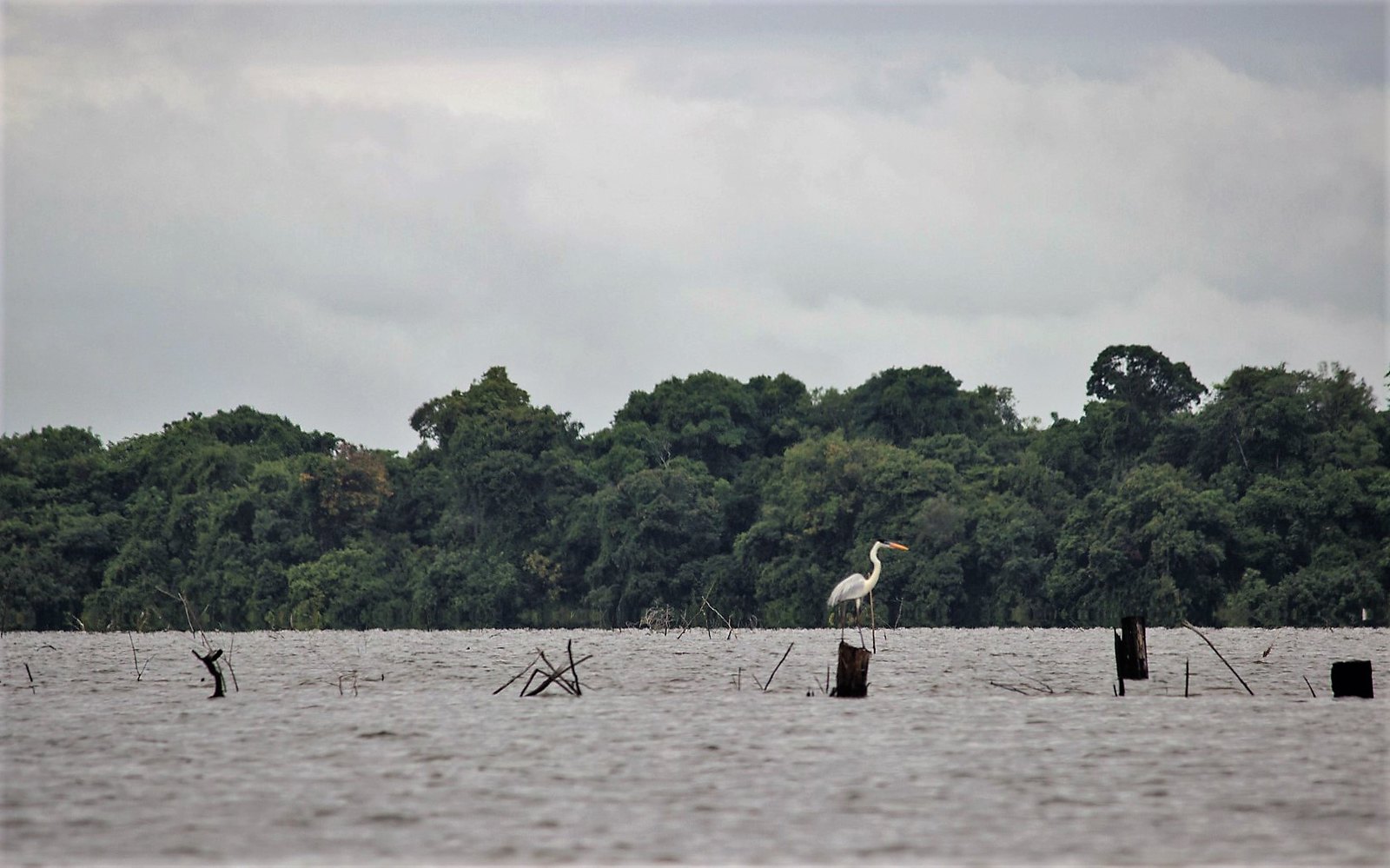
Foto: Amazon Watch / Maíra Irigaray.
A busca por justiça e reparação
Ao longo dos anos, o Ministério Público Federal do Pará, a Defensoria Pública e organizações da sociedade civil impetraram dezenas de ações judiciais em tribunais brasileiros para contestar as diversas irregularidades do projeto, bem como seus impactos. A maioria das ações permanece sem solução, algumas há mais de 10 anos.
Essas ações não obtiveram sucesso porque o governo federal tem reiteradamente anulado decisões favoráveis às comunidades afetadas, recorrendo a um mecanismo pelo qual o presidente do Supremo Tribunal Federal pode suspender uma decisão judicial com base unicamente em argumentos genéricos como "interesse nacional" ou "ordem econômica".
Diante da falta de respostas eficazes em nível nacional, a AIDA — juntamente com uma coalizão de organizações aliadas — levou o caso à Comissão Interamericana de Direitos Humanos (CIDH) e, em 2010, solicitou medidas cautelares para proteger a vida, a integridade e a saúde das comunidades indígenas afetadas.
Em 1º de abril de 2011, a CIDH concedeu essas medidas e solicitou ao Estado brasileiro a suspensão das licenças ambientais e de quaisquer obras de construção até que as condições relativas à consulta prévia e à proteção da saúde e integridade das comunidades fossem atendidas.
E, em 16 de junho de 2011, apresentamos uma denúncia formal à CIDH — juntamente com o Movimento Xingu Vivo Para Siempre, a Coordenação das Organizações Indígenas da Amazônia Brasileira, a Diocese de Altamira, o Conselho Missionário Indígena, a Sociedade Pará de Defesa dos Direitos Humanos e a Global Justice — contra o Estado brasileiro por sua responsabilidade internacional nas violações de direitos humanos contra os povos afetados neste caso. A denúncia foi apresentada em dezembro de 2015.
Em 3 de agosto de 2011, a CIDH modificou as medidas cautelares para solicitar — em vez da suspensão de licenças e obras — a proteção dos povos que vivem em isolamento voluntário, a saúde das comunidades indígenas e a regularização e proteção das terras ancestrais.
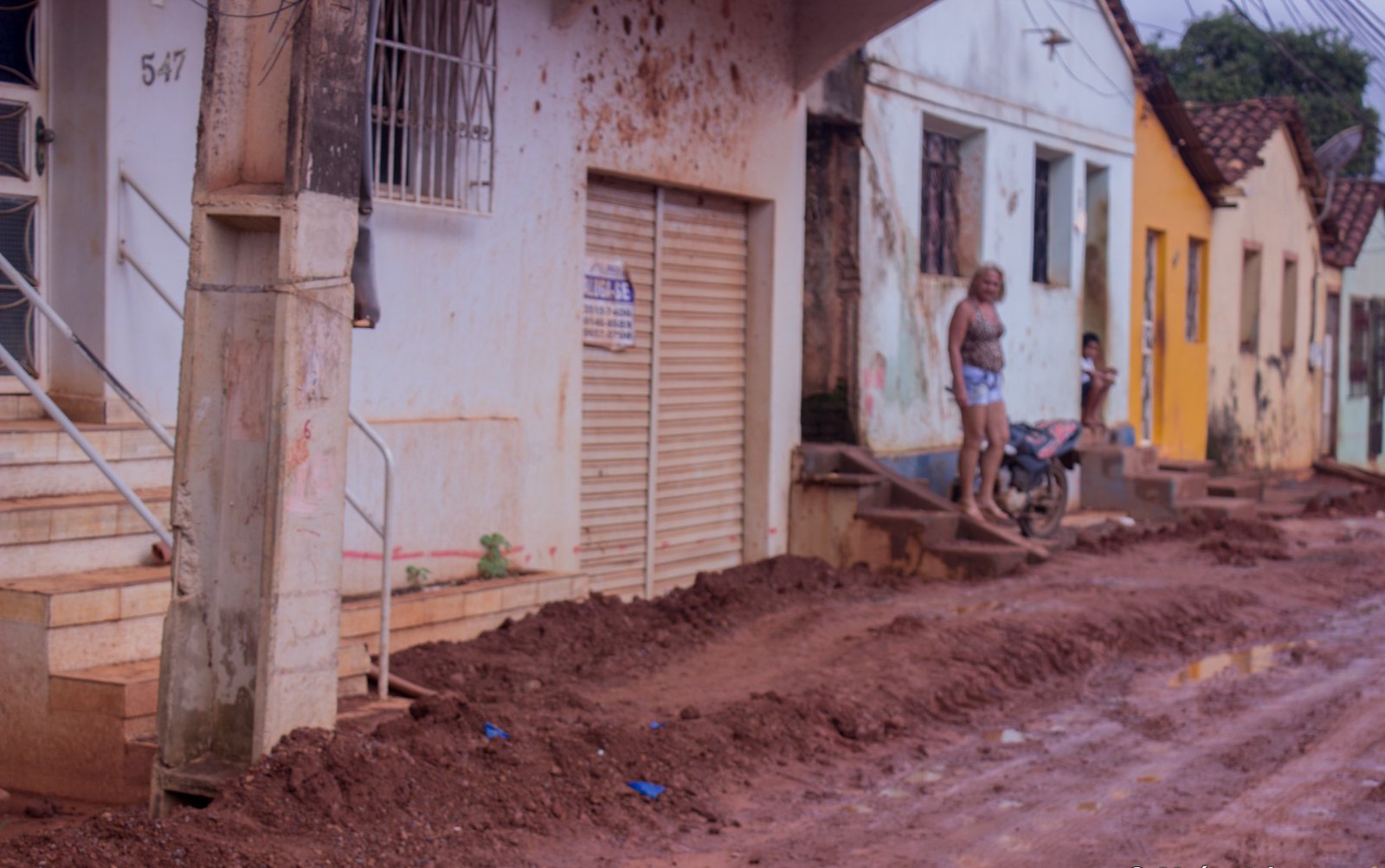
Foto: Amazon Watch / Maíra Irigaray.
Situação atual
As medidas de proteção concedidas pela CIDH permanecem em vigor, mas o Estado brasileiro não as cumpriu integralmente, relatando apenas ações genéricas. As comunidades documentaram as contínuas violações de seus direitos. A situação que motivou o pedido dessas medidas — o risco à vida, à segurança e aos meios de subsistência das comunidades — persiste e se agravou com a usina hidrelétrica operando em plena capacidade e com as recentes secas extremas na Amazônia.
Além do ocorrido em Belo Monte, existe o risco de maiores danos sociais e ambientais decorrentes da implementação de outro megaprojeto de mineração na Volta Grande do Xingu. Lá, a empresa canadense Belo Sun pretende construir a maior mina de ouro a céu aberto do Brasil.
Os impactos sinérgicos e cumulativos da usina e da mina não foram avaliados. O Estado excluiu povos indígenas, comunidades ribeirinhas e comunidades camponesas do processo de licenciamento ambiental do projeto. Apesar disso, dos protestos indígenas e de outras irregularidades em torno do projeto, o governo do estado do Pará autorizou formalmente a mina em abril de 2026.
Belo Monte, assim como outras usinas hidrelétricas, agrava a emergência climática ao gerar emissões de gases de efeito estufa em seu reservatório. Além disso, é ineficiente diante das secas prolongadas e intensas causadas pela crise, pois perde capacidade de geração de energia.
O caso perante a Comissão Interamericana
Em outubro de 2017, a CIDH anunciou que decidiria conjuntamente sobre a admissibilidade (se o caso preenche os requisitos para admissão) e o mérito (se houve, de fato, violação de direitos humanos) da denúncia internacional contra o Estado brasileiro.
Quinze anos após a apresentação da denúncia, as comunidades afetadas e as organizações que as representam ainda aguardam essa decisão. Caso a CIDH conclua que houve violações de direitos humanos e emita recomendações que o Estado brasileiro não cumpra, poderá encaminhar o caso à Corte Interamericana de Direitos Humanos, cujas decisões são vinculativas.
Uma possível decisão da Corte Internacional de Direitos Humanos neste caso estabeleceria um precedente jurídico regional em relação aos direitos dos povos indígenas e ribeirinhos, à participação pública em megaprojetos e à responsabilidade do Estado no contexto da crise climática. Isso é particularmente relevante à luz do Parecer Consultivo nº 32 da Corte, que reafirmou as obrigações dos Estados de proteger pessoas e comunidades em todo o continente da emergência climática.
Partners:
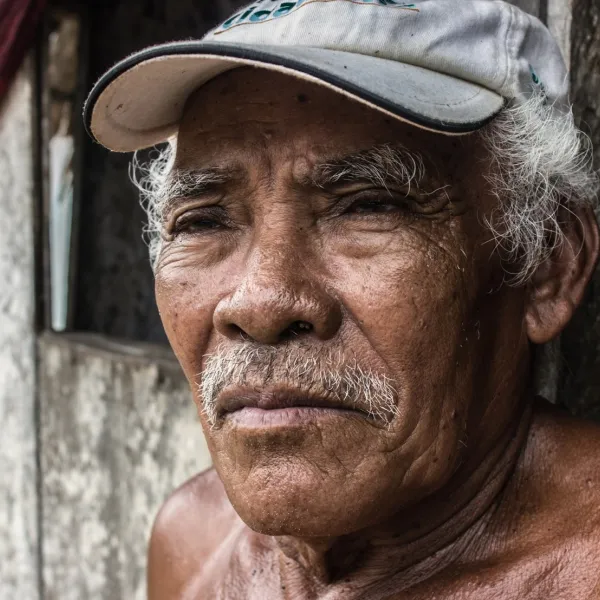
Related projects
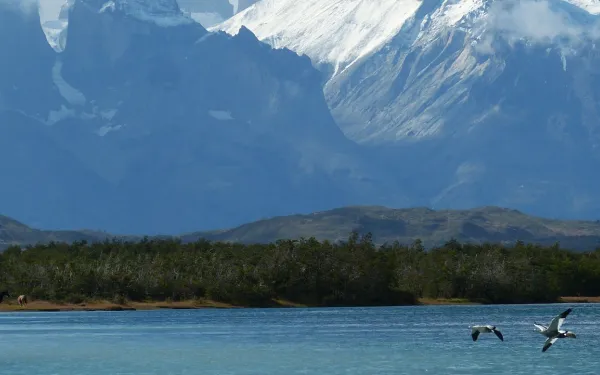
Calling on Chile to protect Patagonia from the risks of the salmon industry
More than half of the salmon farms in Chile’s Magallanes Region are depleting oxygen from sensitive marine waters, suffocating marine life. Civil society organizations filed an administrative complaint and a petition calling on the government to investigate and punish farm operators, and to enforce existing regulations. Santiago, Chile. Civil society organizations filed a complaint today asking the Superintendent of the Environment to investigate damages caused by salmon farms in the Magallanes Region of Southern Patagonia, and to sanction the companies responsible. According to government reports, salmon farms in the area are depleting the water of oxygen, causing a serious threat to marine life. The organizations also launched a citizen’s petition to support the formal complaint. “Salmon farming concessions have been approved in Magallanes without a detailed assessment of the impacts the industry may have on the region,” said Florencia Ortúzar, an attorney with the Interamerican Association for Environmental Defense. “The damages are already occurring: a report by the Comptroller General of the Republic found that, between 2013 and 2015, more than half of the salmon farms in Magallanes created anaerobic conditions, gravely threatening marine life.” Chile is the world’s second largest producer of salmon. The industry, which developed on coasts further north, has now entered the Magallanes region in the southermost tip of the country. The pristine waters there are highly vulnerable to human activity. Magallanes has the largest number of protected natural areas in the country; it shelters such protected species as the blue whale, the sperm whale, the Magellanic penguin, the elephant seal, the leatherback sea turtle, the southern dolphin, and the Chilean dolphin. “Salmon farms are cultivating more fish than the ecosystem can withstand. They are filling sensitive waters with chemicals and antibiotics,” said Francisco Campos-Lopez, director of #RealChile. “Those chemicals, combined with the feces of the animals, cause a dangerous lack of oxygen in the waters, endangering sea life.” NOTE: More information available at aida-americas.org/salmonfarms Press contacts: Florencia Ortúzar, AIDA Attorney, +56 9 7335 3135, [email protected]
Read more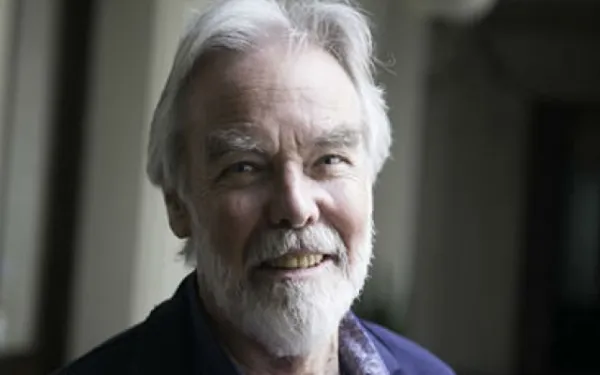
Remembering Robert Moran
It is with great sadness that we share news about the passing of Dr. Robert E. Moran, a distinguished hydrogeologist who was an immense resource in furthering environmental protection globally and a dedicated partner to AIDA. He died May 15 in a car accident while vacationing in Ireland. With over 45 years of experience in water quality monitoring, geochemical, and hydrological work, Dr. Moran was invaluable in the fight for clean water and responsible mining worldwide. His work as an expert on the environmental impacts of mining led him to collaborate with a wide range of actors, from non-governmental organizations and indigenous communities, to private sector and government clients. He was an admirable scientist and a strong defender of environmental rights. Some of Dr. Moran's recent projects in Latin America included: a review of technical issues at the Veladero gold mine in Argentina following a toxic cyanide spill; providing assistance and training to Colombian government officials on coal mine inspection and water quality monitoring; and preparing reports evaluating the environmental impact statements of the Minero Progreso Derivada II project in La Puya, Guatemala. Dr. Moran also conducted reviews of mining operations and their impacts in Peru, Bolivia, Colombia, and Honduras, as well as in Africa, Europe, Central Asia, the Middle East, and the United States. He dedicated his life to helping others understand and better evaluate the true costs of mining activities. Dr. Moran will be sorely missed by many in the environmental movement and people everywhere whom his life touched. We honor and thank him for all of his magnificent work to defend our planet.
Read more
Love for my daughter and the planet
Before I became a mother, I heard the question a thousand times: “Is it a good idea to bring more human beings into the world?” I often asked it myself. Thinking logically, the most obvious answer is no. The news shows us that we live on an overpopulated planet—one with water shortages, species extinction, alarming pollution and environmental degradation. It seems to be getting ever worse. That´s why, while being a mom is always difficult, being an environmentalist as well makes it even more so. Being an environmentalist is like fighting a million-headed monster: when one problem is solved, another 10 pop up. It means learning daily of the perilous situation facing our planet: the threats, the battles lost, the people and species suffering. Faced with such news, it’s impossible to turn a blind eye. Ignorance can no longer be an excuse for our actions. “What kind of world do you want to leave your children?” This is the question I’m faced with now. Yet it seems almost obsolete. It’s more important to think about what kind of world we want our kids to live in right now. To address this, parents like me are faced with an endless array of factors to consider before deciding something as simple as what to feed our children. It’s no longer enough that the food be balanced and nutritious. Now we must know if the food is pesticide-free, non-GMO, made with only natural ingredients… the list is endless. In Mexico, where I live, few children have the privilege of playing in a river or forest, on a beach or mountainside, or simply in the greenery of a park. In addition to keeping them safe from violence and human trafficking, we must also prevent our children from being exposed to high levels of air pollution. So if the world is so bad, why do we keep having children? They say that frogs do not breed unless they know there will be rain because, without rain, they know their offspring will be in danger. In the animal world, countless species regulate their reproduction based on their close relationship with nature. If conditions are not conducive, they do not reproduce. Are we human beings, then, the only species that reproduces at all costs, regardless of environmental threats? Humans are different from other species because of our awareness, and our ability to see beyond basic survival to things like art, love, empathy, and the search for meaning. Helping to make a difference is what brings meaning to my life. As part of the AIDA team, I work alongside professionals who dedicate their lives to saving rivers, defending human rights, protecting forests, supporting environmental defenders, empowering vulnerable communities, and giving a voice to the voiceless. It’s true that the news bombards us daily with worrisome stories about our planet. But it’s what the news rarely reports that shapes my vision of the future. Every day, I see a growing number of people who are prepared, engaged, and working to build a better world. They are mothers, fathers, children, students, teachers, professionals, and volunteers; they come from every imaginable country and culture; and they are willing to do whatever is necessary to help others. Above all, I see a critical mass of people that believe we can. We can change course, generate alternative energies, lessen our footprint; we can rectify wrongdoings, empower the vulnerable, combat xenophobia and greed; we can spend our money more wisely, and find more democratic ways of doing business. I have the privilege of working alongside a diverse group of people who have committed to fighting the good fight, and who won’t let go of the divine connection to the land that has given us life. These are the people who make me think that having children today is not only feasible, but also desirable. Because we can instill our children with generosity, compassion and respect—not just for themselves and the people around them, but also for the trees, the rivers, the animals, and all living things. Still, I often wonder whether we’ll ever get it right. I wonder if my five-year-old daughter will become an adult in a world where fresh water and clean air are seen as basic human rights; or if they will be commodities within reach of only the privileged few. Though I’ve never questioned whether or not my decision to have my daughter was the right one, I do still return to the question of whether or not the world needs more people. And then I look at my daughter’s shining eyes, at her gentle hands, at her dancing legs, at her infectious smile and her tireless curiosity. In her soft embrace, I feel her generosity, her compassion, and her boundless hope. Her laughter is so deep it could wake the flowers in spring; her spirit so generous it can shine love out on all living things; and her potential so huge she just may be the one to help push our planet towards a brighter future. There is no answer, then, but YES. For my daughter, and all children who carry within the potential for a better world, we will continue working to defend our beautiful planet. Join us! AIDA is an international nonprofit organization that uses the law to protect the environment, primarily in Latin America.
Read more