
Project
Amazon Watch / Maíra Irigaray
Barragem de Belo Monte no rio Xingu: 10 anos de impactos na Amazônia e de busca por reparações
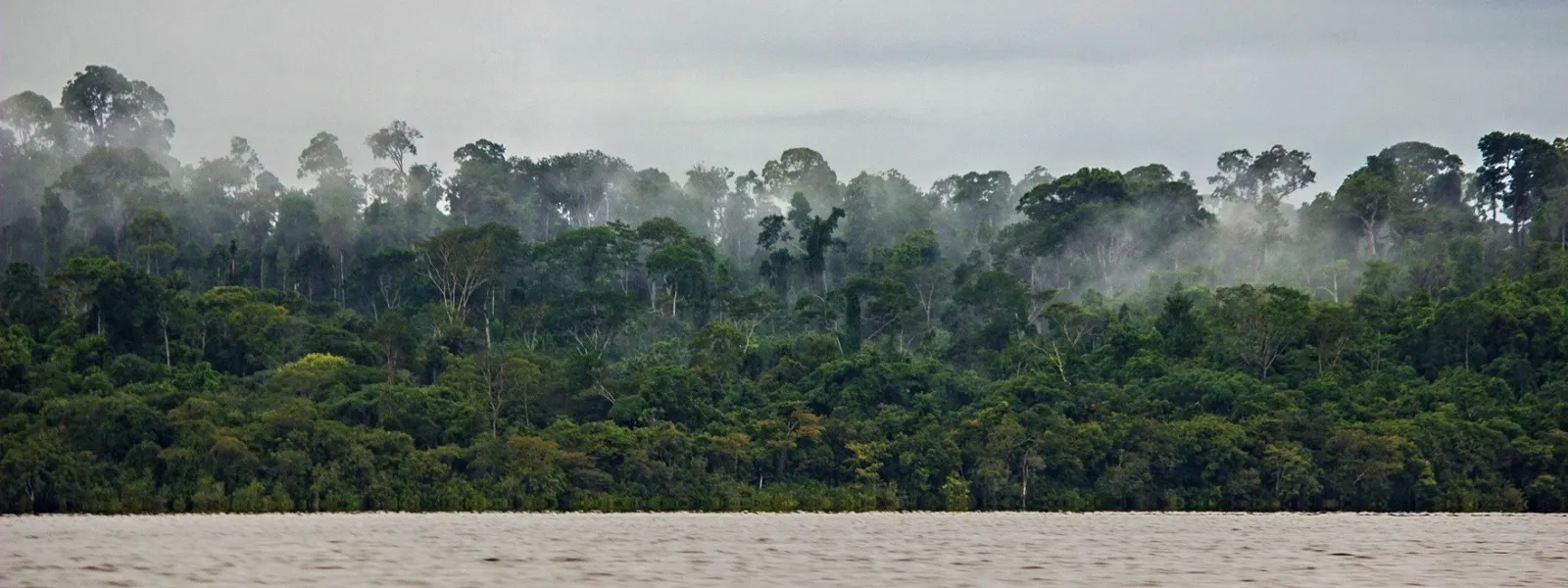
A usina hidrelétrica de Belo Monte causou um desastre ambiental e social no coração da Amazônia: um dos ecossistemas mais importantes do planeta.
Essa situação só piorou desde que a usina começou a operar em 2016. A busca por justiça e reparação para as comunidades indígenas e ribeirinhas afetadas continua até hoje.
Em 2011, a Comissão Interamericana de Direitos Humanos (CIDH) concedeu a essas comunidades medidas de proteção, que até hoje não foram totalmente implementadas pelo Estado brasileiro.
E, desde junho daquele mesmo ano, a CIDH mantém um processo contra o Estado por sua responsabilidade internacional no caso.
A CIDH pode encaminhar o caso à Corte Interamericana de Direitos Humanos, que tem o poder de emitir uma sentença condenatória contra o Estado brasileiro.
Consulta o expediente de fatos do caso
Após 10 anos de operação da usina hidrelétrica e mais de 15 anos de violações de direitos humanos documentadas, é hora da justiça ser feita para as comunidades afetadas.
Leia a carta aberta das organizações que levam o caso à CIDH
Leia nosso comunicado à imprensa
Contexto
A usina hidrelétrica de Belo Monte — a quarta maior do mundo em capacidade instalada (11.233 MW) — foi construída no rio Xingu, no estado do Pará, norte do Brasil.
Foi inaugurada em 5 de maio de 2016, com uma única turbina. Naquela época, 80% do curso do rio foi desviado e 516 km² de terra foram inundados, uma área maior que a cidade de Chicago. Desse total, 400 km² eram de mata nativa. A usina começou a operar em plena capacidade em novembro de 2019.
Belo Monte foi construída e é operada pelo consórcio Norte Energia S.A., composto principalmente por empresas estatais. Foi financiada pelo Banco Nacional de Desenvolvimento Econômico e Social (BNDES), que aportou ao consórcio 25,4 bilhões de reais (aproximadamente US$ 10,16 bilhões), o maior investimento de sua história. Portanto, o BNDES também é legalmente responsável pelos impactos socioambientais associados ao projeto hidrelétrico.
Décadas de danos ambientais e humanos
As violações dos direitos humanos e a degradação da Amazônia remontam ao início do projeto. Em março de 2011, a Norte Energia iniciou a construção da barragem sem consulta adequada e sem o consentimento prévio, livre e informado das comunidades afetadas.
A construção levou ao deslocamento forçado de mais de 40.000 pessoas, rompendo laços sociais e culturais. O plano de reassentamento em Altamira — cidade diretamente afetada pelo projeto hidrelétrico — incluía moradias na periferia da cidade, sem serviços públicos adequados, moradias dignas para as famílias reassentadas e moradias diferenciadas para aqueles pertencentes a comunidades indígenas.
A operação da barragem de Belo Monte impôs uma seca permanente e artificial na Volta Grande do rio Xingu, agravada pelas secas históricas na Amazônia em 2023 e 2024. Como resultado, a morte de milhões de ovos de peixe foi documentada por quatro anos consecutivos (de 2021 a 2024) e, nos últimos três anos, não houve migração de peixes rio acima para desovar e se reproduzir. Assim, a pesca artesanal, principal fonte de proteína para os povos indígenas e comunidades ribeirinhas, foi severamente afetada: o consumo de peixe caiu de 50% para 30% do total de proteínas consumidas, sendo substituído por alimentos processados. Em suma, houve um colapso ambiental e humanitário que resultou no colapso da pesca como modo de vida tradicional, insegurança alimentar e falta de acesso à água potável para milhares de famílias, empobrecimento e doenças.
Além disso, a construção da barragem aumentou o desmatamento e intensificou a extração ilegal de madeira e a insegurança em terras indígenas e tribais, colocando em risco a sobrevivência dessas comunidades. Outra consequência foi o agravamento da pobreza e dos conflitos sociais, bem como a sobrecarga dos sistemas de saúde, educação e segurança pública em Altamira, cidade considerada a mais violenta do país em 2017, onde houve aumento do tráfico de pessoas e da violência sexual. Também foram registrados casos de violência contra defensores de direitos humanos envolvidos no caso.
Em 2025, durante a 30ª Conferência das Nações Unidas sobre Mudanças Climáticas (COP30), realizada no Brasil, o Ministério Público Federal classificou os danos causados por Belo Monte como ecocídio.
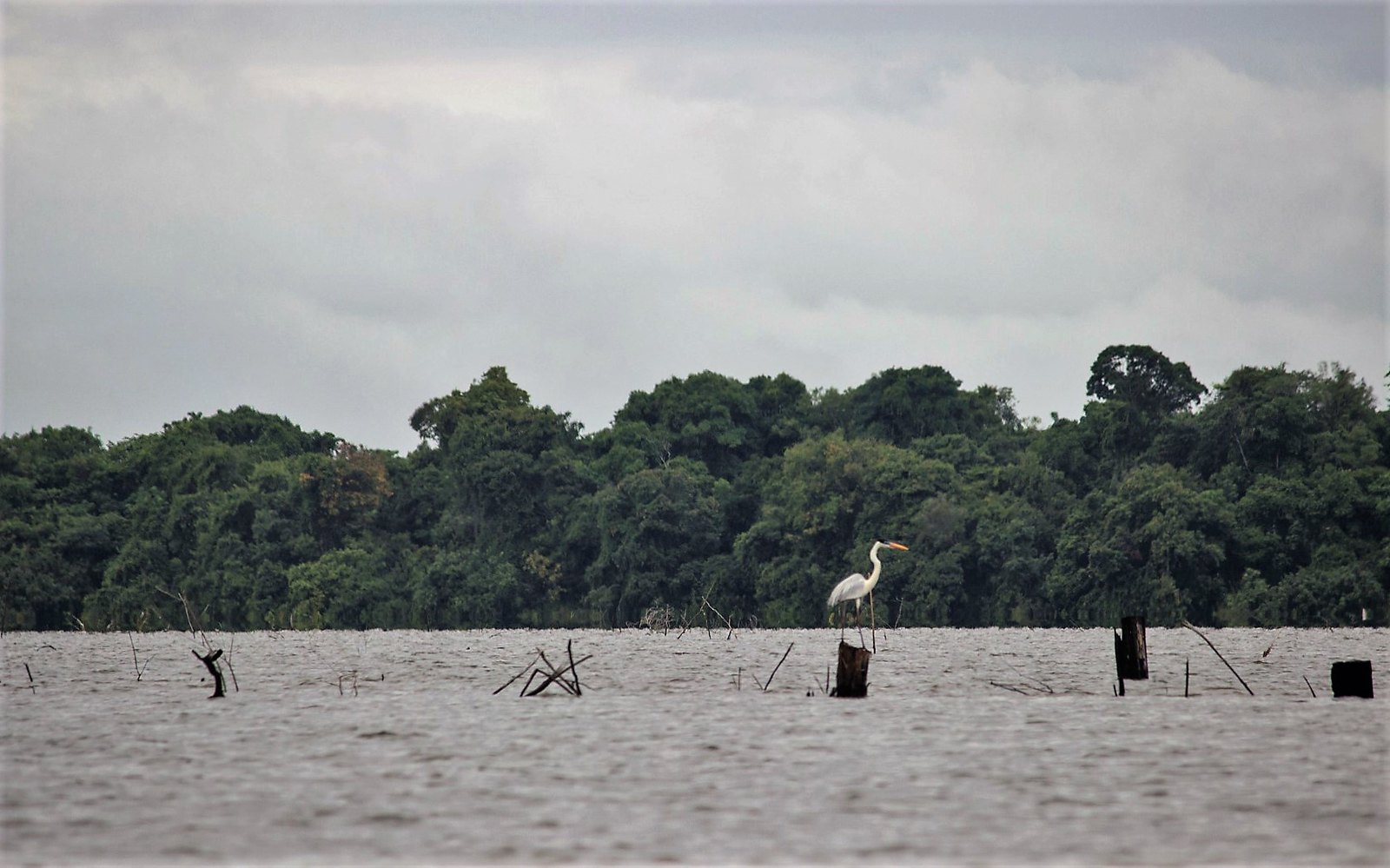
Foto: Amazon Watch / Maíra Irigaray.
A busca por justiça e reparação
Ao longo dos anos, o Ministério Público Federal do Pará, a Defensoria Pública e organizações da sociedade civil impetraram dezenas de ações judiciais em tribunais brasileiros para contestar as diversas irregularidades do projeto, bem como seus impactos. A maioria das ações permanece sem solução, algumas há mais de 10 anos.
Essas ações não obtiveram sucesso porque o governo federal tem reiteradamente anulado decisões favoráveis às comunidades afetadas, recorrendo a um mecanismo pelo qual o presidente do Supremo Tribunal Federal pode suspender uma decisão judicial com base unicamente em argumentos genéricos como "interesse nacional" ou "ordem econômica".
Diante da falta de respostas eficazes em nível nacional, a AIDA — juntamente com uma coalizão de organizações aliadas — levou o caso à Comissão Interamericana de Direitos Humanos (CIDH) e, em 2010, solicitou medidas cautelares para proteger a vida, a integridade e a saúde das comunidades indígenas afetadas.
Em 1º de abril de 2011, a CIDH concedeu essas medidas e solicitou ao Estado brasileiro a suspensão das licenças ambientais e de quaisquer obras de construção até que as condições relativas à consulta prévia e à proteção da saúde e integridade das comunidades fossem atendidas.
E, em 16 de junho de 2011, apresentamos uma denúncia formal à CIDH — juntamente com o Movimento Xingu Vivo Para Siempre, a Coordenação das Organizações Indígenas da Amazônia Brasileira, a Diocese de Altamira, o Conselho Missionário Indígena, a Sociedade Pará de Defesa dos Direitos Humanos e a Global Justice — contra o Estado brasileiro por sua responsabilidade internacional nas violações de direitos humanos contra os povos afetados neste caso. A denúncia foi apresentada em dezembro de 2015.
Em 3 de agosto de 2011, a CIDH modificou as medidas cautelares para solicitar — em vez da suspensão de licenças e obras — a proteção dos povos que vivem em isolamento voluntário, a saúde das comunidades indígenas e a regularização e proteção das terras ancestrais.
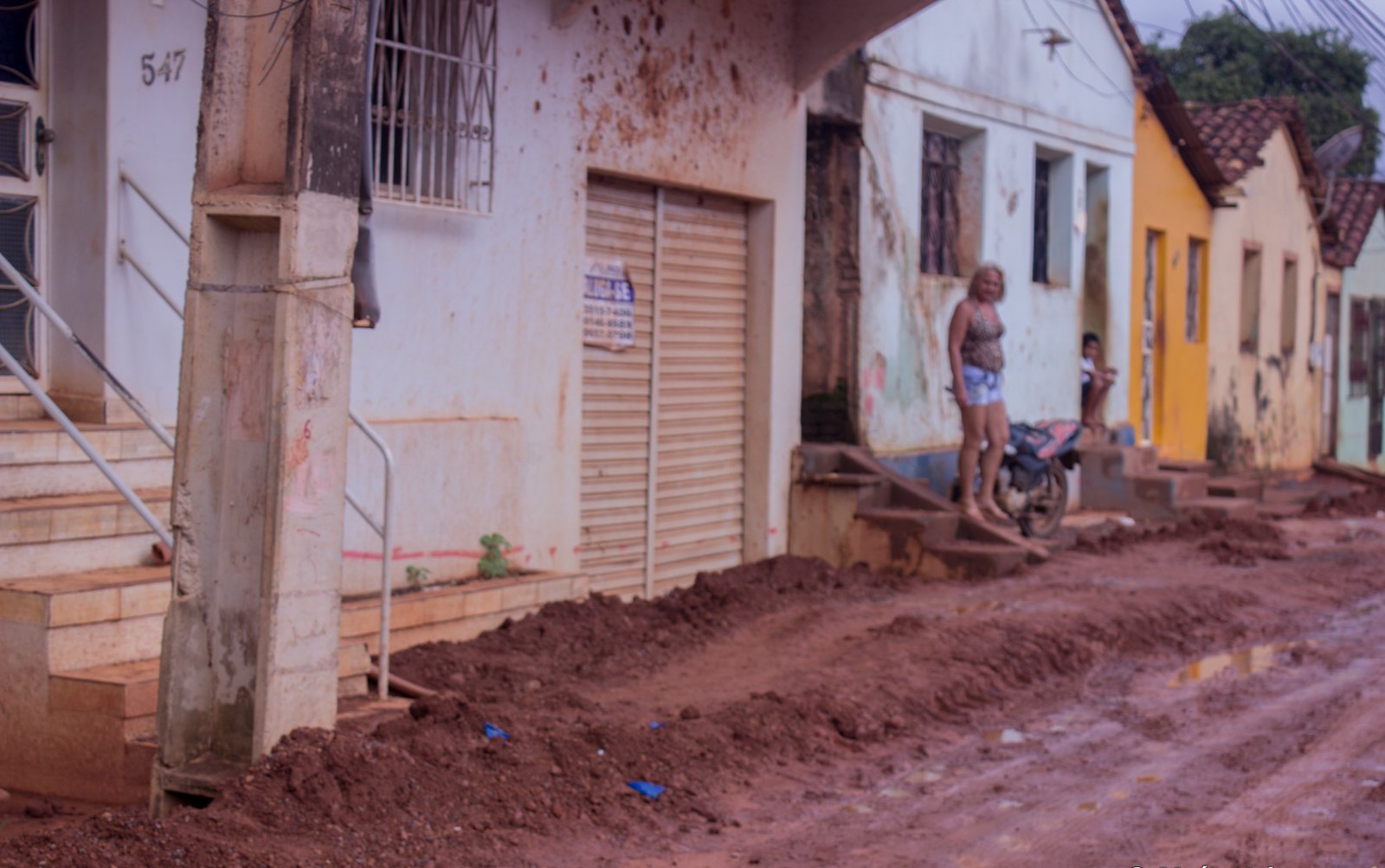
Foto: Amazon Watch / Maíra Irigaray.
Situação atual
As medidas de proteção concedidas pela CIDH permanecem em vigor, mas o Estado brasileiro não as cumpriu integralmente, relatando apenas ações genéricas. As comunidades documentaram as contínuas violações de seus direitos. A situação que motivou o pedido dessas medidas — o risco à vida, à segurança e aos meios de subsistência das comunidades — persiste e se agravou com a usina hidrelétrica operando em plena capacidade e com as recentes secas extremas na Amazônia.
Além do ocorrido em Belo Monte, existe o risco de maiores danos sociais e ambientais decorrentes da implementação de outro megaprojeto de mineração na Volta Grande do Xingu. Lá, a empresa canadense Belo Sun pretende construir a maior mina de ouro a céu aberto do Brasil.
Os impactos sinérgicos e cumulativos da usina e da mina não foram avaliados. O Estado excluiu povos indígenas, comunidades ribeirinhas e comunidades camponesas do processo de licenciamento ambiental do projeto. Apesar disso, dos protestos indígenas e de outras irregularidades em torno do projeto, o governo do estado do Pará autorizou formalmente a mina em abril de 2026.
Belo Monte, assim como outras usinas hidrelétricas, agrava a emergência climática ao gerar emissões de gases de efeito estufa em seu reservatório. Além disso, é ineficiente diante das secas prolongadas e intensas causadas pela crise, pois perde capacidade de geração de energia.
O caso perante a Comissão Interamericana
Em outubro de 2017, a CIDH anunciou que decidiria conjuntamente sobre a admissibilidade (se o caso preenche os requisitos para admissão) e o mérito (se houve, de fato, violação de direitos humanos) da denúncia internacional contra o Estado brasileiro.
Quinze anos após a apresentação da denúncia, as comunidades afetadas e as organizações que as representam ainda aguardam essa decisão. Caso a CIDH conclua que houve violações de direitos humanos e emita recomendações que o Estado brasileiro não cumpra, poderá encaminhar o caso à Corte Interamericana de Direitos Humanos, cujas decisões são vinculativas.
Uma possível decisão da Corte Internacional de Direitos Humanos neste caso estabeleceria um precedente jurídico regional em relação aos direitos dos povos indígenas e ribeirinhos, à participação pública em megaprojetos e à responsabilidade do Estado no contexto da crise climática. Isso é particularmente relevante à luz do Parecer Consultivo nº 32 da Corte, que reafirmou as obrigações dos Estados de proteger pessoas e comunidades em todo o continente da emergência climática.
Partners:
Related projects
Important progress made towards ocean treaty
States meeting at the United Nations in New York took an important step towards launching negotiations for a new treaty to protect the biodiversity of the high seas (areas beyond the national jurisdiction). Making up two thirds of the global ocean, marine life in the high seas is not effectively protected. A new treaty will rectify this, putting in place measures to protect the rich and globally significant biodiversity and ecosystem services of the high seas and to govern activities undertaken there sustainably. Although the wording of the recommendation did not reflect the very strong support for rapid UN action towards a treaty, it will enable the General Assembly to convene an Intergovernmental Conference. The 35 member organisations of the High Seas Alliance which have campaigned for this treaty were pleased with the recommendation to move forwards. Peggy Kalas of the High Seas Alliance said: “This is a significant step for the high seas and humanity since we are all dependent on the ocean for a healthy planet. A new treaty will bring law and governance to this most neglected and besieged part of our world and we are closer to that goal now. We are profoundly thankful to the many, many states who have worked so hard to achieve this; their determination to protect the global commons for all humankind has been inspiring.” The decision of the Preparatory Committee will now go the UN General Assembly. The overwhelming majority of states are pushing for the next step to be an Intergovernmental Conference (IGC) convened in 2018. An IGC would mean formal negotiations on the text of a new treaty would commence. "Today marks a significant step forward for the world’s ocean," said Lisa Speer, Director of international Oceans at the Natural Resources Defense Council. Sylvia Earle said: “The nations of the world took important steps towards a treaty today. The high seas are half of the world and need the rule of law. To those who have worked so hard at the UN and in support of this moment, we extend an ocean of gratitude and carry forward optimism for a high seas treaty.” Veronica Frank of Greenpeace said: “Although we hoped to see a starting date included for the negotiating conference, it was good to see such overwhelming support for moving the process forward and so many people around the world speaking up for ocean protection. It is now for the UN General Assembly to make that step forward for the ocean and for all the people that depend on it. Anything less would fall short of what is our blue planet needs to recover." Gladys Martínez, an attorney with the Interamerican Association for Environmental Defense, said: “We applaud the commitment of so many delegates to protect nearly half of our planet. We are both proud and grateful for the work of Latin American nations in this regard.” Maria Damanaki of the Nature Conservancy said: “This is a demonstration of global collaboration, and a step towards protecting half of our planet, which today is an unregulated no man's land. We join our partners in the High Seas Alliance in commending the states and organisations that have worked effortlessly to make this happen." “This represents a major step in a long journey driven by a large number of committed states. We need to continue this momentum through to the General Assembly to deliver a resolution for an Intergovernmental Conference” added Tim Packeiser of WWF. In June all States signed on to a global call to action for the ocean, of which the high seas is a major part.
Read more
Letter to Argentine legislators on dams in Patagonia
In a letter sent to the Argentine Congress, civil society organizations expressed their concerns about the construction of large dams in Patagonia. The letter outlines recent scientific studies on the impacts of large dams on the environment, the economy, and local communities, and includes information on existing clean energy alternatives. We write out of deep concern for the crossroads facing the Argentine people: protect the immeasurable ecological heritage of Patagonia, or jeopardize Chinese funding for a significant number of infrastructure and energy projects. We understand that this is not a minor issue, and we hope that the Argentine Congress will make use of the Public Hearing on July 20, not only to evaluate in depth the Kirchner-Cepernic Hydroelectric Complex (KCHC), but also to open up a fundamental conversation for Argentina and all of Latin America: on the development of a truly clean, sovereign, and efficient energy model. We take this opportunity to share information on the negative impacts large dams have on the environment and economies of nations, as well as on affected communities; and on existing alternatives that can provide cheaper and more efficient energy. Argentina must not consider itself obliged to alter one of the last pristine areas on the planet, home of the last glacial river that runs freely from mountain peaks to the ocean. There are currently many energy options that are better than hydroelectric dams. Argentina has the opportunity to be a pioneer in the development and implementation of these renewable energy technologies. Worldwide clean energy trends demonstrate this: in 2015, the world added 63 GW of wind energy and 47 GW of solar energy, compared to just 22 GW of energy from large hydropower plants. In some parts of the world, large dams are being dismantled in recognition that their costs outweigh their benefits; and in others, private companies are discarding large dam projects because they are no longer viable or profitable. Furthermore, the United States of America has decided, as a national policy, to oppose any loan, donation, strategy, or policy to support the construction of any large hydroelectric dam. Wind and solar energy are now economically competitive, faster to build and operate, and less vulnerable to a changing climate. In addition, the falling prices of battery storage, accompanied by innovations in smart grid technology, offers ways to resolve the problem of intermittent renewables without the need to construct new large dams. Large hydropower dams are an obsolete technology. They are highly vulnerable to climate change (they can be paralyzed by droughts and may become dangerous in extreme weather events); worsen climate change by destroying carbon sinks and emitting gases from their reservoirs; harm biodiversity and local communities; cost a fortune; and take too long to become operational. Furthermore, the continued promotion of large dams by construction companies—as in the current case linked to Chinese funding—delays the implementation of available and necessary solutions towards the energy transition that our planet needs.
Read more
Shark conservation is at risk in Costa Rica
In Costa Rica, it’s now up to the government to decide the future of endangered hammerhead sharks. If the government halted the export of all hammerhead shark products in the next year, it could stave off extinction of these amazing creatures. That’s the recommendation of Costa Rica’s Scientific Advisory Council for the Convention on International Trade in Endangered Species of Wild Fauna and Flora. The Convention is an international agreement to prevent trade from threatening the survival of wild animals and plants. Of the nearly 100 species of sharks and rays in Costa Rica, 15% are in danger of extinction due to overfishing and environmental destruction or degradation. Hammerhead sharks were listed as an endangered species in 2014 and have lost up to 90% of their population. In response, the Scientific Advisory Council recommended in April 2017 that Costa Rica should prohibit export of hammerhead products for at least one year, or until the country reduces hammerhead fishing and the health of the species improves. The role of the fishing industry Shortly after the Scientific Advisory Council made its recommendation, the Costa Rican government issued an executive decree. The Costa Rican Institute of Fishing and Aquaculture (Incopesca) and the Ministry of Agriculture and Livestock were given authority over the export of products made from threatened or endangered sharks. However, both government agencies favor the fishing industry over marine conservation, according to Mario Espinoza Mendieta, researcher from the University of Costa Rica and member of the Convention’s scientific council. “This dynamic tips the balance in favor of the production sector,” Espinoza said. Incopesca’s Board of Directors represent various fishing interests across the country—a position that does not always align with the protection and sustainable use of marine resources, according to Espinoza. Recently, Incopesca was questioned because it failed to prosecute shrimping boats that were illegally fishing in protected waters. Shark commerce While exporting shark products is permitted within the regulations established by the Convention, shark finning—the practice of cutting fins and throwing the shark back into the ocean—is illegal in Costa Rica. Considered a delicacy in some Asian countries, shark fins are often valued at upwards of $100 per kilo. Last February, a Costa Rican court issued the first felony criminal sentence for shark finning against a Taiwanese businesswoman who was found in a port with illegally harvested shark fins. Using international law, AIDA and Conservation International worked with Costa Rica’s Public Prosecutor to help resolve the case. A responsible decision The governments of Colombia and Ecuador have developed campaigns to protect hammerhead sharks. But in Costa Rica, Incopesca is responsible for the future of the species and will hopefully take the Scientific Advisory Council’s recommendations into account. Because the hammerhead’s numbers are so low, it may only take one bad decision to cause their extinction. Other species, including the gray shark, are also at risk from the fishing industry. If Costa Rica wants to preserve its natural wealth for the future, it should set an example of preservation by putting principles of sustainability over economic gain.
Read more