
Project
Amazon Watch / Maíra Irigaray
Barragem de Belo Monte no rio Xingu: 10 anos de impactos na Amazônia e de busca por reparações
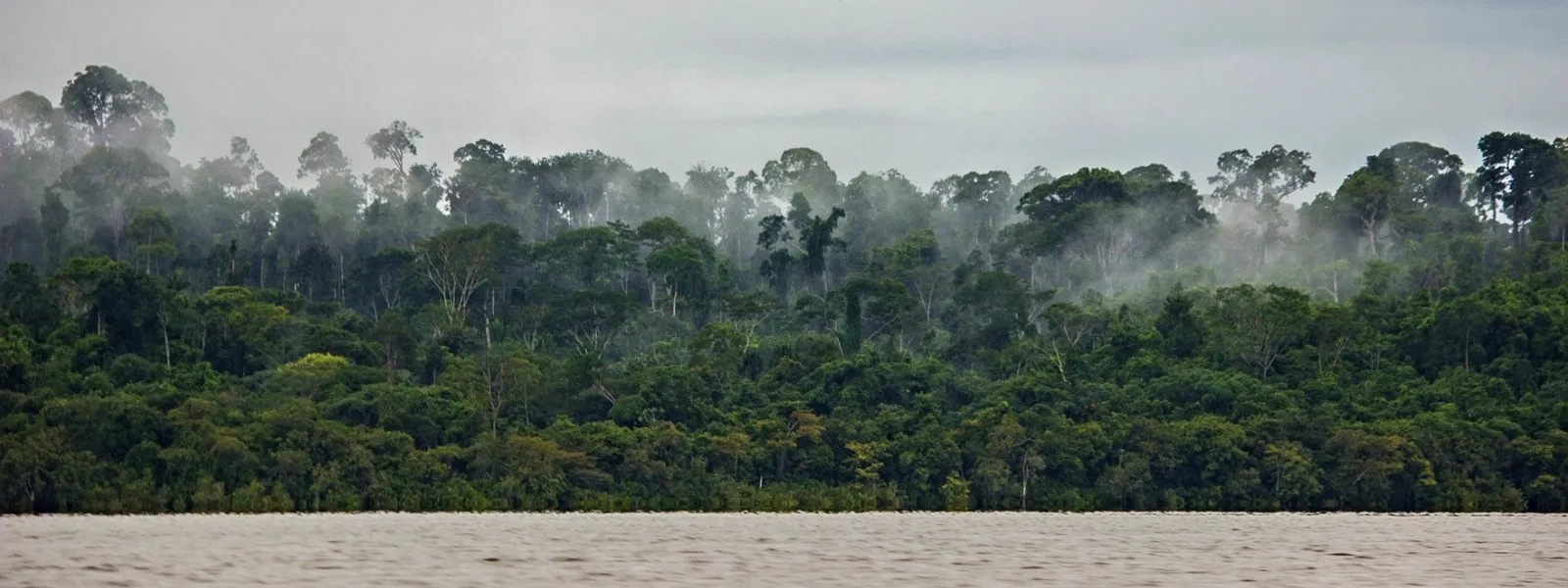
A usina hidrelétrica de Belo Monte causou um desastre ambiental e social no coração da Amazônia: um dos ecossistemas mais importantes do planeta.
Essa situação só piorou desde que a usina começou a operar em 2016. A busca por justiça e reparação para as comunidades indígenas e ribeirinhas afetadas continua até hoje.
Em 2011, a Comissão Interamericana de Direitos Humanos (CIDH) concedeu a essas comunidades medidas de proteção, que até hoje não foram totalmente implementadas pelo Estado brasileiro.
E, desde junho daquele mesmo ano, a CIDH mantém um processo contra o Estado por sua responsabilidade internacional no caso.
A CIDH pode encaminhar o caso à Corte Interamericana de Direitos Humanos, que tem o poder de emitir uma sentença condenatória contra o Estado brasileiro.
Consulta o expediente de fatos do caso
Após 10 anos de operação da usina hidrelétrica e mais de 15 anos de violações de direitos humanos documentadas, é hora da justiça ser feita para as comunidades afetadas.
Leia a carta aberta das organizações que levam o caso à CIDH
Leia nosso comunicado à imprensa
Contexto
A usina hidrelétrica de Belo Monte — a quarta maior do mundo em capacidade instalada (11.233 MW) — foi construída no rio Xingu, no estado do Pará, norte do Brasil.
Foi inaugurada em 5 de maio de 2016, com uma única turbina. Naquela época, 80% do curso do rio foi desviado e 516 km² de terra foram inundados, uma área maior que a cidade de Chicago. Desse total, 400 km² eram de mata nativa. A usina começou a operar em plena capacidade em novembro de 2019.
Belo Monte foi construída e é operada pelo consórcio Norte Energia S.A., composto principalmente por empresas estatais. Foi financiada pelo Banco Nacional de Desenvolvimento Econômico e Social (BNDES), que aportou ao consórcio 25,4 bilhões de reais (aproximadamente US$ 10,16 bilhões), o maior investimento de sua história. Portanto, o BNDES também é legalmente responsável pelos impactos socioambientais associados ao projeto hidrelétrico.
Décadas de danos ambientais e humanos
As violações dos direitos humanos e a degradação da Amazônia remontam ao início do projeto. Em março de 2011, a Norte Energia iniciou a construção da barragem sem consulta adequada e sem o consentimento prévio, livre e informado das comunidades afetadas.
A construção levou ao deslocamento forçado de mais de 40.000 pessoas, rompendo laços sociais e culturais. O plano de reassentamento em Altamira — cidade diretamente afetada pelo projeto hidrelétrico — incluía moradias na periferia da cidade, sem serviços públicos adequados, moradias dignas para as famílias reassentadas e moradias diferenciadas para aqueles pertencentes a comunidades indígenas.
A operação da barragem de Belo Monte impôs uma seca permanente e artificial na Volta Grande do rio Xingu, agravada pelas secas históricas na Amazônia em 2023 e 2024. Como resultado, a morte de milhões de ovos de peixe foi documentada por quatro anos consecutivos (de 2021 a 2024) e, nos últimos três anos, não houve migração de peixes rio acima para desovar e se reproduzir. Assim, a pesca artesanal, principal fonte de proteína para os povos indígenas e comunidades ribeirinhas, foi severamente afetada: o consumo de peixe caiu de 50% para 30% do total de proteínas consumidas, sendo substituído por alimentos processados. Em suma, houve um colapso ambiental e humanitário que resultou no colapso da pesca como modo de vida tradicional, insegurança alimentar e falta de acesso à água potável para milhares de famílias, empobrecimento e doenças.
Além disso, a construção da barragem aumentou o desmatamento e intensificou a extração ilegal de madeira e a insegurança em terras indígenas e tribais, colocando em risco a sobrevivência dessas comunidades. Outra consequência foi o agravamento da pobreza e dos conflitos sociais, bem como a sobrecarga dos sistemas de saúde, educação e segurança pública em Altamira, cidade considerada a mais violenta do país em 2017, onde houve aumento do tráfico de pessoas e da violência sexual. Também foram registrados casos de violência contra defensores de direitos humanos envolvidos no caso.
Em 2025, durante a 30ª Conferência das Nações Unidas sobre Mudanças Climáticas (COP30), realizada no Brasil, o Ministério Público Federal classificou os danos causados por Belo Monte como ecocídio.
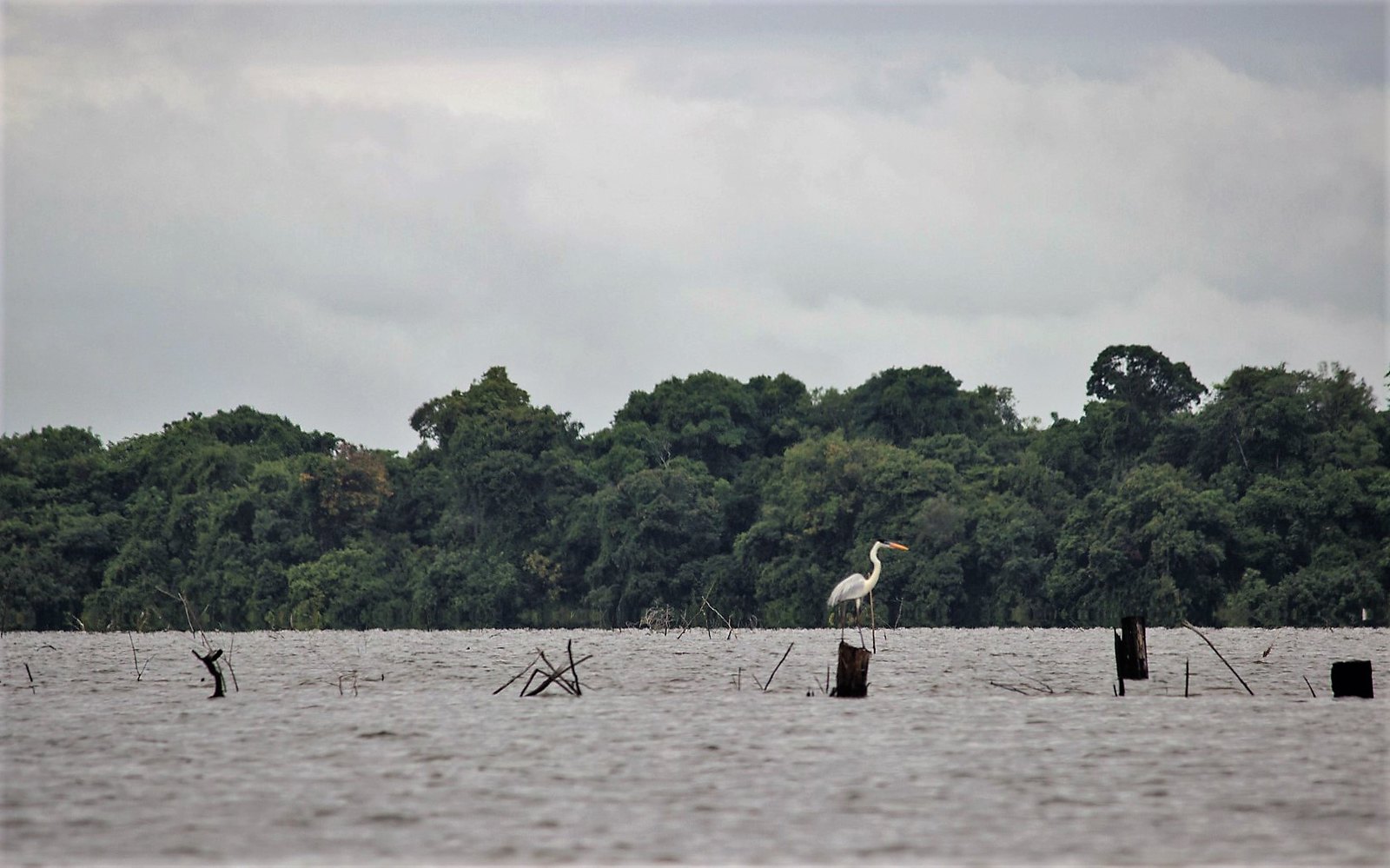
Foto: Amazon Watch / Maíra Irigaray.
A busca por justiça e reparação
Ao longo dos anos, o Ministério Público Federal do Pará, a Defensoria Pública e organizações da sociedade civil impetraram dezenas de ações judiciais em tribunais brasileiros para contestar as diversas irregularidades do projeto, bem como seus impactos. A maioria das ações permanece sem solução, algumas há mais de 10 anos.
Essas ações não obtiveram sucesso porque o governo federal tem reiteradamente anulado decisões favoráveis às comunidades afetadas, recorrendo a um mecanismo pelo qual o presidente do Supremo Tribunal Federal pode suspender uma decisão judicial com base unicamente em argumentos genéricos como "interesse nacional" ou "ordem econômica".
Diante da falta de respostas eficazes em nível nacional, a AIDA — juntamente com uma coalizão de organizações aliadas — levou o caso à Comissão Interamericana de Direitos Humanos (CIDH) e, em 2010, solicitou medidas cautelares para proteger a vida, a integridade e a saúde das comunidades indígenas afetadas.
Em 1º de abril de 2011, a CIDH concedeu essas medidas e solicitou ao Estado brasileiro a suspensão das licenças ambientais e de quaisquer obras de construção até que as condições relativas à consulta prévia e à proteção da saúde e integridade das comunidades fossem atendidas.
E, em 16 de junho de 2011, apresentamos uma denúncia formal à CIDH — juntamente com o Movimento Xingu Vivo Para Siempre, a Coordenação das Organizações Indígenas da Amazônia Brasileira, a Diocese de Altamira, o Conselho Missionário Indígena, a Sociedade Pará de Defesa dos Direitos Humanos e a Global Justice — contra o Estado brasileiro por sua responsabilidade internacional nas violações de direitos humanos contra os povos afetados neste caso. A denúncia foi apresentada em dezembro de 2015.
Em 3 de agosto de 2011, a CIDH modificou as medidas cautelares para solicitar — em vez da suspensão de licenças e obras — a proteção dos povos que vivem em isolamento voluntário, a saúde das comunidades indígenas e a regularização e proteção das terras ancestrais.
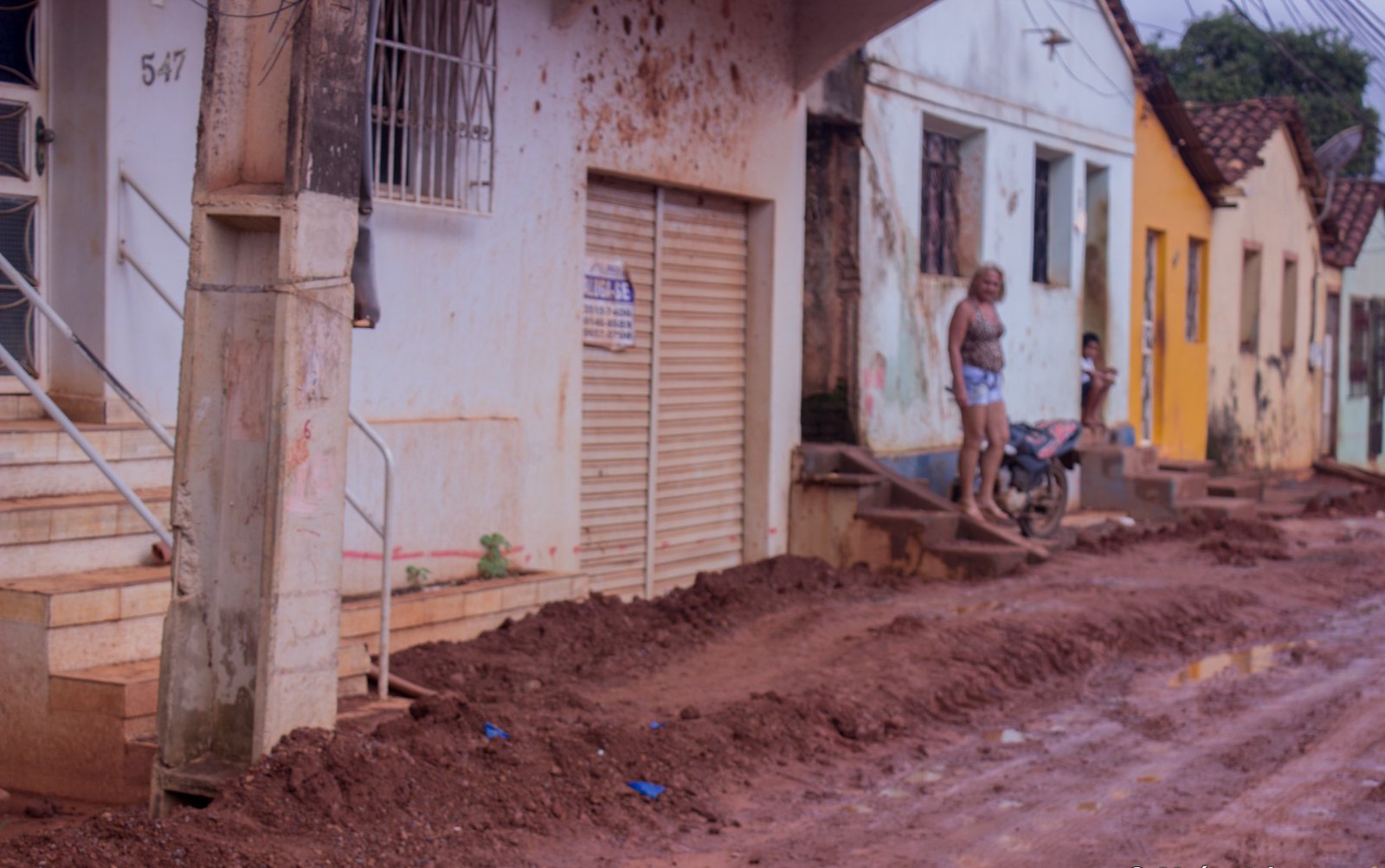
Foto: Amazon Watch / Maíra Irigaray.
Situação atual
As medidas de proteção concedidas pela CIDH permanecem em vigor, mas o Estado brasileiro não as cumpriu integralmente, relatando apenas ações genéricas. As comunidades documentaram as contínuas violações de seus direitos. A situação que motivou o pedido dessas medidas — o risco à vida, à segurança e aos meios de subsistência das comunidades — persiste e se agravou com a usina hidrelétrica operando em plena capacidade e com as recentes secas extremas na Amazônia.
Além do ocorrido em Belo Monte, existe o risco de maiores danos sociais e ambientais decorrentes da implementação de outro megaprojeto de mineração na Volta Grande do Xingu. Lá, a empresa canadense Belo Sun pretende construir a maior mina de ouro a céu aberto do Brasil.
Os impactos sinérgicos e cumulativos da usina e da mina não foram avaliados. O Estado excluiu povos indígenas, comunidades ribeirinhas e comunidades camponesas do processo de licenciamento ambiental do projeto. Apesar disso, dos protestos indígenas e de outras irregularidades em torno do projeto, o governo do estado do Pará autorizou formalmente a mina em abril de 2026.
Belo Monte, assim como outras usinas hidrelétricas, agrava a emergência climática ao gerar emissões de gases de efeito estufa em seu reservatório. Além disso, é ineficiente diante das secas prolongadas e intensas causadas pela crise, pois perde capacidade de geração de energia.
O caso perante a Comissão Interamericana
Em outubro de 2017, a CIDH anunciou que decidiria conjuntamente sobre a admissibilidade (se o caso preenche os requisitos para admissão) e o mérito (se houve, de fato, violação de direitos humanos) da denúncia internacional contra o Estado brasileiro.
Quinze anos após a apresentação da denúncia, as comunidades afetadas e as organizações que as representam ainda aguardam essa decisão. Caso a CIDH conclua que houve violações de direitos humanos e emita recomendações que o Estado brasileiro não cumpra, poderá encaminhar o caso à Corte Interamericana de Direitos Humanos, cujas decisões são vinculativas.
Uma possível decisão da Corte Internacional de Direitos Humanos neste caso estabeleceria um precedente jurídico regional em relação aos direitos dos povos indígenas e ribeirinhos, à participação pública em megaprojetos e à responsabilidade do Estado no contexto da crise climática. Isso é particularmente relevante à luz do Parecer Consultivo nº 32 da Corte, que reafirmou as obrigações dos Estados de proteger pessoas e comunidades em todo o continente da emergência climática.
Partners:
Related projects

Chilean chum: How eating salmon in the US hurts Patagonia’s coastal wildlife
After two years of vegetarianism, the Texan in me decided that an entirely plant-based diet was not going to work. The experience, however, taught me to consume meat ethically. Wherever possible, I now choose organic and sustainable “farm to table” meat and poultry. But when it comes to my favorite seafood—salmon— “farm to table” can take on a whole new meaning. Salmon is one of the most popular seafoods in the United States, and over a third of all salmon in the U.S. comes from Chilean salmon farms, which raise the carnivorous fish in off-shore enclosures along the Patagonian coast. Although salmon is healthy—it’s loaded with omega-3 fatty acids and B-vitamins—increased U.S. demand for salmon is having an unhealthy impact on Chile’s environment. These farms endanger delicate coastal ecosystems, contribute to oceanic pollution, and threaten marine life along the pristine Magallanes shoreline. Chile is the second largest global exporter of the fish, and salmon farming is one of the country’s largest industries. Today, that industry is growing. There are already over 100 salmon farms operating in the Magallanes and, as of March 2017, plans for 342 more were in the works. Driving this expansion is a booming worldwide salmon market. But even though the U.S. boasts a salmon industry of its own and wild-caught Alaskan salmon is considered some of the best in the world, U.S. consumers ate over 144,000 tons of farmed Chilean salmon in 2016, according to the National Oceanic and Atmospheric Administration. A fishy situation While fish farms are one solution to the many problems associated with overfishing, Chile’s unregulated salmon industry has serious environmental side-effects. These salmon farms disrupt their environments because overpopulated waterways create anaerobic conditions that deprive the local wildlife of oxygen. Often treated with excessive amounts antibiotics and pesticides, uneaten salmon feed and salmon feces also pollute coastal seafloors and introduce chemicals into the environment. Because they are not native to the southern hemisphere, salmon that escape their pens can disrupt local food chains. Salmon also frequently die in their enclosures, and the decomposing fish raise levels of ammonia in the water. Although research is still underway, scientists speculate that higher concentrations of ammonia, along with El Niño weather patterns and warming oceans caused by climate change, may be responsible for Chile’s recent “red tides.” These toxic red algae blooms kill coastal wildlife by the millions, inundating Chilean shores with dead fish (including salmon), birds, and whales. To fight back against this destructive industry and the harmful impacts of globalized seafood trade, AIDA filed a claim with the Chilean government expressing concern that salmon farms are harming local ecosystems. “We want to improve the way things are being done by aiming for sustainable development that will not ruin the fragile ecological balance of the Patagonian seas,” AIDA attorney Florencia Ortúzar said. AIDA also recently began a petition asking that Chile investigate the damage caused by salmon farming in the Magallanes and sanction those responsible. You can sign the petition here. New migration routes Today, the U.S. salmon industry practices catch and release: it is known for producing high quality fish, yet 80 percent of Alaskan wild salmon is traded away. So why does the U.S. produce some of the world’s best salmon, but consume some of the world’s most environmentally harmful fish? The answer, in short, is globalization. Filleting and de-boning salmon is a process too delicate to mechanize as in other meat industries. Because labor is cheaper in Asia, U.S. salmon is shipped to processing plants in China, which then re-distribute the processed fish across the region. While some of that salmon makes it back across the Pacific, the U.S. market is flooded with cheaper farmed salmon from around the world. Now, Chile’s industry “is facing competition from Canada and Norway,” according to trade analysis group Datamyne. After expressing concerns over high levels of antibiotics in Chilean fish, U.S. retail giant Costco decided in 2015 to stock Norwegian salmon instead, further muddying the waters in the U.S. salmon trade. To make matters worse, a study by conservation nonprofit Oceana concluded that nearly 43% of “wild” salmon sold in the United States was misidentified. While it is difficult to tell whether farmed salmon is mislabeled as “wild” during trade or once it shows up on the menu, lax labeling laws in the U.S. make it difficult to tell exactly where that salmon steak came from. So for seafood lovers like me, there may be few good options for eating salmon sustainably, besides taking up fly fishing. But for the sake of protecting Chile’s coastal wildlife, maybe it’s time U.S. consumers make their voice heard. If we’re going to import salmon from Chile, we should at least demand the country regulate its farms to be more environmentally friendly. Maybe it’s also time the U.S. salmon industry started keeping its catch in its own boat. Sign the petition to protect Patagonia’s Magallanes coastline here.
Read more
Ramsar Secretariat advises Colombia to add Ciénaga Grande to list of world’s most threatened wetlands
Experts at the Ramsar Convention, an international treaty for the protection of wetlands, identified “significant changes” due to human interference in the ecological characteristics of the area. They recommended, among other things, that Colombia enroll the wetlands in the Montreux Record, a register of seriously threatened wetlands requiring immediate attention. Bogotá, Colombia—Following a visit to the Ciénaga Grande de Santa Marta wetlands in August of last year, a mission of international experts from the Ramsar Convention, an inter-governmental treaty for wetland protection, released a report recommending that the Colombian government include the area in the Montreux Record—a register of gravely threatened wetlands requiring immediate attention. “Given the significant changes in the ecological characteristics of the Ciénaga Grande wetlands, we recommend including it in the Montreux Record,” said the report issued last week. These changes “require urgent action by the government of Colombia to maintain and restore the area’s ecological character, and to protect it in accordance with the objectives of the Convention,” the report said. Among changes mentioned in the report are overexploitation and contamination of the wetlands’ waters, diminished fresh water due to increased sedimentation and obstruction of waterways, “huge loss” of mangrove forests caused by road and infrastructure projects that block water flow, and declining fish populations. “Including Ciénaga Grande in the Montreux Record would allow the Ramsar Wetland Conservation Fund to provide economic assistance through grants. It would also allow Ramsar scientists to provide expert advice and recommendations on best practices for the recovery and conservation of the ecosystem,” explained Juan Pablo Sarmiento Erazo, a researcher from the Universidad del Norte. In addition, the Ramsar report recommends two other solutions to the wetlands’ rapidly degrading condition: performing effective dredging based on new plans for water management and strengthening coordination among institutions that manage the site. “The key is that the Colombian government should follow the Ramsar recommendations to the letter, implement improvements as soon as possible, and make necessary changes in the site’s management,” said Gladys Martínez, an attorney with AIDA. “The Montreux Record is far from being a blacklist. It’s an opportunity for governments to demonstrate responsible management of natural resources that demand urgent attention.” Ramsar experts visited the site from Aug. 22–26, 2016, following a 2014 petition filed with the Ramsar Secretariat by AIDA, el Universidad del Norte, and the University of Florida. Scientist Sandra Vilardy at Universidad del Magdalena also contributed. “We hope the government will make the report official,” Vilardy said. “The document mentions that it is imperative to re-establish aquatic balance in the wetlands, emphasizing the role that rivers play in feeding Ciénaga Grande.” More information on Ciénaga Grande de Santa Marta is available here. Press contacts: Gladys Martínez, AIDA Attorney, +506 8321 4263, [email protected] Carlos Lozano Acosta, AIDA Attorney, +57 300 5640282, [email protected] Juan Pablo Sarmiento, Universidad del Norte, +57 300 5514583, [email protected]
Read more
As US withdraws from Paris Climate Agreement, Latin America must step up
Without US participation, other countries must urgently limit greenhouse gas emissions. Now that President Donald Trump has withdrawn the United States from the Paris Climate Agreement, Latin American nations must act with new urgency to combat global climate change. In a blow to the Paris Agreement, Trump’s move sends a message that the U.S. federal government is no longer committed to curbing greenhouse gas emissions. The United States, Syria, and Nicaragua are now the only nations that refuse to join the historic fight against global warming. The Paris Agreement, which directs countries to set targets for the reduction of greenhouse gas emissions, was hailed as the first truly global climate deal to curb climate change. “This has huge implications for the Global South in the fight against climate change,” said Astrid Puentes, Co-Executive Director of the Interamerican Association for Environmental Defense, or AIDA. “We can no longer rely on the U.S. government to set an example for climate progress. Now more than ever, it’s important that Latin American countries step up efforts to curb their greenhouse gas emissions.” Although the United States and China are the largest emitters of greenhouse gases, nine percent of total global emissions come from Latin America, according to the UN Economic Commission on Latin America and the Caribbean. “In a region with immense ecological diversity, Latin America has an opportunity to take a leadership role in protecting natural resources and communities by shaping a clean energy future without reliance on fossil fuels,” Puentes said. “Without the United States, Latin America now needs to lead the global fight against climate change, and AIDA will continue to be at the forefront of that fight.” AIDA has worked with Latin American governments to increase their capacity to secure international funding for climate projects, raised awareness that many dam reservoirs emit significant amounts of methane, built a regional effort to counter the spread of hydraulic fracturing projects, and helped to protect critical carbon sinks, among other projects. As a team of environmental and legal experts, AIDA also works to protect the human rights of people and their communities throughout Latin America. AIDA is the only regional organization in Latin America that provides free legal support to communities and organizations dedicated to protecting human rights and the environment. Press contact: Astrid Puentes Riaño, Executive Co-Director, [email protected]
Read more