
Project
Amazon Watch / Maíra Irigaray
Barragem de Belo Monte no rio Xingu: 10 anos de impactos na Amazônia e de busca por reparações
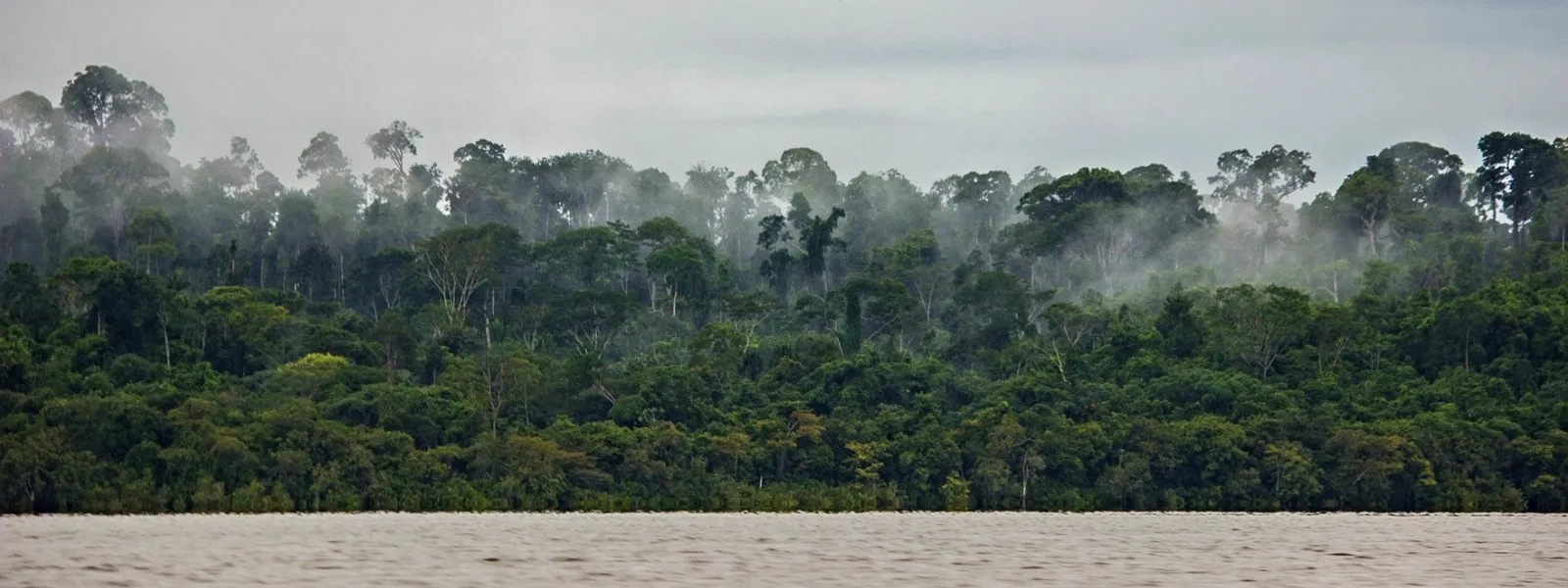
A usina hidrelétrica de Belo Monte causou um desastre ambiental e social no coração da Amazônia: um dos ecossistemas mais importantes do planeta.
Essa situação só piorou desde que a usina começou a operar em 2016. A busca por justiça e reparação para as comunidades indígenas e ribeirinhas afetadas continua até hoje.
Em 2011, a Comissão Interamericana de Direitos Humanos (CIDH) concedeu a essas comunidades medidas de proteção, que até hoje não foram totalmente implementadas pelo Estado brasileiro.
E, desde junho daquele mesmo ano, a CIDH mantém um processo contra o Estado por sua responsabilidade internacional no caso.
A CIDH pode encaminhar o caso à Corte Interamericana de Direitos Humanos, que tem o poder de emitir uma sentença condenatória contra o Estado brasileiro.
Consulta o expediente de fatos do caso
Após 10 anos de operação da usina hidrelétrica e mais de 15 anos de violações de direitos humanos documentadas, é hora da justiça ser feita para as comunidades afetadas.
Leia a carta aberta das organizações que levam o caso à CIDH
Leia nosso comunicado à imprensa
Contexto
A usina hidrelétrica de Belo Monte — a quarta maior do mundo em capacidade instalada (11.233 MW) — foi construída no rio Xingu, no estado do Pará, norte do Brasil.
Foi inaugurada em 5 de maio de 2016, com uma única turbina. Naquela época, 80% do curso do rio foi desviado e 516 km² de terra foram inundados, uma área maior que a cidade de Chicago. Desse total, 400 km² eram de mata nativa. A usina começou a operar em plena capacidade em novembro de 2019.
Belo Monte foi construída e é operada pelo consórcio Norte Energia S.A., composto principalmente por empresas estatais. Foi financiada pelo Banco Nacional de Desenvolvimento Econômico e Social (BNDES), que aportou ao consórcio 25,4 bilhões de reais (aproximadamente US$ 10,16 bilhões), o maior investimento de sua história. Portanto, o BNDES também é legalmente responsável pelos impactos socioambientais associados ao projeto hidrelétrico.
Décadas de danos ambientais e humanos
As violações dos direitos humanos e a degradação da Amazônia remontam ao início do projeto. Em março de 2011, a Norte Energia iniciou a construção da barragem sem consulta adequada e sem o consentimento prévio, livre e informado das comunidades afetadas.
A construção levou ao deslocamento forçado de mais de 40.000 pessoas, rompendo laços sociais e culturais. O plano de reassentamento em Altamira — cidade diretamente afetada pelo projeto hidrelétrico — incluía moradias na periferia da cidade, sem serviços públicos adequados, moradias dignas para as famílias reassentadas e moradias diferenciadas para aqueles pertencentes a comunidades indígenas.
A operação da barragem de Belo Monte impôs uma seca permanente e artificial na Volta Grande do rio Xingu, agravada pelas secas históricas na Amazônia em 2023 e 2024. Como resultado, a morte de milhões de ovos de peixe foi documentada por quatro anos consecutivos (de 2021 a 2024) e, nos últimos três anos, não houve migração de peixes rio acima para desovar e se reproduzir. Assim, a pesca artesanal, principal fonte de proteína para os povos indígenas e comunidades ribeirinhas, foi severamente afetada: o consumo de peixe caiu de 50% para 30% do total de proteínas consumidas, sendo substituído por alimentos processados. Em suma, houve um colapso ambiental e humanitário que resultou no colapso da pesca como modo de vida tradicional, insegurança alimentar e falta de acesso à água potável para milhares de famílias, empobrecimento e doenças.
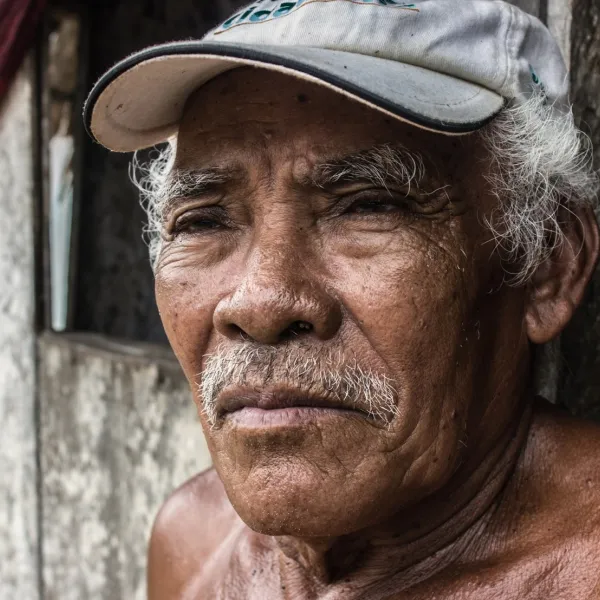
Além disso, a construção da barragem aumentou o desmatamento e intensificou a extração ilegal de madeira e a insegurança em terras indígenas e tribais, colocando em risco a sobrevivência dessas comunidades. Outra consequência foi o agravamento da pobreza e dos conflitos sociais, bem como a sobrecarga dos sistemas de saúde, educação e segurança pública em Altamira, cidade considerada a mais violenta do país em 2017, onde houve aumento do tráfico de pessoas e da violência sexual. Também foram registrados casos de violência contra defensores de direitos humanos envolvidos no caso.
Em 2025, durante a 30ª Conferência das Nações Unidas sobre Mudanças Climáticas (COP30), realizada no Brasil, o Ministério Público Federal classificou os danos causados por Belo Monte como ecocídio.
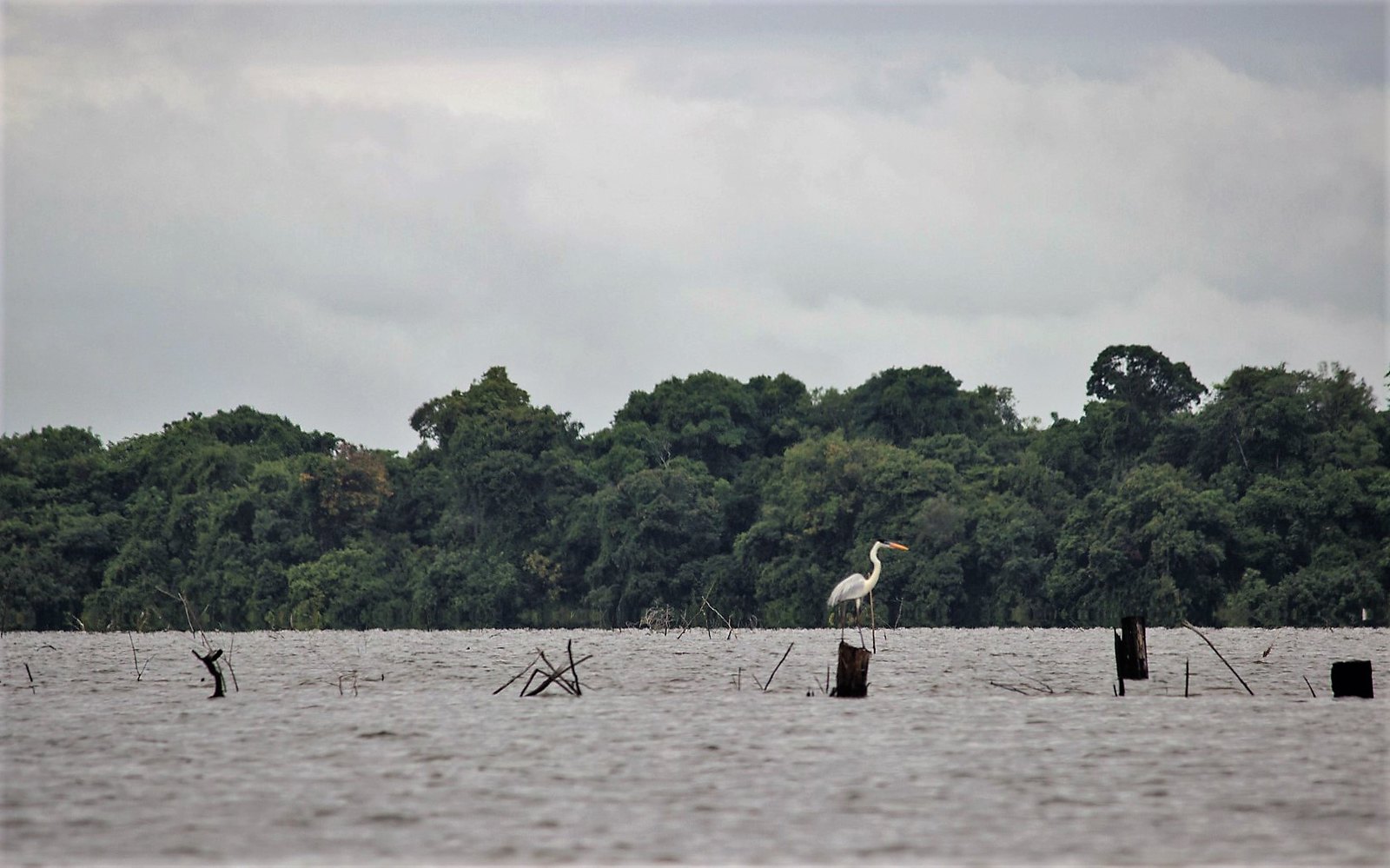
Foto: Amazon Watch / Maíra Irigaray.
A busca por justiça e reparação
Ao longo dos anos, o Ministério Público Federal do Pará, a Defensoria Pública e organizações da sociedade civil impetraram dezenas de ações judiciais em tribunais brasileiros para contestar as diversas irregularidades do projeto, bem como seus impactos. A maioria das ações permanece sem solução, algumas há mais de 10 anos.
Essas ações não obtiveram sucesso porque o governo federal tem reiteradamente anulado decisões favoráveis às comunidades afetadas, recorrendo a um mecanismo pelo qual o presidente do Supremo Tribunal Federal pode suspender uma decisão judicial com base unicamente em argumentos genéricos como "interesse nacional" ou "ordem econômica".
Diante da falta de respostas eficazes em nível nacional, a AIDA — juntamente com uma coalizão de organizações aliadas — levou o caso à Comissão Interamericana de Direitos Humanos (CIDH) e, em 2010, solicitou medidas cautelares para proteger a vida, a integridade e a saúde das comunidades indígenas afetadas.
Em 1º de abril de 2011, a CIDH concedeu essas medidas e solicitou ao Estado brasileiro a suspensão das licenças ambientais e de quaisquer obras de construção até que as condições relativas à consulta prévia e à proteção da saúde e integridade das comunidades fossem atendidas.
E, em 16 de junho de 2011, apresentamos uma denúncia formal à CIDH — juntamente com o Movimento Xingu Vivo Para Siempre, a Coordenação das Organizações Indígenas da Amazônia Brasileira, a Diocese de Altamira, o Conselho Missionário Indígena, a Sociedade Pará de Defesa dos Direitos Humanos e a Global Justice — contra o Estado brasileiro por sua responsabilidade internacional nas violações de direitos humanos contra os povos afetados neste caso. A denúncia foi apresentada em dezembro de 2015.
Em 3 de agosto de 2011, a CIDH modificou as medidas cautelares para solicitar — em vez da suspensão de licenças e obras — a proteção dos povos que vivem em isolamento voluntário, a saúde das comunidades indígenas e a regularização e proteção das terras ancestrais.
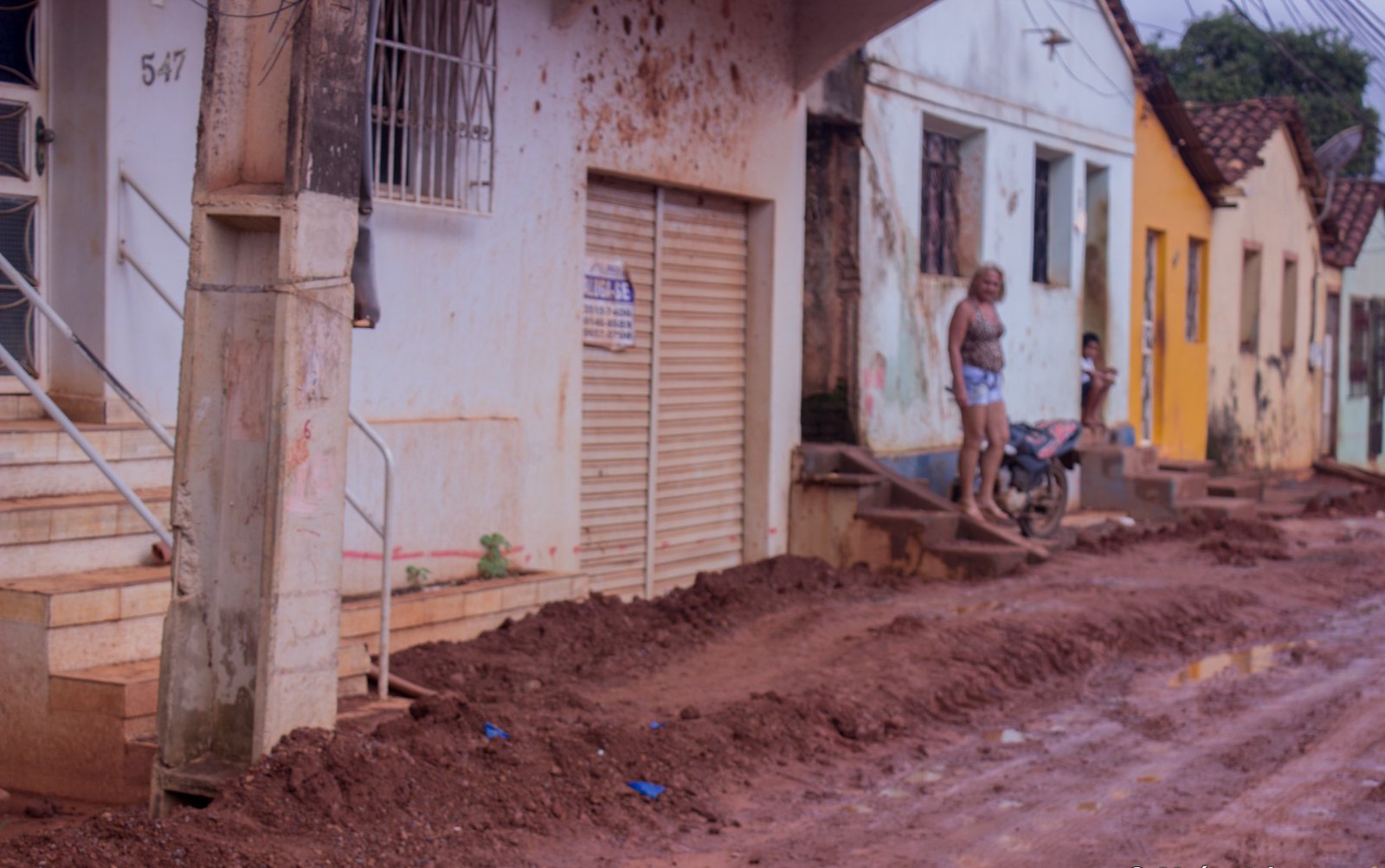
Foto: Amazon Watch / Maíra Irigaray.
Situação atual
As medidas de proteção concedidas pela CIDH permanecem em vigor, mas o Estado brasileiro não as cumpriu integralmente, relatando apenas ações genéricas. As comunidades documentaram as contínuas violações de seus direitos. A situação que motivou o pedido dessas medidas — o risco à vida, à segurança e aos meios de subsistência das comunidades — persiste e se agravou com a usina hidrelétrica operando em plena capacidade e com as recentes secas extremas na Amazônia.
Além do ocorrido em Belo Monte, existe o risco de maiores danos sociais e ambientais decorrentes da implementação de outro megaprojeto de mineração na Volta Grande do Xingu. Lá, a empresa canadense Belo Sun pretende construir a maior mina de ouro a céu aberto do Brasil.
Os impactos sinérgicos e cumulativos da usina e da mina não foram avaliados. O Estado excluiu povos indígenas, comunidades ribeirinhas e comunidades camponesas do processo de licenciamento ambiental do projeto. Apesar disso, dos protestos indígenas e de outras irregularidades em torno do projeto, o governo do estado do Pará autorizou formalmente a mina em abril de 2026.
Belo Monte, assim como outras usinas hidrelétricas, agrava a emergência climática ao gerar emissões de gases de efeito estufa em seu reservatório. Além disso, é ineficiente diante das secas prolongadas e intensas causadas pela crise, pois perde capacidade de geração de energia.
O caso perante a Comissão Interamericana
Em outubro de 2017, a CIDH anunciou que decidiria conjuntamente sobre a admissibilidade (se o caso preenche os requisitos para admissão) e o mérito (se houve, de fato, violação de direitos humanos) da denúncia internacional contra o Estado brasileiro.
Quinze anos após a apresentação da denúncia, as comunidades afetadas e as organizações que as representam ainda aguardam essa decisão. Caso a CIDH conclua que houve violações de direitos humanos e emita recomendações que o Estado brasileiro não cumpra, poderá encaminhar o caso à Corte Interamericana de Direitos Humanos, cujas decisões são vinculativas.
Uma possível decisão da Corte Internacional de Direitos Humanos neste caso estabeleceria um precedente jurídico regional em relação aos direitos dos povos indígenas e ribeirinhos, à participação pública em megaprojetos e à responsabilidade do Estado no contexto da crise climática. Isso é particularmente relevante à luz do Parecer Consultivo nº 32 da Corte, que reafirmou as obrigações dos Estados de proteger pessoas e comunidades em todo o continente da emergência climática.
Partners:
Related projects
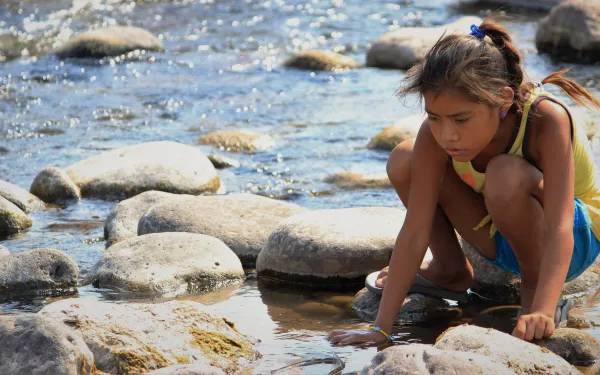
Why damming rivers, like blocking veins, risks our health
Some of my most treasured childhood memories happened in or near a river. I can still feel the cold water on my feet, and the current that pulled me smoothly past rocks and branches. I remember vacations with my cousins, throwing ourselves into the river near my aunt and uncle’s country house, leaping from the tops of rocks or swinging from the branches of a tree. I remember summer road trips, driving down seemingly endless bridges over the great rivers of southern Mexico. I’ve always thought of rivers as the veins of our planet. In their waters, the rivers and their tributaries carry nutrients to wetlands, lakes, and the sea. They carry oxygen and host thousands of species. They supply drinking water to millions of people in small towns and big cities. They give us food, entertainment, transportation, and life. Recent natural disasters have reminded us that—despite our best attempts—there are no limits, dams, dikes or pipelines that can control the water. It’s true that, properly implemented, dams can have benefits; but in many cases, particularly those of large-scale development, the damages dams do far outweigh any benefits. There are currently more than 300 large dam projects planned or in construction throughout Latin America. Many of them are underway without adequate social and environmental impacts assessments. The results are displaced communities, destroyed forests, and rivers with no fish. Blocking our veins The water flowing down our rivers is vital to the natural equilibrium of the planet and its climate. It’s like the blood circulating through your body. If your bloodflow were blocked, you’d get cardiovascular disease, maybe even a heart attack. Well, damming rivers is like intentionally blocking your veins and expecting no problems. Only one third of the world’s great rivers remain free-flowing, without dams or canals. Now I’m not a doctor, or a biologist, but I often wonder: are we heading for the collapse of our natural system by blocking, tubing, manipulating, and contaminating the veins of the Earth (which, like us, is a living organism)? And because rotting vegetation in dam reservoirs releases lots of methane (a super-potent greenhouse gas), isn’t the current climate crisis, in part, a response to the blockages in Earth’s circulatory system? A slow death The mouth of the Colorado River opens to the Sea of Cortes, in northeast Mexico. It’s an area historically rich in sea life from the Gulf of California. For eons, the flow of the Colorado brought nutrient-rich sediment to the Sea of Cortes. It kept the coastal estuary rich and healthy, along with the animals that sought shelter there. But that’s not happening anymore. The vaquita, now the world’s rarest marine mammal, teeters on the edge of extinction. Between the Colorado River’s mountain headwaters and the end of its main channel, more than 10 large dams and 80 water diversions have squeezed the river dry. Now the Gulf no longer receives the river’s nutrient-rich waters, harming not just marine life like the vaquita, but also the area’s fishermen. No one mentions that the near disappearance of the vaquita has been caused by habitat destruction due to the upstream dams on the Colorado River. Mexico’s last free-flowing river The San Pedro Mezquital River is the last undammed river in the western Sierra Madre Mountains. The river links the region’s indigenous people. It’s a source of their culture and identity. The river channel, more than 500 kilometers long, connects the forests of the highlands with the wetlands of the coast, opening into Marismas Nacionales, the largest mangrove forest in the Mexican Pacific. Marismas Nacionales, declared a wetland of international importance, is home to more than 12,000 families engaged in fishing, agriculture, and tourism. But this national treasure is at risk due to the government’s plan to build a hydroelectric dam on the San Pedro Mezquital. If the river were blocked, its contribution of nutrients downstream would be drastically reduced. The health of Marismas Nacionales, its rich biodiversity, and the region’s sustainable local economy would all be slowly starved. The reservoir would also destroy at least 14 sites sacred to local indigenous communities. But we’ve still got time to stop this plan and others like it. We can avoid the collapse of the natural world that surrounds us, on our one and only planet. By supporting AIDA, you can help keep Earth’s veins flowing free.
Read more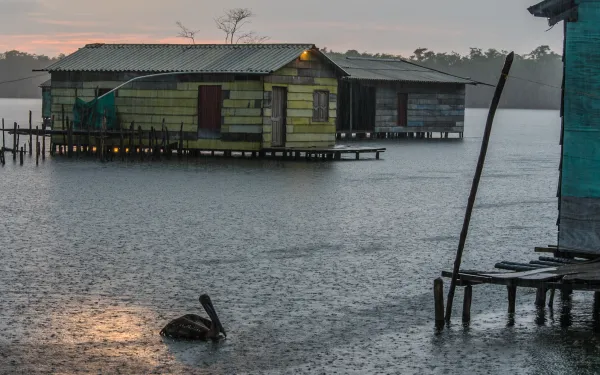
Hope for the Ciénaga, seed of Colombia’s magical realism
“We were in the great swamp, the Ciénaga Grande, another of the myths of my childhood.”– Gabriel García Márquez in Living to Tell the Tale, 2002. Today I learned that Colombia—thanks in part to AIDA’s supporters—took an unprecedented step to save an ecosystem central to Colombia’s identy: the Ciénaga Grande de Santa Marta. As a Colombian and an environmental attorney, I’m deeply moved. And so thankful to the hundreds of supporters whose petition signatures helped move the government to action. The government added the Ciénaga Grande to the Montreux Record, a global list of at-risk wetlands. This action will provide Colombia with international technical and financial support needed to save the vital ecosystem. When I heard the good news, I immediately thought of the yellow butterflies of Macondo. And I thought of Colonel Aureliano Buendía, who stood in front of a firing squad remembering the day his grandfather took him to see ice. The imagery of this magical world, masterfully created by Gabriel García Márquez in One Hundred Years of Solitude, was born from the Ciénaga Grande de Santa Marta. In the early 1900’s, after the Thousand Days’ War, Colonel Nicolás Ricardo Márquez, grandfather of Colombia’s Nobel laureate, passed through the Ciénaga to settle near Aracataca. Later, accompanied by his grandfather, the author crossed the Ciénaga Grande various times to visit his parents in Barranquilla. In 1950, he crossed it again with his mother as they were going to sell his grandparents’ house. It was there, in the Ciénaga Grande, that Márquez found the spark that would light one of the classics of modern literature. So it’s no exaggeration to say that without the Ciénaga Grande, we wouldn’t have the yellow butterflies, or Macondo, or Colonel Aureliano Buendía, embedded so deeply into our cultural memory. It was there that the seed of magical realism was planted. That’s why even a cachaca like me—what those who live in the Caribbean call those of us from the country’s interior—who has lived for many years outside her country, identifies so deeply with the Ciénaga Grande. An international treasure For that and so many other reasons, we at AIDA decided to act in defense of the Ciénaga Grande, named a Wetland of International Importance under the Ramsar Convention. It’s home to Colombia’s largest coastal lagoon, which connects the fresh waters of the mighty Magdalena River with the salt water of the Caribbean Sea. The area is home to many species of mangrove, as well as tropical and riparian forests. It shelters raccoons, howler monkeys, manatees, red herons, ducks, and migrating birds. The Ciénaga Grande also hosts one of the largest artisanal fisheries in Colombia, which supports hundreds of families throughout the area. As a coastal wetland, it’s essential for climate regulation, absorption of pollution from the atmosphere, and flood control. But the Ciénaga Grande is gravely threatened. The spread of mass agriculture and livestock farming, along with large-scale infrastructure projects, has led to deforestation and water diversion. The animals and fish and people of the area are suffering as a result. That’s why I’ve joined the efforts to conserve the Ciénaga Grande, and why every person in Colombia, in the region, and in the world, should do the same. Hope for a healthier tomorrow The addition of the Ciénaga Grande to the Montreux Record fills me with hope. Although it’s shameful such an important ecosystem is in such bad shape, having the government recognize that fact and ask for help is an important advance. Thanks to all the caring activists who’ve joined the cause, my colleagues and I are inspired to do everything we can to ensure that the Ciénaga Grande recovers its vitality. We expect the government will do the same. After all, what would Colombia, Latin America, and the world be without the yellow butterflies of Macondo, and without the magic of nature to envelope us and gives us life?
Read more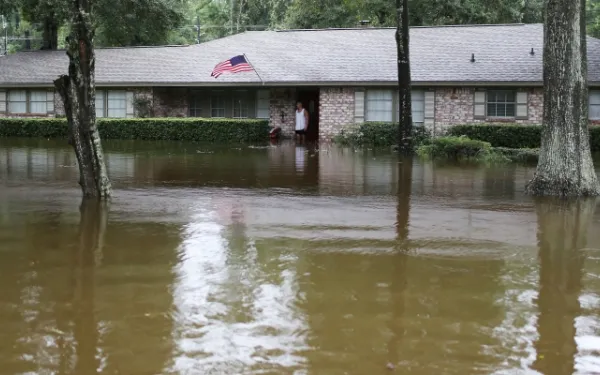
Climate change: The perfect fuel for hurricanes
A succession of unusually strong hurricanes have struck the Americas over the last several weeks. The nearly unprecedented power of Harvey and Irma submerged cities, damaged homes and took lives, and several smaller hurricanes followed on their tails. Just how did these storms get so strong? Climate change is a big part of the problem. Hurricanes Harvey and Irma are prime examples of what a routine storm fed with enough fuel can do: they caused floods and landslides, destroyed neighborhoods, claimed lives and left thousands of victims in their wake. The fuel in both their cases was climate change—transforming already strong natural events into relentless storm surges. Warmer than average air temperatures produced greater humidity, feeding the hurricanes and making them ever more intense and violent. Changes to our climate have also sped up the warming of the world’s coldest regions, causing glaciers to melt and sea levels to rise. Higher sea levels plus increased ocean temperatures equals more fuel for hurricane season. Hurricanes, however, are not isolated phenomena. Year after year, Latin America faces a series of natural catastrophes that are getting stronger, and causing far greater damage, due to climate change. A vulnerable region Extreme weather events, the water crisis, natural disasters, and coping with the impacts of climate change will have the greatest impact globally, according to the World Economic Forum’s Global Risk Report 2017. Across Latin America, these risks reared their heads in force this year. Severe and catastrophic natural events have changed landscapes, claimed lives and displaced hundreds of thousands of people: In Mexico this month, hurricane Katia has caused floods and landslides, damaged infrastructure, and deaths. Mexico is one of the nations most affected by the impacts of climate change due to its location between oceans—which leaves it exposed to storms, floods and hurricanes—and its high level of poverty. In Northeast Peru last March, devastating rains after a period of severe drought caused mudslides, floods, and the mass destruction of homes and infrastructure. The storm left more than 90 dead, 110,000 victims, and 150,000 people diplaced. In Colombia in April, a sudden avalanche of mud and water caused by heavy rains devastated the town of Mocoa, in the department of Putumayo. In Chile, a period of intense drought caused wildfires that burned more than 500 thousand hectares and virtually destroyed the center and south of the country. Aggravated by climate change, El Niño gravely impacted the Central American Dry Corridor last year. A lack of rain, which began mid-2014 and lasted an unusually long time, provoked wildfire, the loss of crops, and the death of livestock in El Salvador, Guatemala, Honduras, Nicaragua, Costa Rica and Panama. So how do we stop the fire? The wave of severe weather events across the region and the world should be seen as a call to action. Governments and citizens alike must unite to seek solutions and reduce greenhouse gas emissions. Governments around the world should unite their efforts to: Reduce short-lived climate pollutants, gases that remain a short time in the atmosphere and whose reduction would allow results in less time. Plan and adequately manage territory, indentifying the most vulnerable places and building strategic and flexible infrastructure that would lesson the impacts of extreme weather events. Preserve natural environments that fulfill vital climate functions, such as forests and mangroves that capture carbon dioxide from the atmosphere, or coral reefs, which act as natural barriers against storms and hurricanes. Disburse the economic resources destined to combatting climate change based on needs identified by the communities themselves, who are often not appropriately consulted, thereby wasting local knowledge that could lead to better decisions. We can all contribute to the struggle. Daily actions such as responsible consumption of water and energy, using your car less, recycling, and changing harmful consumption habits can make a big difference. At AIDA, we work with governments, organizations and communities across Latin America to promote development that is compatible with the challenges posed by climate change. Learn more about how we’re confronting climate change and how we can all do it better in our webinar on September 29!
Read more