
Project
Amazon Watch / Maíra Irigaray
Barragem de Belo Monte no rio Xingu: 10 anos de impactos na Amazônia e de busca por reparações
A usina hidrelétrica de Belo Monte causou um desastre ambiental e social no coração da Amazônia: um dos ecossistemas mais importantes do planeta.
Essa situação só piorou desde que a usina começou a operar em 2016. A busca por justiça e reparação para as comunidades indígenas e ribeirinhas afetadas continua até hoje.
Em 2011, a Comissão Interamericana de Direitos Humanos (CIDH) concedeu a essas comunidades medidas de proteção, que até hoje não foram totalmente implementadas pelo Estado brasileiro.
E, desde junho daquele mesmo ano, a CIDH mantém um processo contra o Estado por sua responsabilidade internacional no caso.
A CIDH pode encaminhar o caso à Corte Interamericana de Direitos Humanos, que tem o poder de emitir uma sentença condenatória contra o Estado brasileiro.
Consulta o expediente de fatos do caso
Após 10 anos de operação da usina hidrelétrica e mais de 15 anos de violações de direitos humanos documentadas, é hora da justiça ser feita para as comunidades afetadas.
Leia a carta aberta das organizações que levam o caso à CIDH
Leia nosso comunicado à imprensa
Contexto
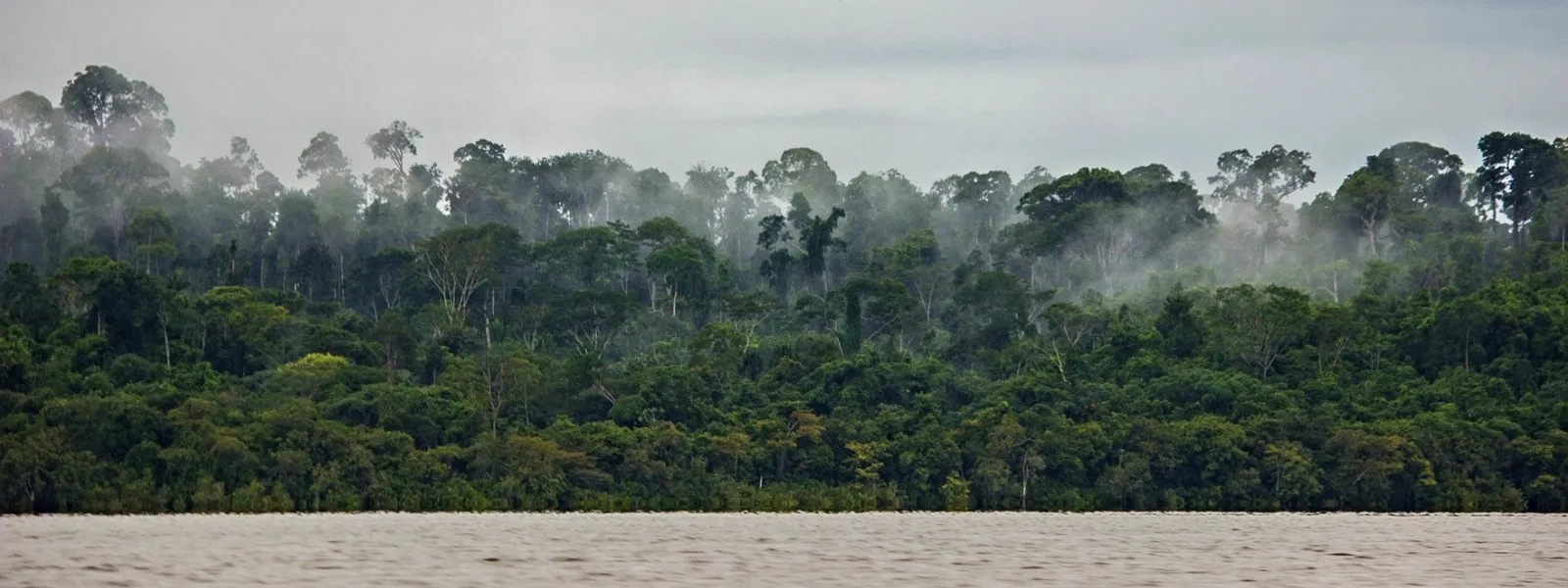
A usina hidrelétrica de Belo Monte — a quarta maior do mundo em capacidade instalada (11.233 MW) — foi construída no rio Xingu, no estado do Pará, norte do Brasil.
Foi inaugurada em 5 de maio de 2016, com uma única turbina. Naquela época, 80% do curso do rio foi desviado e 516 km² de terra foram inundados, uma área maior que a cidade de Chicago. Desse total, 400 km² eram de mata nativa. A usina começou a operar em plena capacidade em novembro de 2019.
Belo Monte foi construída e é operada pelo consórcio Norte Energia S.A., composto principalmente por empresas estatais. Foi financiada pelo Banco Nacional de Desenvolvimento Econômico e Social (BNDES), que aportou ao consórcio 25,4 bilhões de reais (aproximadamente US$ 10,16 bilhões), o maior investimento de sua história. Portanto, o BNDES também é legalmente responsável pelos impactos socioambientais associados ao projeto hidrelétrico.
Décadas de danos ambientais e humanos
As violações dos direitos humanos e a degradação da Amazônia remontam ao início do projeto. Em março de 2011, a Norte Energia iniciou a construção da barragem sem consulta adequada e sem o consentimento prévio, livre e informado das comunidades afetadas.
A construção levou ao deslocamento forçado de mais de 40.000 pessoas, rompendo laços sociais e culturais. O plano de reassentamento em Altamira — cidade diretamente afetada pelo projeto hidrelétrico — incluía moradias na periferia da cidade, sem serviços públicos adequados, moradias dignas para as famílias reassentadas e moradias diferenciadas para aqueles pertencentes a comunidades indígenas.
A operação da barragem de Belo Monte impôs uma seca permanente e artificial na Volta Grande do rio Xingu, agravada pelas secas históricas na Amazônia em 2023 e 2024. Como resultado, a morte de milhões de ovos de peixe foi documentada por quatro anos consecutivos (de 2021 a 2024) e, nos últimos três anos, não houve migração de peixes rio acima para desovar e se reproduzir. Assim, a pesca artesanal, principal fonte de proteína para os povos indígenas e comunidades ribeirinhas, foi severamente afetada: o consumo de peixe caiu de 50% para 30% do total de proteínas consumidas, sendo substituído por alimentos processados. Em suma, houve um colapso ambiental e humanitário que resultou no colapso da pesca como modo de vida tradicional, insegurança alimentar e falta de acesso à água potável para milhares de famílias, empobrecimento e doenças.
Além disso, a construção da barragem aumentou o desmatamento e intensificou a extração ilegal de madeira e a insegurança em terras indígenas e tribais, colocando em risco a sobrevivência dessas comunidades. Outra consequência foi o agravamento da pobreza e dos conflitos sociais, bem como a sobrecarga dos sistemas de saúde, educação e segurança pública em Altamira, cidade considerada a mais violenta do país em 2017, onde houve aumento do tráfico de pessoas e da violência sexual. Também foram registrados casos de violência contra defensores de direitos humanos envolvidos no caso.
Em 2025, durante a 30ª Conferência das Nações Unidas sobre Mudanças Climáticas (COP30), realizada no Brasil, o Ministério Público Federal classificou os danos causados por Belo Monte como ecocídio.
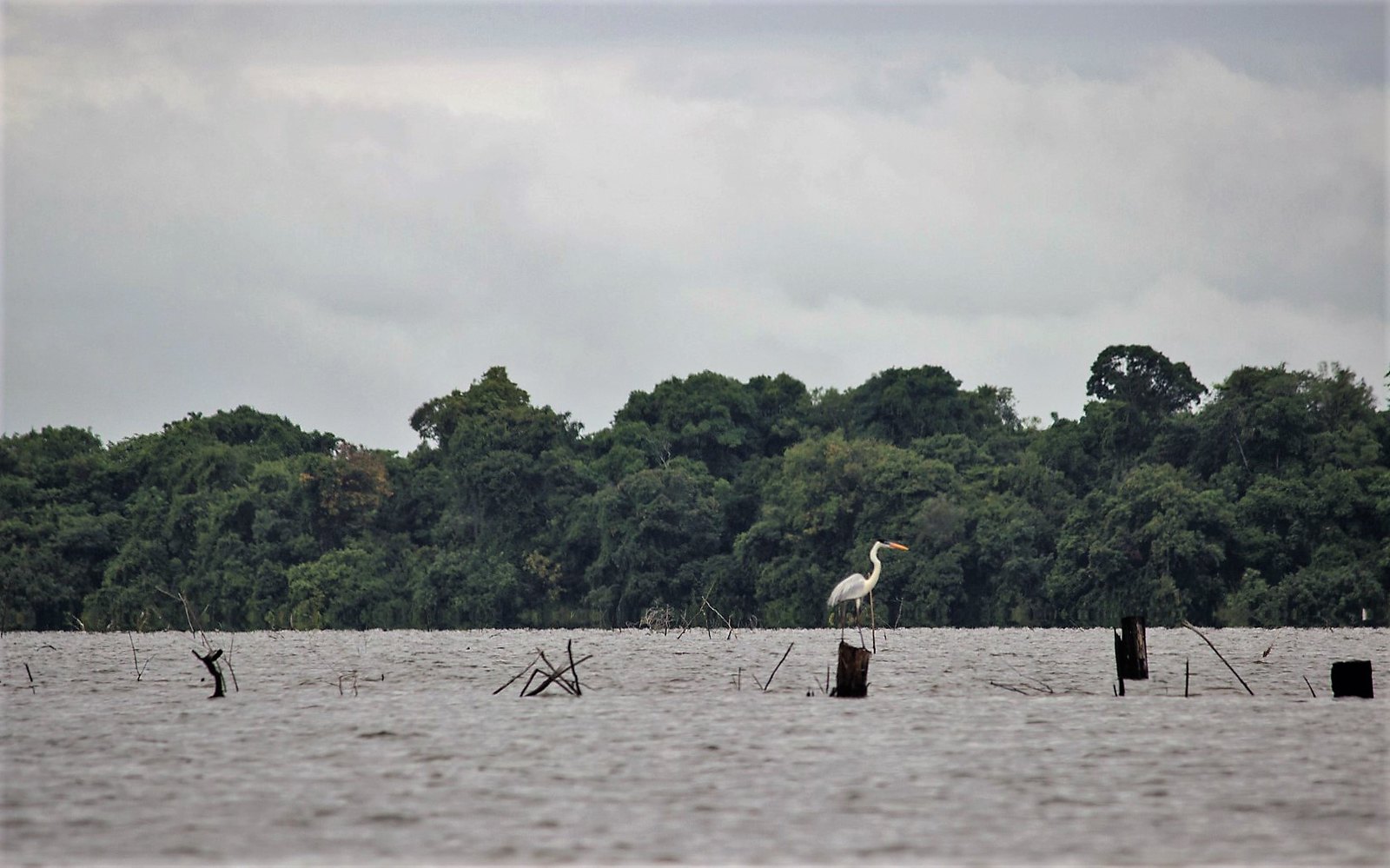
Foto: Amazon Watch / Maíra Irigaray.
A busca por justiça e reparação
Ao longo dos anos, o Ministério Público Federal do Pará, a Defensoria Pública e organizações da sociedade civil impetraram dezenas de ações judiciais em tribunais brasileiros para contestar as diversas irregularidades do projeto, bem como seus impactos. A maioria das ações permanece sem solução, algumas há mais de 10 anos.
Essas ações não obtiveram sucesso porque o governo federal tem reiteradamente anulado decisões favoráveis às comunidades afetadas, recorrendo a um mecanismo pelo qual o presidente do Supremo Tribunal Federal pode suspender uma decisão judicial com base unicamente em argumentos genéricos como "interesse nacional" ou "ordem econômica".
Diante da falta de respostas eficazes em nível nacional, a AIDA — juntamente com uma coalizão de organizações aliadas — levou o caso à Comissão Interamericana de Direitos Humanos (CIDH) e, em 2010, solicitou medidas cautelares para proteger a vida, a integridade e a saúde das comunidades indígenas afetadas.
Em 1º de abril de 2011, a CIDH concedeu essas medidas e solicitou ao Estado brasileiro a suspensão das licenças ambientais e de quaisquer obras de construção até que as condições relativas à consulta prévia e à proteção da saúde e integridade das comunidades fossem atendidas.
E, em 16 de junho de 2011, apresentamos uma denúncia formal à CIDH — juntamente com o Movimento Xingu Vivo Para Siempre, a Coordenação das Organizações Indígenas da Amazônia Brasileira, a Diocese de Altamira, o Conselho Missionário Indígena, a Sociedade Pará de Defesa dos Direitos Humanos e a Global Justice — contra o Estado brasileiro por sua responsabilidade internacional nas violações de direitos humanos contra os povos afetados neste caso. A denúncia foi apresentada em dezembro de 2015.
Em 3 de agosto de 2011, a CIDH modificou as medidas cautelares para solicitar — em vez da suspensão de licenças e obras — a proteção dos povos que vivem em isolamento voluntário, a saúde das comunidades indígenas e a regularização e proteção das terras ancestrais.
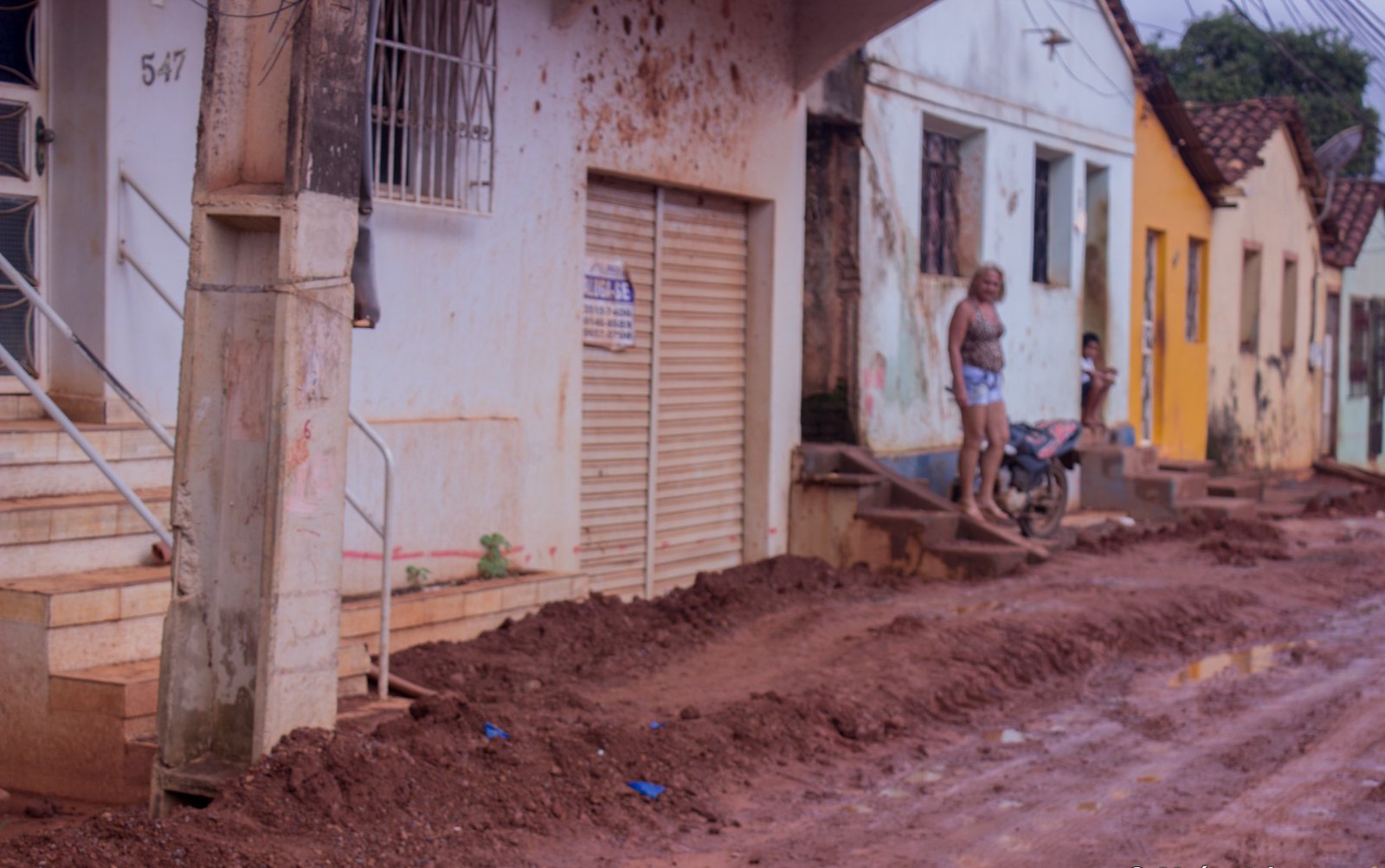
Foto: Amazon Watch / Maíra Irigaray.
Situação atual
As medidas de proteção concedidas pela CIDH permanecem em vigor, mas o Estado brasileiro não as cumpriu integralmente, relatando apenas ações genéricas. As comunidades documentaram as contínuas violações de seus direitos. A situação que motivou o pedido dessas medidas — o risco à vida, à segurança e aos meios de subsistência das comunidades — persiste e se agravou com a usina hidrelétrica operando em plena capacidade e com as recentes secas extremas na Amazônia.
Além do ocorrido em Belo Monte, existe o risco de maiores danos sociais e ambientais decorrentes da implementação de outro megaprojeto de mineração na Volta Grande do Xingu. Lá, a empresa canadense Belo Sun pretende construir a maior mina de ouro a céu aberto do Brasil.
Os impactos sinérgicos e cumulativos da usina e da mina não foram avaliados. O Estado excluiu povos indígenas, comunidades ribeirinhas e comunidades camponesas do processo de licenciamento ambiental do projeto. Apesar disso, dos protestos indígenas e de outras irregularidades em torno do projeto, o governo do estado do Pará autorizou formalmente a mina em abril de 2026.
Belo Monte, assim como outras usinas hidrelétricas, agrava a emergência climática ao gerar emissões de gases de efeito estufa em seu reservatório. Além disso, é ineficiente diante das secas prolongadas e intensas causadas pela crise, pois perde capacidade de geração de energia.
O caso perante a Comissão Interamericana
Em outubro de 2017, a CIDH anunciou que decidiria conjuntamente sobre a admissibilidade (se o caso preenche os requisitos para admissão) e o mérito (se houve, de fato, violação de direitos humanos) da denúncia internacional contra o Estado brasileiro.
Quinze anos após a apresentação da denúncia, as comunidades afetadas e as organizações que as representam ainda aguardam essa decisão. Caso a CIDH conclua que houve violações de direitos humanos e emita recomendações que o Estado brasileiro não cumpra, poderá encaminhar o caso à Corte Interamericana de Direitos Humanos, cujas decisões são vinculativas.
Uma possível decisão da Corte Internacional de Direitos Humanos neste caso estabeleceria um precedente jurídico regional em relação aos direitos dos povos indígenas e ribeirinhos, à participação pública em megaprojetos e à responsabilidade do Estado no contexto da crise climática. Isso é particularmente relevante à luz do Parecer Consultivo nº 32 da Corte, que reafirmou as obrigações dos Estados de proteger pessoas e comunidades em todo o continente da emergência climática.
Partners:
Related projects
Environmental responsibility through supply chains
This report emphasizes the importance of binding legislation for companies to comply with environmental aspects as well as human rights throughout their supply chains.The document reviews environmental impact assessments as an instrument of due diligence and corporate responsibility in their supply chains. It examines the independent monitoring of impacts of business operations, and reflects on environmental guarantees and human rights for the legislative processes of due diligence. Download the publication
Read more
5 important advances for the environmental movement in 2021
Across the region and the world, civil society movements are becoming stronger and ensuring their voices are heard in important decision-making spaces. Actions born locally, and implemented across geography and ideology, are enabling progress on a common goal that transcends borders: the protection of our planet, and the people that most closely depend on it. The best cases and demands reach not only the highest level of their jurisdiction, but set replicable precedents for the movement at large. Given the considerable stress of the year, we wanted to take a moment to look at some of the good things that happened in 2021, all of which will help further and strengthen our work. These five advances were achieved thanks to countless activists, advocates, academics and governments from Latin America, and the world. They’re helping pave the way for accountability, the protection of human rights, and new legal tools that strengthen the global movement for climate and environmental justice. 1. Escazú Agreement enters into force On Earth Day 2021, the region celebrated the entry into force of the Escazú Agreement, the first environmental rights treaty in Latin America and the Caribbean and the only in the world to enshrine protection for environmental defenders. Escazú seeks to guarantee access to information, public participation and justice in environmental matters, all of which are necessary to facilitate the work and protect the lives of environmental defenders. It also recognizes the need for protection measures for communities in vulnerable situations. With the ratification of Argentina and Mexico, the necessary accessions for this breakthrough were achieved. The agreement is also the result of many years of work by civil society, a sector that promoted the development of Principle 10 of the Rio Declaration on Environment and Development, which is key to guaranteeing the human right to a healthy and sustainable environment. Now that it has entered into force, governments must integrate the responsibilities that Escazú establishes into their domestic systems so that defenders and communities can use it to their advantage. Only then will it truly be effective. 2. Court orders Shell to cut emissions by nearly half In a landmark ruling in the citizens' struggle for climate justice, the District Court of The Hague ordered the Anglo-Dutch company Shell to reduce its emissions by 45 percent by 2030. The verdict provides, for the first time, that a company and its subsidiaries must align their policies with global emissions reduction targets, such as those stipulated in the Paris Agreement. It sets a global precedent that was reached thanks to a lawsuit filed by several civil society organizations and more than 17,000 Dutch citizens. The main objective of the lawsuit was not to obtain financial compensation for damages, but to force the oil company to reduce its emissions. This case opened the discussion about the responsibility of companies in aggravating the climate crisis, and was a pioneer in the application of the UN guiding principles on business and human rights. Niels Hazekam, Senior Policy Advisor at Both Ends, one of the organizations involved in the lawsuit, explained the details of the Shell litigation in this AIDA webinar. This victory represents a major advance towards using judicial systems as tools to advance climate justice, with great potential for replication in other parts of the world, including Latin America. 3. International court reaffirms environmental protection in Costa Rica It is legitimate for a country to declare itself free of open-pit mining as part of its environmental protection objectives, declared the ICSID arbitration tribunal of the World Bank in response to a case filed by the mining company Infinito Gold against Costa Rica. In the arbitration, the mining company demanded the payment of $400 million dollars as compensation for the profits not received when the country annulled its mineral exploitation concession. In the early stages of the Crucitas mining project, AIDA warned the Costa Rican government of the threats it would pose to the environment and human rights. In 2008, the government issued a decree declaring the project of interest. Then, in 2011, the Supreme Court upheld a prior court decision to declare the Crucitas project illegal. Clearly unhappy with this decision, Infinito Gold began international arbitration and requested compensation for losses. This year, ICSID concluded that Costa Rica will not have to pay and clarified that the country did not deny the company access to local justice. The decision is an important step forward in the face of the growing intention of companies to sue governments for deciding to protect certain ecosystems. 4. The UN recognizes the human right to a healthy environment On October 8, in a historic day for the future of the planet, the United Nations Human Rights Council recognized that all people have a human right to a safe, healthy, clean and sustainable environment. Costa Rica, Slovenia, Maldives, Morocco and Switzerland led efforts within the Council in the latest stage of a long struggle, along with thousands of organizations, movements, businesses and advocates who joined the call for a #HealthyEnvironmentForAll. By circulating letters and inviting civil society around the world, they were able to show the legitimate interest in recognizing this right. This milestone in the history of international environmental law is the result of nearly 50 years of work by thousands of people who, since the Stockholm Declaration in 1972, have laid the groundwork for this day. Also on 8 October, the Council established the creation of a new Special Rapporteur to promote human rights in the context of climate change. This action responded to a request from civil society, in which AIDA was the meeting and coordination point in Latin America to mobilize the decision. 5. Pollution case goes to the Inter-American Court After more than 15 years, the case of human rights violations due to environmental contamination in La Oroya, Peru, reached the Inter-American Court of Human Rights. It is the first time that a case of air pollution caused by business activities in an urban context has reached the Court. The Inter-American Commission brought the case before the Court after establishing the international responsibility of the State, in response to a petition of a group of local residents—represented by AIDA and our allies—who have been chronically exposed to heavy metals from the Doe Run Peru metallurgical complex. The affected people appealed to the Inter-American Human Rights System because, despite the Peruvian Constitutional Court's order in 2006 for urgent measures to protect their rights, the State failed to comply. The presentation of the case before the Court represents a unique opportunity to restore the rights of the affected persons. Read more and learn about AIDA’s top victories of the year in our 2021 Annual Report!
Read more
Three advances for climate and environmental justice in 2021
In the face of increasing environmental degradation and the climate crisis, the strength of the collective struggle shows that it’s possible to ensure a healthy environment and a sustainable future for all people. This year, AIDA made important advances on that path, hand-in-hand with communities and allies in the region. The stories below tell of achievements that bring us closer to the environmental and climate justice we urgently need and for which we work every day. They are the stories that inspire us to continue working for the future. 1. Mayan women pave the way for responsible financing In Guatemala, under our guidance and with the support of local and international allies, the struggle of the Mayan women of Ixquisis to defend their water and territory has made history. Following a complaint against the large dams being implemented in their territory, the Inter-American Development Bank’s accountability office recognized the damage the dams caused and, for the first time, acknowledged the possibility of a responsible withdrawal of its investment. leARN MORE 2. Court ruling upholds the preservation of natural protected areas The intention of large real estate developers to dismantle the Yum Balam protected area for flora and fauna in the Mexican Caribbean has hit a wall. Mexico's Supreme Court set a key legal precedent by determining that the management program, fundamental to the sustainable use of the site, is legal. AIDA helped defend Yum Balam in court and, years earlier, our attorneys helped build the management program. LEARN MORE 3. International support reaches high-Andean lakes in Bolivia Together with local communities and organizations, AIDA requested international technical support for the recovery of lakes Poopó and Uru Uru in the Bolivian highlands, which was finally formalized by the government. This support, scheduled for next year, is vital for the recuperation of these ecosystems, life-support systems for biodiversity and the indigenous and peasant communities in the area. learn more Read these stories and much more about this year's journey in our 2021 Annual Report!
Read more