
Project
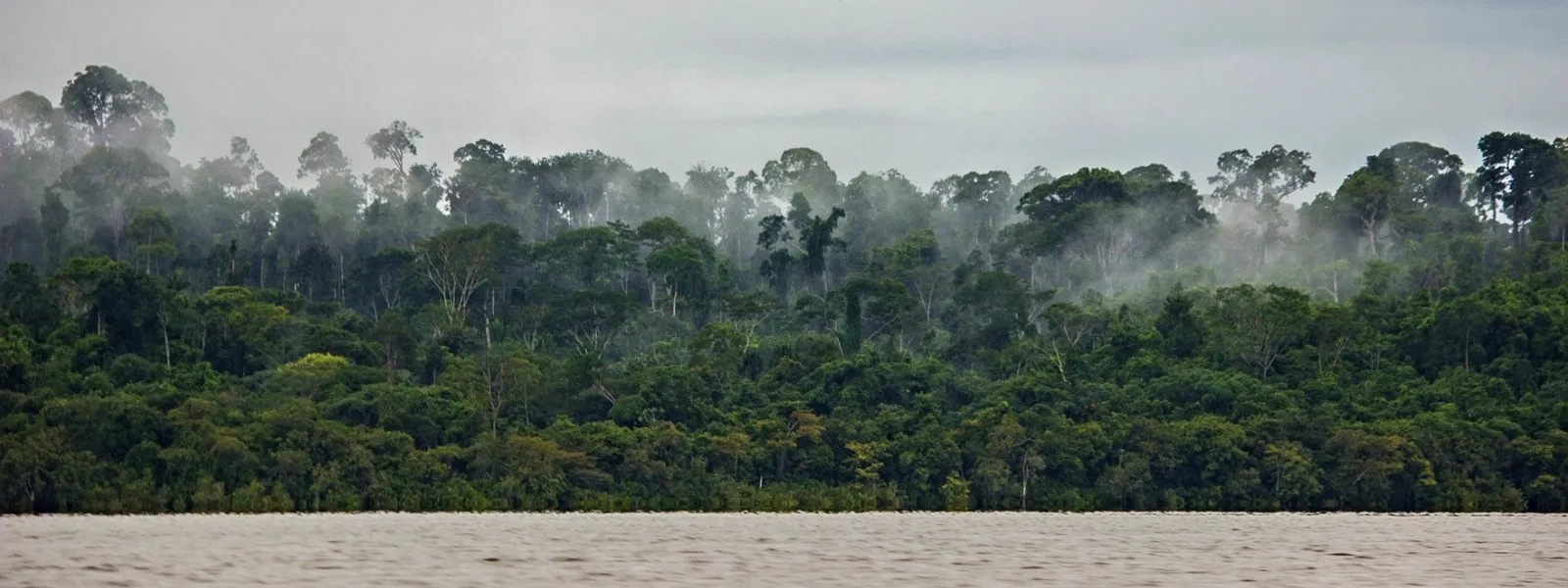
Amazon Watch / Maíra Irigaray
Barragem de Belo Monte no rio Xingu: 10 anos de impactos na Amazônia e de busca por reparações
A usina hidrelétrica de Belo Monte causou um desastre ambiental e social no coração da Amazônia: um dos ecossistemas mais importantes do planeta.
Essa situação só piorou desde que a usina começou a operar em 2016. A busca por justiça e reparação para as comunidades indígenas e ribeirinhas afetadas continua até hoje.
Em 2011, a Comissão Interamericana de Direitos Humanos (CIDH) concedeu a essas comunidades medidas de proteção, que até hoje não foram totalmente implementadas pelo Estado brasileiro.
E, desde junho daquele mesmo ano, a CIDH mantém um processo contra o Estado por sua responsabilidade internacional no caso.
A CIDH pode encaminhar o caso à Corte Interamericana de Direitos Humanos, que tem o poder de emitir uma sentença condenatória contra o Estado brasileiro.
Consulta o expediente de fatos do caso
Após 10 anos de operação da usina hidrelétrica e mais de 15 anos de violações de direitos humanos documentadas, é hora da justiça ser feita para as comunidades afetadas.
Leia a carta aberta das organizações que levam o caso à CIDH
Leia nosso comunicado à imprensa
Contexto
A usina hidrelétrica de Belo Monte — a quarta maior do mundo em capacidade instalada (11.233 MW) — foi construída no rio Xingu, no estado do Pará, norte do Brasil.
Foi inaugurada em 5 de maio de 2016, com uma única turbina. Naquela época, 80% do curso do rio foi desviado e 516 km² de terra foram inundados, uma área maior que a cidade de Chicago. Desse total, 400 km² eram de mata nativa. A usina começou a operar em plena capacidade em novembro de 2019.
Belo Monte foi construída e é operada pelo consórcio Norte Energia S.A., composto principalmente por empresas estatais. Foi financiada pelo Banco Nacional de Desenvolvimento Econômico e Social (BNDES), que aportou ao consórcio 25,4 bilhões de reais (aproximadamente US$ 10,16 bilhões), o maior investimento de sua história. Portanto, o BNDES também é legalmente responsável pelos impactos socioambientais associados ao projeto hidrelétrico.
Décadas de danos ambientais e humanos
As violações dos direitos humanos e a degradação da Amazônia remontam ao início do projeto. Em março de 2011, a Norte Energia iniciou a construção da barragem sem consulta adequada e sem o consentimento prévio, livre e informado das comunidades afetadas.
A construção levou ao deslocamento forçado de mais de 40.000 pessoas, rompendo laços sociais e culturais. O plano de reassentamento em Altamira — cidade diretamente afetada pelo projeto hidrelétrico — incluía moradias na periferia da cidade, sem serviços públicos adequados, moradias dignas para as famílias reassentadas e moradias diferenciadas para aqueles pertencentes a comunidades indígenas.
A operação da barragem de Belo Monte impôs uma seca permanente e artificial na Volta Grande do rio Xingu, agravada pelas secas históricas na Amazônia em 2023 e 2024. Como resultado, a morte de milhões de ovos de peixe foi documentada por quatro anos consecutivos (de 2021 a 2024) e, nos últimos três anos, não houve migração de peixes rio acima para desovar e se reproduzir. Assim, a pesca artesanal, principal fonte de proteína para os povos indígenas e comunidades ribeirinhas, foi severamente afetada: o consumo de peixe caiu de 50% para 30% do total de proteínas consumidas, sendo substituído por alimentos processados. Em suma, houve um colapso ambiental e humanitário que resultou no colapso da pesca como modo de vida tradicional, insegurança alimentar e falta de acesso à água potável para milhares de famílias, empobrecimento e doenças.
Além disso, a construção da barragem aumentou o desmatamento e intensificou a extração ilegal de madeira e a insegurança em terras indígenas e tribais, colocando em risco a sobrevivência dessas comunidades. Outra consequência foi o agravamento da pobreza e dos conflitos sociais, bem como a sobrecarga dos sistemas de saúde, educação e segurança pública em Altamira, cidade considerada a mais violenta do país em 2017, onde houve aumento do tráfico de pessoas e da violência sexual. Também foram registrados casos de violência contra defensores de direitos humanos envolvidos no caso.
Em 2025, durante a 30ª Conferência das Nações Unidas sobre Mudanças Climáticas (COP30), realizada no Brasil, o Ministério Público Federal classificou os danos causados por Belo Monte como ecocídio.
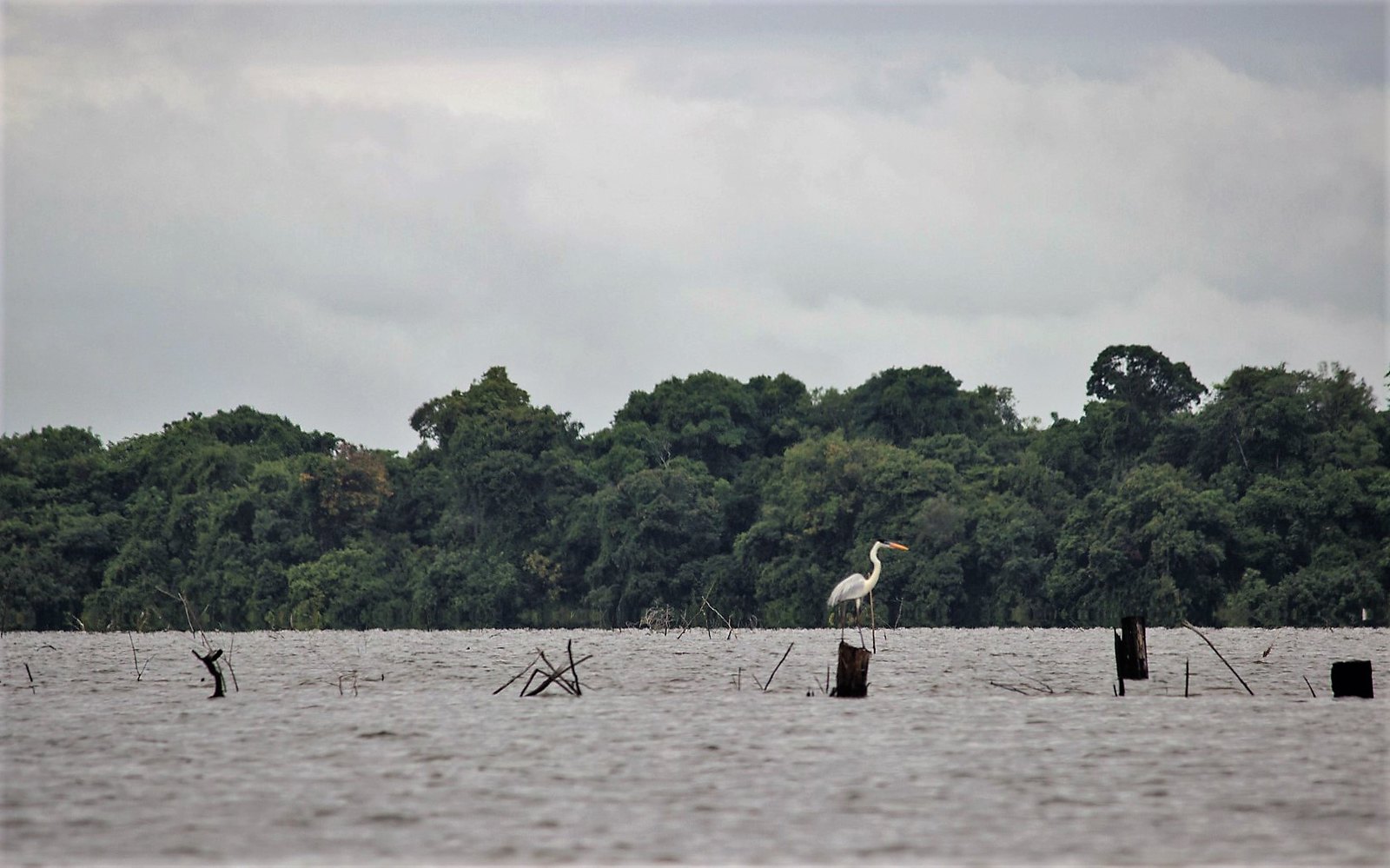
Foto: Amazon Watch / Maíra Irigaray.
A busca por justiça e reparação
Ao longo dos anos, o Ministério Público Federal do Pará, a Defensoria Pública e organizações da sociedade civil impetraram dezenas de ações judiciais em tribunais brasileiros para contestar as diversas irregularidades do projeto, bem como seus impactos. A maioria das ações permanece sem solução, algumas há mais de 10 anos.
Essas ações não obtiveram sucesso porque o governo federal tem reiteradamente anulado decisões favoráveis às comunidades afetadas, recorrendo a um mecanismo pelo qual o presidente do Supremo Tribunal Federal pode suspender uma decisão judicial com base unicamente em argumentos genéricos como "interesse nacional" ou "ordem econômica".
Diante da falta de respostas eficazes em nível nacional, a AIDA — juntamente com uma coalizão de organizações aliadas — levou o caso à Comissão Interamericana de Direitos Humanos (CIDH) e, em 2010, solicitou medidas cautelares para proteger a vida, a integridade e a saúde das comunidades indígenas afetadas.
Em 1º de abril de 2011, a CIDH concedeu essas medidas e solicitou ao Estado brasileiro a suspensão das licenças ambientais e de quaisquer obras de construção até que as condições relativas à consulta prévia e à proteção da saúde e integridade das comunidades fossem atendidas.
E, em 16 de junho de 2011, apresentamos uma denúncia formal à CIDH — juntamente com o Movimento Xingu Vivo Para Siempre, a Coordenação das Organizações Indígenas da Amazônia Brasileira, a Diocese de Altamira, o Conselho Missionário Indígena, a Sociedade Pará de Defesa dos Direitos Humanos e a Global Justice — contra o Estado brasileiro por sua responsabilidade internacional nas violações de direitos humanos contra os povos afetados neste caso. A denúncia foi apresentada em dezembro de 2015.
Em 3 de agosto de 2011, a CIDH modificou as medidas cautelares para solicitar — em vez da suspensão de licenças e obras — a proteção dos povos que vivem em isolamento voluntário, a saúde das comunidades indígenas e a regularização e proteção das terras ancestrais.
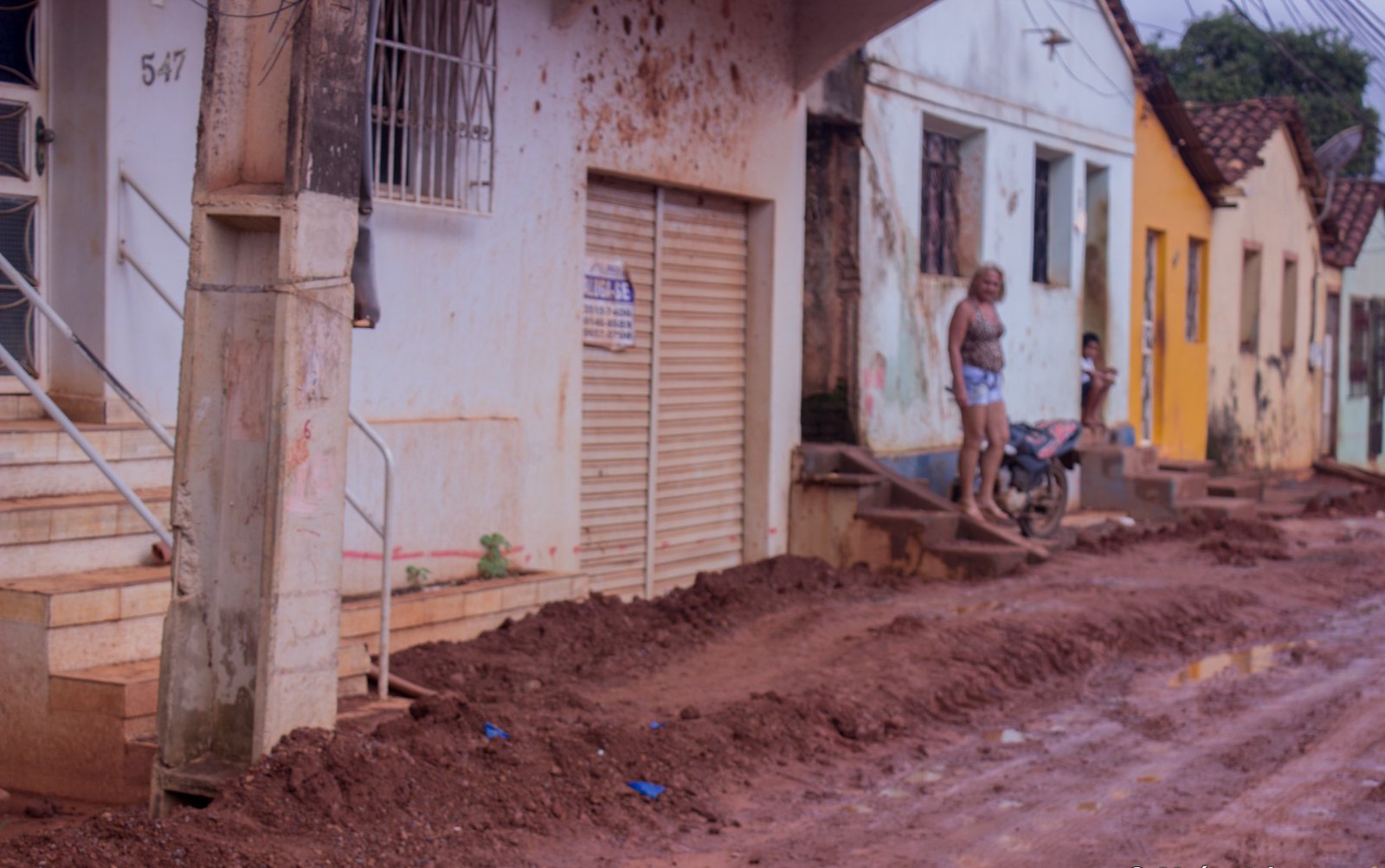
Foto: Amazon Watch / Maíra Irigaray.
Situação atual
As medidas de proteção concedidas pela CIDH permanecem em vigor, mas o Estado brasileiro não as cumpriu integralmente, relatando apenas ações genéricas. As comunidades documentaram as contínuas violações de seus direitos. A situação que motivou o pedido dessas medidas — o risco à vida, à segurança e aos meios de subsistência das comunidades — persiste e se agravou com a usina hidrelétrica operando em plena capacidade e com as recentes secas extremas na Amazônia.
Além do ocorrido em Belo Monte, existe o risco de maiores danos sociais e ambientais decorrentes da implementação de outro megaprojeto de mineração na Volta Grande do Xingu. Lá, a empresa canadense Belo Sun pretende construir a maior mina de ouro a céu aberto do Brasil.
Os impactos sinérgicos e cumulativos da usina e da mina não foram avaliados. O Estado excluiu povos indígenas, comunidades ribeirinhas e comunidades camponesas do processo de licenciamento ambiental do projeto. Apesar disso, dos protestos indígenas e de outras irregularidades em torno do projeto, o governo do estado do Pará autorizou formalmente a mina em abril de 2026.
Belo Monte, assim como outras usinas hidrelétricas, agrava a emergência climática ao gerar emissões de gases de efeito estufa em seu reservatório. Além disso, é ineficiente diante das secas prolongadas e intensas causadas pela crise, pois perde capacidade de geração de energia.
O caso perante a Comissão Interamericana
Em outubro de 2017, a CIDH anunciou que decidiria conjuntamente sobre a admissibilidade (se o caso preenche os requisitos para admissão) e o mérito (se houve, de fato, violação de direitos humanos) da denúncia internacional contra o Estado brasileiro.
Quinze anos após a apresentação da denúncia, as comunidades afetadas e as organizações que as representam ainda aguardam essa decisão. Caso a CIDH conclua que houve violações de direitos humanos e emita recomendações que o Estado brasileiro não cumpra, poderá encaminhar o caso à Corte Interamericana de Direitos Humanos, cujas decisões são vinculativas.
Uma possível decisão da Corte Internacional de Direitos Humanos neste caso estabeleceria um precedente jurídico regional em relação aos direitos dos povos indígenas e ribeirinhos, à participação pública em megaprojetos e à responsabilidade do Estado no contexto da crise climática. Isso é particularmente relevante à luz do Parecer Consultivo nº 32 da Corte, que reafirmou as obrigações dos Estados de proteger pessoas e comunidades em todo o continente da emergência climática.
Partners:
Related projects
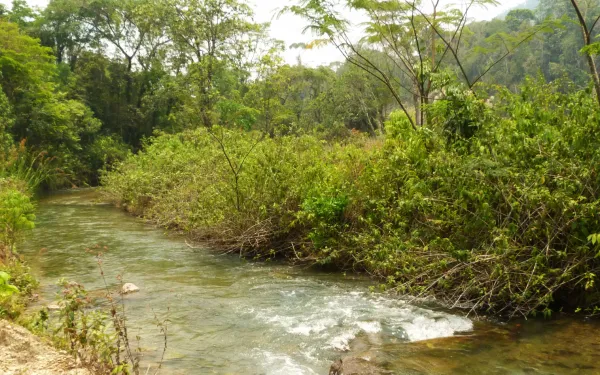
Historic recommendation paves the way for development bank to exit harmful hydroelectric projects in indigenous territory
For the first time, a case brought before the Inter-American Development Bank’s (IDB) Independent Consultation and Investigation Mechanism (MICI) opens the possibility for the bank to responsibly exit financing granted to hydroelectric projects, after concluding that the investment was made without acknowledging the presence of indigenous peoples, thus violating the bank’s operational policies. Washington DC, United States. The Independent Consultation and Investigation Mechanism (MICI) of the Inter-American Development Bank Group concluded that, within the framework of the financing granted to the Generadora San Mateo and Generadora San Andrés hydroelectric projects—located in the Yich K'isis micro-region, territory of the Native Maya Chuj Guatemala Nation—IDB Invest ignored the presence of indigenous peoples in the area by failing to verify their existence, thus ruling out the implementation of safeguards to protect them. MICI also established that the Bank failed to comply with several of its internal policies and, based on this, opened the possibility for a responsible withdrawal of the investment. These and other findings are contained in the case’s Final Report, approved by the IDB Board of Executive Directors, in which MICI resolved the complaint filed in 2018 by the affected communities—represented by the Ancestral Plurinational Government of the Maya Q'anjob'al, Maya Chuj, Maya Akateko, Maya Popti and Mestiza Native Nations; the Interamerican Association for Environmental Defense (AIDA); and the International Platform Against Impunity. Of the 29 recommendations issued in the report: 10 are aimed at institutional changes to avoid non-compliance with environmental and social safeguards in other IDB Invest operations; 18 are focused on implementing specific corrective actions to redirect the San Mateo and San Andrés projects; and one of them, number 29, opens the possibility for IDB Invest to withdraw its investment from the hydroelectric plants. "In case of exit from the Projects, IDB Invest should adopt the necessary provisions to ensure a responsible exit from Operations," the report reads. "Recommendation 29 is the most consistent with the findings of the Final Report and the one that best responds to the request that the communities have made since the beginning of the process: it is unsustainable for IDB Invest to finance projects that were developed in indigenous territories while ignoring their presence," said Liliana Ávila, senior attorney at AIDA. "In an effective accountability process, the bank must be held responsible for its mistakes and remedy the damage it has caused." This represents a milestone for the region, as it is the first time that MICI has made such a consistent recommendation regarding projects under investigation. The recommendation demonstrates improvements in the bank's accountability processes, increases opportunities for communities affected by IDB Group-financed projects, and sets a precedent for better financing practices. "The report sets a precedent for accountability in the region. It puts MICI and the compliance verification phase one step closer to responding to the requests and demands of affected communities," said Carolina Juaneda, Latin America Coordinator for the Bank Information Center. "Recommendation 29 is a novel and encouraging development, as it puts the requests and demands of the communities that have been negatively affected by the projects at center stage. Although there are still many challenges to continue working on, the report undoubtedly represents a clear and powerful step toward strengthening accountability in the region." For the communities, it is through full compliance with Recommendation 29 that their primary request may finally be answered. The bank’s divestment from the dams must incorporate a responsible, participatory and comprehensive withdrawal plan that respects the good faith consultation carried out in 2009, in which the communities decided not to carry out the such projects in their territory. The plan must include: 1) recognition and restoration of social and cultural damages caused; 2) respect for the rights of indigenous peoples and recognition and restoration of the damages generated; 3) recognition and restoration of the damages generated by the differentiated impacts on women; and 4) prevention, mitigation and restoration measures from an environmental perspective. "The measures proposed in Recommendation 29 should have been part of the project planning phase. By not having considered them in its initial phase, a series of impacts and damages to the community were generated," stated Mara Bocaletti, Regional Director of the International Platform Against Impunity. "Only a responsible exit process by the investors will be able to restore the conditions of credibility towards the accountability mechanisms of international financial institutions." Another of the communities' expectations is that the IDB Group will guarantee their access to information and participation in the following phases of the process, which would allow the effective guarantee of their rights and the improvement of the bank's protection strategies. "This report is very valuable because it recognizes the impacts generated by the projects and validates the complaints we have been making for years. It is an important report not only for us, but for all indigenous peoples in Guatemala," said Lucas Marcos, local authority. "The bank's responsible withdrawal from the projects will allow us to maintain our rivers and access to water for us and our families." In addition to non-compliance with the IDB's policy on indigenous peoples, MICI concluded that the development of the San Mateo and San Andres projects caused differentiated impacts on women, environmental impacts, increased conflict, and harm to the social fabric. It also found that the bank did not guarantee access to information for the communities. "It is a serious wrongdoing that the bank has prioritized the advancement of these projects despite failing to comply with its internal requirements, to the detriment of our life as communities and ignoring our presence as indigenous peoples," said Rigoberto Juarez, Coordinator of the Plurinational Government of the Maya Q'anjob'al, Maya Chuj, Maya Akateko, Maya Popti and Mestiza indigenous nations. "Our individual and collective rights cannot be undermined in the face of private interests; consequently, a responsible withdrawal is the least the bank can do in the face of the magnitude of the damages caused. We hope that this will not happen again in other cases, and that the bank will assume its responsibility to respect the rights of indigenous peoples." The outcome of this complaint, as well as the international attention surrounding the case, is the result of a process of organization and resistance undertaken by the Mayan men and women of Yich K'isis upon being faced with of the imposition of large-scale hydroelectric projects, developed without due diligence and without consultation. For years, they have been demanding respect for their ways of life, and the value they hold for their water and their culture. The MICI report, apart from supporting the allegations of the affected communities regarding the violations of their rights, also sets an important precedent for Guatemala. This decision should be taken into account on a national level to address the countless irregularities and rights violations denounced throughout the country in the context of the implementation of mega-development projects, specifically large dams. press contacts Victor Quintanilla (Mexico), AIDA, [email protected], +525570522107 Camila Castellanos, International Platform Against Impunity, [email protected]
Read more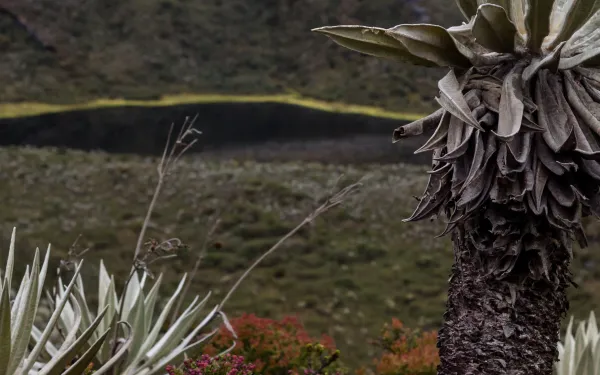
International Arbitration Tribunal rules in favour of a Canadian company and puts foreign investment above Colombia's legitimate right to protect Santurbán
Bucaramanga, Bogotá, Washington, Ottawa. National and international civil society organizations are widely rejecting the decision made by the International Centre for Settlement of Investment Disputes (ICSID) on September 10 in the case of Eco Oro v. Colombia, for at least three reasons: we consider that (i) it is inconsistent and reflects a profound ignorance of the socio-environmental complexity of the case; (ii) it is the result of an unfair and widely discretionary investment arbitration system that allows for arbitrary decisions made by those who oversee these cases and, (iii) increases the risk of further arbitrations being brought against the State of Colombia at the ICSID. ICSID is one of the institutions responsible for resolving disputes between States and international investors — in this case, within the context of the Canada-Colombia Free Trade Agreement. In the case of Eco Oro v. Colombia, the ICSID Tribunal concluded that, although the protection measures of the páramos adopted by Colombia were legitimate and did not constitute an expropriation of the rights of the Canadian company Eco Oro, its actions in the delimitation of the Páramo de Santurbán did violate the “minimum standard of treatment” to foreigners. The Tribunal has yet to decide on compensation for damages to Eco Oro and has asked both parties for more information to inform its decision. The Tribunal’s decision was the result of a process initiated by a supranational arbitration claim filed by the Canadian company Eco Oro against Colombia in 2016, which questioned the decisions made by the Colombian government to protect the páramos — the natural source of water for 70% of inhabitants. The Canadian investor [Eco Oro] intends to construct the Angostura gold mine in the Santurbán páramo, located in the northeast of the country. An inconsistent decision that ignores the socio-environmental complexities of the case. The majority of the Tribunal held that the decisions made by the Colombian government were in accordance with Colombian national law and were made with the legitimate aim of protecting the environment. In addition, the Tribunal recognized that the páramos are being threatened by both human intervention and climate change and that the possibility of their recovery from mining activities is very low, which is why it is necessary to protect them. As a result, the Tribunal rejected Eco Oro’s argument that the precautionary principle was not applicable, and pointed out that the Santurbán case was an example where it was, in fact, relevant. This was the grounds for rejecting one of Eco Oro’s claims that its rights had been indirectly expropriated by the State of Colombia. On the contrary, the Tribunal found that the measures adopted by the country were a legitimate exercise in environmental protection. However, when examining a second claim, the Tribunal explained that the inconsistency, hesitation and inaction of the State of Colombia in the delimitation of the Santurbán páramo had thwarted Eco Oro's investment expectations without any “apparent legitimate justification,” and had therefore not granted the investor "fair and equitable treatment" in accordance with the "minimum standard of treatment" for foreigners. This last ruling of the Tribunal is inconsistent. It ignores the socio-environmental complexity of the case and the challenges of materializing the right to environmental participation within the process of delimitation of the páramo. Although the decision recognizes that the delimitation involves managing widely disparate interests throughout the process, in the end — in a ruling far removed from the reality of Santurbán and its communities — the Tribunal took this process lightly, dismissing its complexities, and appears to have not taken it as legitimate and sufficient justification. An unpredictable, limiting and unfair arbitration system. "The Tribunal's decisions are not predictable, since decisions in one case do not bind future rulings on environmental issues. There is no precedent set, as traditionally understood in the system. The breadth of the clauses and the arbitrators' freedom of interpretation are excessive, which is problematic not only for Colombia but for all countries in the region," said Yeny Rodriguez, a lawyer with the Interamerican Association for Environmental Defense (AIDA). This decision allows mining investment to prevail over the Colombian State's obligation to protect the environment and the water of Colombians. We question the fact that the Tribunal has made its decision but has not judged the lack of due diligence by the Canadian company who knew from the beginning that its mining project overlapped with a páramo zone — a sensitive ecosystem protected by national law. This case demonstrates the arbitrary and overreaching nature of the supranational arbitration system, and the way in which it disciplines and punishes the governments of the Global South. It’s worth remembering that in February 2019, the Tribunal rejected the possible participation of the Santurbán Committee in the process. Uncertainty for Colombia. Carla García Zendejas, Director of the People, Land and Resources Program of the Center for International Environmental Law (CIEL) stated, "The legal uncertainty that the supranational investment arbitration system represents for Colombia is enormous. The high levels of arbitrariness that characterizes the system leads to penalizing States for any circumstance in which expected profits are affected. And this is especially critical for Colombia, as there are other lawsuits against the country resulting from extractive projects linked to Santurbán and other fragile ecosystems. This could mean a domino effect of lawsuits and heavy penalties against Colombians." Two other lawsuits are currently underway before ICSID against the country by Canadian mining companies — Red Eagle Exploration and Galway Gold — for measures taken to protect the Santurbán páramo. There are also other lawsuits filed by Cosigo Resources, South32 Investments Limited, Gran Colombia Gold, Glencore International and Anglo American in connection to other extractive projects. We call on the Colombian State to denounce the free trade agreements and bilateral investment protection agreements to which it is party and to refrain from signing such instruments in the future. It is for these reasons above that today the Comité para la Defensa del Agua y el Páramo de Santurbán (Committee for the Defense of Water and the Páramo of Santurbán) is holding a day of protest in front of the Canadian Embassy in Bogotá, demanding that ICSID respect their legitimate fight for the defense of water, Santurbán and the páramos of Colombia. Likewise, we are also in front of Congress, demanding that the Investment Protection Agreements with the United Arab Emirates-Minesa be rejected. press contacts Comité para la Defensa del Agua y el Páramo de Santurbán, [email protected], +57 3012080622 Carla García Zendejas, Center for International Environmental Law (CIEL), [email protected], +1 202 374 2550 Yeny Rodríguez Junco, Interamerican Association for Environmental Defense (AIDA), [email protected], +57 3107787601 Jamie Kneen, MiningWatch Canada, [email protected], +1(613) 761-2273 Manuel Pérez Rocha, Institute for Policy Studies, [email protected], +1 240 838 6623
Read more
AIDA applauds historic UN resolution recognizing the human right to a healthy environment
This Friday, the United Nations Human Rights Council adopted a resolution recognizing the human right to a safe, healthy, clean and sustainable environment. Getting to this point has involved decades of work by thousands of people who seek to ensure the well-being of all people and the planet we inhabit. It is now in the hands of the UN General Assembly to approve the resolution and make this human right global. Liliana Avila, Senior Attorney with AIDA’s Human Rights and Environment Program, states: "The United Nations has taken a historic step by recognizing a healthy environment as a universal right. It will strengthen the efforts of countries and peoples to protect human rights and nature, and to advance the struggle against the climate crisis. " This recognition is vital. Taking action to promote environmental and climate justice is an urgent mandate of States, and an urgent demand of the people.” Anna Cederstav, Interim Executive Director of AIDA, reflects: "Achieving this recognition at the global level has been a decades-long struggle on the part of the environmental movement, from its first mention to the present day. It is a testament to the patience and dedication necessary to promote meaningful change. We applaud all those who have made it possible: Costa Rica, Slovenia, Maldives, Morocco and Switzerland who took the lead within the UN, and all the environmental organizations, movements and individuals around the world who fight every day for a healthy planet for all." It is urgent that all States, including those that abstained from voting, recognize the importance of all people having access to clean water, clean air, and ecosystems that promote well-being and the enjoyment of human rights. AIDA welcomes this decision, which recognizes the foundational right that has guided our work since 1998. We will use the globally recognized right to a healthy environment to advance climate justice for all those who live on this planet, and those yet to come. We extend our thanks and admiration to the people who initiated this work years ago, to those who were involved in the milestones that led to the resolution, and to all of our colleagues and team members---current and past--who have worked to bring us to this day.
Read more