
Project
Amazon Watch / Maíra Irigaray
Barragem de Belo Monte no rio Xingu: 10 anos de impactos na Amazônia e de busca por reparações
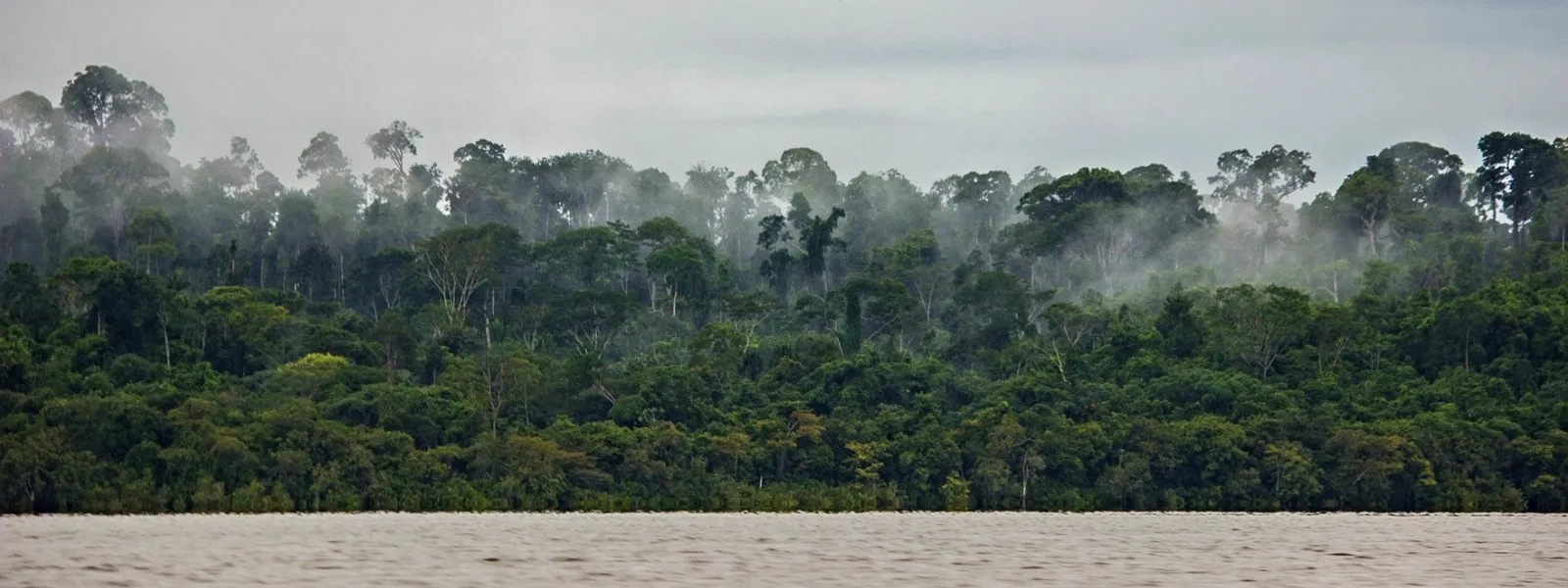
A usina hidrelétrica de Belo Monte causou um desastre ambiental e social no coração da Amazônia: um dos ecossistemas mais importantes do planeta.
Essa situação só piorou desde que a usina começou a operar em 2016. A busca por justiça e reparação para as comunidades indígenas e ribeirinhas afetadas continua até hoje.
Em 2011, a Comissão Interamericana de Direitos Humanos (CIDH) concedeu a essas comunidades medidas de proteção, que até hoje não foram totalmente implementadas pelo Estado brasileiro.
E, desde junho daquele mesmo ano, a CIDH mantém um processo contra o Estado por sua responsabilidade internacional no caso.
A CIDH pode encaminhar o caso à Corte Interamericana de Direitos Humanos, que tem o poder de emitir uma sentença condenatória contra o Estado brasileiro.
Consulta o expediente de fatos do caso
Após 10 anos de operação da usina hidrelétrica e mais de 15 anos de violações de direitos humanos documentadas, é hora da justiça ser feita para as comunidades afetadas.
Leia a carta aberta das organizações que levam o caso à CIDH
Leia nosso comunicado à imprensa
Contexto
A usina hidrelétrica de Belo Monte — a quarta maior do mundo em capacidade instalada (11.233 MW) — foi construída no rio Xingu, no estado do Pará, norte do Brasil.
Foi inaugurada em 5 de maio de 2016, com uma única turbina. Naquela época, 80% do curso do rio foi desviado e 516 km² de terra foram inundados, uma área maior que a cidade de Chicago. Desse total, 400 km² eram de mata nativa. A usina começou a operar em plena capacidade em novembro de 2019.
Belo Monte foi construída e é operada pelo consórcio Norte Energia S.A., composto principalmente por empresas estatais. Foi financiada pelo Banco Nacional de Desenvolvimento Econômico e Social (BNDES), que aportou ao consórcio 25,4 bilhões de reais (aproximadamente US$ 10,16 bilhões), o maior investimento de sua história. Portanto, o BNDES também é legalmente responsável pelos impactos socioambientais associados ao projeto hidrelétrico.
Décadas de danos ambientais e humanos
As violações dos direitos humanos e a degradação da Amazônia remontam ao início do projeto. Em março de 2011, a Norte Energia iniciou a construção da barragem sem consulta adequada e sem o consentimento prévio, livre e informado das comunidades afetadas.
A construção levou ao deslocamento forçado de mais de 40.000 pessoas, rompendo laços sociais e culturais. O plano de reassentamento em Altamira — cidade diretamente afetada pelo projeto hidrelétrico — incluía moradias na periferia da cidade, sem serviços públicos adequados, moradias dignas para as famílias reassentadas e moradias diferenciadas para aqueles pertencentes a comunidades indígenas.
A operação da barragem de Belo Monte impôs uma seca permanente e artificial na Volta Grande do rio Xingu, agravada pelas secas históricas na Amazônia em 2023 e 2024. Como resultado, a morte de milhões de ovos de peixe foi documentada por quatro anos consecutivos (de 2021 a 2024) e, nos últimos três anos, não houve migração de peixes rio acima para desovar e se reproduzir. Assim, a pesca artesanal, principal fonte de proteína para os povos indígenas e comunidades ribeirinhas, foi severamente afetada: o consumo de peixe caiu de 50% para 30% do total de proteínas consumidas, sendo substituído por alimentos processados. Em suma, houve um colapso ambiental e humanitário que resultou no colapso da pesca como modo de vida tradicional, insegurança alimentar e falta de acesso à água potável para milhares de famílias, empobrecimento e doenças.
Além disso, a construção da barragem aumentou o desmatamento e intensificou a extração ilegal de madeira e a insegurança em terras indígenas e tribais, colocando em risco a sobrevivência dessas comunidades. Outra consequência foi o agravamento da pobreza e dos conflitos sociais, bem como a sobrecarga dos sistemas de saúde, educação e segurança pública em Altamira, cidade considerada a mais violenta do país em 2017, onde houve aumento do tráfico de pessoas e da violência sexual. Também foram registrados casos de violência contra defensores de direitos humanos envolvidos no caso.
Em 2025, durante a 30ª Conferência das Nações Unidas sobre Mudanças Climáticas (COP30), realizada no Brasil, o Ministério Público Federal classificou os danos causados por Belo Monte como ecocídio.
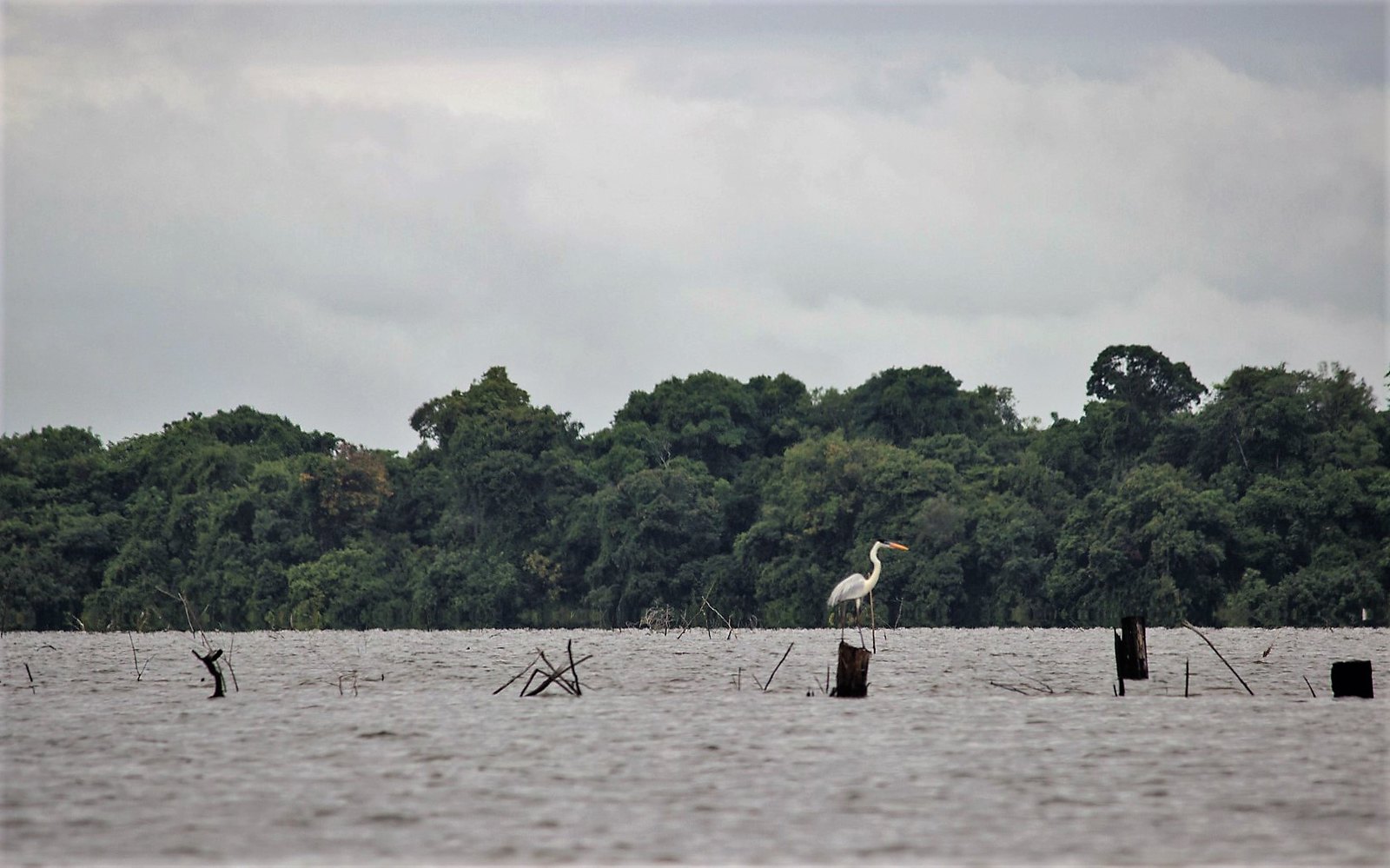
Foto: Amazon Watch / Maíra Irigaray.
A busca por justiça e reparação
Ao longo dos anos, o Ministério Público Federal do Pará, a Defensoria Pública e organizações da sociedade civil impetraram dezenas de ações judiciais em tribunais brasileiros para contestar as diversas irregularidades do projeto, bem como seus impactos. A maioria das ações permanece sem solução, algumas há mais de 10 anos.
Essas ações não obtiveram sucesso porque o governo federal tem reiteradamente anulado decisões favoráveis às comunidades afetadas, recorrendo a um mecanismo pelo qual o presidente do Supremo Tribunal Federal pode suspender uma decisão judicial com base unicamente em argumentos genéricos como "interesse nacional" ou "ordem econômica".
Diante da falta de respostas eficazes em nível nacional, a AIDA — juntamente com uma coalizão de organizações aliadas — levou o caso à Comissão Interamericana de Direitos Humanos (CIDH) e, em 2010, solicitou medidas cautelares para proteger a vida, a integridade e a saúde das comunidades indígenas afetadas.
Em 1º de abril de 2011, a CIDH concedeu essas medidas e solicitou ao Estado brasileiro a suspensão das licenças ambientais e de quaisquer obras de construção até que as condições relativas à consulta prévia e à proteção da saúde e integridade das comunidades fossem atendidas.
E, em 16 de junho de 2011, apresentamos uma denúncia formal à CIDH — juntamente com o Movimento Xingu Vivo Para Siempre, a Coordenação das Organizações Indígenas da Amazônia Brasileira, a Diocese de Altamira, o Conselho Missionário Indígena, a Sociedade Pará de Defesa dos Direitos Humanos e a Global Justice — contra o Estado brasileiro por sua responsabilidade internacional nas violações de direitos humanos contra os povos afetados neste caso. A denúncia foi apresentada em dezembro de 2015.
Em 3 de agosto de 2011, a CIDH modificou as medidas cautelares para solicitar — em vez da suspensão de licenças e obras — a proteção dos povos que vivem em isolamento voluntário, a saúde das comunidades indígenas e a regularização e proteção das terras ancestrais.
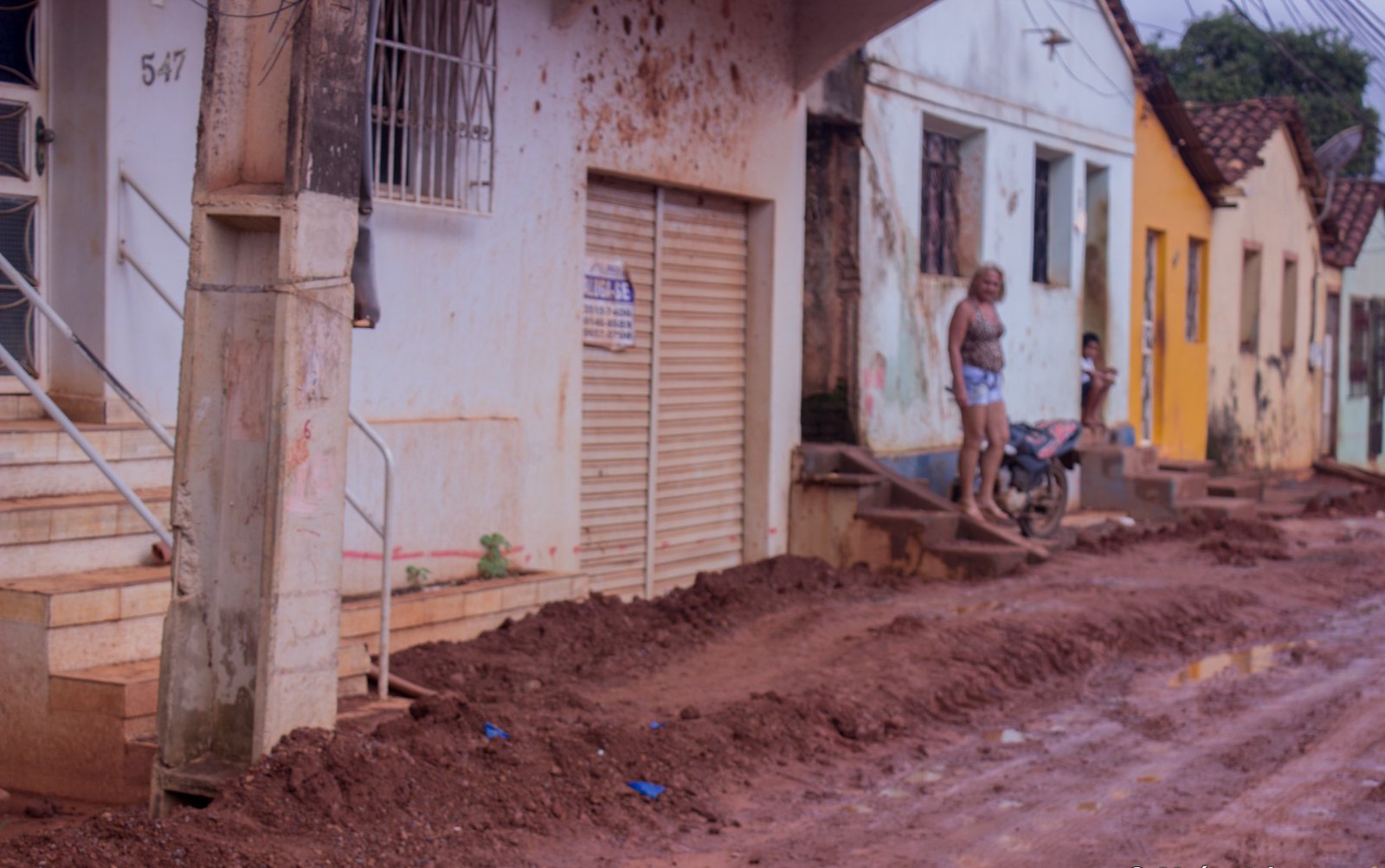
Foto: Amazon Watch / Maíra Irigaray.
Situação atual
As medidas de proteção concedidas pela CIDH permanecem em vigor, mas o Estado brasileiro não as cumpriu integralmente, relatando apenas ações genéricas. As comunidades documentaram as contínuas violações de seus direitos. A situação que motivou o pedido dessas medidas — o risco à vida, à segurança e aos meios de subsistência das comunidades — persiste e se agravou com a usina hidrelétrica operando em plena capacidade e com as recentes secas extremas na Amazônia.
Além do ocorrido em Belo Monte, existe o risco de maiores danos sociais e ambientais decorrentes da implementação de outro megaprojeto de mineração na Volta Grande do Xingu. Lá, a empresa canadense Belo Sun pretende construir a maior mina de ouro a céu aberto do Brasil.
Os impactos sinérgicos e cumulativos da usina e da mina não foram avaliados. O Estado excluiu povos indígenas, comunidades ribeirinhas e comunidades camponesas do processo de licenciamento ambiental do projeto. Apesar disso, dos protestos indígenas e de outras irregularidades em torno do projeto, o governo do estado do Pará autorizou formalmente a mina em abril de 2026.
Belo Monte, assim como outras usinas hidrelétricas, agrava a emergência climática ao gerar emissões de gases de efeito estufa em seu reservatório. Além disso, é ineficiente diante das secas prolongadas e intensas causadas pela crise, pois perde capacidade de geração de energia.
O caso perante a Comissão Interamericana
Em outubro de 2017, a CIDH anunciou que decidiria conjuntamente sobre a admissibilidade (se o caso preenche os requisitos para admissão) e o mérito (se houve, de fato, violação de direitos humanos) da denúncia internacional contra o Estado brasileiro.
Quinze anos após a apresentação da denúncia, as comunidades afetadas e as organizações que as representam ainda aguardam essa decisão. Caso a CIDH conclua que houve violações de direitos humanos e emita recomendações que o Estado brasileiro não cumpra, poderá encaminhar o caso à Corte Interamericana de Direitos Humanos, cujas decisões são vinculativas.
Uma possível decisão da Corte Internacional de Direitos Humanos neste caso estabeleceria um precedente jurídico regional em relação aos direitos dos povos indígenas e ribeirinhos, à participação pública em megaprojetos e à responsabilidade do Estado no contexto da crise climática. Isso é particularmente relevante à luz do Parecer Consultivo nº 32 da Corte, que reafirmou as obrigações dos Estados de proteger pessoas e comunidades em todo o continente da emergência climática.
Partners:
Related projects
"Portraits of a feminist energy transition"
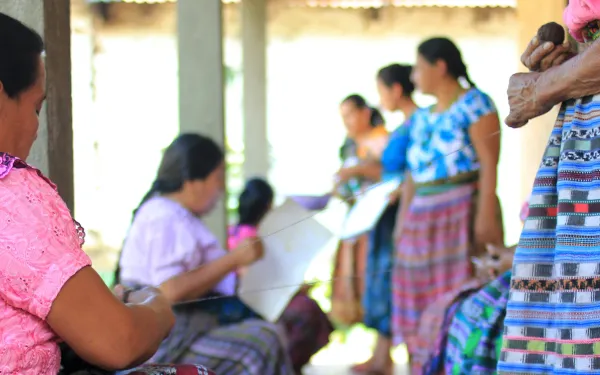
The energy transition is essential and underway, but what are the risks and opportunities that the green energy revolution represents for the realisation of women's rights? How can we prevent the replication of extractive practices commonly associated with fossil industries? How can we promote renewable energy models that promote women's participation and the eradication of energy poverty? The series "Portraits of a Feminist Energy Transition" seeks to showcase the stories of women activists and human rights defenders advcating for a just energy transition. A new energy system that protects the environment, advances gender equality and provides safe, affordable and sustainable access to energy. Although women play a critical role in the management and use of energy resources in households and their communities, they face common challenges linked to systemic discrimination, energy poverty and lack of representation in the development of the new renewable energy sector. We cannot accelerate the move towards sustainable energy systems without bringing to the centre the voices of women and communities who have historically been left behind in energy decision-making spaces. In the context of COP26 and when discussing an energy transition that involves an unprecedented technical and technological shift from one source of energy to another and counteracting the effects of climate change, the civil society organisations, Global Initiative for Economic, Social and Cultural Rights (GI-ESCR) and the Interamerican Association for Environmental Defense (AIDA), with the support of FES-Geneva, launch the first video in the series that tells the story of Maria, an indigenous woman from the Maya Chuj ethnic group living in the Yich K'isis micro-region of Guatemala. It is only through women's stories and experiences that we can reduce the potential risks of the energy transition and catalyse the transformative power of renewable energy to advance gender equality and a low carbon future for all. Listen to María’s story!
Read more
Science's call to action for climate and air
By Fabio López Alfaro y Luisa Gaona Quiroga, AIDA interns The first installment of the Intergovernmental Panel on Climate Change’s (IPCC) Sixth Assessment Report—which will be completed in 2022—devotes an unprecedented entire chapter to short-lived climate pollutants (SLCPs), the reduction of which can mitigate the climate crisis and improve air quality. The IPCC's emphasis on these pollutants reaffirms the intrinsic relationship between climate and air, as well as the urgent need to implement effective and joint measures for their protection. SLCPs are compounds that absorb or reflect solar energy. They have the capacity to heat or cool the Earth on short time scales (days to years), in contrast to greenhouse gases, such as carbon dioxide, whose climate impact can last decades, centuries or even longer. The best-known SLCPs include black carbon (small particles produced by burning diesel, biofuels and biomass), methane (which has a high global warming effect and is a precursor of other pollutants), tropospheric ozone and hydrofluorocarbons. Because they remain in the atmosphere for only short periods of time, their impacts on climate are regional and their changes are linked to changes in their emission sources. Although some SLCPs warm the planet and others cool it, the fact is that these pollutants cause between 30 and 45 percent of global warming, in addition to damaging air quality and affecting crop yields. Therefore, their integral management is decisive for mitigating the climate crisis and improving our quality of life. The situation in Latin America In this IPCC assessment cycle, the availability of information made it possible to emphasize the regional analysis of climate change, illustrating the relevance of SLCPs, whose impacts on climate and air are primarily local. However, the findings for Latin America are minor compared to those of Europe, Asia or North America, evidencing a lag in the region's knowledge. Closing this knowledge gap on SLCPs is fundamental because the region ranks third in terms of short-term (10 year) warming generation, surpassed by East Asia and North America. Despite having less information, the IPCC was able to identify the key sectors and pollutants to manage in Latin America. The report highlights that mitigation policies should focus on particulate matter and ozone generated in industry, energy production and open burning of biomass, sectors that are regionally responsible for the highest emissions. As the diameter of the particulate matter decreases, the negative health impacts are greater. Thus, fine particles— of particulate matter 2.5—cause the most harmful impacts on people's respiratory and cardiovascular systems. According to the World Health Organization, black carbon and organic carbon form a substantial part of particulate matter in air pollution, and are an important cause of morbidity and premature mortality worldwide. Moreover, methane and black carbon are the primary pollutants of concern in agriculture, fossil fuels, waste management and diesel engines, sectors that are projected to contribute 90 percent of non-OECD countries' black carbon emissions by 2100. Call to action The scientific evidence presented by the IPCC is also a call to action, a joint fight for climate and air. The report proves that it is vital to have crosscutting public policies that simultaneously seek to mitigate the climate crisis and SLCP emissions. The absence of such policies, coupled with weak air pollution control, implies short-term warming for Latin America, mainly because it is estimated that emissions of methane, ozone and hydrofluorocarbons—compounds characterized by high warming rates—will increase, as well as lower contributions from aerosols, which would decrease the cooling effect. However, with proper monitoring and in scenarios that combine efforts to reduce GHGs and SLCPs, high climate benefits and stabilization are expected after 2040. Although the climate results of these measures will be visible in 20 to 30 years, they will contribute to improving air quality and protecting human health in the short term. Public policies that work to lessen air pollution can reduce mortality rates due to poor air quality and contribute to meeting several of the Sustainable Development Goals (SDGs), especially those targets related to particulate matter exposure (targets 3.9 and 11.6), human health and cities (targets 3.8 and 11.7), and the health of people and the environment (targets 3.9 and 11.7). They can also contribute to access to clean and affordable energy, responsible consumption and production, climate action and biodiversity protection (SDGs 7, 12, 13, 14 and 15). Finally, reducing CCVC emissions will help reduce crop losses, contributing to achieving zero hunger (SDG 2). Now that we know the sectors and pollutants whose management will be key in the coming years, it is time to demand that authorities and companies implement concrete actions to reduce emissions of SLCPs and obtain co-benefits in the fight for climate and clean air.
Read more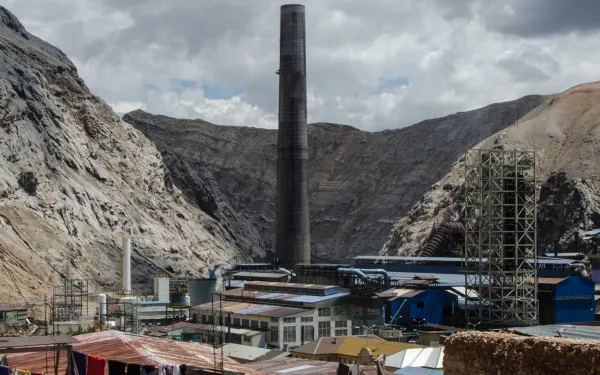
Victims of environmental contamination in La Oroya, Peru applaud the presentation of their case before the Inter-American Court of Human Rights
The decision, emitted by the Inter-American Commission on Human Rights, represents an important opportunity to restore the rights of affected residents. It’s the first time that a case of air pollution caused by business activities in an urban context has been brought before the Court. La Oroya, Peru. More than fifteen years after the case of environmental contamination in the city of La Oroya began, the Inter-American Commission on Human Rights established the Peruvian State’s responsibility for the violation of the affected population’s rights to life, integrity, health and a healthy environment. This month, the Commission referred the case to the Inter-American Court of Human Rights. "My sisters and I suffered exposure to heavy metals since we were children, having to migrate with our parents to an area far away from the contamination," said one of the victims, whose identity has been withheld due to the risk of reprisals for their role as environmental defenders. “We are thrilled to take one more step in this long process, in which so many of us have been involved. We are hopeful this will shine a ray of light on our path, and that our case will come to an end for the wellbeing of our health, so we can say 'Yes we could' in spite of so many falls.” The case originated with a petition, filed in 2005, by a group of La Oroya residents who, in the absence of responses at the national level, turned to the Commission to request precautionary measures. They subsequently denounced the violation of their rights resulting from chronic exposure to heavy metals (lead, cadmium and arsenic) from the metallurgical complex run by the company Doe Run Peru. The affected people appealed to the Inter-American Human Rights System because, although the Peruvian Constitutional Court ordered urgent measures for the protection of their rights in 2006, the State failed to comply with them. In an official communiqué on its decision, adopted on September 30, the Commission emphasized that "the State failed to comply with due diligence in its duties to regulate, supervise and oversee the behavior of the companies with respect to the rights they could affect, nor with its duty to prevent violations of these rights.” "We are happy for the news, so many years of waiting, frustration and fear. We are finally at the end,” said a mother whose parents and siblings were also affected by the contamination. “It’s a joy for all those who are present and for those who have left. We also thank the group of petitioners who have continued despite everything." The Interamerican Association for Environmental Defense (AIDA) and the Pro Human Rights Association (APRODEH), representatives of those affected in the case, welcome the Commission's decision, as it puts an end to several years of waiting and constitutes a great opportunity to restore the rights of the affected people. "It is a milestone for the Inter-American System because it is the first case to document a situation of environmental contamination, particularly air pollution, caused by business operations in an urban context," said Liliana Avila, Senior Attorney in AIDA's Human Rights Program. For Christian Huaylinos, Coordinator of APRODEH's Legal Department, "this case would allow the Court to advance State obligations regarding the special protection of populations that may be in a particularly vulnerable situation, such as children, adolescents and senior citizens. It would also address State responsibility, the obligations derived from the right to a healthy environment as an autonomous right, and its interdependence with other fundamental rights for human existence, such as health, life and personal integrity, as well as rights such as access to information, association and justice.” The contamination suffered by the inhabitants of La Oroya, many of them minors, particularly those who have come before the Commission, has had serious negative effects on their health with consequences that continue to this day. Although the metallurgical complex has implemented environmental management instruments, given the legal requirements at the national level aimed at mitigating and remediating the contamination caused, the State has granted extensions for their implementation without Doe Run Peru fully complying with its obligations. "I was very affected by the loss of my loved ones due to a lack of adequate healthcare, which lead to death. We’ve lost many people,” said one of the inhabitants of La Oroya, who has been affected since she was a minor and had to migrate to Lima with her mother. “We want to be treated well when we go to the doctor. I’ve lost my sisters and my father; we are all affected. I remember as I child I used to get spots from the arsenic.” She requests that the Court focus on the Peruvian health system when hearing the case and learning about its impacts. In all these years, the Peruvian State has failed to oversee, regulate and remedy the damage caused by the metallurgical complex. Its actions and omissions continue to violate human rights, to the detriment of the families of La Oroya. Members of the La Oroya community who have defended their right to a healthy environment have also been subjected to harassment and accusations. In this regard, the IACHR concluded that the State did not carry out "serious and effective criminal or administrative investigations to guarantee access to justice for the victims who were subjected to threats, harassment or reprisals by Doe Run Peru workers, as a result of the complaints made about the contamination." AIDA and APRODEH express their satisfaction with the presentation of the case before the Court and reiterate their commitment to the victims of La Oroya, to the defense of human rights, and the right to a healthy environment. press contacts: Victor Quintanilla (Mexico), AIDA, [email protected], +525570522107 Christian Huaylinos Camacuari (Peru), APRODEH, [email protected], +51959789232
Read more