
Project
Alberto Peña Kay
Protecting the Santurban páramo from mining's damage
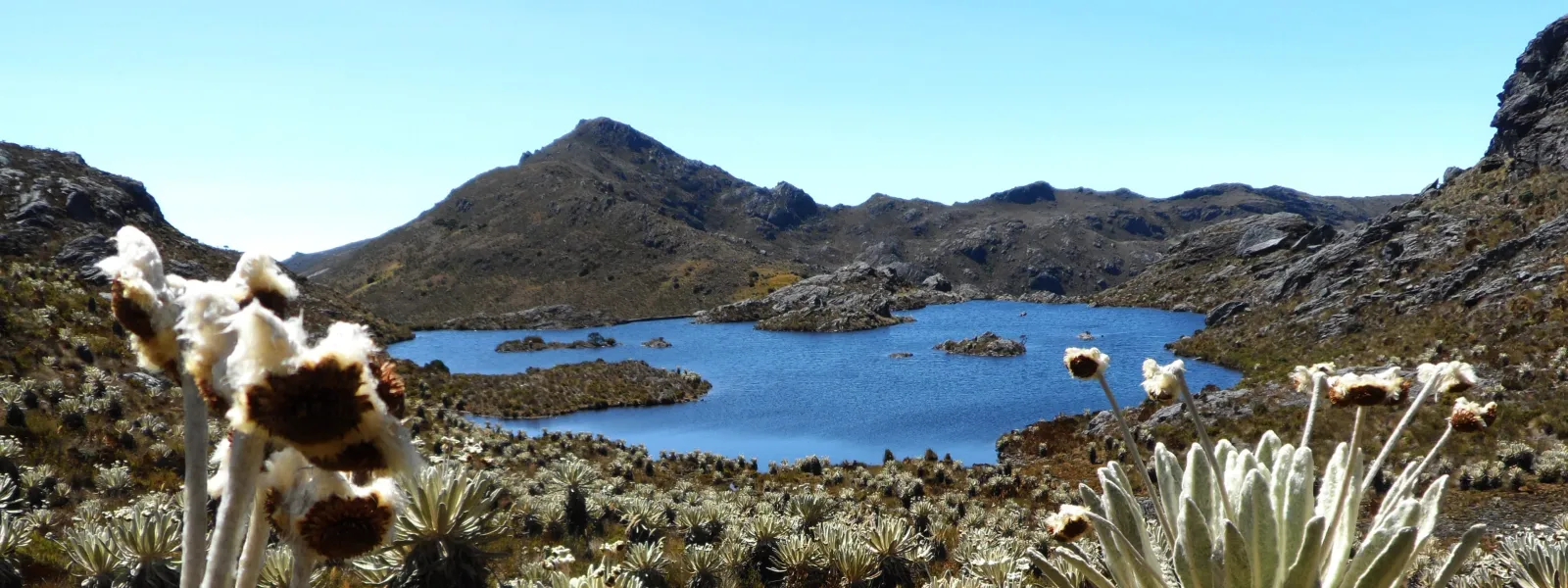
In the Andean region, high-mountain ecosystems known as páramos capture water from the fog and supply it to the lowlands. One such ecosystem is the Santurbán páramo, which provides fresh water to more than two million people in Colombia.
Santurbán, like the other páramos on the continent, also captures large amounts of carbon, making it a key ally in mitigating the climate crisis. It is also a refuge for hundreds of endangered species, including the iconic spectacled bear.
The land in and around the páramo contains gold and other minerals. This has put Santurbán in the spotlight of the multinational mining industry, which for decades has sought to establish large-scale projects in the ecosystem that threaten to degrade it.
The Committee for the Defense of Water and the Santurbán Páramo—a coalition of environmental advocates—has thwarted these ongoing attempts, with support from AIDA and other civil society organizations.
Background
The Santurbán páramo is located in the heart of the Eastern Cordillera of the Colombian Andes, in the departments of Santander and Norte de Santander, at an elevation ranging from 2,200 to 4,290 meters above sea level.
It covers an area of 129,743 hectares and is home to 57 lakes. It serves as a habitat for 457 plant species and 293 species of vertebrate fauna.
There are mineral deposits in Santurbán, primarily gold, but also silver and copper. This explains the region’s mining tradition, particularly in the part of the páramo located in Santander, in the province of Soto Norte. The communities in the area have built their culture and identity around gold mining, which is mainly artisanal and small-scale.
But since the 1990s, the gold deposits in the páramo have also attracted foreign mining conglomerates seeking to develop large-scale projects. This has raised concerns among the population that relies on the Santurbán water sources, who have mobilized in defense of water, their land, and life.
Although national and international regulations prohibit mining in páramos, the Colombian government has granted mining concessions to transnational corporations in Santurbán.

Photo: Keishpixl / Pixabay.
The long struggle to protect the páramo
One of the companies that sought to develop large-scale mining in Santurbán is Eco Oro Minerals Corp.—formerly Greystar Resources—a Canadian company that intended to establish the Angostura open-pit mine there to extract gold and silver. Between 1994 and 1995, the company acquired its mining titles and conducted exploration. And in 2010, it applied for a mining permit.
That was the year AIDA became involved in defending the ecosystem, supporting the Committee for the Defense of Water and the Santurbán Páramo. Our legal work helped convince the Colombian government to deny the mine an environmental permit in May 2011.
In January 2013, the government designated a portion of the páramo (11,700 hectares) as a Regional Natural Park. That year—together with the committee and partner organizations—we carried out a campaign and advocacy efforts to urge the government to recognize the entire Santurbán area as a páramo ecosystem through a delimitation based on scientific criteria. In December 2014, the Ministry of the Environment established a delimitation that protected 76% of the páramo (98,954 hectares).
Furthermore, as a result of a litigation supported by AIDA, in February 2016, Colombia’s highest court reaffirmed that mining in páramos is prohibited.
That same year, in December, the International Finance Corporation (IFC), the World Bank Group’s private sector arm, decided to divest from Eco Oro Minerals. This achievement was the result of a process that began in 2012, when the committee—advised and supported by AIDA and international partner organizations—filed a complaint before an independent accountability mechanism, which concluded that the IFC’s investment in the Angostura project failed to take into account the project’s social and environmental impacts, thereby contradicting the financial institution’s internal policies.
Also in 2016, Eco Oro Minerals filed an arbitration claim against the Colombian government with the International Centre for Settlement of Investment Disputes (ICSID), arguing that it had been adversely affected by government decisions aimed at protecting the country’s páramos, including the delimitation of Santurbán.
In 2017, the Constitutional Court invalidated the delimitation because the affected communities were not consulted. The high court ordered that a participatory delimitation be carried out.
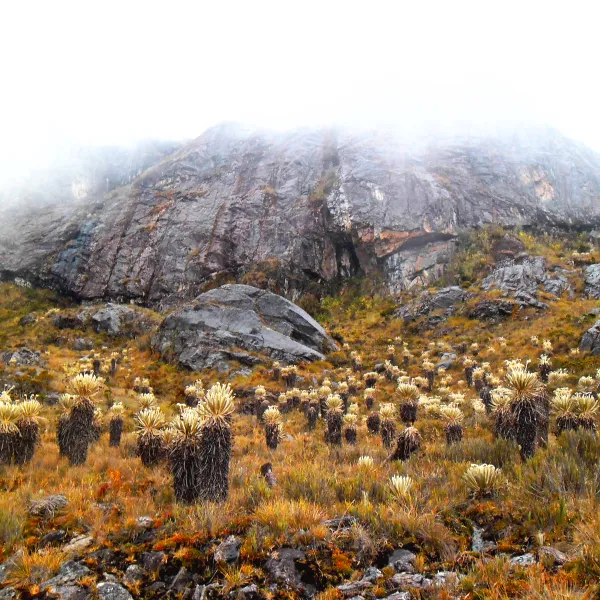
And that year, a new threat to Santurbán emerged when the Canadian multinational Aris Mining applied for an environmental permit for Soto Norte, a gold mining project located near the páramo. Following citizen protests and technical objections, in October 2020, the National Environmental Licensing Authority shelved the project.
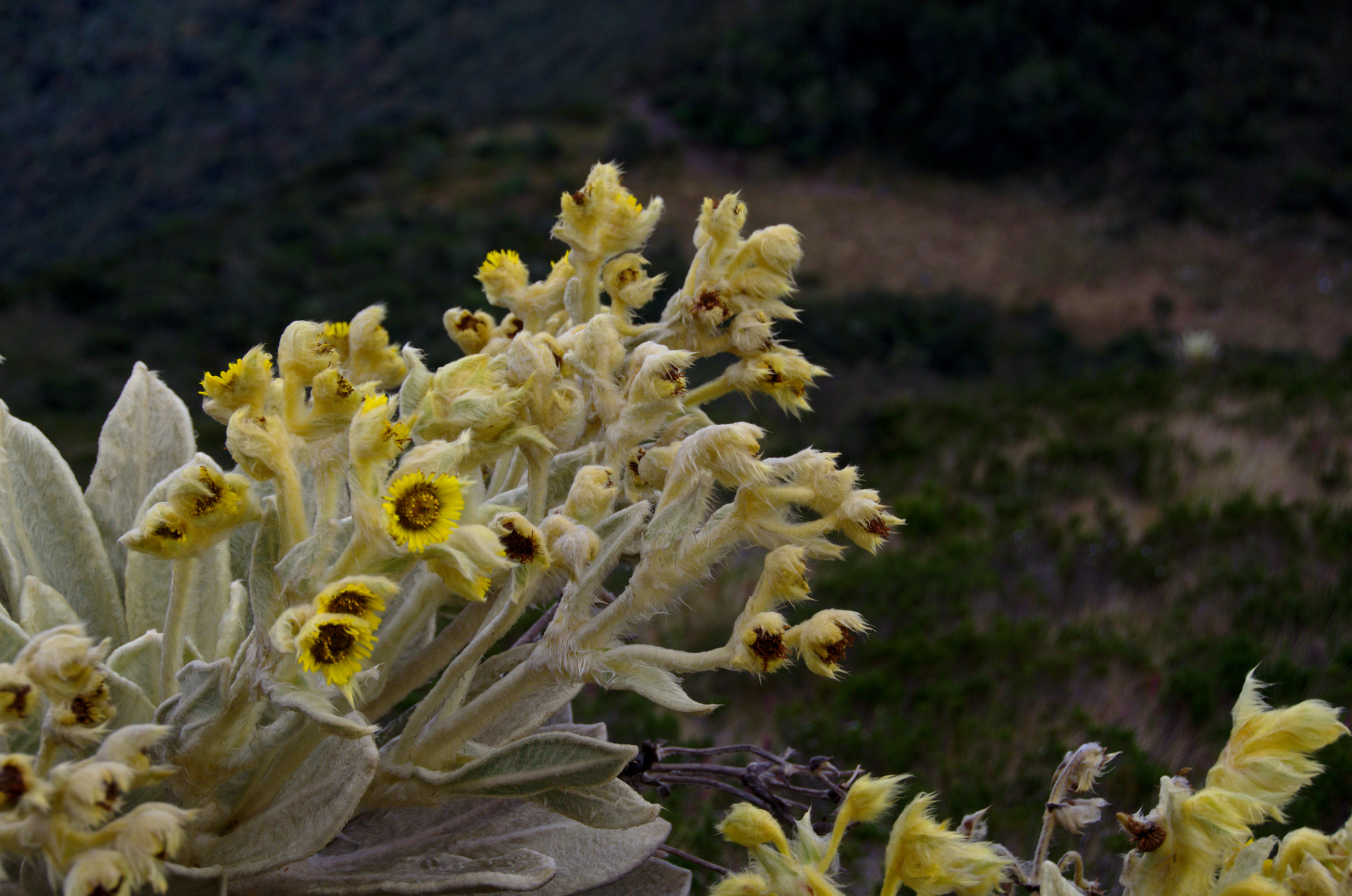
Photo: Aztlec.
Current situation
In March 2025, the Colombian government designated the western flank of the Santurbán massif as a temporary renewable natural resource reserve area, delimiting and protecting an area of 75,344.65 hectares. This resulted in a two-year suspension of the Soto Norte project. However, Aris Mining's contract to formalize Calimineros' small-scale mining activities through the purchase and processing of mineralized material remains in effect.
In addition, the Canadian mining company continues to move the project forward. In September 2025, it released its prefeasibility study, revising the mine’s original design.
Meanwhile, members of the Committee for the Defense of Water and the Santurbán Páramo face threats and stigmatization because of their work. In March 2025, UN Special Rapporteurs and the Working Group on Business and Human Rights denounced these incidents in communications sent to the governments of Colombia, Canada, and the United Arab Emirates, as well as to the companies Aris Mining and MDC Industry Holding Company LLC, the former co-owner of the Soto Norte project.
Regarding the arbitration claim filed by Eco Oro Minerals, in July 2024, ICSID ruled in favor of the Colombian government and rejected the Canadian company’s claim for USD 1.1 billion in compensation.
Concerning the delimitation of Santurbán, in July 2026, the Ministry of the Environment issued a resolution introducing the concept of "progressive delimitation." On that basis, the government proposes to progressively demarcate the páramo, covering 29,199 hectares across 19 municipalities—those where the participatory agreements required by the Constitutional Court in its 2017 ruling have already been finalized. It also proposes two measures on the creation and expansion of reserves to restrict mining in the ecosystem.
Learn more about the impacts of mining on the páramos of Latin America (in Spanish).
Partners:
Related projects
To defend the ocean's biodiversity is to defend human well-being
Statement by civil society organizations at COP16 of the Convention on Biological Diversity (CBD) The ocean is one of the world's main reserves of biodiversity, as well as a source of food, renewable energy and our main ally in combating the global climate crisis. Human populations, in addition to having their livelihoods in the ocean, maintain cultural connections around the ocean that define their past, present and future. However, this immense source of life continues to suffer increasingly significant damage and impacts, while efforts to protect and restore it are not increasing at the same rate.The intrinsic connection between ocean and climate itself embraces the balance of the planet. On the one hand, the ocean regulates weather patterns and, on the other, its characteristics are seriously altered by the climate crisis. The main indicators of these changes are the increase in temperature and sea level, acidification, deoxygenation, modifications in ocean currents, and a greater intensity of hurricanes and meteorological events. This affects marine biodiversity, causing the loss of particularly vulnerable species and habitat fragmentation. Coral bleaching associated with changes in climate, for example, alters the dynamics of many other species that depend on them, generating consequences for tourism, fisheries, climate resilience and biodiversity, as well as socioeconomic and cultural impacts.Overfishing puts commercial target species and coastal-marine ecosystems in general at risk. Some of the fishing practices of greatest concern are the extraction of vulnerable or endangered species; the non-compliance with or non-existence of closed fishing areas, the demarcation of fishing zones, permitted sizes and volumes; as well as the abandonment of fishing gear, which contributes to the problem of marine debris and causes the death of many animals that are trapped in them. Intensive aquaculture, such as salmon farming, directly destroys the marine ecosystem through contamination due to the constant incorporation of nutrients and the high use of antibiotics, producing anoxia and harmful algae blooms.Marine pollution from land-based sources continues to be a major stress factor for the marine environment and poses particularly serious problems in developing countries, where integrated waste management is extremely deficient. This has resulted in the introduction of polluting substances and materials into the ocean (untreated sewage, solid waste, including plastics, and agricultural runoff), causing changes in the quality conditions of the water column and sediments, often fatal to marine biodiversity and affecting human health.Likewise, maritime sources of pollutants require particular attention, as the ocean is the main means of transporting goods globally. Maritime traffic involves the transport of substances harmful to the marine environment - such as hydrocarbons, toxic chemicals, sewage, ballast water, garbage, and other hazardous substances - that are discharged into the sea in routine operational tasks and in maritime incidents. Hydrocarbons pose a particularly complex problem because they are not only transported as cargo but are also used to propel ships, thus representing a latent risk scenario with impacts on air quality due to atmospheric emissions of carbon dioxide, nitrogen oxides, sulfur oxides and methane, mainly in ships that use liquefied natural gas (LNG) for propulsion. In addition, the negative impact on marine fauna of collisions with ships and underwater noise from various sources cannot be ruled out; these factors still lack sufficient and effective public policies and regulations.Additionally, oil spills in the marine environment cause suffocation and intoxication of marine species, bioaccumulation of harmful substances, and even the functional destruction of important habitats. These impacts in turn affect relevant social and economic activities - such as shipping, fishing, tourism, and port activities - as well as endangering the health and the right to a healthy environment of coastal communities. Spills from offshore oil and gas exploration and exploitation are not adequately controlled and regulated by governments, being authorized activities in the vicinity of vulnerable areas such as coral reefs. These operations face serious limitations to prevent and provide timely response to spills with mitigation, restoration, and compensation actions for the damage caused. Environmental impacts from related activities, such as seismic exploration, dismantling of underwater infrastructures and platforms, and associated maritime traffic, are rarely evaluated.Finally, although there are no exploitation efforts yet, underwater mining poses risks that are impossible to assess in their magnitude, including habitat destruction, which could be irreversible, and species extinction. This is especially worrisome considering how little is known about the ecological and physicochemical dynamics in deep-sea and deep-sea ecosystems. The development of these intrusive activities - without having the technical and scientific base information that would allow us to objectively identify the potential impacts, as well as the possibility or not of preventing, mitigating or restoring damages - would doubtless cause the alteration of a highly sensitive and complex ecosystem.In consideration of the above - in our role as civil society organizations working for the protection and sustainable use of the ocean and for the defense of the right to a clean, healthy and sustainable environment - WE URGENTLY CALL ON THE STATES PARTY TO THE CONVENTION ON BIOLOGICAL DIVERSITY TO: Incorporate the ecosystem approach - which notes the interdependence between the atmosphere, land, and ocean - into their national biodiversity policies, strategies, and action plans, considering the provisions set forth in the Advisory Opinion of the International Tribunal on the Law of the Sea, which notes that anthropogenic greenhouse gas (GHG) emissions meet the definition of marine pollution under the UN Convention on the Law of the Sea. Use environmental impact and cumulative impact assessment tools to promote transparency and citizen participation with a gender focus and with emphasis on the consultation and consent processes of groups in vulnerable situations, such as indigenous peoples and local communities, so that the traditional and cultural knowledge that comes from the territories is included and valued to promote the implementation of projects and human development activities in a responsible and fair manner, weighing the right to a clean, healthy and sustainable environment over short-term economic benefits. Sign, ratify, and commit to the effective implementation of the Regional Agreement on Access to Information, Public Participation, and Access to Justice in Environmental Matters in Latin America and the Caribbean (Escazú Agreement) for these rights, and establish mechanisms for transparency and accountability in any environmental proceedings. Apply the precautionary principle in the absence of certainty or scientific information and recognize technical knowledge, science, and local wisdom as the basis for decision-making processes focused on the protection of the environment and biodiversity. Sign, ratify, and commit to the effective implementation of the Agreement on the Conservation and Sustainable Use of Biodiversity beyond National Jurisdiction (BBNJ Agreement), an instrument that will make it possible to advance in the protection of at least 2/3 of our planet. This will allow for: the equitable sharing of benefits derived from the use of marine genetic resources; the use of area-based management mechanisms, including the designation of marine protected areas; the development of environmental impact assessments prior to offshore activities; as well as capacity building and the transfer of marine technology for the benefit of the ocean. Continue to apply moratoriums on underwater mining activities based on the lack of sufficient technical and scientific information to foresee, prevent, control, and mitigate the potential impacts on the biological diversity of unknown ecosystems in deep waters and on the seabed. Sign, ratify, and commit to the effective implementation of the Agreement on Port State Measures (MERP Agreement) - to prevent, deter, and eliminate illegal, unreported, and unregulated fishing - as well as the Agreement on Fisheries Subsidies, to promote fishing practices that recognize the relevance of ocean sustainability. Strengthen and harmonize regulations on fishing and aquaculture, also advancing in their correct control, with the objective of ensuring the sustainability of these activities; avoiding illegal, unreported, and unregulated fishing; minimizing negative impacts on marine ecosystems and vulnerable species. Implement the Guidelines for Achieving Sustainability in Small-scale Fisheries in the Context of Food Security and Poverty Eradication (SSF Guidelines) in order to: recognize the contribution to the fishing economy of men and women working in all activities of the fisheries value chain; guarantee food security and the right to food; contribute to the development of communities engaged in this type of fishing; achieve sustainability of fishery resources; as well as promote culture and ancestral and traditional knowledge around fishing. Advance quickly and effectively in the process of negotiating a legally binding instrument on plastic pollution through the application of the circular economy model and responsible management throughout the entire cycle of these products. Plan mitigation and adaptation actions in the short-- and medium-term to address the effects of the climate crisis on the ocean and protect its carbon sinks through strategies and policies that contemplate the just and equitable energy transition in ocean-dependent sectors, in addition to the conservation and restoration of key ecosystems such as mangrove forests, seagrasses and coral reefs with a holistic and socio-ecological approach. The obligation of States Parties to the United Nations Framework Convention on Climate Change (UNFCCC) to submit updated Nationally Determined Contributions (NDCs) by 2025 is an opportunity to include, as climate commitments, measures aimed at mitigating impacts on the ocean and their restoration. These measures should not be limited to the creation of carbon markets in the ocean, but rather ensure the comprehensive protection of marine and coastal ecosystems, especially considering their fundamental role in climate regulation. Sign, ratify, and commit to the effective implementation of the Convention for the Protection and Development of the Marine Environment of the Wider Caribbean Region (Cartagena Convention); prioritize the creation and application of national regulations on standards and permitted thresholds for the discharge of polluting substances into the sea, harmonized with international law, and based on follow-up and monitoring programs that respond to the dynamics of each country. Adopt relevant domestic measures to reduce anthropogenic pressures currently affecting coral reefs, slowing the processes that are causing their degradation and allowing coral cover to be maintained at minimum levels that guarantee their permanence and connectivity. These measures include: Regulating environmental impact studies and management plans for offshore hydrocarbon extractive and prospective activities and other activities carried out near coral reefs and areas sensitive to coral bleaching.Avoid authorizing offshore hydrocarbon exploration and exploitation activities near coral reefs.Regulate the transit of ships near marine protected areas and particularly sensitive marine zones in terms of ballast water pollution and other polluting technologies for the marine environment that may affect the state of coral reefs. This will also reduce the possibility of accidents and groundings. Guarantee the rights and meet the needs of coastal and island communities that live from fishing - especially artisanal fishing - and local tourism that are being affected by the climate crisis and environmental problems, seeking to protect them from the degradation of marine-coastal biodiversity. Increase governmental efforts to create and implement programs and activities for capacity building and transfer of marine technology to reduce the gaps between developing and developed countries. This will enable ocean protection to be embraced globally as a pathway to climate and environmental justice. Guarantee the financing of policies, programs, plans, studies, and regulations, ensuring the necessary budgetary allocations to safeguard and manage coastal-marine ecosystems. To this end, they should target the use of all available means within countries, as well as international climate finance funds, cooperation projects and multilateral instruments dedicated to addressing the climate crisis and the mechanisms that have been agreed upon in the framework of the UNFCCC and the Paris Agreement, including the Green Climate Fund (GCF), as well as available resources from the private sector. Similarly, blue finance mechanisms that benefit vulnerable groups and have a positive impact on ocean health should be prioritized. Effective protection of our ocean is not possible without the commitment of the States Parties to the Convention on Biological Diversity. We therefore call for action and the definition of urgent national and international interventions to strengthen ocean governance.The risks of ignoring the accelerating impacts are too great. It is time to prioritize the health of the ocean and with it our own health. Signatory organizations:Interamerican Association for Environmental Defense (AIDA).Mexican Center for Environmental Law (CEMDA)Center for Marine JusticeMesoamerican Reef Fund (MAR Fund)Cethus FoundationMarViva FoundationHealthy Reef Initiative (HRI)Coral Reef AllianceFoundation for Eco-development and Conservation (FUNDAECO)High Seas Alliance (HSA)
Read more
COP16: To conserve biodiversity, governments must respect indigenous and local knowledge
At the UN Conference on Biodiversity, countries must also make progress in ensuring the participation of indigenous and local communities in decision-making on biodiversity. The energy transition model of the global north implies irreversible impacts for the Andean wetlands and the communities that inhabit them, whose territories overlap with lithium reserves. Ahead of the 16th meeting of the Conference of the Parties (COP16) to the Convention on Biological Diversity (CBD), which will take place from October 21 to November 1 in Cali, Colombia, the Alliance for Andean Wetlands (Alianza por los Humedales Andinos) calls on member countries to respect, preserve and maintain the knowledge, innovations and practices of indigenous and local communities for the conservation and sustainable use of biological diversity. Doing so implies honoring the obligations acquired with the signing of the treaty.In addition, the signatory countries of the convention must make progress, through the presentation of concrete action plans at the national level, in ensuring the participation of communities in decision-making on biodiversity issues, one of the 23 targets of the Kunming-Montreal Global Biodiversity Framework adopted in 2022.One of the goals of COP16 is to review compliance with these targets, aimed at halting and reversing biodiversity loss by 2030.According to the Living Planet Report, Latin America is the region with the greatest loss of biodiversity, as populations of all species show an average decline of 94% and 83% in the case of freshwater species.The Alliance warns of the irreversible impacts that the energy transition model promoted from the global north implies for the Andean wetlands, where some of the most sought-after transition minerals, such as lithium and copper, are found.These ecosystems harbor more than that: they are home to an enormous and unique biodiversity, as well as to local communities that depend on them and that for thousands of years have protected and preserved them, maintaining the ecological balance. Quotes from members of the Alliance for Andean WetlandsLaura Castillo, Coordinator of the High Andean Program at Fundación Ambiente y Recursos Naturales (FARN), Argentina:"To address the biodiversity crisis, it is crucial to transcend the current paradigm of production and consumption, which promotes excessive use of environmental goods and exacerbates the ecological crisis. To this end, it is imperative to promote the reduction of high levels of consumption of natural goods, especially from the global north. Solutions to the climate and biodiversity crises -which are closely related- will inevitably require countries to define their own socio-ecological transitions towards models of life that respect human rights and planetary limits." Vivian Lagrava Flores, Coordinator of Empodérate and the Wetlands, Biodiversity and Water Protection project, Bolivia:"Biodiversity and water should not be assumed as an 'exploitable resource' by the States. As long as this mercantilist view persists, we will have more people affected by mining and sacrificed and, therefore, more biodiversity exposed and at risk of extinction." Verónica Gostissa, attorney and coordinator of the Alianza por los Humedales Andinos project at Asamblea Pucará, Catamarca, Argentina:"It is urgent to address the problem of lithium exploitation in the Puna. It is advertised as 'clean energy', but it is devastating our ecosystems. In Argentina, they intend to turn the Salar del Hombre Muerto into an industrial park, installing more than eight projects in the same territory. In this COP, it is crucial to recognize the irreversible impact generated by extractivism and, from there, to deploy ecosystemic links based on the care of all that is vital." Cynthia Escares, biologist and director of the NGO Defensa Ambiental, Chile:"The climate crisis is an undeniable reality. However, in its name, forms of extractivism disguised as clean energy and equity are being promoted, without recognizing the profound implications of these processes. Projects such as lithium and rare earth mining, essential for batteries and green technologies, are presented as solutions to climate change, but they replicate the same logics of exploitation that have historically devastated territories and communities. This time, not only will we lose the inhabitants of these vulnerable regions, but we are leading the planet and all its biodiversity towards an irreversible collapse." Yeny Rodríguez, senior attorney with the Ecosystems Program at the Interamerican Association for Environmental Defense (AIDA):"The biological and cultural diversity of our region is at risk. After COP16, it should be understood that we can no longer talk about defossilization as the panacea that will save us from the climate crisis. The energy transition towards 'clean energy' also requires the extraction of minerals such as lithium, an industry that in Latin America is already causing the destruction of Andean wetlands and the disappearance of rivers. We are facing an opportunity to move towards the protection of biodiversity and the human rights of the native communities that have cared for the territories since before the existence of our States." Ramón Balcázar Morales, executive director and researcher of Fundación Tantí, Chile:"The salt flats from which South American lithium is obtained are wetlands, territories inhabited by indigenous peoples and communities whose ways of life are key to the conservation of ecosystems that sustain a threatened biodiversity. Faced with the deepening of the polycrisis, we must promote democratic processes that allow us, as a society, to overcome the profound contradiction between the climate agenda based on green growth and the biodiversity conservation agenda. This requires governmental and institutional efforts and will to strengthen and dialogue with communities and social actors in the territories affected by mining and energy megaprojects associated with the energy transition."
Read more
Organizations concerned by Mendoza Supreme Court rejecting their Participation while allowing that of the oil industry in litigation over fracking
The Mendoza Supreme Court’s differential treatment occurred in a lawsuit over the authorization of fracking, or hydraulic fracturing, for extracting oil and gas from the Vaca Muerta formation in the Argentinian province. Civil society groups express concern about the Mendoza Supreme Court’s refusal to receive information about the dangerous impacts of using fracking to extract oil and gas on indigenous peoples and the environment in Mendoza. The Court rejected the participation of seven organizations--including an organization of the Mapuche Indigenous People and both Argentinian and international groups on human rights and the environment--in a case that will impact the regulation of the oil and gas industry in Mendoza.The court has instead shown preference toward the fossil fuel industry, having allowed the participation of several groups representing the interests of oil companies in the same court case.The court is weighing a decision involving the authorization of hydraulic fracturing--also known as fracking--to extract oil and gas from the Vaca Muerta formation in Mendoza. Although fracking has not been widely used in Mendoza, the technique has caused public health and safety risks in other countries because of its impact on the environment.The organizations requested to participate in the case as "Friends of the Court" (amicus curiae). This is a common practice permitted in Mendoza and many countries around the world that allows people not otherwise connected with litigation to share information with the courts in cases that affect the public interest.One justice dissented from the Supreme Court's decision, criticizing that this ruling "is far from the level of listening that ought to demand the judge's attention in the resolution of cases of undoubted social interest, such as the one at issue here." Furthermore, the justice pointed out that "[t]he entities requesting this Court to grant them participation as amicus, have vast experience and specialization in environmental issues."So far, the Supreme Court has rejected the interventions of the following organizations: Organización Identidad Territorial Malalweche (Mendoza); Xumek (Mendoza); Centro de Estudios Legales y Sociales (national); the Interamerican Association for Environmental Defense (international), the Center for International Environmental Law (international); Earthjustice (international) and the Environmental Law Alliance Worldwide (international). Statements from the organizations Ana Laura Piccolo, executive director of XUMEK:"At Xumek, we are concerned by the provincial Supreme Court’s repeated rejections of the participation of civil society organizations through the figure of the 'Friend of the Court.' The organizations that have come forward to collaborate have established experience in the subject matter of the case and we make our contributions from a serious and objective perspective, in accordance with the technical and legal knowledge and expertise we possess. In addition, we have participated as amicus curiae in numerous judicial proceedings, both local and international". Ñushpi Quilla Mayhuay Alancay, attorney in charge of the Indigenous Peoples Area of XUMEK:"As expressed in the dissenting vote, ignoring all the voices of civil society in a case of high social complexity affects the dialogue between the judiciary and the citizens, thereby weakening the democratic process in cases of social interest where the human rights of society can be affected". Erika Schmidhuber, attorney with the Center for Legal and Social Studies (CELS):"We consider it essential that the province complies with international human rights standards on free, prior and informed consultation with indigenous peoples for development projects in their ancestral territory, regardless of whether or not that territory is formally recognized. The Argentine State has already been condemned internationally for not complying with these standards. It is necessary for the Mendoza court to evaluate the arguments we have presented as they reflect the obligations that Mendoza must comply with." Jacob Kopas, attorney at Earthjustice:"Strong scientific evidence from other countries shows that fracking generates serious contamination risks, particularly by leeching toxic chemicals into nearby water supplies. It is essential that the Supreme Court of Mendoza take this evidence into consideration along with the support for fracking it has received from groups that profit from oil extraction." Sofía Barquero, attorney with AIDA's Ecosystems Program:"Our interest in this case stems from our desire to ensure that environmental protection and the rights of indigenous peoples are an integral part of any decision that may affect these communities. In that sense, we respectfully call on the Court to reconsider its decision and allow for the inclusion of civil society voices in this judicial process. We trust that the Court will take into consideration the importance of listening to all stakeholders in this case." Upasana Khatri, attorney at the Center for International Environmental Law (CIEL):"Fracking poses long-term environmental and health hazards that outlast production. It is essential that the Court hears from civil society experts on the evidence of such harms and the legal duty to prevent them - not just from industry actors with a stake in fossil fuel production - to ensure an informed decision on the risks and regulation of fracking in Mendoza."Press contactsOrganización Identidad Territorial Malalweche, Werken Gabriel Jofre, +54 2604592679XUMEK Asociación para la promoción y protección de los derechos humanos, Ñushpi Quilla Mayhuay Alancay, +54 9 2616807798CELS, Martina Noailles, [email protected], +54 9 11 6562-6566AIDA, Víctor Quintanilla, [email protected], +521 5570522107Earthjustice, Jacob Kopas, [email protected], +1 5862924603CIEL, Press Office, [email protected]
Read more