
Project
Amazon Watch / Maíra Irigaray
The Belo Monte Dam on the Xingu River: 10 years of impacts in the Amazon and the search for reparations
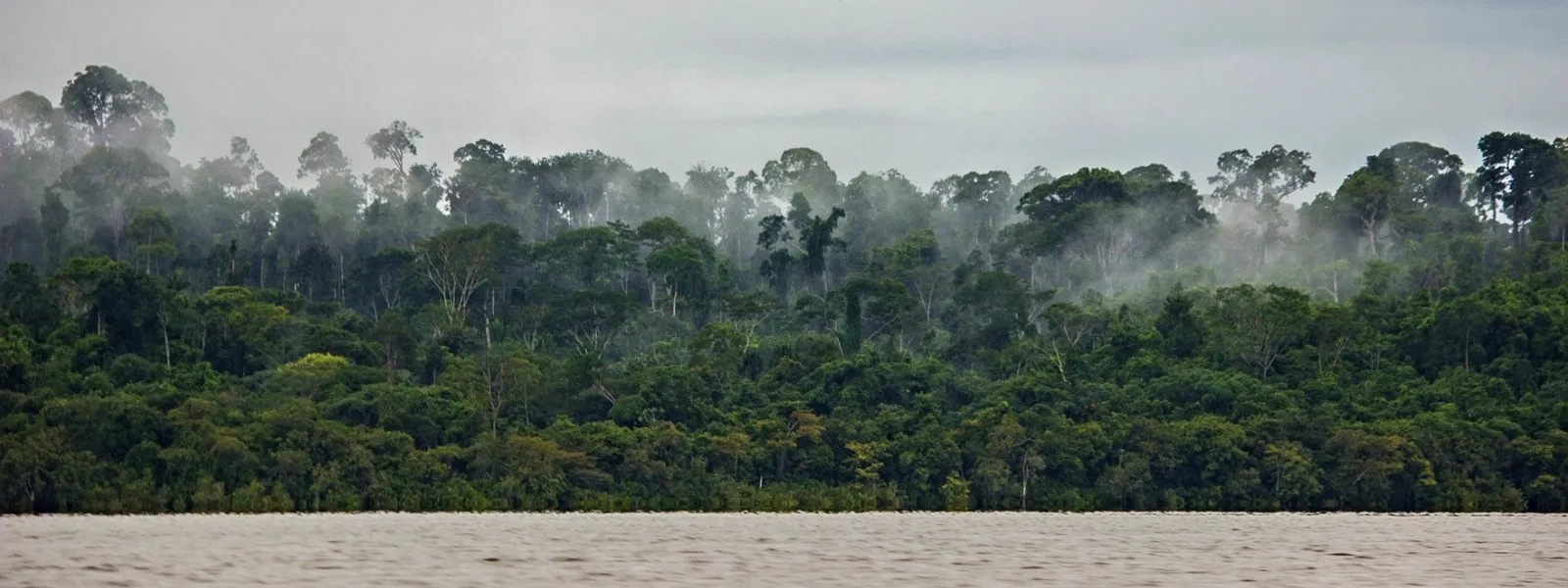
The Belo Monte Dam has caused an environmental and social disaster in the heart of the Amazon—one of the most important ecosystems on the planet.
This situation has only worsened since the hydroelectric plant began operations in 2016. The quest for justice and reparations by the affected indigenous, fishing, and riverine communities continues to this day.
In 2011, the Inter-American Commission on Human Rights (IACHR) granted them protective measures that, to date, have not been fully implemented by the Brazilian State.
Furthermore, since June of that same year, the IACHR has yet to rule on a complaint against the State regarding its international responsibility in the case.
The IACHR may refer the case to the Inter-American Court of Human Rights, which has the authority to issue a ruling condemning the Brazilian State.
Background
The Belo Monte hydroelectric plant—the fourth largest in the world by installed capacity (11,233 MW)—was built on the Xingu River in Pará, a state in northern Brazil.
It was inaugurated on May 5, 2016, with a single turbine. At that time, 80% of the river’s course was diverted, flooding 516 km² of land—an area larger than the city of Chicago. Of that area, 400 km² was native forest. The dam began operating at full capacity in November 2019.
Belo Monte was built and is operated by the Norte Energia S.A. consortium, which is composed primarily of state-owned companies. It was financed by the Brazilian Development Bank (BNDES), which provided the consortium with 25.4 billion reais (approximately US$10.16 billion), the largest investment in the bank’s history. Therefore, the BNDES is also legally responsible for the socio-environmental impacts associated with the hydroelectric plant.
Decades of harm to the environment and people
Human rights violations and degradation of the Amazon have been occurring since the project’s inception. In March 2011, Norte Energía began construction of the dam without adequate consultation and without the prior, free, and informed consent of the affected communities.
The construction caused the forced displacement of more than 40,000 people, severing social and cultural ties. The resettlement plan in Altamira—a city directly affected by the hydroelectric dam—involved housing units located on the outskirts, lacking adequate public services and decent living conditions for the relocated families, with no special provisions for those from indigenous communities.
Belo Monte's operations have caused a permanent, man-made drought in the Volta Grande (or "Great Bend") of the Xingu River, exacerbated by the historic droughts in the Amazon in 2023 and 2024. As a result, the deaths of millions of fish eggs were documented for four consecutive years (from 2021 to 2024), and for the past three years, there has been no upstream migration of fish to spawn and reproduce. Thus, artisanal fishing, the main source of protein for indigenous peoples and riverside communities, was severely affected: fish dropped from 50% to 30% of total protein consumed, replaced by processed foods. In summary, there was an environmental and humanitarian collapse that resulted in the breakdown of fishing as a traditional way of life, food insecurity, and access to drinking water for thousands of families, impoverishment, and disease.
Furthermore, the construction of the dam increased deforestation and intensified illegal logging and insecurity on indigenous and tribal lands, putting the survival of these communities at risk. Another consequence was the deepening of poverty and social conflicts, as well as the strain on health, education, and public safety systems in Altamira—a city ranked as the most violent in the country in 2017, where human trafficking and sexual violence increased. Violence was also reported against human rights defenders involved in the case.
In 2025, during the 30th UN Climate Change Conference (COP30), held in Brazil, the Federal Public Prosecutor’s Office labeled the damage caused by the Belo Monte dam as ecocide.
The search for justice and reparations
Over the years, the Federal Public Prosecutor’s Office in Pará, the Public Defender’s Office, and civil society organizations have filed dozens of legal actions in Brazilian courts to challenge the project’s various irregularities and its impacts. Most of the claims are still pending resolution, some for more than 10 years.
These efforts have failed because the national government has repeatedly overturned rulings in favor of the affected communities by invoking a mechanism that allowed a court president to suspend a judicial decision based solely on generic arguments such as "the national interest" or "economic order."
In the absence of effective responses at the national level, AIDA, together with a coalition of partner organizations, brought the case before the Inter-American Commission on Human Rights (IACHR) and, in 2010, requested precautionary measures to protect the lives, safety, and health of the affected indigenous communities.
On April 1, 2011, the IACHR granted these measures and requested that the Brazilian government suspend environmental permits and any construction work until the conditions related to prior consultation and the protection of the health and safety of the communities are met.
And on June 16, 2011 —together with the Xingu Vivo Para Sempre Movement, the Coordinating Committee of Indigenous Organizations of the Brazilian Amazon, the Diocese of Altamira, the Indigenous Missionary Council, the Pará Society for the Defense of Human Rights and Global Justice— we filed a formal complaint against the Brazilian State for its international responsibility in the violation of the human rights of the people affected in the case. The case was opened for processing in December 2015.
On August 3, 2011, the IACHR amended the precautionary measures to request, instead of the suspension of permits and construction, the protection of people living in voluntary isolation, the health of indigenous communities, and the regularization and protection of ancestral lands.
Current situation
The protective measures granted by the IACHR remain in effect, but the Brazilian government has not fully complied with them, reporting only on general actions. The communities have documented the ongoing violations of their rights. The situation that prompted the request for these measures—the risk to the lives, physical integrity, and ways of life of the communities—persists and has worsened with the hydroelectric plant operating at full capacity and the recent extreme droughts in the Amazon.
In addition to the impacts of Belo Monte, there is a risk of further social and environmental impacts from the implementation of another mining megaproject in the Volta Grande do Xingu. There, the Canadian company Belo Sun plans to build Brazil’s largest open-pit gold mine.
The combined and cumulative impacts of the dam and the mine were not assessed. The government excluded Indigenous peoples, riverine and peasant communities from the project’s environmental permitting process. Despite protests by Indigenous communities and other irregularities surrounding the project, the government of Pará formally authorized the mine in April 2026.
Like other hydroelectric dams, Belo Monte exacerbates the climate emergency by generating greenhouse gas emissions in its reservoir. And it is inefficient amid the longer, more intense droughts caused by the crisis, as it loses its ability to generate power.
The case before the Inter-American Commission
In October 2017, the IACHR announced that it would rule jointly on the admissibility (whether the case meets the requirements for admission) and the merits (whether a human rights violation actually occurred) of the international complaint against the Brazilian State.
Fifteen years after the complaint was filed, the affected communities and the organizations representing them are still awaiting this decision. If the IACHR concludes that human rights violations occurred and issues recommendations that the Brazilian State fails to comply with, it may refer the case to the Inter-American Court of Human Rights, whose rulings are binding.
A potential ruling by the international court in this case would set a regional legal precedent regarding the rights of indigenous and riverine peoples, public participation in megaprojects, and state responsibility in the context of the climate crisis—a precedent that is particularly relevant in light of the Court’s Advisory Opinion No. 32, which reaffirmed the obligations of States to protect the people and communities of the continent from the climate emergency.
Partners:
Related projects

Chilean chum: How eating salmon in the US hurts Patagonia’s coastal wildlife
After two years of vegetarianism, the Texan in me decided that an entirely plant-based diet was not going to work. The experience, however, taught me to consume meat ethically. Wherever possible, I now choose organic and sustainable “farm to table” meat and poultry. But when it comes to my favorite seafood—salmon— “farm to table” can take on a whole new meaning. Salmon is one of the most popular seafoods in the United States, and over a third of all salmon in the U.S. comes from Chilean salmon farms, which raise the carnivorous fish in off-shore enclosures along the Patagonian coast. Although salmon is healthy—it’s loaded with omega-3 fatty acids and B-vitamins—increased U.S. demand for salmon is having an unhealthy impact on Chile’s environment. These farms endanger delicate coastal ecosystems, contribute to oceanic pollution, and threaten marine life along the pristine Magallanes shoreline. Chile is the second largest global exporter of the fish, and salmon farming is one of the country’s largest industries. Today, that industry is growing. There are already over 100 salmon farms operating in the Magallanes and, as of March 2017, plans for 342 more were in the works. Driving this expansion is a booming worldwide salmon market. But even though the U.S. boasts a salmon industry of its own and wild-caught Alaskan salmon is considered some of the best in the world, U.S. consumers ate over 144,000 tons of farmed Chilean salmon in 2016, according to the National Oceanic and Atmospheric Administration. A fishy situation While fish farms are one solution to the many problems associated with overfishing, Chile’s unregulated salmon industry has serious environmental side-effects. These salmon farms disrupt their environments because overpopulated waterways create anaerobic conditions that deprive the local wildlife of oxygen. Often treated with excessive amounts antibiotics and pesticides, uneaten salmon feed and salmon feces also pollute coastal seafloors and introduce chemicals into the environment. Because they are not native to the southern hemisphere, salmon that escape their pens can disrupt local food chains. Salmon also frequently die in their enclosures, and the decomposing fish raise levels of ammonia in the water. Although research is still underway, scientists speculate that higher concentrations of ammonia, along with El Niño weather patterns and warming oceans caused by climate change, may be responsible for Chile’s recent “red tides.” These toxic red algae blooms kill coastal wildlife by the millions, inundating Chilean shores with dead fish (including salmon), birds, and whales. To fight back against this destructive industry and the harmful impacts of globalized seafood trade, AIDA filed a claim with the Chilean government expressing concern that salmon farms are harming local ecosystems. “We want to improve the way things are being done by aiming for sustainable development that will not ruin the fragile ecological balance of the Patagonian seas,” AIDA attorney Florencia Ortúzar said. AIDA also recently began a petition asking that Chile investigate the damage caused by salmon farming in the Magallanes and sanction those responsible. You can sign the petition here. New migration routes Today, the U.S. salmon industry practices catch and release: it is known for producing high quality fish, yet 80 percent of Alaskan wild salmon is traded away. So why does the U.S. produce some of the world’s best salmon, but consume some of the world’s most environmentally harmful fish? The answer, in short, is globalization. Filleting and de-boning salmon is a process too delicate to mechanize as in other meat industries. Because labor is cheaper in Asia, U.S. salmon is shipped to processing plants in China, which then re-distribute the processed fish across the region. While some of that salmon makes it back across the Pacific, the U.S. market is flooded with cheaper farmed salmon from around the world. Now, Chile’s industry “is facing competition from Canada and Norway,” according to trade analysis group Datamyne. After expressing concerns over high levels of antibiotics in Chilean fish, U.S. retail giant Costco decided in 2015 to stock Norwegian salmon instead, further muddying the waters in the U.S. salmon trade. To make matters worse, a study by conservation nonprofit Oceana concluded that nearly 43% of “wild” salmon sold in the United States was misidentified. While it is difficult to tell whether farmed salmon is mislabeled as “wild” during trade or once it shows up on the menu, lax labeling laws in the U.S. make it difficult to tell exactly where that salmon steak came from. So for seafood lovers like me, there may be few good options for eating salmon sustainably, besides taking up fly fishing. But for the sake of protecting Chile’s coastal wildlife, maybe it’s time U.S. consumers make their voice heard. If we’re going to import salmon from Chile, we should at least demand the country regulate its farms to be more environmentally friendly. Maybe it’s also time the U.S. salmon industry started keeping its catch in its own boat. Sign the petition to protect Patagonia’s Magallanes coastline here.
Read more
Ramsar Secretariat advises Colombia to add Ciénaga Grande to list of world’s most threatened wetlands
Experts at the Ramsar Convention, an international treaty for the protection of wetlands, identified “significant changes” due to human interference in the ecological characteristics of the area. They recommended, among other things, that Colombia enroll the wetlands in the Montreux Record, a register of seriously threatened wetlands requiring immediate attention. Bogotá, Colombia—Following a visit to the Ciénaga Grande de Santa Marta wetlands in August of last year, a mission of international experts from the Ramsar Convention, an inter-governmental treaty for wetland protection, released a report recommending that the Colombian government include the area in the Montreux Record—a register of gravely threatened wetlands requiring immediate attention. “Given the significant changes in the ecological characteristics of the Ciénaga Grande wetlands, we recommend including it in the Montreux Record,” said the report issued last week. These changes “require urgent action by the government of Colombia to maintain and restore the area’s ecological character, and to protect it in accordance with the objectives of the Convention,” the report said. Among changes mentioned in the report are overexploitation and contamination of the wetlands’ waters, diminished fresh water due to increased sedimentation and obstruction of waterways, “huge loss” of mangrove forests caused by road and infrastructure projects that block water flow, and declining fish populations. “Including Ciénaga Grande in the Montreux Record would allow the Ramsar Wetland Conservation Fund to provide economic assistance through grants. It would also allow Ramsar scientists to provide expert advice and recommendations on best practices for the recovery and conservation of the ecosystem,” explained Juan Pablo Sarmiento Erazo, a researcher from the Universidad del Norte. In addition, the Ramsar report recommends two other solutions to the wetlands’ rapidly degrading condition: performing effective dredging based on new plans for water management and strengthening coordination among institutions that manage the site. “The key is that the Colombian government should follow the Ramsar recommendations to the letter, implement improvements as soon as possible, and make necessary changes in the site’s management,” said Gladys Martínez, an attorney with AIDA. “The Montreux Record is far from being a blacklist. It’s an opportunity for governments to demonstrate responsible management of natural resources that demand urgent attention.” Ramsar experts visited the site from Aug. 22–26, 2016, following a 2014 petition filed with the Ramsar Secretariat by AIDA, el Universidad del Norte, and the University of Florida. Scientist Sandra Vilardy at Universidad del Magdalena also contributed. “We hope the government will make the report official,” Vilardy said. “The document mentions that it is imperative to re-establish aquatic balance in the wetlands, emphasizing the role that rivers play in feeding Ciénaga Grande.” More information on Ciénaga Grande de Santa Marta is available here. Press contacts: Gladys Martínez, AIDA Attorney, +506 8321 4263, [email protected] Carlos Lozano Acosta, AIDA Attorney, +57 300 5640282, [email protected] Juan Pablo Sarmiento, Universidad del Norte, +57 300 5514583, [email protected]
Read more
As US withdraws from Paris Climate Agreement, Latin America must step up
Without US participation, other countries must urgently limit greenhouse gas emissions. Now that President Donald Trump has withdrawn the United States from the Paris Climate Agreement, Latin American nations must act with new urgency to combat global climate change. In a blow to the Paris Agreement, Trump’s move sends a message that the U.S. federal government is no longer committed to curbing greenhouse gas emissions. The United States, Syria, and Nicaragua are now the only nations that refuse to join the historic fight against global warming. The Paris Agreement, which directs countries to set targets for the reduction of greenhouse gas emissions, was hailed as the first truly global climate deal to curb climate change. “This has huge implications for the Global South in the fight against climate change,” said Astrid Puentes, Co-Executive Director of the Interamerican Association for Environmental Defense, or AIDA. “We can no longer rely on the U.S. government to set an example for climate progress. Now more than ever, it’s important that Latin American countries step up efforts to curb their greenhouse gas emissions.” Although the United States and China are the largest emitters of greenhouse gases, nine percent of total global emissions come from Latin America, according to the UN Economic Commission on Latin America and the Caribbean. “In a region with immense ecological diversity, Latin America has an opportunity to take a leadership role in protecting natural resources and communities by shaping a clean energy future without reliance on fossil fuels,” Puentes said. “Without the United States, Latin America now needs to lead the global fight against climate change, and AIDA will continue to be at the forefront of that fight.” AIDA has worked with Latin American governments to increase their capacity to secure international funding for climate projects, raised awareness that many dam reservoirs emit significant amounts of methane, built a regional effort to counter the spread of hydraulic fracturing projects, and helped to protect critical carbon sinks, among other projects. As a team of environmental and legal experts, AIDA also works to protect the human rights of people and their communities throughout Latin America. AIDA is the only regional organization in Latin America that provides free legal support to communities and organizations dedicated to protecting human rights and the environment. Press contact: Astrid Puentes Riaño, Executive Co-Director, [email protected]
Read more