
Project
Shutterstock.
Pollution of the Motagua River in Guatemala: The Poqomam Maya people’s quest for environmental justice
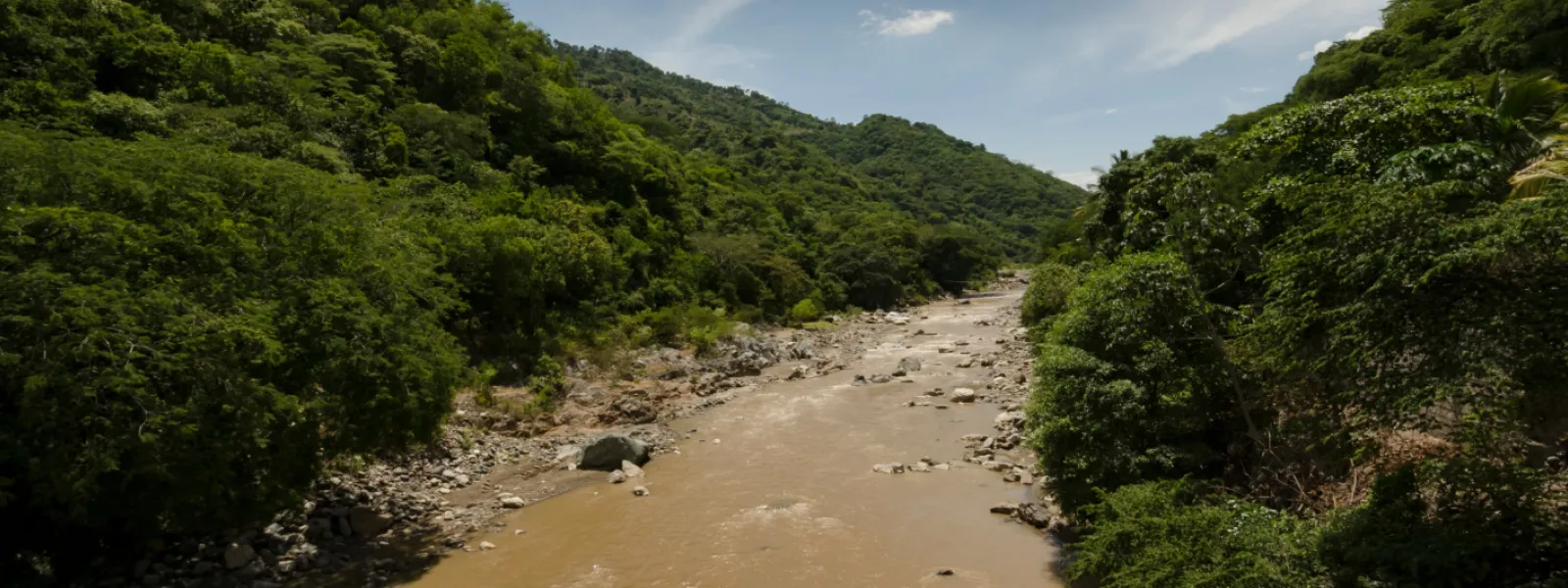
The Motagua River basin—Guatemala’s largest and most important river—is severely polluted with wastewater, solid waste, and other types of debris.
This is a cross-border issue because the Motagua’s polluted waters flow into the Caribbean Sea, reach the coast of Honduras, and threaten the Mesoamerican Reef System.
For decades, this has violated the rights to health, water, development, and a healthy environment of all the people living in the river basin.
In June 2025, the Poqomam Maya community of Santa Cruz Chinautla—supported by AIDA, the Indigenous Peoples’ Law Firm, and allied organizations—achieved an unprecedented legal victory to halt degradation in the basin. In response to the lawsuit it filed, a Guatemalan court ordered the municipality of Chinautla to comply with a series of obligations to curb the pollution of the area’s rivers and soil.
The government's response to the ruling has so far been limited to technical working group meetings. Meanwhile, the community continues to work toward the proper implementation of the ruling and to take other actions to defend its territory and its rights.
Background
The Motagua River, which is 486 km long, flows through 96 municipalities and 14 departments in Guatemala. It originates in Quiché, a department located in the northwest, and empties into the Caribbean Sea.
Polluting activities occur throughout the entire basin, including sub-basins and micro-basins. The largest volume of pollution comes from Guatemala City, the country’s capital, and is carried by the waters of the Las Vacas River, which in turn receives a large amount of waste from the Chinautla River.
The Chinautla River, which flows through the municipality of the same name, carries solid waste from a landfill located in Zone 3 of the capital—where trash from at least 14 municipalities in the department of Guatemala is dumped—as well as sewage generated by some 500,000 people living in the northern part of the capital, which undergoes no prior treatment.
Other sources of pollution include the numerous illegal dumps in the municipality of Chinautla, the waste that private vehicles and garbage trucks dump along the banks of its rivers, as well as the sand-mining companies—which began setting up operations in the area between 1996 and 1997—whose activities weaken the rivers' basins, causing solid waste to be more easily carried away by the river currents.
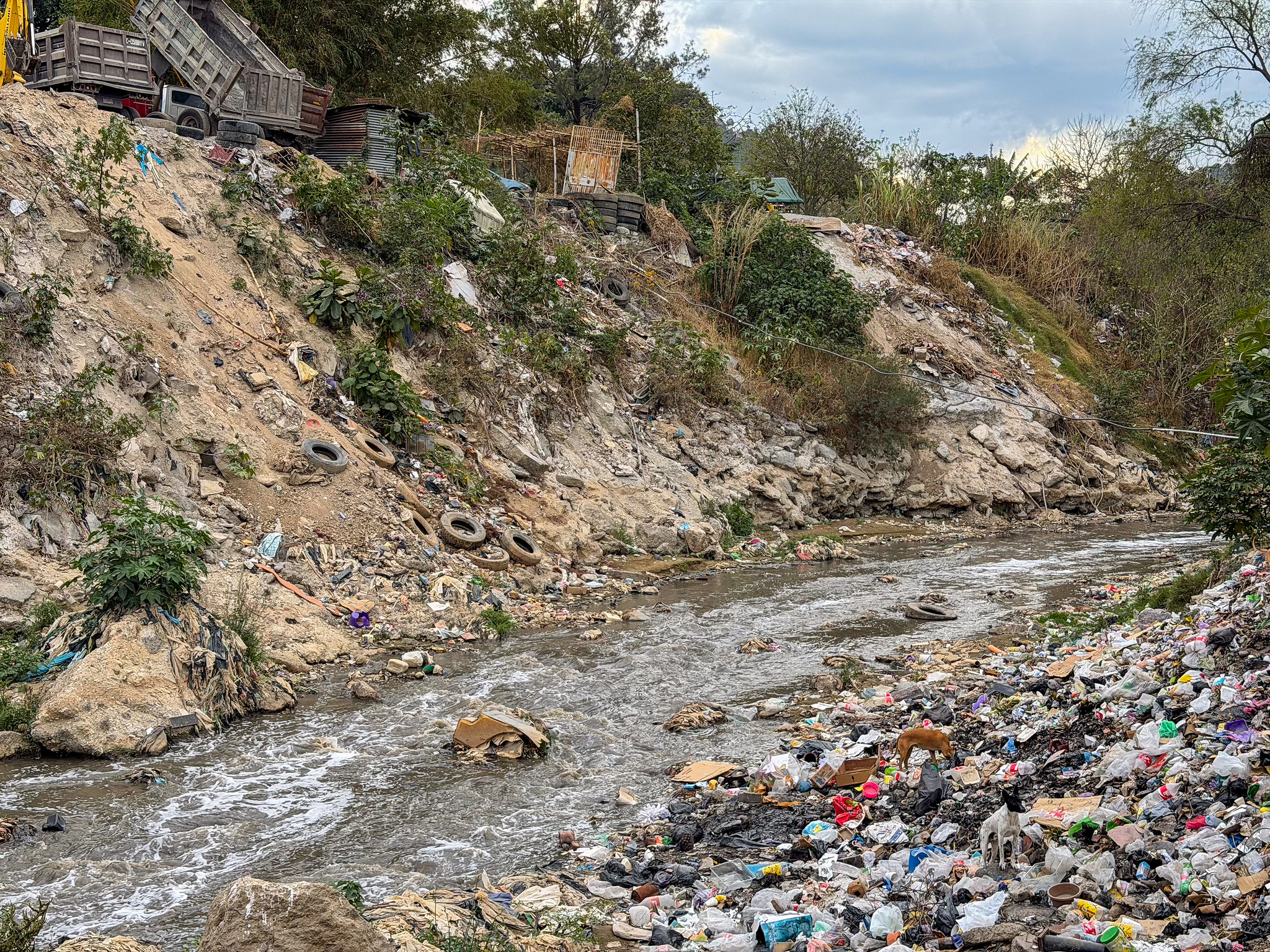
Photo: Mayela Sánchez García.
The situation extends beyond national borders. Every year, the Motagua River discharges some 20,000 metric tons of plastic into the Caribbean Sea, making it one of the rivers that contributes the most plastic pollution to the ocean worldwide, according to estimates contained in a 2025 report by the Inter-American Commission on Human Rights (IACHR).
The river flows into the Mesoamerican Reef at its mouth, so pollution also threatens to degrade one of the largest and most biodiverse transboundary reefs on the planet, which spans the territorial waters of Belize, Guatemala, Honduras, and Mexico.
In addition, the contaminated water reaches the coast of Honduras and spreads into Amatique Bay, located along the eastern coast of Guatemala, affecting the Caribbean Sea.
The roots of this chronic, cross-border problem are structural. Data from the Integrated Environmental Management of the Motagua River Basin project, funded by the United Nations Development Program (UNDP), show that in Guatemala, 66% of municipal solid waste is not collected, and there is no guarantee that the remaining 34% is disposed of properly. Furthermore, of all landfills nationwide, 88.32% are illegal or lack municipal authorization.
In other words, the core issues that need to be addressed are the mismanagement of solid waste and water resources in Guatemala; noncompliance with existing regulations on wastewater discharge and the disposal and treatment of solid waste and residues; and the lack of a water law.
The Poqomam Maya people's quest for justice
The rivers of Santa Cruz Chinautla, a community of the Poqomam Maya people located just twelve kilometers from Guatemala City, have become conduits of pollution that are degrading the Motagua River.
For decades, the local population has seen its health and livelihoods—including pottery, one of the main economic activities and a source of identity—damaged due to the lack of waste management in the municipality of Chinautla and the urban area of the country’s capital, as well as the activities of sand-mining companies.
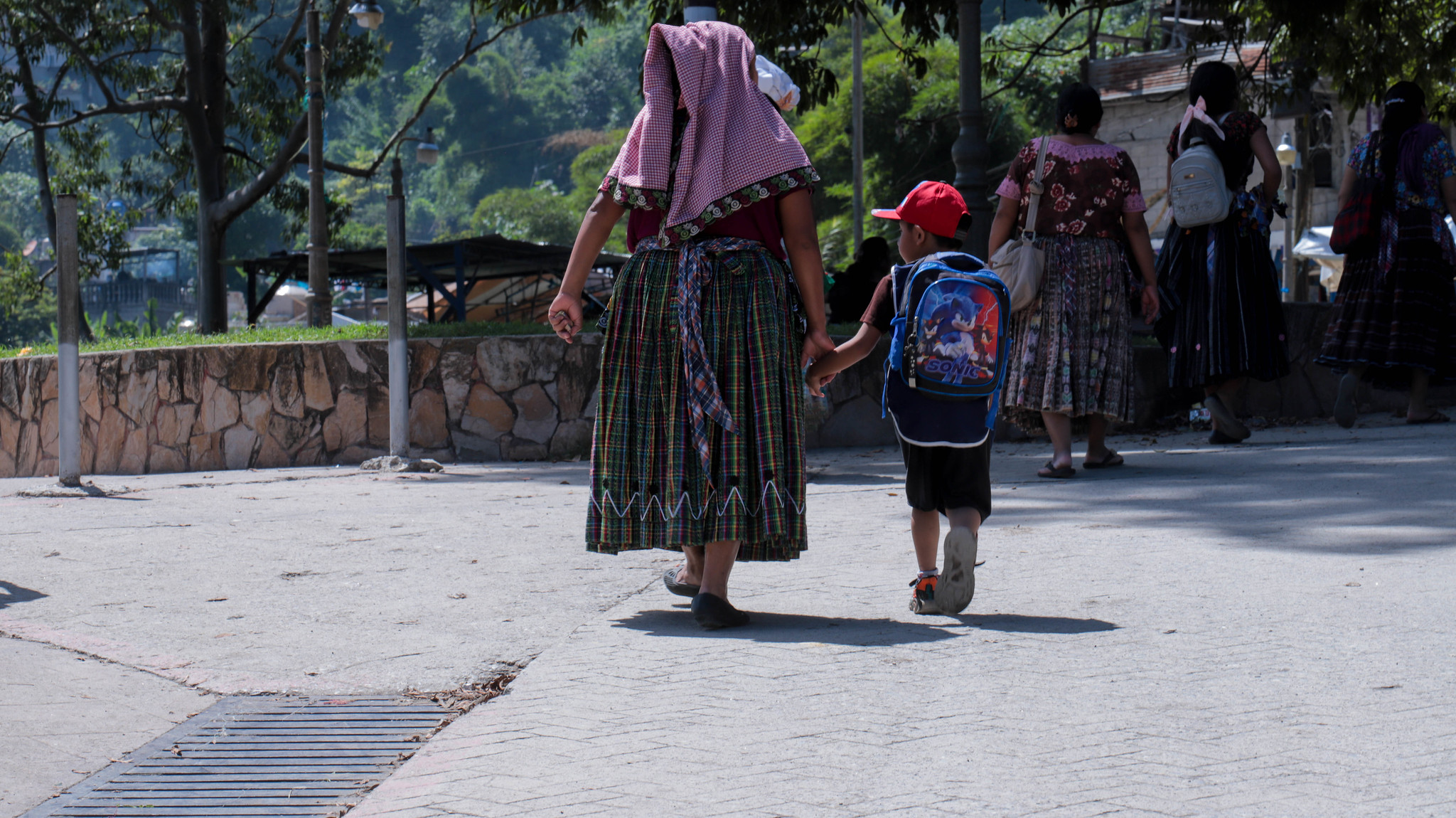
Photo: Mario Winter.
Voices for the Motagua River: Olga Vázquez.
Voices for the Motagua River: Nazario Pascual.
In early 2000, the Maya community organized to stop sand mining on their territory. At that time, the companies held mining permits that remained valid through 2021 and 2022. And although the permits expired, some companies continued to operate after requesting extensions. In June 2022, the indigenous authorities of the Poqomam people began a sit-in protest in front of the Piedrinera San Luis company, which they maintained for four years.
In July 2024, the Special Rapporteur on Economic, Social, Cultural, and Environmental Rights of the IACHR visited Santa Cruz Chinautla. During his visit, traditional authorities and community members spoke about the environmental, water-related, health, economic, and cultural impacts of the pollution in their rivers.
That same year, in October, the community—with support from AIDA, the Indigenous Peoples’ Law Firm, and partner organizations—filed a lawsuit (petition for amparo) against the municipality of Chinautla over its failure to take measures to address the contamination of its rivers and soil caused by improper solid waste management and the existence of illegal landfills.
AIDA’s scientific team, together with local residents and community authorities, collected key information on illegal landfills in the area. This community science initiative supported the litigation by highlighting the severity of the pollution, demonstrating the ongoing use of such practices, and providing evidence of the municipal authorities’ failure to fulfill their legal obligations regarding waste management.
Learn more about this community science initiative.
In June 2025, the Poqomam community won the support of the Guatemalan justice system when a constitutional court ordered the municipality of Chinautla to effectively address the claims in the lawsuit aimed at stopping the pollution of the rivers and soil in Santa Cruz Chinautla.
This is the first time a Guatemalan court has recognized a community's right to a healthy environment and its central role in finding solutions.
Find out the details of the legal victory.
Current situation
Since the ruling was issued, the municipality of Chinautla has held a series of “technical working groups” with representatives from the central government, civil society, and the community. A smaller group of technical experts was later created to develop a work plan with clear goals. Several months have passed without the municipality convening these working groups.
Furthermore, in December 2025, the IACHR noted in its report Human Rights Situation in Guatemala that the Motagua River basin is facing a severe pollution crisis that has had profound impacts on biodiversity and has resulted in systematic violations of the human rights of local communities, including the Maya Poqomam people.
And in May 2026, the Ministry of the Environment and Natural Resources revoked the license of the sand mining company Piedrinera San Luis for "failure to comply with environmental commitments."
AIDA continues to monitor the implementation of the court ruling to ensure the right to a healthy environment for the Poqomam Maya community and all those living in the Motagua River basin. Meanwhile, the residents of Santa Cruz Chinautla remain organized and mobilized to improve their environment and defend their rights.
Related projects
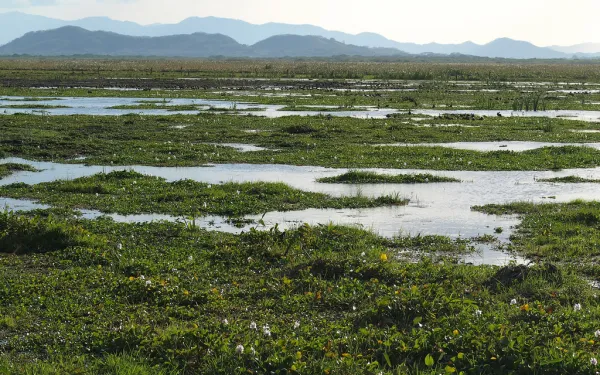
Costa Rica launches wetlands protection policy
On March 6, Costa Rica’s rivers, lakes, mangroves and other wetlands became better protected when the government launched its first national policy for their sustainable management. The National Wetlands Policy (2017-2030) was created to preserve and revitalize the nation’s wetlands and the great biodiversity they house. The Ministry of the Environment, the National System of Conservation Areas, and the United Nations Development Program created the historic public policy instrument over the last year and a half. AIDA helped develop the policy, providing comments based on international environmental law. We drew from our experience helping Mexico craft its own wetlands policy in 2014. “We sought to ensure that the National Wetlands Policy was in alignment with Costa Rica’s obligations under the Ramsar Convention, an intergovernmental treaty that states all countries should have a wetlands policy and provides governments with assistance protecting wetlands in their territory,” explained Gladys Martínez, senior attorney with AIDA’s Marine Biodiversity and Coastal Protection Program. Costa Rica’s Organic Law of the Environment defines wetlands as ecosystems that depend on both sweet and brackish water, are natural or artificial, and which can be permanent or temporary. Therefore, wetlands are not just bodies of water like rivers and lakes; they’re also marshes, mangroves, flood plains, and coral reefs, among others. “In Costa Rica we have thousands of wetlands that represent roughly seven percent of the national territory,” stated Edgar Gutiérrez, the Minister of Environment and Energy, in a statement released to mark the launch of the policy. “This policy will help improve the governance and protection of these resources, paying off a historic debt to our vital ecosystems.” Five main components The policy’s action plan is based on five strategic themes: Conservation of wetlands, their goods and services: Avoid future losses of wetlands and mitigate factors that endanger their health and wellbeing. It also proposes the creation of a National Inventory of Wetlands. Climate adaptation and rational use: Identify which wetlands are the most vulnerable to climate change and to carry out mitigation actions. Ecological rehabilitation: Once vulnerable wetlands are identified, recovery actions will be planned. Strengthening institutional support for adequate management: Better coordination and communication between the entities in charge of the management and conservation of wetlands. Inclusive participation: Citizens should be involved and participate actively in wetland-conservation processes. Community consultation It’s particularly important to celebrate the participatory nature of the policy. Many Costa Ricans base their lives and livelihoods on the health of wetlands and other natural environments. Now, instead of removing the public from decision-making, the government officially recognizes the importance of consultation. “The most important aspect of the policy is that, in addition to complying with the Ramsar Convention, the government is also complying with other international conventions that promote consultation,” Martínez explained. Costa Rica’s new policy represents a significant advance in defense of the environment. It shows the region that progressive environmental policies are possible. At AIDA we’re happy to say “Pura Vida!” to the wetlands. We hope more countries will join in their protection.
Read more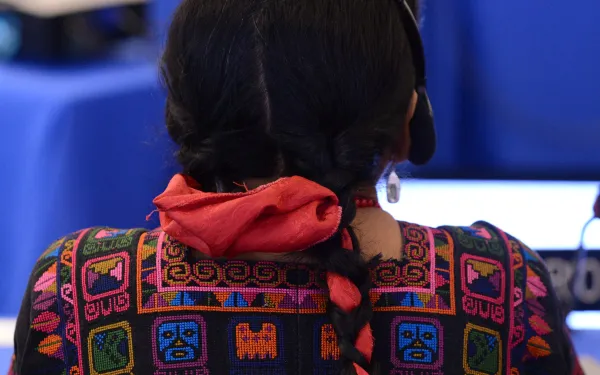
Attacks against Guatemalan human rights defenders denounced
Communities and organizations appealed to the Inter-American Commission on Human Rights, urging the State of Guatemala, private businesses, and investors to guarantee the human rights of people and communities affected by large hydroelectric projects. They presented a report, outlining 10 different cases, which documents 273 incidents of threats, criminalization, and attacks against defenders, traditional authorities, journalists, and communities. Criminalization included 103 arrest warrants, imprisonment of 36 defenders, and the murder of 11. Washington, DC, United States. A coalition of communities and organizations denounced human rights violations against traditional and indigenous communities in Guatemala, at a hearing before the Inter-American Commission on Human Rights. Because of their opposition to large hydroelectric projects, the human rights defenders have been threatened, assaulted, treated as criminals, and assassinated. A report presented before the Commission, featuring 10 different cases, notes that various communities confronting these projects have faced rights abuses including violations of their rights to free, prior, informed, and culturally appropriate consultation; self-determination; due process; and life. The report also outlines how those who defend affected people and communities have been victims of threats and aggressions. The most common attacks include arrest warrants (103), assaults resulting in injuries (56), imprisonment (36), detention (25), criminalization (16), and threats (15). There have been 11 documented murders and three conflict-related deaths in communities that oppose these hydroelectric projects. At least 19 companies are linked to hydroelectric projects in Guatemala, of which 55 percent are national, 40 percent are transnational, and five percent are State-owned. The complaints emphasized that it is the duty of the State to guarantee the rights of communities, and of the people who defend them. The obligation to respect human rights also extends to operating companies and project funders. Therefore, the organizations and communities ask the Guatemalan State to: Comprehensively respect the rights of indigenous people, including the rights to self-determination; consultation; and free, prior, informed, and culturally appropriate consent. Ensure the safety of human rights defenders. Include the participation of indigenous communities in the design and implementation of their energy-development policies. They also request the companies involved to: Comply with due diligence in matters of business and human rights. Refrain from taking actions, such as filing lawsuits, that result in criminalization of and attacks on human rights defenders. Publicly recognize the positive and fundamental role of human rights defenders in democracy. The complete report (in Spanish) is available here. Authors Include: Acompañamiento de Austria (ADA); Asamblea Departamental de Pueblos de Huehuetenango (ADH); Asociación de Abogados Mayas de Guatemala; Asociación Indígena Ch`Orti` Nuevo Día; Interamerican Association for Environmental Defense (AIDA); Business and Human Rights Resource Center; Consejo del Pueblo Maya (CPO) Consejo Mam; Guatemala Human Rights Commission, USA (GHRC); Guatemala Solidarity Network; Microregión de Ixquisis, San Mateo Ixtatán; The Swedish Fellowship of Reconciliation (SweFOR); PAYXAIL YAJAW KONOB (Gobierno Ancestral Plurinacional) AKATEKA, CHUJ, POPTI’, Q’ANJOB’AL; International Platform Against Impunity; Protection International; Proyecto Acompañamiento Quebec Guatemala Montréal, Canadá; Resistencia Río Dolores and Unidad de Protección a Defensoras y Defensores de Derechos Humanos (UDEFEGUA). Press contacts: Karen Hudlet, Business and Human Rights Resource Center, [email protected] Rodrigo da Costa Sales, Interamerican Association for Environmental Defense (AIDA), [email protected]
Read more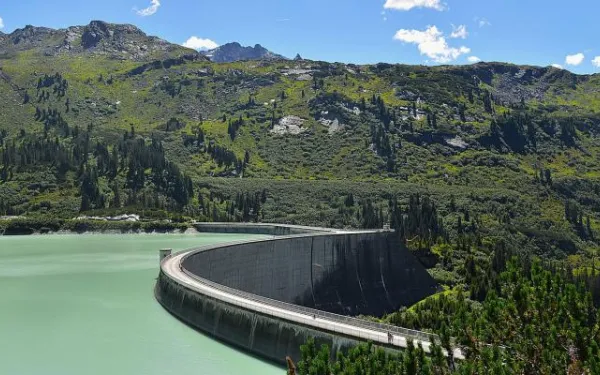
Changing the way we approach large dams
Cigarettes once served to cure cough; lead-based makeup was fashionable; and DDT, a highly toxic insecticide, was used in gardens where children played. At the time, little was known of their grave impacts on health and the environment. These facts may shock us now, but once they were normal. Cigarettes, lead, and DDT were widely believed to be more beneficial than harmful to humanity. Thanks to science, we learned of their serious health and environmental impacts. We’re learning the same now about large dams. A photograph of a dam surrounded by trees is as misleading as the doctor-approved cigarette ads once were. In the last decade, we’ve seen that the damage dams do to communities and ecosystems is far greater than the benefits they provide. Recently, an academic study confirmed something even more worrying: large dams aggravate climate change. At the end of 2016, researchers from Washington State University (WSU) concluded that reservoirs around the world, not just those in tropical areas, generate 1.3 percent of the total greenhouse gases produced by mankind. Dams, they found, are an “underestimated” source of contaminating emissions, particularly methane, a pollutant 34 times more effective at trapping heat than carbon dioxide. These findings have not yet been properly absorbed. Large dams continue to be funded and promoted as clean energy. Some countries boast nearly 100 percent renewable energy, yet reports show that at least half of that is hydroelectric energy, produced primarily by large dams. Violating human rights Even before WSU’s study was made public, the damage large dams do to communities and the environment was well documented. Dams disrupt traditional lifestyles, and affected communities are forced to adapt to new environmental conditions, such as altered river flow and species migration. Many communities have also been victims of forced displacement and fall into poverty as a result. In the Brazilian Amazon, the Belo Monte Dam provides a prime example of the ways dams cause negative impacts on both people and the environment. At AIDA, we’ve worked hand-in-hand with the indigenous and river communities of the Xingu River Basin, who have seen the trees fall around them, the red earth spread like a stain across their forest, the fish disappear from their rivers, and their small islands submerged. For those living in Altamira, the city nearest the dam, living conditions also worsened significantly, with increased violence, substance abuse, and prostitution. This story has been repeated thousands of times around the world. According to International Rivers, 57 thousand large dams had been built by 2015, disrupting more than half of the world’s rivers and causing the displacement of at least 40 million people. What can we do? Although the WSU study may surprise governments and corporations that promote the construction of large dams, for the health of the planet the trend must be stopped. Environmentally friendly alternatives exist, which do not imply the same social, economic and climatic impacts as dams. Hope can be found in the Brazilian Amazon with the Munduruku tribe. Last year, their long fight paid off with the cancellation of a large dam project on the Tapajós River, the sacred waterway on which their lifestyle depends. The decision to cancel the dam was backed with evidence of the impacts dams have on communities and ecosystems, exemplified by the case of Belo Monte. Recently, the Munduruku gathered to discuss and find solutions for the threats they continue to face as development rages in the Amazon. Solutions include the decentralization of energy sources, the promotion of small-scale projects, and solar and geothermal energy, all of which must be accompanied by adequate community-consultation processes. But they must be studied on a case-by-case basis and according to available resources, as what’s best for one community may not be best for another. Funding must carefully evaluate which projects to support, analyzing in detail the potential socio-environmental impacts. It may sound like people are making all the wrong decisions, but now is no time to be discouraged. We have the scientific information we need to care for our planet. Societal changes prove that we can change our actions to prioritize our health. Why can’t we do the same for the health of our planet? In the last several decades, the number of smokers has drastically decreased, we’ve stopped lacing makeup and other products with lead, and DDT has been regulated. In terms of large dams, the solution lies in re-thinking the way we produce energy and prioritizing the preservation of our free-flowing rivers.
Read more