
Project
Shutterstock.
Pollution of the Motagua River in Guatemala: The Poqomam Maya people’s quest for environmental justice
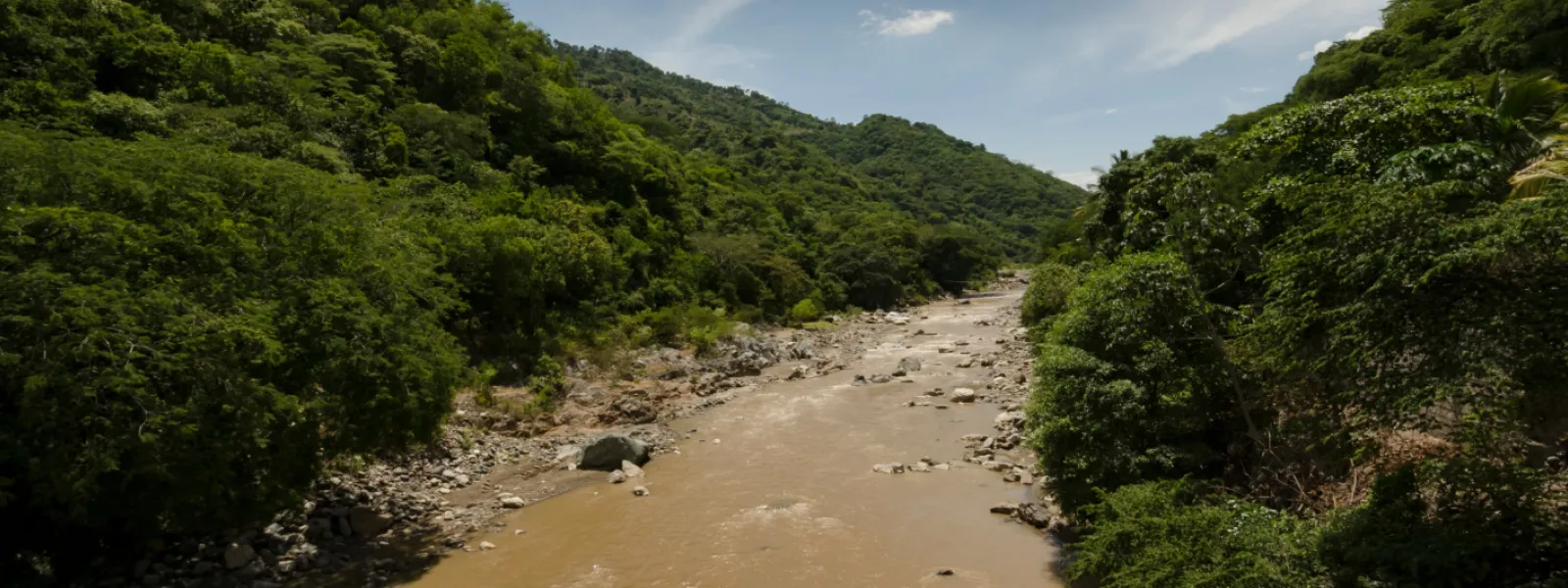
The Motagua River basin—Guatemala’s largest and most important river—is severely polluted with wastewater, solid waste, and other types of debris.
This is a cross-border issue because the Motagua’s polluted waters flow into the Caribbean Sea, reach the coast of Honduras, and threaten the Mesoamerican Reef System.
For decades, this has violated the rights to health, water, development, and a healthy environment of all the people living in the river basin.
In June 2025, the Poqomam Maya community of Santa Cruz Chinautla—supported by AIDA, the Indigenous Peoples’ Law Firm, and allied organizations—achieved an unprecedented legal victory to halt degradation in the basin. In response to the lawsuit it filed, a Guatemalan court ordered the municipality of Chinautla to comply with a series of obligations to curb the pollution of the area’s rivers and soil.
The government's response to the ruling has so far been limited to technical working group meetings. Meanwhile, the community continues to work toward the proper implementation of the ruling and to take other actions to defend its territory and its rights.
Background
The Motagua River, which is 486 km long, flows through 96 municipalities and 14 departments in Guatemala. It originates in Quiché, a department located in the northwest, and empties into the Caribbean Sea.
Polluting activities occur throughout the entire basin, including sub-basins and micro-basins. The largest volume of pollution comes from Guatemala City, the country’s capital, and is carried by the waters of the Las Vacas River, which in turn receives a large amount of waste from the Chinautla River.
The Chinautla River, which flows through the municipality of the same name, carries solid waste from a landfill located in Zone 3 of the capital—where trash from at least 14 municipalities in the department of Guatemala is dumped—as well as sewage generated by some 500,000 people living in the northern part of the capital, which undergoes no prior treatment.
Other sources of pollution include the numerous illegal dumps in the municipality of Chinautla, the waste that private vehicles and garbage trucks dump along the banks of its rivers, as well as the sand-mining companies—which began setting up operations in the area between 1996 and 1997—whose activities weaken the rivers' basins, causing solid waste to be more easily carried away by the river currents.
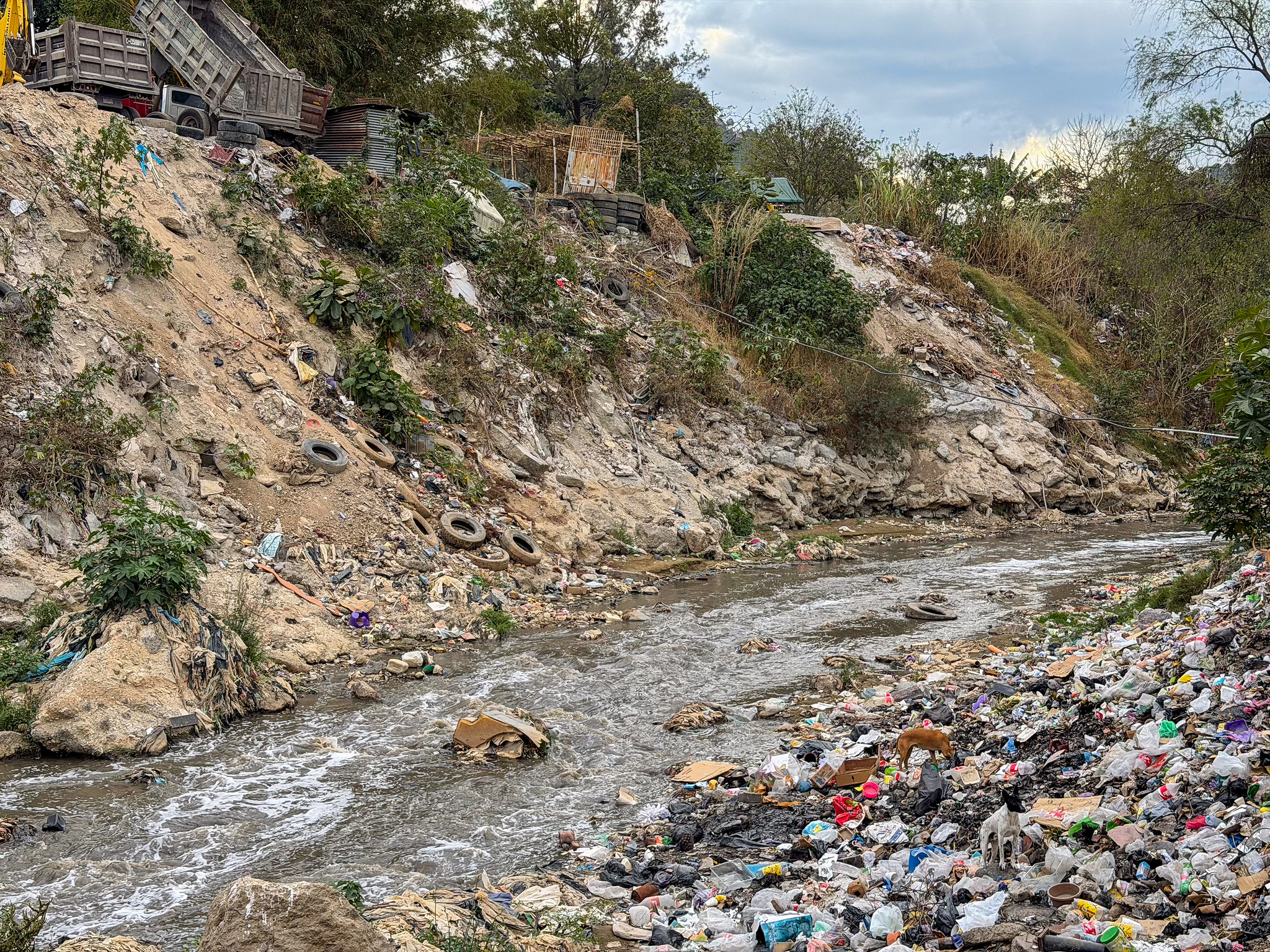
Photo: Mayela Sánchez García.
The situation extends beyond national borders. Every year, the Motagua River discharges some 20,000 metric tons of plastic into the Caribbean Sea, making it one of the rivers that contributes the most plastic pollution to the ocean worldwide, according to estimates contained in a 2025 report by the Inter-American Commission on Human Rights (IACHR).
The river flows into the Mesoamerican Reef at its mouth, so pollution also threatens to degrade one of the largest and most biodiverse transboundary reefs on the planet, which spans the territorial waters of Belize, Guatemala, Honduras, and Mexico.
In addition, the contaminated water reaches the coast of Honduras and spreads into Amatique Bay, located along the eastern coast of Guatemala, affecting the Caribbean Sea.
The roots of this chronic, cross-border problem are structural. Data from the Integrated Environmental Management of the Motagua River Basin project, funded by the United Nations Development Program (UNDP), show that in Guatemala, 66% of municipal solid waste is not collected, and there is no guarantee that the remaining 34% is disposed of properly. Furthermore, of all landfills nationwide, 88.32% are illegal or lack municipal authorization.
In other words, the core issues that need to be addressed are the mismanagement of solid waste and water resources in Guatemala; noncompliance with existing regulations on wastewater discharge and the disposal and treatment of solid waste and residues; and the lack of a water law.
The Poqomam Maya people's quest for justice
The rivers of Santa Cruz Chinautla, a community of the Poqomam Maya people located just twelve kilometers from Guatemala City, have become conduits of pollution that are degrading the Motagua River.
For decades, the local population has seen its health and livelihoods—including pottery, one of the main economic activities and a source of identity—damaged due to the lack of waste management in the municipality of Chinautla and the urban area of the country’s capital, as well as the activities of sand-mining companies.
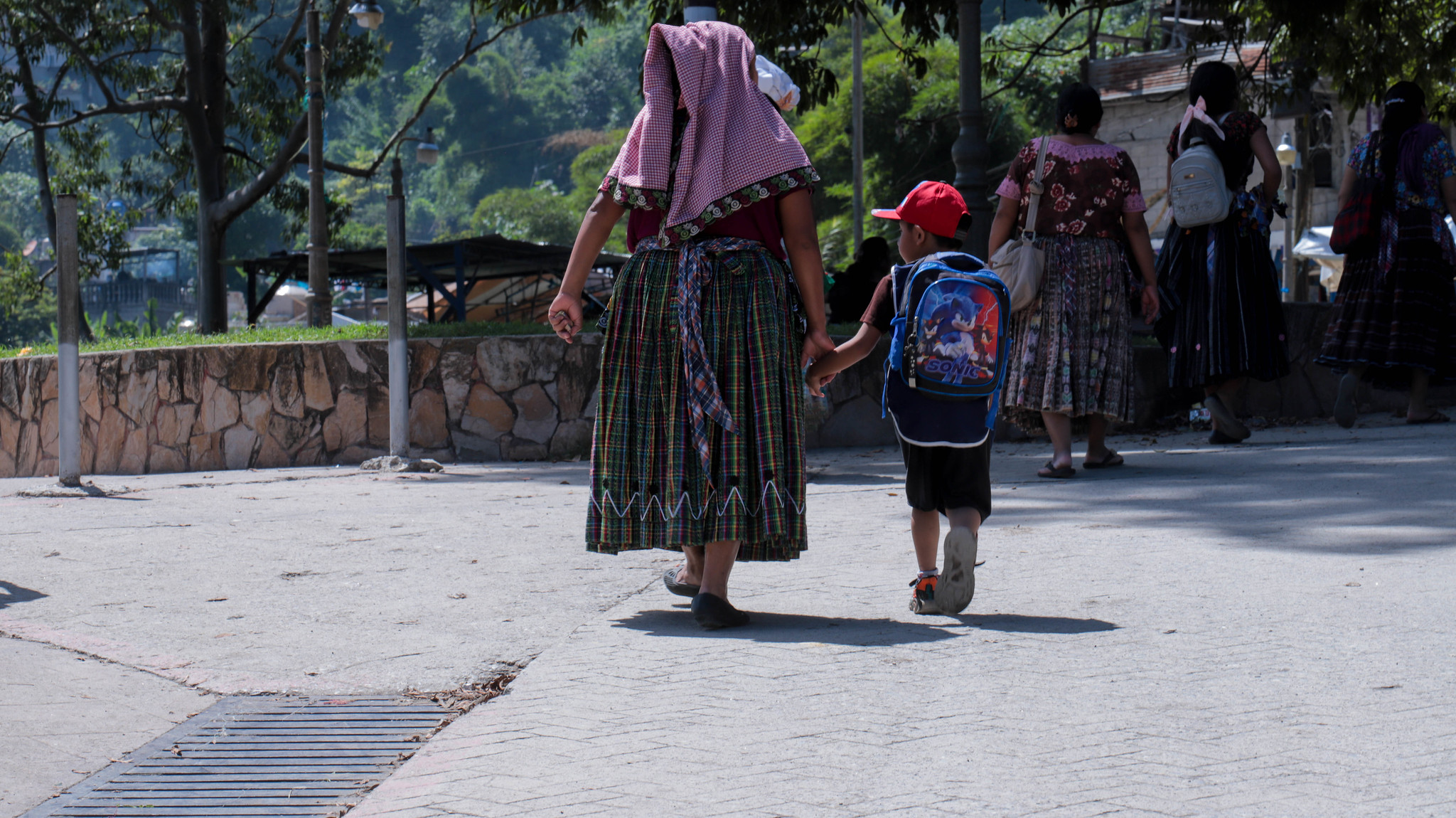
Photo: Mario Winter.
Voices for the Motagua River: Olga Vázquez.
Voices for the Motagua River: Nazario Pascual.
In early 2000, the Maya community organized to stop sand mining on their territory. At that time, the companies held mining permits that remained valid through 2021 and 2022. And although the permits expired, some companies continued to operate after requesting extensions. In June 2022, the indigenous authorities of the Poqomam people began a sit-in protest in front of the Piedrinera San Luis company, which they maintained for four years.
In July 2024, the Special Rapporteur on Economic, Social, Cultural, and Environmental Rights of the IACHR visited Santa Cruz Chinautla. During his visit, traditional authorities and community members spoke about the environmental, water-related, health, economic, and cultural impacts of the pollution in their rivers.
That same year, in October, the community—with support from AIDA, the Indigenous Peoples’ Law Firm, and partner organizations—filed a lawsuit (petition for amparo) against the municipality of Chinautla over its failure to take measures to address the contamination of its rivers and soil caused by improper solid waste management and the existence of illegal landfills.
AIDA’s scientific team, together with local residents and community authorities, collected key information on illegal landfills in the area. This community science initiative supported the litigation by highlighting the severity of the pollution, demonstrating the ongoing use of such practices, and providing evidence of the municipal authorities’ failure to fulfill their legal obligations regarding waste management.
Learn more about this community science initiative.
In June 2025, the Poqomam community won the support of the Guatemalan justice system when a constitutional court ordered the municipality of Chinautla to effectively address the claims in the lawsuit aimed at stopping the pollution of the rivers and soil in Santa Cruz Chinautla.
This is the first time a Guatemalan court has recognized a community's right to a healthy environment and its central role in finding solutions.
Find out the details of the legal victory.
Current situation
Since the ruling was issued, the municipality of Chinautla has held a series of “technical working groups” with representatives from the central government, civil society, and the community. A smaller group of technical experts was later created to develop a work plan with clear goals. Several months have passed without the municipality convening these working groups.
Furthermore, in December 2025, the IACHR noted in its report Human Rights Situation in Guatemala that the Motagua River basin is facing a severe pollution crisis that has had profound impacts on biodiversity and has resulted in systematic violations of the human rights of local communities, including the Maya Poqomam people.
And in May 2026, the Ministry of the Environment and Natural Resources revoked the license of the sand mining company Piedrinera San Luis for "failure to comply with environmental commitments."
AIDA continues to monitor the implementation of the court ruling to ensure the right to a healthy environment for the Poqomam Maya community and all those living in the Motagua River basin. Meanwhile, the residents of Santa Cruz Chinautla remain organized and mobilized to improve their environment and defend their rights.
Related projects
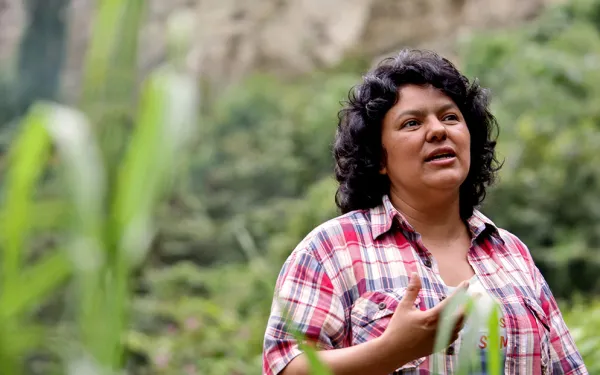
Public letter to President of Honduras on the killing of Berta Cáceres
Dear President Juan Orlando Hernández, We, a group of 50+ international organisations, write to express our shock and concern over the recent killing of Berta Cáceres, environmental activist and head of the indigenous rights group COPINH. As you will know, Mrs Cáceres was shot dead by gunmen in the late hours of 2 March 2016. Over the years she had received multiple death threats and attempted kidnappings because of her work defending indigenous Lenca land against the Agua Zarca dam project in Río Blanco. These threats had escalated in recent weeks since construction of the dam had restarted. We demand an independent international investigation into the circumstances around Mrs Cáceres’ death, and guaranteed protection for her family and colleagues. Mrs Cáceres was granted emergency protection measures by the Inter-American Commission on Human Rights because of her acute vulnerability, but she claimed the Honduran state did not fully implement them. We also demand urgent action to protect Gustavo Castro Soto, a Mexican activist who witnessed her assassination, and to ensure his safe passage back to Mexico. Mrs Cáceres’ case is the most high-profile killing within a growing trend in the murder, violence and intimidation of people defending their indigenous land rights in Honduras. Honduras is the world’s most dangerous country per capita to be an environmental or land defender, with at least 109 people killed between 2010 and 2015. Mrs Cáceres’ case has not escaped international attention. In a statement issued in response to her death U.S. Senator Patrick Leahy called on you to find and punish those responsible for “this despicable crime.” Last year, US Senator Barbara Boxer wrote a letter to US Secretary of State John Kerry urging for better protection of environmental defenders in Honduras. This was in direct response to Mrs Cáceres winning the 2015 Goldman Environment Prize – a prestigious award recognizing grassroots environmental activists from around the world. News of her death has generated substantial international media attention. The 50+ international organisations listed below call on the Honduran state to ensure indigenous peoples’ right to their land is respected and that they are able to carry out their legitimate work without fear for their safety.
Read more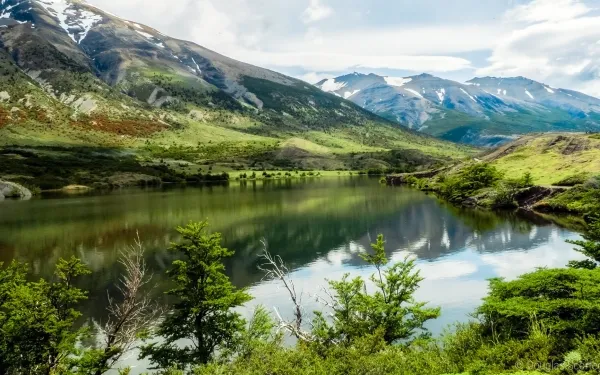
The Invaluable Legacy of Douglas Tompkins
By Florencia Ortúzar, AIDA attorney On December 8th, one of the last pristine places on the planet, Patagonia, lost one of its greatest protectors, Douglas Tompkins. At 72 years old, the conservationist and multimillionaire lost his life in a kayaking accident. Much has been said about the eccentric man who sold the companies that made him rich, and left it all behind to undertake an ambitious conservation project in Chile and Argentina. It was looked on with suspicion when he began frantically buying lands in the Southern Cone for the sole purpose of protecting them. Tompkins thought that effective conservation should be “extensive, wild and connected.” So he decided to create large national parks that would be protected even in his absence. To do so, he acquired large tracts of land and began returning them to their natural state, removing fences and recuperating ecosystems. Without fences, wildlife could move freely, a condition which is fundamental for their prosperity. Donating in exchange for protection Barely more than a month after she was widowed, Kris Tompkins, Doug’s wife for 20 years, met with Chilean President Michelle Bachelet to offer the donation of more than 400 thousand hectares of land in Chilean Patagonia, including millions of dollars in infrastructure. With it, she sought to realize the last of the couple’s major projects in Chile: the creation of Patagonia Park, which together with other lands, donated or in process of being donated, would form a network of parks in Patagonia. In Chile, the Tompkins had already donated land for the creation of Corcovado Park in Patagonia and Yendegaia Park in Tierra del Fuego. The land to create Pumalín Park, also in Patagonia, is in the process of being donated. All together, these land donations equal more than 500 thousand hectares of protected wilderness. But the Tompkins’ gifts come with conditions: for each hectare they receive, governments must protect a certain number more. In exchange for the posthumous donation in Chile, for example, the government is required to create new national parks, expand existing parks and reclassify four natural reserves. Negotiations are expected to conclude in 2018. If the Tompkins’ succeed, the agreement will create the most important network of national parks in the country. Protection in Argentina Tompkins also donated vast stretches of land in Argentina. In the Entre Ríos Province, he started a soil recuperation project, using highly diversified organic crops to overcome the damage of industrial monoculture. The Argentine Patagonia also received protection, through land donations of 66 thousand hectares to Monte Leon National Park and 15 thousand hectares to Perito Moreno National Park. Tompkins’ last project in Argentina was completed last December when the Argentine government met with Kris Tompkins to accept the donation of 150 thousand hectares of land in the Estuaries of Iberá, the second largest wetland on the planet. This area, when added to the 50 thousand hectares previously donated and the 500 thousand that already form Iberá Park, will create one of the largest reserves in the country. ¡Patagonia sin Represas! In addition to contributing to the creation of national parks, Tompkins supported the activism of conservation groups in Patagonia. One of the initiatives he sponsored was the campaign Patagonia sin Represas, which managed to stop the HidroAysén project in its tracks. HydroAysén had aimed to construct five mega-dams on the Baker and Pascua rivers, two of the largest free-flowing rivers in Chile, located in the heart of Patagonia. During Doug’s burial the mantra “Patagonia sin Represas” is said to have been shouted by mourners when the last handful of dirt was thrown upon his grave. At the end of the 1900s, when Tompkins’ land purchasing in Argentina and Chile was at its peak, he was accused of buying the land cheaply and displacing its inhabitants, leaving them without work. Later, the accusations became more sophisticated: they accused him of buying land to create a new Zionist state, of being a CIA spy, and of trying to seize enormous reserves of fresh water to export to places experiencing drought. Many looked upon his work with suspicion. Maybe they found it difficult to believe that someone would invest millions of dollars with the sole objective of preserving the perfect natural harmony that surrounds us. Any accusation was easier than giving credit to his true intention: buying land to prevent it from being exploited, and then giving it back to the government, not for money, but for a commitment of protection. Whatever his detractors may say, here in reality, Douglas Tompkins left an enormous legacy to all of mankind. He has conserved more land than any other person in the history of Chile and Argentina. His work has translated into massive patches of green on the maps of Patagonia. For those pristine and wild places, we are eternally grateful. CONGRATULATIONS DOUG, and THANK YOU!
Read more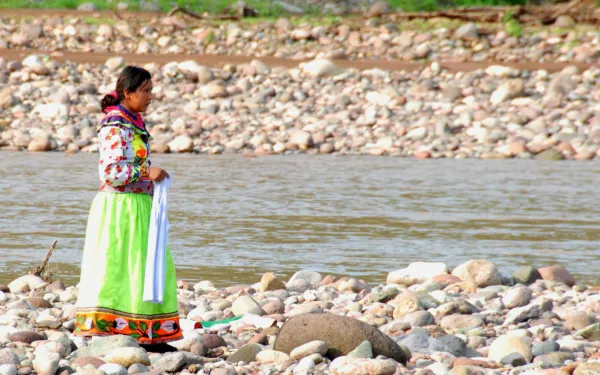
Indigenous groups ask Pope Francis to help stop Las Cruces Dam
In a letter delivered to Vatican representatives, indigenous and riverine communities affected by the construction of a dam on Río San Pedro Mezquital asked that the Pope intercede on their behalf before the Mexican government during his visit to the country. They explained that the hydroelectric project would cause serious harm to the environment and human rights. Mexico City, Mexico. On the occasion of Pope Francis’ visit to Mexico, indigenous and riverine communities from Nayarit state wrote a letter asking the Pope to intercede on their behalf before the Mexican government, in hopes of putting a stop to the Las Cruces Dam project on Río San Pedro Mezquital. The project, they explain, puts at risk their culture and way of life, and also threatens Marismas Nacionales, one of the country’s most important wetlands. The letter was delivered to the local headquarters of the Apostolic Nunciature, a diplomatic mission of the Vatican. It reads: … We respectfully solicit that you, Your Holiness, during your visit to our country, intercede on our behalf before President Enrique Peña Nieto, so that his Government stops the human rights violations of all indigenous communities in the name of development, and that it abandon further advancement of the Las Cruces hydroelectric dam because of the human and environmental impacts it will cause. Mexico’s Secretary of the Environment and Renewable Natural Resources (SEMARNAT) has granted environmental permits and water rights for the construction and operation of the dam. “They did so without having guaranteed the right to prior consultation of the indigenous communities affected by the project, which include the Náyeri, Wixárica, Mexicanero and Tepehuano peoples,” explained Sandra Moguel, AIDA attorney. “SEMARNAT authorized the project with the condition that the Secretariat of Energy realize a process of consultation with the indigenous communities, which should have been done before issuing the authorizations.” In their letter, the indigenous communities honor and celebrate Pope Francis’ encyclical, Laudato Sí, in which he recognizes the important contribution indigenous communities can make towards the promotion and protection of culture and natural resources. “The Río San Pedro is not simply part of our lives, but also fundamental to our spirituality,” explained Julián López Cánare, member of the Náyeri Indigenous Council, who delivered the letter. “All of its territory, from its headwaters to its mouth, is a sacred space where we strengthen our identity and values.” This river also feeds Marismas Nacionales, one of Mexico’s most important wetlands. The area is recognized as a Biosphere Reserve and a Wetland of International Importance under the Ramsar Convention, an intergovernmental treaty for the protection of wetland ecosystems. Finally, the indigenous communities explained in their letter that the pressure put on them to agree to the project has escalated to include harassment and illegal detentions by the government. They also cite instances of acts simulating consultation, which would not be valid considering the project has already been authorized. Citing the visions for the future they share with Pope Francis, the letter finished: Your Holiness, hopeful in the power of your intercession, we part here with the passionate hope that your encyclical letter, Laudato Si’, inspires and propels profound changes in politics, practices, and beliefs of governments, businesses, civil society, and the mentality of our fellow man, with hopes of constructing a more just, more humane, and truly sustainable world.
Read more