
Project
Shutterstock.
Pollution of the Motagua River in Guatemala: The Poqomam Maya people’s quest for environmental justice
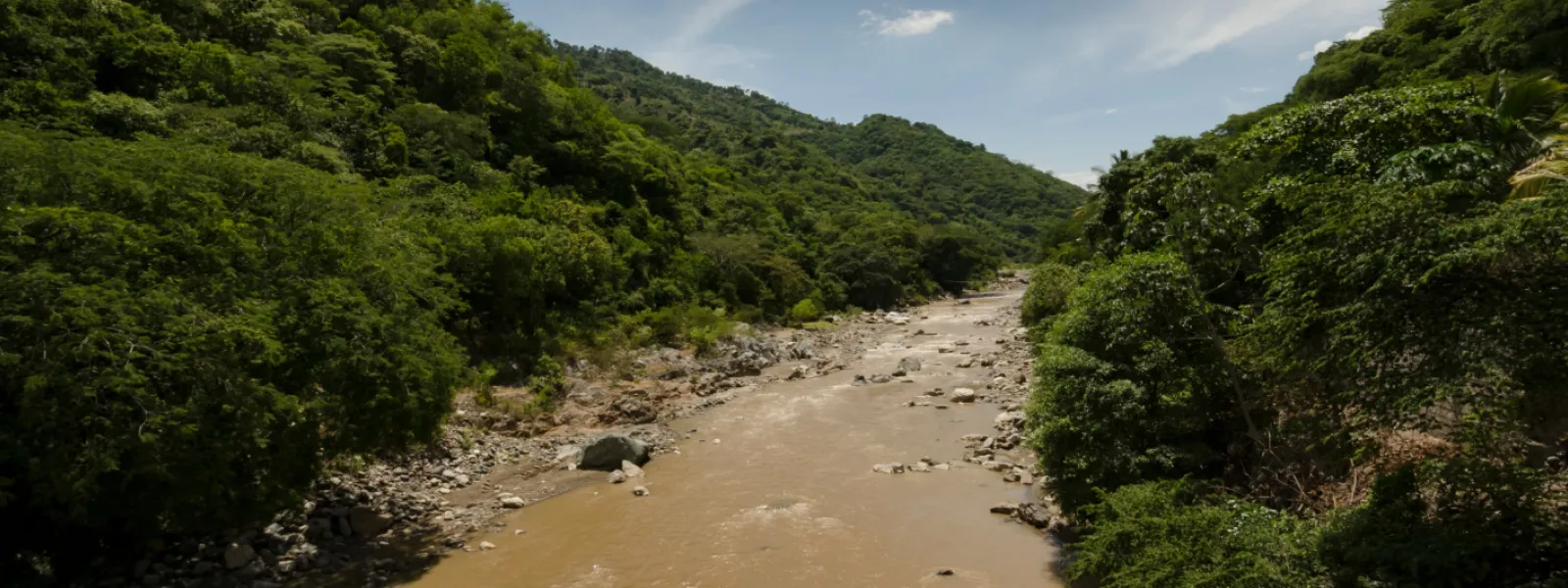
The Motagua River basin—Guatemala’s largest and most important river—is severely polluted with wastewater, solid waste, and other types of debris.
This is a cross-border issue because the Motagua’s polluted waters flow into the Caribbean Sea, reach the coast of Honduras, and threaten the Mesoamerican Reef System.
For decades, this has violated the rights to health, water, development, and a healthy environment of all the people living in the river basin.
In June 2025, the Poqomam Maya community of Santa Cruz Chinautla—supported by AIDA, the Indigenous Peoples’ Law Firm, and allied organizations—achieved an unprecedented legal victory to halt degradation in the basin. In response to the lawsuit it filed, a Guatemalan court ordered the municipality of Chinautla to comply with a series of obligations to curb the pollution of the area’s rivers and soil.
The government's response to the ruling has so far been limited to technical working group meetings. Meanwhile, the community continues to work toward the proper implementation of the ruling and to take other actions to defend its territory and its rights.
Background
The Motagua River, which is 486 km long, flows through 96 municipalities and 14 departments in Guatemala. It originates in Quiché, a department located in the northwest, and empties into the Caribbean Sea.
Polluting activities occur throughout the entire basin, including sub-basins and micro-basins. The largest volume of pollution comes from Guatemala City, the country’s capital, and is carried by the waters of the Las Vacas River, which in turn receives a large amount of waste from the Chinautla River.
The Chinautla River, which flows through the municipality of the same name, carries solid waste from a landfill located in Zone 3 of the capital—where trash from at least 14 municipalities in the department of Guatemala is dumped—as well as sewage generated by some 500,000 people living in the northern part of the capital, which undergoes no prior treatment.
Other sources of pollution include the numerous illegal dumps in the municipality of Chinautla, the waste that private vehicles and garbage trucks dump along the banks of its rivers, as well as the sand-mining companies—which began setting up operations in the area between 1996 and 1997—whose activities weaken the rivers' basins, causing solid waste to be more easily carried away by the river currents.
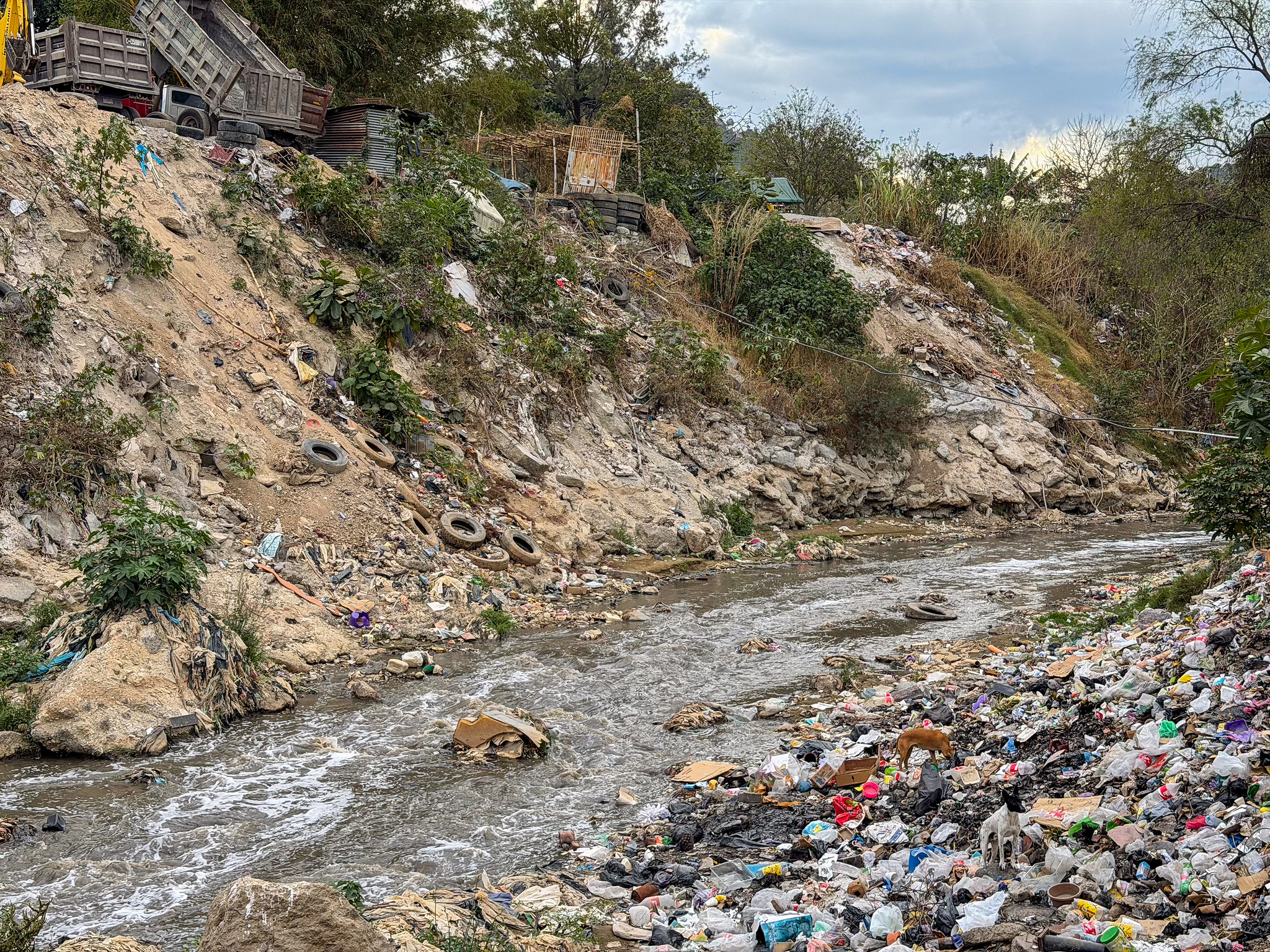
Photo: Mayela Sánchez García.
The situation extends beyond national borders. Every year, the Motagua River discharges some 20,000 metric tons of plastic into the Caribbean Sea, making it one of the rivers that contributes the most plastic pollution to the ocean worldwide, according to estimates contained in a 2025 report by the Inter-American Commission on Human Rights (IACHR).
The river flows into the Mesoamerican Reef at its mouth, so pollution also threatens to degrade one of the largest and most biodiverse transboundary reefs on the planet, which spans the territorial waters of Belize, Guatemala, Honduras, and Mexico.
In addition, the contaminated water reaches the coast of Honduras and spreads into Amatique Bay, located along the eastern coast of Guatemala, affecting the Caribbean Sea.
The roots of this chronic, cross-border problem are structural. Data from the Integrated Environmental Management of the Motagua River Basin project, funded by the United Nations Development Program (UNDP), show that in Guatemala, 66% of municipal solid waste is not collected, and there is no guarantee that the remaining 34% is disposed of properly. Furthermore, of all landfills nationwide, 88.32% are illegal or lack municipal authorization.
In other words, the core issues that need to be addressed are the mismanagement of solid waste and water resources in Guatemala; noncompliance with existing regulations on wastewater discharge and the disposal and treatment of solid waste and residues; and the lack of a water law.
The Poqomam Maya people's quest for justice
The rivers of Santa Cruz Chinautla, a community of the Poqomam Maya people located just twelve kilometers from Guatemala City, have become conduits of pollution that are degrading the Motagua River.
For decades, the local population has seen its health and livelihoods—including pottery, one of the main economic activities and a source of identity—damaged due to the lack of waste management in the municipality of Chinautla and the urban area of the country’s capital, as well as the activities of sand-mining companies.
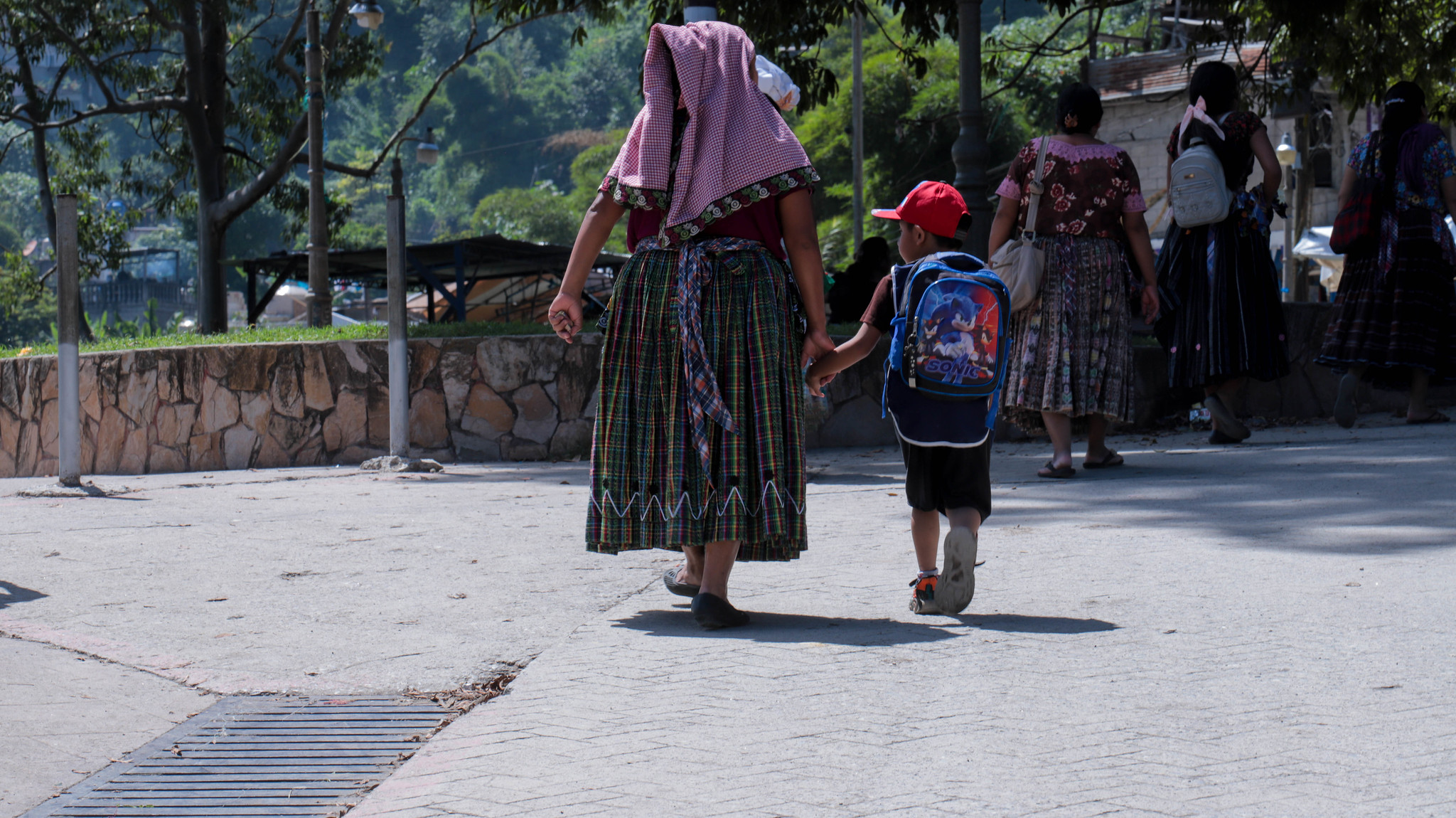
Photo: Mario Winter.
Voices for the Motagua River: Olga Vázquez.
Voices for the Motagua River: Nazario Pascual.
In early 2000, the Maya community organized to stop sand mining on their territory. At that time, the companies held mining permits that remained valid through 2021 and 2022. And although the permits expired, some companies continued to operate after requesting extensions. In June 2022, the indigenous authorities of the Poqomam people began a sit-in protest in front of the Piedrinera San Luis company, which they maintained for four years.
In July 2024, the Special Rapporteur on Economic, Social, Cultural, and Environmental Rights of the IACHR visited Santa Cruz Chinautla. During his visit, traditional authorities and community members spoke about the environmental, water-related, health, economic, and cultural impacts of the pollution in their rivers.
That same year, in October, the community—with support from AIDA, the Indigenous Peoples’ Law Firm, and partner organizations—filed a lawsuit (petition for amparo) against the municipality of Chinautla over its failure to take measures to address the contamination of its rivers and soil caused by improper solid waste management and the existence of illegal landfills.
AIDA’s scientific team, together with local residents and community authorities, collected key information on illegal landfills in the area. This community science initiative supported the litigation by highlighting the severity of the pollution, demonstrating the ongoing use of such practices, and providing evidence of the municipal authorities’ failure to fulfill their legal obligations regarding waste management.
Learn more about this community science initiative.
In June 2025, the Poqomam community won the support of the Guatemalan justice system when a constitutional court ordered the municipality of Chinautla to effectively address the claims in the lawsuit aimed at stopping the pollution of the rivers and soil in Santa Cruz Chinautla.
This is the first time a Guatemalan court has recognized a community's right to a healthy environment and its central role in finding solutions.
Find out the details of the legal victory.
Current situation
Since the ruling was issued, the municipality of Chinautla has held a series of “technical working groups” with representatives from the central government, civil society, and the community. A smaller group of technical experts was later created to develop a work plan with clear goals. Several months have passed without the municipality convening these working groups.
Furthermore, in December 2025, the IACHR noted in its report Human Rights Situation in Guatemala that the Motagua River basin is facing a severe pollution crisis that has had profound impacts on biodiversity and has resulted in systematic violations of the human rights of local communities, including the Maya Poqomam people.
And in May 2026, the Ministry of the Environment and Natural Resources revoked the license of the sand mining company Piedrinera San Luis for "failure to comply with environmental commitments."
AIDA continues to monitor the implementation of the court ruling to ensure the right to a healthy environment for the Poqomam Maya community and all those living in the Motagua River basin. Meanwhile, the residents of Santa Cruz Chinautla remain organized and mobilized to improve their environment and defend their rights.
Related projects
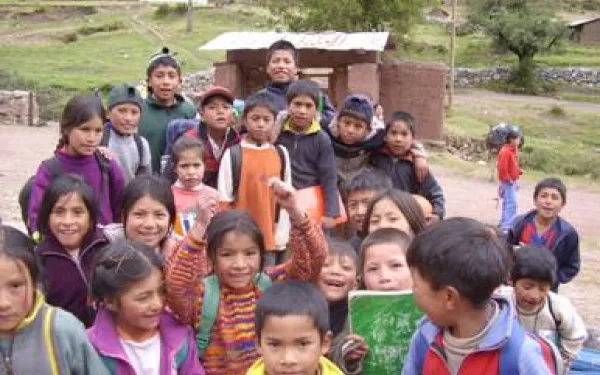
La Oroya before the Inter-American Commission on Human Rights
In an effort to compel the Peruvian government to resolve the health crisis in La Oroya, AIDA appealed to the Inter-American Commission on Human Rights (IACHR) in 2005, requesting that the Commission take urgent precautionary measures (in Spanish) to safeguard human rights. Working together with Earthjustice, CEDHA, and our Peruvian colleagues, we brought this case on behalf of more than 60 adults and children who live in La Oroya and suffer from health problems believed to be caused by the smelter’s pollution. The following year, after the government failed to heed Peruvian court mandates to clean up La Oroya, we submitted a full petition to the IACHR, asking the Commission to thoroughly evaluate the human rights situation and obligate the State of Peru to prevent the Doe Run Peru smelter from further contaminating the city. The Commission responded favorably to our efforts. In 2007, the IACHR requested that the State of Peru take precautionary measures to prevent irreversible harm to the health, integrity, and lives of the people of La Oroya. Specifically, as a first step, the Commission requested that the Peruvian government diagnose and provide specialized medical treatment to the group of people we represent. When the government was slow to comply, the Commission met with the parties again in 2008 and 2009, and successfully motivated the state to implement the measures appropriately, a process currently in progress. In August 2009, the IACHR accepted AIDA’s petition to fully evaluate the case against Peru. It based its decision on the fact that the illnesses and deaths allegedly resulting from the severe pollution constitute potential violations of the human rights to life and integrity. It also found that the State of Peru likely violated the public’s right to information when it manipulated and failed to publish important human health information. Finally, the Commission concluded that the State of Peru unjustifiably delayed compliance with the 2006 decision of the Peruvian Constitutional Tribunal, and thus may be violating citizen’s rights of access to justice and to effective domestic remedies. Now, several years after the IACHR first ordered Peru to provide precautionary measures, it is clear that the state’s efforts have been woefully inadequate. The 65 residents represented by AIDA have received spotty medical attention that falls far short of the “specialized” care that was promised, and the government’s efforts have not reduced health risks in a meaningful way. In March 2010, AIDA and its partners returned for another public hearing at the IACHR, to present evidence that the Peruvian government’s actions fail to satisfy the terms of the 2007 recommendations. Backed by findings from independent experts, AIDA argued that the medical evaluations conducted by the government were never completed and that the city is still contaminated by heavy metal pollution that causes a range of debilitating conditions, especially among children. The State denied these claims, insisting that it has taken sufficient action and the case should be closed. While we wait for a final decision on the case, AIDA will continue to pressure the Peruvian Ministry of Health to comply with its obligations, and to encourage the IACHR to maintain a spotlight on the Peruvian State until the pollution in La Oroya no longer threatens people’s fundamental human rights. Positive changes resulting from this case will not only benefit those we represent, but all residents of La Oroya. A decision from the IACHR will also create a vital precedent that can be applied in other cases throughout the hemisphere. IACHR hearing - La Oroya Follow us on Twitter: @AIDAorg "Like" our page on Facebook: https://www.facebook.com/AIDAorg
Read more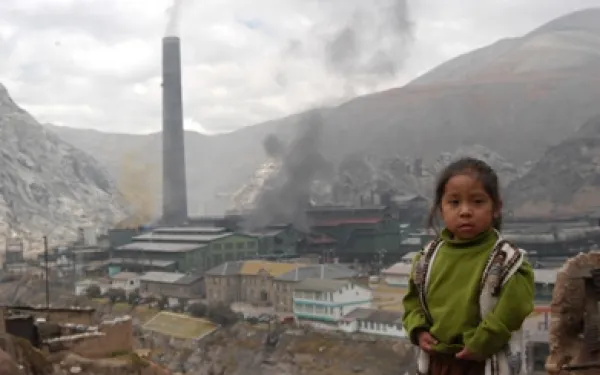
La Oroya triumphed in the Constitutional Court, but the ruling was not implemented
In 2006, the Peruvian Constitutional Tribunal recognized that high levels of pollution in La Oroya were causing serious health problems for the local population. The Tribunal ordered the Ministry of Health to comply with the law and take urgent action to prevent additional irreversible impacts to the environment and human health. This decision was supported by numerous scientific reports from the government, civil society organizations, and Doe Run Peru, which operates the smelter. In its decision, the Tribunal accepted all the arguments presented by the Peruvian Society for Environmental Law (SPDA), which represented La Oroya citizens in the case with AIDA’s support. The court gave the government 30 days to: Provide emergency medical attention for people contaminated with lead, giving priority to pregnant women and children; Implement an action plan to improve air quality in La Oroya; Declare States of Alert when pollution levels are excessive; Establish epidemiological and environmental monitoring programs. This ruling established a key legal precedent for three fundamental reasons. First, it recognized that extremely high pollution levels like those in La Oroya can cause serious and irreversible harm to people’s health, violating human rights. Second, it reiterated the State’s obligation to protect citizen rights, requiring specific actions to reduce health threats. Third, by ordering the State to coordinate with the polluting company, the Tribunal confirmed that corporations are responsible for conducting their businesses in ways that respect the human rights to health, to life, and to a healthy environment. In response to this ruling, the Peruvian government made some changes, but by no means complied fully with the order. Thus, in 2006, AIDA, in conjunction with Peruvian lawyers, Earthjustice, and CEDHA, brought the case to the Inter-American Commission on Human Rights. Through this case, we seek enforcement of the Peruvian court’s order and implementation of additional measures that would truly protect health in La Oroya. Follow us on Twitter: @AIDAorg "Like" our page on Facebook: https://www.facebook.com/AIDAorg
Read moreInter-American Commission on Human Rights Examines Impacts of Large Dams in Latin America
Inter-American Commission on Human Rights Examines Impacts of Large Dams in Latin America Washington, D.C. - On November 2, 2009 the Inter-American Commission on Human Rights will hold a hearing on the impacts that large dams in Latin America have on human rights and the environment. Dam-affected peoples and non-governmental organizations (NGOs) will present information showing that Latin-American governments are building dams at great social, environmental and economic costs, often disregarding national and international laws and violating human rights. “More than a million people have already been affected by large dams in Latin America, many of whom are from indigenous and small farming communities,” said Rafael González, Board Member of the Interamerican Association for Environmental Defense (AIDA). “More than 300 new dams are being planned throughout the region, which could destroy the livelihoods of hundreds of thousands of people and harm precious ecosystems.” The over 40 national and international NGOs requesting this hearing will present findings from AIDA’s forthcoming publication, Large Dams in the Americas: Is the Cure Worse than the Disease?, to the IACHR documenting the poor track record of dam construction in the hemisphere. They will also encourage the Inter-American Commission to make recommendations to member States on how to avoid major environmental damages and human rights violations. “The granting of this hearing by the IACHR is a positive demonstration of their interest in examining the link between large dams and human rights violations,” said Astrid Puentes co-Director of AIDA. “We hope that the IACHR will begin an investigation and recommend that States strictly enforce international standards and human rights law, to avoid major environmental impacts and human rights tragedies.” The human rights impacts of large dams are numerous. Affected communities and stakeholders—mostly indigenous, fishing and farming communities—rarely have the opportunity to participate in decisions on dam developments, and frequently are subjected to intimidation, harassment and even military actions when they oppose projects. Families displaced by large dams often receive inadequate or no compensation. Equally troubling are poorly developed resettlement plans that do not account for lost livelihoods or lack of access to medical attention, fishing areas and farming land, leaving families worse off as a result. Large dams have also had profound environmental impacts. Enormous reservoirs inundate biodiverse wildlife habitats and fertile farmlands. Dams and river diversions also harm fish populations, and are the main cause for the extinction or endangerment of one-third of the world’s freshwater fish species. “We are not against development.” said Father Gabriel Espinoza, spokesperson for communities affected by the El Zapotillo dam in Mexico, and who will speak before the Inter-American Commission. “We understand that a country’s needs for energy and water should be met as a fundamental right of all peoples.” “But governments cannot proceed without consulting and providing information for local communities, according to national and international law. That would violate our fundamental freedoms and disrespect our lives, history, culture and livelihoods.” “There are often better, cheaper, and less-destructive alternatives to building a large dam, whether to meet energy or water needs, or to reduce the impacts from floods,” said Monti Aguirre of International Rivers. “Small-scale, decentralized water supplies and new renewable energy sources, as well as large-scale efficiency and conservation plans are only some of the options available. Unfortunately, governments and corporations frequently ignore these choices or dismiss them out-of-hand when a large dam project is on the table.” The World Commission on Dams, in its ground-breaking report on large dams, Dams and Development, recommends using a comprehensive, participatory process to evaluate needs for water and energy and to assess the full range of available options. The hearing is open to the public and will take place on November 2, 2009, from 5:30 to 6:15 p.m., Room Rubén Darío, 8th Floor of the OAS General Secretariat Building, 1889 F Street NW, Washington, D.C. Guidelines for press coverage of public hearings at http://www.cidh.org/Prensa/guidelinespresscoverageENGL.htm. Opportunities for interviews with presenters after the hearing. For more information on large dams in the Americas: International Rivers, Redlar
Read more