
Project
Alberto Peña Kay
Protecting the Santurban páramo from mining's damage
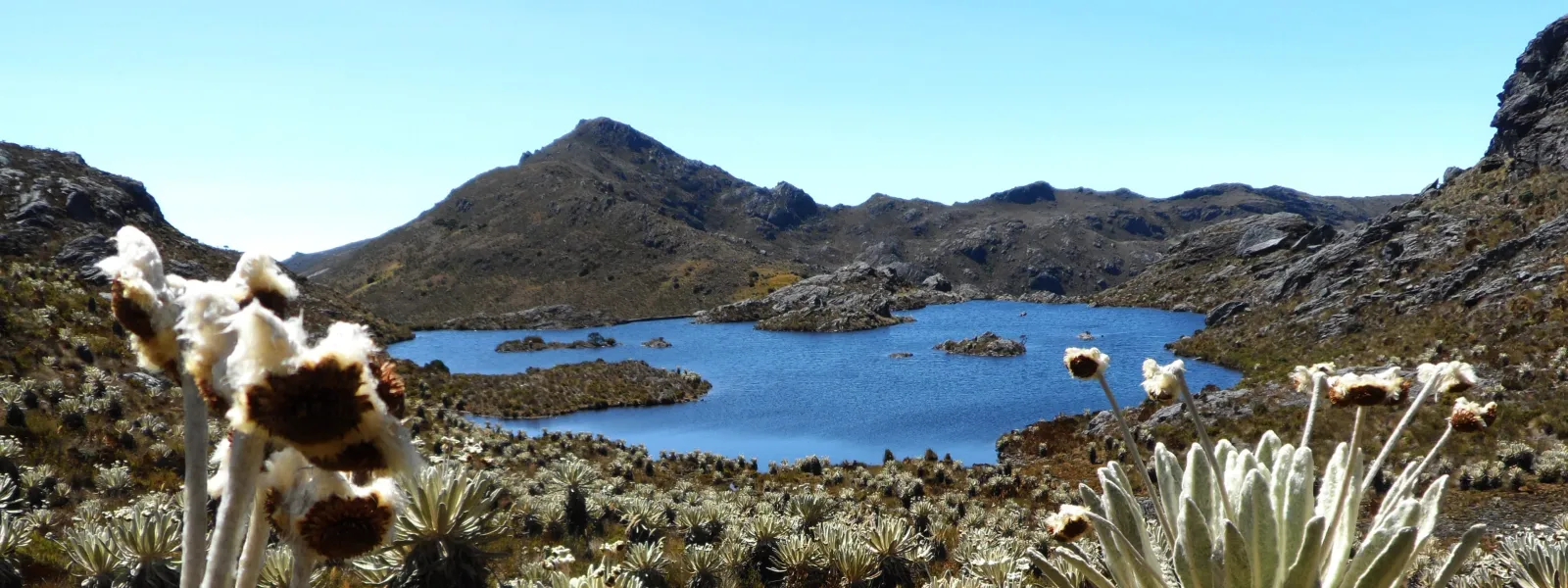
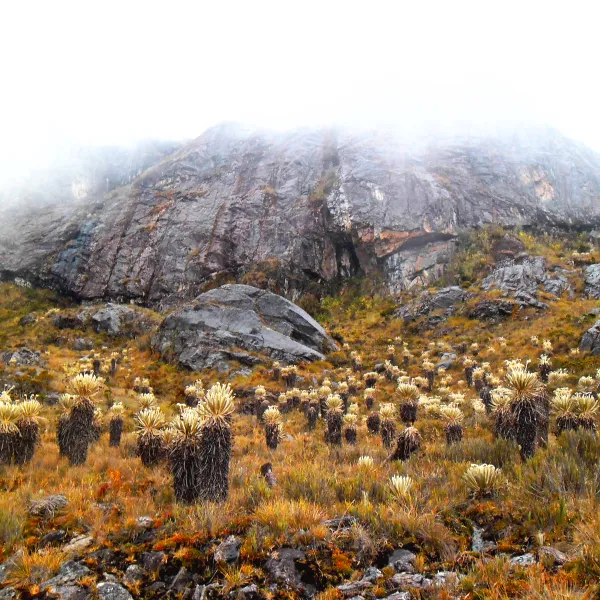
In the Andean region, high-mountain ecosystems known as páramos capture water from the fog and supply it to the lowlands. One such ecosystem is the Santurbán páramo, which provides fresh water to more than two million people in Colombia.
Santurbán, like the other páramos on the continent, also captures large amounts of carbon, making it a key ally in mitigating the climate crisis. It is also a refuge for hundreds of endangered species, including the iconic spectacled bear.
The land in and around the páramo contains gold and other minerals. This has put Santurbán in the spotlight of the multinational mining industry, which for decades has sought to establish large-scale projects in the ecosystem that threaten to degrade it.
The Committee for the Defense of Water and the Santurbán Páramo—a coalition of environmental advocates—has thwarted these ongoing attempts, with support from AIDA and other civil society organizations.
Background
The Santurbán páramo is located in the heart of the Eastern Cordillera of the Colombian Andes, in the departments of Santander and Norte de Santander, at an elevation ranging from 2,200 to 4,290 meters above sea level.
It covers an area of 129,743 hectares and is home to 57 lakes. It serves as a habitat for 457 plant species and 293 species of vertebrate fauna.
There are mineral deposits in Santurbán, primarily gold, but also silver and copper. This explains the region’s mining tradition, particularly in the part of the páramo located in Santander, in the province of Soto Norte. The communities in the area have built their culture and identity around gold mining, which is mainly artisanal and small-scale.
But since the 1990s, the gold deposits in the páramo have also attracted foreign mining conglomerates seeking to develop large-scale projects. This has raised concerns among the population that relies on the Santurbán water sources, who have mobilized in defense of water, their land, and life.
Although national and international regulations prohibit mining in páramos, the Colombian government has granted mining concessions to transnational corporations in Santurbán.
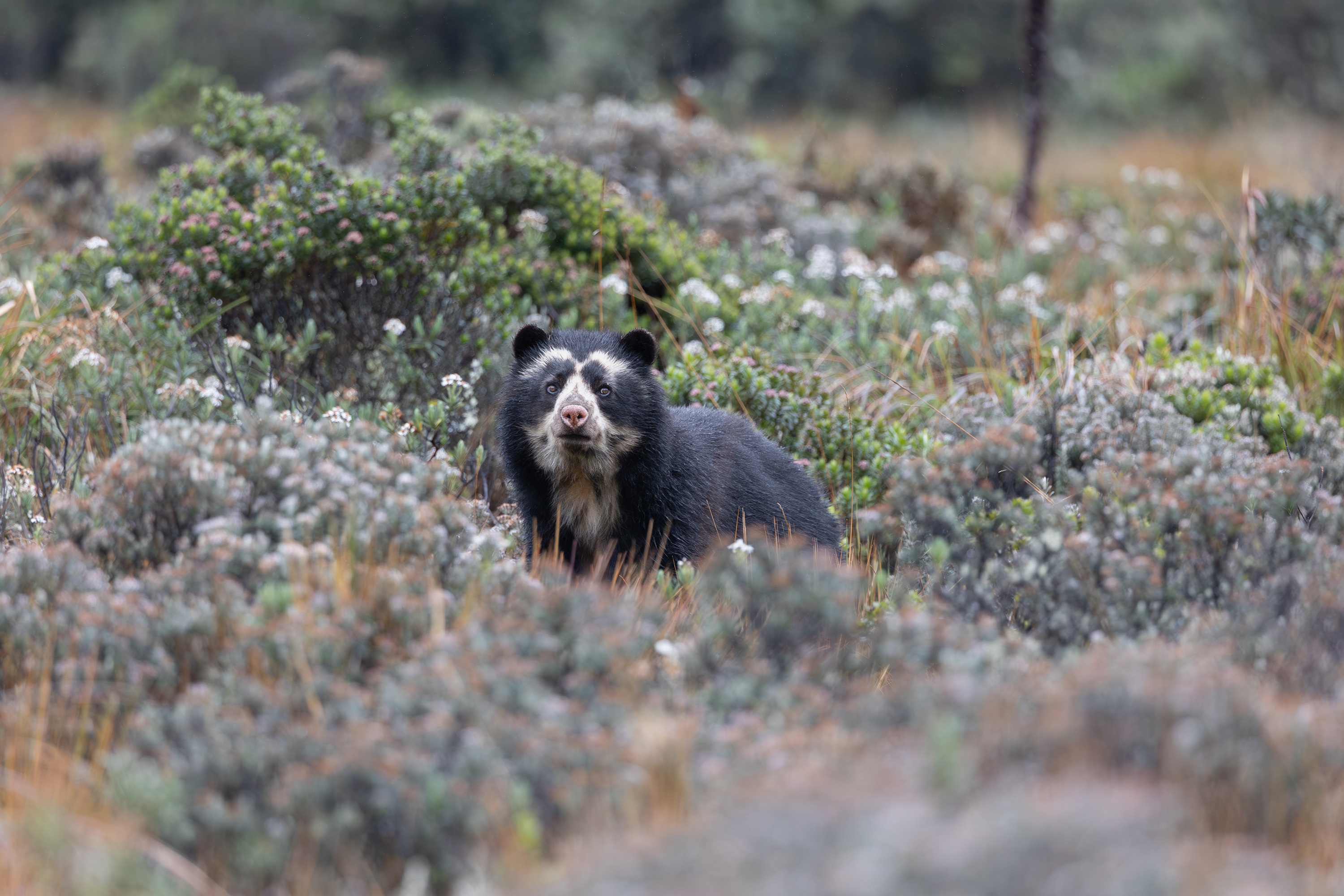
Photo: Keishpixl / Pixabay.
The long struggle to protect the páramo
One of the companies that sought to develop large-scale mining in Santurbán is Eco Oro Minerals Corp.—formerly Greystar Resources—a Canadian company that intended to establish the Angostura open-pit mine there to extract gold and silver. Between 1994 and 1995, the company acquired its mining titles and conducted exploration. And in 2010, it applied for a mining permit.
That was the year AIDA became involved in defending the ecosystem, supporting the Committee for the Defense of Water and the Santurbán Páramo. Our legal work helped convince the Colombian government to deny the mine an environmental permit in May 2011.
In January 2013, the government designated a portion of the páramo (11,700 hectares) as a Regional Natural Park. That year—together with the committee and partner organizations—we carried out a campaign and advocacy efforts to urge the government to recognize the entire Santurbán area as a páramo ecosystem through a delimitation based on scientific criteria. In December 2014, the Ministry of the Environment established a delimitation that protected 76% of the páramo (98,954 hectares).
Furthermore, as a result of a litigation supported by AIDA, in February 2016, Colombia’s highest court reaffirmed that mining in páramos is prohibited.
That same year, in December, the International Finance Corporation (IFC), the World Bank Group’s private sector arm, decided to divest from Eco Oro Minerals. This achievement was the result of a process that began in 2012, when the committee—advised and supported by AIDA and international partner organizations—filed a complaint before an independent accountability mechanism, which concluded that the IFC’s investment in the Angostura project failed to take into account the project’s social and environmental impacts, thereby contradicting the financial institution’s internal policies.
Also in 2016, Eco Oro Minerals filed an arbitration claim against the Colombian government with the International Centre for Settlement of Investment Disputes (ICSID), arguing that it had been adversely affected by government decisions aimed at protecting the country’s páramos, including the delimitation of Santurbán.
In 2017, the Constitutional Court invalidated the delimitation because the affected communities were not consulted. The high court ordered that a participatory delimitation be carried out.
And that year, a new threat to Santurbán emerged when the Canadian multinational Aris Mining applied for an environmental permit for Soto Norte, a gold mining project located near the páramo. Following citizen protests and technical objections, in October 2020, the National Environmental Licensing Authority shelved the project.
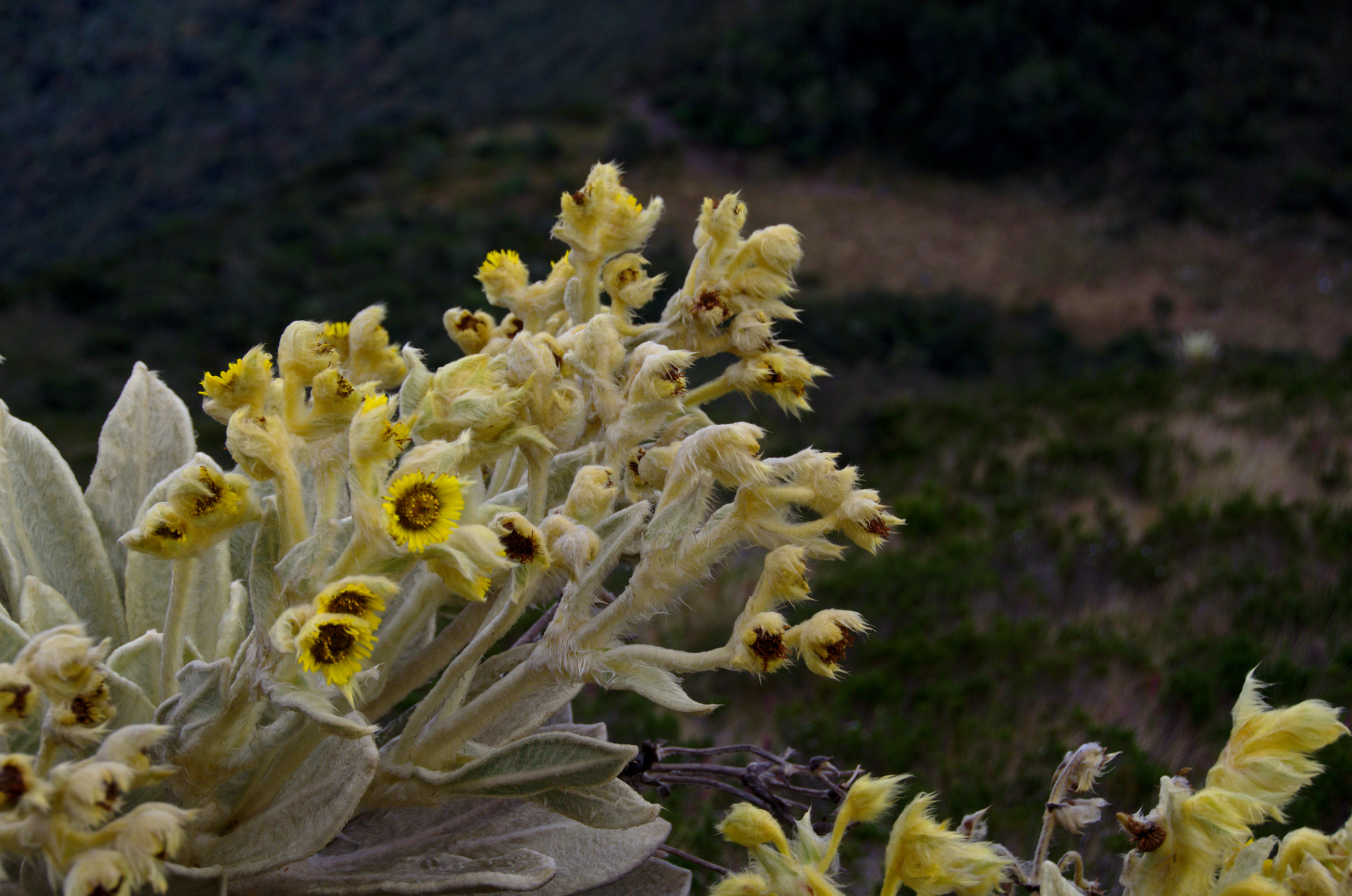
Photo: Aztlec.
Current situation
In March 2025, the Colombian government designated the western flank of the Santurbán massif as a temporary renewable natural resource reserve area, delimiting and protecting an area of 75,344.65 hectares. This resulted in a two-year suspension of the Soto Norte project. However, Aris Mining's contract to formalize Calimineros' small-scale mining activities through the purchase and processing of mineralized material remains in effect.
In addition, the Canadian mining company continues to move the project forward. In September 2025, it released its prefeasibility study, revising the mine’s original design.
Meanwhile, members of the Committee for the Defense of Water and the Santurbán Páramo face threats and stigmatization because of their work. In March 2025, UN Special Rapporteurs and the Working Group on Business and Human Rights denounced these incidents in communications sent to the governments of Colombia, Canada, and the United Arab Emirates, as well as to the companies Aris Mining and MDC Industry Holding Company LLC, the former co-owner of the Soto Norte project.
Regarding the arbitration claim filed by Eco Oro Minerals, in July 2024, ICSID ruled in favor of the Colombian government and rejected the Canadian company’s claim for USD 1.1 billion in compensation.
Concerning the delimitation of Santurbán, in July 2026, the Ministry of the Environment issued a resolution introducing the concept of "progressive delimitation." On that basis, the government proposes to progressively demarcate the páramo, covering 29,199 hectares across 19 municipalities—those where the participatory agreements required by the Constitutional Court in its 2017 ruling have already been finalized. It also proposes two measures on the creation and expansion of reserves to restrict mining in the ecosystem.
Learn more about the impacts of mining on the páramos of Latin America (in Spanish).
Partners:
Related projects

Climate finance and a gender perspective: two concepts that must be intertwined
By Camila Bartelega, Florencia Ortúzar and Francisco Pinilla* Women and girls are disproportionately affected by the onslaught of the climate crisis. This is because they are usually the ones responsible for fetching water and food, and for taking care of children, the elderly, and the sick. Climate change makes this unpaid care work much more difficult. Evidence also shows that women and girls are more vulnerable to natural disasters. It's estimated that they're 14 times more likely to die than men when natural disasters strike. This may be because they are caring for vulnerable people, because they are often not taught how to swim or climb trees, or because they wear inadequate clothing to respond, amongst others. On the other hand, as the climate crisis creates chaos and increases conflict, they are more vulnerable to sexual assault and domestic violence. This is fueled by the growing frustration of a world in which resources are becoming scarcer and more difficult to obtain. It is clear, then, why it is important to include a gender perspective when talking about how best to address the climate crisis. But doing so is important not only to "level the playing field" for historically disadvantaged women, but also because they have a lot of knowledge to contribute, and the additional burdens they carry affect their ability to contribute to the best solutions. Including a gender perspective in climate action is therefore both fair and desirable for more effective and beneficial outcomes. If they are excluded, women lose, and we all lose. For Maite Smet, Executive Director of the International Analog Forestry Network, when we talk about a gender approach, or even a feminist approach, we are talking about issues of power. "Working from a gender and climate justice perspective is about wanting to change systems of power that have historically oppressed and socially excluded people," she said. "It opens up the possibility of including people who have not been part of important climate conversations and decisions." Now let's look at the relationship between gender and climate finance, a critical element in the uphill battle to preserve a livable planet. Gender and climate finance Tackling the global climate crisis will require transforming the way we live on the planet, including energy and food production, infrastructure and transportation. This will require significant financial resources. The Paris Accord stipulates that developed countries must provide financial assistance to the least developed and most vulnerable countries. This brings us to the world of climate finance: The provision of funds to implement mitigation and adaptation measures. All climate finance must have a gender perspective, as the impacts of the climate crisis disproportionately affect women and girls. What does this mean? It means funding that understands and intentionally addresses these differentiated impacts. It means that funding decisions are made with the participation of women, recognizing that they have valuable knowledge of their territories and are therefore the bearers of valuable solutions. Finally, it means making funding available and accessible to women. According to Natalia Daza, gender monitor of the Green Climate Fund for Latin America and the Caribbean and member of the Women Environment and Development Organization, the gender approach to climate finance has a lot to do with understanding that inequality shapes the way social relations take place. "Women are affected differently, usually more negatively, by the impacts of climate change,” she explained. “That's why civil society has a very important role to play in ensuring that climate action includes the voices of women, LGBTIQ+ and feminist organizations, from design to implementation.” The Gender Approach in the Green Climate Fund At AIDA, when we track climate finance coming into the region, we focus on the Green Climate Fund (GCF), the world's leading climate fund, which is accountable to the United Nations Framework Convention on Climate Change. Although far from perfect (not least because what is written is not necessarily followed), it is perhaps the most progressive fund on gender issues. The GCF's gender policy recognizes that climate change affects women and men differently and emphasizes the importance of women's participation and leadership in decision-making processes related to finance. It is considered progressive, compared to other funds, because of its cross-cutting approach, which seeks to integrate gender considerations into all aspects of financing. According to Seblewongel Deneke, the GCF’s gender specialist, any policy or strategy that emerges from the fund must take the gender perspective into account. "It is clear that both women and men contribute equally and should have equal opportunities. But we need to recognize that there are differentiated challenges for men and women, and that both are part of the solution." The policy includes capacity building, tools and materials. "The climate debate is not just about the climate agenda; it brings other elements of inequality to the table. We need to change access to education and health and ensure the basic rights that every individual should have, including women," Deneke said. What is needed? We cannot deny that we have made progress. The importance of the gender perspective in climate action and finance is discussed and recognized. There are policies to ensure it, institutions to implement it, and sometimes even staff and budgets to do so. But the job is not done. Women still have less access to climate finance and fewer positions of power. And mitigation and adaptation projects often fail to consider the disproportionate impact of climate change on women. It is not easy to change things when they move with the inertia of what has always been. But we cannot give up. At AIDA, we have integrated a gender perspective across all our work. In doing so, we have broken new ground on many fronts and improved our results, and not just for the benefit of women. As a regional node of GCF Watch, an international observatory that monitors the Green Climate Fund, AIDA is a bridge between decision-making at the Board level and the territories that receive the projects financed. Florencia Ortúzar, Senior Attorney at AIDA, says that it is not enough to have funds, there must also be adequate investments. "Civil society monitoring is key to ensure that investments in the name of climate are made with respect for human rights and with a gender focus, and to achieve the maximum potential of the funds allocated to these types of projects and programs." This was the theme of an in-person event held in Rio de Janeiro in June. Supported by the Global Alliance for Gender and Green Action (GAGGA) - and organized by CASA Socio-Environmental Fund, AIDA and Both Ends - the event aimed to train and motivate regional organizations with a feminist base to be better prepared to follow up on the Green Climate Fund. Lola Gutiérrez, director of the Bolivian Women's Fund, who attended the event, emphasizes the importance of learning more about the fund, other countries' experiences, and how to access these resources. "Women are affected in different ways by extractivism and climate change, and we are fundamental actors in the solution. It is important to be present and to problematize what is happening." One of the conclusions of the event was that with the progress in policies and with a narrative that is much more receptive to gender, we can stop being gatekeepers that prevent the passage of bad projects and become strikers that propose projects to be implemented to stop the climate crisis. Therein lies the hope that these grassroots organizations will soon be the ones accessing funds and proposing solutions. Only then can we celebrate and rest. * Camila Bartelega is a fellow with AIDA's Climate Program, Florencia Ortúzar is a senior attorney and Francisco Pinilla is a digital communications strategist.
Read more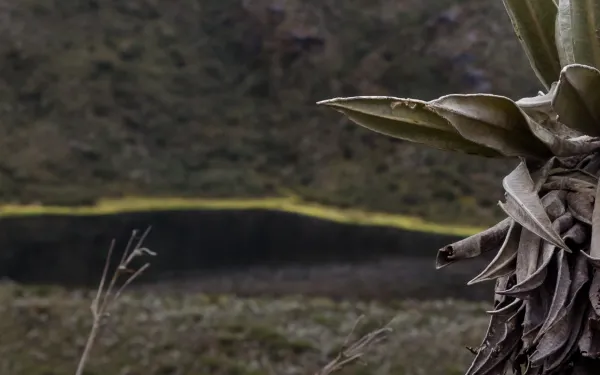
Report of the International Mission to Colombia: Stop investor-state dispute settlement (ISDS)
In May 2023, a delegation of 13 representatives from social and environmental justice organisations from eight countries in the Americas and Europe visited Colombia to share experiences of struggles against the global investment protection regime. The mission also went to learn firsthand about the peoples and ecosystems being threatened by corporate lawsuits, as well as the environmental, social and cultural harms that transnational investments have already caused, particularly in the departments of La Guajira and Santander.The visit came in response to the significant rise in claims that transnational firms have made against the country in recent years, as highlighted in the Declaration “Recover Colombian Sovereignty in Defense of Water, Life and Territories”, signed by more than 280 organisations from 30 countries as well as 54 Colombian members of Congress. In the last five years, Colombia has faced some of the highest number of arbitration claims in Latin America. In 2018 alone, Colombia received more claims than any other country in the world.Colombia’s pending claims currently total US$13.2 billion – equivalent to 13% of the nation’s budget for 2023 and nearly equal to what Colombia plans to spend on education this year.According to the State National Agency for Legal Defense, as of March 2023, 14 arbitration processes were underway with eight more in the pre-arbitration stage. Colombia’s pending claims currently total US$13.2 billion (52 trillion Colombian pesos as of August 2023), although in three cases the amount claimed is not public. This is equivalent to 13% of the nation’s budget for 2023 and nearly equal to what Colombia plans to spend on education this year.The bulk of investors that have brought arbitration cases are involved in the extractive industries, especially mining.We witnessed how this system enables corporate impunity and threatens the realisation and defence of Colombians’ fundamental human and environmental rights. We also observed how this system interferes with judicial independence, environmental regulation, and national sovereignty. Read and download the report
Read more
Protecting Ecuador’s Yasuní National Park can bolster the global just energy transition
What the people of Ecuador decide in an August 20 referendum has the potential to not only slow oil exploitation in the Amazon, but also to generate a transformative impact at the national and international levels, recognizing the value of the key ecosystem for stabilizing the global climate and the need to transition to renewable and sustainable energy production. On August 20, in a popular consultation, the Ecuadorian people will have the opportunity to decide on a definitive halt to oil exploitation in a part of Yasuní National Park, one of the most biodiverse areas of the planet, located in the Amazon rainforest. The consultation seeks to stop oil extraction in the ITT block (Ishpingo, Tiputini, Tambococha), one of three in production within the park. Yasuní National Park is a UNESCO Biosphere Reserve. Multiple scientific studies have demonstrated its value in terms of biodiversity and its significance as the home to the Waorani people, and to the Tagaeri and Taromenane indigenous groups in voluntary isolation. The Amazon is an interconnected region shared by eight countries—Bolivia, Brazil, Colombia, Ecuador, Guyana, Peru, Suriname and Venezuela—and by French Guiana, a French overseas department, and what happens in one part of it affects the rest. Moreover, as a megadiverse region that serves as a global climate stabilizer, the importance of the Amazon rainforest is global. The eyes of the world will be watching to see if Ecuador chooses to protect its Amazonian territory, which would have a transformative impact not only in the country, but also across Latin America and the world. Protecting Yasuní would send a clear message that recognizes the ecological and social value of the Amazon to materialize the necessary energy transition and the protection of human rights. Javier Dávalos, AIDA's Climate Program Coordinator and Ecuadorian attorney, reflects: "After years of relentless struggle by social organizations and indigenous movements, Ecuador has the chance to make important progress in protecting an ecosystem that is key to adapting to and mitigating the global climate crisis, as well as to the survival of traditional and indigenous peoples, including those in voluntary isolation. To protect the climate for this and future generations, fossil fuel production must begin to decline immediately, and renewable energy production must be accelerated as part of a just transition. Ecuador can be a pioneer, leaving behind the environmental and social sacrifice zones promoted by the fossil fuel industry and showing the world how civil society can promote the just energy transition that the world needs. It can be an example of how to build energy alternatives based on guaranteeing human rights and the rights of nature, and how to effectively combat the triple crisis the world is facing: climate change, biodiversity loss and pollution." Context The initiative to put a definitive stop to oil exploitation in part of the Amazon is in line with the recommendations of the Intergovernmental Panel on Climate Change and the International Energy Agency that one-third to two-thirds of oil reserves be left in the ground in order to keep the increase in the average temperature of the planet below 2°C, compared to pre-industrial levels, and thus avoid catastrophic effects. The popular consultation in Ecuador takes place a few weeks after the UN Secretary General, Antonio Guterres, declared the beginning of the era of "climate boiling", pointing out the need for concrete changes to face the emergency and crisis caused by global warming. In addition, this consultation comes shortly after the conclusion of the Amazon Summit in Brazil, where the eight Amazonian countries discussed how to chart a sustainable path forward for the Amazon rainforest. "It is time to phase out fossil fuels to protect the Amazon," said Gustavo Petro, President of Colombia, who recently urged Amazonian countries and their partners in the Global North to commit to phasing out fossil fuel exploitation in order to protect the right to a just transition and accelerate the transition to a post-oil economy. press contact: Víctor Quintanilla (Mexico), AIDA, [email protected], +521 5570522107
Read more