
Project
Alberto Peña Kay
Protecting the Santurban páramo from mining's damage
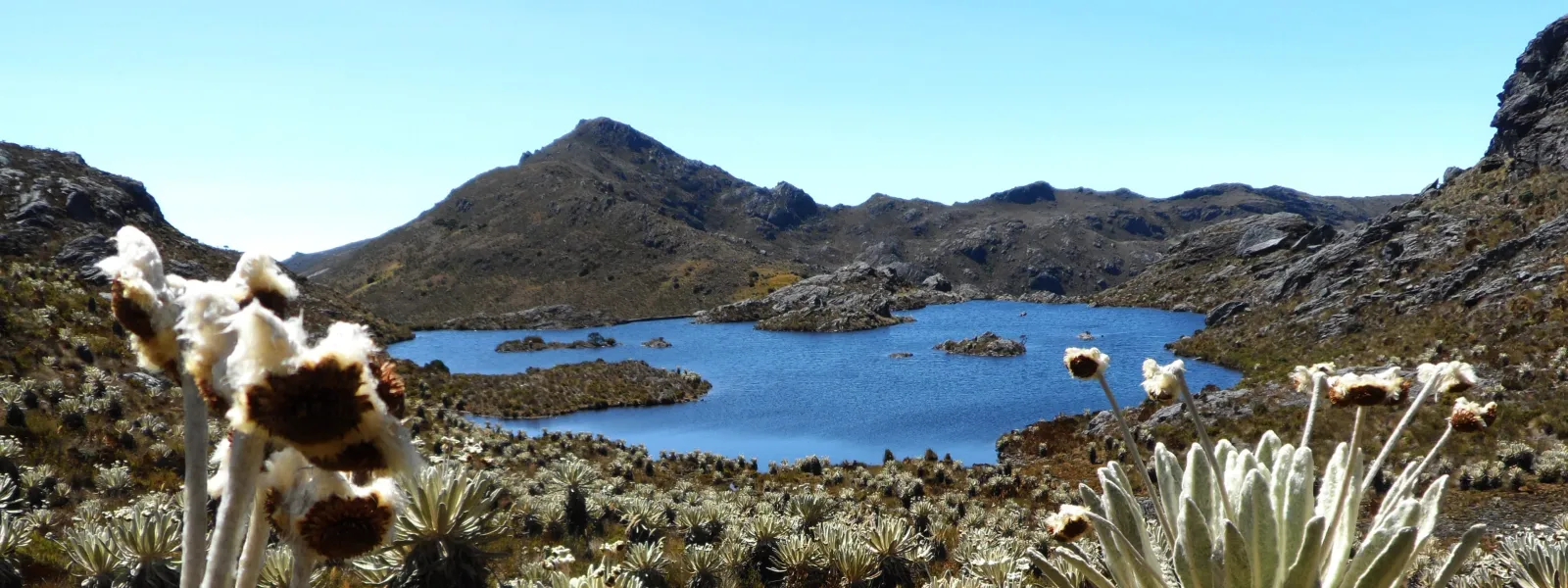
In the Andean region, high-mountain ecosystems known as páramos capture water from the fog and supply it to the lowlands. One such ecosystem is the Santurbán páramo, which provides fresh water to more than two million people in Colombia.
Santurbán, like the other páramos on the continent, also captures large amounts of carbon, making it a key ally in mitigating the climate crisis. It is also a refuge for hundreds of endangered species, including the iconic spectacled bear.
The land in and around the páramo contains gold and other minerals. This has put Santurbán in the spotlight of the multinational mining industry, which for decades has sought to establish large-scale projects in the ecosystem that threaten to degrade it.
The Committee for the Defense of Water and the Santurbán Páramo—a coalition of environmental advocates—has thwarted these ongoing attempts, with support from AIDA and other civil society organizations.
Background
The Santurbán páramo is located in the heart of the Eastern Cordillera of the Colombian Andes, in the departments of Santander and Norte de Santander, at an elevation ranging from 2,200 to 4,290 meters above sea level.
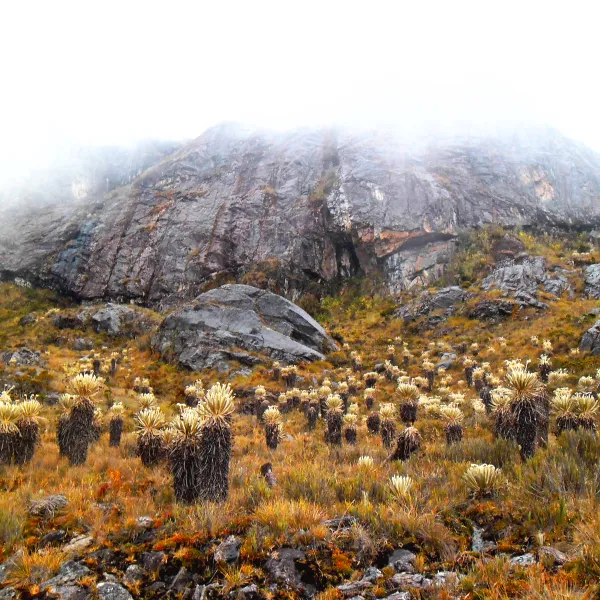
It covers an area of 129,743 hectares and is home to 57 lakes. It serves as a habitat for 457 plant species and 293 species of vertebrate fauna.
There are mineral deposits in Santurbán, primarily gold, but also silver and copper. This explains the region’s mining tradition, particularly in the part of the páramo located in Santander, in the province of Soto Norte. The communities in the area have built their culture and identity around gold mining, which is mainly artisanal and small-scale.
But since the 1990s, the gold deposits in the páramo have also attracted foreign mining conglomerates seeking to develop large-scale projects. This has raised concerns among the population that relies on the Santurbán water sources, who have mobilized in defense of water, their land, and life.
Although national and international regulations prohibit mining in páramos, the Colombian government has granted mining concessions to transnational corporations in Santurbán.
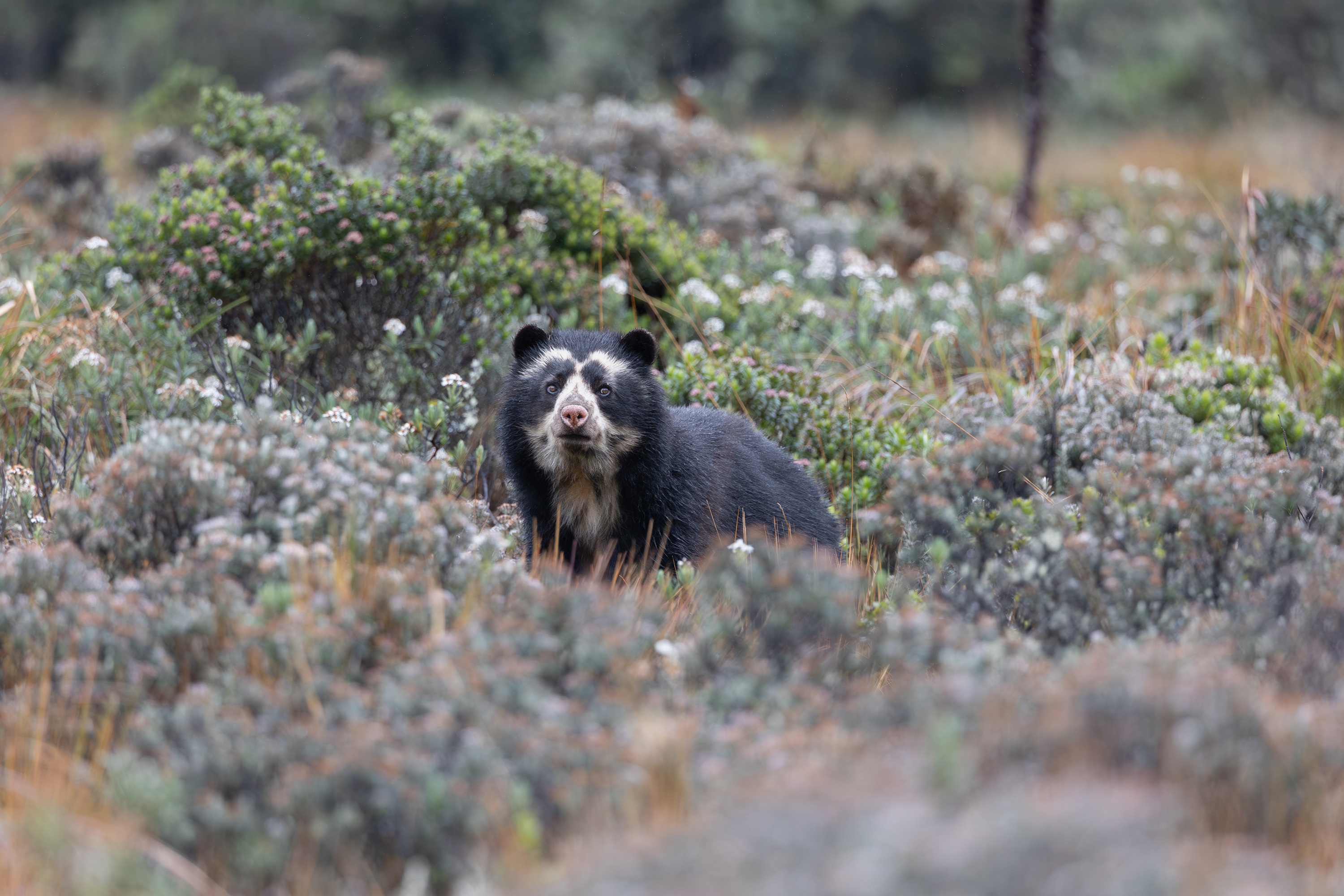
Photo: Keishpixl / Pixabay.
The long struggle to protect the páramo
One of the companies that sought to develop large-scale mining in Santurbán is Eco Oro Minerals Corp.—formerly Greystar Resources—a Canadian company that intended to establish the Angostura open-pit mine there to extract gold and silver. Between 1994 and 1995, the company acquired its mining titles and conducted exploration. And in 2010, it applied for a mining permit.
That was the year AIDA became involved in defending the ecosystem, supporting the Committee for the Defense of Water and the Santurbán Páramo. Our legal work helped convince the Colombian government to deny the mine an environmental permit in May 2011.
In January 2013, the government designated a portion of the páramo (11,700 hectares) as a Regional Natural Park. That year—together with the committee and partner organizations—we carried out a campaign and advocacy efforts to urge the government to recognize the entire Santurbán area as a páramo ecosystem through a delimitation based on scientific criteria. In December 2014, the Ministry of the Environment established a delimitation that protected 76% of the páramo (98,954 hectares).
Furthermore, as a result of a litigation supported by AIDA, in February 2016, Colombia’s highest court reaffirmed that mining in páramos is prohibited.
That same year, in December, the International Finance Corporation (IFC), the World Bank Group’s private sector arm, decided to divest from Eco Oro Minerals. This achievement was the result of a process that began in 2012, when the committee—advised and supported by AIDA and international partner organizations—filed a complaint before an independent accountability mechanism, which concluded that the IFC’s investment in the Angostura project failed to take into account the project’s social and environmental impacts, thereby contradicting the financial institution’s internal policies.
Also in 2016, Eco Oro Minerals filed an arbitration claim against the Colombian government with the International Centre for Settlement of Investment Disputes (ICSID), arguing that it had been adversely affected by government decisions aimed at protecting the country’s páramos, including the delimitation of Santurbán.
In 2017, the Constitutional Court invalidated the delimitation because the affected communities were not consulted. The high court ordered that a participatory delimitation be carried out.
And that year, a new threat to Santurbán emerged when the Canadian multinational Aris Mining applied for an environmental permit for Soto Norte, a gold mining project located near the páramo. Following citizen protests and technical objections, in October 2020, the National Environmental Licensing Authority shelved the project.
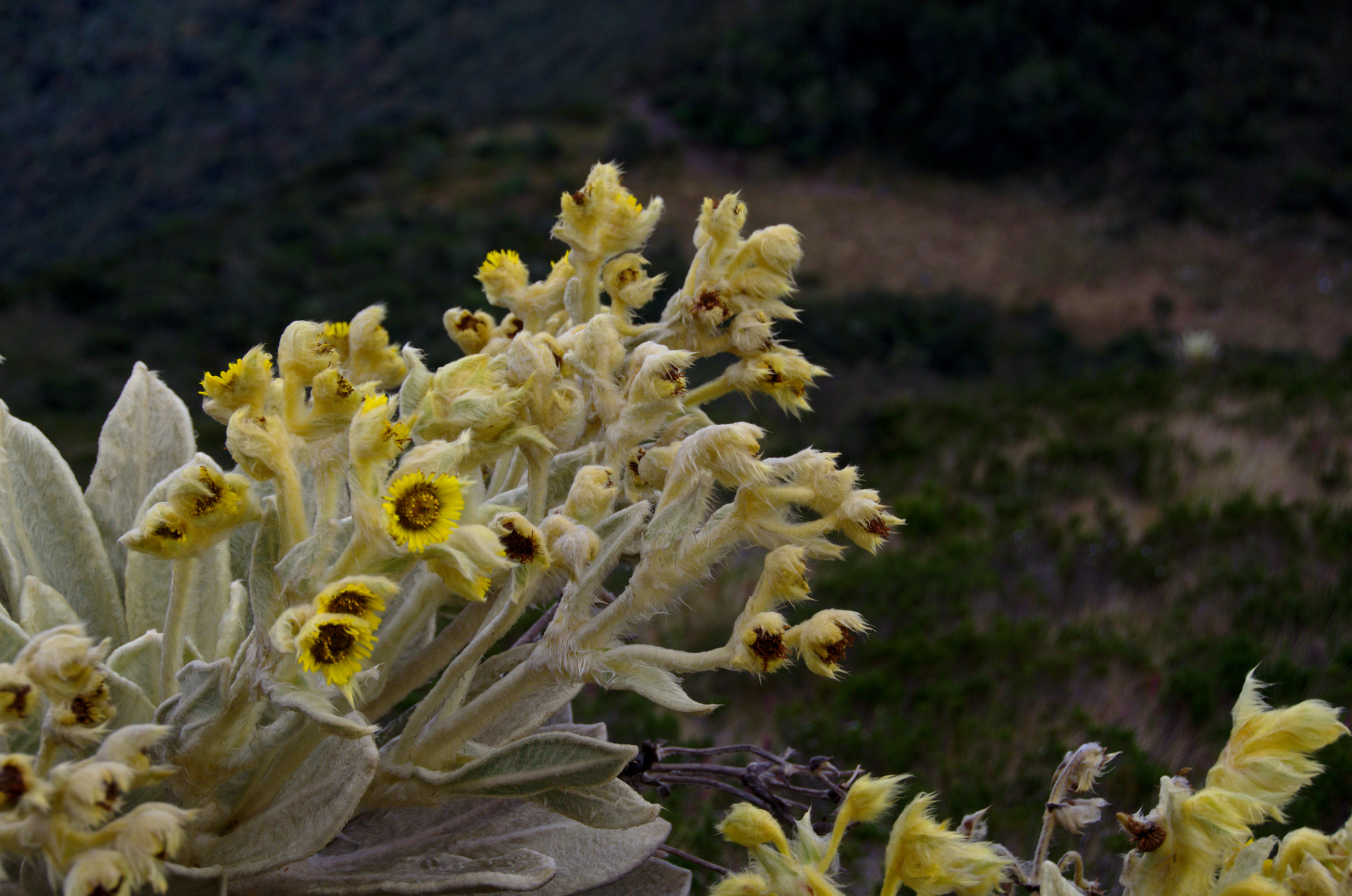
Photo: Aztlec.
Current situation
In March 2025, the Colombian government designated the western flank of the Santurbán massif as a temporary renewable natural resource reserve area, delimiting and protecting an area of 75,344.65 hectares. This resulted in a two-year suspension of the Soto Norte project. However, Aris Mining's contract to formalize Calimineros' small-scale mining activities through the purchase and processing of mineralized material remains in effect.
In addition, the Canadian mining company continues to move the project forward. In September 2025, it released its prefeasibility study, revising the mine’s original design.
Meanwhile, members of the Committee for the Defense of Water and the Santurbán Páramo face threats and stigmatization because of their work. In March 2025, UN Special Rapporteurs and the Working Group on Business and Human Rights denounced these incidents in communications sent to the governments of Colombia, Canada, and the United Arab Emirates, as well as to the companies Aris Mining and MDC Industry Holding Company LLC, the former co-owner of the Soto Norte project.
Regarding the arbitration claim filed by Eco Oro Minerals, in July 2024, ICSID ruled in favor of the Colombian government and rejected the Canadian company’s claim for USD 1.1 billion in compensation.
Concerning the delimitation of Santurbán, in July 2026, the Ministry of the Environment issued a resolution introducing the concept of "progressive delimitation." On that basis, the government proposes to progressively demarcate the páramo, covering 29,199 hectares across 19 municipalities—those where the participatory agreements required by the Constitutional Court in its 2017 ruling have already been finalized. It also proposes two measures on the creation and expansion of reserves to restrict mining in the ecosystem.
Learn more about the impacts of mining on the páramos of Latin America (in Spanish).
Partners:
Related projects
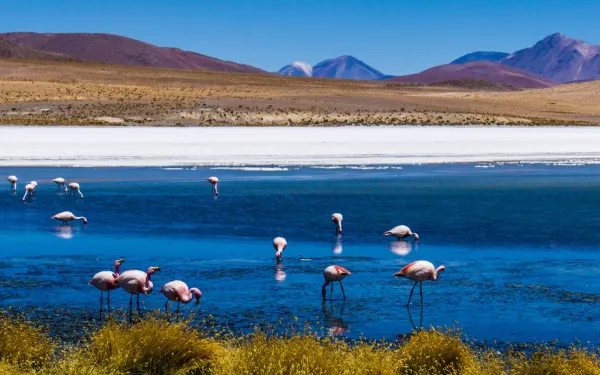
The Alliance for the Andean Wetlands brings together organizations for the protection and conservation of wetlands
The alliance seeks to protect the water, biodiversity, territories and ways of life that depend on these ecosystems in Latin America, especially in Argentina, Bolivia and Chile. With the aim to promote the protection and conservation of wetlands -as well as the water, biodiversity, territories and livelihoods of indigenous and peasant communities that depend on them- the Alliance for Andean Wetlands (Alianza por los Humedales Andinos) brings together the Fundación Ambiente y Recursos Naturales (FARN) and the PUCARÁ Assembly (Pueblos Catamarqueños en Resistencia y Autodeterminación), of Argentina; the Centro de Documentación e Información de Bolivia (CEDIB) and Empodérate, of Bolivia; ONG FIMA, Defensa Ambiental and Fundación Tantí, of Chile; and the Interamerican Association for Environmental Defense (AIDA), a regional organization.The Andean wetlands - including salt flats, lakes and lagoons - are recognized worldwide as ecosystems of high environmental and social significance. They are also extremely fragile due to their characteristics, whose central element is water, a common good that controls the environment and wildlife. Their vulnerability also rises from the threats they face, including the climate crisis and the negative impacts of extractive activities such as the mining of lithium, copper and other minerals considered "critical" for the transition to new forms of energy generation.In this sense, the increase in demand for lithium in the global north has set in motion an accelerated process of extraction and production at a global level, focused on regions rich in this mineral, such as the Andean salt flats of Argentina, Bolivia and Chile, which are home to more than 53% of proven global reserves.From November 30 to December 12, representatives from nearly 200 countries will meet in Dubai, United Arab Emirates during the twenty-eighth United Nations Climate Change Conference (COP 28) to continue advancing the implementation of the Paris Agreement, which seeks to strengthen the global response to the climate emergency.The protection of wetlands is crucial in this task because they are ecosystems that act as natural carbon sinks, helping to mitigate the crisis.Accelerating the energy transition will be one of the main lines of action at COP 28Faced with this global trend, the alliance promotes a just, participatory and popular socio-ecological transition with a long-term vision, prioritizing integrated water management under a socio-environmental and climate justice approach. Thus, it supports and accompanies local communities and organizations in the care of Andean wetlands and in the construction of socioeconomic alternatives that go beyond mining extractivism.The alliance also seeks to ensure the participation of communities and their access to complete, truthful and transparent information, as well as to provide information to the global society - involving organizations, States and the private sector - highlighting the value of the Andean wetlands and the multiple threats they face.To achieve its objective, the alliance employs pedagogical, legal, research, advocacy, communication and mobilization strategies collectively and in dialogue with communities and organizations. Recognizing the differentiated impacts of the climate crisis on women, girls, sexual dissidents and other vulnerable groups, the alliance incorporates a gender perspective in all its activities. Press contacts:Víctor Quintanilla, AIDA (regional), [email protected], +521 5570522107Carlos Ulloa Fuentes, Fundación Tantí (Chile), [email protected] +569 37614815Rocío Wischñevsky, FARN (Argentina), [email protected], +541159518538Manuel Fontenla, Asamblea PUCARÁ (Argentina), [email protected], +54 9 3834790609Faviola Rivera Seifert, Empodérate (Bolivia), [email protected], +591 77129989Oscar Campanini, CEDIB (Bolivia), [email protected], +591 70344801
Read more
Solidarity note for social movements, organizations, and rights advocates who are victims of criminalization attempts by the company Belo Sun Mineração Ltda.
The undersigned member organizations of the Volta Grande do Xingu Alliance (AVGX) call on partners, civil society organizations, legal experts, and researchers to support and strengthen individuals and movements that, due to their tireless defense of peoples, biodiversity, and the existence of the Volta Grande do Xingu, are facing intimidation and attempted criminalization by the company Belo Sun Mineração Ltda.We need to show large corporations that civil society in Brazil and abroad is united around this cause. We will not step back in protecting the environment and human rights in the face of threats. Sign this note and join us in the protection of the Amazon, the Xingu River, and its defenders!More information below:On October 17, 2023, the mining company Belo Sun Ltda., the Brazilian subsidiary of the Canadian company Belo Sun Mining Corp., filed a criminal lawsuit against more than 30 people, most of them small-scale farmers. These individuals, backed by are questioning the acquisition of land by the mining company within the Ressaca Settlement Project, in the municipality of Senador José Porfírio - Pará, and demanding that this land fulfill its agrarian and social function. These concerns are the basis of a lawsuit in federal court by the federal and local Public Defender’s Offices.The criminal complaint is a clear attempt to silence environmental and human rights defenders. This silencing is intensified by the presence of the company's armed security in the territory. It is also an attempt to criminalize organizations that monitor and denounce the destruction caused by large projects in the Volta Grande do Xingu. On November 15, a group of 25 local movements and organizations, mainly based in Altamira, Pará, issued an open letter condemning the criminalization of farmers, social movements, and civil society organizations promoted by the Canadian mining company Belo Sun. It is essential that the terms of this letter be strengthened and echoed nationally and internationally.This is not the first time that Belo Sun Mineração Ltda. has intimidated civil society organizations and human rights defenders. In 2022, the company filed a lawsuit against a university professor who had exposed the risks that the Volta Grande Project would pose to the Xingu River and its people. In mid-2023, Belo Sun sent an extrajudicial notice to the National Coordination of Indigenous Peoples of Brazil (Apib), attempting to silence the organization's complaints about the risks posed by the mining project in the Volta Grande do Xingu. This notice came shortly after the release of a report on Belo Sun by the legal team of the Apib and an international advocacy action at the UN in Geneva carried out by the Alliance for the Volta Grande do Xingu, a coalition of which Apib is a part. The action aimed to expose corporate abuses by Canadian companies in the Brazilian Amazon and in eight other countries in Latin America and the Caribbean. Regarding Belo Sun's activities in the Volta Grande do XinguBelo Sun aims to establish a massive open pit gold mining project overlapping the PA Ressaca region, on the banks of the Xingu River, with the goal of operating the largest gold mine in Brazil. The so-called Volta Grande Project (PVG), if approved, would substantially and potentially irreversibly impact a territory already severely affected by the Belo Monte mega-dam, as well as affecting the lands and traditional ways of life of various indigenous peoples, rural settlements, and riverside communities in this region.Several lawsuits have been filed documenting the irregularities committed by Belo Sun, including the absence of free, prior, and informed consultarions and consent from the affected indigenous and traditional communities; the illegal acquisition of plots within the PA Ressaca; the harassment and violation of the right to free movement and access to the territory of local communities; and the lack of competence of the State of Pará to issue the environmental license for the PVG. Its licensing has been suspended since 2017 by the decision of the Federal Regional Court of the 1st Region, and on September 11, 2023, it was transferred to the jurisdiction of Ibama, a federal agency. DemandsWe, citizens, civil society organizations, and representatives of social movements who support this statement, condemn the criminalization promoted by Belo Sun Mineração Ltda. We express our solidarity with the victims of this process and emphasize our understanding that:We support the terms of this petition and join voices in denouncing that intimidation and criminalization of human rights defenders, activists, researchers, and leaders of social movements by Belo Sun are unacceptable, and therefore, we support the terms of this petition.The Land Reform Project (Projeto de Assentamento) Ressaca is an area designated for agrarian reform and local family farming located in a region already highly vulnerable from a socio-environmental perspective, making it incompatible with the installation of a large-scale open-pit gold mining project like Belo Sun's Volta Grande Project.The public authorities must take necessary measures to empower the families, communities, and peoples of the Volta Grande do Xingu, ensuring their effective participation in governance and the protection of the territory. The member organizations of the Volta Grande do Xingu Alliance issuing this statement and calling for endorsements are:Articulação dos Povos Indígenas do Brasil - APIBMovimento Xingu Vivo - BrasilAmazon WatchInterametican Association for Environmental Defense - AIDAInternational RiversEarthworks Justiça GlobalMiningWatch Canada Join us in protecting the Amazon, the Xingu River, and their defenders!Sign the note of international solidarity against the judicial harassment being carried out by Belo Sun: https://forms.gle/tzUzR47v72jsdEPN8
Read more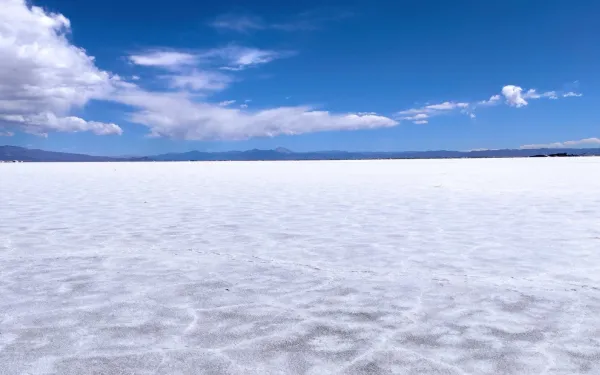
"Water is worth more than lithium": Resistance against an unjust energy transition
"Water is worth more than lithium" is the slogan under which social organizations, trade unions and indigenous peoples have been expressing their resistance against the constitutional reform in Jujuy, a province in northern Argentina. They claim that this reform, promoted by Governor Gerardo Morales, doesn’t respect international regulations on the rights of indigenous peoples, including Convention 169 of the International Labor Organization (ILO), which establishes the right to free, prior and informed consultation of peoples on projects to be developed in their ancestral territories. In this sense, this reform would have been approved on June 16, in a short process that didn’t allow for broad public participation and deliberation and in which there was no proper consultation with indigenous peoples. Furthermore, the constitutional text represents a significant step backwards on environmental and human rights issues; it also opens the doors to mega-mining -including lithium mining- under the guise of energy transition, criminalizes protests and allows the privatization of both water and indigenous lands. Indigenous communities have claimed that the indiscriminate advancement of lithium mining projects in the province will exacerbate the water crisis currently affecting the area. With increasing international demand for lithium - considered a strategic resource due to its energy storage capacity (useful for the battery and electric vehicle industries) - global mining and production has accelerated in recent years, with a focus on regions rich in the mineral, such as the Andean salt flats of Argentina, Bolivia and Chile, where more than 53% of the world's proven reserves are located. Lithium is found in brines, pegmatites and sedimentary rocks, although it’s easier to from the former. However, extraction requires large quantities of water and takes place in fragile ecosystems such as salt flats, which suffer from water-deficiency and are severely affected by the impacts of the climate crisis. The social resistance to the constitutional reform in Jujuy is also a resistance to a global trend that, in the name of an energy transition that is far from being just, seeks to perpetuate extractivist models that violate human rights. Human rights violations in Jujuy AIDA - along with seven other civil society organizations with extensive experience in environmental and human rights defense - was part of an international mission that visited Jujuy from 21 to 25 August to learn first-hand about possible violations of the right to protest and participation in the context of the constitutional reform. The mission visited the main protest centers and documented testimonies from people from indigenous groups and communities, farmers' associations, trade unions and human rights organizations, as well as social leaders, teachers, lawyers and provincial authorities. Preliminary conclusions indicate that: Even when indigenous peoples and their communities demanded participation in the constitutional reform, it was carried out without an exhaustive deliberative process. Despite climate crisis and water scarcity, the reform doesn’t properly address integrated basin management and ecosystems conservation. The reform seems to favor large-scale industrial, agricultural and livestock use of water resources and opens the doors to concessions that can lead the privatization of water, damaging ecosystem cycles and failing to protect small-scale agriculture and livestock, vital to the existence of native communities. There is a repeated and manifest concern from indigenous communities about the negative impacts of mining, particularly lithium extraction projects. Testimonies report cases of repression of social protest, arbitrary arrests, harassment and alleged torture by the police of people involved in resistance, as well as disproportionate use of force. The mission is currently systematizing the information collected in order to prepare recommendations oriented that will highlight the complex situation in the province of Jujuy and contribute to a dialog that will allow for a better resolution of the social conflict and respect for human rights. What kind of transition does the constitutional reform in Jujuy point to? Addressing this question is important to understand that a just energy transition is incompatible with a context in which private economic interests prevail over social and environmental considerations, and in which government actions ignore the impacts of lithium extraction and the legitimate claims of local communities to manage their water and territory. Jujuy is home to over 12 indigenous peoples and around 400 communities -whose members have dedicated for millennia to salt extraction in Salinas Grandes, the fourth largest salt flat in South America. Their connection to water is sacred and ancient. It’s a cultural connection that is threatened by the exploitation of lithium, which jeopardizes the availability of an extremely scarce resource. "To extract one ton of lithium (through evaporation), 2 million liters of water are evaporated from the wells, that is, 2000 tons of water that cannot be re-circulated," says Ingrid Garcés, professor in the Department of Chemical Engineering and Mineral Processes at the University of Antofagasta, Chile. This "is profitable for the industry because it means a process without energy costs, but unfortunately it has the cost of losing water from a system that is not renewable, especially in a desert region" (like the salt flats). The constitutional reform in Jujuy doesn’t stipulate an order of priority for water use, but puts human and industrial consumption on the same level. Limited access to water is a central concern in the province, as there are few groundwater resources to meet the demand for water for human and domestic use, as well as for small-scale agricultural and livestock production. An urgent change of course The water crisis is one of the most pressing crises worldwide and is intrinsically linked to the climate crisis and the need to switch to alternative energy production. Extreme weather patterns - such as prolonged droughts, floods and more intense storms – have a direct impact on the availability and distribution of water in different regions of the world, leading to a decline in water resources. In this scenario, competition for water use intensifies and requires social water management for the benefit of communities. This is the only way to address the situation in terms of sustainability and environmental justice. The extraction of lithium to satisfy corporate interests is an example of the paradox that tackling the climate crisis comes at the expense of communities and ecosystems. The lack of fair and equitable distribution of benefits and the externalization of environmental and social costs underscores the urgency to rethink and radically transform our relationship with natural resources and the way we address the climate crisis.
Read more