
Project
Shutterstock.
Pollution of the Motagua River in Guatemala: The Poqomam Maya people’s quest for environmental justice
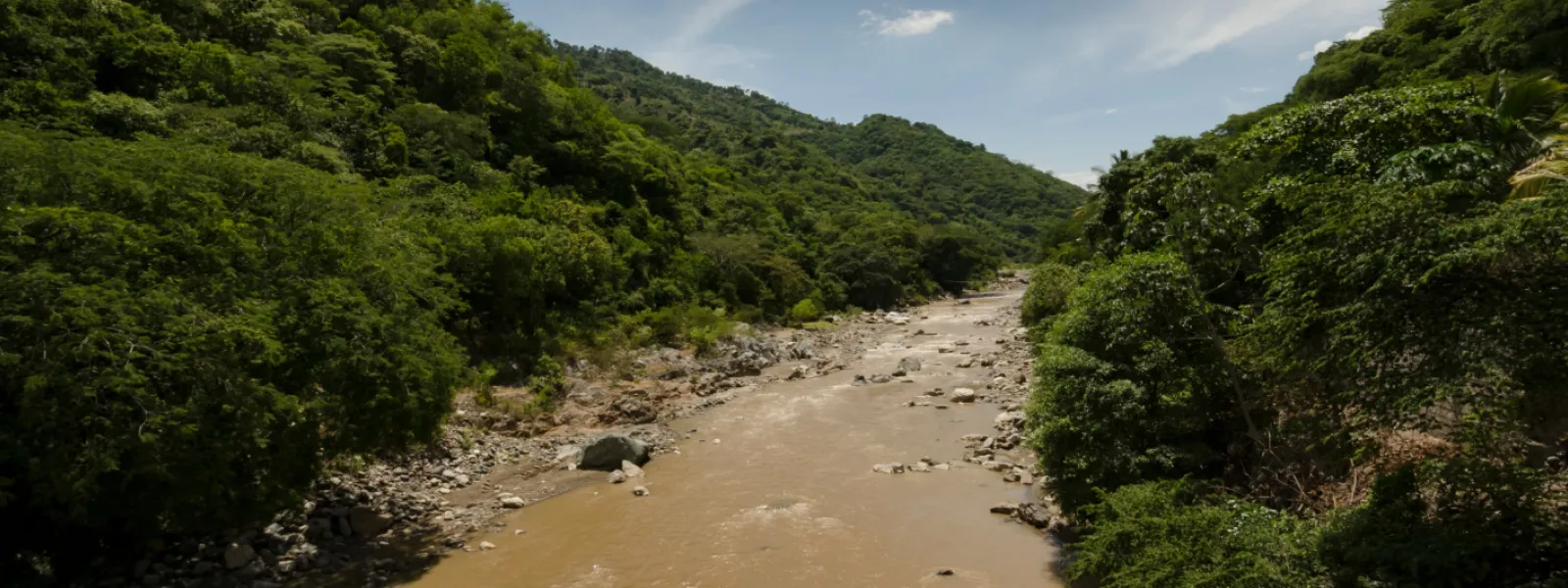
The Motagua River basin—Guatemala’s largest and most important river—is severely polluted with wastewater, solid waste, and other types of debris.
This is a cross-border issue because the Motagua’s polluted waters flow into the Caribbean Sea, reach the coast of Honduras, and threaten the Mesoamerican Reef System.
For decades, this has violated the rights to health, water, development, and a healthy environment of all the people living in the river basin.
In June 2025, the Poqomam Maya community of Santa Cruz Chinautla—supported by AIDA, the Indigenous Peoples’ Law Firm, and allied organizations—achieved an unprecedented legal victory to halt degradation in the basin. In response to the lawsuit it filed, a Guatemalan court ordered the municipality of Chinautla to comply with a series of obligations to curb the pollution of the area’s rivers and soil.
The government's response to the ruling has so far been limited to technical working group meetings. Meanwhile, the community continues to work toward the proper implementation of the ruling and to take other actions to defend its territory and its rights.
Background
The Motagua River, which is 486 km long, flows through 96 municipalities and 14 departments in Guatemala. It originates in Quiché, a department located in the northwest, and empties into the Caribbean Sea.
Polluting activities occur throughout the entire basin, including sub-basins and micro-basins. The largest volume of pollution comes from Guatemala City, the country’s capital, and is carried by the waters of the Las Vacas River, which in turn receives a large amount of waste from the Chinautla River.
The Chinautla River, which flows through the municipality of the same name, carries solid waste from a landfill located in Zone 3 of the capital—where trash from at least 14 municipalities in the department of Guatemala is dumped—as well as sewage generated by some 500,000 people living in the northern part of the capital, which undergoes no prior treatment.
Other sources of pollution include the numerous illegal dumps in the municipality of Chinautla, the waste that private vehicles and garbage trucks dump along the banks of its rivers, as well as the sand-mining companies—which began setting up operations in the area between 1996 and 1997—whose activities weaken the rivers' basins, causing solid waste to be more easily carried away by the river currents.
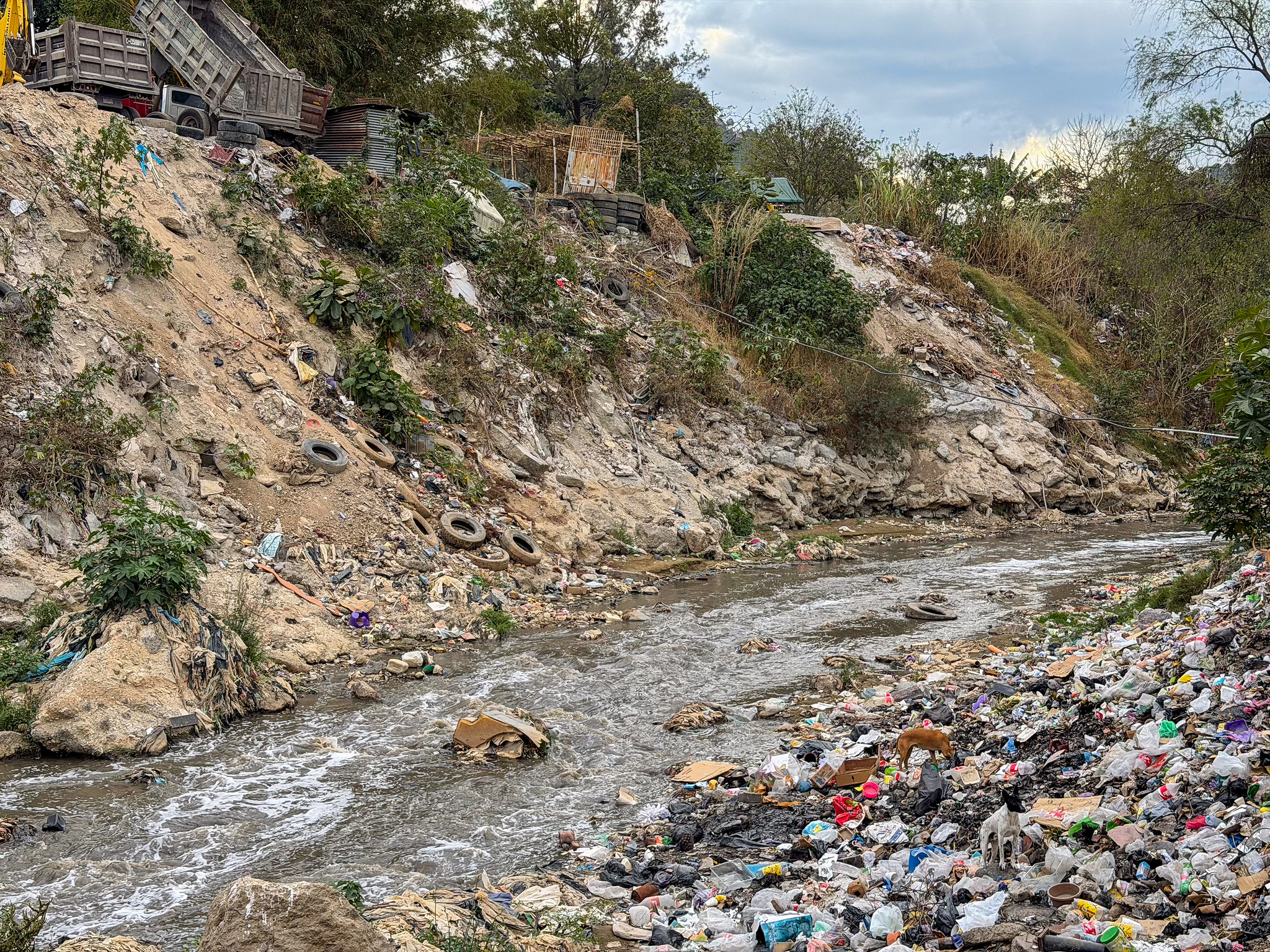
Photo: Mayela Sánchez García.
The situation extends beyond national borders. Every year, the Motagua River discharges some 20,000 metric tons of plastic into the Caribbean Sea, making it one of the rivers that contributes the most plastic pollution to the ocean worldwide, according to estimates contained in a 2025 report by the Inter-American Commission on Human Rights (IACHR).
The river flows into the Mesoamerican Reef at its mouth, so pollution also threatens to degrade one of the largest and most biodiverse transboundary reefs on the planet, which spans the territorial waters of Belize, Guatemala, Honduras, and Mexico.
In addition, the contaminated water reaches the coast of Honduras and spreads into Amatique Bay, located along the eastern coast of Guatemala, affecting the Caribbean Sea.
The roots of this chronic, cross-border problem are structural. Data from the Integrated Environmental Management of the Motagua River Basin project, funded by the United Nations Development Program (UNDP), show that in Guatemala, 66% of municipal solid waste is not collected, and there is no guarantee that the remaining 34% is disposed of properly. Furthermore, of all landfills nationwide, 88.32% are illegal or lack municipal authorization.
In other words, the core issues that need to be addressed are the mismanagement of solid waste and water resources in Guatemala; noncompliance with existing regulations on wastewater discharge and the disposal and treatment of solid waste and residues; and the lack of a water law.
The Poqomam Maya people's quest for justice
The rivers of Santa Cruz Chinautla, a community of the Poqomam Maya people located just twelve kilometers from Guatemala City, have become conduits of pollution that are degrading the Motagua River.
For decades, the local population has seen its health and livelihoods—including pottery, one of the main economic activities and a source of identity—damaged due to the lack of waste management in the municipality of Chinautla and the urban area of the country’s capital, as well as the activities of sand-mining companies.
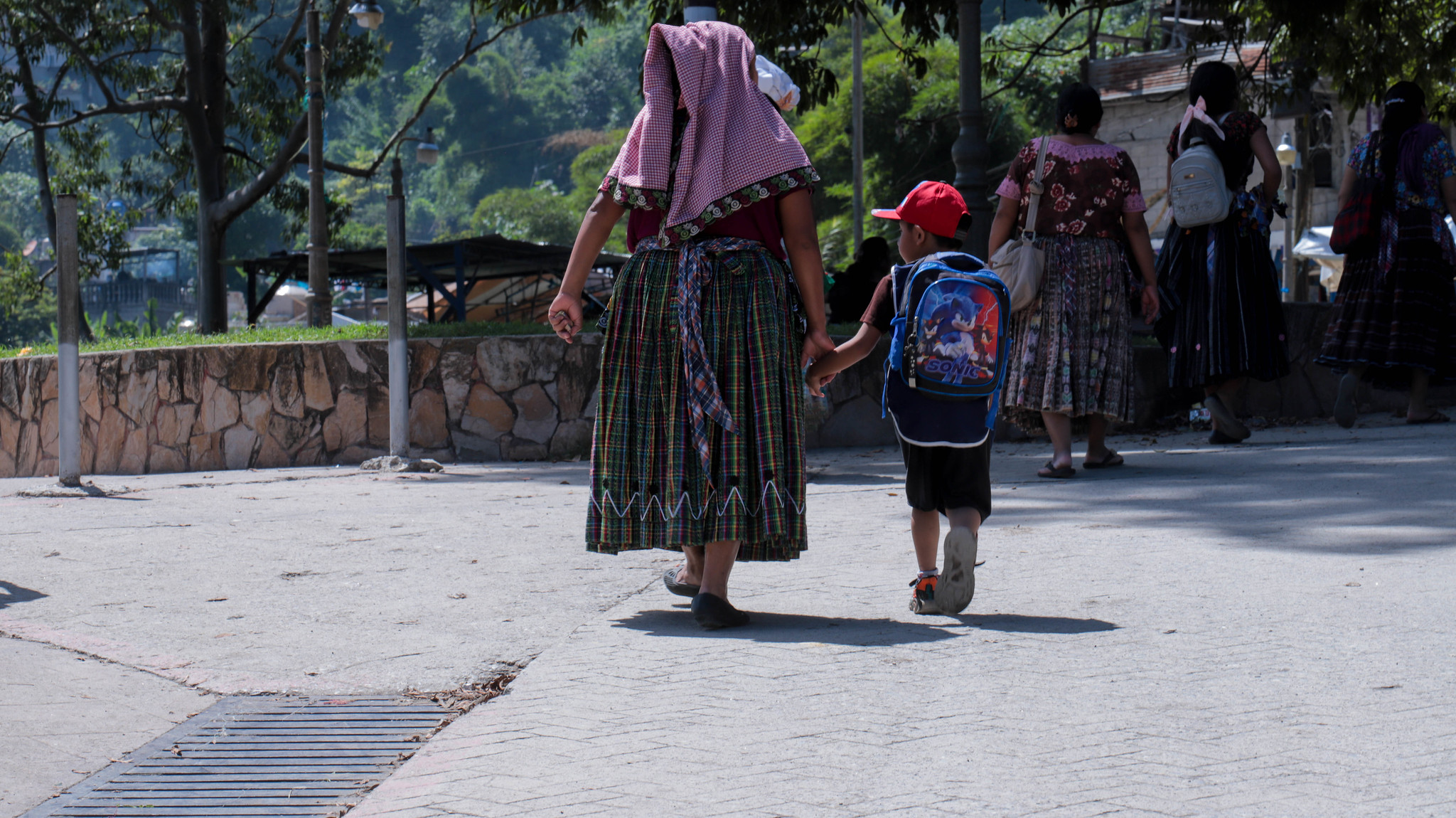
Photo: Mario Winter.
Voices for the Motagua River: Olga Vázquez.
Voices for the Motagua River: Nazario Pascual.
In early 2000, the Maya community organized to stop sand mining on their territory. At that time, the companies held mining permits that remained valid through 2021 and 2022. And although the permits expired, some companies continued to operate after requesting extensions. In June 2022, the indigenous authorities of the Poqomam people began a sit-in protest in front of the Piedrinera San Luis company, which they maintained for four years.
In July 2024, the Special Rapporteur on Economic, Social, Cultural, and Environmental Rights of the IACHR visited Santa Cruz Chinautla. During his visit, traditional authorities and community members spoke about the environmental, water-related, health, economic, and cultural impacts of the pollution in their rivers.
That same year, in October, the community—with support from AIDA, the Indigenous Peoples’ Law Firm, and partner organizations—filed a lawsuit (petition for amparo) against the municipality of Chinautla over its failure to take measures to address the contamination of its rivers and soil caused by improper solid waste management and the existence of illegal landfills.
AIDA’s scientific team, together with local residents and community authorities, collected key information on illegal landfills in the area. This community science initiative supported the litigation by highlighting the severity of the pollution, demonstrating the ongoing use of such practices, and providing evidence of the municipal authorities’ failure to fulfill their legal obligations regarding waste management.
Learn more about this community science initiative.
In June 2025, the Poqomam community won the support of the Guatemalan justice system when a constitutional court ordered the municipality of Chinautla to effectively address the claims in the lawsuit aimed at stopping the pollution of the rivers and soil in Santa Cruz Chinautla.
This is the first time a Guatemalan court has recognized a community's right to a healthy environment and its central role in finding solutions.
Find out the details of the legal victory.
Current situation
Since the ruling was issued, the municipality of Chinautla has held a series of “technical working groups” with representatives from the central government, civil society, and the community. A smaller group of technical experts was later created to develop a work plan with clear goals. Several months have passed without the municipality convening these working groups.
Furthermore, in December 2025, the IACHR noted in its report Human Rights Situation in Guatemala that the Motagua River basin is facing a severe pollution crisis that has had profound impacts on biodiversity and has resulted in systematic violations of the human rights of local communities, including the Maya Poqomam people.
And in May 2026, the Ministry of the Environment and Natural Resources revoked the license of the sand mining company Piedrinera San Luis for "failure to comply with environmental commitments."
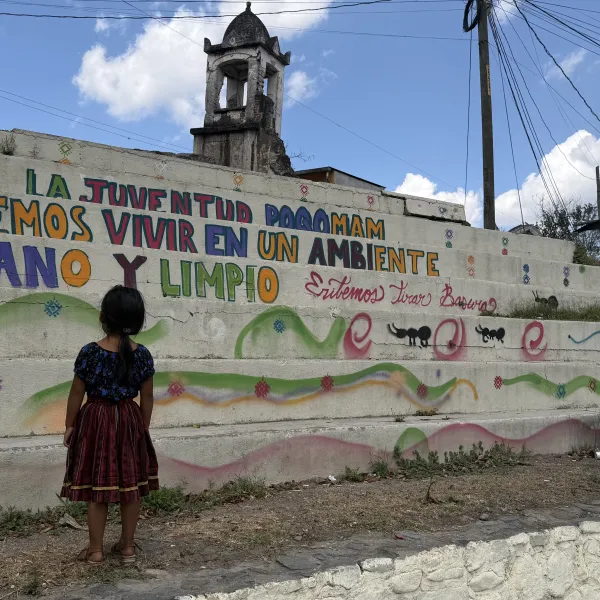
AIDA continues to monitor the implementation of the court ruling to ensure the right to a healthy environment for the Poqomam Maya community and all those living in the Motagua River basin. Meanwhile, the residents of Santa Cruz Chinautla remain organized and mobilized to improve their environment and defend their rights.
Related projects
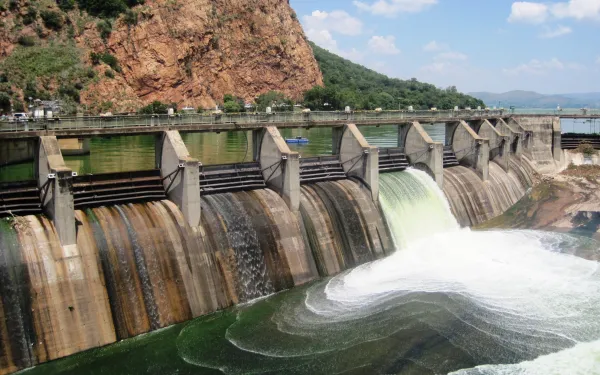
The link between international environmental law, human rights and large dams
The article is an update and reissue of two chapters of the report Large Dams in the Americas: Is the Cure Worse than the Disease, written by Jacob Kopas and Astrid Puentes Riaño. The article identifies “the main obligations, standards, decisions and international law applicable to large hydropower plants that our governments should use in the planning, implementation, operation and closure of these projects." The article is divided into two parts. Chapter I offers an overview of the main standards, the legal framework of international human rights and environmental law as well as the decisions and international jurisprudence applicable to the cases of large dams. In Chapter II, this framework is applied to the cases of human rights abuses caused by the degradation of the environment through the development of a large dam.
Read more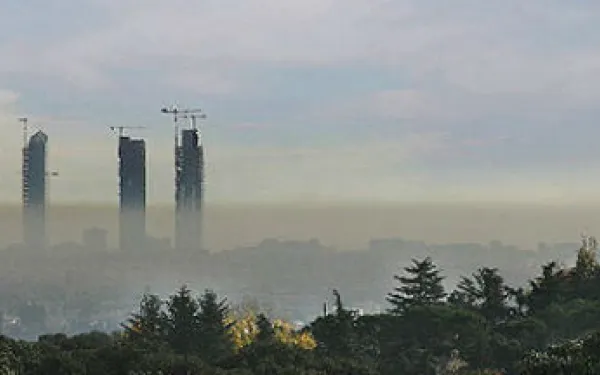
Short-Lived Climate Pollutants: A great opportunity to put the brakes on climate change
By Florencia Ortuzar, legal advisor, AIDA While many of us are alarmed by climate change and its already tangible effects, concern becomes even greater when learning the fact that all the CO2 accumulated in the atmosphere cannot be removed, even if we were to shut down all the sources of emissions today. This reality was confirmed in the Fifth Assessment Report on the state of the climate, issued by the Intergovernmental Panel on Climate Change (IPCC). The explanation for this is simple: CO2, in contrast to other gases and pollutants, remains in the atmosphere for millennia after being released. It is stuck in the atmosphere for what is eternal for human standards, implying that its greenhouse effect does not end even with an immediate halt in emissions. The good news is that CO2 is not the only cause of global warming. There are other pollutants that, unlike CO2, only stay in the atmosphere for a relatively short time. These “other” agents are responsible for 40-45% of global warming, and they remain in the atmosphere for a minimum of a few hours to a maximum of a few decades. They are called short-lived climate pollutants, or SLCPs. Like CO2, SLCP emissions have a negative impact on humans and ecosystems. So a reduction in these pollutants would bring immediate relief to the worst affected by climate change and would bring important benefits to the environment and people. The main SLCPs Although all SLCPs contribute significantly to climate change and share the trait of being short-lived, each has its unique characteristics and emission sources. Black carbon or soot, is a particulate substance produced by the incomplete combustion of fossil fuels, mainly from motor vehicles, domestic stoves, fires and factories. The dark particles heat the atmosphere as they absorb light, and when the particles land on snow and ice they accelerate melting. Black carbon also affects human health by causing respiratory problems such as lung cancer and asthma. Tropospheric ozone is a gas formed by the reaction of the sun with other gases called "precursors," which can be man made or naturally occurring. One of these precursors is methane, another SLCP. Tropospheric ozone is associated with diseases including bronchitis, emphysema, asthma and permanent scarring of the lung tissue. Studies also show that this gas has a direct impact on vegetation, reducing crop yields and the ability of plants to absorb CO2. Methane is a powerful greenhouse gas, and 60% of its emissions come from human activities like rice farming, coal mining, landfill and oil combustion. Two important sources of methane include cattle farming, whose effect has dangerously increased with industrial meat production (Spanish), and large dams, especially those in tropical areas. Hydrofluorocarbons (HFCs) are man-made gases used in the production of air conditioners, refrigerators and aerosols. They have replaced chlorofluorocarbons (CFCs), which were banned under the Montreal Protocol. Although HFCs represent a small proportion of the greenhouse gases emitted into the atmosphere, their use is growing at an alarming speed of an average of 10-15% each year, according to a United Nations Environment Programme (UNEP) report. Everyone wins According to the IPCC, the reduction of these pollutants could avert a rise in average global temperatures by approximately 0.5 degrees Celsius by 2050, cutting the current rate of global warming in half and helping to protect some of the areas most susceptible to climate change like the Arctic, the high Himalayan regions and Tibet. The mitigation of SLCPs is also crucial for decelerating glacial melting and rising sea levels, a serious situation for the world’s population that lives in coastal areas. The reduction of SLCPs would also bring important socio-environmental benefits. Black carbon and tropospheric ozone harm human health and reduce crop yields. This in turn affects ecosystems, food security, human welfare and the entire natural cycle that keeps the planet healthy. Some talking points Given that SLCPs stem from different sources, effective mitigation requires a series of comprehensive actions that deal with each pollutant separately. Fortunately, the road is already laid out. Many of the technologies, laws and institutions needed to cut SLCP emissions already exist. In the case of black carbon, new technologies are inexpensive and available. Developed countries have already reduced emissions significantly through the use of green technologies. Ideas include the modernization of domestic cooking systems in the region, introducing the use of solar cookers and new transport systems with improved exhaust filters to reduce greenhouse gas emissions. The amount of methane in the atmosphere, which affects the level of tropospheric ozone, is largely dependent on industrial activities. To reduce emissions, effective regulations should be implemented to control the industries that emit the most methane, including intensive cattle farming, mining, hydrocarbons and large dams. For HFCs, an alternative already exists. There need to be regulations that encourage people to substitute HFCs for greener alternatives, no matter the commercial barriers. Some countries have proposed incorporating HFCs in the Montreal Protocol, an international agreement recognized as one of the most successful initiatives to significantly and rapidly reduce CFC emissions, addressing a similar challenge, to the one we face today. To find out more about SLCPs, you can read a briefing paper (Spanish) put together by AIDA, CEDHA, CEMDA and RedRacc.
Read more
Report from COP19: Warsaw, Poland
A terrifying nightmare came true before their eyes. Waves of up to seven meters (23 feet), propelled by winds that reached 315 kilometers per hour (196 miles per hour), caught the inhabitants of the Philippines off guard, devouring everything in their path. Typhoon Haiyan was the most devastating of the climate shocks that frequently hit the Asian country. “We can stop this madness.” With those words, Yeb Saño, the Philippine’s climate change commissioner, demanded “climate justice“ for his people during the inauguration of the 19th Conference of the Parties (COP19) on climate change in Warsaw, Poland. The tragedy was palpable in his eyes and voice. The effects of climate change are unmistakable. Ocean levels and temperatures are rising, and this is provoking storms surges of such intensity that they’re impossible to ignore. No more time can be wasted in coming up with the financing needed to fight this problem. And we must set the rules for the effective use of these funds. AIDA is pushing for this. At the COP19, we worked with other civil society organizations to encourage the governments of developing countries to draft an action plan next year designed to fulfill a vital commitment: making US$100 billion available to developing countries from 2020 for fighting climate change. Part of these funds will be channeled through the Green Climate Fund (GCF). AIDA has assisted in putting pressure on the governments of developed countries to provide certainty about the contributions they will make to this financing mechanism. We also have taken part in the creation of GCF by participating at meetings of its Board of Directors. Our short-term goal is to ensure that the role of civil society is effective and meaningful in the GCF decision-making process. Long term, we want the GCF to support effective actions for climate change mitigation and adaptation that will not only help reduce emissions but also benefit the most vulnerable communities that already are being affected by the phenomenon. Our presence at the COP19 also made it possible for AIDA to form alliances with groups from different sectors – civil society, youth, indigenous peoples, among others – in order to develop and strengthen a joint position ahead of the COP20 to be held in Peru. We hope that the COP20 will set the foundation for a new and hopefully successful climate agreement at the COP21 in Paris. We also worked with partner organizations to develop a briefing paper (in Spanish) on short-lived climate pollutants (SLCPs), which we distributed in Warsaw. As SLCPs remain in the atmosphere less time than CO2, reducing these contaminants is a valuable opportunity for a short-term solution to global warming and an important element that should enter into the new climate agreement. With your support we will continue fighting to prevent typhoons and other natural disasters from becoming a way of life.
Read more