
Project
Alberto Peña Kay
Protecting the Santurban páramo from mining's damage
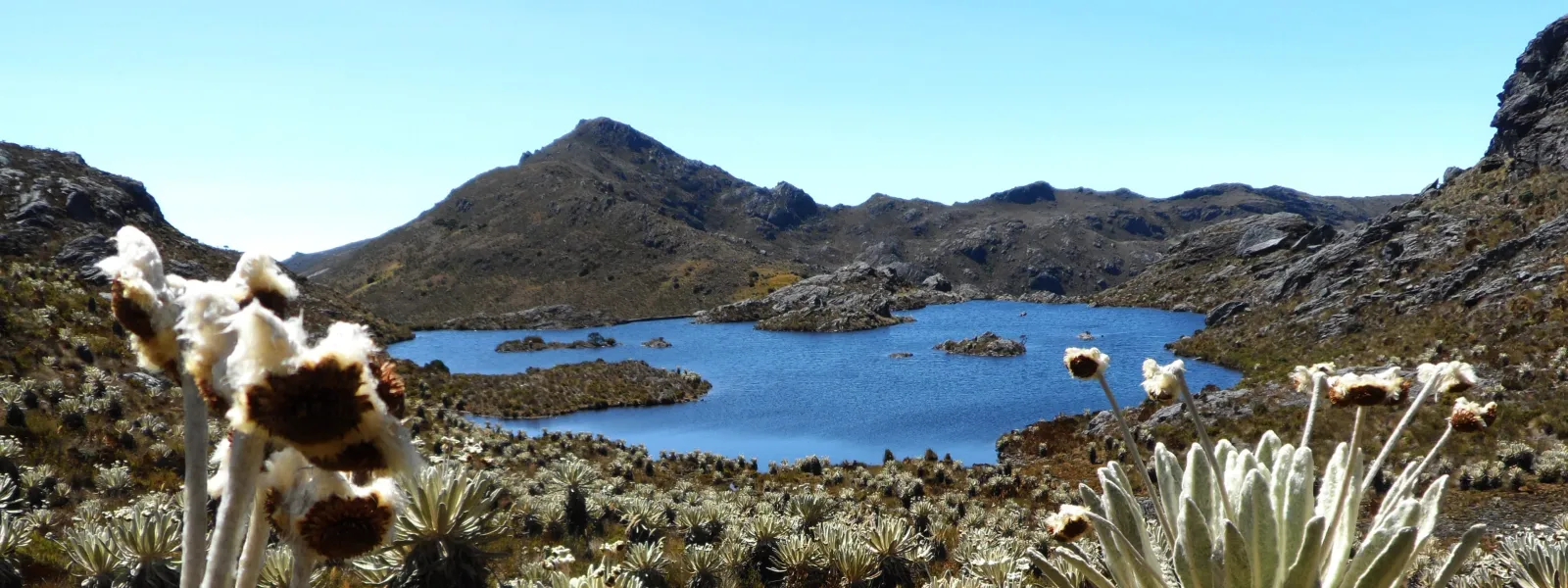
In the Andean region, high-mountain ecosystems known as páramos capture water from the fog and supply it to the lowlands. One such ecosystem is the Santurbán páramo, which provides fresh water to more than two million people in Colombia.
Santurbán, like the other páramos on the continent, also captures large amounts of carbon, making it a key ally in mitigating the climate crisis. It is also a refuge for hundreds of endangered species, including the iconic spectacled bear.
The land in and around the páramo contains gold and other minerals. This has put Santurbán in the spotlight of the multinational mining industry, which for decades has sought to establish large-scale projects in the ecosystem that threaten to degrade it.
The Committee for the Defense of Water and the Santurbán Páramo—a coalition of environmental advocates—has thwarted these ongoing attempts, with support from AIDA and other civil society organizations.
Background
The Santurbán páramo is located in the heart of the Eastern Cordillera of the Colombian Andes, in the departments of Santander and Norte de Santander, at an elevation ranging from 2,200 to 4,290 meters above sea level.
It covers an area of 129,743 hectares and is home to 57 lakes. It serves as a habitat for 457 plant species and 293 species of vertebrate fauna.
There are mineral deposits in Santurbán, primarily gold, but also silver and copper. This explains the region’s mining tradition, particularly in the part of the páramo located in Santander, in the province of Soto Norte. The communities in the area have built their culture and identity around gold mining, which is mainly artisanal and small-scale.
But since the 1990s, the gold deposits in the páramo have also attracted foreign mining conglomerates seeking to develop large-scale projects. This has raised concerns among the population that relies on the Santurbán water sources, who have mobilized in defense of water, their land, and life.
Although national and international regulations prohibit mining in páramos, the Colombian government has granted mining concessions to transnational corporations in Santurbán.
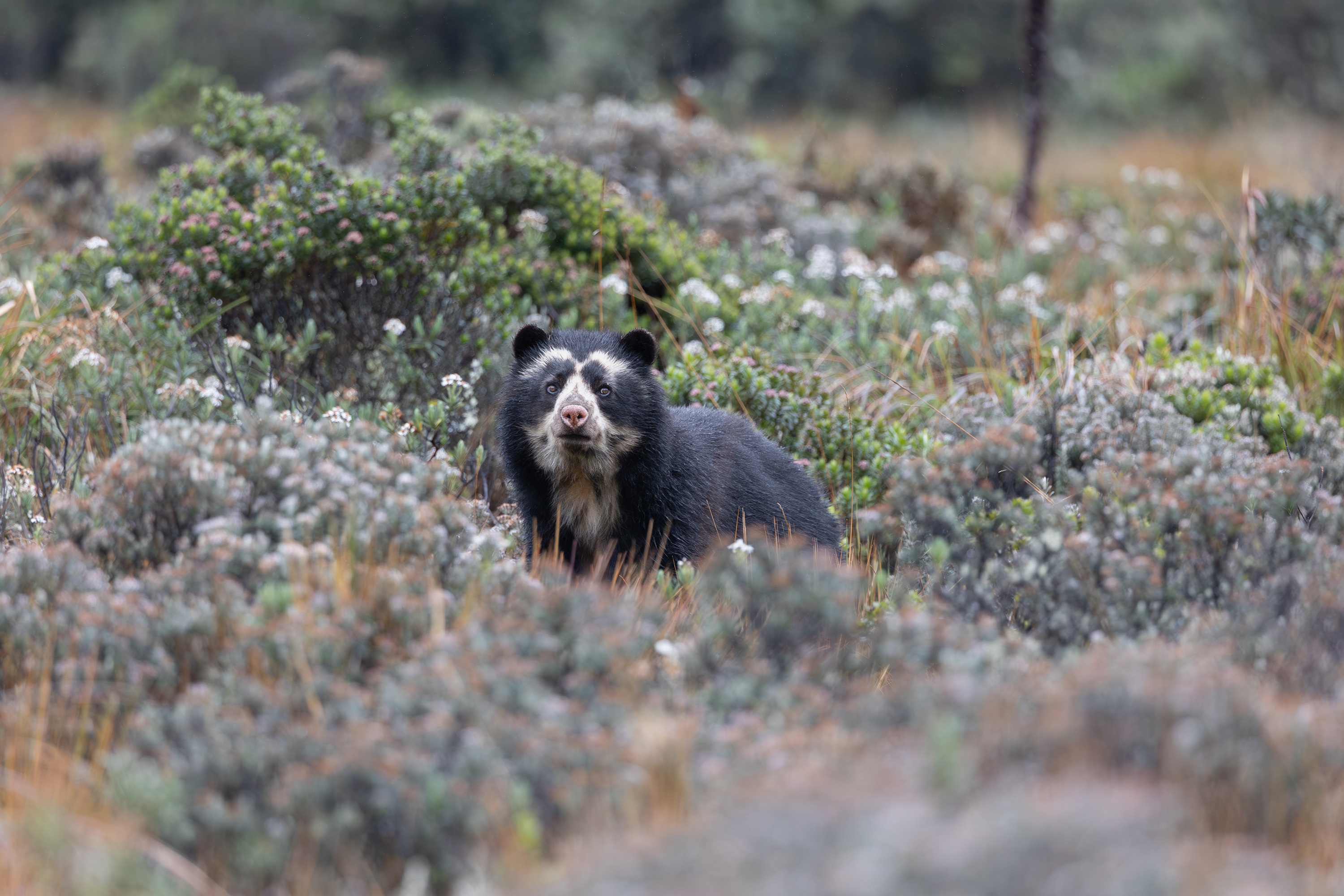
Photo: Keishpixl / Pixabay.
The long struggle to protect the páramo
One of the companies that sought to develop large-scale mining in Santurbán is Eco Oro Minerals Corp.—formerly Greystar Resources—a Canadian company that intended to establish the Angostura open-pit mine there to extract gold and silver. Between 1994 and 1995, the company acquired its mining titles and conducted exploration. And in 2010, it applied for a mining permit.
That was the year AIDA became involved in defending the ecosystem, supporting the Committee for the Defense of Water and the Santurbán Páramo. Our legal work helped convince the Colombian government to deny the mine an environmental permit in May 2011.
In January 2013, the government designated a portion of the páramo (11,700 hectares) as a Regional Natural Park. That year—together with the committee and partner organizations—we carried out a campaign and advocacy efforts to urge the government to recognize the entire Santurbán area as a páramo ecosystem through a delimitation based on scientific criteria. In December 2014, the Ministry of the Environment established a delimitation that protected 76% of the páramo (98,954 hectares).
Furthermore, as a result of a litigation supported by AIDA, in February 2016, Colombia’s highest court reaffirmed that mining in páramos is prohibited.
That same year, in December, the International Finance Corporation (IFC), the World Bank Group’s private sector arm, decided to divest from Eco Oro Minerals. This achievement was the result of a process that began in 2012, when the committee—advised and supported by AIDA and international partner organizations—filed a complaint before an independent accountability mechanism, which concluded that the IFC’s investment in the Angostura project failed to take into account the project’s social and environmental impacts, thereby contradicting the financial institution’s internal policies.
Also in 2016, Eco Oro Minerals filed an arbitration claim against the Colombian government with the International Centre for Settlement of Investment Disputes (ICSID), arguing that it had been adversely affected by government decisions aimed at protecting the country’s páramos, including the delimitation of Santurbán.
In 2017, the Constitutional Court invalidated the delimitation because the affected communities were not consulted. The high court ordered that a participatory delimitation be carried out.
And that year, a new threat to Santurbán emerged when the Canadian multinational Aris Mining applied for an environmental permit for Soto Norte, a gold mining project located near the páramo. Following citizen protests and technical objections, in October 2020, the National Environmental Licensing Authority shelved the project.
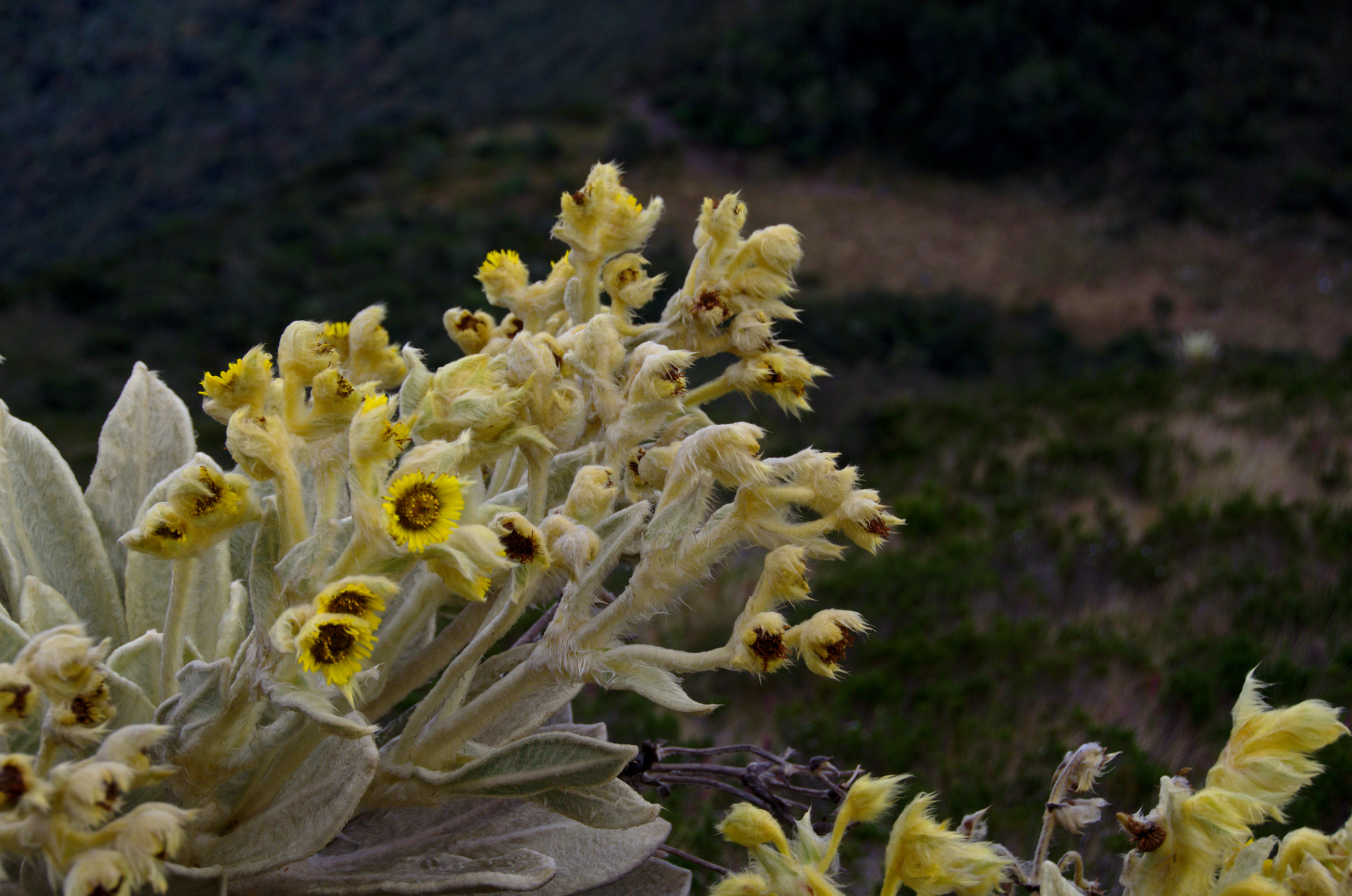
Photo: Aztlec.
Current situation
In March 2025, the Colombian government designated the western flank of the Santurbán massif as a temporary renewable natural resource reserve area, delimiting and protecting an area of 75,344.65 hectares. This resulted in a two-year suspension of the Soto Norte project. However, Aris Mining's contract to formalize Calimineros' small-scale mining activities through the purchase and processing of mineralized material remains in effect.
In addition, the Canadian mining company continues to move the project forward. In September 2025, it released its prefeasibility study, revising the mine’s original design.
Meanwhile, members of the Committee for the Defense of Water and the Santurbán Páramo face threats and stigmatization because of their work. In March 2025, UN Special Rapporteurs and the Working Group on Business and Human Rights denounced these incidents in communications sent to the governments of Colombia, Canada, and the United Arab Emirates, as well as to the companies Aris Mining and MDC Industry Holding Company LLC, the former co-owner of the Soto Norte project.
Regarding the arbitration claim filed by Eco Oro Minerals, in July 2024, ICSID ruled in favor of the Colombian government and rejected the Canadian company’s claim for USD 1.1 billion in compensation.
Concerning the delimitation of Santurbán, in July 2026, the Ministry of the Environment issued a resolution introducing the concept of "progressive delimitation." On that basis, the government proposes to progressively demarcate the páramo, covering 29,199 hectares across 19 municipalities—those where the participatory agreements required by the Constitutional Court in its 2017 ruling have already been finalized. It also proposes two measures on the creation and expansion of reserves to restrict mining in the ecosystem.
Learn more about the impacts of mining on the páramos of Latin America (in Spanish).
Partners:
Related projects
Dams, mines threaten indigenous rights: Recommendations from UN human rights expert
By Jessica Lawrence, Earthjustice's research analyst A longstanding goal of Earthjustice and the Interamerican Association for Environmental Defense (AIDA) has been to sound alarms at the United Nations, in national courtrooms and in international fora such as the Inter-American Commission on Human Rights about environmental and human rights violations associated with mines and dams. Indigenous peoples are particularly vulnerable to the harmful effects of such extractive and energy industries in their territories. Last April, Earthjustice and AIDA provided evidence of these harms, as well as recommendations about how to avoid them, to U.N. indigenous rights expert James Anaya, who recently issued a report on extractive and energy industries and indigenous peoples. Comments from Earthjustice and AIDA focused on mine closure, describing how inadequate closure, restoration or monitoring can cause severe, long-term environmental contamination that can violate indigenous and human rights. We identified steps that countries can take to prevent these problems, including enacting strong laws on pabipty of mine operators and requiring operators to provide financial guarantees to ensure adequate clean-up during and after mine closure. Such measures can help protect human rights to health, clean water and a clean environment, as well as indigenous rights to culture, food, a means of subsistence and their lands and natural resources. Anaya’s report includes a number of recommendations with environmental and health imppcations. Key recommendations include: Guaranteeing indigenous communities’ right to oppose extractive and energy projects without fear of reprisals, violence, or coercive consultations. If a government decides to proceed with a project without their consent, indigenous communities should be able to challenge that decision in court. Rigorous environmental impact assessment should be a precondition. Indigenous communities should have the opportunity to participate in these assessments, and have full access to the information gathered. Governments should ensure the objectivity of impact assessments, either through independent review or by ensuring that assessments are not controlled by the project promoters. Measures to prevent environmental impacts, particularly those that impact health or subsistence, should include monitoring with participation from the pubpc, as well as measures to address project closure. If governments and project operators followed Anaya's recommendations, it would substantially reduce the harm caused to indigenous peoples by the often shameful and irresponsible conduct of extractive and energy industries. AIDA, to which Earthjustice provides significant support, works with local communities to address human rights violations from extractive industries throughout the hemisphere, including the Barro Blanco dam in Panama, the Belo Monte dam in Brazil, the La Parota dam in Mexico, and mines in the Andean ecosystems of Colombia.
Read more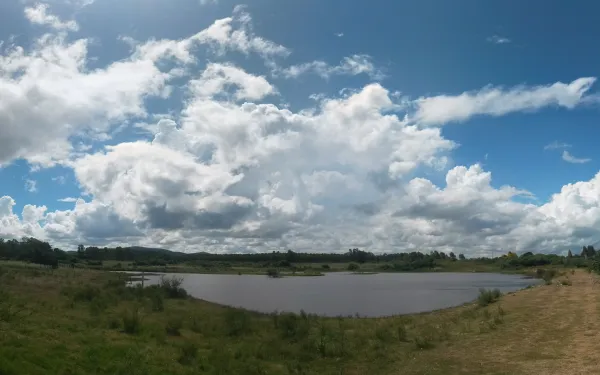
Letter to the President of the World Bank Group
DR. JIM YONG KIM PRESIDENT THE WORLD BANK GROUP Dear Dr. Kim: We are writing to express our deepest concern regarding the World Bank Group decision to start financing and promoting large hydroelectric projects as “sustainable energy.” We urge you to review the information about negative impacts that large dams have had on the environment and human rights in the Americas, and to reconsider that decision. Large dams commonly cause severe harm to the environment. Underwater decomposition of trees and plants releases major quantities of methane, contributing to climate change. Large dams degrade water quality and sanitation both upstream and downstream from the artificial modification of river systems. Degradation of aquatic ecosystems leads to loss of biodiversity. Seismic instability is another common consequence of dam construction. These environmental harms often violate human rights protected by international legal instruments. These projects repeatedly generate health risks, block access to traditional food sources, and interfere with the ability to earn a livelihood. They displace entire communities, interfering with the human rights to freedom of movement, property, housing, and just compensation. State sponsors of large dams routinely fail to produce comprehensive environmental and social impact assessments, which are required by international law. Access to the information that should be provided by such an assessment is essential to ensuring the human rights to informed consent and prior consultation. Specific international laws and standards that apply to indigenous, afro-descendant and tribal peoples are routinely ignored. In some cases, public protest to ill-considered dam projects is criminalized, contrary to international human rights law. Many organizations and institutions, including the World Commission on Dams, have identified these negative consequences. AIDA has also produced a report analyzing the effects of large dams on the environment and human rights, “Large Dams in the Americas.” The executive summary of the report (in English) and the full version (in Spanish) are attached to this letter. AIDA stands with the World Bank Group in supporting development in Latin America. But that development should be sustainable. It should not come at the expense of the environment and human rights. Promotion of truly renewable resources, including wind, solar, and geothermal energy, can also encourage development that sustains growing economies, thriving environments, and respect for human rights. We insist that the World Bank Group finance only projects that abide by international law and standards, and give due and full consideration to alternative energy sources and efficiency measures. We would be more than happy to help the World Bank Group to drive true, sustainable development and to promote projects that increase human well-being while also protecting the environment and human rights. We hope you find this information useful and incorporate it into World Bank policy.
Read moreFrom Anton’s Valley to Altamira: It’s Been a Great Decade with AIDA!
By Astrid Puentes Riaño, AIDA Co-Director , @astridpuentes November 1 marks my 10th anniversary working with AIDA! It’s been a decade since the board of directors, meeting in Anton’s Valley, Panama, decided to hire me. I was thrilled with the offer: when I was a law student in Colombia and an assistant with the NGO Fundepúblico, I had participated in the founding of AIDA and in setting up its first meeting, in 1998. Over the past decade, I have had the great fortune to meet wonderful people and to visit extraordinary places in Latin America— Cordoba in Argentina, Altamira in Brazil, Los Altos de Jalisco and La Parota in Mexico, La Oroya and Iquitos in Peru. Today, as I celebrate and renew my commitment to keep learning and giving my best to AIDA, I am grateful to be able to provide a positive contribution to the region. AIDA was and is my dream job! A big challenge from the beginning When the AIDA board appointed me, it was more for the potential they saw than for my experience. I did my best, contributing my energy and passion to the expansion of environmental law and to promoting an understanding of the link between human rights and the environment, all while raising a family. Ten years later, and thanks to this incredible opportunity, I can say that I have made some mistakes, learned, grown immensely, and come to understand the sometimes-harsh reality of our environment in Latin America. It seems that the board of directors is happy with the results, because I’m still here! How much we have grown! When I started, AIDA was just Anna Cederstav (co-executive director) and me, working with a budget of approximately U.S. $300,000, a small office within the Earthjustice headquarters in California, and four cases. We had many dreams for AIDA. The main goal was to make it a solid regional organization that works on emblematic legal cases, always giving highest priority to the people and communities in the most vulnerable situations, and with about ten lawyers in key countries who stand out for the quality of their work and effective collaboration. Today our team includes 11 attorneys, one scientist, and 10 administrative and communications professionals, based in seven countries. We work every day to promote greater protection and environmental justice and to encourage regional economic development that does not sacrifice our natural resources or our future. Some milestones I’ve been extremely pleased that we’ve helped to improve several areas and communities in the region. For example, we’ve helped achieve: ▪ Official recognition of the environmental and human health disaster in La Oroya, Peru, where the 70-plus people we represent have begun to receive some medical attention from the government; ▪ A significant decrease in the aerial spraying of coca and poppy plants in Colombian national parks; ▪ Protection of leatherback turtles and one of their last remaining nesting sites in Costa Rica; ▪ Increased awareness of the human rights violations suffered by thousands of indigenous people living near the Belo Monte hydroelectric dam in Brazil; ▪ Suspension of a mega-tourism project in Baja California Sur, Mexico that would destroy the Cabo Pulmo Coral Reef, known as the world’s aquarium; ▪ Amendments to the Mexican Constitution to include human rights protections and to improve the recognition of the human right to a healthy environment. In addition, we have published a trilingual guide on how to apply human rights mechanisms to environmental cases; a report on the human rights impacts of climate change in Latin America; and a report on how large dams are not a panacea but instead are having a negative impact on millions of people in our region. We also have organized periodic workshops with our colleagues that emphasize the inseparable link between human rights and the environment. The best aspect of my job over these years has been learning more about the region and every person I have met along the way. In 2004, for example, I took my first trip to La Oroya, where I met Pedro and Juan*, brothers both under 10 years old whom we represent before the Inter-American Commission on Human Rights. With high spirits, they attentively took part in our workshop aimed at protecting their rights, although they nearly fell asleep while eating their soup at lunchtime—one of the effects of lead poisoning. Now teenagers, they have begun their professional careers; Juan is serving in the military, and Pedro in the process of starting the university. Then there are Juanita and Margarita*, who were not yet born in 2004. I got to know the girls during later trips to La Oroya; when I first met them they arrived with their mothers, wrapped in slings. Now they are nearly teenagers and we have developed warm personal relationships that go beyond our legal work with them and with many others. Not everything has been rosy It hasn’t all been happiness and celebration. Over the past 10 years I have sadly witnessed: ▪ Construction of the Baba hydroelectric dam in Ecuador, despite a Constitutional Court ruling that ordered review of the environmental assessment because the project violated constitutional and international laws; ▪ Construction of El Zapotillo Dam in Los Altos de Jalisco, Mexico, although it seems for now that Temaca, a town that authorities had planned to flood, won’t be destroyed; ▪ Start of construction of the huge Belo Monte dam in Brazil, in defiance of the precautionary measures issued by the Inter-American Commission on Human Rights; ▪ Exponential growth in mining projects, including in the Colombian páramos—unique high-altitude ecosystems that provide fresh water for much of the population. What comes next If I weigh the good and the bad, the overall balance is positive. For now, a great part of our dream has become a reality. But just as today’s challenges have become greater, so has my commitment to see through our goals for the region. I extend my sincere thanks to the AIDA board and to Anna, my co-director, as well as to our great team and everyone who has collaborated with AIDA in the past. And I thank my family, friends and our donors, including the foundations and friends who have each managed to donate something, no matter how large or small. Thank you for your generosity and for helping us to fulfill our dreams and change the world together. All of the successes and challenges make the gray hair and wrinkles worth it. I’m ready for many more years at AIDA, as long as I continue to be an effective agent of its success! *Names have been changed to protect the identities of the people mentioned.
Read more