
Project
Alberto Peña Kay
Protecting the Santurban páramo from mining's damage
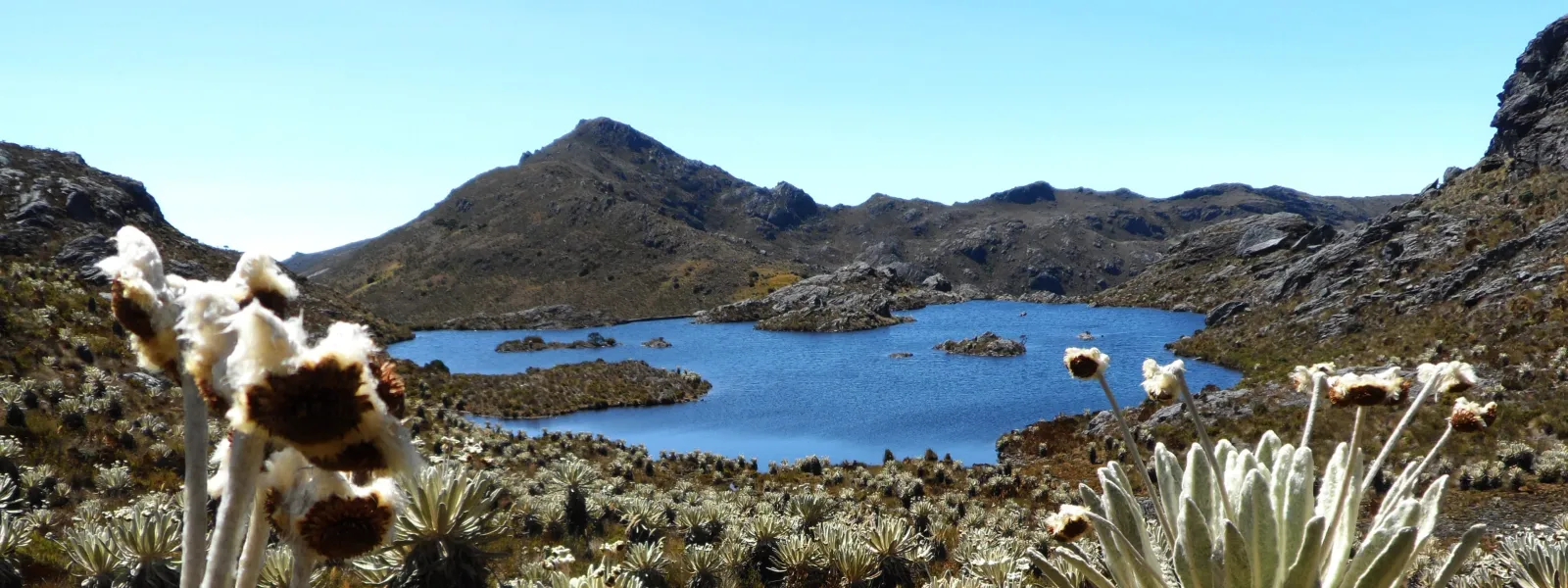
In the Andean region, high-mountain ecosystems known as páramos capture water from the fog and supply it to the lowlands. One such ecosystem is the Santurbán páramo, which provides fresh water to more than two million people in Colombia.
Santurbán, like the other páramos on the continent, also captures large amounts of carbon, making it a key ally in mitigating the climate crisis. It is also a refuge for hundreds of endangered species, including the iconic spectacled bear.
The land in and around the páramo contains gold and other minerals. This has put Santurbán in the spotlight of the multinational mining industry, which for decades has sought to establish large-scale projects in the ecosystem that threaten to degrade it.
The Committee for the Defense of Water and the Santurbán Páramo—a coalition of environmental advocates—has thwarted these ongoing attempts, with support from AIDA and other civil society organizations.
Background
The Santurbán páramo is located in the heart of the Eastern Cordillera of the Colombian Andes, in the departments of Santander and Norte de Santander, at an elevation ranging from 2,200 to 4,290 meters above sea level.
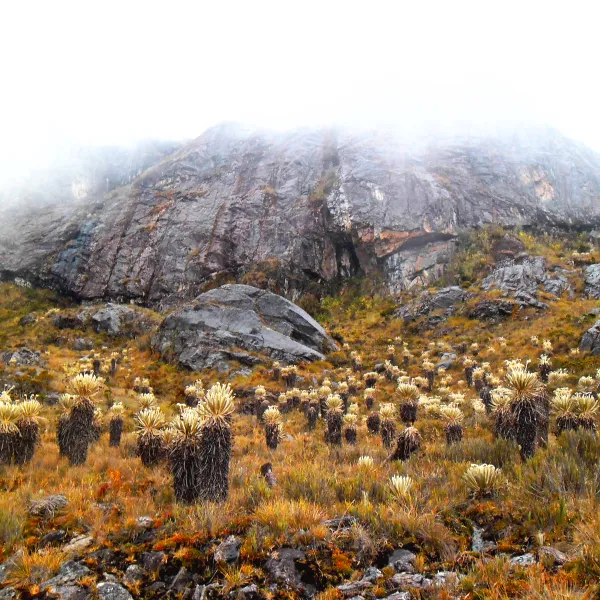
It covers an area of 129,743 hectares and is home to 57 lakes. It serves as a habitat for 457 plant species and 293 species of vertebrate fauna.
There are mineral deposits in Santurbán, primarily gold, but also silver and copper. This explains the region’s mining tradition, particularly in the part of the páramo located in Santander, in the province of Soto Norte. The communities in the area have built their culture and identity around gold mining, which is mainly artisanal and small-scale.
But since the 1990s, the gold deposits in the páramo have also attracted foreign mining conglomerates seeking to develop large-scale projects. This has raised concerns among the population that relies on the Santurbán water sources, who have mobilized in defense of water, their land, and life.
Although national and international regulations prohibit mining in páramos, the Colombian government has granted mining concessions to transnational corporations in Santurbán.
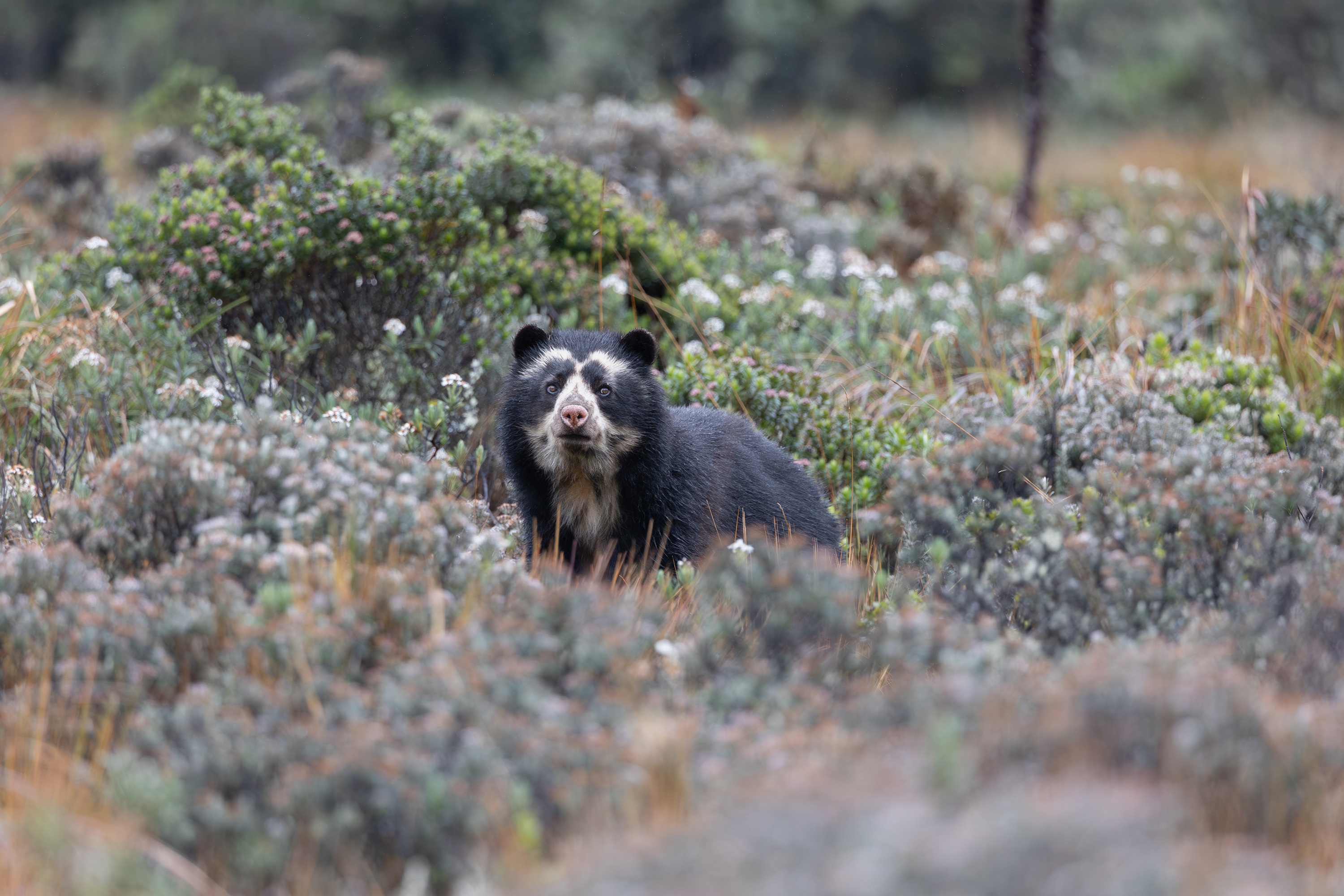
Photo: Keishpixl / Pixabay.
The long struggle to protect the páramo
One of the companies that sought to develop large-scale mining in Santurbán is Eco Oro Minerals Corp.—formerly Greystar Resources—a Canadian company that intended to establish the Angostura open-pit mine there to extract gold and silver. Between 1994 and 1995, the company acquired its mining titles and conducted exploration. And in 2010, it applied for a mining permit.
That was the year AIDA became involved in defending the ecosystem, supporting the Committee for the Defense of Water and the Santurbán Páramo. Our legal work helped convince the Colombian government to deny the mine an environmental permit in May 2011.
In January 2013, the government designated a portion of the páramo (11,700 hectares) as a Regional Natural Park. That year—together with the committee and partner organizations—we carried out a campaign and advocacy efforts to urge the government to recognize the entire Santurbán area as a páramo ecosystem through a delimitation based on scientific criteria. In December 2014, the Ministry of the Environment established a delimitation that protected 76% of the páramo (98,954 hectares).
Furthermore, as a result of a litigation supported by AIDA, in February 2016, Colombia’s highest court reaffirmed that mining in páramos is prohibited.
That same year, in December, the International Finance Corporation (IFC), the World Bank Group’s private sector arm, decided to divest from Eco Oro Minerals. This achievement was the result of a process that began in 2012, when the committee—advised and supported by AIDA and international partner organizations—filed a complaint before an independent accountability mechanism, which concluded that the IFC’s investment in the Angostura project failed to take into account the project’s social and environmental impacts, thereby contradicting the financial institution’s internal policies.
Also in 2016, Eco Oro Minerals filed an arbitration claim against the Colombian government with the International Centre for Settlement of Investment Disputes (ICSID), arguing that it had been adversely affected by government decisions aimed at protecting the country’s páramos, including the delimitation of Santurbán.
In 2017, the Constitutional Court invalidated the delimitation because the affected communities were not consulted. The high court ordered that a participatory delimitation be carried out.
And that year, a new threat to Santurbán emerged when the Canadian multinational Aris Mining applied for an environmental permit for Soto Norte, a gold mining project located near the páramo. Following citizen protests and technical objections, in October 2020, the National Environmental Licensing Authority shelved the project.
Photo: Aztlec.
Current situation
In March 2025, the Colombian government designated the western flank of the Santurbán massif as a temporary renewable natural resource reserve area, delimiting and protecting an area of 75,344.65 hectares. This resulted in a two-year suspension of the Soto Norte project. However, Aris Mining's contract to formalize Calimineros' small-scale mining activities through the purchase and processing of mineralized material remains in effect.
In addition, the Canadian mining company continues to move the project forward. In September 2025, it released its prefeasibility study, revising the mine’s original design.
Meanwhile, members of the Committee for the Defense of Water and the Santurbán Páramo face threats and stigmatization because of their work. In March 2025, UN Special Rapporteurs and the Working Group on Business and Human Rights denounced these incidents in communications sent to the governments of Colombia, Canada, and the United Arab Emirates, as well as to the companies Aris Mining and MDC Industry Holding Company LLC, the former co-owner of the Soto Norte project.
Regarding the arbitration claim filed by Eco Oro Minerals, in July 2024, ICSID ruled in favor of the Colombian government and rejected the Canadian company’s claim for USD 1.1 billion in compensation.
Concerning the delimitation of Santurbán, in July 2026, the Ministry of the Environment issued a resolution introducing the concept of "progressive delimitation." On that basis, the government proposes to progressively demarcate the páramo, covering 29,199 hectares across 19 municipalities—those where the participatory agreements required by the Constitutional Court in its 2017 ruling have already been finalized. It also proposes two measures on the creation and expansion of reserves to restrict mining in the ecosystem.
Learn more about the impacts of mining on the páramos of Latin America (in Spanish).
Partners:
Related projects

The role of civil society in the Green Climate Fund
Climate change is real, and its impacts are here to stay. The nations of the world have agreed that, to get out of this mess, they must act together. But beyond setting intentions, little progress has been made. One important opportunity to get things done is the Green Climate Fund, the primary financial mechanism of the United Nations Framework Convention on Climate Change (UNFCCC). It’s a relatively new institution with the ability to move large quantities of money from rich countries to those in development. With these resources, the most vulnerable and least financially equipped nations can develop the projects and programs they need to confront climate change. How the Fund works in practice The Fund is a complex mechanism in which diverse actors interact. The Board of Directors, in charge of governing and supervising the Fund, is made up of 24 members, 12 representatives from developed nations and 12 from developing ones. The Independent Secretariat implements the decisions adopted by the Board. The Fund relates to countries through the National Designated Authorities or Focal Points, which are entities designated within each nation. The Fund also accredits national, regional and international institutions to channel economic resources through the presentation and implementation of climate proposals. These are called Accredited Entities. Last, but certainly not least, observers from civil society and the private sector play a key role in ensuring that the Fund takes into account the needs of local populations, especially the most vulnerable, when approving projects and programs to combat climate change. How decisions get made In practice, the Fund has been built at meetings of its Board of Directors, held every three months. There, board members discuss and decide on the policies that shape the Fund. They also grant accreditation to entities that will channel funds from the GCF to the different countries, and approve the projects and programs that the Fund will finance. Last October, I was fortunate to participate, as a civil society observer, at the 14th meeting of the Board, which was held at the Fund’s headquarters in Songdo, South Korea. I had the opportunity to see, on the ground, how this complex international mechanism works and, above all, how civil society contributes. It quickly became clear to me that the working conditions of civil society are not easy. To begin with, there is no economic support for civil society representatives that must travel and stay abroad at least three times a year to attend the board meetings. Inside the meetings of the Board, only “active observers” can participate: two from civil society and two from the private sector. The remaining observers sit in an adjoining room, following the meeting on television screens. Civil society has the right to speak, but this right can only be exercised by the two active observers, and only if the Co-Chairmen of the Board of Directors approve. All civil society interventions are previously discussed, prepared and perfected by the coalition of observers. This leads to many sleepless nights, since the subjects are broad and complex. In practice, civil society contributions are relegated to the end of the Board’s discussions. When time is scarce, a common reality, many times the right to speak is denied. This can be extremely frustrating, since crucial contributions are lost. Why civil society support is important Civil society contributes to the construction of the Fund’s policies with the objective of elevating its standards. Among other tasks, each funding proposal is studied, and the communities potentially affected by or benefitting from it are contacted, in order to understand what the project or program may actually involve, beyond what appears on paper. That’s why the informal work that civil society does “behind the scenes” is so important. It is the work done during recess, at lunchtime, and in the corridors. Gradually, civil society observers build relationships with decision makers (Board members and advisors) and are able to share their ideas, concerns and suggestions with them. The results of civil society’s work are being seen in decision-making, slowly but surely. The Green Climate Fund offers hope because its guidelines are correctly posed: it seeks to promote transformation and paradigmatic change, promises transparency, and its decisions are made giving equal weight to representatives of developed and developing nations. Its mandate is to promote “country ownership” of the programs and projects it finances, that is, to ensure they are guided by the needs and priorities of the beneficiary countries. In addition, the Fund has an obligation to act with a gender approach. However, the Fund also has problems and shortcomings. That’s why involvement of civil society is critical. Because they do not represent any government, political party or other interest, civil society observers ensure the protection of the environment, respect for human rights, and the participation and inclusion of people directly affected by climate change. The physical participation of civil society in Board meetings is vital. They ensure the Fund takes into account the voices of the communities directly affected by or benefitting from the financing. Learn more about the Fund on our website!
Read more
Costa Rican court issues first criminal sanction against shark finning
In a historic decision, a Puntarenas court convicted a businesswoman for shark finning. The woman had brought shark fins to port separated from the body, a practice illegal in Costa Rica, with intentions of selling them abroad. The Public Prosecutor’s indictment was supported by civil society organizations that argued her actions violated national and international laws protecting marine life. Puntarenas, Costa Rica. On February 7, the Trial Court of Puntarenas imposed a six-month prison sentence on a Taiwanese businesswoman for illegally trading in shark fins. The woman had brought to port shark fins detached from the animals body and gathered together with a wire, a process know as finning. She had intended to sell the fins abroad. This ruling is the first time the practice, illegal under national and international law, has been punished in Costa Rica. “We are pleased that, from the power of the Judiciary, Costa Rica has sent a clear signal that its priority is to protect the country’s sustainability. The response to the finning was appropriate, and responsible fishermen and environmental authorities will applaud it as such. At Conservation International, we reiterate our commitment to sustainable fisheries, transparent management of marine resources, and control of the country’s environmental regulations,” said Marco Quesada, director of the Costa Rica Program of Conservation International (CI). In 2011, justice failed in favor of the businesswoman. That decision was rebutted by the Public Prosecutor’s Office, which obtained a second trial in which the crime was finally punished. The final sentence indicates that the businesswoman is responsible “for the crime of ordering the removal of the shark fin without the respective body, to the detriment of the natural resources” of Costa Rica. “This is a truly historic sentence, as it’s the first time there has been a criminal conviction for shark finning. We applaud the efforts of the Public Prosecutor’s Office to enforce the national laws and international commitments of Costa Rica. We hope this case will be a precedent that helps prevent this practice from happening again,” said Gladys Martínez, attorney with the Interamerican Association for Environmental Defense (AIDA). AIDA and CI assisted in the resolution of the case, which dates from 2011, by advising the Public Prosecutor’s Office on arguments of international law. According to Costa Rican law, shark fins must arrive to port naturally attached to the shark’s body. In cases such as this one, the fins are removed and the body tossed back to sea so the fishing boats can hold as many fins as possible. “Shark finning is a crime punishable in Costa Rica by articles 139 and 40 of the Fisheries and Aquaculture Law. In addition, Costa Rica has ratified various international treaties that oblige it to protect the environment. These obligations include the protection, conservation and sustainable use of marine resources,” reads the document provided by both organizations to the Public Prosecutor’s Office for use during the trial. Press contacts: Gladys Martínez, AIDA, [email protected], +506 8321 4263 Marco Quesada, CI, [email protected] +506 2253-0500 ext. 129/IP 5484
Read more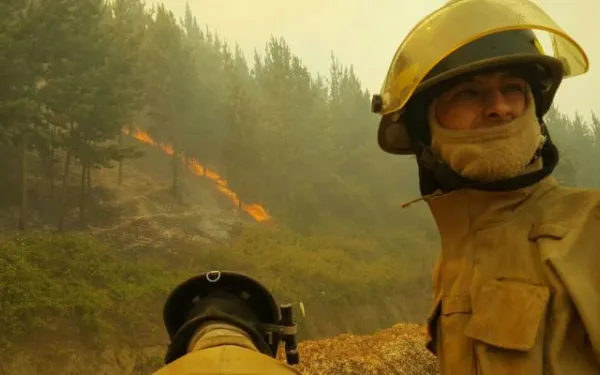
Why Chile is burning and what we can do about it
Uncontrollable wildfires in Chile have burned more than 500,000 hectares, an area three times the size of Mexico City. With each day that passes, the figure grows. It’s the worst environmental catastrophe the country has seen. Eleven people have died and nearly 4,000 have been affected. The flames have engulfed at least six of Chile’s 15 regions. Causes of the tragedy Much has been said about what could have started these voracious fires. Below is a compilation of the various causes, in hopes that understanding them may help us avoid and better control such fires in the future: Climate change. With the extreme changes in climate, temperatures have risen, causing an eight-year-old drought in the center of the country. This reality has enabled the fulfillment of the so-called “30-30-30” rule, which facilitates the perfect scenario for wildfires: a temperature of 30 degrees Celsius, 30 percent humidity, and winds of 30 kilometers per hour. The human factor. According to the National Forestry Corporation (CONAF), the organization responsible for fighting wildfires in Chile, the vast majority of fires are actually caused by human neglect. In this case, there have been indications that some of the fires were started intentionally. Forest plantations. This cause has the deepest roots. In the central and southern regions of the country, forest plantations have been replacing native forest. That means heterogeneous and biodiverse forests have been transformed into thousands of hectares of one single species, eliminating the natural barriers against fire. These monocultures, mostly pine and eucalyptus, quickly absorb large amounts of water, drying the soil around them and stifling most other life. In addition, both of these trees contain flammable elements that contribute to the spread of fire. Inadequate legislation. Decree Law 701, issued in 1974, sought to boost forestry development through economic incentives, leading to the explosion of large-scale pine and eucalyptus plantations in Chile. By financing up to 75 percent of monocultures, the decree most benefited those who already owned large tracts of land. It promoted the felling and burning of native forest to replace it with monocultures of exotic species. High voltage cables. When passing over forests, these cables generate high-temperature heat waves. If a branch falls on a cable, it can easily cause a fire. Lack of prevention and preparedness. The factors mentioned above were all known realities; the risk of the current fires was latent. More should have been done to prevent them, and to have been better prepared to face them. Chile has no public policy to address the issue. There is no law on fighting wildfires or confronting other such emergencies. Prevention would involve actions ranging from regulating the activities of forest companies, to implementing effective firefighting, to avoiding the accumulation of garbage in places where fires may emerge. What we can do about it Institutional and forestry planning appropriate for a changing climate. Changes in weather patterns have made wildfires far more likely to occur. For this reason, adequate plans and policies must be developed to deal with such situations, which will continue to be an underlying threat. Planning should be geared towards building a forest landscape resilient to a drier and hotter future. Strengthening firefighting capacities. The budget afforded to CONAF and the firefighting companies must be sufficient to cover the necessary equipment and human capacity needed to effectively battle such blazes. Regulations to prevent and protect. Legal measures must be taken to ensure that reforestation incorporates firebreaks and ample buffer zones around sensitive areas (villages, water sources and productive areas, among others). This reduces the ability of wildfires to progress and protects local biodiversity and ecosystem services. Impose responsibilities. The owners of forest plantations must be responsible for setting up firewalls and other safeguards, as well as for having emergency plans. Stop promoting monocultures and reestablish native forest. Because they are harmful to the environment and propagate wildfires, the State must stop encouraging monocultures and instead encourage the cultivation of diverse and native forests. Plan reforestation after the fire. Local development must be ensured throughout the process of reforestation, involving affected communities and stakeholders. Education and training of residents and local authorities. Those who live and keep watch over high-risk areas should know how to respond in the case of an emergency, and they must know how to prevent it. How YOU can help now The platform “movidos x Chile” has information on how to help those affected by the fires (donations, volunteering, etc.). The following organizations are receiving money to help victims: Desafío Levantemos Chile (includes information on how to donate from abroad). Un Techo para Chile. Hogar de Cristo. Ministry of the Interior (includes information on how to donate from abroad). The Red Cross (receives in-kind and monetary donations). There are also organizations focused on helping affected animals: Veterinary Medical College of Chile (receives in-kind and monetary donations). The website abandonados.cl (contains information on various organizations that offer help to the animals affected by the fires). Also, on this page you can find information about all the organizations and institutions that are receiving donations for both victims and animals, including locations across the country where material support can be provided.
Read more