
Project
Alberto Peña Kay
Protecting the Santurban páramo from mining's damage
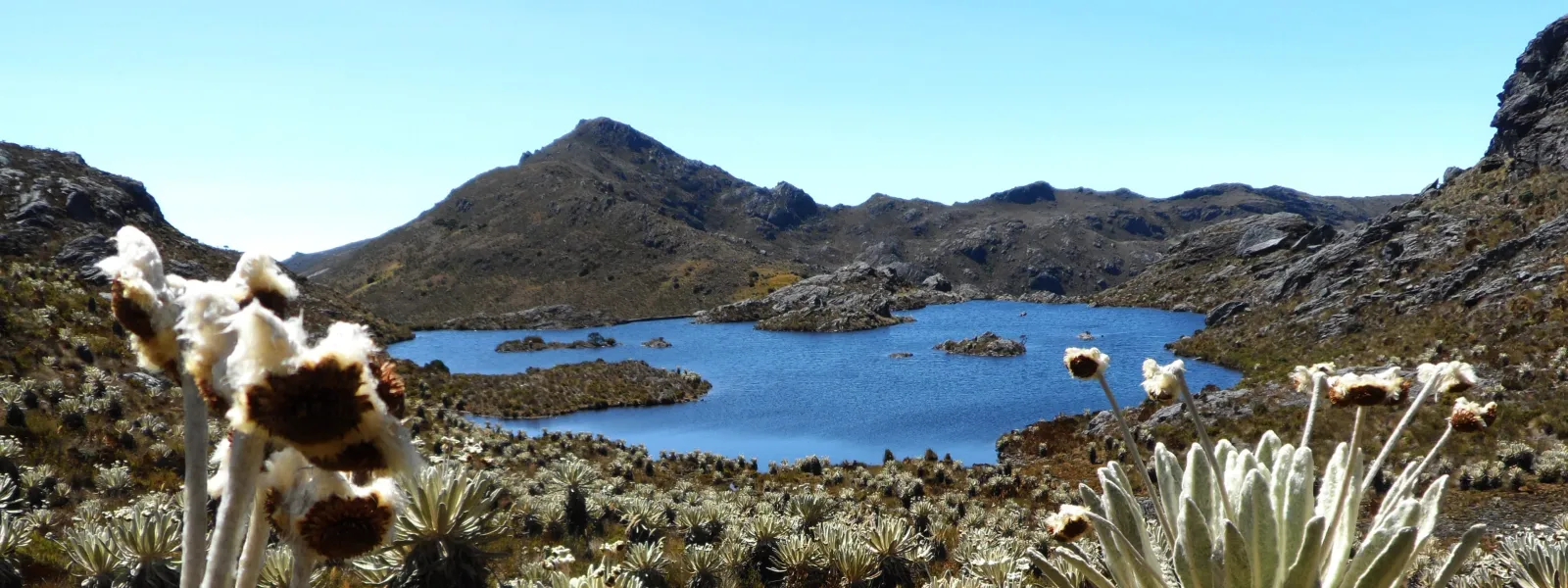
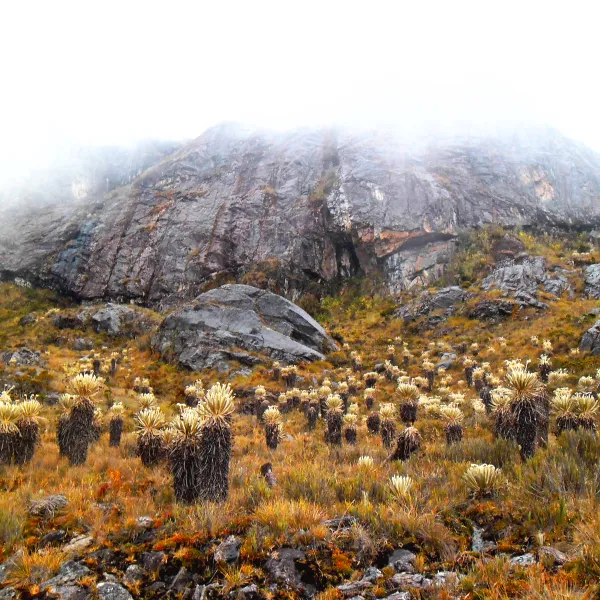
In the Andean region, high-mountain ecosystems known as páramos capture water from the fog and supply it to the lowlands. One such ecosystem is the Santurbán páramo, which provides fresh water to more than two million people in Colombia.
Santurbán, like the other páramos on the continent, also captures large amounts of carbon, making it a key ally in mitigating the climate crisis. It is also a refuge for hundreds of endangered species, including the iconic spectacled bear.
The land in and around the páramo contains gold and other minerals. This has put Santurbán in the spotlight of the multinational mining industry, which for decades has sought to establish large-scale projects in the ecosystem that threaten to degrade it.
The Committee for the Defense of Water and the Santurbán Páramo—a coalition of environmental advocates—has thwarted these ongoing attempts, with support from AIDA and other civil society organizations.
Background
The Santurbán páramo is located in the heart of the Eastern Cordillera of the Colombian Andes, in the departments of Santander and Norte de Santander, at an elevation ranging from 2,200 to 4,290 meters above sea level.
It covers an area of 129,743 hectares and is home to 57 lakes. It serves as a habitat for 457 plant species and 293 species of vertebrate fauna.
There are mineral deposits in Santurbán, primarily gold, but also silver and copper. This explains the region’s mining tradition, particularly in the part of the páramo located in Santander, in the province of Soto Norte. The communities in the area have built their culture and identity around gold mining, which is mainly artisanal and small-scale.
But since the 1990s, the gold deposits in the páramo have also attracted foreign mining conglomerates seeking to develop large-scale projects. This has raised concerns among the population that relies on the Santurbán water sources, who have mobilized in defense of water, their land, and life.
Although national and international regulations prohibit mining in páramos, the Colombian government has granted mining concessions to transnational corporations in Santurbán.
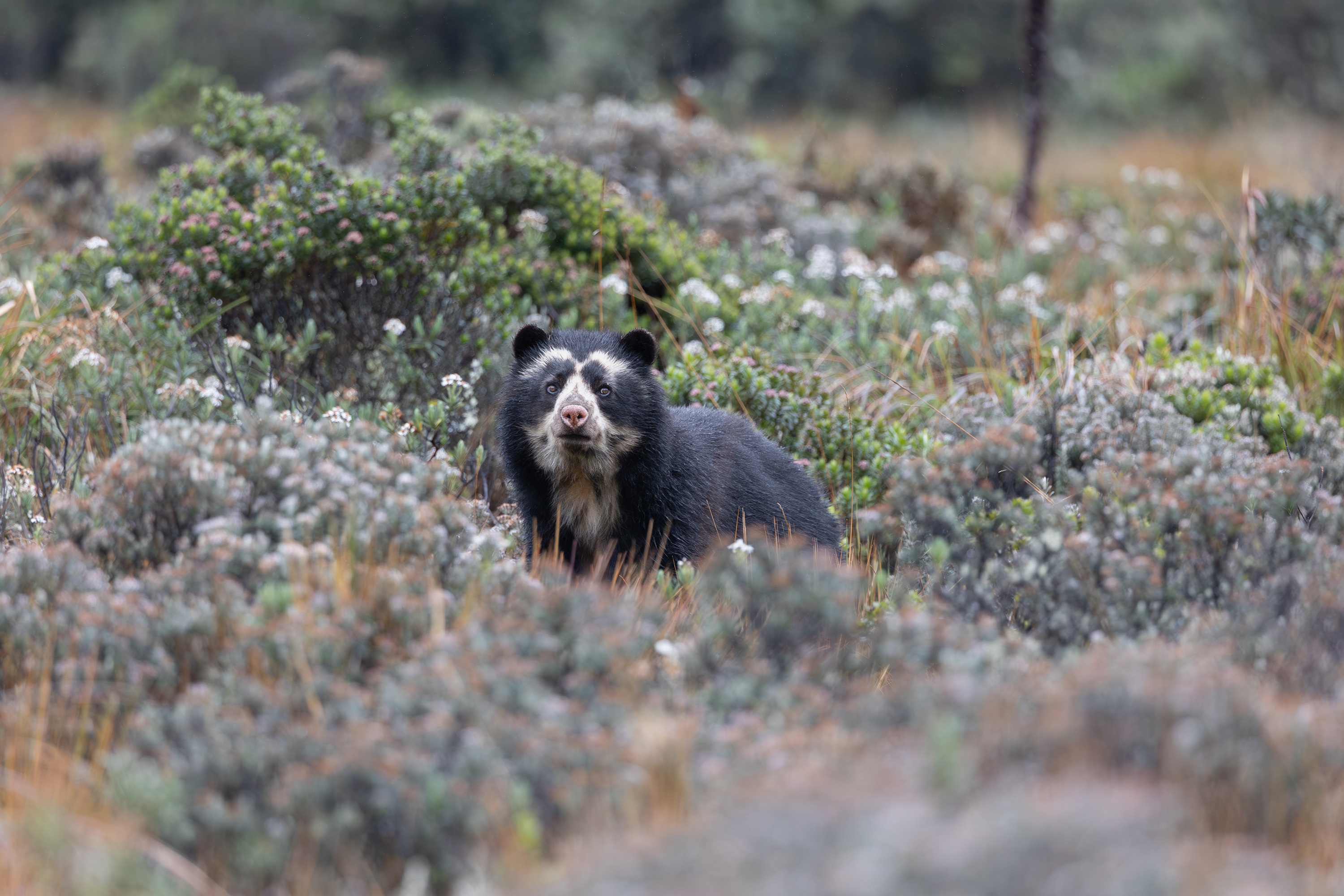
Photo: Keishpixl / Pixabay.
The long struggle to protect the páramo
One of the companies that sought to develop large-scale mining in Santurbán is Eco Oro Minerals Corp.—formerly Greystar Resources—a Canadian company that intended to establish the Angostura open-pit mine there to extract gold and silver. Between 1994 and 1995, the company acquired its mining titles and conducted exploration. And in 2010, it applied for a mining permit.
That was the year AIDA became involved in defending the ecosystem, supporting the Committee for the Defense of Water and the Santurbán Páramo. Our legal work helped convince the Colombian government to deny the mine an environmental permit in May 2011.
In January 2013, the government designated a portion of the páramo (11,700 hectares) as a Regional Natural Park. That year—together with the committee and partner organizations—we carried out a campaign and advocacy efforts to urge the government to recognize the entire Santurbán area as a páramo ecosystem through a delimitation based on scientific criteria. In December 2014, the Ministry of the Environment established a delimitation that protected 76% of the páramo (98,954 hectares).
Furthermore, as a result of a litigation supported by AIDA, in February 2016, Colombia’s highest court reaffirmed that mining in páramos is prohibited.
That same year, in December, the International Finance Corporation (IFC), the World Bank Group’s private sector arm, decided to divest from Eco Oro Minerals. This achievement was the result of a process that began in 2012, when the committee—advised and supported by AIDA and international partner organizations—filed a complaint before an independent accountability mechanism, which concluded that the IFC’s investment in the Angostura project failed to take into account the project’s social and environmental impacts, thereby contradicting the financial institution’s internal policies.
Also in 2016, Eco Oro Minerals filed an arbitration claim against the Colombian government with the International Centre for Settlement of Investment Disputes (ICSID), arguing that it had been adversely affected by government decisions aimed at protecting the country’s páramos, including the delimitation of Santurbán.
In 2017, the Constitutional Court invalidated the delimitation because the affected communities were not consulted. The high court ordered that a participatory delimitation be carried out.
And that year, a new threat to Santurbán emerged when the Canadian multinational Aris Mining applied for an environmental permit for Soto Norte, a gold mining project located near the páramo. Following citizen protests and technical objections, in October 2020, the National Environmental Licensing Authority shelved the project.
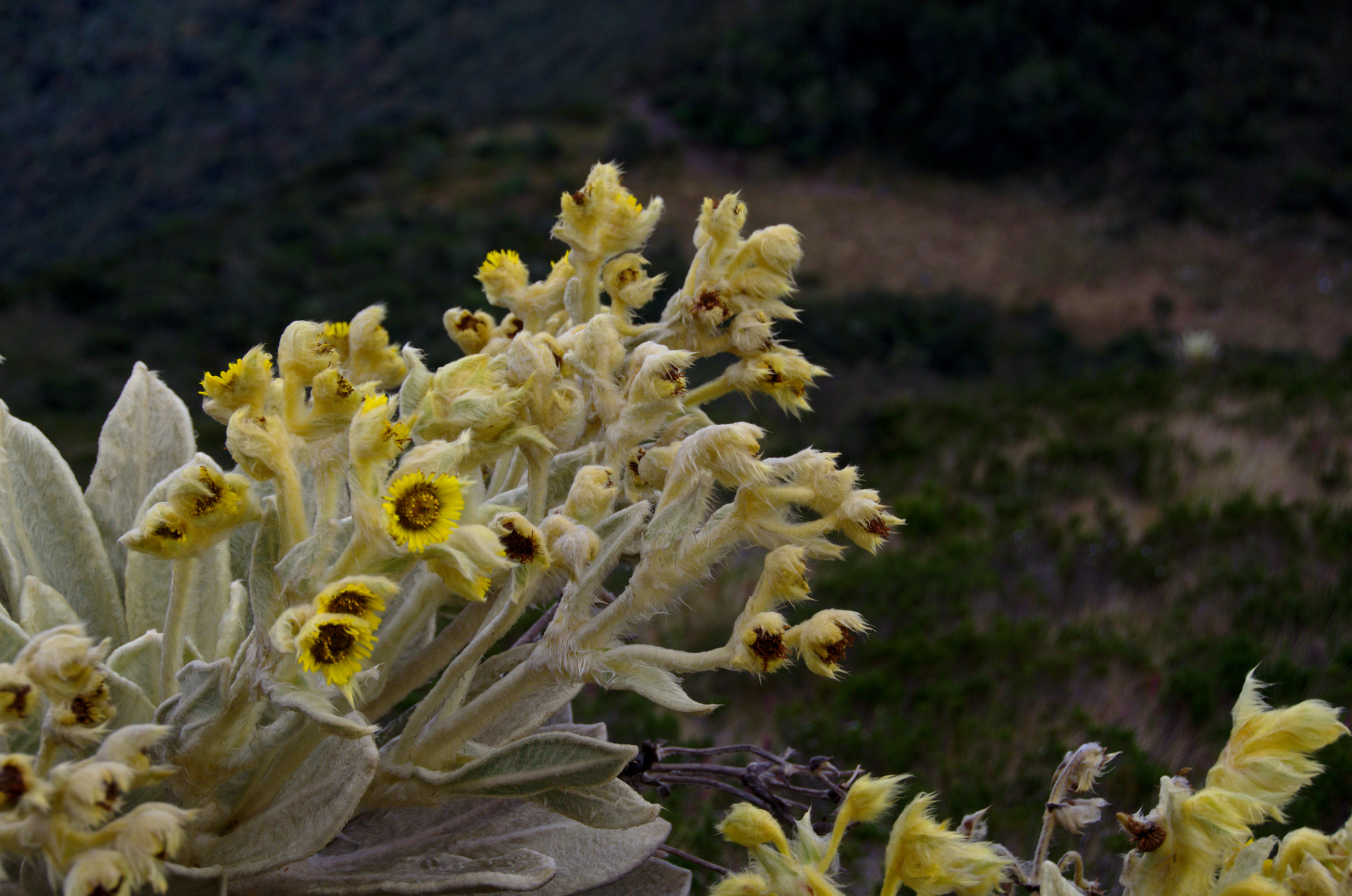
Photo: Aztlec.
Current situation
In March 2025, the Colombian government designated the western flank of the Santurbán massif as a temporary renewable natural resource reserve area, delimiting and protecting an area of 75,344.65 hectares. This resulted in a two-year suspension of the Soto Norte project. However, Aris Mining's contract to formalize Calimineros' small-scale mining activities through the purchase and processing of mineralized material remains in effect.
In addition, the Canadian mining company continues to move the project forward. In September 2025, it released its prefeasibility study, revising the mine’s original design.
Meanwhile, members of the Committee for the Defense of Water and the Santurbán Páramo face threats and stigmatization because of their work. In March 2025, UN Special Rapporteurs and the Working Group on Business and Human Rights denounced these incidents in communications sent to the governments of Colombia, Canada, and the United Arab Emirates, as well as to the companies Aris Mining and MDC Industry Holding Company LLC, the former co-owner of the Soto Norte project.
Regarding the arbitration claim filed by Eco Oro Minerals, in July 2024, ICSID ruled in favor of the Colombian government and rejected the Canadian company’s claim for USD 1.1 billion in compensation.
Concerning the delimitation of Santurbán, in July 2026, the Ministry of the Environment issued a resolution introducing the concept of "progressive delimitation." On that basis, the government proposes to progressively demarcate the páramo, covering 29,199 hectares across 19 municipalities—those where the participatory agreements required by the Constitutional Court in its 2017 ruling have already been finalized. It also proposes two measures on the creation and expansion of reserves to restrict mining in the ecosystem.
Learn more about the impacts of mining on the páramos of Latin America (in Spanish).
Partners:
Related projects
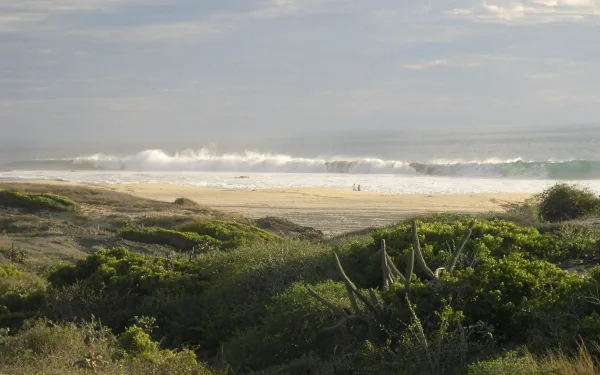
Letter to OAS Member States on the Financial Crisis at the IACHR
AIDA joins more than 300 organizations in calling on Member States of the Organization of American States to act swiftly in the face of the financial crisis affecting the Inter-American Commission on Human Rights. Our letter calls for urgent action to guarantee the immediate funding of the important human rights institution, as well as for the creation of a sustainable fund to guarantee ongoing financing. Read it below: OAS Member States, The Coalition for Human Rights in the Americas, and the members of other regional and global networks from civil society, express our deep concern over the severe financial crisis currently affecting the Inter-American Commission of Human Rights (IACHR). We endorse this statement in order to appeal all Member States of the Organization of American States (OAS) to take the necessary actions to guarantee the immediate and proper funding of the IACHR in order to fulfill its mandate. In addition, we urgently call for the creation of a sustainable fund to finance the Organs of the Inter-American Human Rights System (IHRS), in order to address the precarious situation, which both the Commission and Inter-American Court of Human Rights have been going through since in the last few years. The Inter-American Commission is mandated to promote the observance and protection of human rights in the Americas, and acts as a consultative organ to the OAS in this area. It is the only regional mechanism that supervises the obligations of all Member States of the OAS in this area, and constitutes the last resort for defending against violations of fundamental rights in the continent. The IACHR is an international referent, due to its great labour of protecting thousands of human rights defenders, who live threatened and criminalized in the Americas. This organ watches over the indigenous people and afro-descendant people’s rights, women and children, and the LGTBI community rights as well, among other vulnerable populations. The role of the IACHR, not only in the area of human rights protection, but also in the implementation of measures to promote their accomplishment, affects almost a billion people across the region. In spite of that, the Inter-American Commission has historically suffered from a structural lack of funds, which are currently reaching the point of effectively compromising the Commission's ability to fulfill its basic functions, including its mandate assigned by the OAS Member States. The Commission itself has announced that on July 31st of 2016 the contracts of 40 percent of its personnel will expire, and at this time the Commission does not have the funds—or the expectation of receiving the funds—to be able to renew them. In addition, the IACHR has reported that it has been forced to suspend the country visits it had planned for this year, as well as the 159th and 160th Period of Sessions, which had been scheduled for July and October of this year. In contrast with other human rights protection organs, either national or international, the financing received by the IACHR from the regular OAS fund, meaning from the Member States, is contradictory with the countries' wish to aspire to build a more democratic region. In 2016, the regular budget provided by the fund was around $5,4287.9 million dollars, which is 6.44 percent of the annual budget of the OAS – by comparison, the Council of European member States provides 41.5 percent of its annual budget to the promotion and protection of human rights. Even though the OAS General Assembly has approved in the past resolutions committing to address this matter, these changes have not materialized with the required increase of resources, that would allow both the Commission and Court – whose budget will be reduced in a third part by the end of the year, if nothing changes – to have with the proper funding to successfully fulfill their mandates. In addition, the aim of this petition is not only for the IACHR to be able to carry out with the scheduled activities for the current year, to renew the contracts of 40 percent of its staff and to conduct the 159th and 160th Period of Sessions, but also to create a structure for this purpose that converts the funding of those organs into a sustainable practice, significantly increasing the budget that the OAS provides to the Inter-American Human Rights System. The signing Civil Society organizations see in this crisis a unique opportunity to reinforce the OAS Member States' commitment to human rights in the continent. This is why we call on countries to figure out how to secure a strong and stable funding structure, which effectively guarantees the protective devices and tools that the ISHR provides to millions of people in the Americas.
Read more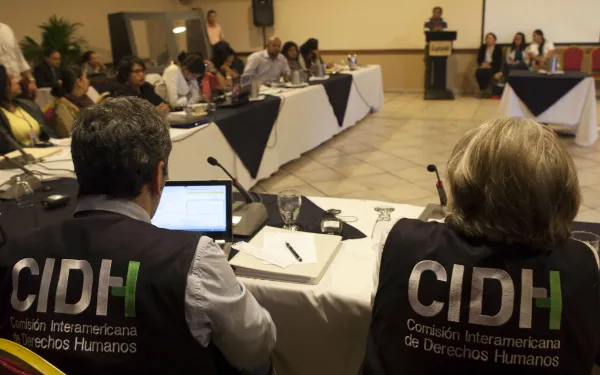
Statement of AIDA, APRODEH and Justiça Global on the financial crisis affecting the Inter-American Commission on Human Rights (IACHR)
The organizations decry the affront to human rights in the region and urges members of the Organization of American States to fulfill their responsibility to adequately fund the Commission. Washington, DC, USA. The Inter-American Commission on Human Rights (IACHR) announced yesterday that a grave financial crisis has led to the suspension of site visits, the cancellation of hearings, and the imminent loss of 40 percent of its staff. The Commission is an autonomous organ of the Organization of American States (OAS). Its mandate is to promote the protection of human rights on the American continent. Together with the Inter-American Court on Human Rights, it forms the Inter-American System for the Protection of Human Rights, which is often the last hope for people and communities whose human rights have been violated and who have failed to find justice in their own country. The Commission called upon OAS Member States to provide funds promised for its operation, and to adopt “a historic and far-reaching decision, one that reflects the States’ commitment to the defense of human rights in the region” at the General Assembly in June. In response to this urgent situation, the Interamerican Association for Environmental Defense (AIDA), the Asociación Pro Derechos Humanos (APRODEH) from Peru and Justiça Global from Brazil, stated: “The imminent loss of nearly half the Commission’s staff is a serious threat to human rights in the region and reflects the lack of political will of Member States to support the Inter-American Commission’s mandate. “Thousands of victims of human rights violations in the hemisphere have placed their trust and their last hopes for justice in the Commission. This is the case for people poisoned by heavy metals in La Oroya, Peru, as well as for communities that have lost their way of life due to the Belo Monte Dam in Brazil. Both groups have cases long pending before the Commission, and bravely continue to seek justice for the violation of their rights. “By not properly financing an organization that they themselves created, the States are establishing another obstacle for these people in their search for justice. “We call on Member States of the OAS to make a voluntary emergency contribution that will allow the Commission to keep its staff, make its planned visits, and undertake the hearings planned for July and October. “The States of the region have a responsibility to the Inter-American System. It is our hope that they honor it, not through speeches and resolutions filled with good intentions, but with concrete actions and immediate financing.”
Read more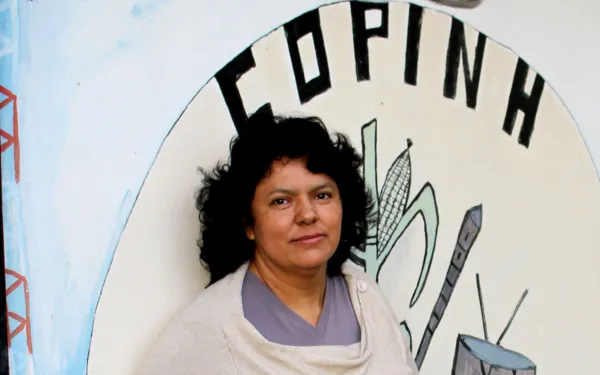
Correspondence with the World Bank Regarding Berta Cáceres and Large Dams
On May 11th, more than 300 organizations from around the world sent a letter to Dr. Jim Yong Kim, President of the World Bank, to respond to a statement he made during an event at the Union Theological Seminary in New York. In response to a question about the impacts of large dam projects as illustrated by the murder of Berta Cáceres in Honduras he stated, among other things, that “you cannot do the work we’re trying to do and not have some of these ‘incidents’ happen.” The organizations signing this letter consider these statements from the World Bank President unacceptable and urge him to immediately rectify his actions and make a public apology. Dr. Kim’s statement is available on video (minute 53). CONSULT the letter sent to the World Bank President in ENGLISH and SPANISH. On May 11th, the World Bank responded to the letter from organizations in a public brief on Honduras and indigenous peoples, which can be found on their website. On May 13th, a drafting committee from the coalition of organizations answered the World Bank, taking note of the President's condemnation of the murder of Berta Cáceres. The also noted that the reference the President of the World Bank made to the grave human rights violations caused by dams, such a involuntary displacement, is worrying and must be addressed. They reiterated the existence of alternatives to large hydroelectric projects and the need to implement such solutions. The organizations concluded: "In honor of your commitment to “hear the voices of the Berta Caceres of the world” we look forward to the World Bank Group moving towards energy alternatives that are respectful of the human rights of people and communities; that are more efficient, less expensive and actually respectful of the planet. That is the main way to achieve real prosperity for all."
Read more