
Project
Alberto Peña Kay
Protecting the Santurban páramo from mining's damage
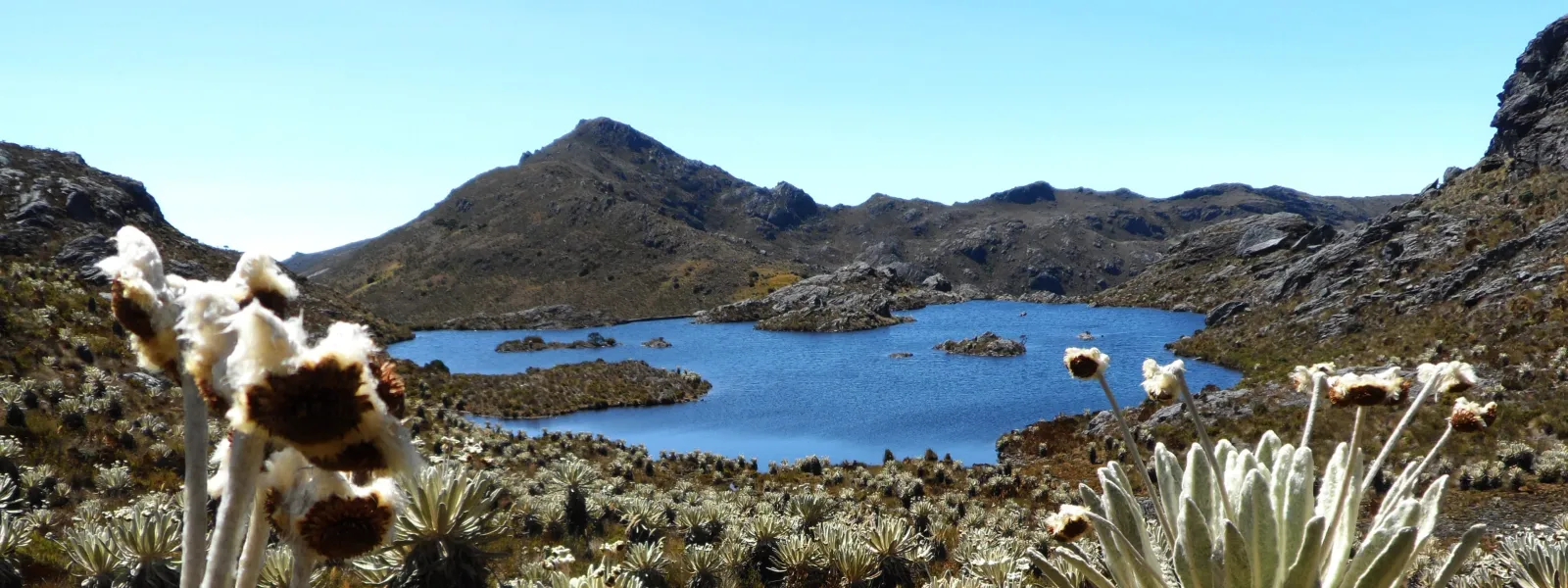
In the Andean region, high-mountain ecosystems known as páramos capture water from the fog and supply it to the lowlands. One such ecosystem is the Santurbán páramo, which provides fresh water to more than two million people in Colombia.
Santurbán, like the other páramos on the continent, also captures large amounts of carbon, making it a key ally in mitigating the climate crisis. It is also a refuge for hundreds of endangered species, including the iconic spectacled bear.
The land in and around the páramo contains gold and other minerals. This has put Santurbán in the spotlight of the multinational mining industry, which for decades has sought to establish large-scale projects in the ecosystem that threaten to degrade it.
The Committee for the Defense of Water and the Santurbán Páramo—a coalition of environmental advocates—has thwarted these ongoing attempts, with support from AIDA and other civil society organizations.
Background
The Santurbán páramo is located in the heart of the Eastern Cordillera of the Colombian Andes, in the departments of Santander and Norte de Santander, at an elevation ranging from 2,200 to 4,290 meters above sea level.
It covers an area of 129,743 hectares and is home to 57 lakes. It serves as a habitat for 457 plant species and 293 species of vertebrate fauna.
There are mineral deposits in Santurbán, primarily gold, but also silver and copper. This explains the region’s mining tradition, particularly in the part of the páramo located in Santander, in the province of Soto Norte. The communities in the area have built their culture and identity around gold mining, which is mainly artisanal and small-scale.
But since the 1990s, the gold deposits in the páramo have also attracted foreign mining conglomerates seeking to develop large-scale projects. This has raised concerns among the population that relies on the Santurbán water sources, who have mobilized in defense of water, their land, and life.
Although national and international regulations prohibit mining in páramos, the Colombian government has granted mining concessions to transnational corporations in Santurbán.
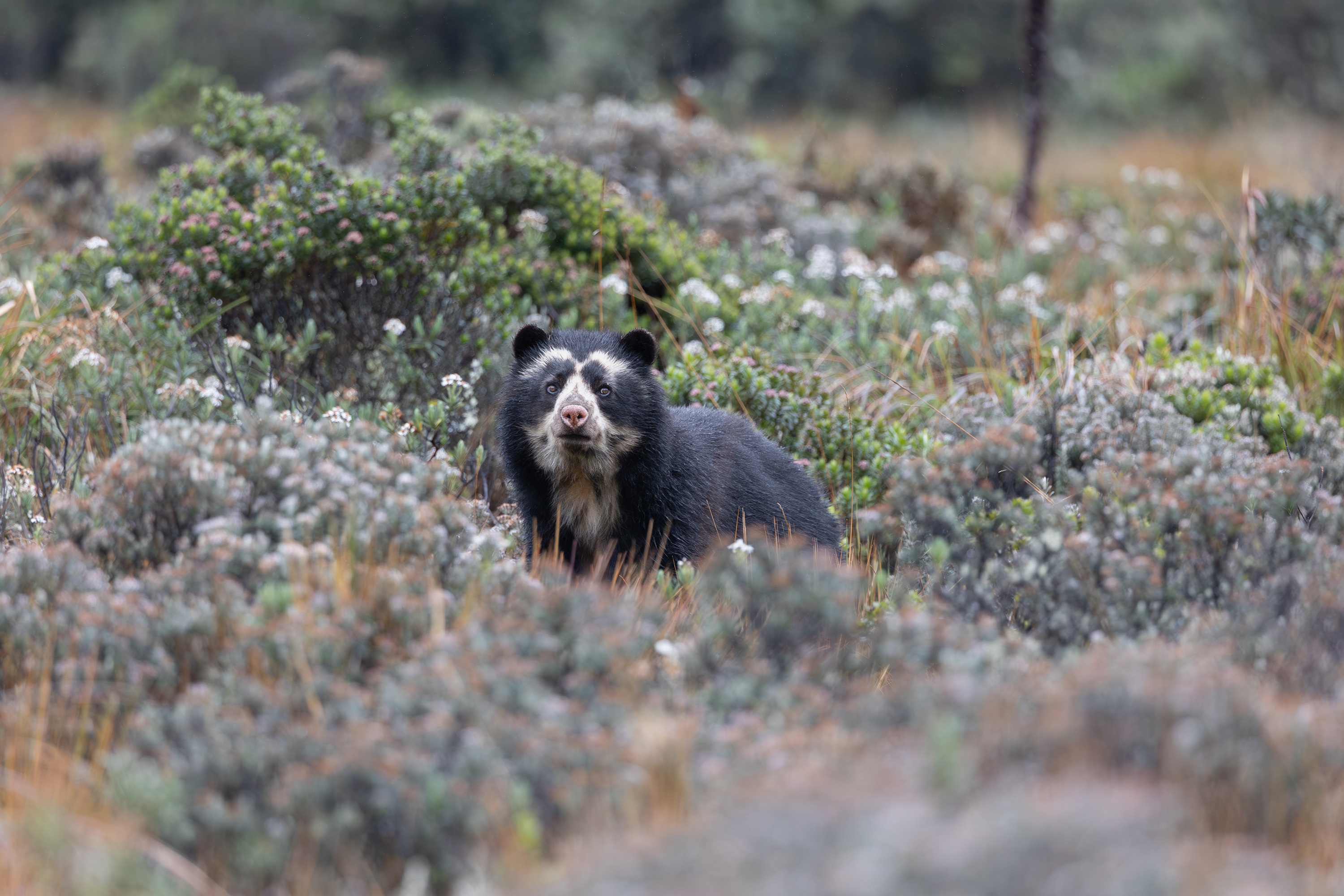
Photo: Keishpixl / Pixabay.
The long struggle to protect the páramo
One of the companies that sought to develop large-scale mining in Santurbán is Eco Oro Minerals Corp.—formerly Greystar Resources—a Canadian company that intended to establish the Angostura open-pit mine there to extract gold and silver. Between 1994 and 1995, the company acquired its mining titles and conducted exploration. And in 2010, it applied for a mining permit.
That was the year AIDA became involved in defending the ecosystem, supporting the Committee for the Defense of Water and the Santurbán Páramo. Our legal work helped convince the Colombian government to deny the mine an environmental permit in May 2011.
In January 2013, the government designated a portion of the páramo (11,700 hectares) as a Regional Natural Park. That year—together with the committee and partner organizations—we carried out a campaign and advocacy efforts to urge the government to recognize the entire Santurbán area as a páramo ecosystem through a delimitation based on scientific criteria. In December 2014, the Ministry of the Environment established a delimitation that protected 76% of the páramo (98,954 hectares).
Furthermore, as a result of a litigation supported by AIDA, in February 2016, Colombia’s highest court reaffirmed that mining in páramos is prohibited.
That same year, in December, the International Finance Corporation (IFC), the World Bank Group’s private sector arm, decided to divest from Eco Oro Minerals. This achievement was the result of a process that began in 2012, when the committee—advised and supported by AIDA and international partner organizations—filed a complaint before an independent accountability mechanism, which concluded that the IFC’s investment in the Angostura project failed to take into account the project’s social and environmental impacts, thereby contradicting the financial institution’s internal policies.
Also in 2016, Eco Oro Minerals filed an arbitration claim against the Colombian government with the International Centre for Settlement of Investment Disputes (ICSID), arguing that it had been adversely affected by government decisions aimed at protecting the country’s páramos, including the delimitation of Santurbán.
In 2017, the Constitutional Court invalidated the delimitation because the affected communities were not consulted. The high court ordered that a participatory delimitation be carried out.
And that year, a new threat to Santurbán emerged when the Canadian multinational Aris Mining applied for an environmental permit for Soto Norte, a gold mining project located near the páramo. Following citizen protests and technical objections, in October 2020, the National Environmental Licensing Authority shelved the project.
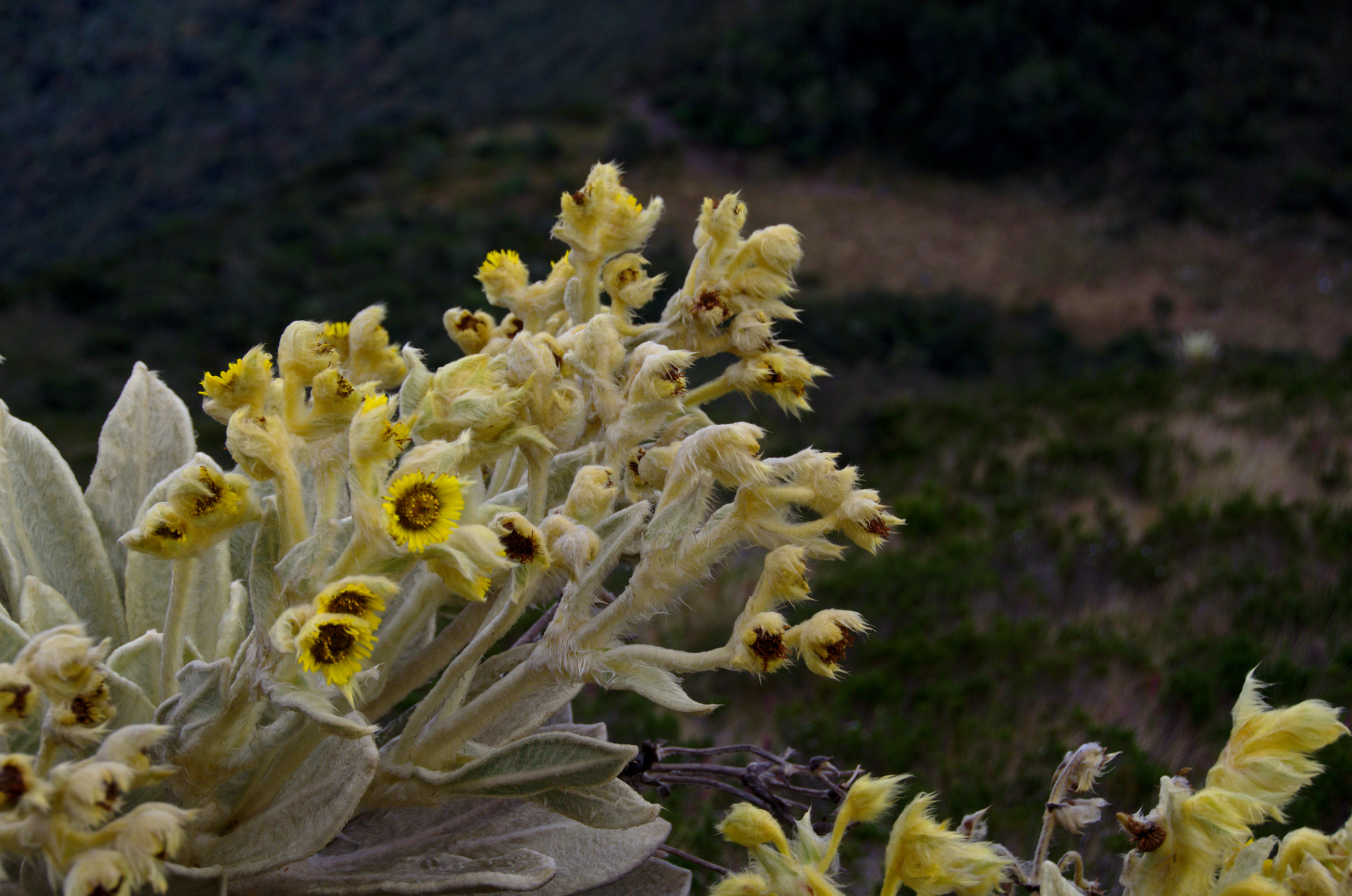
Photo: Aztlec.
Current situation
In March 2025, the Colombian government designated the western flank of the Santurbán massif as a temporary renewable natural resource reserve area, delimiting and protecting an area of 75,344.65 hectares. This resulted in a two-year suspension of the Soto Norte project. However, Aris Mining's contract to formalize Calimineros' small-scale mining activities through the purchase and processing of mineralized material remains in effect.
In addition, the Canadian mining company continues to move the project forward. In September 2025, it released its prefeasibility study, revising the mine’s original design.
Meanwhile, members of the Committee for the Defense of Water and the Santurbán Páramo face threats and stigmatization because of their work. In March 2025, UN Special Rapporteurs and the Working Group on Business and Human Rights denounced these incidents in communications sent to the governments of Colombia, Canada, and the United Arab Emirates, as well as to the companies Aris Mining and MDC Industry Holding Company LLC, the former co-owner of the Soto Norte project.
Regarding the arbitration claim filed by Eco Oro Minerals, in July 2024, ICSID ruled in favor of the Colombian government and rejected the Canadian company’s claim for USD 1.1 billion in compensation.
Concerning the delimitation of Santurbán, in July 2026, the Ministry of the Environment issued a resolution introducing the concept of "progressive delimitation." On that basis, the government proposes to progressively demarcate the páramo, covering 29,199 hectares across 19 municipalities—those where the participatory agreements required by the Constitutional Court in its 2017 ruling have already been finalized. It also proposes two measures on the creation and expansion of reserves to restrict mining in the ecosystem.
Learn more about the impacts of mining on the páramos of Latin America (in Spanish).
Partners:
Related projects

Open Letter on Mining to Canadian Prime Minister Trudeau
Excerpt: As activists, Latin American organizations and networks, along with international groups and organizations that have partners in Latin America, we are aware of and concerned about the human rights violations committed by Canadian mining companies operating in the region. On the basis of our experience, we offer the following observations and recommendations, as we share certain universal principles of human rights and justice that transcend borders. ... In light of early indications of concern for human rights from your administration, we urge the adoption of workable measures to promote legislative and administrative reforms that will more effectively regulate the operations of Canadian mining companies around the world. In particular, we recommend an immediate change in existing policies in order to: Ensure Canadian mining companies operating in Latin America do so in conformity with the international human rights standards established in treaties, which apply to both host countries and to Canada. In recognition of the increasing number of mining conflicts in the region, it is vital that the Canadian government and Canadian mining companies respect the rights of Indigenous communities to self- determination and to free, prior, and informed consent before any mining activities are undertaken on their territories. Respect the decisions of numerous communities, Indigenous and non-Indigenous, who have said no to large-scale mining because of its severe damaging impacts on the environment and social wellbeing. Implement the recommendations made by the Standing Committee on Foreign Affairs and International Trade in 2005. End Canadian intervention and the provision of any kind of governmental support, be it through overseas development aid, trade, and investment agreements, public financing or technical assistance, or diplomacy that seeks to influence the adoption or modification of regulatory frameworks in recipient countries for extractive projects. Incorporate international human rights and transparency standards in the regulation of credit agencies and public and private investment that finance extractive activities and impose safeguards on companies that receive state subsidies. Guarantee effective access to Canadian courts so that victims of human rights violations caused by Canadian businesses abroad can obtain justice, truth, and reparations. Create objective and impartial mechanisms to effectively monitor and investigate complaints of individual and collective human rights violations in connection with Canadian mining companies abroad. These mechanisms should be designed in conformity with the Paris Principles regarding the status and functions of national human rights institutions. End the pursuit of free trade and investment agreements that favor the protection and promotion of Canadian mining companies over individual and collective human rights, as well as environmental protection. Refrain from promoting international arbitration mechanisms, which is a powerful tool to shield foreign investments that profit from the absence of effective accountability measures aimed at preventing human rights violations. After many years of a lack of will to dialogue and an absence of critical self-evaluation by previous governments, we are hopeful that your commitment to human rights will lead to measures that hold state agencies and corporations to account and prevent further abuses by Canadian mining companies operating abroad. Such measures would earn Canada greater recognition as a nation that respects human rights.
Read more
Photo Essay: Life in the shadow of Belo Monte
By Anna Miller, AIDA writer Deep in the Amazon in north Brazil, the world’s third largest dam towers over a once lush jungle landscape. In its far-reaching shadow live the indigenous and riverine communities who have long called the region home. They are people who have lived and grown by the bounty of the forest and the Xingu River. For most, the natural world that surrounds them is inseparable from their definition of home. But that home is changing rapidly. As the Belo Monte Dam begins operations, and its floodgates open, their world is looking and feeling very different. Large stretches of jungle have been flooded, islands completely submerged. The fish are dying, the wildlife scared away. Families have been separated, and entire communities forced from their land. The shadow cast by Belo Monte is long, and it is dark. The lifestyle of the people of the Xingu river basin has been drastically changed without their consent. Their basic human rights have been violated time and time again. The operating company’s attempts at compensation would be laughable, if they weren’t so heartbreaking. The photos that follow depict people and communities who are living amid the volatile realities of this once peaceful patch of rainforest. They are victims of the corruption, violence and abuse that have come to envelop the largest engineering project in Brazil’s history. The Xingu River is dying. Arapujá Island, visible from Altamira, has been completely stripped of life, causing radical change in river currents. Smaller islands where fishermen lived surrounded by fruit trees have been submerged by rising water levels, as the dam’s reservoirs are filled. On one day in January, the Belo Monte dam opened its floodgates without warning; the river is said to have risen more than 20 feet in an hour. Massive amounts of fish have been dying off; locals say Norte Energía even has cleanup crews that bury them, to hide the scale of the daily devastation. Downstream from the dam, the flow of the river at the Big Bend is reducing drastically; the water is becoming muddy and deoxygenated. Communities near and far—from indigenous people to riverine fishermen—are suffering the impacts, as their lives are torn from the river they know so well. As the Xingu dies, they too lose their lives—for the river itself has long been their home, their source of food and livelihood. The construction of Belo Monte has had severe impacts on the natural world, which has long been the primary food source for jungle communities. Tribes who have lived a subsistence lifestyle are finding the river and the jungle they rely on aren’t producing enough, or are too contaminated, to feed their families. Indigenous people have been driven into the nearest city, Altamira, to meet their basic needs. Some go to buy food or go to the doctor; others have succumbed to the struggle and left their village entirely. Many who come to Altamira stay at Casa Do Indio, a house built as a shelter for the recent influx of indigenous peoples. There, they stay in overcrowded rooms, lacking proper sanitation and endangering their health. Far from their homes, stripped of their dignity, they are confronted with the harsh realities of a violent and overcrowded city. As the city closest to Belo Monte, Altamira has undergone drastic changes due to the dam’s construction. Since the project began, the city’s population has grown by nearly 75 percent; 170,000 people are currently living in a city designed for far fewer. Violence has skyrocketed and entire neighborhoods have been destroyed, displacing residents and demolishing longtime family homes. Even neighborhoods Norte Energía claimed would be unaffected by the dam are experiencing its impacts. The rapid growth has wreaked havoc on the city’s sewage system. Belo Monte’s operators have implemented no water or sewage treatment solutions whatsoever, and the entire city is suffering from a lack of basic sanitation. As a result, muddied and flooded streets are widespread. People are demanding answers from Brazil’s Environmental Authority, and from Norte Energía. But they’re left with only questions. The impacts of Belo Monte are not just forcing people from their land; they are tearing people away from each other. As homes are destroyed, and entire villages relocated, the individuals ripped from their lives are struggling to adapt. Communities are losing touch with their traditions; daughters are losing touch with their mothers. Karoline grew up in a rural community surrounded by her family and the rich natural world she remembers so fondly. When her family had to leave their land behind, they didn’t have many options, and were forced to split up. Her parents went to stay with relatives, and Karoline and her sister left for Altamira. Seeking opportunities, education, employment, they too have since parted ways. As a teenager, Karoline is on her own now, far from home. As a requirement of the project’s implementation, Norte Energía must comply with certain conditions, designed to benefit affected communities. They have been implemented in different forms for different situations, none of which could be described as full, adequate or culturally respectful. The Arara da Volta Grande is one of the communities that will be most impacted by Belo Monte. They live on the Big Bend of the Xingu, where the flow of the river has been substantially reduced. To compensate the community for changes to their way of life, Norte Energía is building them “better” houses. Though still within their territory, the structures are located away from the river. They are made of cement and have thick roofs that trap the jungle heat inside each little box. They are a far cry from the wooden, open, thatch-roofed homes traditional to the Arara’s culture and community. Instead of providing the Arara people with a functioning well to provide clean water, Norte Energía has given the community houses they don’t know how to live in; houses that, each and every day, would pull them further away from where they’ve always been. When we talk to members of the indigenous and riverine communities surrounding Belo Monte, we listen to the same answers to many of our questions. The dam is disrupting their way of life. It’s cutting them off from the natural world around them. It’s threatening their culture, their traditional knowledge and the very structure of their communities. Leoncio Arara, a traditional healer from the Arara da Volta Grande, says he now lives in fear. Fear of the dam breaking, of the water rushing down and flooding his home and his community; fear of the fish dying, of the clean water drying up; fear of the dissipation of his culture and the disappearance of his people, who have lived on and with this land for generations. In the once-lush jungle surrounding the massive Belo Monte dam, we see injustice everywhere we look. We see displacement and environmental devastation. What we don’t see is accountability. That’s why we've taken the case to the Inter-American System of Human Rights to have Brazil respond on an international level to the allegations of human rights violations stemming from the construction of the Belo Monte Dam. We’re dedicated to this struggle and we won’t rest until the people we represent, and all those whose lives have been affected by Belo Monte, see justice.
Read more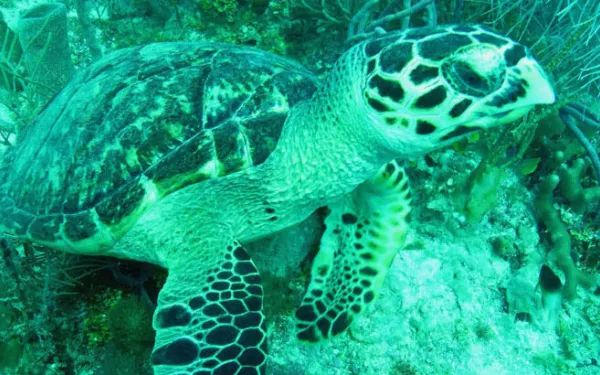
Mexico protects loggerhead turtles from the Don Diego mine
AIDA celebrates SEMARNAT’s decision to deny the environmental authorization of a marine phosphate mine proposed for Ulloa Bay, Baja California Sur. They found the measures the operating company presented to safeguard sea turtles are based on inconsistent information. Mexico City, Mexico. The Secretary of Environment and Natural Resources (SEMARNAT) placed the protection of the loggerhead turtle, a threatened species, above the economic benefit of the Don Diego marine phosphate mine, proposed for Ulloa Bay in Baja California Sur. The environmental authority denied the authorization of the project proposed by Exploraciones Oceánicas after finding that the measures presented by the company for protecting loggerheads are based on inconsistent information. The Interamerican Association for Environmental Defense (AIDA) applauds SEMARNAT’s decision, which states that the economic benefits of the project “cannot prevail over the protection of the natural resources of Ulloa Bay,” especially when some of those, like the loggerhead turtle (Caretta Caretta), “are threatened species subject to strict standards of protection.” According to the Secretariat, it’s not easy to harmonize the safeguarding of sea turtle populations with an activity “that adds to existing anthropogenic pressure (resulting from human activity) in the area and increases the risk of extinction of the species, which is internationally recognized” (pg. 232 of SEMARNAT’s decision). AIDA presented arguments to SEMARNAT about the international obligations that Mexico would breach upon authorizing the project, as well as the insufficient information with which the company evaluated the environmental impact of the mine on marine ecosystems, and on which mitigation measures were based. According to the Secretariat, Exploraciones Oceánicas proposed a program for the monitoring of sea turtles that could better be described as one of “rescue,” which is not based on quantitative data of the loggerhead habitat. In addition, the company did not present prevention and mitigation measures to guarantee the availability of sufficient food, and its model for restoration of the seabed—which it seeks to dredge to extract phosphate—does not take into account the particular characteristics of Ulloa Bay (pgs. 225 and 226). SEMARNAT relied upon international standards to deny Don Diego’s environmental authorization. They drew upon Mexico’s obligations to protect its marine environment and to use the best possible scientific information in the protection of sea turtles, contained, respectively, in the United Nations Convention on the Law of the Sea (CONVEMAR) and the Inter- American Convention for the Protection and Conservation of Sea Turtles (CIT). More information 10 Things You Should Know About Don Diego
Read more