
Project
Alberto Peña Kay
Protecting the Santurban páramo from mining's damage
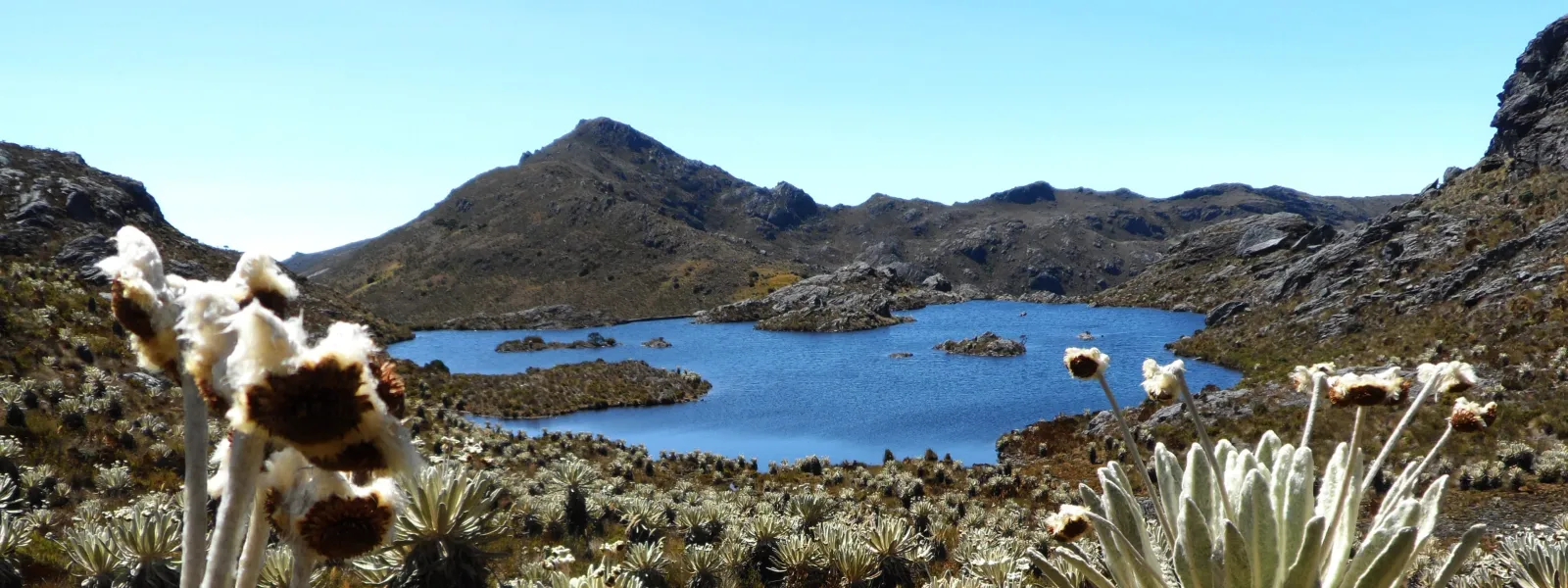
In the Andean region, high-mountain ecosystems known as páramos capture water from the fog and supply it to the lowlands. One such ecosystem is the Santurbán páramo, which provides fresh water to more than two million people in Colombia.
Santurbán, like the other páramos on the continent, also captures large amounts of carbon, making it a key ally in mitigating the climate crisis. It is also a refuge for hundreds of endangered species, including the iconic spectacled bear.
The land in and around the páramo contains gold and other minerals. This has put Santurbán in the spotlight of the multinational mining industry, which for decades has sought to establish large-scale projects in the ecosystem that threaten to degrade it.
The Committee for the Defense of Water and the Santurbán Páramo—a coalition of environmental advocates—has thwarted these ongoing attempts, with support from AIDA and other civil society organizations.
Background
The Santurbán páramo is located in the heart of the Eastern Cordillera of the Colombian Andes, in the departments of Santander and Norte de Santander, at an elevation ranging from 2,200 to 4,290 meters above sea level.
It covers an area of 129,743 hectares and is home to 57 lakes. It serves as a habitat for 457 plant species and 293 species of vertebrate fauna.
There are mineral deposits in Santurbán, primarily gold, but also silver and copper. This explains the region’s mining tradition, particularly in the part of the páramo located in Santander, in the province of Soto Norte. The communities in the area have built their culture and identity around gold mining, which is mainly artisanal and small-scale.
But since the 1990s, the gold deposits in the páramo have also attracted foreign mining conglomerates seeking to develop large-scale projects. This has raised concerns among the population that relies on the Santurbán water sources, who have mobilized in defense of water, their land, and life.
Although national and international regulations prohibit mining in páramos, the Colombian government has granted mining concessions to transnational corporations in Santurbán.

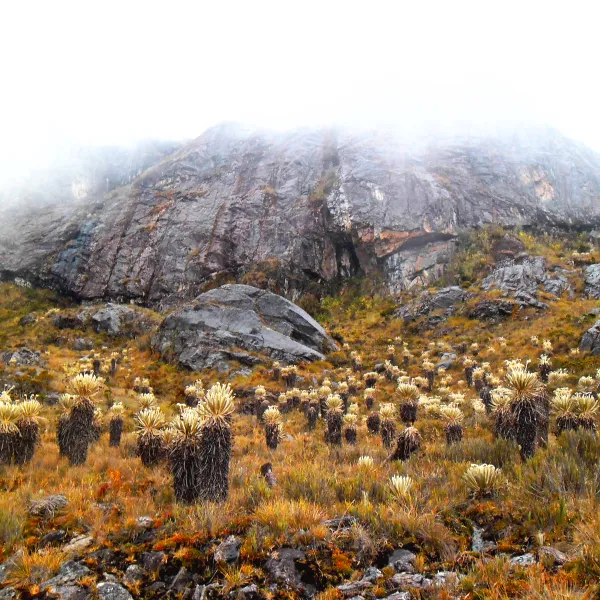
Photo: Keishpixl / Pixabay.
The long struggle to protect the páramo
One of the companies that sought to develop large-scale mining in Santurbán is Eco Oro Minerals Corp.—formerly Greystar Resources—a Canadian company that intended to establish the Angostura open-pit mine there to extract gold and silver. Between 1994 and 1995, the company acquired its mining titles and conducted exploration. And in 2010, it applied for a mining permit.
That was the year AIDA became involved in defending the ecosystem, supporting the Committee for the Defense of Water and the Santurbán Páramo. Our legal work helped convince the Colombian government to deny the mine an environmental permit in May 2011.
In January 2013, the government designated a portion of the páramo (11,700 hectares) as a Regional Natural Park. That year—together with the committee and partner organizations—we carried out a campaign and advocacy efforts to urge the government to recognize the entire Santurbán area as a páramo ecosystem through a delimitation based on scientific criteria. In December 2014, the Ministry of the Environment established a delimitation that protected 76% of the páramo (98,954 hectares).
Furthermore, as a result of a litigation supported by AIDA, in February 2016, Colombia’s highest court reaffirmed that mining in páramos is prohibited.
That same year, in December, the International Finance Corporation (IFC), the World Bank Group’s private sector arm, decided to divest from Eco Oro Minerals. This achievement was the result of a process that began in 2012, when the committee—advised and supported by AIDA and international partner organizations—filed a complaint before an independent accountability mechanism, which concluded that the IFC’s investment in the Angostura project failed to take into account the project’s social and environmental impacts, thereby contradicting the financial institution’s internal policies.
Also in 2016, Eco Oro Minerals filed an arbitration claim against the Colombian government with the International Centre for Settlement of Investment Disputes (ICSID), arguing that it had been adversely affected by government decisions aimed at protecting the country’s páramos, including the delimitation of Santurbán.
In 2017, the Constitutional Court invalidated the delimitation because the affected communities were not consulted. The high court ordered that a participatory delimitation be carried out.
And that year, a new threat to Santurbán emerged when the Canadian multinational Aris Mining applied for an environmental permit for Soto Norte, a gold mining project located near the páramo. Following citizen protests and technical objections, in October 2020, the National Environmental Licensing Authority shelved the project.
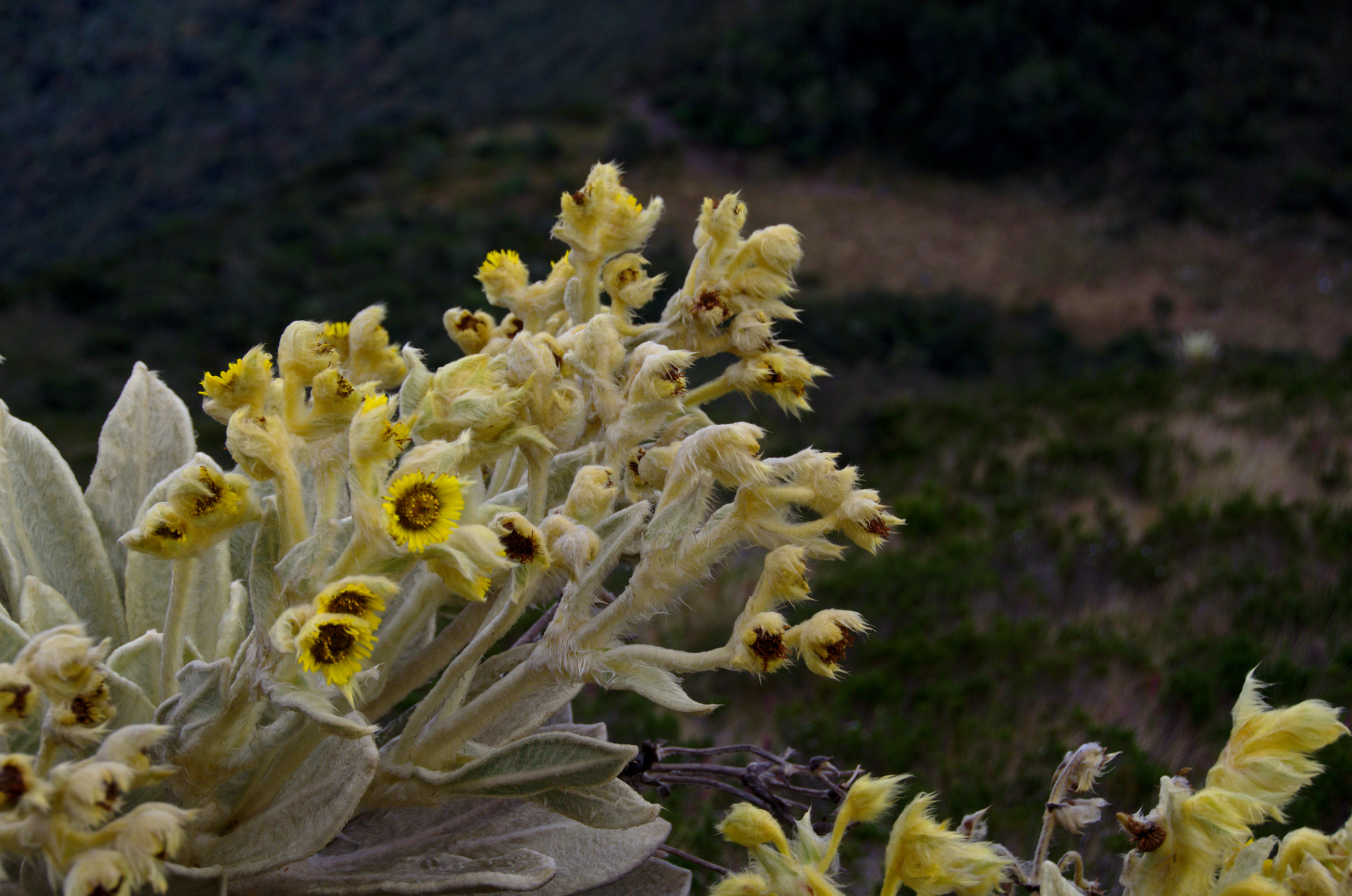
Photo: Aztlec.
Current situation
In March 2025, the Colombian government designated the western flank of the Santurbán massif as a temporary renewable natural resource reserve area, delimiting and protecting an area of 75,344.65 hectares. This resulted in a two-year suspension of the Soto Norte project. However, Aris Mining's contract to formalize Calimineros' small-scale mining activities through the purchase and processing of mineralized material remains in effect.
In addition, the Canadian mining company continues to move the project forward. In September 2025, it released its prefeasibility study, revising the mine’s original design.
Meanwhile, members of the Committee for the Defense of Water and the Santurbán Páramo face threats and stigmatization because of their work. In March 2025, UN Special Rapporteurs and the Working Group on Business and Human Rights denounced these incidents in communications sent to the governments of Colombia, Canada, and the United Arab Emirates, as well as to the companies Aris Mining and MDC Industry Holding Company LLC, the former co-owner of the Soto Norte project.
Regarding the arbitration claim filed by Eco Oro Minerals, in July 2024, ICSID ruled in favor of the Colombian government and rejected the Canadian company’s claim for USD 1.1 billion in compensation.
Concerning the delimitation of Santurbán, in July 2026, the Ministry of the Environment issued a resolution introducing the concept of "progressive delimitation." On that basis, the government proposes to progressively demarcate the páramo, covering 29,199 hectares across 19 municipalities—those where the participatory agreements required by the Constitutional Court in its 2017 ruling have already been finalized. It also proposes two measures on the creation and expansion of reserves to restrict mining in the ecosystem.
Learn more about the impacts of mining on the páramos of Latin America (in Spanish).
Partners:
Related projects

IACHR opens case against Brazil for human rights violations related to Belo Monte Dam
Para português, clique aqui Four years after civil society organizations filed their original petition, the Commission opens the case, asking the Brazilian government to respond to allegations of human rights violations stemming from the hydroelectric project under construction in the Brazilian Amazon. Washington D.C., United States. As the first reservoirs of the Belo Monte Dam are being filled, the Brazilian government is coming under fire from international organizations. On December 21, the Inter-American Commission on Human Rights (IACHR) opened a case against Brazil, which was challenged by affected communities represented by the Interamerican Association for Environmental Defense (AIDA), Justiça Global and the Sociedade Paraense de Defesa de Direitos Humanos (SDDH). After an initial review lasting four years, and several requests for fast tracking the case by the petitioners, the Commission finally determined that the petition contains sufficient grounds to open the case, which means that Brazil must respond to the claims of human rights violations caused by Belo Monte. “We hope and believe that now is the time for Brazil to respond comprehensively to our claims about: the absence of consultation and free, prior and informed consent of affected indigenous communities; the lack of participation and adequate assessment of environmental impact; and the forced displacement and violations of the rights to life, health, integrity and justice of indigenous peoples, riverine communities, and residents of the city of Altamira,” said María José Veramendi Villa, AIDA attorney. Based on Brazil’s response, the Commission will then determine if requirements have been met to have the case admitted and, if so, to establish whether or not the project caused the alleged human rights violations. “The opening of the case is, above all, a victory for the affected communities and local social movements, who have endured for all these years, and remain strong and determined in their search for justice and reparation,” said Raphaela Lopes of Justiça Global. This past November, the Brazilian Institute of the Environment and Renewable Resources (IBAMA) authorized Belo Monte’s operating license, which allowed the dam’s reservoirs to be filled. IBAMA did so despite the fact that Norte Energía, the company in charge of the project, failed to comply with the conditions necessary (potable water and sanitation, among others) to guarantee the life, health and integrity of affected populations. By opening the case for processing, the Commission is using all available tools to monitor the situation surrounding Belo Monte. Indigenous communities affected by the dam have been protected by precautionary measures that the Commission authorized in 2011, which Brazil has yet to meet. In early December, the United Nations Working Group on Business and Human Rights visited Altamira, the city closest to the Belo Monte project and one of the areas most affected by displacement and socio-environmental conflicts caused by the dam’s construction. There, they met with affected groups, among them members of indigenous and riverine communities, listening to their complaints. After their visit, the Working Group issued a statement that, among other things, urged the Brazilian government to respect human rights, not sacrifice them for economic development. The Working Group is expected to present the final report of their visit to the Human Rights Council in June 2016. It is our hope that they conduct an adequate follow-up to their visit, and that the report they produce is explicit regarding both the human rights violations surrounding Belo Monte, and the actions of the Brazilian government and the companies involved. As organizations representing the victims of Belo Monte, we will continue to press Brazil to respond to the human rights violations directly caused by the dam’s construction.
Read more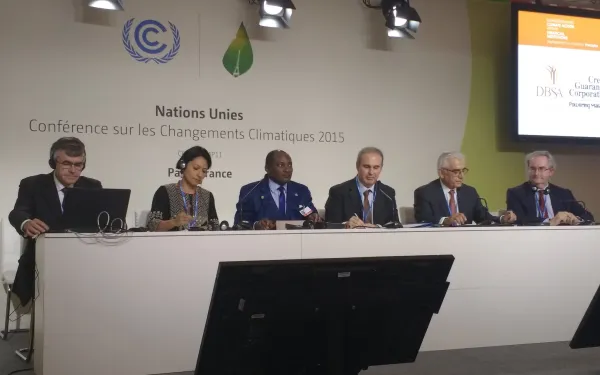
5 Recommendations for Integrating Climate Action into the Financial Sector
by Astrid Puentes Riaño This blog was produced in collaboration with Andrea Rodriguez, AIDA’s lead climate change attorney. During the Paris climate talks, I had the honor of participating in a panel on climate and the financial sector. We discussed the importance of ensuring that the fight against climate change is consciously integrated into all finance decisions. Financing is one of the primary challenges that has delayed effective worldwide progress on climate change, because many countries do not have the resources they need, and those that do have the resources haven’t contributed as much as they should. Currently, financial institutions are not providing sufficient funding to combat climate change. In fact, the majority of global resources are still invested in fossil fuels or other activities that have negative impacts on the climate. AIDA has been advocating at the highest levels to make climate finance more effective for more than five years. Our focus has been on ensuring that the allocation of climate finance is transparent, participatory, respectful of human rights, and responsive to the needs of the Global South. We have advocated for inclusion of and compliance with these principles before international and national financial institutions, as well as in a new global mechanism, the Green Climate Fund. To advance the discussion, AIDA requested a side event at the climate talks in Paris. As it turns out, a regional financial institution simultaneously requested a side event to present its voluntary principles for integrating climate change into the financial sector. Since there are thousands of requests for side-events and limited space, the Secretariat of the Convention merged the two events. This is how AIDA came to co-organize an event with a coalition of financial institutions. Although the institutions hadn’t planned to include comments from civil society in their presentation, they agreed to collaborate. This twist of fate created a great opportunity for the institutions to present their principles, and for us to provide early feedback from the point of view of civil society. Twenty-six institutions have supported the voluntary principles so far, including the Development Bank of Latin America (CAF), the European Investment Bank, the World Bank Group, and the Inter-American Development Bank. The Five Voluntary Principles, as described by the institutions, are: COMMIT to climate strategies MANAGE climate risks PROMOTE climate smart objectives IMPROVE climate performance ACCOUNT for your climate action An initial assessment Is not my intention to make a thorough analysis of the principles at this point. My goal, for the time being, is simply to ensure the principles are known, and to share with you a preliminary analysis, including our initial observations and the five recommendations that I presented at the panel. As a civil society organization, AIDA welcomes initiatives intended to advance climate action, accountability and participation. We therefore consider the voluntary principles a positive initiative from the financial sector, and a good place from which to start looking for concrete ways to integrate climate change fully into their activities. We consider mainstreaming climate finance an ongoing process, and view these principles as just one element of it. From AIDA’s perspective, the principles will actually benefit the sector, and help to decrease financial and other risks to financial institutions. If effectively implemented, the principles can help to increase climate actions while protecting communities and ecosystems, and fight poverty and inequality, two of the most important challenges facing the world. That said, improving access to information is fundamental to ensuring the principles positively impact climate change. Essential information should be made publicly available, including amounts of resources, types of activities or sectors, and projects in which financial institutions are investing. 5 Recommendations for Better Integration 1. Include a human rights perspective and incorporate social risk in assessments Financial investments that don’t incorporate human rights and social perspectives can contribute to rights violations and have severe impacts on communities. In addition to the consequences such investments have on people, they become a financial risk for the institution. Incorporating a human rights perspective in risk assessments can also help to advance goals related to fighting poverty and inequality, which are particularly applicable to public financial entities. 2. Define common concepts Concepts such as sustainable development, climate change, and climate finance can be interpreted very broadly and generate confusion. Additionally, the lack of agreement on what those concepts mean can lead, for example, to one institution considering an activity as clean or sustainable, when it is not. The definition of renewable energy is a good example. While several major financial institutions agree that large hydropower cannot be considered renewable energy, there are still some institutions that include hydropower, and even nuclear energy, projects in that definition. The inclusion of experts from the non-financial sector—particularly non-state actors—can help increase understanding of what the needs are and where investment should be enhanced or directed. 3. Create a clear, transparent and participatory road map The manner in which the voluntary principles are implemented is crucial. Therefore, a clear and measurable implementation plan is essential. It’s a good thing that the financial institutions highlighted the need to avoid duplication, and incorporate lessons learned. However, to ensure that the principles are as effective as possible, it is also important to at least incorporate experiences from existing accountability mechanisms and applications of safeguards. The current initiative considers a planning group that, as far as we understand, hasn’t been created, although there is a suggestion of how it should be formed. Aligning with the intention of the institutions to include other stakeholders, this planning group should also engage participants outside of the financial sector to increase the impact of investments. The work plan should include effective mechanisms to measure advancement, and be flexible enough to make necessary improvements. It should be seen as a dynamic process that incorporates lessons learned, not as a rigid mandate. 4. Embrace the opportunity in low-carbon economies The financial sector has a unique role to play in encouraging climate actions by helping clients avoid the same old carbon-intensive development. Financial institutions have the power to leapfrog this type of development and implement real, effective solutions for the 21st Century. They can be proactive by enhancing the capacity of other actors interested in fully integrating climate strategies into their operations. The financial sector naturally thrives from risk-taking and innovation. Low-carbon economies represent an important opportunity for growth. 5. Elevate accountability One question posed during the panel was whether or not the principles should be binding. If there is a strong willingness to implement the principles, and adequate mechanisms to measure advances and make adjustments, having a binding agreement isn’t the most important aspect. Accountability is key in this process, thus the importance of Principle Five. Climate change is the most important threat to human kind. It is an urgent matter that most profoundly impacts the world’s most vulnerable populations. There is no more time to lose. Effective actions must continue to be implemented, and the financial sector has an important opportunity to contribute to the solutions, rather than the problem. It’s time for financial institutions worldwide to walk the talk – it’s time for them to seriously commit to fighting climate change, and to start delivering results. The opportunity for us as members of civil society to sit beside representatives when they publically presented their five principles was an interesting start. Now we must follow up so that financial institutions put these principles into practice, especially Principle 5: being accountable. Building upon these comments, and providing recommendations from other stakeholders in the field, will be an important next step.
Read more
Urging the Brazilian National Development Bank to Invest Responsibly
The flow of the Xingú river in the Brazilian Amazon is diminishing to a trickle, while the rainforest around it disappears. Fish and other animals are scarcely seen, and many residents of the river communities have had to leave their homes and change their way of life forever. This devastating panorama is the result of the construction of Belo Monte dam, slated to be the third-largest dam in the world. Despite the project’s many reported irregularities, construction continues to ravage the surrounding environment. And despite the corruption and seemingly endless questions surrounding the dam, the energy company building it has had no problems obtaining funding, mostly from the Brazilian National Development Bank (BNDES). In Latin America, BNDES is more active than both the Inter-American Development Bank and the World Bank in financing large energy and infrastructure projects. BNDES does not, however, have standards that guarantee its investments do no harm to the environment and vulnerable communities; nor does it have an effective system to process the claims and complaints of those whose human rights are violated as a result. AIDA is working alongside regional organizations in Brazil to draw attention to this unacceptable situation. Too few people know about the problems caused by BNDES-supported projects, which means that society at large is not demanding accountability. To raise awareness, AIDA and allied organizations created an infographic that explains the harmful effects of BNDES investments in the region. Please help us distribute this valuable tool by sharing it with your friends! “Our work aims to influence the Brazilian National Development Bank so it becomes a positive influence in the world of energy investments. We hope they begin to respect the environment and the human rights of the people who depend on it, and enable a shift towards a truly sustainable economy,” said Florencia Ortúzar, AIDA attorney. “We want the Bank to stop funding large dams. As well as displacing entire communities of indigenous and vulnerable people, they actually contribute to climate change, because rotting vegetation in dam reservoirs releases enormous amounts of methane—a very powerful greenhouse gas. Instead of building more dams, the bank should avoid socio-environmental conflicts and positively contribute to regional efforts to adapt to and mitigate the effects of climate change.”
Read more