
Project
Alberto Peña Kay
Protecting the Santurban páramo from mining's damage
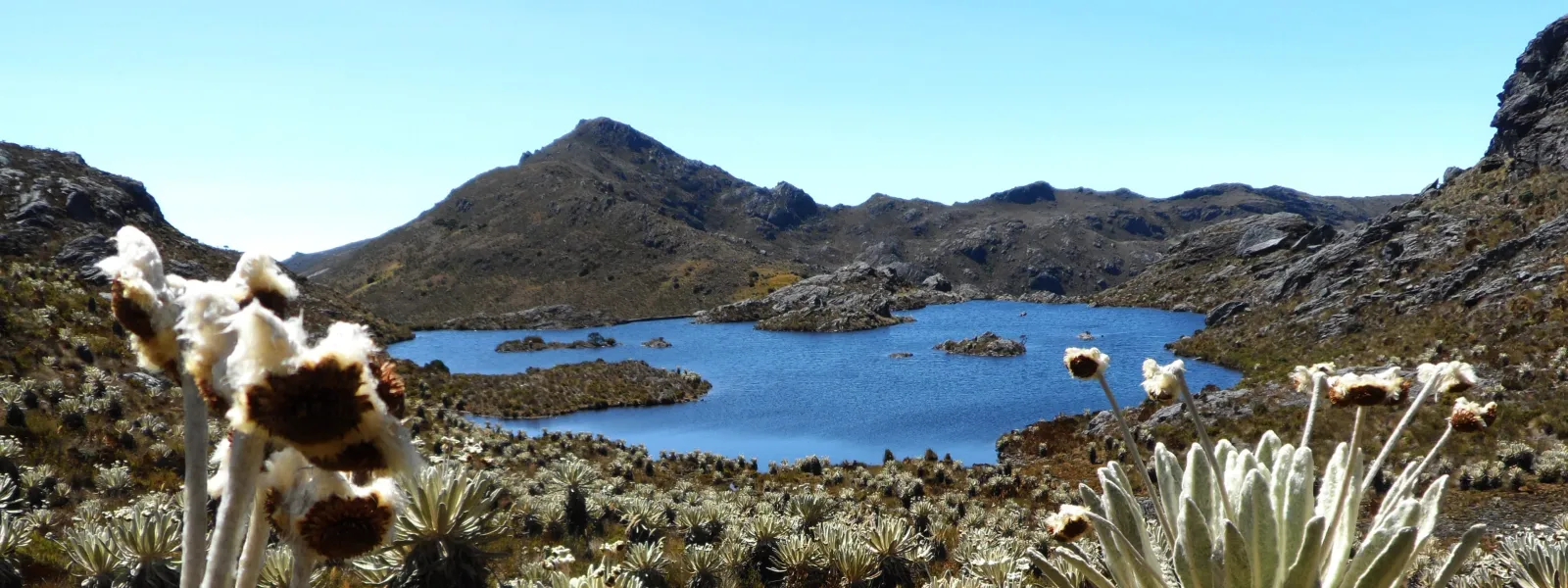
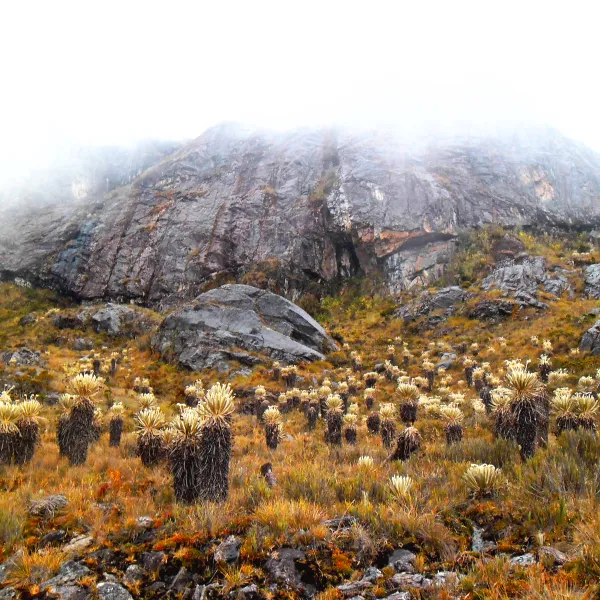
In the Andean region, high-mountain ecosystems known as páramos capture water from the fog and supply it to the lowlands. One such ecosystem is the Santurbán páramo, which provides fresh water to more than two million people in Colombia.
Santurbán, like the other páramos on the continent, also captures large amounts of carbon, making it a key ally in mitigating the climate crisis. It is also a refuge for hundreds of endangered species, including the iconic spectacled bear.
The land in and around the páramo contains gold and other minerals. This has put Santurbán in the spotlight of the multinational mining industry, which for decades has sought to establish large-scale projects in the ecosystem that threaten to degrade it.
The Committee for the Defense of Water and the Santurbán Páramo—a coalition of environmental advocates—has thwarted these ongoing attempts, with support from AIDA and other civil society organizations.
Background
The Santurbán páramo is located in the heart of the Eastern Cordillera of the Colombian Andes, in the departments of Santander and Norte de Santander, at an elevation ranging from 2,200 to 4,290 meters above sea level.
It covers an area of 129,743 hectares and is home to 57 lakes. It serves as a habitat for 457 plant species and 293 species of vertebrate fauna.
There are mineral deposits in Santurbán, primarily gold, but also silver and copper. This explains the region’s mining tradition, particularly in the part of the páramo located in Santander, in the province of Soto Norte. The communities in the area have built their culture and identity around gold mining, which is mainly artisanal and small-scale.
But since the 1990s, the gold deposits in the páramo have also attracted foreign mining conglomerates seeking to develop large-scale projects. This has raised concerns among the population that relies on the Santurbán water sources, who have mobilized in defense of water, their land, and life.
Although national and international regulations prohibit mining in páramos, the Colombian government has granted mining concessions to transnational corporations in Santurbán.
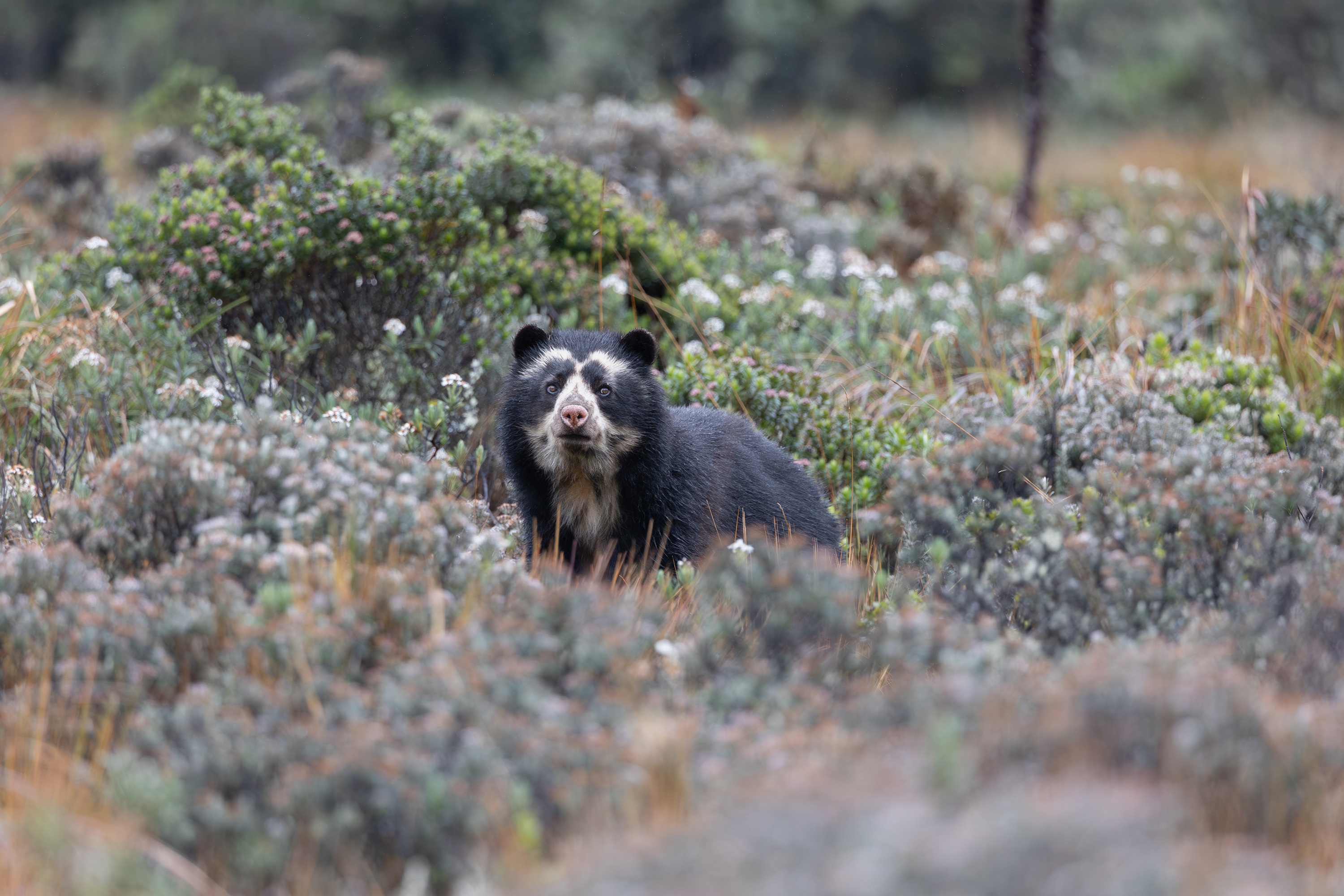
Photo: Keishpixl / Pixabay.
The long struggle to protect the páramo
One of the companies that sought to develop large-scale mining in Santurbán is Eco Oro Minerals Corp.—formerly Greystar Resources—a Canadian company that intended to establish the Angostura open-pit mine there to extract gold and silver. Between 1994 and 1995, the company acquired its mining titles and conducted exploration. And in 2010, it applied for a mining permit.
That was the year AIDA became involved in defending the ecosystem, supporting the Committee for the Defense of Water and the Santurbán Páramo. Our legal work helped convince the Colombian government to deny the mine an environmental permit in May 2011.
In January 2013, the government designated a portion of the páramo (11,700 hectares) as a Regional Natural Park. That year—together with the committee and partner organizations—we carried out a campaign and advocacy efforts to urge the government to recognize the entire Santurbán area as a páramo ecosystem through a delimitation based on scientific criteria. In December 2014, the Ministry of the Environment established a delimitation that protected 76% of the páramo (98,954 hectares).
Furthermore, as a result of a litigation supported by AIDA, in February 2016, Colombia’s highest court reaffirmed that mining in páramos is prohibited.
That same year, in December, the International Finance Corporation (IFC), the World Bank Group’s private sector arm, decided to divest from Eco Oro Minerals. This achievement was the result of a process that began in 2012, when the committee—advised and supported by AIDA and international partner organizations—filed a complaint before an independent accountability mechanism, which concluded that the IFC’s investment in the Angostura project failed to take into account the project’s social and environmental impacts, thereby contradicting the financial institution’s internal policies.
Also in 2016, Eco Oro Minerals filed an arbitration claim against the Colombian government with the International Centre for Settlement of Investment Disputes (ICSID), arguing that it had been adversely affected by government decisions aimed at protecting the country’s páramos, including the delimitation of Santurbán.
In 2017, the Constitutional Court invalidated the delimitation because the affected communities were not consulted. The high court ordered that a participatory delimitation be carried out.
And that year, a new threat to Santurbán emerged when the Canadian multinational Aris Mining applied for an environmental permit for Soto Norte, a gold mining project located near the páramo. Following citizen protests and technical objections, in October 2020, the National Environmental Licensing Authority shelved the project.
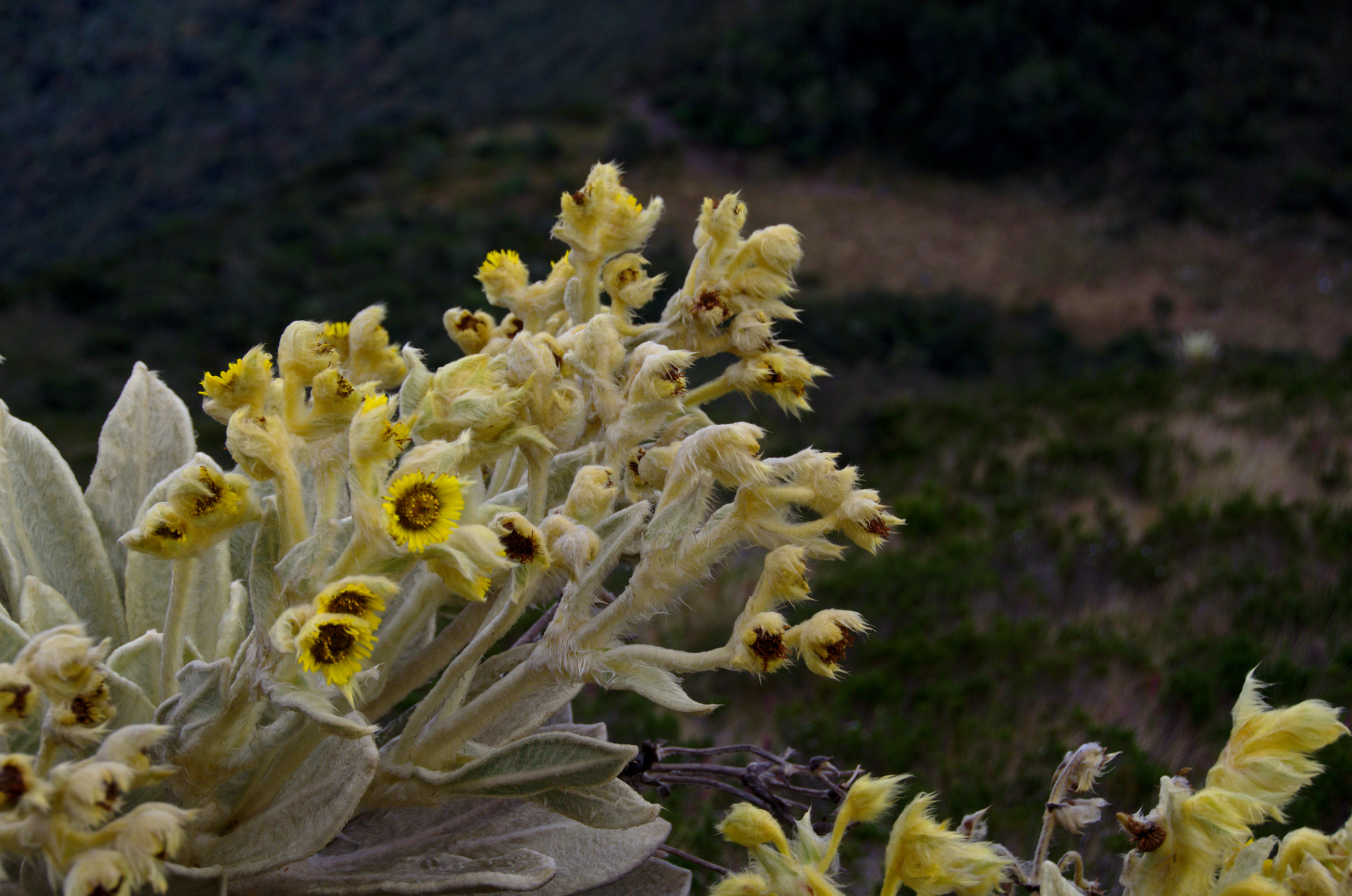
Photo: Aztlec.
Current situation
In March 2025, the Colombian government designated the western flank of the Santurbán massif as a temporary renewable natural resource reserve area, delimiting and protecting an area of 75,344.65 hectares. This resulted in a two-year suspension of the Soto Norte project. However, Aris Mining's contract to formalize Calimineros' small-scale mining activities through the purchase and processing of mineralized material remains in effect.
In addition, the Canadian mining company continues to move the project forward. In September 2025, it released its prefeasibility study, revising the mine’s original design.
Meanwhile, members of the Committee for the Defense of Water and the Santurbán Páramo face threats and stigmatization because of their work. In March 2025, UN Special Rapporteurs and the Working Group on Business and Human Rights denounced these incidents in communications sent to the governments of Colombia, Canada, and the United Arab Emirates, as well as to the companies Aris Mining and MDC Industry Holding Company LLC, the former co-owner of the Soto Norte project.
Regarding the arbitration claim filed by Eco Oro Minerals, in July 2024, ICSID ruled in favor of the Colombian government and rejected the Canadian company’s claim for USD 1.1 billion in compensation.
Concerning the delimitation of Santurbán, in July 2026, the Ministry of the Environment issued a resolution introducing the concept of "progressive delimitation." On that basis, the government proposes to progressively demarcate the páramo, covering 29,199 hectares across 19 municipalities—those where the participatory agreements required by the Constitutional Court in its 2017 ruling have already been finalized. It also proposes two measures on the creation and expansion of reserves to restrict mining in the ecosystem.
Learn more about the impacts of mining on the páramos of Latin America (in Spanish).
Partners:
Related projects
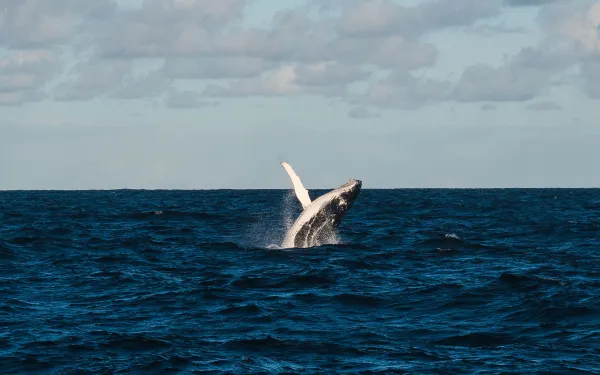
Decision time for world’s governments on new global treaty for the ocean
New York: Today governments resume negotiations at the United Nations in New York to finalize a new High Seas Treaty to ensure the conservation and sustainable use of marine biodiversity of areas beyond national jurisdiction. The two-week Intergovernmental conference is taking place from 20 February to 3 March 2023 and is a resumption of negotiations from August 2022, when governments ran out of time. Covering half of the planet, the High Seas support vibrant marine ecosystems, life that is vital to the global food supply, and the planet’s climate system. However, it has been plagued by poor or patchy governance, and with only 1.2% protected, vast High Seas areas are open to unsustainable exploitation. This new treaty aims to address these shortcomings and offers a historic opportunity to put in place game-changing new measures for the ocean, including establishing highly and fully protected areas and strengthening assessment and management of human activities. The recent global commitment to protect at least 30% of the ocean by 2030 (the “30x30” goal) offers an ambitious backdrop for ensuring this new treaty provides the legal tools to turn the target into a reality. The pressure is now on governments to ensure the treaty that is finally agreed upon will be ambitious enough to result in a healthy ocean rather than a degraded one. Key issues that still need to be addressed at the meeting include: measures to ensure that the new treaty can deliver effective new marine protected areas rather than “paper parks”; safeguards to avoid harm arising from human activities affecting the high seas and the deep seabed; a strong institutional framework to ensure effective implementation and compliance; decision-making rules to avoid enabling one or two countries to block progress; and critical finance and equity issues related to capacity building and the sharing of benefits from marine genetic resources. "We came frustratingly close to getting this treaty over the line in August at what was supposed to be the final round of negotiations. With the accelerating climate and biodiversity crises, time is not a luxury we have to put ocean health back on track," said Sarah Bevis from the High Seas Alliance. "This time round we need to seize the moment and get an ambitious treaty over the finish line, so we can roll up our sleeves and work on the crucial tasks of getting the treaty ratified and implemented." Additional Quotes from High Seas Alliance member organizations: Dr Laura Meller, Oceans Campaigner and Polar Advisor, Greenpeace Nordic said: "The oceans support all life on Earth. Their fate will be decided at these negotiations. The science is clear. Protecting 30% of the oceans by 2030 is the absolute minimum necessary to avert catastrophe. It was encouraging to see all governments adopt the 30x30 target last year, but lofty targets mean nothing without action." "This special session taking place so soon after the last round of negotiations collapsed gives us hope. If a strong Treaty is agreed on the 3rd of March, it keeps 30x30 alive. Governments must return to negotiations ready to find compromises and deliver an effective Treaty. We’re already in extra time. These talks are one final chance to deliver. Governments must not fail." Trevor Jones, Campaign Manager, Only One said: "Without protections for the high seas, we cannot hope to have a healthy ocean, and without a healthy ocean we put marine life, coastal livelihoods, and global food stability at grave risk. Millions of people from around the world have spoken out: They want a strong High Seas Treaty, and they’re counting on their leaders to finally get the job done." Liz Karan, Director of Pew’s Ocean Governance Project said: "The high seas support diverse marine life and unique ecosystems critical to the health of our ocean and planet. Countries must seize this opportunity to finalize a robust high seas treaty to establish highly protected, cross sectoral high seas MPAs for the benefit of current and future generations." Jennifer Morris, CEO of The Nature Conservancy said: "Ensuring legal protection for the vast areas of open ocean beyond national jurisdiction, and actively acknowledging the importance of addressing this situation, is a pivotal step in moving toward our ambitious ‘30x30’ target in the new UN Global Biodiversity Framework. Ensuring a successful outcome from the New York negotiations, in the form of a formally agreed and legally binding High Seas Treaty, is imperative to meet the collective commitment to conserve 30% of the Earth’s ocean this side of 2030." Gladys Martínez, Executive Director of the Interamerican Association for Environmental Defense (AIDA) said: "The high seas urgently needs a governance framework. We look forward to states concluding a strong and ambitious treaty during these two weeks." Fabienne McLellan, Managing Director OceanCare said: "We have high hopes that governments will find a way to finalize the High Seas Treaty during the resumed session of IGC 5. Countries must understand that it would be grossly negligent to once again fail to conclude an agreement to conserve marine diversity in areas beyond national jurisdiction. The climate and biodiversity crises are in full swing, and the ocean is our ally, not an infinite resource to be exploited. It is not only important that the Agreement is finalized, but what is agreed needs to make a tangible difference in protecting biodiversity. Against this backdrop, it is difficult to imagine that no agreement will be reached - the agreement is vital for marine biodiversity, a healthy ocean and thus also for us humans". PRESS CONTACTS Patricia Roy, + 34 696 905 907 - CET Mirella von Lindenfels, +44 7717 844 352 - EST
Read more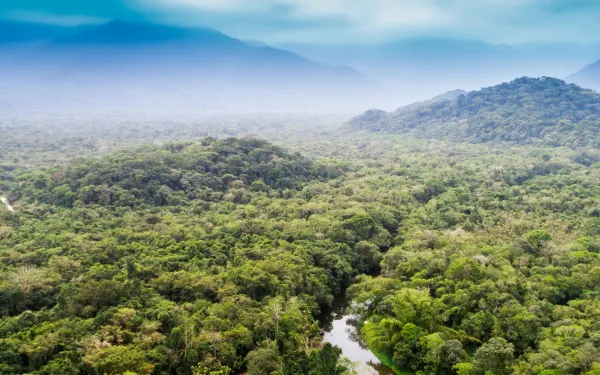
Actions and reasons to preserve the Amazon
Shared by eight countries and home to 10 percent of the planet's known biodiversity, the Amazon is the largest tropical forest in the world. It’s also a global climate stabilizer, storing between 90 and 140 billion metric tons of carbon dioxide (CO2)—one of the most harmful greenhouse gases that, when released, accelerates the climate crisis. For more than 470 communities of indigenous and traditional peoples, the Amazon is an ancestral place of life, from which they have developed their ways of being in the world. However, the rainforest is facing various threats—including colonization, deforestation and extractive activities—that increase its vulnerability and affect the human rights of those who inhabit and protect it. These pressures have caused some areas of the Amazon to emit more carbon dioxide than they absorb. This situation poses the challenge of implementing strategies for the legal protection of Amazonian territories that articulate with the struggles of affected peoples. At AIDA, we have strengthened these strategies and have supported community processes aimed at combating the damage caused by mining and oil exploitation in Amazonian territories in three countries. With hopes currently pinned on the incoming government of Lula da Silva in Brazil—who announced his goal of reducing deforestation in the Amazon to zero by 2030—the preservation of this ecosystem requires political will and strong coordinated and cross-border actions. In this regard, Colombia proposed a common front to defend the Amazon rainforest. Strengthening legal defense AIDA's work strengthened the capacities of national organizations in Brazil, Ecuador and Peru for legal defense of the Amazon. Brazil: By highlighting the shortcomings of its environmental impact study, we helped ensure that the communities affected by the Volta Grande mining project of the Canadian company Belo Sun are included in the environmental authorization process and that the state is obligated to consult with them to obtain their consent. We also prepared a report for UN agencies in which we identified measures to guarantee the safety of environmental defenders in the Amazon region. Ecuador: We strengthened litigation strategies to halt the implementation of a decree by which the government seeks to expand mining exploitation in the country, with serious impacts for the Amazon region. We also generated greater understanding of the tools needed to develop strategic litigation and improve the communication skills of indigenous peoples. Perú: We supported the acceleration of litigation aimed at ensuring the repair and maintenance of the Norperuano oil pipeline, whose operation has generated serious environmental impacts and human rights violations for indigenous peoples affected by oil spills. In all three countries, we were able to advance towards a more precise understanding of the legal protection needs of the Amazon and the contexts in which such strategies should be developed. This was made possible by working in partnership with national and local organizations and indigenous peoples. Arguments to protect the ecosystem There are many reasons to preserve the Amazon, whose importance is regional and global. In order to strengthen communication efforts linked to the legal protection of the ecosystem, AIDA has developed two infographics that present in a schematic and didactic way the arguments for defending the Amazon territories, as well as their inhabitants, in court. The focus of one of the infographics is the vast biodiversity contained in the Amazon. Some figures show its high levels of richness: 40,000 species of plants; 16,000 of trees; 3,000 of fish; 1,300 of birds; more than 430 of mammals; more than 1,000 of amphibians; and more than 400 species of reptiles; therefore, any intervention in the Amazon rainforest must start from the knowledge of it as a highly diverse, complex and interconnected territory. The richness of the Amazon is also cultural, represented in the indigenous and traditional peoples that have inhabited the ecosystem since ancestral times, whose diversity is present in 86 languages and 650 dialects. The Amazon: A megadiverse region (in Spanish) The other infographic illustrates the capacity of the Amazon to regulate the humidity and climate of the continent. In addition to storing large amounts of carbon dioxide, the ecosystem absorbs half of the solar energy it receives through the evaporation of water from its foliage. Most of the trapped energy is released when the vapor condenses to form clouds and rain. Among other things, the Amazon recycles between 50% and 70% of annual precipitation, pumping some seven billion tons of water a year into the atmosphere through evapotranspiration. The Amazon: A global climate regulator (in Spanish) The Amazon and its care are emblematic of the intrinsic relationship and balance that must exist between a healthy environment and human existence. "The spirits that give us life exist in the forest, the water and the air. We all have a correlation," said Humberto, a member of a community in the Ecuadorian Amazon. "That existence is what we call life—our own home, the pharmacy, nature or what we can call, in general, the existence of man and nature."
Read more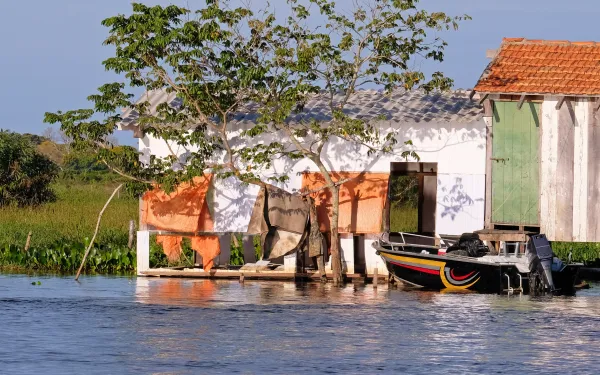
Urgent alert on human rights threats due to Pantanal degradation
The Pantanal is the world’s largest freshwater wetland. It’s nearly 18 million hectares stretch across Brazil, Bolivia, and Paraguay, making a home for thousands of species, some of which are in danger of extinction. It hosts six different Ramsar sites, wetlands of international importance, and has been designated as a Biosphere Reserve and UNESCO World Heritage Site. Forest fires, drought, and deforestation, due largely to the expansion of industrial agriculture and the construction of hydroelectric dams, have destroyed millions of hectares of this wetland. The devastation is not only environmental, but it has also affected the lives of those who inhabit the region, threatening their right to live in a healthy environment. In addition, the Pantanal provides resources and sustains the livelihoods of about 1.5 million people. More than 270 communities—including indigenous peoples, cattle ranchers and riparian communities—depend directly or indirectly on the wetland, although its relevance transcends the region and is fundamental to the well-being of more than 10 million people. However, the Pantanal is at risk of collapse. Only 5 percent of its area is protected. In recent years, forest fires, drought and deforestation—associated with the expansion of agribusiness and the construction of dams—have destroyed millions of hectares of this wetland. This damage violates the rights of local people and communities. Environmental Damage and Human Rights The intensification of extractive activities during recent years, principally ranching and industrial agriculture, have led to unprecedented droughts and fires in the Pantanal. In 2020, wildfires destroyed more than 4.5 million hectares, almost one-third of the wetland’s area. And so far in 2022, more than 123 thousand hectares have been consumed by fires, 26 percent more than had burned during the same time period in 2021. In addition to the fires, drought has been intensifying. One of the most serious cases is that of the Guató people of Baía dos Guató, Brazil, who have lost almost 90 percent of their territory to fire. "The fires destroyed crops, burned houses. The fire destroyed a large part of our territory, destroying many trees, animals, birds, damaging our animals and plants and our food security, because it destroyed our crops," said one of its members. "Everything is coming to an end." Fires in the Pantanal have caused the loss of forests and biodiversity, aggravating the climate crisis. They also impact the health and livelihoods of nearby communities by destroying their homes and territories, making them more susceptible to health problems, especially respiratory problems. Fires have resulted in the loss of seeds and the death of animals. The drought especially impacts communities that depend on fishing for food and income (about 70 percent of Pantanal villagers depend on fishing as their main livelihood). Women engaged in artisanal bait collection for sport fishing have been particularly affected. The traditional communities in the region have also been severely impacted, as the fire has reached all of their territories, destroying almost half of them. This has repercussions on the development of their cultural practices, as for many Pantanal communities the connection with the land plays an essential role. They obtain from nature the plants for their traditional medicines and raw materials to build their houses, utensils and handicrafts. For the Yshir, for example, the destruction of the Pantanal threatens their belief system and cosmology (where the forest, rivers and wildlife are central), preventing them from maintaining their traditional ceremonies based on these beliefs. An Emergency Call The Interamerican Association for Environmental Defense (AIDA) and Ecologia e Ação (ECOA) prepared an urgent alert for United Nations Human Rights Rapporteurs to report on the critical situation of the Pantanal and request that they issue recommendations to the three countries where the wetland is located in order to prevent the recurrence of fires, ensure the restoration of ecosystems and guarantee the rights of local populations. We also ask them to visit the site to learn about its situation first hand and to give their recommendations a greater force and sense of urgency. The biological wealth of the Pantanal is incalculable. The site provides several ecosystem services: flood flow regulation, climate regulation, soil fertility control, biological control, biodiversity maintenance and is a source of water, food and raw materials for the population. The environmental and social importance of the Pantanal requires urgent, coordinated, transboundary and effective actions to ensure its restoration and protection. It is time to join forces and take care of the enormous natural and cultural wealth of this biome that is so important for life.
Read more