
Project
Alberto Peña Kay
Protecting the Santurban páramo from mining's damage
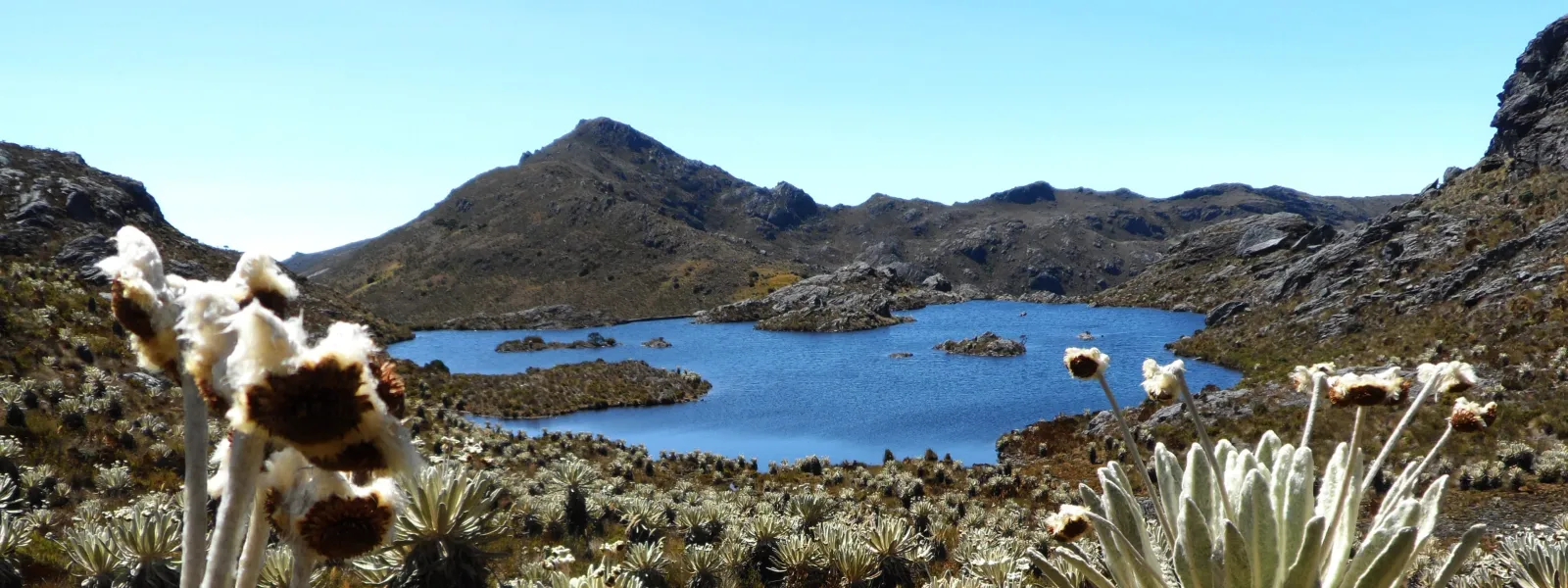
In the Andean region, high-mountain ecosystems known as páramos capture water from the fog and supply it to the lowlands. One such ecosystem is the Santurbán páramo, which provides fresh water to more than two million people in Colombia.
Santurbán, like the other páramos on the continent, also captures large amounts of carbon, making it a key ally in mitigating the climate crisis. It is also a refuge for hundreds of endangered species, including the iconic spectacled bear.
The land in and around the páramo contains gold and other minerals. This has put Santurbán in the spotlight of the multinational mining industry, which for decades has sought to establish large-scale projects in the ecosystem that threaten to degrade it.
The Committee for the Defense of Water and the Santurbán Páramo—a coalition of environmental advocates—has thwarted these ongoing attempts, with support from AIDA and other civil society organizations.
Background
The Santurbán páramo is located in the heart of the Eastern Cordillera of the Colombian Andes, in the departments of Santander and Norte de Santander, at an elevation ranging from 2,200 to 4,290 meters above sea level.
It covers an area of 129,743 hectares and is home to 57 lakes. It serves as a habitat for 457 plant species and 293 species of vertebrate fauna.
There are mineral deposits in Santurbán, primarily gold, but also silver and copper. This explains the region’s mining tradition, particularly in the part of the páramo located in Santander, in the province of Soto Norte. The communities in the area have built their culture and identity around gold mining, which is mainly artisanal and small-scale.
But since the 1990s, the gold deposits in the páramo have also attracted foreign mining conglomerates seeking to develop large-scale projects. This has raised concerns among the population that relies on the Santurbán water sources, who have mobilized in defense of water, their land, and life.
Although national and international regulations prohibit mining in páramos, the Colombian government has granted mining concessions to transnational corporations in Santurbán.

Photo: Keishpixl / Pixabay.
The long struggle to protect the páramo
One of the companies that sought to develop large-scale mining in Santurbán is Eco Oro Minerals Corp.—formerly Greystar Resources—a Canadian company that intended to establish the Angostura open-pit mine there to extract gold and silver. Between 1994 and 1995, the company acquired its mining titles and conducted exploration. And in 2010, it applied for a mining permit.
That was the year AIDA became involved in defending the ecosystem, supporting the Committee for the Defense of Water and the Santurbán Páramo. Our legal work helped convince the Colombian government to deny the mine an environmental permit in May 2011.
In January 2013, the government designated a portion of the páramo (11,700 hectares) as a Regional Natural Park. That year—together with the committee and partner organizations—we carried out a campaign and advocacy efforts to urge the government to recognize the entire Santurbán area as a páramo ecosystem through a delimitation based on scientific criteria. In December 2014, the Ministry of the Environment established a delimitation that protected 76% of the páramo (98,954 hectares).
Furthermore, as a result of a litigation supported by AIDA, in February 2016, Colombia’s highest court reaffirmed that mining in páramos is prohibited.
That same year, in December, the International Finance Corporation (IFC), the World Bank Group’s private sector arm, decided to divest from Eco Oro Minerals. This achievement was the result of a process that began in 2012, when the committee—advised and supported by AIDA and international partner organizations—filed a complaint before an independent accountability mechanism, which concluded that the IFC’s investment in the Angostura project failed to take into account the project’s social and environmental impacts, thereby contradicting the financial institution’s internal policies.
Also in 2016, Eco Oro Minerals filed an arbitration claim against the Colombian government with the International Centre for Settlement of Investment Disputes (ICSID), arguing that it had been adversely affected by government decisions aimed at protecting the country’s páramos, including the delimitation of Santurbán.
In 2017, the Constitutional Court invalidated the delimitation because the affected communities were not consulted. The high court ordered that a participatory delimitation be carried out.
And that year, a new threat to Santurbán emerged when the Canadian multinational Aris Mining applied for an environmental permit for Soto Norte, a gold mining project located near the páramo. Following citizen protests and technical objections, in October 2020, the National Environmental Licensing Authority shelved the project.
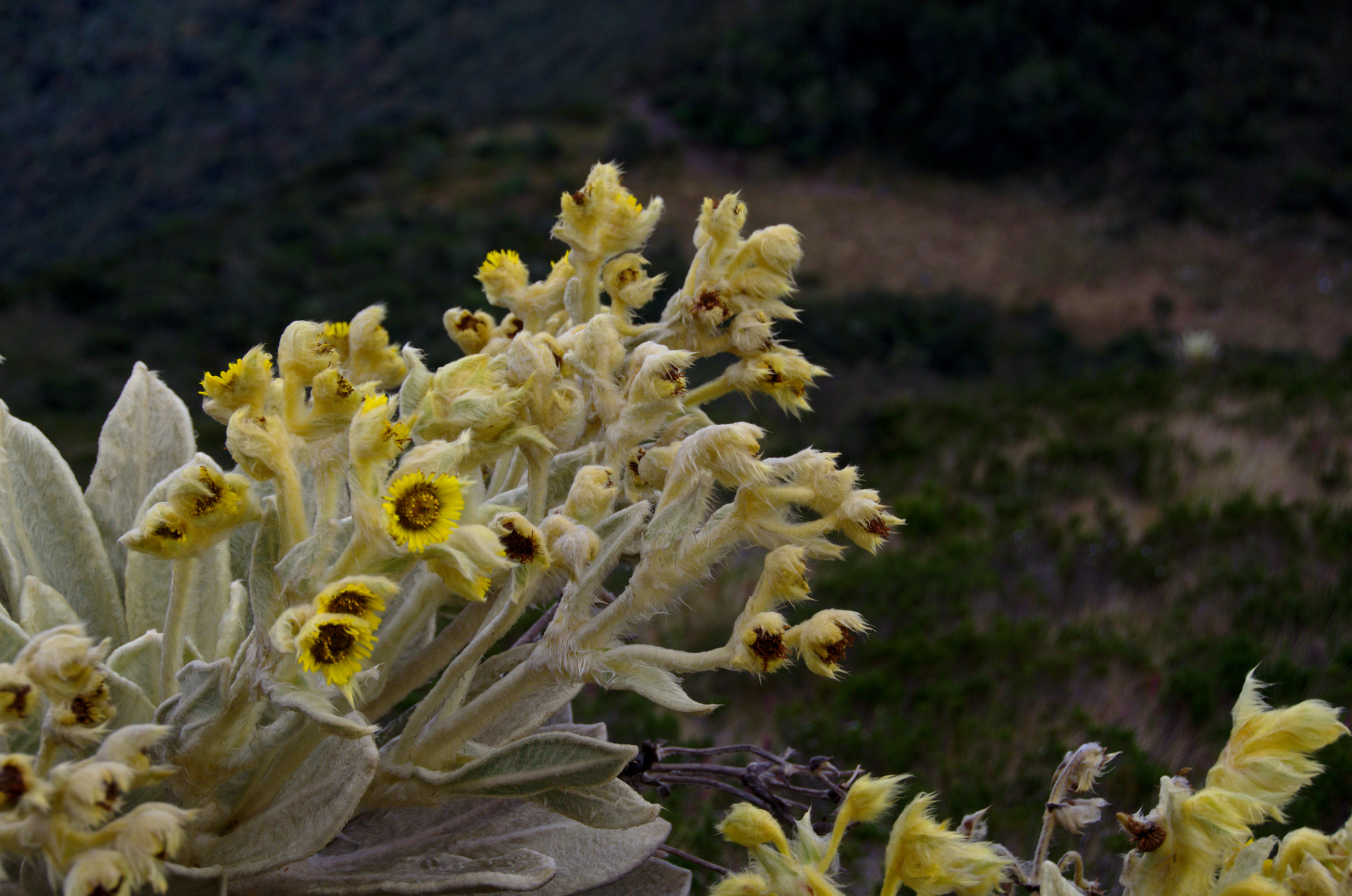
Photo: Aztlec.
Current situation
In March 2025, the Colombian government designated the western flank of the Santurbán massif as a temporary renewable natural resource reserve area, delimiting and protecting an area of 75,344.65 hectares. This resulted in a two-year suspension of the Soto Norte project. However, Aris Mining's contract to formalize Calimineros' small-scale mining activities through the purchase and processing of mineralized material remains in effect.
In addition, the Canadian mining company continues to move the project forward. In September 2025, it released its prefeasibility study, revising the mine’s original design.
Meanwhile, members of the Committee for the Defense of Water and the Santurbán Páramo face threats and stigmatization because of their work. In March 2025, UN Special Rapporteurs and the Working Group on Business and Human Rights denounced these incidents in communications sent to the governments of Colombia, Canada, and the United Arab Emirates, as well as to the companies Aris Mining and MDC Industry Holding Company LLC, the former co-owner of the Soto Norte project.
Regarding the arbitration claim filed by Eco Oro Minerals, in July 2024, ICSID ruled in favor of the Colombian government and rejected the Canadian company’s claim for USD 1.1 billion in compensation.
Concerning the delimitation of Santurbán, in July 2026, the Ministry of the Environment issued a resolution introducing the concept of "progressive delimitation." On that basis, the government proposes to progressively demarcate the páramo, covering 29,199 hectares across 19 municipalities—those where the participatory agreements required by the Constitutional Court in its 2017 ruling have already been finalized. It also proposes two measures on the creation and expansion of reserves to restrict mining in the ecosystem.
Learn more about the impacts of mining on the páramos of Latin America (in Spanish).
Partners:
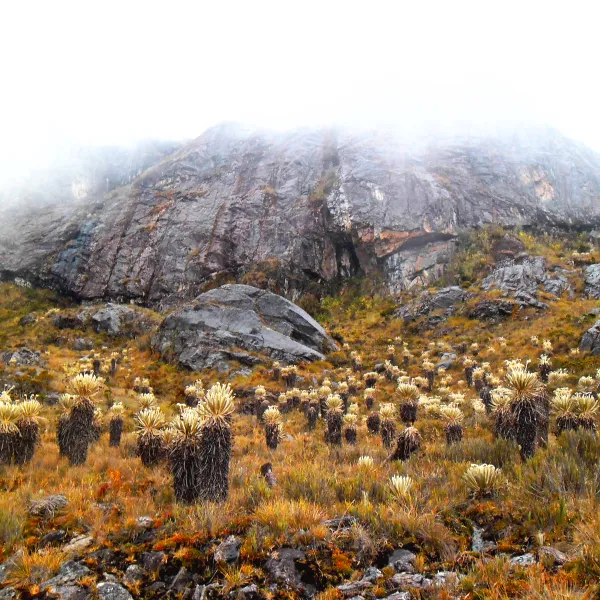
Related projects
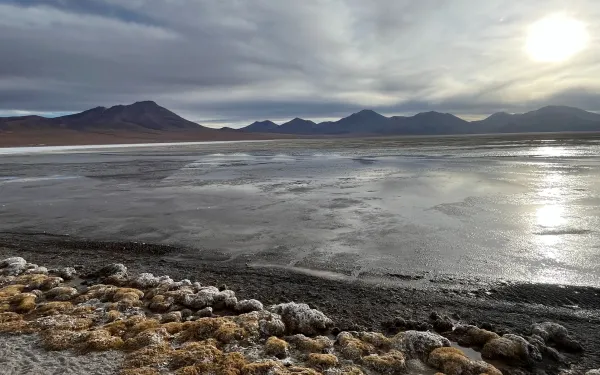
Human rights and the rights of nature in the governance of minerals for the energy transition
A reading of Advisory Opinion 32 of the Inter-American Court of Human Rights by the Andean Wetlands Alliance The Inter-American Court of Human Rights (IACHR) outlined in its Advisory Opinion No. 32 (OC-32), released on July 3, 2025, how human rights must be upheld in the face of the climate emergency. The Court also recognized the rights of nature and the responsibilities of States and companies regarding climate change. This advisory opinion followed more than 150 oral interventions and over 260 written submissions—including those from organizations that are part of the Andean Wetlands Alliance.This pronouncement sets a course for protecting valuable ecosystems and the rights of people in Latin America, a region deeply affected due to its significant reserves of minerals increasingly in demand for the global energy transition.Human rights and "critical" mineralsThe IACHR, a central institution in setting human rights standards for Latin America and the Caribbean, provided through OC-32 a set of tools for moving toward policies grounded in equity and justice. These tools align with the principles put forward by the UN Secretary-General in relation to the minerals value chain for the energy transition.Minerals such as lithium and copper are at the heart of current energy transformation policies due to their value for battery manufacturing. This value chain begins in territories such as the high Andean wetlands of Argentina, Bolivia, and Chile, with the exploration and extraction of mineral deposits. It continues with their processing and refining in specialized facilities for the production of cells, which are later integrated into batteries that power a range of devices—mainly individual electric vehicles.The Court placed special emphasis on the protection of human rights during the extraction of so-called “rare or critical” minerals for the energy transition, which make up the first links in this value chain. This directly reflects Principle 1 of the 2024 Report of the UN Secretary-General’s Panel on Critical Minerals for the Energy Transition and offers a key legal instrument for protecting human rights in Latin American countries. It also outlines essential elements for respecting the integrity of ecosystems (Principle 2) from the most biodiverse region on the planet, as well as advancing justice and equity (Principle 3), transparency and accountability (Principle 6), and strengthened multilateral cooperation (Principle 7).Rights of Nature in a Megadiverse RegionAmong its conclusions, the Court recognizes the rights of nature, referring to the need to preserve its essential ecological processes. This contributes to consolidating a development model that respects planetary boundaries and ensures the availability of vital resources for present and future generations.This recognition is especially critical in Latin America, one of the most biodiverse regions in the world. It holds 50% of the planet’s biodiversity in ecosystems such as wetlands and tropical forests—especially the Amazon. It is home to 12 of the 14 terrestrial biomes and is a key epicenter for nature’s contributions to people.These issues are particularly relevant for a region whose historical role as a provider of natural resources has helped build the global economy, yet at great cost—causing severe ecosystem damage and violating community rights. The protection of nature’s rights provides a central tool for managing the mineral wealth essential for the energy transition, especially given that the region holds more than 50% of the world’s lithium reserves and 40% of its copper reserves.Latin America is also one of the most culturally diverse regions: approximately 54.8 million Indigenous peoples live across its territories, representing 8.5% of the total population—the highest global proportion relative to total population—and occupying over 20% of the land.OC-32 particularly highlights the role of communities in preserving ecosystems and a healthy climate, free from human interference. It acknowledges the importance of local, traditional, and Indigenous knowledge for informed decision-making and cultural preservation. This approach empowers local and Indigenous communities—long-standing guardians of ecosystems who possess deep traditional knowledge—yet who are often excluded from decision-making processes and denied their rights to free, prior, and informed consultation and participation.The right to a healthy climate: Promising newsOC-32 recognizes the right to a healthy climate as part of the broader right to a healthy environment, free from human interference. States are thus required to prevent any irreversible harm to the planet’s ecological balance and exercise heightened due diligence—taking into account the degree of potential harm, the best available science, and the specific vulnerabilities of at-risk groups, without creating or exacerbating such vulnerabilities.In their mitigation strategies, States must prioritize both people and ecosystems—particularly those that play a vital role in regulating the Earth’s climate systems and natural cycles.In this regard, the Court’s acknowledgment of the Andean wetlands of Argentina, Bolivia, and Chile is especially significant. These ecosystems contribute to climate adaptation through water regulation. They also have the capacity to mitigate climate change by acting as carbon sinks: studies have recorded significant levels of carbon dioxide absorption through their vegetation and extremophile microorganisms.Ironically, these very wetlands are now under threat from the expansion of mining for the energy transition.Corporate Obligations on Human RightsOC-32 makes it clear that, in addition to States, companies also bear obligations concerning the climate emergency and its impact on human rights. The Court calls on States to regulate and oversee corporate due diligence across the entire value chain, in accordance with the UN Guiding Principles on Business and Human Rights (UNGPs). These obligations include identifying, preventing, mitigating, and accounting for business-related impacts on the environment, climate, and human rights. These are non-transferable obligations—they cannot be outsourced to third parties, such as certification bodies. The advisory opinion also calls for the avoidance of greenwashing and undue influence from third-party actors in corporate decision-making.A perspective on Advisory Opinion 32 from the Andean wetlandsSpanning more than 200 pages, OC-32 provides tools to ensure the protection of human rights throughout the mineral value chain, as well as the integrity of ecosystems, from a Latin American perspective. It also promotes implementation of the UN Secretary-General’s Panel principles on critical minerals for the energy transition.No less important, it upholds the interdependence of democracy, the rule of law, and human rights protection within the Inter-American system, and strengthens the role of access rights and the protection of human rights, environmental, and climate defenders, in accordance with the Escazú Agreement. This recognition is especially crucial for the most dangerous region in the world for defending nature.In a context of climate denialism, fueled by political leaderships that reject humanity’s role in the climate crisis, OC-32 stands as a vital roadmap to urge States to meet their climate commitments through a human rights-based approach.From the Andean Wetlands Alliance, we view this opinion with hope—as a key tool to help ensure the rights of those who have inhabited these wetlands for generations and to protect these vital ecosystems. Reactions from Members of the Andean Wetlands Alliance to Advisory Opinion No. 32 of the Inter-American CourtPía Marchegiani, Deputy Executive Director, Fundación Ambiente y Recursos Naturales (Argentina):"In a context where discussions on critical minerals are increasingly shaped by security and military interests, and unilateral or bilateral agendas from the Global North seek to control mineral supply chains, the Inter-American Court has taken a clear, strategic step in defining how the balance must be struck: placing human rights and nature at the center. Only in this way can we move forward toward justice and equity, as proposed by the UN Secretary-General’s Panel on Critical Minerals."Ricardo Frez, Director, ONG Defensa Ambiental (Chile):"This unprecedented recognition of nature as a rights-bearing subject marks a shift toward ecocentric approaches in international human rights law. It is especially significant amid the growing—and often irreversible—impacts of mining for critical minerals like lithium and copper in the Global South. The Court affirms the autonomous protection of nature, not only as a means to secure human rights, but as an end in itself. It reinforces States’ obligations to prevent irreparable climate and environmental damage. In a context where the energy transition risks replicating extractivist models, this advisory opinion provides crucial normative tools to defend territories and life."Vivian Lagrava Flores, Empodérate, Human Rights Collective (Bolivia):"Although communities may not be familiar with technical terms like climate, energy transition, and so on, they have welcomed with hope the fact that Advisory Opinion 32/25 places greater obligations on States. Laws, constitutions, and human rights standards are being ignored, while all kinds of impacts are overlooked. Wetlands—especially freshwater bofedales—are nature’s miracle that sustains our way of life and are essential for mitigating climate change. Yet they are being destroyed by extractivism. The Bolivian State must grasp the magnitude of its obligations."Ezio Costa Cordella, FIMA NGO (Chile):"The concept of a just transition appears in several parts of the advisory opinion issued by the Inter-American Court of Human Rights. There is a specific and explicit mention of this type of transition, and the Court refers to the obligation of States to uphold this principle when developing climate policies and strategies. This means they must avoid deepening situations of multidimensional poverty and instead assess how a transition will affect a given territory and the people who live there—including, of course, the workers in industries undergoing change. In this sense, it is important to understand that the ecological transition is not limited to policy measures; it also concerns how a range of social systems, including those of production and consumption, will adapt to the new climate and environmental reality. In this process—from the present state of affairs to what will emerge as a result of this new environmental condition—we must ensure that no further violations of human rights occur. On the contrary, we should create conditions that lead to better protection and fairer distribution of those rights."Oscar Campanini, CEDIB (Bolivia):"The advisory opinion of the Inter-American Court is an enormously important reinforcement of civil society’s defense of the environment, water, Indigenous peoples’ territories, and life itself—a defense that benefits not just specific groups but is, in fact, the only way to ensure our survival as a species. In the case of the high Andean plateau, this opinion supports the struggles of communities defending water and wetlands against growing pressure from critical mineral extraction projects such as lithium."Verónica Gostissa, Asamblea PUCARÁ (Argentina):"We are at a turning point for climate justice and human rights. The Inter-American Court now recognizes the autonomous right to a healthy climate. In regions like northwest Argentina—where ecosystems of high ecological value, such as high Andean wetlands, coexist with intense extractive pressures from lithium mining—this decision directly challenges the current mining and energy model. This legal milestone reinforces a truth that communities and peoples have long upheld: if it dries up rivers, it’s not an energy transition. And there can be no true transition without environmental justice."Paulina González Quiroga, Fundación Tantí (Chile):"We deeply value the statement issued by the Inter-American Court at a strategic moment for our bodies and territories, especially for those of us living in the Global South—in the highland and coastal desert regions of Chile. This is a mining and productive zone where both continental and marine waters are being affected by the entire value chain operating in the area. In our territory, marked by a history of environmental sacrifice, there is no real transition. On the contrary, the same communities and ecosystems are now facing an intensification of extractivist practices—now labeled ‘green.’ We are witnessing an unimaginable increase in the impacts on our high Andean and marine ecosystems, and on the ways of life that exist here. In this context, the Court’s opinion will be crucial in strengthening the legal defense of our territories in various processes of Indigenous consultation and environmental justice that are already underway and will undoubtedly continue within the framework of these policies." Yeny Rodríguez, senior attorney and Line Coordinator, Interamerican Association for Environmental Defense (AIDA)"The Advisory Opinion No. 32 of the Inter-American Court recognizes the high degree of vulnerability and risk in which strategic ecosystems in Latin America are found for the water cycle and climate, such as the Andean salt flats, and sends a very clear message to the governments of the region and to the companies operating in our territories: in application of enhanced due diligence, they must avoid mining activities that could generate irreversible damage to ecosystems and aggravate the situation of vulnerability of indigenous peoples or communities at risk."
Read more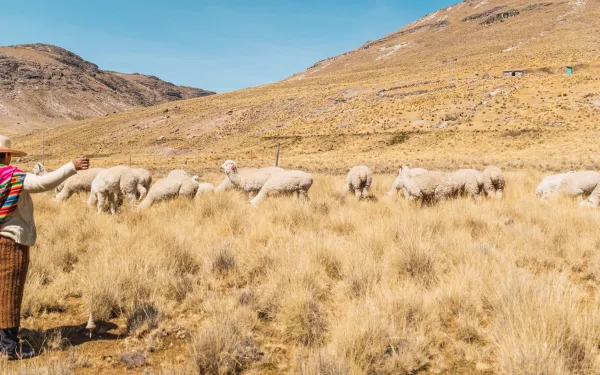
The Inter-American Court's Opinion: 7 reasons it matters for climate justice
On July 3, the Inter-American Court of Human Rights released its long-awaited Advisory Opinion No. 32 (OC-32), clarifying the scope of States' obligations in the face of the climate crisis – including, among other responsibilities, the duty to guarantee the right to a healthy climate.This marks the first time that a regional human rights court has made a broad and comprehensive statement on the issue of climate change.The opinion was issued in response to a request submitted by the governments of Chile and Colombia in January 2023. It is also the outcome of an unprecedented participatory process within the Inter-American Human Rights System, in which dozens of States, civil society organizations, Indigenous peoples, activists, and academics engaged through oral statements in public hearings and a record number of written submissions.Below are seven reasons why this landmark decision — written in and for Latin America — represents a turning point for climate justice in the region and beyond. 1. Clarifying States’ legal obligations in the face of the climate emergencyIn its decision, the Court affirms that the world is currently experiencing a climate emergency—a crisis driven by human activities, unequally generated by different States, and one that progressively and severely impacts people, especially those in vulnerable situations.In response, the Court underscores that States have binding legal obligations—not merely voluntary commitments—to confront this emergency with “urgent and effective actions, articulate, with a human rights perspective, and under the prism of resilience.” This means that, amid the climate emergency, States are required to respect and guarantee human rights. 2. Recognizing the human right to a healthy climateFor the first time, the Court explicitly recognizes the autonomous human right to a healthy climate, derived from the broader right to a healthy environment. This recognition establishes that States must protect the ability of both present and future generations to live in a climate system free from dangerous human-caused interference.Protecting this right—which underpins the enjoyment of other human rights—also requires honoring the principle of intergenerational equity. In practice, this means that States must act today to ensure that future generations inherit conditions of environmental stability that allow for equal opportunities for well-being and development. 3. Strengthened protection for people in vituations of VulnerabilityAdvisory Opinion No. 32 establishes that States must ensure that individuals and groups in situations of particular vulnerability — including women, children, Indigenous peoples, Afro-descendant communities, peasant and fishing communities, older adults, persons with disabilities, LGBTIQ+ individuals, and human rights defenders, among others — are able to exercise their rights on equal terms in the face of climate impacts.The Court also recognizes that certain territories in the Americas — such as the Amazon, the Insular Territories, and Caribbean States — are especially vulnerable to the effects of climate change. 4. Emissions control and regulation of business activitiesAccording to the opinion, States are required to set clear greenhouse gas (GHG) mitigation targets and maintain an up-to-date mitigation strategy grounded in human rights. They must also tighten and rigorously regulate both public and private activities that produce GHG emissions.In line with these mitigation strategies, States must determine which projects or activities require an environmental impact assessment that explicitly evaluates potential climate impacts. 5. Protecting human rights within the energy transitionAdvisory Opinion No. 32 underscores that States must safeguard human rights from potential violations linked to the extraction of minerals and other resources necessary for the energy transition.The Court also affirms that States are obligated to ensure the fair distribution of both the burdens of climate action and the impacts of climate change. This includes avoiding disproportionate burdens on certain populations — for example, in how the costs of the energy transition are allocated. 6. Recognition of traditional knowledge in climate actionThe opinion recognizes local, traditional, and Indigenous knowledge as protected under Inter-American human rights treaties and as a key part of the best available science. This recognition opens new avenues for demanding the inclusion of such knowledge in climate solutions.The Court thus reaffirms that the right to science also encompasses the intellectual and practical contributions that Indigenous peoples, Afro-descendant communities, and other local groups have sustained and safeguarded over generations. 7. Advancing the global movement for climate justiceThis decision reinforces and builds upon earlier rulings, such as the one issued in May 2024 by the International Tribunal for the Law of the Sea, which clarified States’ obligations to protect the marine environment from the effects of the climate crisis. It also contributes to ongoing global legal efforts — including the forthcoming Advisory Opinion from the International Court of Justice, which will further define States’ responsibilities in the face of the global climate emergency.Together, these decisions are strengthening the global movement for climate justice, as well as supporting citizen demand for stronger government action.
Read more
Landmark Inter-American Court Decision Requires States to Protect Human Rights in the Face of the Climate Crisis
In a groundbreaking advisory opinion issued today, the Inter-American Court of Human Rights clarifies the obligations of States to effectively protect people and communities from the harmful impacts of the climate crisis. The decision sets a powerful precedent for climate justice and offers critical guidance to national and international courts worldwide.San José, Costa Rica. In its Advisory Opinion No. 32, the Inter-American Court of Human Rights has taken a historic step toward strengthening global climate accountability. The Court sets a powerful precedent by establishing legal standards that States across the continent must meet to protect human rights in the face of the climate crisis. This landmark ruling is expected to drive a new wave of strategic climate litigation, enabling affected people and communities to access justice.“The Court’s decision marks a watershed moment for climate justice in Latin America and around the world, as it is the first time a regional human rights tribunal has clearly spelled out States’ legal obligations in response to the climate crisis,” said Gladys Martínez, Executive Director of the Interamerican Association for Environmental Defense (AIDA). “We welcome this significant step forward — one that will not only help protect communities and individuals, but also guide national and international courts, including the International Court of Justice, which is now developing its own opinion on this critical issue.”The Court recognized, for the first time, the existence of an autonomous human right to a healthy climate, derived from the right to a healthy environment. In light of Advisory Opinion No. 32, States across the region now have legal obligations to address the climate crisis as a human rights issue, in accordance with their domestic laws and applicable treaties and agreements, including:Guaranteeing a climate system free from dangerous anthropogenic interference, as a precondition for the exercise of other human rights.Respecting the principle of intergenerational equity, by ensuring that current generations leave behind conditions of environmental stability that allow future generations similar opportunities for development.Regulating, supervising, and overseeing, as well as requiring and approving environmental impact assessments, to fulfill their duty to mitigate greenhouse gas (GHG) emissions.Defining a mitigation goal; developing and maintaining an up-to-date mitigation strategy grounded in human rights; and strictly monitoring and supervising public and private GHG-emitting activities.Ensuring an equitable distribution of the burdens of climate action and climate impacts, avoiding the imposition of disproportionate burdens—this includes the fair allocation of the costs associated with the energy transition. In addition, the Court recognized in its opinion that local, traditional, and Indigenous knowledge is protected under Inter-American treaties and constitutes an integral part of the concept of the best available science—opening a new path for the enforceability and inclusion of these knowledge systems in responses to the climate emergency.“This decision by the Inter-American Court ushers in a new era for climate negotiations and litigation by providing individuals, communities, and civil society organizations with a clearer and more robust legal framework,” said Liliana Ávila, Director of the Human Rights and Environment Program at AIDA. “It empowers people to hold States accountable – both in climate negotiations and courtrooms – and to push for the structural changes needed to confront the climate crisis. This includes meeting their obligations on mitigation, adaptation, and addressing loss and damage, all while upholding fundamental human rights.”The Court’s decision responds to a request submitted in January 2023 by the governments of Colombia and Chile. In their petition, the two States emphasized that their populations — along with those of other countries across the Americas — are already experiencing severe impacts from the global climate crisis, including droughts, floods, wildfires, and other extreme events. They called on the Court to clarify how the American Convention on Human Rights should be interpreted in the context of the climate emergency, its root causes, and its wide-ranging consequences.“This decision serves as a binding interpretive tool for States in the region, opening new legal pathways to hold governments accountable for protecting human rights,” said Marcella Ribeiro, Senior Attorney at AIDA. “States must now align their domestic policies to meet the legal standards set by the Court — including, among other things, properly regulating corporate activity in the context of the climate crisis and ensuring a stable climate for future generations.”From the outset of the process, AIDA played a proactive role. The organization supported various communities across the region in ensuring their voices were heard by the Inter-American Court, submitting legal briefs that highlighted the socio-environmental impacts of the climate emergency on Indigenous peoples, women, children, people of diverse sexual orientations and gender identities, and on particularly fragile ecosystems such as coral reefs. AIDA also facilitated the participation of community representatives in the public hearings held as part of the process, which took place in Barbados and Brazil in April and May 2024, respectively.AIDA additionally submitted its own legal brief to the Court, arguing that the right to a “stable and safe climate” should be recognized as part of the universal right to a healthy environment – underscoring States’ obligations to prevent and mitigate the harmful effects of the climate emergency on their populations.The process saw the submission of more than 200 written observations — an unprecedented number for an Advisory Opinion of the Inter-American Court — reflecting the region’s strong engagement with the issue. Advisory Opinions play a vital role in shaping human rights law by clarifying how existing rights should be interpreted, thereby guiding States in how to uphold and enforce them within their territories or jurisdictions.Advisory Opinion No. 32 builds upon and reinforces earlier rulings, including the 2024 advisory opinion from the International Tribunal for the Law of the Sea, which clarified States’ obligations to protect the marine environment from the climate crisis. It also complements the forthcoming opinion from the International Court of Justice – the UN’s highest judicial body – which will define States’ responsibilities in the face of the global climate emergency.In a global context that demands ever-stronger climate action, the Inter-American Court’s decision reaffirms that governments must act based on binding legal obligations — not merely voluntary commitments. This legal milestone provides people and communities across the region a powerful foundation from which to demand real action and the full protection of their rights in a safe, just, and sustainable climate. Press contact:Víctor Quintanilla, [email protected], +52 5570522107
Read more