
Project
Alberto Peña Kay
Protecting the Santurban páramo from mining's damage
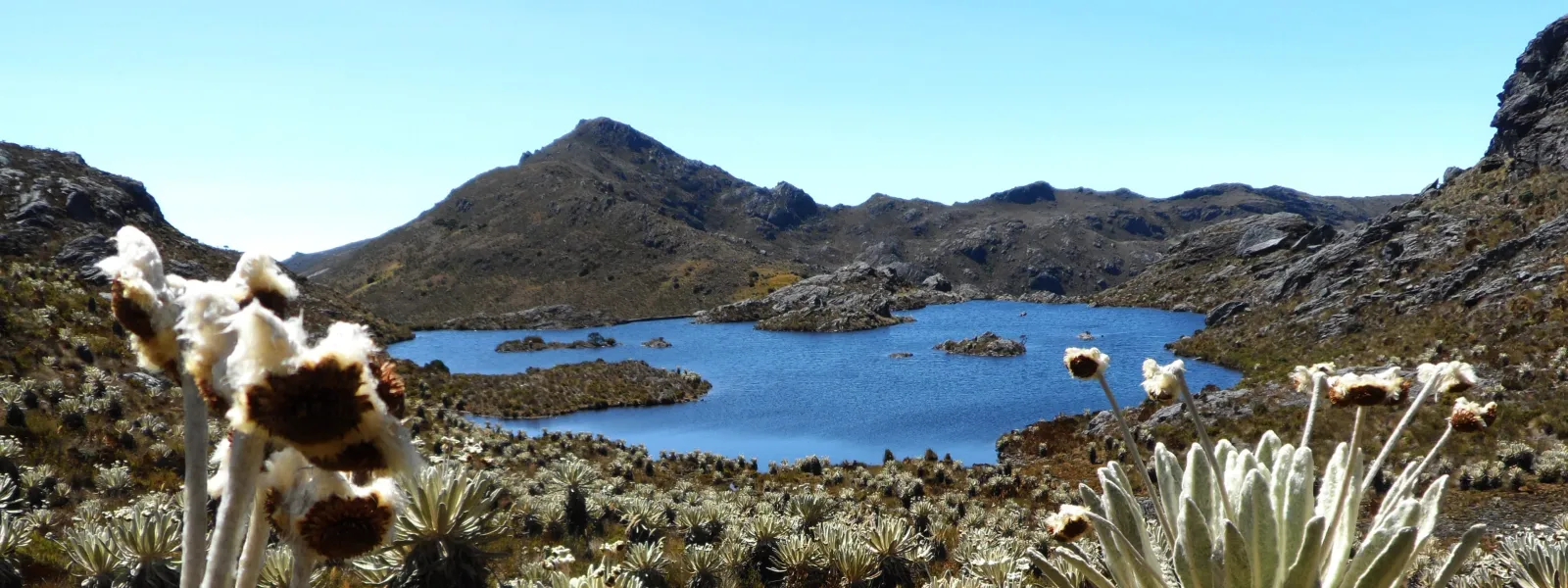
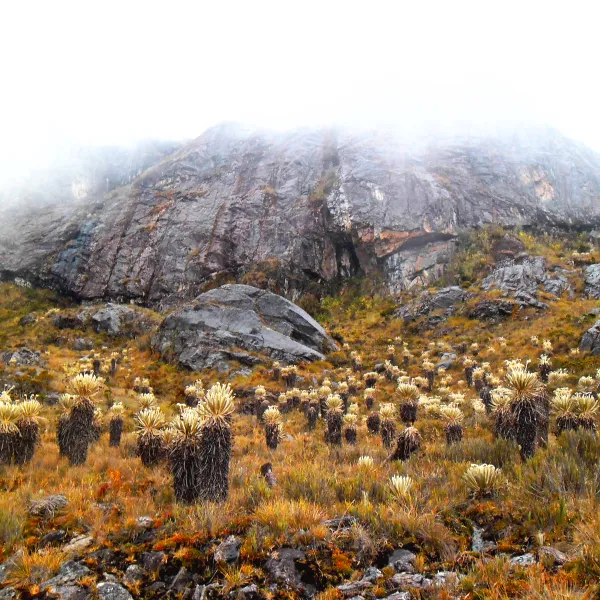
In the Andean region, high-mountain ecosystems known as páramos capture water from the fog and supply it to the lowlands. One such ecosystem is the Santurbán páramo, which provides fresh water to more than two million people in Colombia.
Santurbán, like the other páramos on the continent, also captures large amounts of carbon, making it a key ally in mitigating the climate crisis. It is also a refuge for hundreds of endangered species, including the iconic spectacled bear.
The land in and around the páramo contains gold and other minerals. This has put Santurbán in the spotlight of the multinational mining industry, which for decades has sought to establish large-scale projects in the ecosystem that threaten to degrade it.
The Committee for the Defense of Water and the Santurbán Páramo—a coalition of environmental advocates—has thwarted these ongoing attempts, with support from AIDA and other civil society organizations.
Background
The Santurbán páramo is located in the heart of the Eastern Cordillera of the Colombian Andes, in the departments of Santander and Norte de Santander, at an elevation ranging from 2,200 to 4,290 meters above sea level.
It covers an area of 129,743 hectares and is home to 57 lakes. It serves as a habitat for 457 plant species and 293 species of vertebrate fauna.
There are mineral deposits in Santurbán, primarily gold, but also silver and copper. This explains the region’s mining tradition, particularly in the part of the páramo located in Santander, in the province of Soto Norte. The communities in the area have built their culture and identity around gold mining, which is mainly artisanal and small-scale.
But since the 1990s, the gold deposits in the páramo have also attracted foreign mining conglomerates seeking to develop large-scale projects. This has raised concerns among the population that relies on the Santurbán water sources, who have mobilized in defense of water, their land, and life.
Although national and international regulations prohibit mining in páramos, the Colombian government has granted mining concessions to transnational corporations in Santurbán.
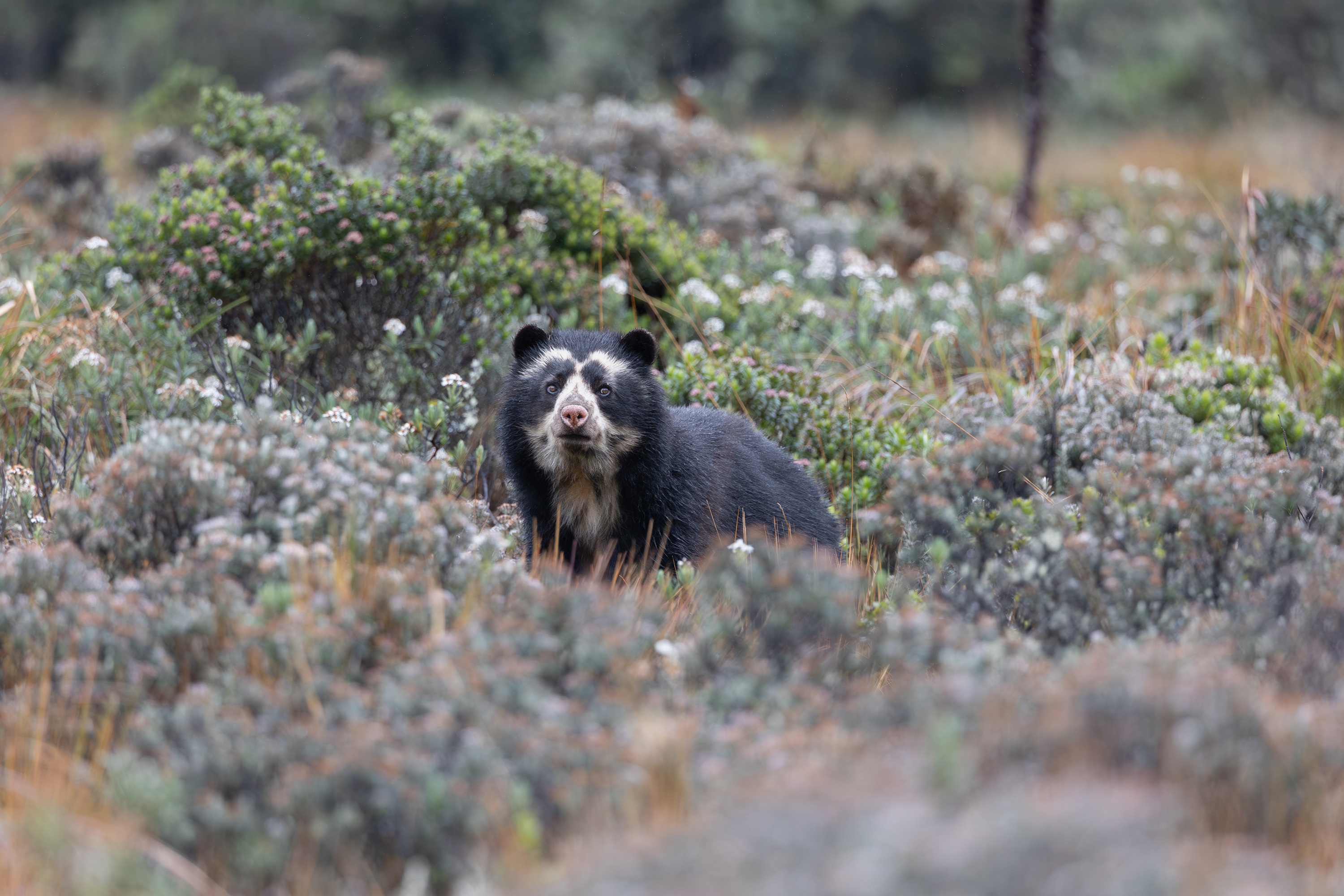
Photo: Keishpixl / Pixabay.
The long struggle to protect the páramo
One of the companies that sought to develop large-scale mining in Santurbán is Eco Oro Minerals Corp.—formerly Greystar Resources—a Canadian company that intended to establish the Angostura open-pit mine there to extract gold and silver. Between 1994 and 1995, the company acquired its mining titles and conducted exploration. And in 2010, it applied for a mining permit.
That was the year AIDA became involved in defending the ecosystem, supporting the Committee for the Defense of Water and the Santurbán Páramo. Our legal work helped convince the Colombian government to deny the mine an environmental permit in May 2011.
In January 2013, the government designated a portion of the páramo (11,700 hectares) as a Regional Natural Park. That year—together with the committee and partner organizations—we carried out a campaign and advocacy efforts to urge the government to recognize the entire Santurbán area as a páramo ecosystem through a delimitation based on scientific criteria. In December 2014, the Ministry of the Environment established a delimitation that protected 76% of the páramo (98,954 hectares).
Furthermore, as a result of a litigation supported by AIDA, in February 2016, Colombia’s highest court reaffirmed that mining in páramos is prohibited.
That same year, in December, the International Finance Corporation (IFC), the World Bank Group’s private sector arm, decided to divest from Eco Oro Minerals. This achievement was the result of a process that began in 2012, when the committee—advised and supported by AIDA and international partner organizations—filed a complaint before an independent accountability mechanism, which concluded that the IFC’s investment in the Angostura project failed to take into account the project’s social and environmental impacts, thereby contradicting the financial institution’s internal policies.
Also in 2016, Eco Oro Minerals filed an arbitration claim against the Colombian government with the International Centre for Settlement of Investment Disputes (ICSID), arguing that it had been adversely affected by government decisions aimed at protecting the country’s páramos, including the delimitation of Santurbán.
In 2017, the Constitutional Court invalidated the delimitation because the affected communities were not consulted. The high court ordered that a participatory delimitation be carried out.
And that year, a new threat to Santurbán emerged when the Canadian multinational Aris Mining applied for an environmental permit for Soto Norte, a gold mining project located near the páramo. Following citizen protests and technical objections, in October 2020, the National Environmental Licensing Authority shelved the project.
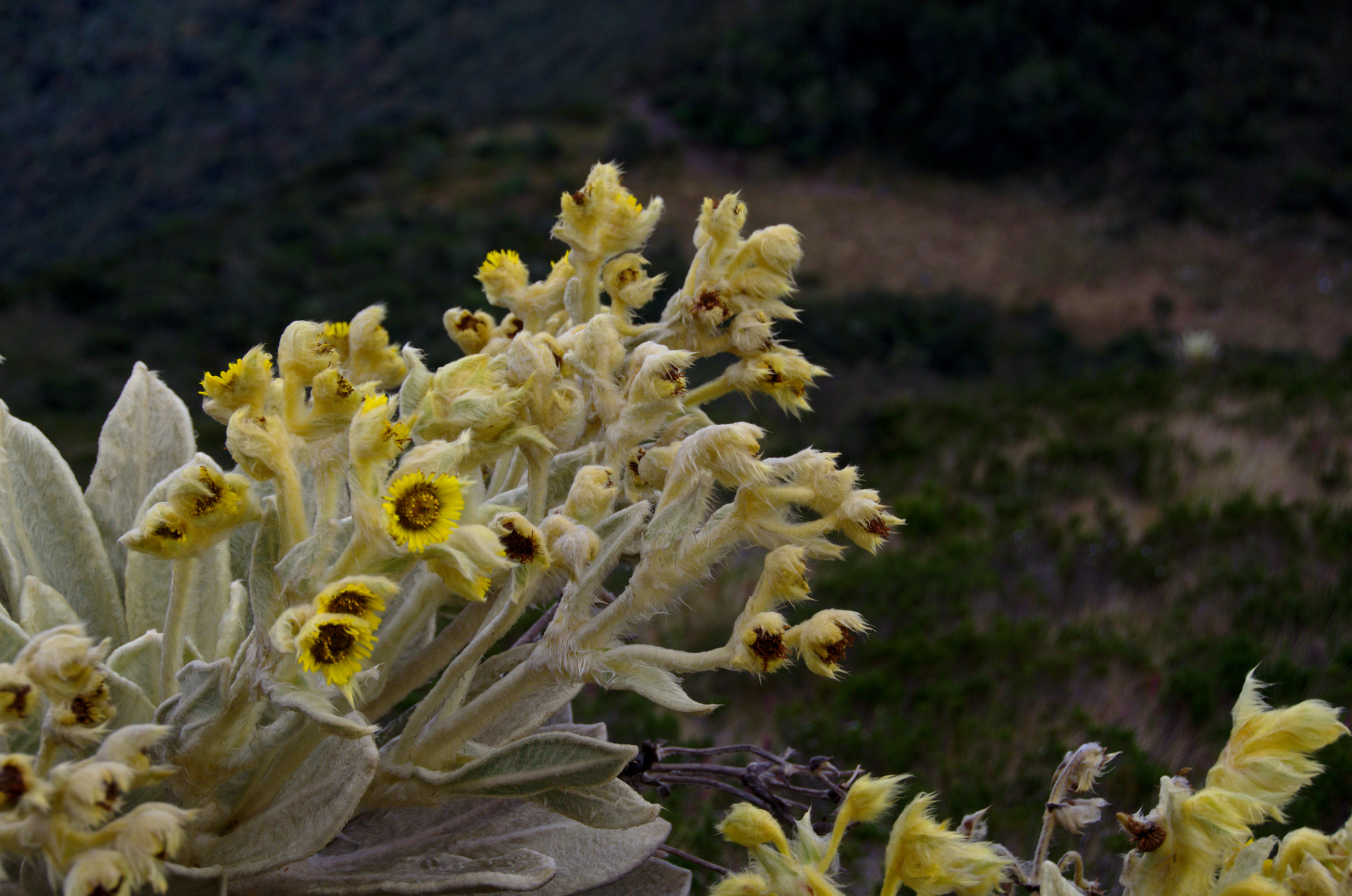
Photo: Aztlec.
Current situation
In March 2025, the Colombian government designated the western flank of the Santurbán massif as a temporary renewable natural resource reserve area, delimiting and protecting an area of 75,344.65 hectares. This resulted in a two-year suspension of the Soto Norte project. However, Aris Mining's contract to formalize Calimineros' small-scale mining activities through the purchase and processing of mineralized material remains in effect.
In addition, the Canadian mining company continues to move the project forward. In September 2025, it released its prefeasibility study, revising the mine’s original design.
Meanwhile, members of the Committee for the Defense of Water and the Santurbán Páramo face threats and stigmatization because of their work. In March 2025, UN Special Rapporteurs and the Working Group on Business and Human Rights denounced these incidents in communications sent to the governments of Colombia, Canada, and the United Arab Emirates, as well as to the companies Aris Mining and MDC Industry Holding Company LLC, the former co-owner of the Soto Norte project.
Regarding the arbitration claim filed by Eco Oro Minerals, in July 2024, ICSID ruled in favor of the Colombian government and rejected the Canadian company’s claim for USD 1.1 billion in compensation.
Concerning the delimitation of Santurbán, in July 2026, the Ministry of the Environment issued a resolution introducing the concept of "progressive delimitation." On that basis, the government proposes to progressively demarcate the páramo, covering 29,199 hectares across 19 municipalities—those where the participatory agreements required by the Constitutional Court in its 2017 ruling have already been finalized. It also proposes two measures on the creation and expansion of reserves to restrict mining in the ecosystem.
Learn more about the impacts of mining on the páramos of Latin America (in Spanish).
Partners:
Related projects
What I learned from my internship at AIDA
Last year, I completed a three-month internship with AIDA in La Paz, the capital of Baja California Sur, Mexico. It was part of the academic process to become a lawyer in Germany, my home country. The internship allowed me to combine my professional training with my passion for nature, as well as to gain experience working with an international NGO in the field of environmental law. I applied to the internship with AIDA's Marine Biodiversity and Coastal Protection Program without specifying a preferred location. Imagine my delight to learn that the internship would take place in La Paz, Mexico, a small city surrounded by nature. Coming from one of the most densely populated countries in the world, it was amazing to live in a place with so much space. I was fascinated by the diversity of ecosystems in the area: deserts, mangroves, mountainous pine forests, and the rock and coral reefs of the Gulf of California. On my first weekend, I was able to take in the abundance of wildlife in La Paz when Camilo Thompson, AIDA attorney and my supervisor, and Mario del Angel, his neighbor and a kayak guide, took me on a tour of the El Mogote wetlands, an ecosystem of international importance. I was impressed to see, in the first light of day, a group of dolphins in the bay. The morning was complete when I had my first chilaquiles, a typical Mexican dish, for breakfast. As we toured the waterways taking pictures of herons among the mangroves, I learned about the importance of coastal wetlands—they serve as habitat for key species and are natural carbon sinks. From the beginning of my internship, I participated in the virtual meetings of AIDA’s marine team, distributed throughout several countries of the region. I learned about the variety of animals and ecosystems that AIDA works to protect. From the office in La Paz, our contribution was focused on Mexico. I learned about national regulations related to reefs, herbivorous fish, and Natural Protected Areas. I supported research on the state of protection of these fish, which are essential for keeping Latin American and global coral reefs healthy. The combination of direct contact with nature and working in the office for local and regional projects gave me a different perspective on the nature of environmental law, and increased my motivation to learn. I learned that AIDA has worked for years with other organizations, local stakeholders, and scientists to protect fisheries and endangered species such as whales and sea turtles. One of the most enriching aspects of my internship was being able to experience first-hand the natural wealth that AIDA seeks to preserve. Though I’d been a diver for many years, I never ceased to be amazed by the sight of sea lions, bull and hammerhead sharks, killer whales, rays, sea turtles, and countless species of reef fish in their natural habitat. While in La Paz, I finished my rescue diver course and accompanied a team of marine biologists to conduct a visual census of marine life on Espiritu Santo Island. On four occasions, I visited Cabo Pulmo National Park, the largest coral reserve in the Gulf of California. I went diving and snorkeling. I participated in meetings of the Cabo Pulmo Vivo coalition, dedicated to protecting the park and its area of influence. It was gratifying to know that I was doing my small part for the site’s conservation. The internship gave my professional training a multidisciplinary approach. La Paz is one of the scientific centers of marine biology in Mexico and, while there, I was able to exchange ideas with marine biologists on diving trips and while socializing in bars in the city. Around La Paz, I was also able to spend time bird watching, one of my hobbies. The state of Baja California Sur is home to roughly 432 species of birds. I was able to see a wide variety of migratory species, as well five of the six endemic ones. I completed the internship very grateful for the experiences I had gained. Now, I’m back in Berlin, but I plan to return soon to La Paz to see the birds, whale sharks, and other majestic species that inhabit the area and are living proof of the valuable work of organizations like AIDA.
Read more
AIDA calls on governments to maintain democratic rule of law
In the face of the COVID-19 pandemic, we demand that Latin American governments refrain from approving projects that damage the environment and violate human rights, and that they maintain special protections for environmental defenders. In the context of the global emergency unleashed by COVID-19, the Interamerican Association for the Environmental Defense (AIDA) urges Latin American States to comply with their obligations to protect the environment and uphold human rights. Governments must refrain from advancing projects that setback established protections through harmful regulatory changes or the approval of projects without adequate social and environmental impact assessments. We also express our worry at the lack of conditions to ensure the rights to participation and access to information for people affected by high-risk projects and public policy decisions. In particular, we regret the decision of the Colombian government to conduct virtual prior consultations with ethnic communities, and the determination of the provincial government of Mendoza, Argentina, to use online means to realize consultations on development projects. While we believe that social distancing is essential to dealing with the pandemic, it is not the appropriate means of realizing the rights to participation and access to information. AIDA thus calls on States of the region to suspend the approval of environmental and other official permits for sensitive projects unrelated to the response to the health crisis, until such time as the above-mentioned rights can be adequately guaranteed. This implies taking into account that the necessary conditions do not currently exist for people affected by projects to defend themselves in court. We also emphasize that, in the face of the pandemic, actions must be framed within the path recommended by science and the law to confront the climate crisis, seeking a just transition, respectful of human rights, towards a more resilient and sustainable way of life, based on clean energy and not fossil fuels. We express our solidarity with all people affected by COVID-19. We underscore the urgency of guaranteeing and respecting their rights in the midst of the crisis, particularly for those in vulnerable conditions, including indigenous peoples, migrants, women, and environmental defenders, among others. In this regard, we demand that governments of the region maintain democratic rule of law and the special protection of environmental defenders. And we ask that international organisms closely monitor the human rights situation on the continent. Press contact: Victor Quintanilla, [email protected], +5215570522107
Read more
International Environmental Law: History and milestones
International Environmental Law (IEL) is a discipline that involves the whole world in the protection of a common good: our environment. At AIDA, we apply it every day to help individuals and communities defend the environment and the fundamental human rights that depend on it. But where did this global discipline come from and how has it evolved? Its rules have not been dictated by a national institution or an international authority. Rather, it is a compendium of declarations, treaties and rules—some binding, some voluntary—that have developed alongside scientific knowledge and awareness of the current state of our natural world. The history of IEL can be divided into three stages, separated by two of the most relevant international conferences held so far: the Stockholm Conference (1972) and the Rio de Janeiro Earth Summit (1992). And in 2016, with the signing of the Paris Agreement, a new stage began to confront humanity's most important natural challenge: the current climate emergency. The beginnings: Before Stockholm Before the 1960s, there was little environmental awareness and only a few isolated international environmental regulatory initiatives. One of these was the failed London Convention of 1900, which sought to protect African wildlife. It never came into force because it was not signed by the minimum number of parties. It was replaced 33 years later by the 1933 London Convention, which was implemented in much of colonized Africa through the creation of nature parks and species protection. During those years, other initiatives were carried out in isolation. But things really started to change in the 1960s, when public opinion became aware of the dangers threatening the planet. Some of the events that marked this era were the publication in 1962 of the book Silent Spring by Rachel Carson, which documented the negative effects of pesticides on birds and the environment; and the release of the image known as Earthrise, taken by astronaut William Anders in 1968 during the Apollo 8 mission. The Stockholm Declaration A product of the first UN Conference on the Human Environment, the Stockholm Declaration (1972) was the first international document to recognize the right to a healthy environment through 26 principles, many of which have played an important role in the subsequent development of IEL. Principle 21, for example, confirmed one of the cornerstones of IEL: the responsibility of States to ensure that activities under their jurisdiction do not cause damage to the environment of other States. The Declaration also established the Principle of Cooperation, which is crucial in the further development of IEL, by recognizing that countries should unite their efforts to meet the global challenges of our shared environment. Also in Stockholm, the UN General Assembly created the United Nations Environment Programme (UNEP), the central body in charge of environmental affairs today. Between Stockholm and Rio After Stockholm, changes began to be seen in national governments: the first green political parties were formed, some Ministries of Environment were created, and a significant amount of local environmental legislation began to be developed. In 1983, the UN created the World Commission on Environment and Development, known as the Brundtland Commission. Its work, which focused on the difficult relationship between environment and development, resulted in the report Our Common Future (1987). That document coined the concept of sustainable development - defined as "meeting the needs of the present generation without compromising the ability of future generations to meet their own needs" - which is the basis for the evolution of IEL. At this time, some of the global environmental problems that still afflict us today began to manifest themselves--including the depletion of the ozone layer, risks to biological diversity, and the threat of climate change. International cooperation was absolutely necessary and developed countries would have to help poorer countries if humanity was to be able to meet such challenges. In 1987, the Montreal Protocol was signed to combat the depletion of the ozone layer. This international agreement has been an example of successful international cooperation.Because of it, it’s believed that the ozone layer could recover by 2050. The Earth Summit in Rio de Janeiro In 1992, during this Conference, two conventions were presented to be signed by national governments: the Convention on Biological Diversity and the United Nations Framework Convention on Climate Change (UNFCCC). The Rio Declaration was also established, which reaffirmed the Stockholm Declaration and the Agenda 21 action program, which continues to guide governments and non-state actors in environmental protection activities. In Rio, in the face of growing evidence that human activities in pursuit of economic growth were responsible for major environmental threats, the central concept continued to be sustainable development. Two principles of the Rio Declaration deserve special consideration: the Precautionary Principle, the most advanced form of prevention and important to the formation of modern IEL; and Principle 10, which recognizes the right to information, participation, and justice in environmental matters. In 1998 Principle 10 gave rise to the Aarhus Convention, binding in Europe and Central Asia. The Aarhus Convention is the predecessor of the Escazú Agreement, which seeks recognition of these rights in Latin America. This recognition is also considered an important milestone in the creation of IEL because it shows the emergence of civil society as an increasingly important and active player in global environmental protection. After Rio and into the Future After Rio, all major economic treaties began to include environmental protection. A case in point is the Marrakech Agreement, which created the World Trade Organization in 1994 and was the first economic treaty to recognize the goals of sustainable development and environmental protection. The Convention on Climate Change of 1995 deserves special mention, since its signatories have met every year at the so-called Conference of the Parties (COP). Within this framework, in 1997, the Kyoto Protocol was presented. Despite not having been successful in mitigating greenhouse gas emissions, it was the first international agreement to establish legally binding obligations for developed countries. In 2000, 189 countries adopted the Millennium Declaration in New York, which strengthened the importance of sustainable development by recognizing the need for sustainable economic growth with a focus on the poor and respect for human rights. Two years later, in 2002, representatives from 190 countries attended the UN World Summit on Sustainable Development in Johannesburg to follow up on the commitments of the Rio Summit. On that occasion, they adopted the Declaration on Sustainable Development, which focused on development and poverty eradication with a legal-economic approach on "public-private partnerships”. And in 2012, the UN organized the third Conference on Sustainable Development, known as Rio + 20, which brought together 192 Member States, private sector companies, NGOs, and other organizations. The result was a non-binding document called The Future We Want. In the document, States renewed their commitment to sustainable development and the promotion of a sustainable future. Modern Times The Kyoto Protocol to address climate change gave way to the Paris Agreement (2016). In this agreement, the signatory countries committed themselves to doing everything possible to prevent the average temperature of the planet from rising by 2°C, compared to pre-industrial levels, and hopefully staying below a 1.5°C rise. The relationship between human rights and climate change was recognized in its preamble. Having been ratified by almost all countries in the world, it has immense potential as an instrument of international law. In fact, recently the first ruling that prevented a project (the expansion of an airport) was made in England, on the grounds that by proceeding the country would not be complying with the Paris Agreement. A contemporary landmark of great relevance, especially for Latin America, is Advisory Opinion 23 (2017) on the environment and human rights of the Inter-American Court of Human Rights. In it, the Court recognized for the first time the right to a healthy environment as fundamental to human existence, as well as the impacts of environmental degradation and climate change on human rights. Finally, it is worth mentioning the current construction of an international legally binding instrument for the conservation and sustainable use of marine biological diversity in areas beyond national jurisdiction. In recognition of the crucial role that the ocean plays in the health of the planet and especially in the stability of the climate, safeguarding the vast and mysterious areas in the high seas seems to be absolutely necessary. Conclusion: Where do we stand? After reviewing the most important milestones related to global efforts to address the serious environmental crisis we are experiencing, it is inevitable that we will be plunged into deep concern. Global initiatives have not succeeded in motivating the change of direction we need for our planet to begin to regain its health. As it stands, no one can ensure that future generations will be able to meet their needs as past and present generations have done. Despite the disappointments, it is important to continue promoting global initiatives where common policies are discussed and where IEL takes shape. Although these initiatives have not yet been able to stop the environmental crisis, they have strengthened IEL as an instrument to defend our causes, something that we make the most of at AIDA. Likewise, world conferences often become platforms for large-scale protests and awareness-raising campaigns directed by global civil society, which has become increasingly alert and determined to defend our environment. Today, much of the hope for change lies in the strength of civil society, especially in the young people who have awakened and come to the defense of the planet. This force finds in IEL a point of support to demand what we need: a resounding change in the model of development that still guides the affairs of the planet, and which is causing so much damage.
Read more