
Project
Alberto Peña Kay
Protecting the Santurban páramo from mining's damage
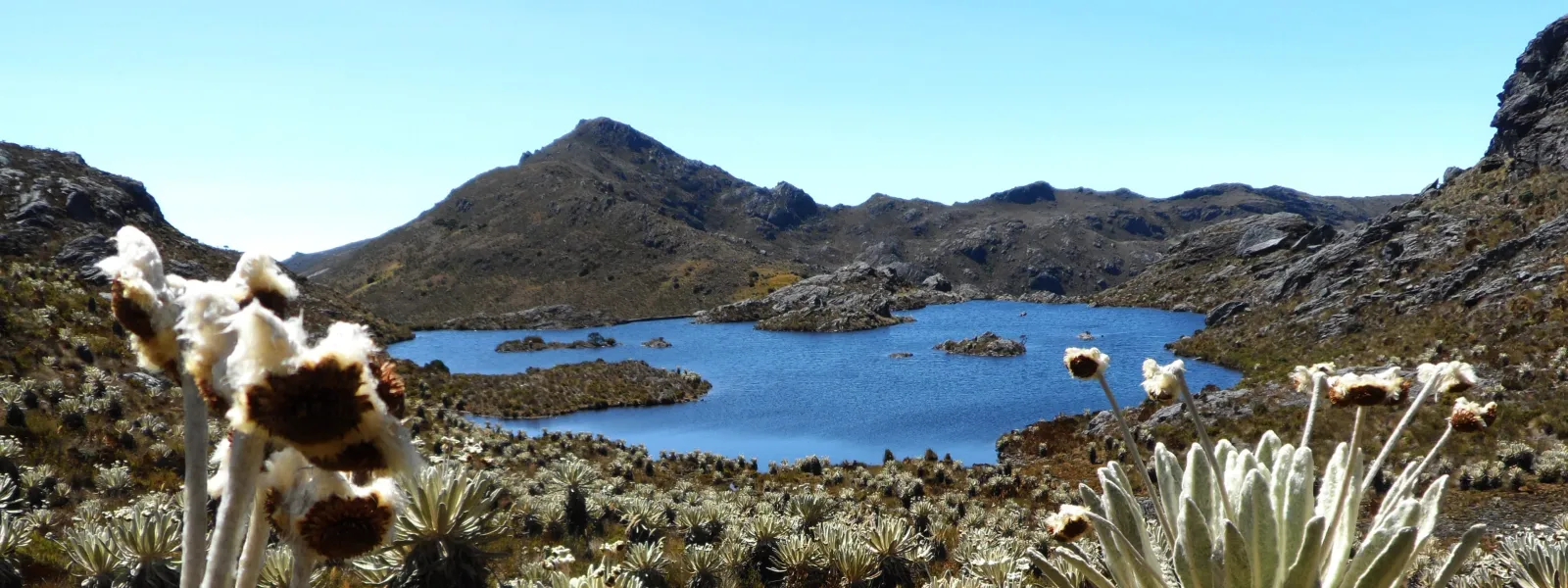
In the Andean region, high-mountain ecosystems known as páramos capture water from the fog and supply it to the lowlands. One such ecosystem is the Santurbán páramo, which provides fresh water to more than two million people in Colombia.
Santurbán, like the other páramos on the continent, also captures large amounts of carbon, making it a key ally in mitigating the climate crisis. It is also a refuge for hundreds of endangered species, including the iconic spectacled bear.
The land in and around the páramo contains gold and other minerals. This has put Santurbán in the spotlight of the multinational mining industry, which for decades has sought to establish large-scale projects in the ecosystem that threaten to degrade it.
The Committee for the Defense of Water and the Santurbán Páramo—a coalition of environmental advocates—has thwarted these ongoing attempts, with support from AIDA and other civil society organizations.
Background
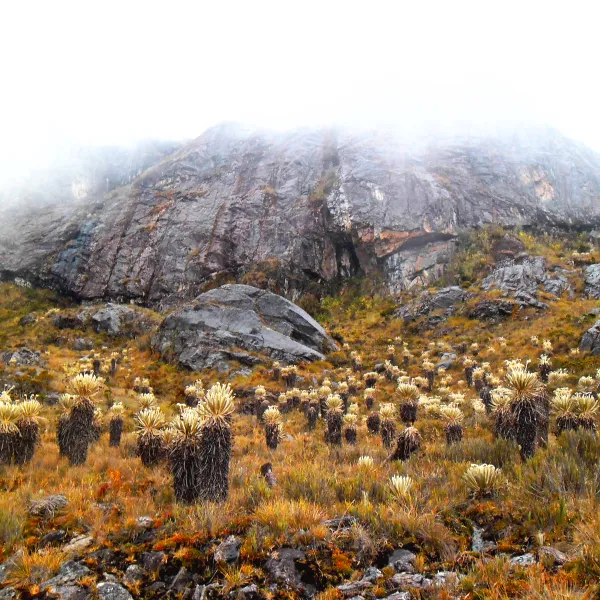
The Santurbán páramo is located in the heart of the Eastern Cordillera of the Colombian Andes, in the departments of Santander and Norte de Santander, at an elevation ranging from 2,200 to 4,290 meters above sea level.
It covers an area of 129,743 hectares and is home to 57 lakes. It serves as a habitat for 457 plant species and 293 species of vertebrate fauna.
There are mineral deposits in Santurbán, primarily gold, but also silver and copper. This explains the region’s mining tradition, particularly in the part of the páramo located in Santander, in the province of Soto Norte. The communities in the area have built their culture and identity around gold mining, which is mainly artisanal and small-scale.
But since the 1990s, the gold deposits in the páramo have also attracted foreign mining conglomerates seeking to develop large-scale projects. This has raised concerns among the population that relies on the Santurbán water sources, who have mobilized in defense of water, their land, and life.
Although national and international regulations prohibit mining in páramos, the Colombian government has granted mining concessions to transnational corporations in Santurbán.
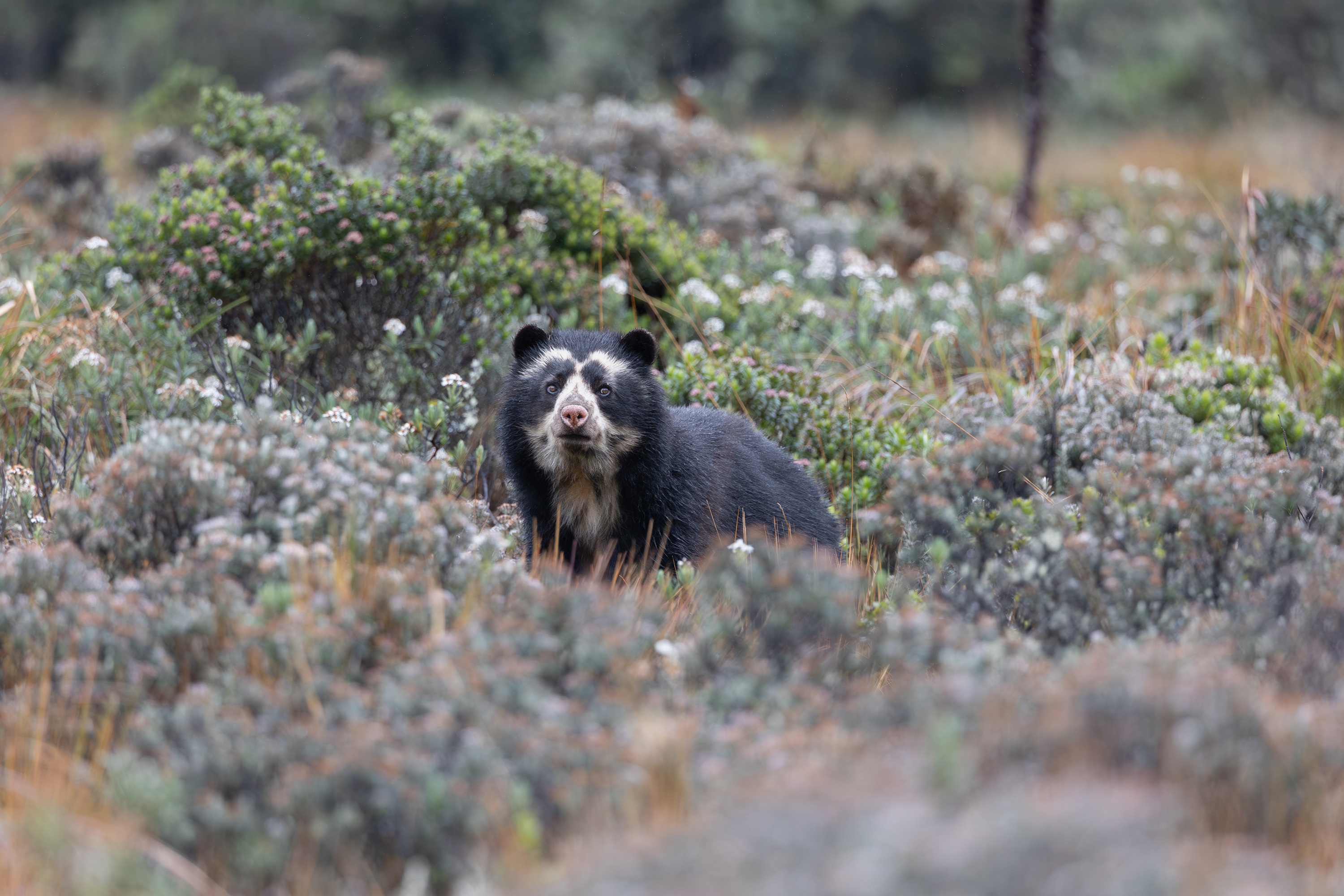
Photo: Keishpixl / Pixabay.
The long struggle to protect the páramo
One of the companies that sought to develop large-scale mining in Santurbán is Eco Oro Minerals Corp.—formerly Greystar Resources—a Canadian company that intended to establish the Angostura open-pit mine there to extract gold and silver. Between 1994 and 1995, the company acquired its mining titles and conducted exploration. And in 2010, it applied for a mining permit.
That was the year AIDA became involved in defending the ecosystem, supporting the Committee for the Defense of Water and the Santurbán Páramo. Our legal work helped convince the Colombian government to deny the mine an environmental permit in May 2011.
In January 2013, the government designated a portion of the páramo (11,700 hectares) as a Regional Natural Park. That year—together with the committee and partner organizations—we carried out a campaign and advocacy efforts to urge the government to recognize the entire Santurbán area as a páramo ecosystem through a delimitation based on scientific criteria. In December 2014, the Ministry of the Environment established a delimitation that protected 76% of the páramo (98,954 hectares).
Furthermore, as a result of a litigation supported by AIDA, in February 2016, Colombia’s highest court reaffirmed that mining in páramos is prohibited.
That same year, in December, the International Finance Corporation (IFC), the World Bank Group’s private sector arm, decided to divest from Eco Oro Minerals. This achievement was the result of a process that began in 2012, when the committee—advised and supported by AIDA and international partner organizations—filed a complaint before an independent accountability mechanism, which concluded that the IFC’s investment in the Angostura project failed to take into account the project’s social and environmental impacts, thereby contradicting the financial institution’s internal policies.
Also in 2016, Eco Oro Minerals filed an arbitration claim against the Colombian government with the International Centre for Settlement of Investment Disputes (ICSID), arguing that it had been adversely affected by government decisions aimed at protecting the country’s páramos, including the delimitation of Santurbán.
In 2017, the Constitutional Court invalidated the delimitation because the affected communities were not consulted. The high court ordered that a participatory delimitation be carried out.
And that year, a new threat to Santurbán emerged when the Canadian multinational Aris Mining applied for an environmental permit for Soto Norte, a gold mining project located near the páramo. Following citizen protests and technical objections, in October 2020, the National Environmental Licensing Authority shelved the project.
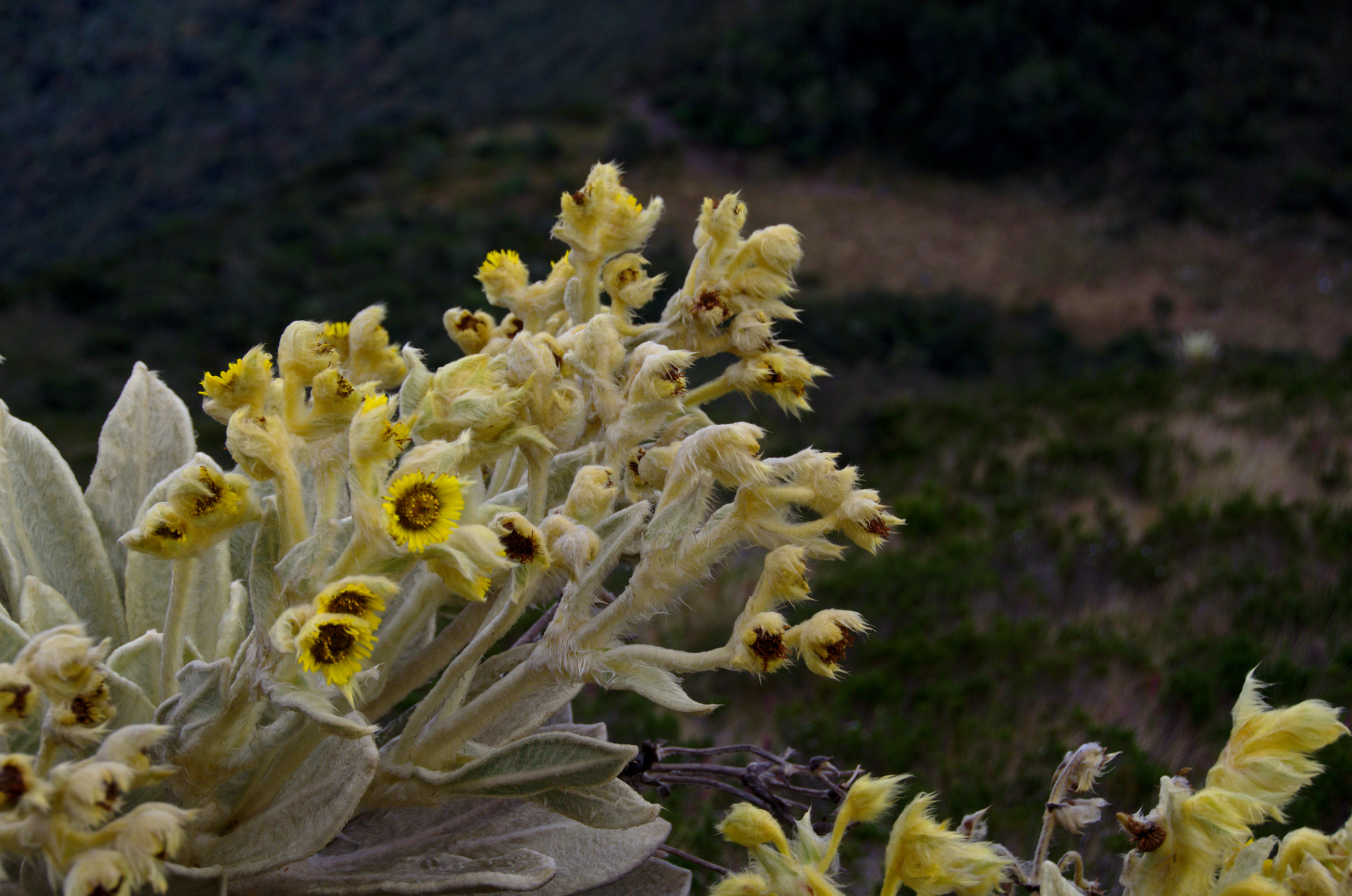
Photo: Aztlec.
Current situation
In March 2025, the Colombian government designated the western flank of the Santurbán massif as a temporary renewable natural resource reserve area, delimiting and protecting an area of 75,344.65 hectares. This resulted in a two-year suspension of the Soto Norte project. However, Aris Mining's contract to formalize Calimineros' small-scale mining activities through the purchase and processing of mineralized material remains in effect.
In addition, the Canadian mining company continues to move the project forward. In September 2025, it released its prefeasibility study, revising the mine’s original design.
Meanwhile, members of the Committee for the Defense of Water and the Santurbán Páramo face threats and stigmatization because of their work. In March 2025, UN Special Rapporteurs and the Working Group on Business and Human Rights denounced these incidents in communications sent to the governments of Colombia, Canada, and the United Arab Emirates, as well as to the companies Aris Mining and MDC Industry Holding Company LLC, the former co-owner of the Soto Norte project.
Regarding the arbitration claim filed by Eco Oro Minerals, in July 2024, ICSID ruled in favor of the Colombian government and rejected the Canadian company’s claim for USD 1.1 billion in compensation.
Concerning the delimitation of Santurbán, in July 2026, the Ministry of the Environment issued a resolution introducing the concept of "progressive delimitation." On that basis, the government proposes to progressively demarcate the páramo, covering 29,199 hectares across 19 municipalities—those where the participatory agreements required by the Constitutional Court in its 2017 ruling have already been finalized. It also proposes two measures on the creation and expansion of reserves to restrict mining in the ecosystem.
Learn more about the impacts of mining on the páramos of Latin America (in Spanish).
Partners:
Related projects
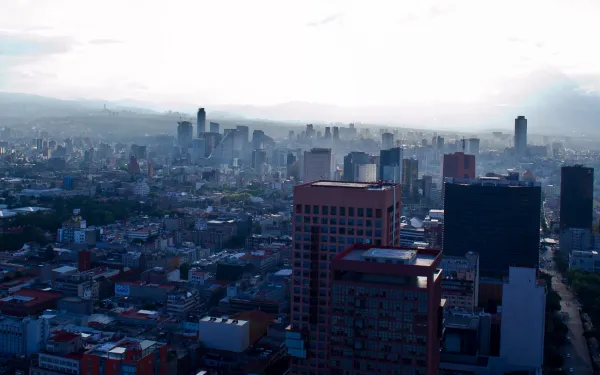
Contamination and COVID-19: Why didn't air quality Improve in the Valley of Mexico?
Measures adopted to deal with the global health pandemic caused by COVID-19 have led to a reduction in some atmospheric pollutants, which has considerably improved air quality in various cities around the world. Yet in the metropolitan area of the Valley of Mexico (MCMA)—which includes Mexico City and surrounding towns—air quality has not improved despite the suspension of activities associated with sources of pollution like traffic and industry. Months before the health emergency was declared in late March 2020, the air quality reported by the Valley’s Atmospheric Monitoring System was in the range of "regular" to "bad," due primarily to vehicle congestion. With restrictions on mobility established due to the pandemic, vehicle traffic decreased by up to 70% and, with it, so did some of the air pollution. According to official information, distancing measures caused a reduction in carbon monoxide and nitrogen oxides—of 58 and 32 percent, respectively. However, tropospheric ozone (O3), one of the most damaging pollutants to air quality and human health, did not decrease significantly (only 3 or 4 percent, according to official data). That’s why, in May, two months after measures were adopted to address the health crisis, air quality in the Valley of Mexico remained at the same parameters as the beginning of the year—that is, ranging from "regular" to "bad," according to the Atmospheric Monitoring System. The question that arises, then, is WHY? What causes air pollution? Various gases and compounds contaminate the air. Primary pollutants—like carbon dioxide (CO2), nitrogen oxides (NOx) and volatile organic compounds (VOC)—are directly discharged into the atmosphere. Secondary pollutants, like tropospheric ozone (O3), form in the atmosphere as a result of the chemical transformation of those primary pollutants. Tropospheric ozone is formed from the interaction of sunlight with "precursor gases," including volatile organic compounds and nitrogen oxides. Now, there are three factors that actually affect air quality: weather conditions, topography, and concentrations of one or more pollutants at levels that can harm the environment and human health. These concentrations are measured by official monitoring systems, like the MCMA Atmospheric Monitoring System. The World Health Organization establishes concentration levels of pollutants that should not be exceeded over a specific period. For tropospheric ozone, the recommended value is 50 parts per billion (ppb) over an eight-hour average. But Mexican regulations are more lax and establish a lower limit for this compound: a concentration less than or equal to 95 ppb on an hourly average (that is, in a 60-minute time interval). In addition, to activate an environmental contingency for ozone, concentrations must be greater than 154 ppb (hourly average). This standard implies less protection for the population's health. At the beginning of this year, the hourly ozone concentration in the Valley of Mexico averaged only 23 ppb, but it has risen since then. Despite the restrictions resulting from the health crisis, the average hourly concentration of ozone was 41 ppb in April and 45 ppb in May. Also, from January to May, 99 days were recorded in which ozone concentrations exceeded the 95 ppb limit. Why did concentrations of ozone increase? The restriction on mobility during the health contingency was not adequate to decrease concentrations of ozone in the atmosphere for two reasons: first, the sources of this compound are not limited to the use of vehicles; and second, the period of social isolation coincided with the so-called ozone season, a time of the year when the concentrations rise due to the increase of solar radiation and the decrease of rain and wind. As previously mentioned, tropospheric ozone is formed by the interaction of sunlight with precursor gases. Among these gases are nitrogen oxides—mainly generated by the combustion processes of automobiles, especially diesel engines—and volatile organic compounds, which arise from more diverse sources: the use of solvents, leaks of liquefied petroleum gas in heaters and stoves, cosmetic and cleaning products, and evaporated fuel in gas stations and automobiles without evaporative emissions control. According to official data, during social isolation, volatile organic compounds were only reduced by 15 percent, including all their emission sources. On the other hand are forest fires, a major source of ozone precursor gases. From January 1 to May 3 of this year, in Mexico City alone there were 644 forest fires— lower in number compared to the same period in 2019, but equally as intense. As for the ozone season, which begins the last week of February and ends with the first rains in June, the average temperature in the Valley of Mexico was higher this year. In April, it was 2°C higher than the average recorded in the same month between 1981 and 2010—the hottest April in recorded history. Because the temperature is directly related to solar radiation and lack of wind, its increase explains the higher ozone concentrations. The sum of these factors contributed to the fact that ozone concentrations actually increased despite the restrictions established by the pandemic. This, in turn, led to the residents of the Valley of Mexico continuing to experience poor air quality and suffering its negative health impacts. Why reducing ozone is good for public health and the climate Ozone not only affects air quality and thus public health. It also has the ability to absorb sunlight and heat the atmosphere, meaning it is a short-lived climate pollutant (SLCP). Because its emissions aggravate the climate crisis, more than 11,000 scientists from around the world have highlighted the need to reduce SLCPs in order to rapidly combat global warming. The intensity of the forest fires and the particularly high temperatures of this year's “ozone season” demonstrate the effects of the climate crisis that we are failing to adequately confront. That’s why it’s imperative that the government implement actions to reduce emissions of precursors gases—not only during the health emergency, but also when we get through it, when motorized transportation (a source of nitrogen oxides) is reactivated. Improved controls on the type of cars on the road, based on their polluting potential, and personal choices like biking, also recommended to reduce the risks of contagion, would help to achieve this objective, reduce global warming, and improve the health of those living in the Valley of Mexico. In addition, society must commit to measures of regulation, communication and education that curb consumer habits and improve on the production and distribution of goods and services that continue to emit volatile organic compounds (another ozone precursor) on a daily basis. Restricting the production and use of aerosol products, as well as repairing and preventing leaks of liquefied petroleum gas, would help to reduce these emissions. Finally, it’s necessary to strengthen the country's weak environmental policy and combat non-compliance with environmental health standards, which has resulted in an insufficient reduction in air pollution. Mexican air quality standards must be updated to set stricter limits that are compatible with international standards and the protection of the human right to health. The above are just some examples of actions that authorities and society can take to show that we have learned a lesson and will do what is necessary to improve air quality and face possible new health crises, as well as to combat the climate crisis that threatens to end the world as we know it today.
Read more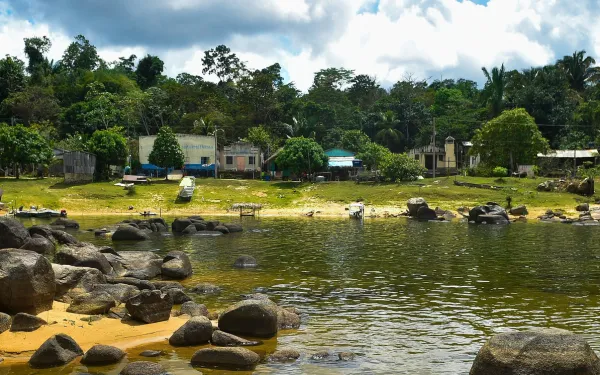
Belo Sun project puts Amazon at serious risk of contamination
The Canadian company developing Belo Sun is failing to take sufficient measures to prevent a planned gold mine from contaminating groundwater and surface water sources. The company also plans to use large quantities of cyanide, a substance highly dangerous to the health of people and ecosystems. Altamira, Brazil. A technical evaluation concluded that a gold mine planned for the Volta Grande of the Xingu River, deep in the Brazilian Amazon, risks contaminating water sources and harming the area’s indigenous and riverine communities. A project of the Canadian company Belo Sun Mining Corp., the mine could leech contaminating fluids, and would employ high quantities of cyanide, as well as other chemical processes that could, unless properly implemented, cause acidic waste to reach aquifers and rivers. The analysis prepared by Andrés Ángel, geologist and scientific advisor to the Interamerican Association for Environmental Defense (AIDA), found inconsistencies in the information the company has published in the environmental licensing process. In the 2015 feasibility report presented to the project's investors, Ángel found that the company stated that the area’s soil and shallow rocks are impermeable, that is, contaminants cannot seep through them. However, in 2012 and 2016 environmental impact studies, Belo Sun shows the regulatory authorities data, descriptions and analyses that contradict what was said in 2015, going so far as to say that the aforementioned soils and rocks behave like porous or fractured aquifers. In recent studies, the general design of the project and the management measures proposed by the company, which do not even include installing liners to prevent leaching under certain structures, are insufficient to reduce the risk of surface and groundwater contamination, the expert explained. The evaluation also warns of the use of large quantities of cyanide as the method of choice for the separation of gold. It’s expected that between 330 and 390 grams per ton of processed material will be used, out of an estimated total of 116 million tons of ore. "Less polluting and dangerous alternatives exist, including the export of polymetallic concentrates where the separation of material of economic interest occurs later. In the Amazon rainforest, it would be essential to consider this option" says Ángel. The report also highlights that cyanide can be lethal even in very low doses for both aquatic fauna and people, and points out the risks of transporting this substance through low quality road and fluvial infrastructure. Another serious risk highlighted by the study is the generation of acid drainage as a result of the chemical process planned by the company to eliminate the cyanide used, and as a cumulative impact after the project's lifetime, taking into account that some units were classified as having moderate acid generation potential. Although an active treatment (the addition of lime to effluents) is proposed for this purpose, such a measure implies greater demand for reagents and, therefore, greater total environmental impacts. Finally, Ángel highlighted the lack of information on the synergistic impacts between the Belo Monte Dam—which already affects the area—and the downstream mining project in the reduced flow section of the Xingu River, which in turn will determine the type and extent of the mine's risks in the event of serious failures. The Brazilian justice system suspended Belo Sun’s installation license in 2017 because the company did not conduct studies on the mine's impact on indigenous communities or comply with the requirement for a free, prior and informed consultation process. Belo Sun submitted the studies of the indigenous component to the National Indian Foundation (FUNAI) in early 2020 and is awaiting an assessment and response from the entity. Ángel's assessment was presented to FUNAI and the Secretary of State for the Environment (SEMAS) of Pará, the entities responsible for granting licenses for the project. The expert opinion joins two others presented as part of a joint effort by independent researchers whose work explicitly demonstrates the unfeasibility of the Belo Sun project as it is currently conceived. The previous opinions focused on the negative impacts of the project on the ichthyofauna, and on the fragility of the environmental impact studies submitted by Belo Sun from a geological point of view. In addition to the independent researchers, several organizations have denounced the social and environmental unfeasibility of the project, including the Xingu+ Network, the Xingu Alive Forever Movement, Amazon Watch, the Socio-Environmental Institute (ISA), International Rivers, Above Ground and AIDA. Contacts Marina Terra (Brazil), ISA, [email protected] Victor Quintanilla (Mexico), AIDA, [email protected], +5215570522107
Read more
Protecting environmental defenders, a State duty that mustn’t be deferred
Every day men and women around the world dedicate their lives to protecting the ecosystems upon which entire communities and other living things depend. This work, essential for the protection of our planet, is carried out in legal, social, and political spheres. Unfortunately, those who defend the environment are victims of threats and assassinations. For many years now, Latin America has been the most dangerous region in the world to be an environmental defender, accounting for nearly 60 percent of these crimes. This, despite the fact that national and regional governments recognize human rights like free speech and a healthy environment, as well as the rights of nature. In 2019, Global Witness reported on the murder of 164 environmental defenders, many from Latin American nations—Colombia (24); Brazil (20); Guatemala (16) and Mexico (14). The report explained, “mining was the worst sector, causing 43 deaths, though deaths related to conflicts over water sources also surged. Attacks driven by agribusiness, logging and hydropower continued too.” In the context of the COVID-19 pandemic, the grave risk facing environmental defenders has not ceased. Despite social distancing and other measures adopted to slow the spread of the virus, violence aimed at defenders has continued. It is important to consider that the pandemic strains the networks of protections that exist to respond to emergencies, putting environmental defenders at increased risk. This, combined with the lack of will or ability for institutions to respond to any problems other than the current health crisis, makes for a complicated security situation. In effect, States must respect and guarantee human rights at all times. These are obligations that cannot be deferred, even in emergency situations, and must be emphasized and strengthened for those at risk, like environmental defenders. stATE’s Role as Protector The work of environmental defenders has been recognized within the international system of human rights as essential, in a democratic society, for strengthening the respect and enjoyment of other rights. The reality of the dangers with which these defenders live has been accompanied by a judicial evolution, as evidenced by international legal instruments such as the Escazu Agreement, which for the first time included environmental defenders as people subject to special protection. The Inter-American Court of Human Rights said that this type of protection is especially necessary due to the threats and intimidation defenders face. States have the obligation to: Avoid violating human rights and prevent others from doing so, something that applies to all people. Ensure a safe and conducive environment for environmental defenders to freely carry out their work, and therefore take special action to protect them when they are threatened; refrain from imposing obstacles that hinder the performance of their work; and seriously and effectively investigate violations committed against them. Ensure compliance with procedural rights in environmental matters, i.e. the right to information, public participation and access to justice. Refrain from acting in any way that encourages, stimulates, favors or deepens the vulnerability of these persons; and take necessary and reasonable measures to prevent or protect the rights of those who are in such a situation. This is relevant in the face of the increasing criminalization of human rights defenders by governments, who accuse them of "going against development" in a discourse that has wide reach. Conduct a prompt, serious, impartial and effective investigation into cases of violent death. Always include the perspective of women, since women defenders are exposed to higher levels of violence due to the context of pre-existing inequality. Finally, it’s important to highlight the need for all measures taken by States to clearly respect human rights and, at the same time, assure the life and integrity of environmental defenders as an indispensable element for climate justice and environmental democracy.
Read more