
Project
Alberto Peña Kay
Protecting the Santurban páramo from mining's damage
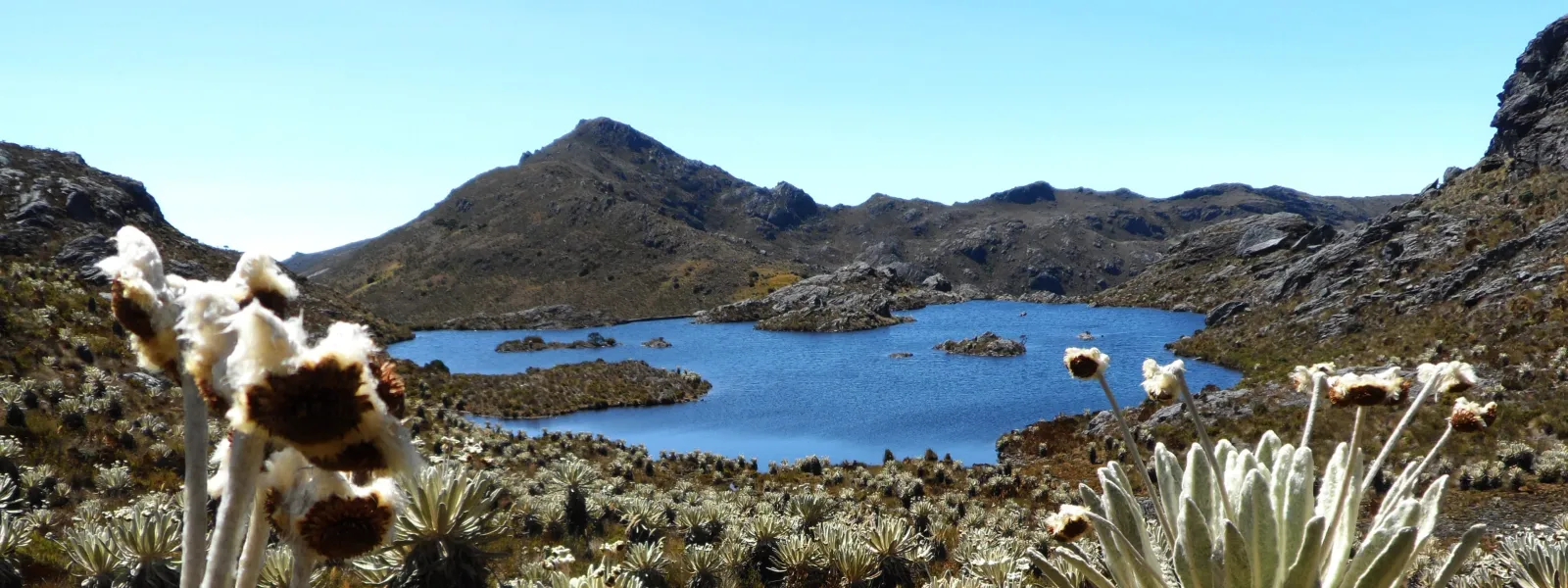
In the Andean region, high-mountain ecosystems known as páramos capture water from the fog and supply it to the lowlands. One such ecosystem is the Santurbán páramo, which provides fresh water to more than two million people in Colombia.
Santurbán, like the other páramos on the continent, also captures large amounts of carbon, making it a key ally in mitigating the climate crisis. It is also a refuge for hundreds of endangered species, including the iconic spectacled bear.
The land in and around the páramo contains gold and other minerals. This has put Santurbán in the spotlight of the multinational mining industry, which for decades has sought to establish large-scale projects in the ecosystem that threaten to degrade it.
The Committee for the Defense of Water and the Santurbán Páramo—a coalition of environmental advocates—has thwarted these ongoing attempts, with support from AIDA and other civil society organizations.
Background
The Santurbán páramo is located in the heart of the Eastern Cordillera of the Colombian Andes, in the departments of Santander and Norte de Santander, at an elevation ranging from 2,200 to 4,290 meters above sea level.
It covers an area of 129,743 hectares and is home to 57 lakes. It serves as a habitat for 457 plant species and 293 species of vertebrate fauna.
There are mineral deposits in Santurbán, primarily gold, but also silver and copper. This explains the region’s mining tradition, particularly in the part of the páramo located in Santander, in the province of Soto Norte. The communities in the area have built their culture and identity around gold mining, which is mainly artisanal and small-scale.
But since the 1990s, the gold deposits in the páramo have also attracted foreign mining conglomerates seeking to develop large-scale projects. This has raised concerns among the population that relies on the Santurbán water sources, who have mobilized in defense of water, their land, and life.
Although national and international regulations prohibit mining in páramos, the Colombian government has granted mining concessions to transnational corporations in Santurbán.
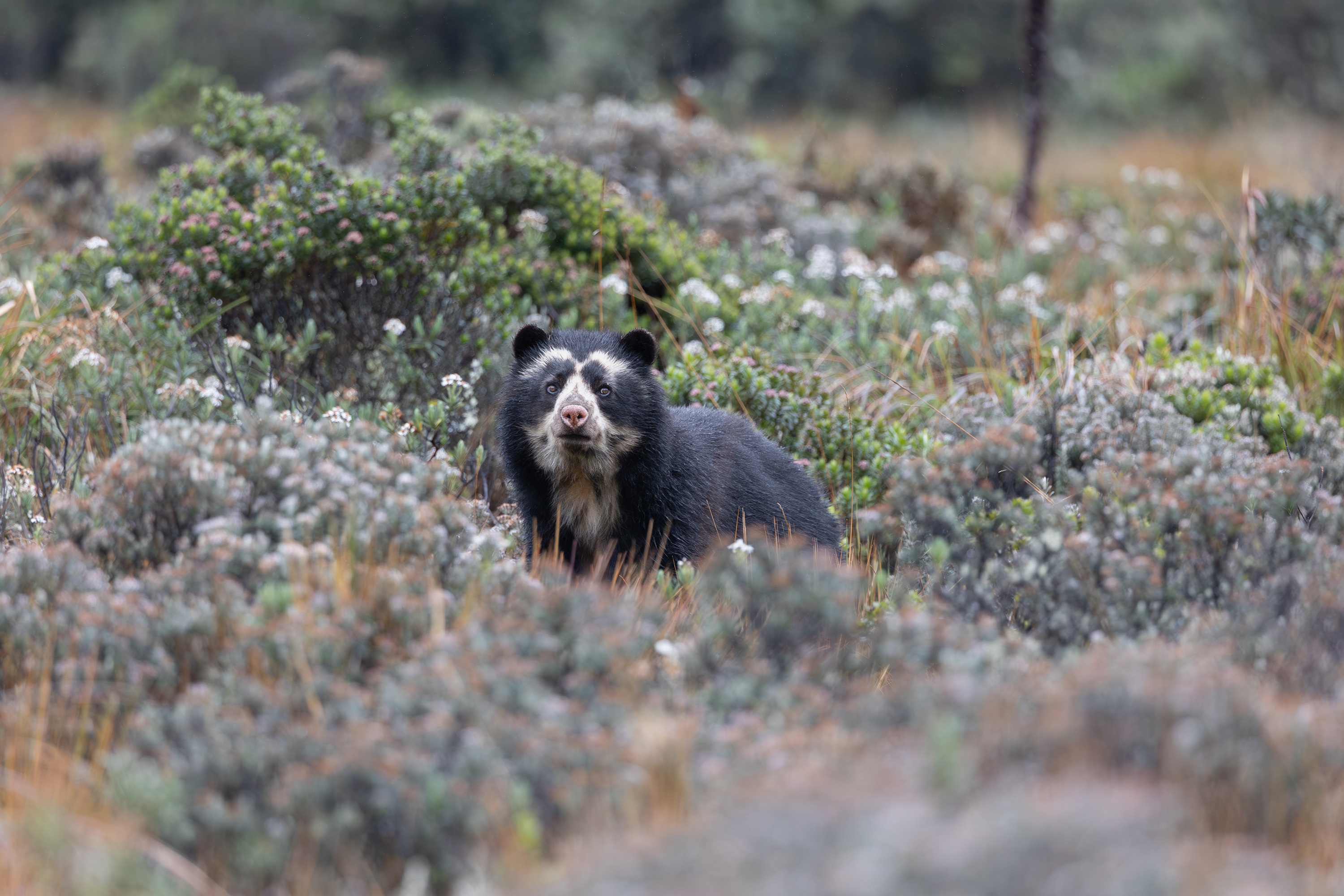
Photo: Keishpixl / Pixabay.
The long struggle to protect the páramo
One of the companies that sought to develop large-scale mining in Santurbán is Eco Oro Minerals Corp.—formerly Greystar Resources—a Canadian company that intended to establish the Angostura open-pit mine there to extract gold and silver. Between 1994 and 1995, the company acquired its mining titles and conducted exploration. And in 2010, it applied for a mining permit.
That was the year AIDA became involved in defending the ecosystem, supporting the Committee for the Defense of Water and the Santurbán Páramo. Our legal work helped convince the Colombian government to deny the mine an environmental permit in May 2011.
In January 2013, the government designated a portion of the páramo (11,700 hectares) as a Regional Natural Park. That year—together with the committee and partner organizations—we carried out a campaign and advocacy efforts to urge the government to recognize the entire Santurbán area as a páramo ecosystem through a delimitation based on scientific criteria. In December 2014, the Ministry of the Environment established a delimitation that protected 76% of the páramo (98,954 hectares).
Furthermore, as a result of a litigation supported by AIDA, in February 2016, Colombia’s highest court reaffirmed that mining in páramos is prohibited.
That same year, in December, the International Finance Corporation (IFC), the World Bank Group’s private sector arm, decided to divest from Eco Oro Minerals. This achievement was the result of a process that began in 2012, when the committee—advised and supported by AIDA and international partner organizations—filed a complaint before an independent accountability mechanism, which concluded that the IFC’s investment in the Angostura project failed to take into account the project’s social and environmental impacts, thereby contradicting the financial institution’s internal policies.
Also in 2016, Eco Oro Minerals filed an arbitration claim against the Colombian government with the International Centre for Settlement of Investment Disputes (ICSID), arguing that it had been adversely affected by government decisions aimed at protecting the country’s páramos, including the delimitation of Santurbán.
In 2017, the Constitutional Court invalidated the delimitation because the affected communities were not consulted. The high court ordered that a participatory delimitation be carried out.
And that year, a new threat to Santurbán emerged when the Canadian multinational Aris Mining applied for an environmental permit for Soto Norte, a gold mining project located near the páramo. Following citizen protests and technical objections, in October 2020, the National Environmental Licensing Authority shelved the project.
Photo: Aztlec.
Current situation
In March 2025, the Colombian government designated the western flank of the Santurbán massif as a temporary renewable natural resource reserve area, delimiting and protecting an area of 75,344.65 hectares. This resulted in a two-year suspension of the Soto Norte project. However, Aris Mining's contract to formalize Calimineros' small-scale mining activities through the purchase and processing of mineralized material remains in effect.
In addition, the Canadian mining company continues to move the project forward. In September 2025, it released its prefeasibility study, revising the mine’s original design.
Meanwhile, members of the Committee for the Defense of Water and the Santurbán Páramo face threats and stigmatization because of their work. In March 2025, UN Special Rapporteurs and the Working Group on Business and Human Rights denounced these incidents in communications sent to the governments of Colombia, Canada, and the United Arab Emirates, as well as to the companies Aris Mining and MDC Industry Holding Company LLC, the former co-owner of the Soto Norte project.
Regarding the arbitration claim filed by Eco Oro Minerals, in July 2024, ICSID ruled in favor of the Colombian government and rejected the Canadian company’s claim for USD 1.1 billion in compensation.
Concerning the delimitation of Santurbán, in July 2026, the Ministry of the Environment issued a resolution introducing the concept of "progressive delimitation." On that basis, the government proposes to progressively demarcate the páramo, covering 29,199 hectares across 19 municipalities—those where the participatory agreements required by the Constitutional Court in its 2017 ruling have already been finalized. It also proposes two measures on the creation and expansion of reserves to restrict mining in the ecosystem.
Learn more about the impacts of mining on the páramos of Latin America (in Spanish).
Partners:
Related projects
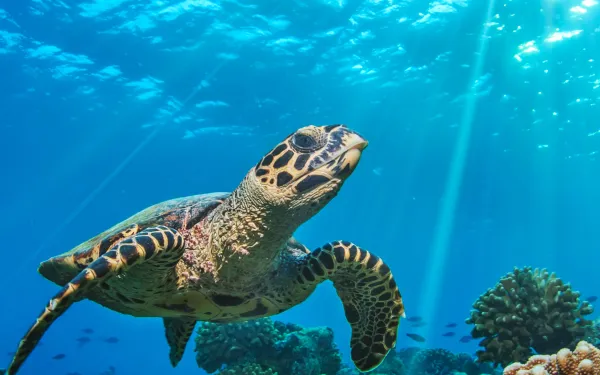
Three major opportunities to save the ocean and the climate
The novel coronavirus pandemic has brought a change in perspective on the importance of many issues, among them access to health and technology, and the inequalities present in many aspects of our lives. It has also renewed discussion about the need to act on the greatest threat facing humanity: the climate crisis. My intention is not to cause alarm or panic, but to emphasize that there is still much to be done. Life on the planet arose in the ocean and, after millions of years, adapted to be possible on land, eventually leading to human existence. Although we do not live in the ocean, it is key to sustaining life on Earth. The ocean is the planet’s main climate regulator. Marine currents set the tone for the seasons and their interaction with the air is the origin of tropical storms, hurricanes, and typhoons. Furthermore, mangroves—which serve as a link between the ocean and the land—and coral reefs are natural barriers against tropical storms. Therefore, a healthy ocean means a healthy climate, and we must seek to preserve it as soon as possible. Unfortunately, scientific evidence shows that the ocean suffers from overheating, acidification, and a loss of oxygen. In the face of this harsh reality, there are three major opportunities for climate-focused ocean protection measures. Despite being delayed due to the pandemic, these international negotiation processes still represent important windows of opportunity to save the ocean, the climate and our future. 1. United Nations Framework Convention on Climate Change The first scenario is within the negotiations of the United Nations Framework Convention on Climate Change, during which member nations meet to review their commitments, progress made in fulfilling them, and the ongoing challenges in the global fight against the climate emergency. During the 25th Conference of the Parties (COP25) in 2019, the possibility of initiating a dialogue on the importance of the ocean in climate action was opened. The country parties, observer organizations, and other institutions were asked to send their contributions on the subject for analysis at the next meeting of the Scientific and Technical Advisory Body. The idea is to more actively integrate marine ecosystems into climate change adaptation and mitigation plans, as well as to highlight their role in building planetary climate resilience. There is no definite date for the next meeting of the Scientific Advisory Body and we will have to wait until November 2021 for the next UN climate summit. 2. High Seas Treaty Conservation and sustainable management of marine resources is another key aspect of protecting oceans and the benefits they provide. This is precisely the goal of the negotiation of a High Seas Treaty within the framework of the United Nations. Marine areas outside national jurisdiction, known as the high seas, represent approximately half of the planet's surface. These areas are under little or no regulation. The treaty seeks to create an integrated legal framework to regulate productive activities on the high seas through environmental impact assessments, spatial management tools such as marine protected areas, management of marine genetic resources, technological capacity building, and technology transfer. Ecosystems in the high seas are highly productive and capable of sequestering carbon and regulating the climate. They are also essential for present and future food security. The last Intergovernmental Conference for the negotiation of the High Seas Treaty was scheduled for March 2020, but was postponed until March of next year. 3. Convention on Biological Diversity The negotiation of biodiversity management targets for the next decade, which are broad and cover a variety of ecosystems, are managed under the Convention on Biological Diversity. One idea that is being promoted is the protection of 30 percent of the ocean by 2030. This goal requires the creation of biologically significant, science-based, and properly managed marine protected areas. Without the High Seas Treaty, this goal is impossible to achieve. Negotiations on the Convention were planned for November 2020, but were postponed until the second quarter of 2021. The link between these three negotiations is undeniable and necessary. Without marine protected areas created with a scientific approach, and without an ocean whose resources are managed sustainably, we will not have effective climate action. This pause in the negotiations gives us time to inform ourselves and learn more about the importance of the ocean. It is a time to reflect on why it’s necessary to protect at least 30 percent of the world's oceans, including the high seas. At stake is our climate resilience, our food security, and our future. Now is the perfect time to reflect on the wise words of Sylvia Earle: “No water, no life. No blue, no green. WIth every drop of water you drink, every breath you take, you’re connected to the sea.”
Read more
Defending the environment is defending our future from the climate crisis
It is estimated that, from December 2015, when the Paris Accord was adopted—seeking to strengthen the global response to the climate crisis—until December 2019, an average of four environmental defenders have been killed each week. This is in addition to countless violent attacks, arrests, death threats and legal actions by state and private agents. This is one of the principal findings of the Global Witness' report, Defending Tomorrow: The climate crisis and threats against land and environmental defenders, which was released in July. The document shows the undeniable link between attention to the climate crisis and the work of human rights defenders. The international NGO contributes to ending human rights and environmental abuses driven by the management and use of natural resources, as well as by corruption. Each year it publishes a report presenting its findings on socio-environmental conflicts and the situation of human rights defenders around the world. This report draws attention to a serious contradiction in the face of a critical problem: human rights defenders play a crucial role in the fight against the climate emergency, but too many governments, companies and financial institutions have failed to safeguard their lives and work. Failing to protect those who care for us The climate crisis is a real and tangible threat to life itself and requires drastic solutions. The international scientific community has warned of the serious consequences of not putting a limit on human activities that accelerate global warming. We need public policies for adaptation and mitigation, to put a stop to the use of fossil fuels, to protect nature and not to criminalize its defense. However, state mechanisms have been more effective in promoting extractive industries and have made little progress in what truly matters. The Global Witness report notes that large-scale agriculture, hydrocarbon extraction and especially mining are the main industries driving conflict and violence against defenders. At the same time, they lead the activities that aggravate the climate emergency, since they involve the clearcutting of forests and the emission of carbon dioxide into the atmosphere. Echoing recent research, the report notes that indigenous and local communities around the world care for forests that absorb the equivalent of 33 times our current annual carbon emissions. In other words, their role in mitigating the climate crisis is vital. It has also been shown that lands managed by indigenous peoples have lower deforestation rates and better conservation outcomes than protection areas that exclude these peoples. Despite this, Indigenous defenders suffer a disproportionate number of attacks. Between 2015 and 2019, they represent more than a third of attacks against defenders despite representing only 5 percent of the world's population, the report says. And last year alone, 40 percent of those killed belonged to Indigenous communities. The climate crisis and the violence against human rights defenders have different impacts. But in both cases, Indigenous peoples, Afro-descendants, peasant communities and women are disproportionately at risk. Women defenders not only face contextual violence like the rest of the community, but are often doubly stigmatized for their role as women and as defenders. In turn, they may become victims of sexual violence, a practice historically used to show power over bodies and territories. Increasing violence against defenders According to Global Witness, 2019 was the deadliest year on record for defenders, with 212 murders. More than two-thirds of the crimes were recorded in Latin America, which has consistently been the most affected region since the organization began publishing this data in 2012. In the Amazon alone, there were 33 deaths (90 percent of the murders in Brazil occurred there). In Colombia, there were 64 murders, a 150 percent increase from 2018 and the highest figure the organization has recorded in the country. And Honduras, with 14 deaths, became the most dangerous country in 2019 in terms of the number of murders per million people. The Philippines and Colombia combined represent more than half of all the murders of environmental defenders recorded last year. The report is very clear in mentioning that intimidation, harassment and violence against defenders have their structural causes in the linkage between governments, companies and unions. States' actions and omissions have resulted in stigmatization, criminalization and killings. The document includes a global map with concrete cases of violence and actions taken by human rights defenders and civil society. One of these cases is that of women in the micro-region of Ixquisis, Guatemala, who are defending their territory from two hydroelectric projects. Through their struggle, they have managed to have their complaint addressed by the accountability mechanism of the Inter-American Development Bank, one of the dams’ financiers. AIDA represents the community in that case. Putting defenders first It is increasingly clear that environmental defenders are at risk for opposing projects that exacerbate the climate crisis. It is therefore urgent to prioritize within climate action their protection and the eradication of all violence against them. The situation presented is serious and requires solutions that are committed to the planet and to people. It’s necessary to respect and guarantee the defenders’ rights to participation, association, access to information and justice. States must put an end to violence within the framework of their international obligations; provide immediate protection to defenders; and implement transformative measures through legal, political, and administrative actions, in accordance with international human rights standards. Such actions include the ratification of the Escazú Agreement and the normative adaptation necessary to guarantee the fundamental rights to life, integrity, and a healthy environment and to defend human rights. In addition, they should promote transitions that overcome the long chain of impacts on human rights and the environment from fossil fuel extraction. In light of this, and within the framework of the obligation of due diligence, corporate responsibility is key to stopping, preventing and investigating possible conflicts or violence against human rights defenders. Finally, a social, political and ecological transition is needed that fully respects environmental and human rights. The transition must ensure that inequality gaps are not widened, address the structural causes of conflict to achieve a violence-free planet, mitigate environmental and climate damage, and ensure justice for all.
Read more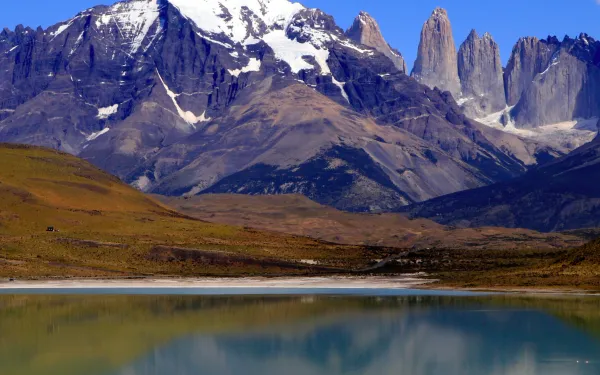
Chile fails to advance towards adequate oversight of the salmon industry
An administrative summary carried out by Sernapesca investigating serious irregularities in salmon farming concessions ended up absolving the officials involved of all charges, without valid arguments. The results of the audits of Chile’s Subsecretariat of Fishing and Aquaculture (Subpesca) and the National Service of Fishing and Aquaculture (Sernapesca), carried out in 2016 by the Comptroller General's Office, showed serious irregularities in salmon farming concessions. This led to Sernapesca undertaking an internal administrative investigation to establish the facts and assign responsibility for those irregularities. However, the officials who were the subject of the investigation were absolved of all charges without sufficient evidence. The audits identified that a significant number of the concessions were operating in anaerobic conditions (generating a lack or absence of oxygen). They also found that concession holders (at least 100) took samples at alternate sites so as to demonstrate the presence of aerobic conditions. Thirty-one percent of the centers reviewed had operated outside of their authorized concession area. Also, Sernapesca did not confirm that the concessions had not expired for failing to starting operations one full year after their material delivery. Despite the seriousness of the fact that a significant percentage of the concessions are creating anaerobic conditions—under which marine life cannot survive—the investigation did not address this reality. Without any justification, the officials called to answer for this lack of oversight simply refused to accept any responsibility. To mention just a few examples: they excused displaced concessions citing a tolerance range for displacement that contradicts the law, lacks scientific basis, and is often violated; they excused themselves from taking samples at different sites on the grounds that the concessions were displaced; and, to explain the lack of declarations for expired concessions, they argued that there are no legal or regulatory provisions that order Sernapesca to officially confirm the expiration of a concession. Such statements cannot be used as an excuse to allow companies to continue maintaining their concessions when they have legally expired. Based on the process described, the Interamerican Association for Environmental Defense (AIDA), the NGO FIMA, and Greenpeace Chile consider that, despite the declared intent of the authorities, there are still serious problems with the control and government oversight of salmon farming in Chile, and the adequate curbing of its expansion. The generation of anaerobic conditions, which are occurring in many of the salmon farming concessions, is a very serious and often irreversible environmental problem. Places without oxygen quickly become true underwater deserts where life cannot thrive. Awareness of this problem, however, is not common because it occurs underwater, where it cannot be seen. The agencies in charge of regulating and overseeing the industry have a fundamental job to carry out. The Comptroller's Office took an important step by carrying out audits of Subpesca and Sernapesca. Now we need the agencies to confront the weaknesses that have been revealed and to rise to the very important task of monitoring and sanctioning the industry. We urge the Comptroller General's Office to adequately follow up on the 2016 audits. It is clear that the control of the industry, as well as the imposition of sanctions when appropriate, is not working as it should and the seas of southern Chile cannot continue to be unprotected. It is urgent to move towards stopping the expansion of an industry that has proven to be incompatible with the health of marine ecosystems, and to implement the appropriate sanctions, derived from the expiration of concessions and environmental permits for those farms causing grave environmental impacts. press contact: Victor Quintanilla (Mexico), AIDA, [email protected], +5215570522107
Read more